
Behind the Strength
Heat treatment is not a hidden step in rigging hardware production-it is the process that defines strength, toughness and reliability. This guide explains how normalizing, quenching and tempering shape the performance of forged hooks, shackles and lifting components, and what a buyer should know before specifying or sourcing them.
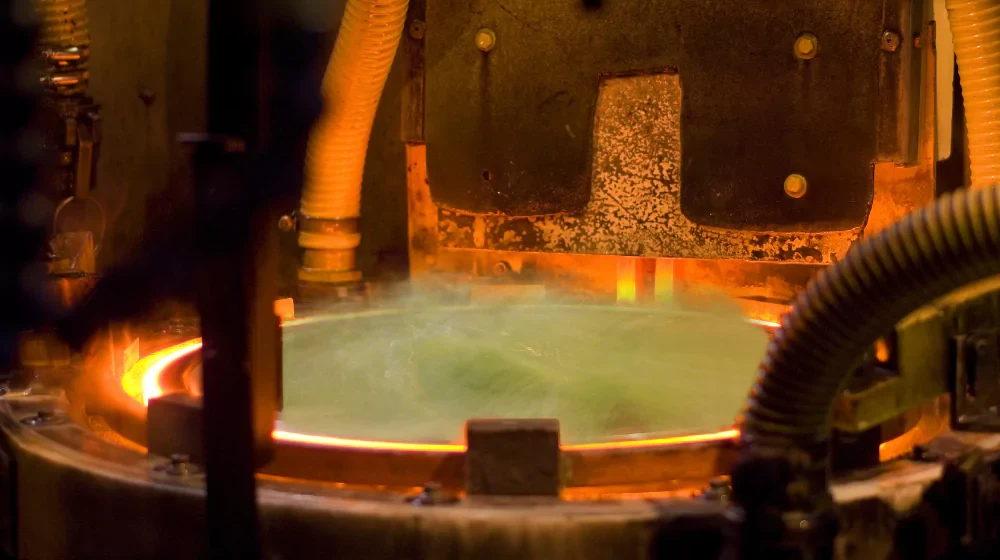
Why Heat Treatment Matters in Forged Rigging Hardware
Forged rigging hardware like hooks and shackles must endure repeated loading, environmental exposure and mechanical stress. Without heat treatment, the material retains internal stresses and uneven grain structure, which can lead to premature failure. The three core processes-normalizing, quenching and tempering-are not optional steps. They are required to achieve the mechanical properties that match the intended service duty. A part that is not heat treated to specification cannot be trusted for lifting or securing heavy loads, regardless of its appearance or grade marking.
Normalizing: Setting the Foundation
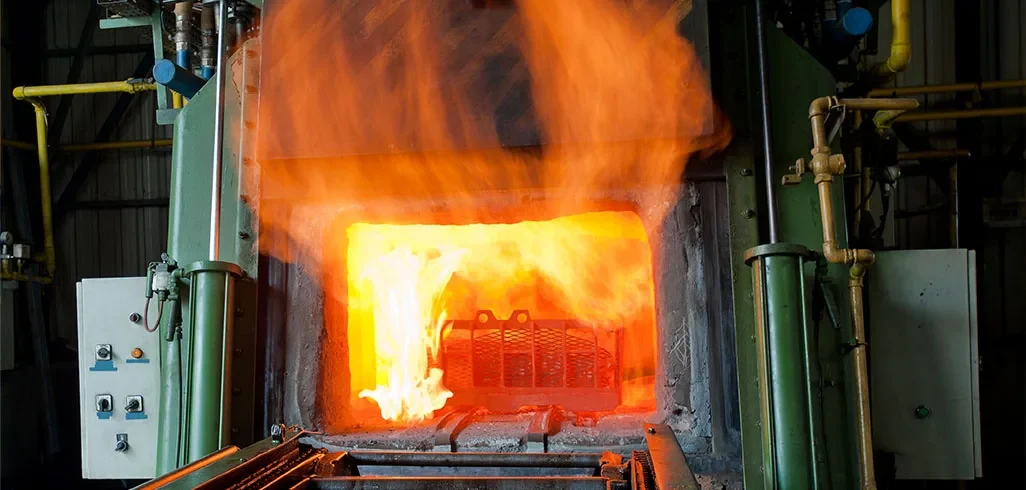
Normalizing involves heating the forged part above the material's critical temperature and then cooling it in still air. This process refines the grain structure, reduces internal stresses and improves material uniformity. It is commonly applied to shackles and other components where consistent strength and resistance to sudden failure are essential. Normalized parts show better structural integrity and are less prone to cracking under cyclic loading. This step is especially important when the base material has been forged at high temperature and needs to stabilize before further processing.
Drop Forged Roller Shackle with Hexagon Bolt Pin and Nut, Sheave / Pulley D Shackle
Quenching: Building Hardness and Strength
Quenching rapidly cools the part after heating, forming a martensitic structure that increases hardness and strength. The cooling medium-water, oil or air-must be selected based on the material and part geometry. Rapid cooling increases strength but also raises the risk of cracking or warping if not controlled. Quenching is typically used on hooks and other components where wear resistance and load-bearing capacity are critical. The process must be precisely timed and monitored to avoid defects that compromise safety, especially in high-stress areas like the throat opening of a hook.
Drop Forged Roller Shackle with Hexagon Bolt Pin and Nut, Sheave / Pulley D Shackle
Tempering: Balancing Toughness and Hardness
After quenching, the part is too brittle for practical use. Tempering reheats the component to a lower temperature and then cools it slowly. This reduces brittleness while maintaining high strength. The tempering temperature determines the final balance-higher temperatures increase toughness at the cost of some hardness. This step is essential for hooks and shackles that must resist impact and sudden loads without fracturing. A properly tempered part will not crack under shock loading, even when used in dynamic environments like crane operations or marine tie-downs.
How the Sequence Defines Performance
The order of these processes matters. Normalizing comes first to prepare the material. Quenching follows to harden it. Tempering comes last to make it safe and functional. Skipping any step or altering the sequence leads to unpredictable results. A part that is quenched but not tempered will be hard but brittle. One that is normalized but not quenched will lack strength. Buyers should expect the full sequence when specifying Grade 80 or Grade 100 hardware, and verify that it is documented in the Material Test Certificate.
Common Production Challenges and How They Affect Buyers
Cracking after quenching often results from excessive cooling rate or poor material selection. This defect is not always visible and can lead to sudden failure in service. Insufficient hardness may stem from incorrect quenching temperature or inadequate cooling time. Both issues compromise safety and can invalidate the part's working load limit. A buyer should ask for proof load testing and dimensional tolerance checks, and verify that the process sequence is followed. If a supplier cannot explain the heat treatment steps, the part's reliability is in question.
What Buyers Should Ask Before Ordering
Ask whether the part has been normalized, quenched and tempered, and request confirmation of the process sequence in writing. Ask for the tempering temperature used, as it affects toughness. Request the Material Test Certificate to verify the batch's mechanical properties. Confirm that the heat treatment matches the grade-Grade 80 and Grade 100 components require full treatment. If the supplier cannot provide this information, the part may not meet the intended performance standard, even if it carries the correct grade stamp.
G2160 Shackle Crosby Wide Body Shackles
How to Verify Heat Treatment in the Field
Visual inspection alone cannot confirm heat treatment. A part may look identical to one that has been properly treated, but lack the internal structure to support its rating. The only reliable way to verify is through documentation-specifically the Material Test Certificate and proof load test results. If a part is marked with a WLL and a grade, but no certificate is available, the rating cannot be validated. Always request the certificate before accepting delivery, especially for overhead lifting or high-risk applications.
G2160 Shackle Crosby Wide Body Shackles
Ordering note. Heat treatment is not optional—it is required to achieve the strength and toughness needed for safe rigging hardware Normalizing refines grain structure and relieves stress; quenching increases hardness; tempering reduces brittleness The sequence—normalizing, then quenching, then tempering—is critical to performance and must be followed A part that is quenched but not tempered will be hard but bri