
Navigating the 3 Most Common Used Rigging Equipment and Their Components
Wire rope slings and polyester webbing slings are both critical for lifting and securing heavy loads, but they serve different roles based on load type, environment, and handling requirements. This guide explains what each is, where they are used, and how to choose the right one for your rigging task.
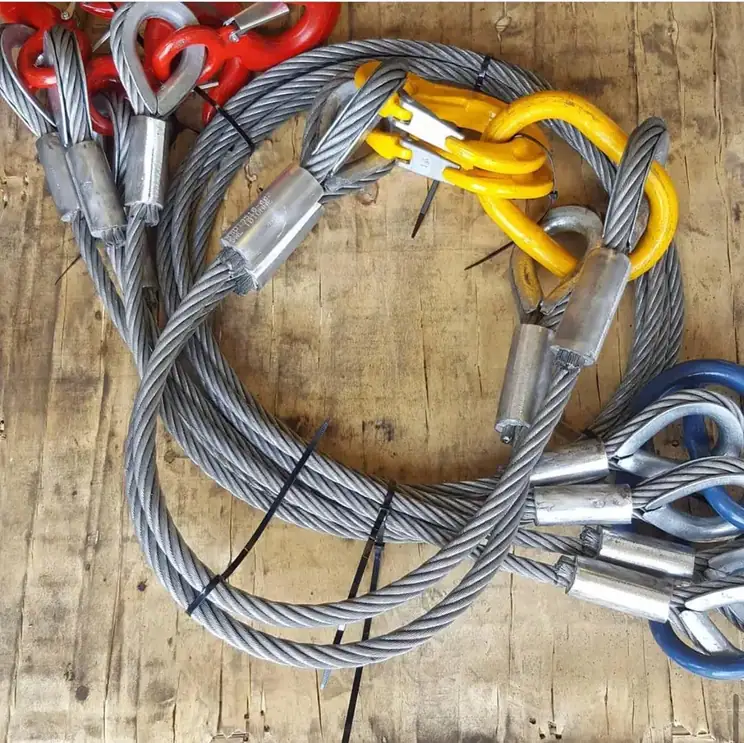
What Wire Rope Slings Actually Are
Wire rope slings are made from high-strength steel wires twisted into a flexible yet durable rope. They are designed for heavy lifting and high-abrasion environments where strength and longevity are critical. Common configurations include single-leg, two-leg, three-leg, and four-leg setups, each with end fittings like hooks, shackles, or thimbles. They are used with cranes, hoists, winches and forklifts. Their strength comes from the steel construction and is rated by working load limit based on diameter, construction type and configuration. Galvanised or coated finishes resist corrosion and abrasion, extending service life in harsh conditions.
Where Wire Rope Slings Belong
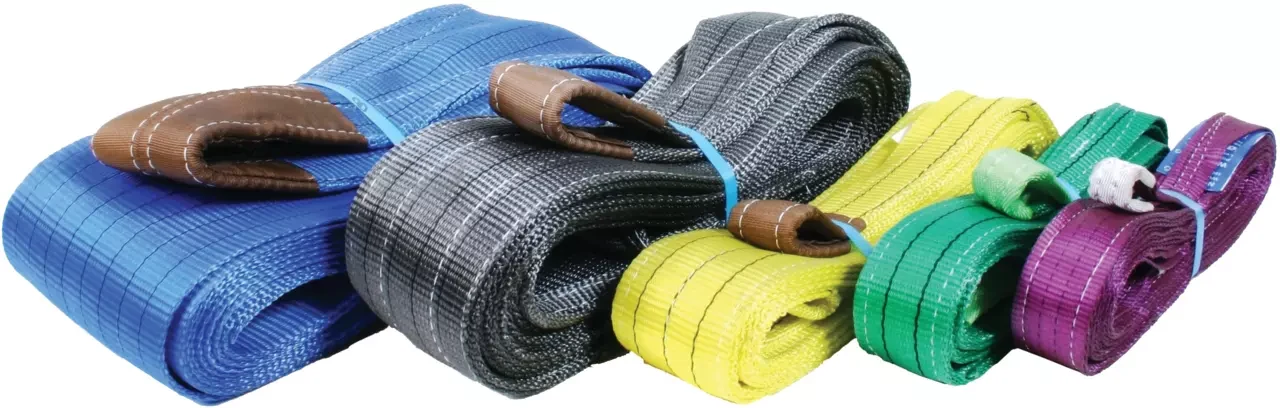
Wire rope slings are standard in construction, mining, marine, offshore and heavy industrial lifting. They are used for moving steel beams, machinery, containers, and large structural components. Their resistance to heat, abrasion and environmental exposure makes them ideal for outdoor and high-wear applications. They are the go-to choice when the load is sharp-edged, heavy, or exposed to high temperatures. For a distributor, this means stocking them in standard configurations and sizes for crane operators, rigging contractors and port handling teams who need reliable, long-life lifting gear.
1T Endless Webbing Sling/Endless Polyester lifting slings
What Polyester Webbing Slings Actually Are
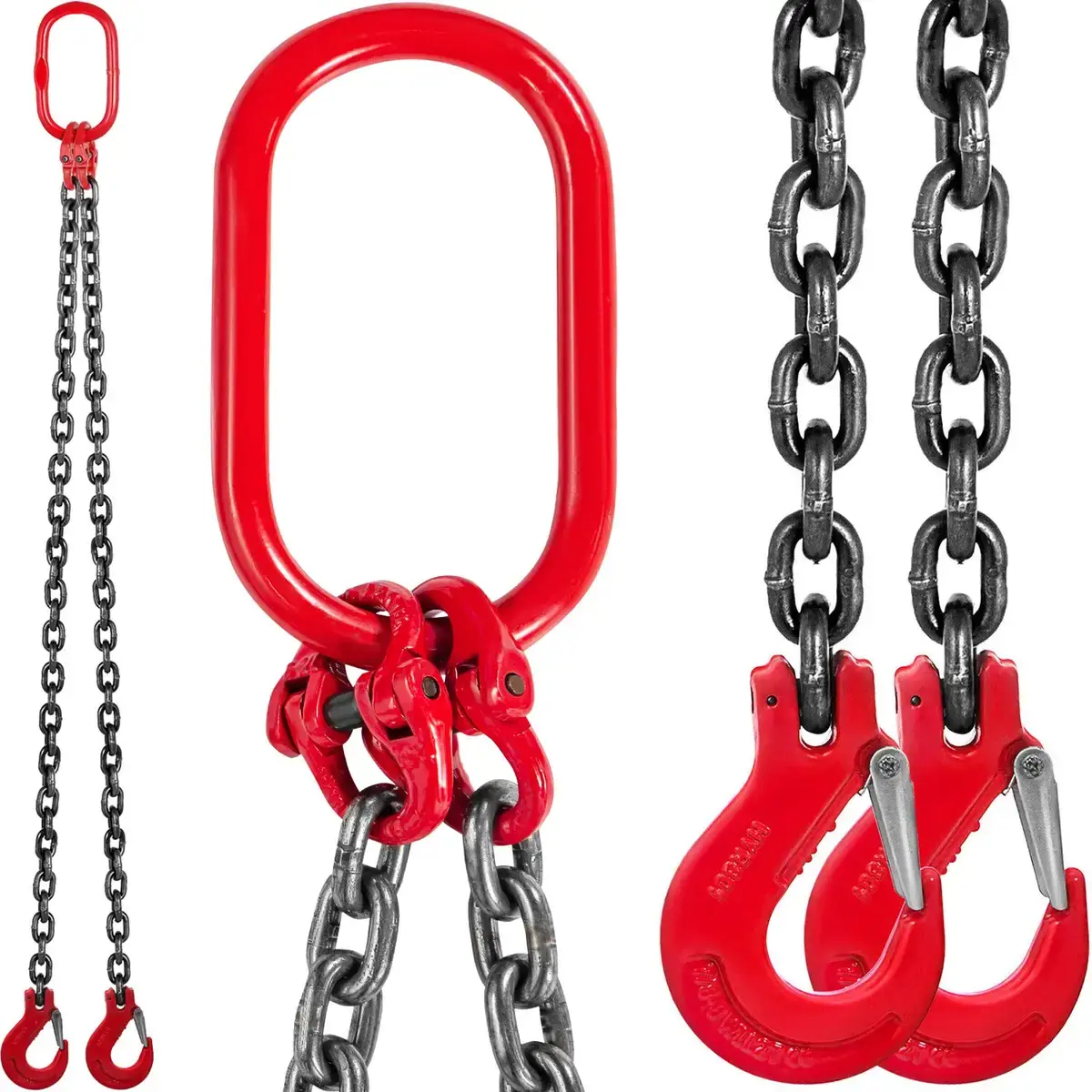
Polyester webbing slings are flat, flexible straps made from high-strength polyester fibers woven into a continuous fabric. They are designed to lift and secure loads without damaging surfaces. They are commonly used in manufacturing, logistics, and assembly lines where load protection is essential. Available in single-leg, two-leg, and multi-leg configurations, they feature end fittings such as hooks, shackles, or thimbles. Their strength is rated by working load limit based on width, thickness, and configuration. They are not suitable for high-temperature environments and must be protected from sharp edges. They are easy to handle and store, and their flexibility allows for quick setup in tight spaces.
1T Endless Webbing Sling/Endless Polyester lifting slings
Where Polyester Webbing Slings Belong
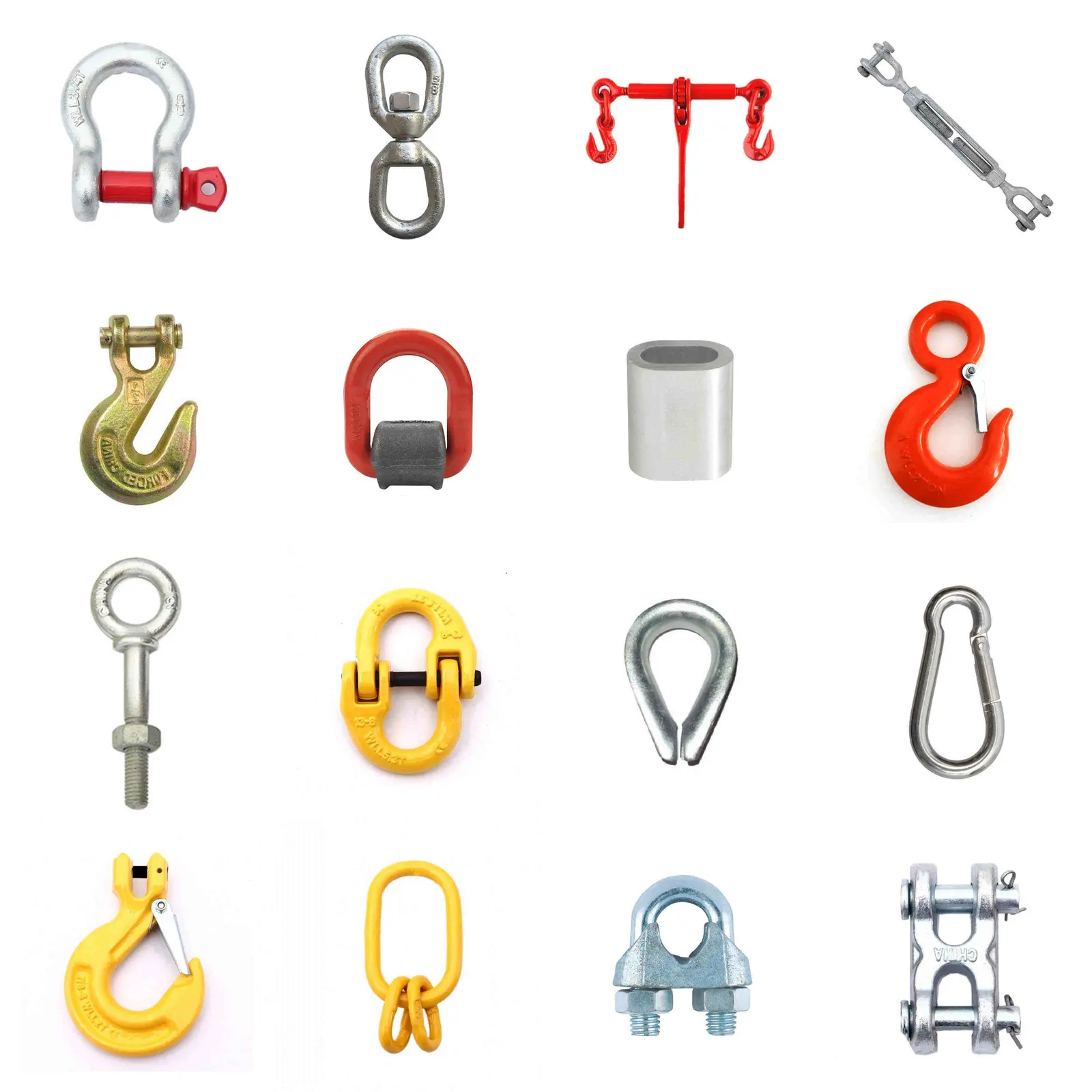
Polyester webbing slings are used in industries where surface protection is critical, such as in automotive manufacturing, steel processing, and logistics for finished goods. They are ideal for lifting painted metal, glass, plastic, and delicate machinery. Their non-marring surface prevents scratches and dents. They are also used in environments where noise reduction and ease of handling are priorities. For a distributor, this means carrying them in a range of widths and lengths to serve equipment handlers, warehouse managers, and production line supervisors who need to move sensitive loads without damage.
2T Endless Webbing Sling/Endless Polyester lifting slings
The Direct Comparison
On material, wire rope slings are steel; polyester webbing slings are synthetic fiber. On strength, wire rope handles higher loads and resists abrasion better. On finish, wire rope is galvanised or coated; polyester is plain or coated for UV resistance. On environment, wire rope suits high-temperature, outdoor, and abrasive settings; polyester suits indoor, clean, and surface-sensitive applications. On configuration, both offer single-leg, two-leg, three-leg, and four-leg options. On handling, wire rope is heavier and less flexible; polyester is lighter and easier to manage. On cost, wire rope is higher upfront but longer lasting; polyester is lower cost and easier to store.
2T Endless Webbing Sling/Endless Polyester lifting slings
How to Read the Marking on Arrival
Check the working load limit and grade stamp on the sling. Wire rope slings are marked with WLL, diameter, configuration and standard such as EN 1492-1 or ASME B30.26. Polyester webbing slings are marked with WLL, width, configuration and standard such as EN 1492-2. The marking must be visible and legible. If the marking is missing or unclear, do not use the sling. Ask for the Material Test Certificate if the batch is being audited. Always verify that the end fittings match the sling's rated configuration and grade.
2T Endless Webbing Sling/Endless Polyester lifting slings
Matching the Sling to the Load and Environment
A sling is only as strong as its weakest component. Ensure the end fittings, configuration and sling material all match the load and environment. Using a wire rope sling with a polyester end fitting is not safe. Using a polyester sling on a sharp edge without protection causes rapid wear. Use wire rope for heavy, abrasive, or high-temperature loads. Use polyester for surface-sensitive, clean, or indoor loads. When sourcing, confirm the full assembly is rated to the same standard and WLL. Never mix materials or configurations without a documented engineering review.
3T Endless Webbing Sling/Endless Polyester lifting slings
How to Split the Range as a Distributor
Stock wire rope slings in standard configurations and sizes for crane and rigging contractors, especially in 1/2 inch to 1 inch diameters. Stock polyester webbing slings in widths from 2 inches to 6 inches for manufacturing and logistics customers. Keep the most common configurations-single-leg and two-leg-in both materials. Add multi-leg and custom lengths based on customer demand. Use clear bin labels to separate by material, configuration and WLL. Avoid mixing wire rope and polyester slings in the same storage area to prevent confusion during order picking.
3T Endless Webbing Sling/Endless Polyester lifting slings
What to Ask a Supplier Before You Order
Ask which standard the sling complies with-EN 1492-1, EN 1492-2, ASME B30.26, or ASTM. Ask for the WLL, diameter, configuration and material thickness. Ask whether the sling is proof load tested and whether the batch has a Material Test Certificate. Ask if the end fittings are rated to the same WLL. Ask if the supplier can quote a full assembly with matching components. And ask whether the sling is marked with WLL, configuration and standard. A supplier who provides this detail is more likely to deliver a safe, compliant product.
3T Endless Webbing Sling/Endless Polyester lifting slings
Ordering note. Wire rope slings are made from high-strength steel and are used for heavy lifting in abrasive or high-temperature environments Polyester webbing slings are made from high-strength polyester fibers and are used to protect load surfaces in clean or indoor settings Wire rope slings are available in single-leg, two-leg, three-leg and four-leg configurations with steel end fittings Polyester webbing sl