Disinfection is a surface problem
A disinfectant has to reach a clean surface and stay wet on it long enough to work. A porous render, an open hollow chamber or a crack that holds organic matter all defeat that before the chemistry gets a chance.
This is why material choice in a pig house is a biosecurity decision, not only a durability one.
Seal the surfaces
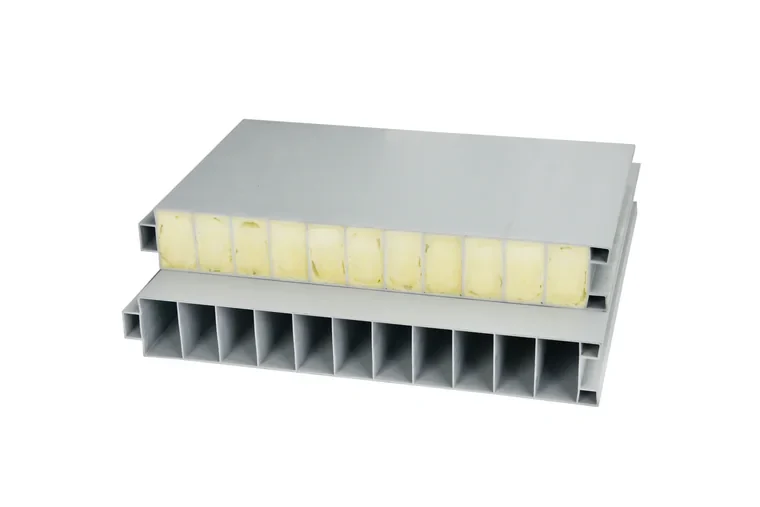
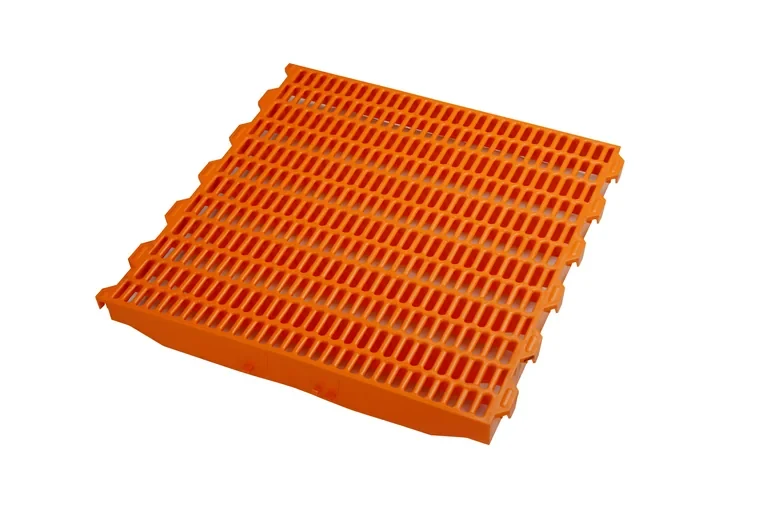
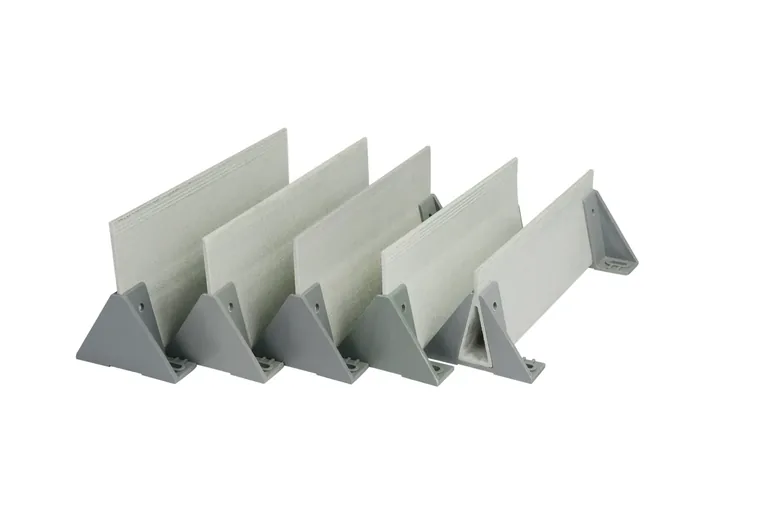
Sealed-chamber PVC board and moulded PP panel both present a smooth, non-absorbent face. Rendered blockwork does not: it takes in moisture, crazes under a pressure washer and gives organic matter somewhere to sit.
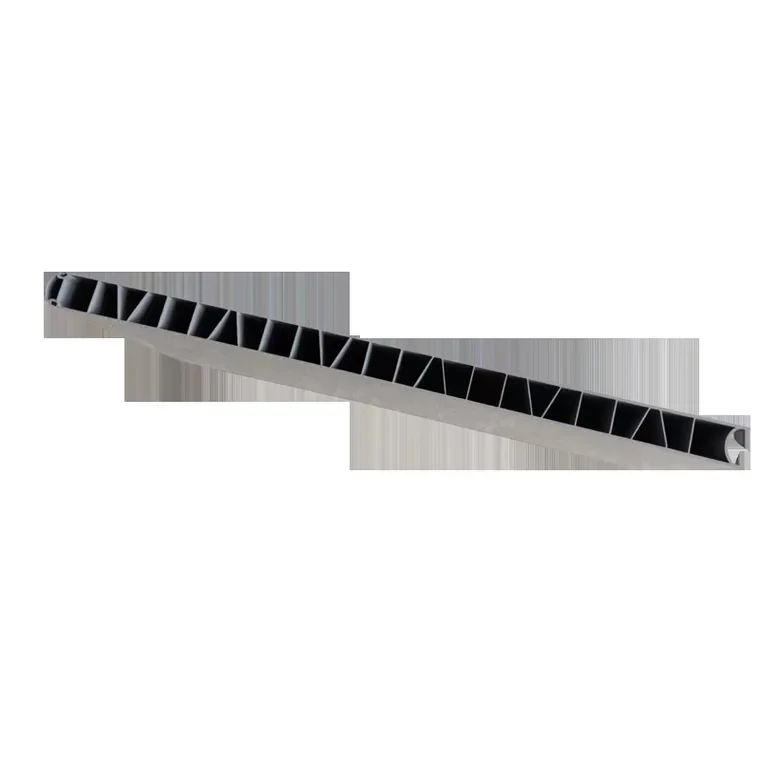
Cap every cut edge. An open hollow chamber at a doorway or a service opening takes in water at every wash and cannot be cleaned out.
Get the joints right
A panel joint that has not closed leaves a shoulder, and a shoulder collects manure. Push H-connector joints fully home, and where joint sealing matters most, specify the co-extruded panel with the bonded sealing strip on its joining edge.
Seal the base channel to the floor. Water that gets behind a wall is water that never dries and never sees disinfectant.
Solid where the boundary is
Vented panels are correct between pens sharing an air space and wrong at a room boundary. An all-in/all-out routine assumes the room is a closed unit; a vented panel at its edge breaks that assumption quietly.
Mark every room boundary on the plan and specify solid panels there.
Design the floor for drying, not just draining
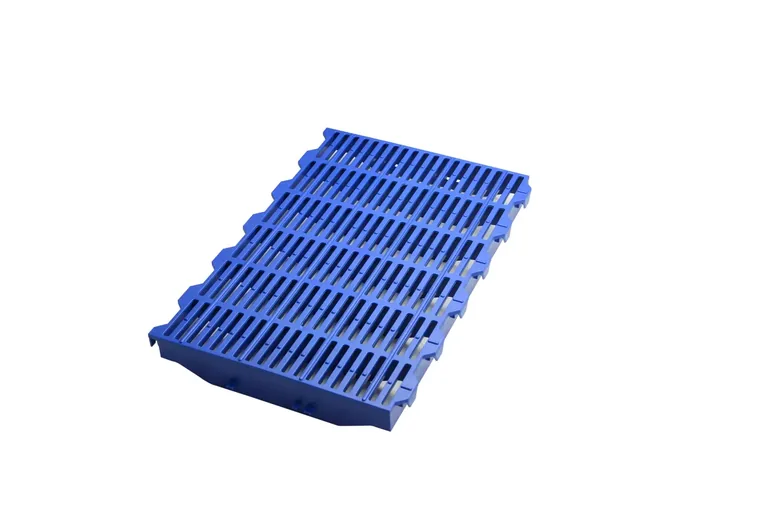
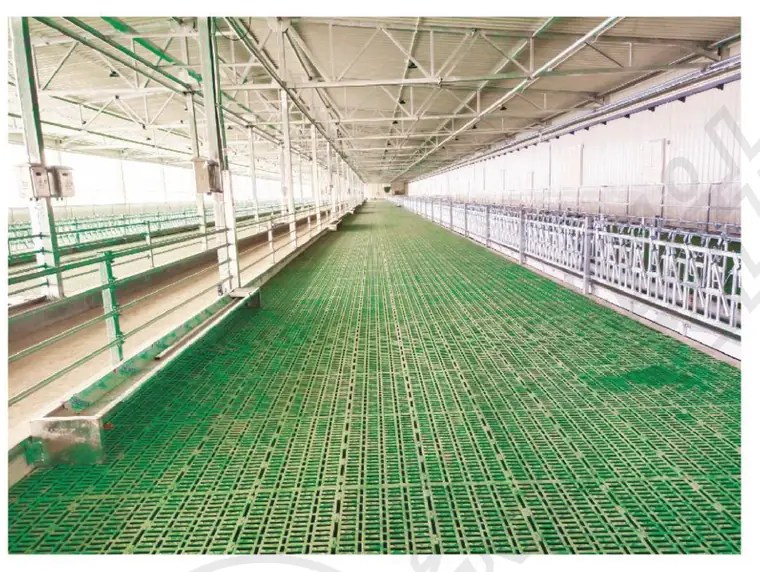
Rooms that turn around quickly need a floor that dries quickly. The waterdrop perforation pattern drains from the whole panel surface rather than along slot lines, which shortens the gap between washing a room and refilling it.
Do not exempt the equipment
Fans, feeders and drinkers are part of the room. Fan housings should be sealed and washable so they are included in the routine rather than worked around. Feed pans should be emptied and rinsed at batch change instead of topped up over old feed. Drinker valves should be stripped and cleaned on the same cycle.
A practical order of work
Dry-clean first, then wash, then disinfect, then dry. Equipment that cannot survive that sequence should not have been specified for a livestock room.