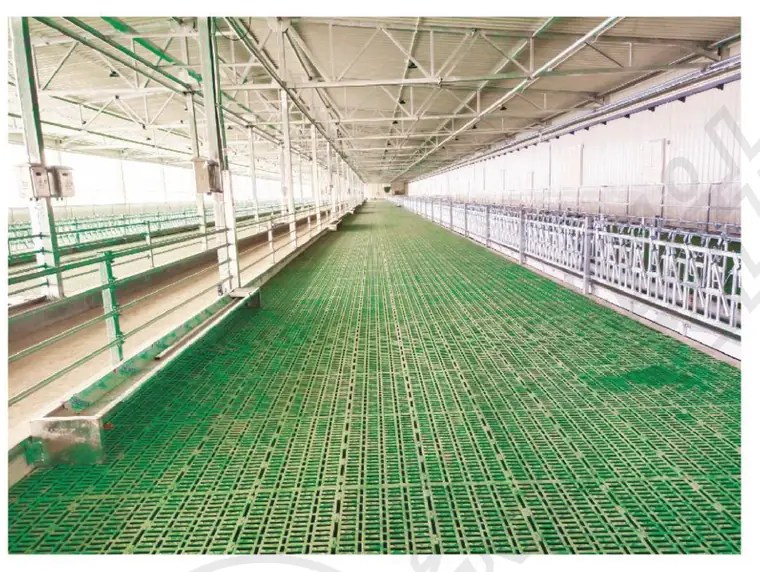
Floor: gap and span
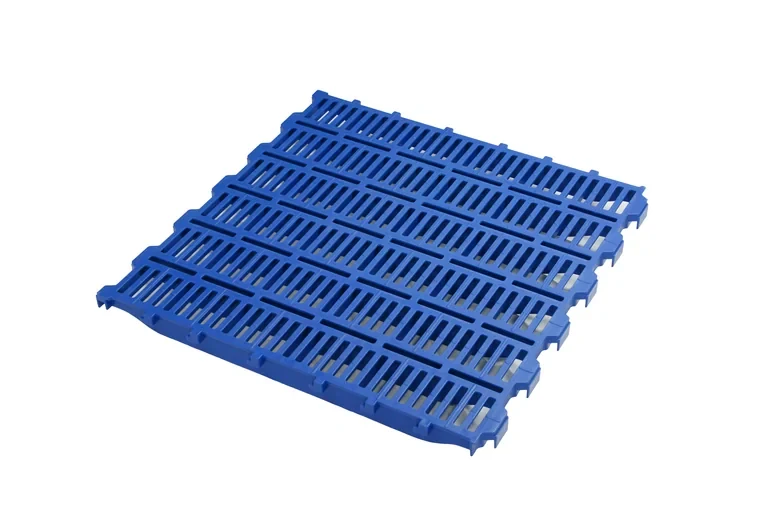
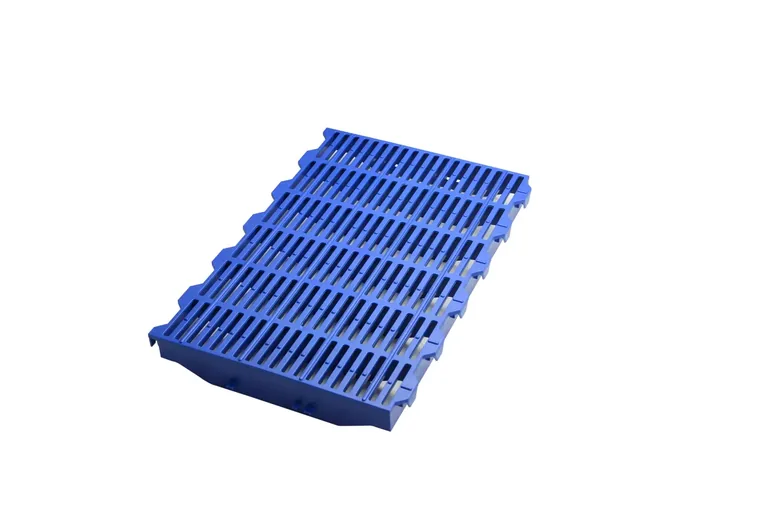
Confirm the slat pattern is the fine-gap series, not the wide-slot floor used in finishing. Confirm the span matches the beam centres — the last digits of the code are the span in millimetres.
Walk the floor before the room is loaded. Anything that rocks is a levelling problem and will not settle on its own.
Pens: height and face
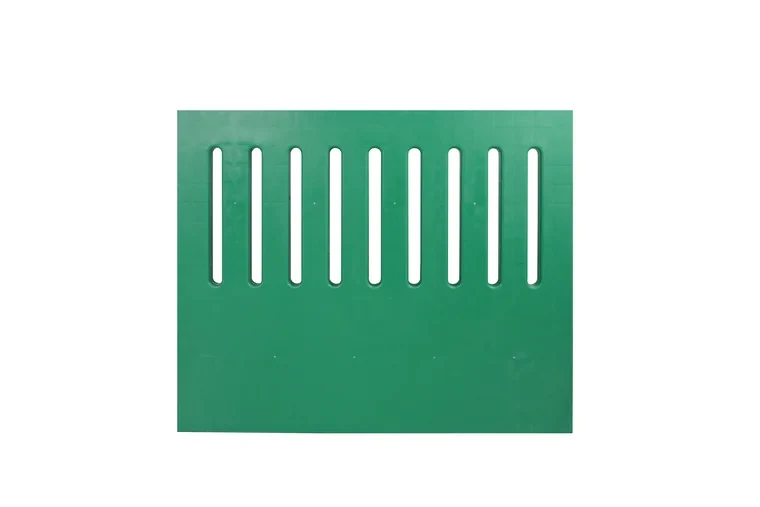
850 or 900 mm panel height for weaner groups: enough to contain the pigs, low enough to see into the pen from the alley.
Vented panels between pens sharing an air space; closed panels at the room boundary so the all-in/all-out batch is genuinely separated.
Feeders: type and height
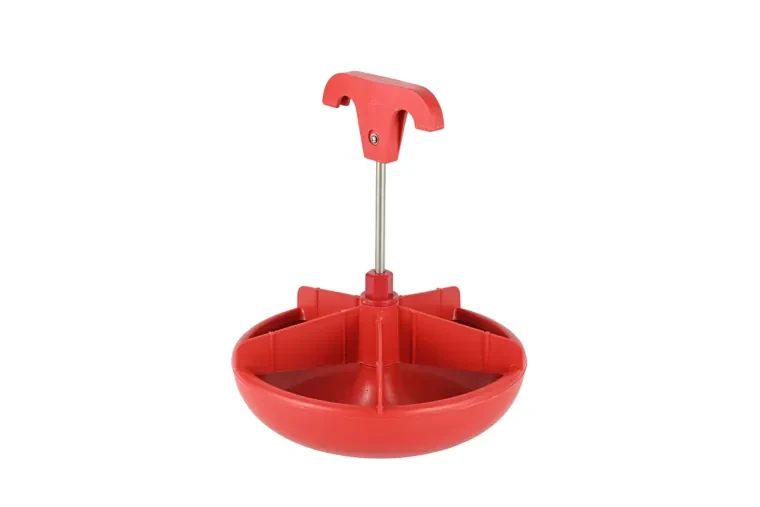
A round pan gives every pig in a freshly sorted group the same access, which is what matters in the first fortnight. Mount the rim at the shoulder height of the smallest pig, not the average.
Set the flow so feed is present but not heaped, and plan to re-check it weekly through the first month.
Water: pressure before drinkers
Check the regulator is set for the drinkers fitted, then verify flow at the last drinker on the run. Mount bite cups at the smallest animal's shoulder height.
If the previous batch left wet pens, the fault is upstream — fix the pressure, not the drinker.
Air: movement and dead spots
Walk the empty room with a thermometer at animal height. Check the far pen, the corner behind the door and the bay under the inlet. A compact spot fan is the proportionate fix for a single dead corner.
Hygiene: edges and joints
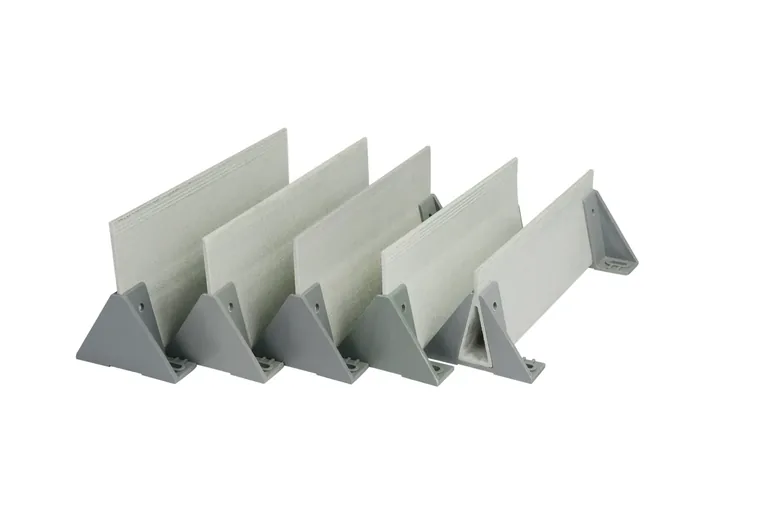
Look for uncapped cut edges, joints that have not closed and any sign of water tracking behind a base channel. All three defeat the disinfection routine, and all three are easier to fix in an empty room.
The day before
Run the feed line and watch a drop into each pan. Trigger each drinker by hand. Run the fans. Walk the floor. Everything found today is an hour's work; everything found next week is a batch's growth.