
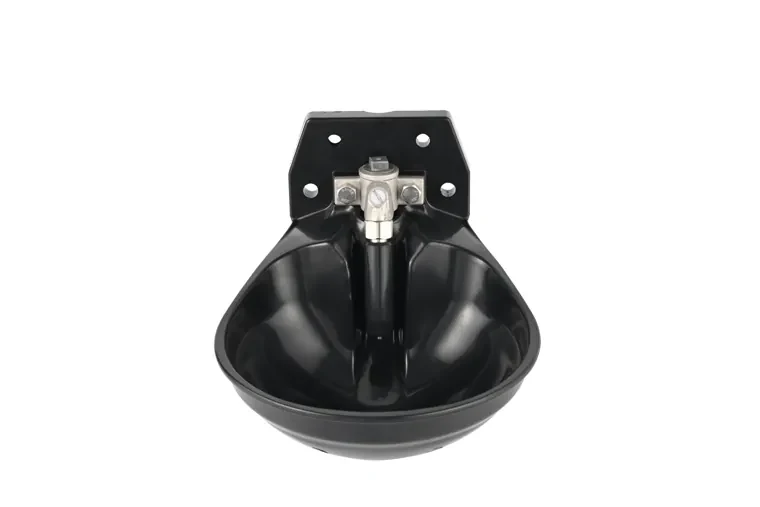
 Drinking
Drinking Bowl
Robust drinker bowl with a float valve, so water is there when the animal wants it and nowhere else.
Cast + stainlessFloat valve
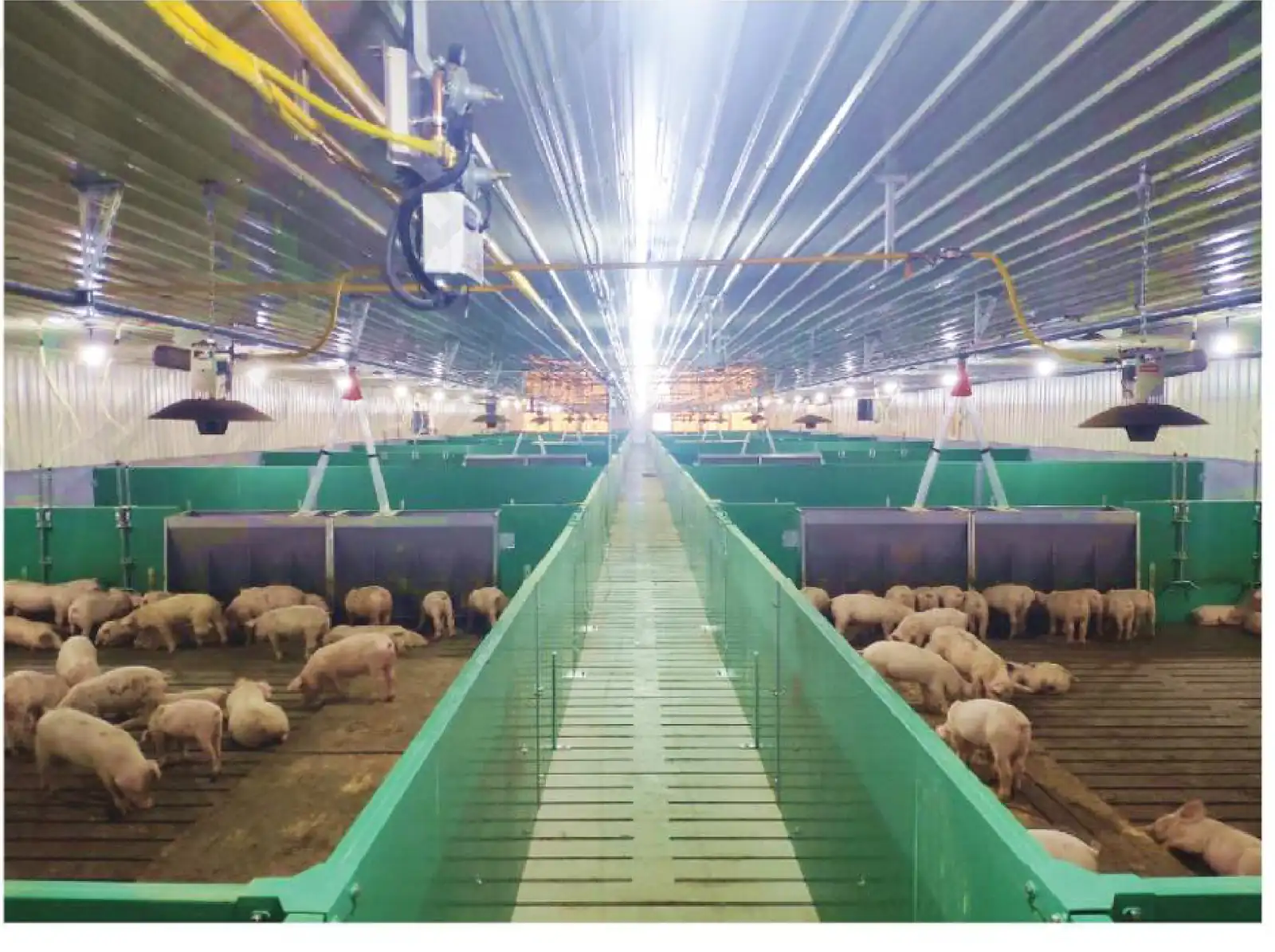
Drinking Systems
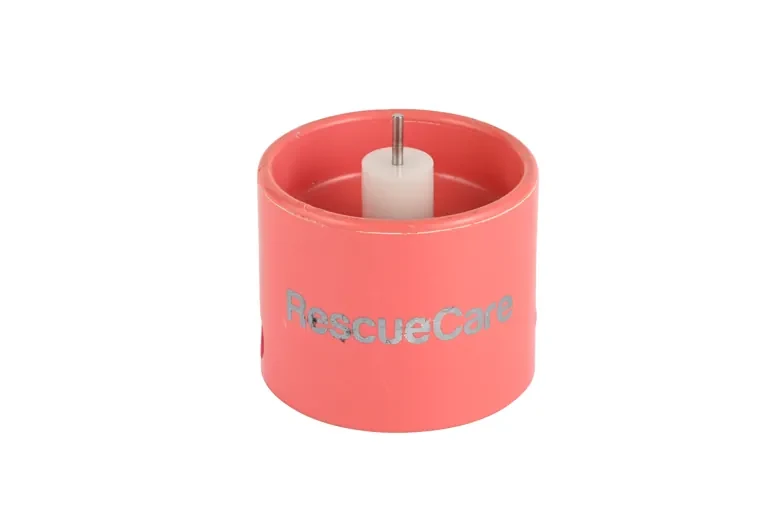
Bite-action drinking cup that delivers water only while the animal is drinking, and stays clean between.
A bite valve opens under the pressure of the animal's mouth and closes the moment it lets go. There is no standing reservoir to foul and no continuous flow to waste, which makes it the simplest drinker to keep clean in a room that is washed between batches.
The cup body is moulded engineering plastic with the valve assembly built in, sized for nursery through to finishing pens.
Key benefits
The valve closes as soon as the animal releases it, so there is no running water in an empty pen.
No reservoir means nothing to sit and grow between drinks.
The bite action is the mechanism most weaned pigs are already used to.
An engineering plastic moulding with the valve integrated has fewer joints to leak.
A bite cup has no standing water to contaminate.
The bite valve closes immediately.
An integrated valve body removes most of the joints.
One-factory supply
Flooring, penning, feeding, water and climate are made on the same site, so a room can be specified and shipped as one order.
See the turnkey packageSpecifications
Figures below are taken from the JGM product catalogue. Anything we cannot source from it is marked TBC and confirmed with your quotation rather than estimated.
| Item | Specification |
|---|---|
| Body | Engineering plastic |
| Valve | Bite action, on demand |
| Stage | Nursery to finishing |
| Cup dimensions | TBC confirmed with the quotation |
| Connection | TBC confirm your line size with the enquiry |
| Packing | Quantity |
|---|---|
| Method | Boxed |
| Notes | Carton size and container quantity confirmed with the quotation |
Ask for the full size chart and carton-loading data for your order.
Injection-moulded polypropylene. The Drinking Cup is injection-moulded on JGM's own presses in Ningbo. Polypropylene granulate is dried, dosed and shot into a steel tool, so the part that leaves the press is the part the tool was cut for — there is no secondary forming stage where the dimension can drift. Colour is added as masterbatch at the press, which is why colour goes all the way through the part instead of sitting on it as a coating.
Comparison
| Alternative | When to choose it instead |
|---|---|
| Drinking Bowl | A float bowl gives standing water and suits sows and heavy finishers. |
| Piglet Drinking Cup | For creep and early nursery, the low-flow piglet cup is sized for smaller mouths. |
| Water Control Valve | Regulate line pressure upstream so the bite valve seals correctly. |
Use guide
Mount at the shoulder height of the smallest animal in the pen.
Set line pressure with a control valve — an over-pressured bite valve will drip.
Trigger each cup by hand at commissioning to check flow and seal.
Strip and clean valves at batch change; grit is the usual cause of a dripping cup.
Answers
Flow depends on the regulated line pressure. Tell us your pressure and stock type and we will confirm what the cup will deliver.
Not on a correctly regulated line. A dripping bite valve is almost always over-pressure or grit on the seat.
It suits nursery pigs onwards. For creep pens and the first days after weaning, use the piglet cup.
Confirm your line size with the enquiry and the matching fitting is supplied.
Related products
Drinking
Robust drinker bowl with a float valve, so water is there when the animal wants it and nowhere else.
 Drinking
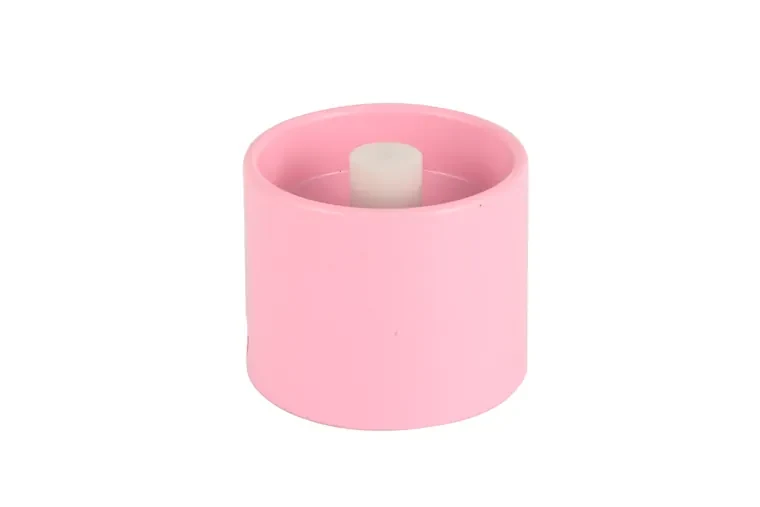
Low-flow piglet cup sized for creep and nursery pens, with a transparent bowl so intake can be seen.
 Drinking
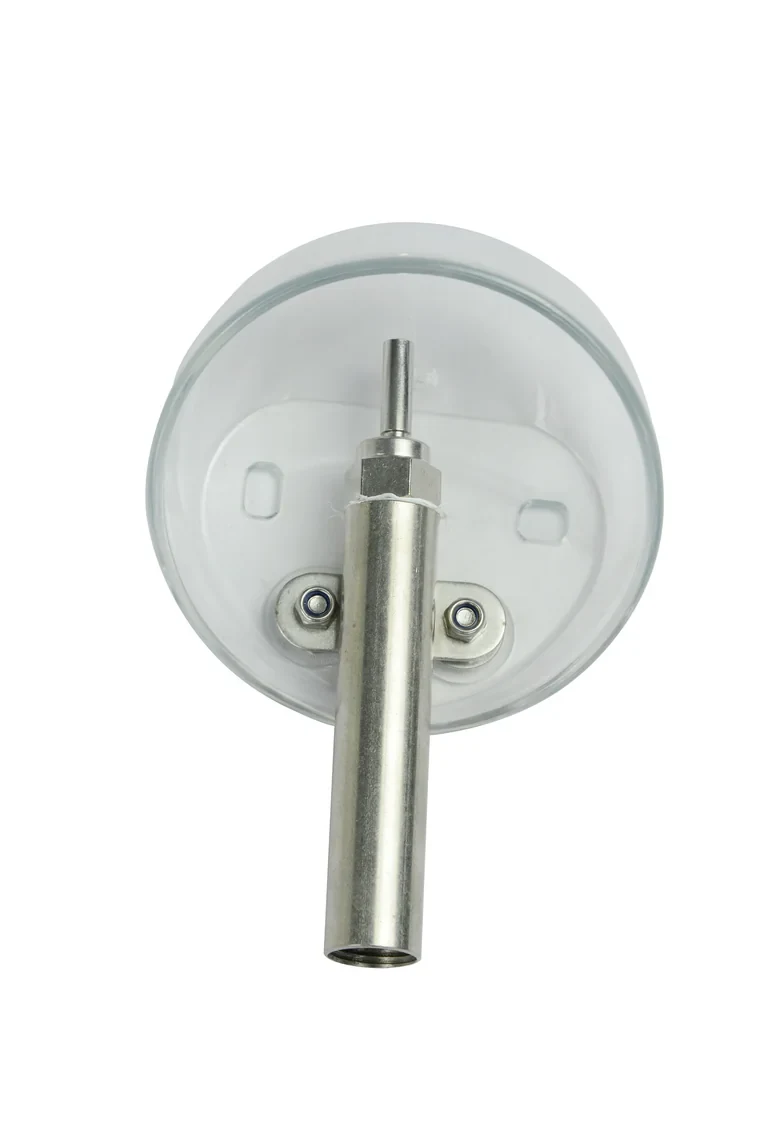
Diaphragm water control valve that holds the right pressure to bowls and nipple lines, all day and every day.
 Feeding
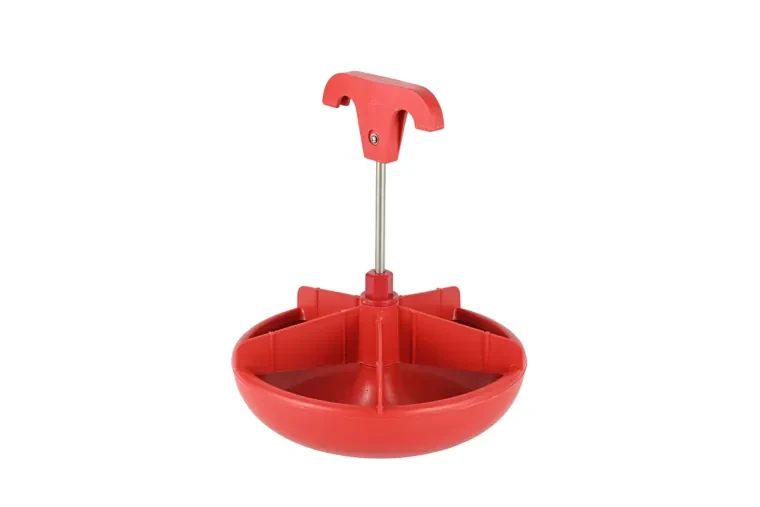
Round wean-to-finish pan feeder that gives every pig the same access around the bowl.
Related reading
 Troubleshooting Article
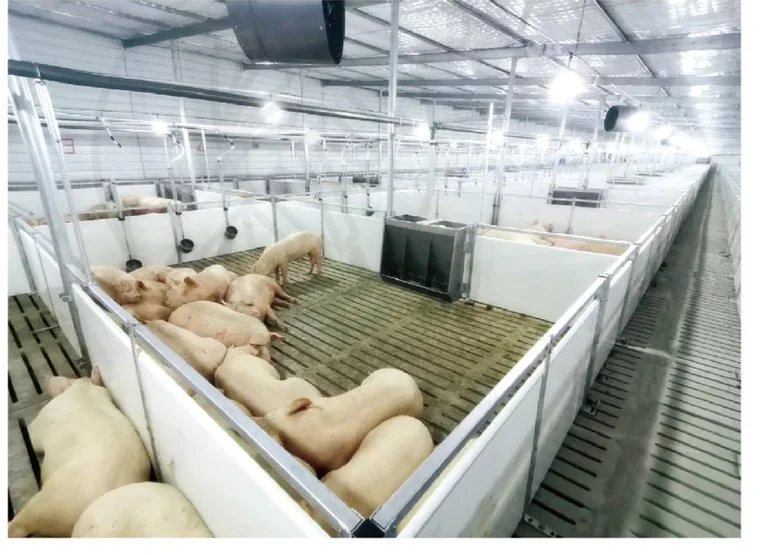
Wet pens, dripping drinkers and animals at the end of a line that never get enough: three symptoms, usually one cause.
 Checklist
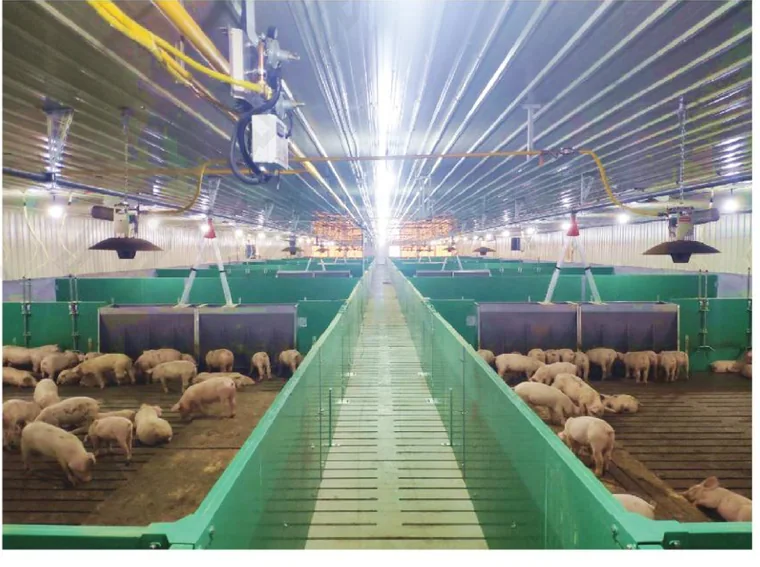
The nursery room is where growth is either kept or lost. This is what to check before the first batch walks in.
Talk to an engineer
Tell us the room size, the animal stage and the capacity you are aiming at. Our engineers reply with a layout, an equipment list and a quotation.