
 Feeding
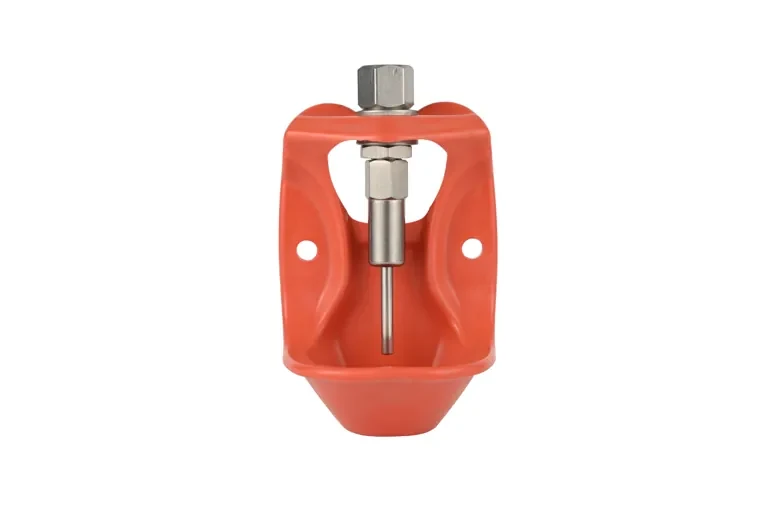
Maxi Pan Feeder
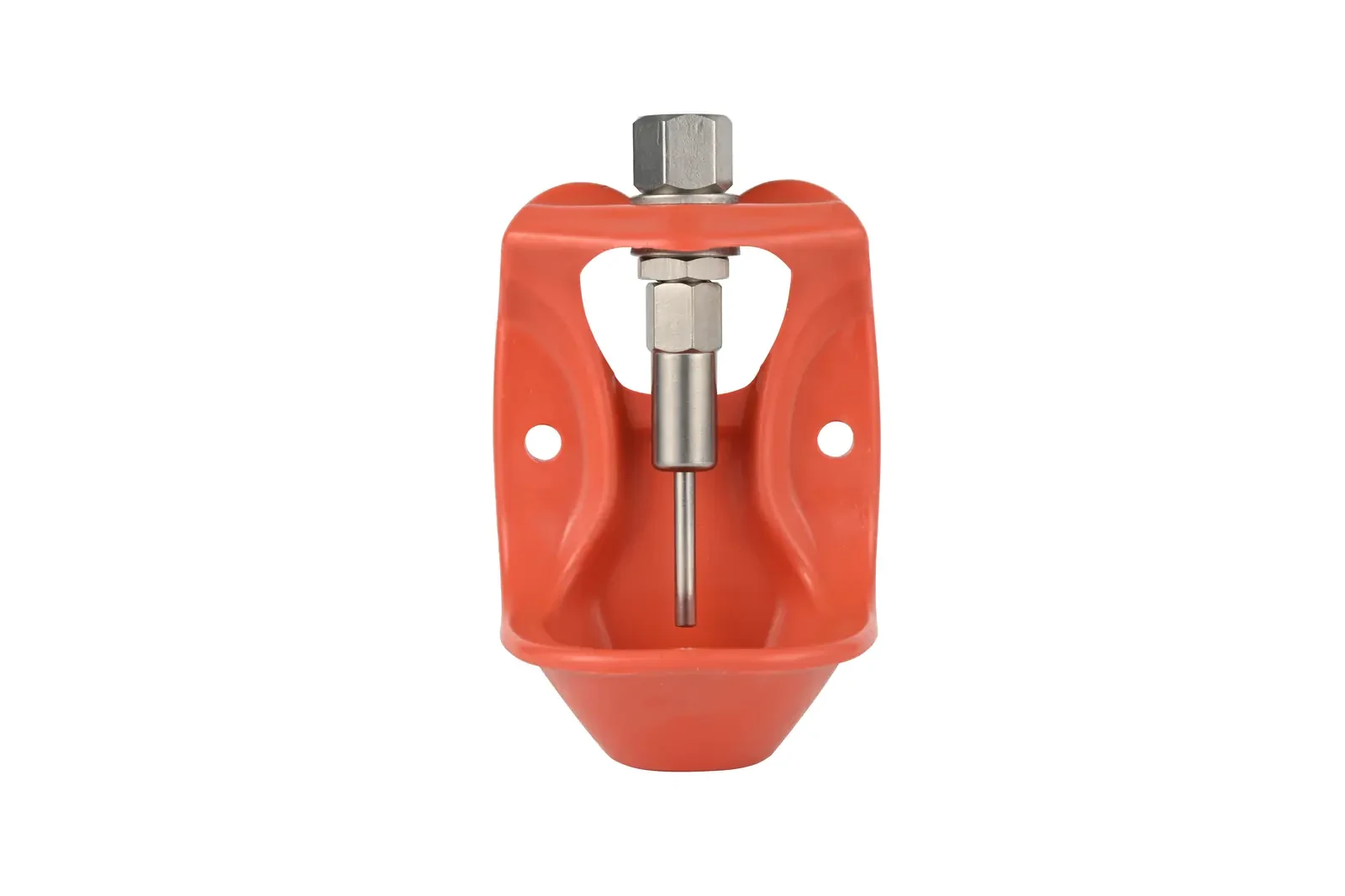
Large-capacity pan feeder with a stainless adjustment for grow-finish pigs, set to deliver feed without spilling it.
PP + stainlessAdjustable flow
Feeding Systems
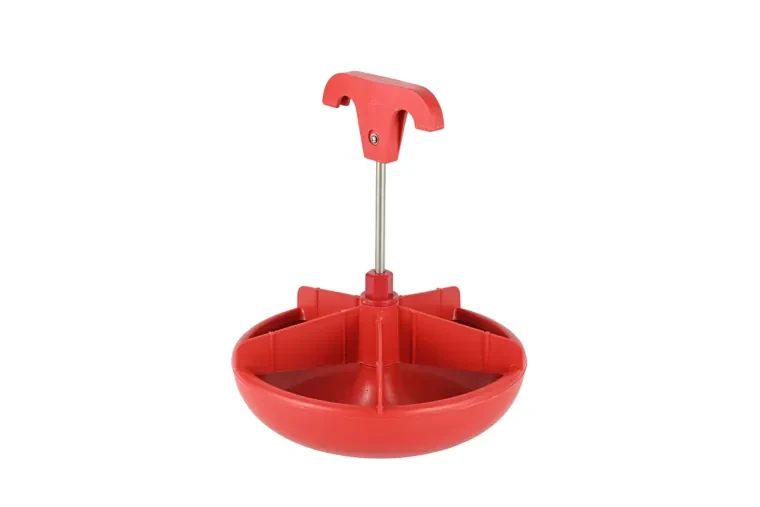
Round wean-to-finish pan feeder that gives every pig the same access around the bowl.
A round pan removes the corner. In a rectangular trough the animal at the end is always the one that loses out; around a circular bowl every feeding place is the same, which matters most in the weeks after weaning when a group is still sorting out its order.
The pan is moulded polypropylene with a central feed drop, mounted at the height of the stage it serves.
Key benefits
No end position and no corner, so the timid pig in a freshly weaned group still eats.
A round pan is the easiest shape for a small pig to work out and use.
A smooth bowl with no internal corners rinses out completely.
The same feeder carries pigs from weaning through to finishing.
A round pan has no worst place to stand.
A smooth bowl leaves nowhere for it to sit.
One pan covers wean-to-finish.
One-factory supply
Flooring, penning, feeding, water and climate are made on the same site, so a room can be specified and shipped as one order.
See the turnkey packageSpecifications
Figures below are taken from the JGM product catalogue. Anything we cannot source from it is marked TBC and confirmed with your quotation rather than estimated.
| Item | Specification |
|---|---|
| Material | Polypropylene (PP) |
| Shape | Round bowl, central drop |
| Stage | Wean to finish |
| Bowl diameter | TBC confirmed with the quotation |
| Feeding places | TBC depends on the bowl version |
| Packing | Quantity |
|---|---|
| Method | Boxed per feeder |
| Notes | Carton size and container quantity confirmed with the quotation |
Ask for the full size chart and carton-loading data for your order.
Injection-moulded polypropylene. The Round Pan Feeder is injection-moulded on JGM's own presses in Ningbo. Polypropylene granulate is dried, dosed and shot into a steel tool, so the part that leaves the press is the part the tool was cut for — there is no secondary forming stage where the dimension can drift. Colour is added as masterbatch at the press, which is why colour goes all the way through the part instead of sitting on it as a coating.
Comparison
| Alternative | When to choose it instead |
|---|---|
| Maxi Pan Feeder | The maxi pan has a larger capacity and a stainless adjustment for finishing groups. |
| Trumpet Feed Drop Pipe | A trumpet drop pipe spreads feed evenly into the bowl from an overhead line. |
| Dosing Cup (6L / 8L) | Dosing cups are the right answer where rations must be measured per animal. |
Use guide
Mount the bowl so its rim is at the shoulder height of the smallest pig in the group.
Set the drop so feed is present but not heaped — a full bowl is a wasted bowl.
Rinse between batches; do not add new feed over old.
Check bowl fixing tightness after the first week, when pigs test everything new in the pen.
Answers
It depends on the version supplied and is confirmed on the quotation — this page marks it TBC rather than quoting a figure we cannot source.
Send the group size, the stage and the feed type and we will advise the number of feeding places you need.
It is designed for dry feed. Tell us if you are feeding wet and we will recommend the right equipment.
From an overhead line through a drop hopper or a trumpet drop pipe, both from the same JGM range.
Related products
Feeding
Large-capacity pan feeder with a stainless adjustment for grow-finish pigs, set to deliver feed without spilling it.
 Feeding
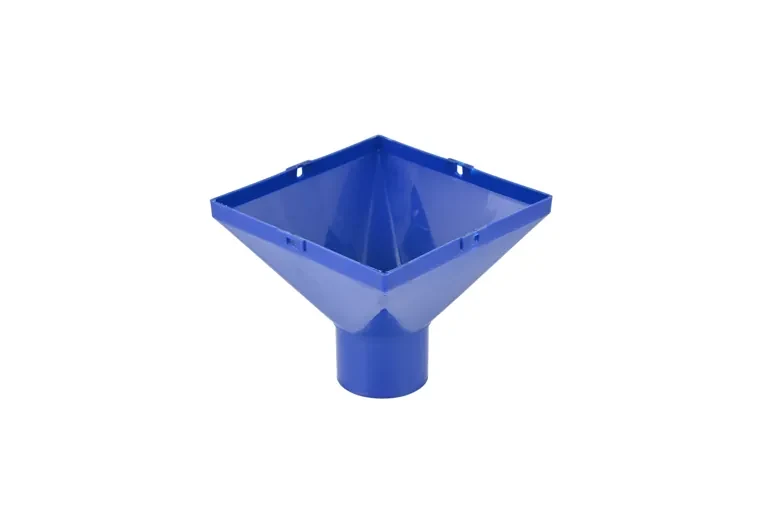
Trumpet-mouth drop pipe in Ø60 and Ø75 mm that spreads feed evenly across the pan instead of dropping it in one place.
 Feeding
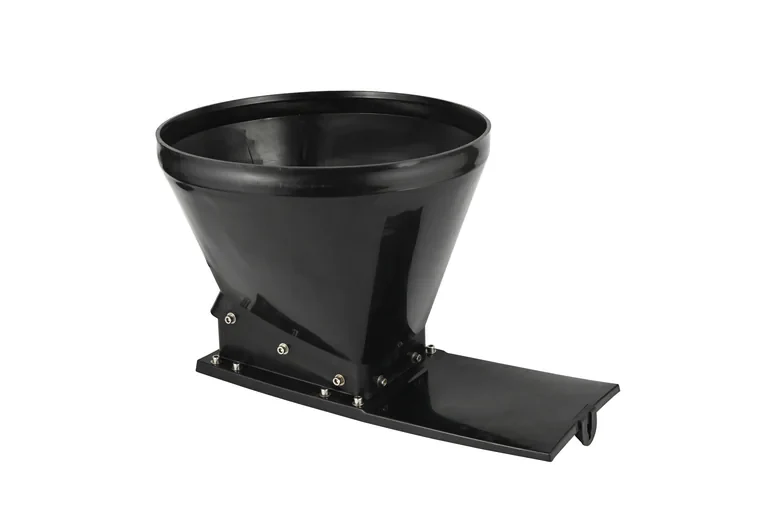
Drop hopper that channels feed cleanly from the line into the pan or trough below.
 Drinking
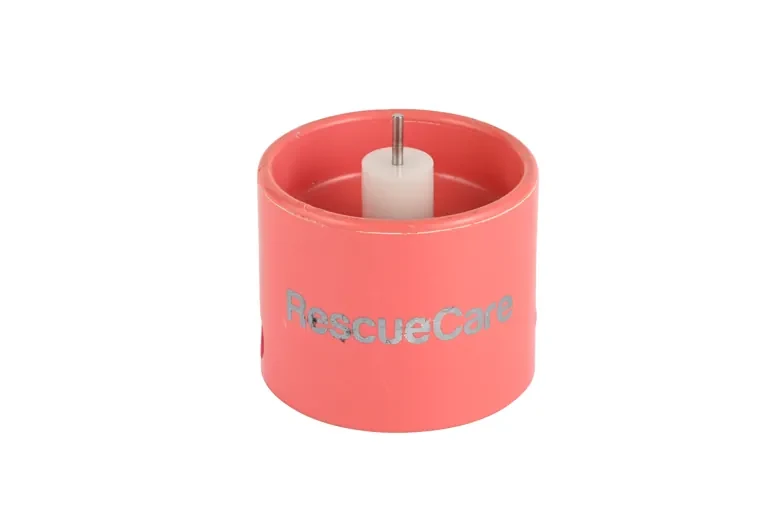
Bite-action drinking cup that delivers water only while the animal is drinking, and stays clean between.
Related reading
 Product Guide
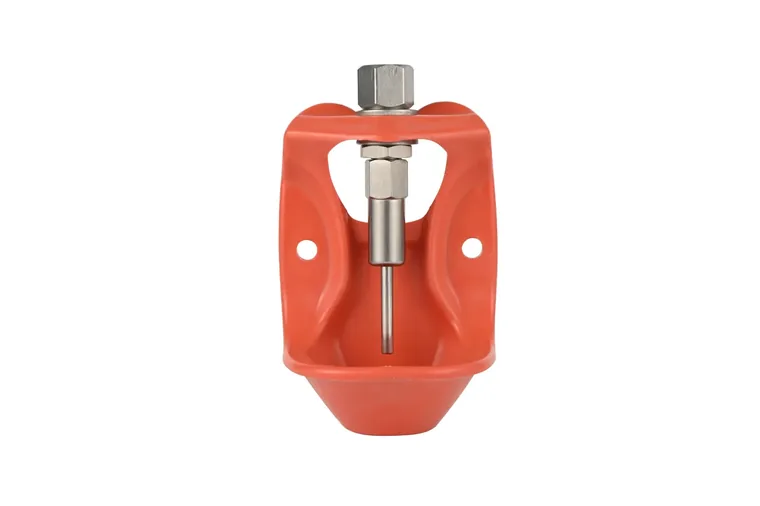
Feed is the largest cost in a finishing house, and most of what is lost is lost between the line and the animal's mouth.
 Checklist
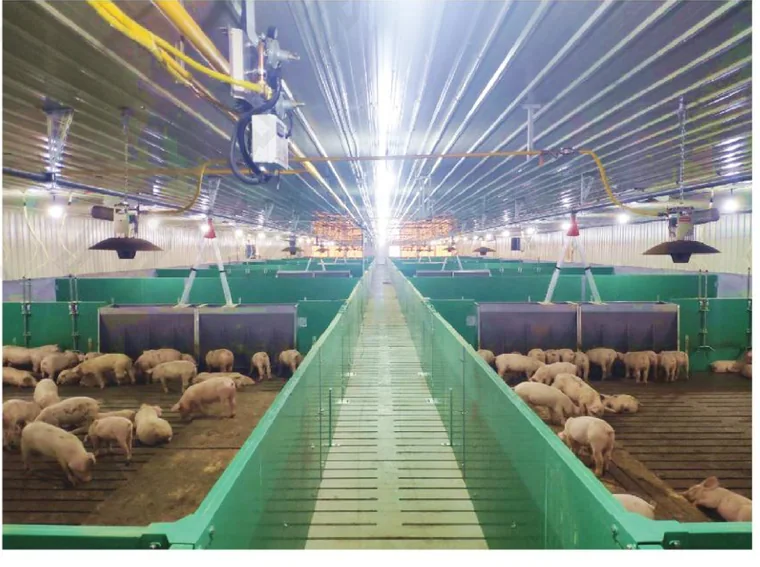
The nursery room is where growth is either kept or lost. This is what to check before the first batch walks in.
Talk to an engineer
Tell us the room size, the animal stage and the capacity you are aiming at. Our engineers reply with a layout, an equipment list and a quotation.