
Dried Chili and Sweet Paprika Matched to Your ASTA Colour and Heat
Weifang Huahe Food grows, dries, mills and ships chili and paprika from Shandong. Thirteen products across four families, 3,000 to 5,000 tons a year, with more than 90 percent of it going to Japan, South Korea and the United States.
Four Product Families Built Around Colour and Heat
Four families, thirteen items. A buyer usually arrives knowing the colour and the heat they need and not which format gets them there most cheaply, so the range is organised by format rather than by variety.
Whole Chili
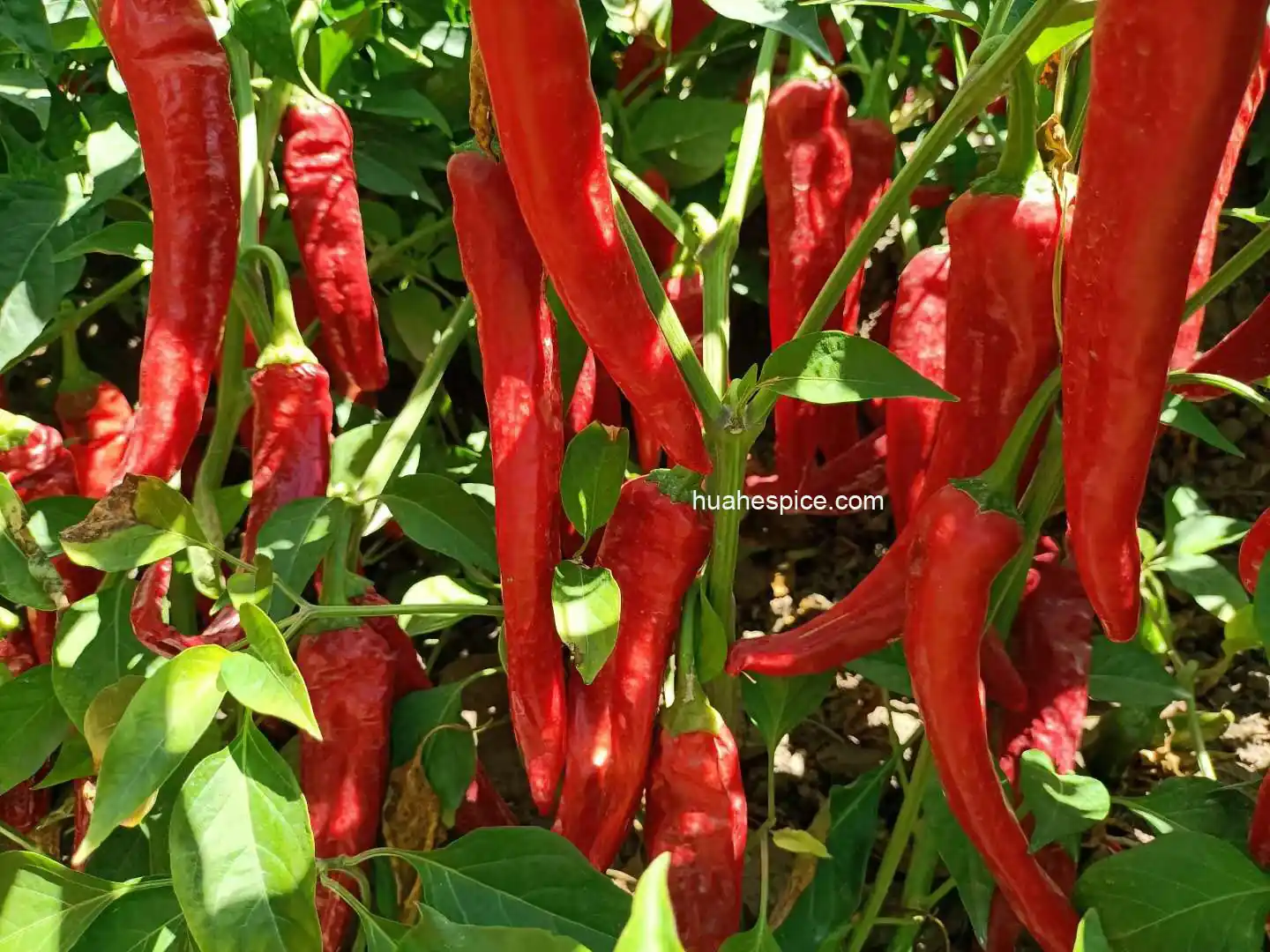
Whole dried pods with the stem on or off, graded by length, ASTA colour and heat, for re-drying, grinding, sauce cooking and retail packing.
Whole dried pods →Chili Thread
Beijing Red pods sliced into fine 0.4 mm and 0.8 mm threads, used as a heat-carrying garnish in Korean, Mexican and Southwestern cooking.
Sliced threads →Ground Chili Products
Chili milled to powder, crushed flake or 2 mm rings, supplied across a wide ASTA colour and SHU heat window so a blend can be matched rather than approximated.
Powder, crushed, rings →Sweet Paprika
Low-heat paprika in pods, crushed, powder and pellet form, bought for colour and fruity flavour rather than for heat.
Low-heat colour →All Thirteen Products With Their Published Colour and Heat Bands
Every photograph below is of our own material. Colour is quoted in ASTA and heat in SHU on every page, because those are the two numbers a blend is actually built from.
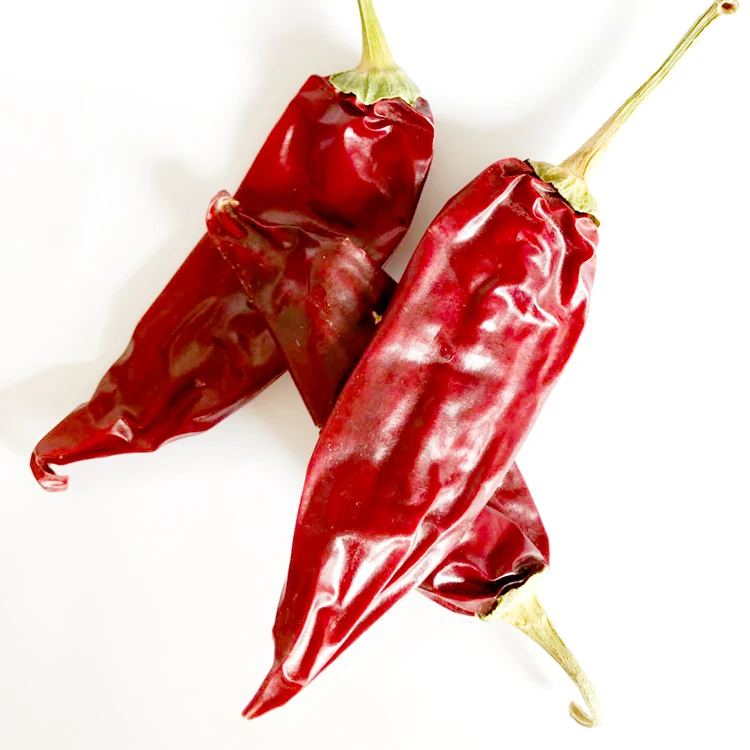
Puya Chili Beijing Red Pepper
60-180 ASTA · 2,000-4,500 SHU
Specification →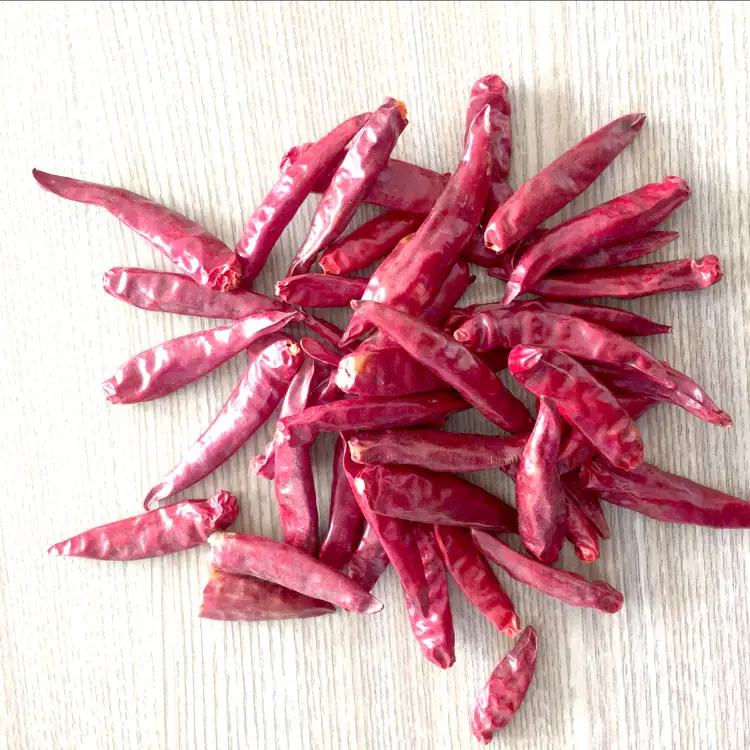
Jalapeno Chile Chaotian Chili
60-180 ASTA · 4,000-20,000 SHU
Specification →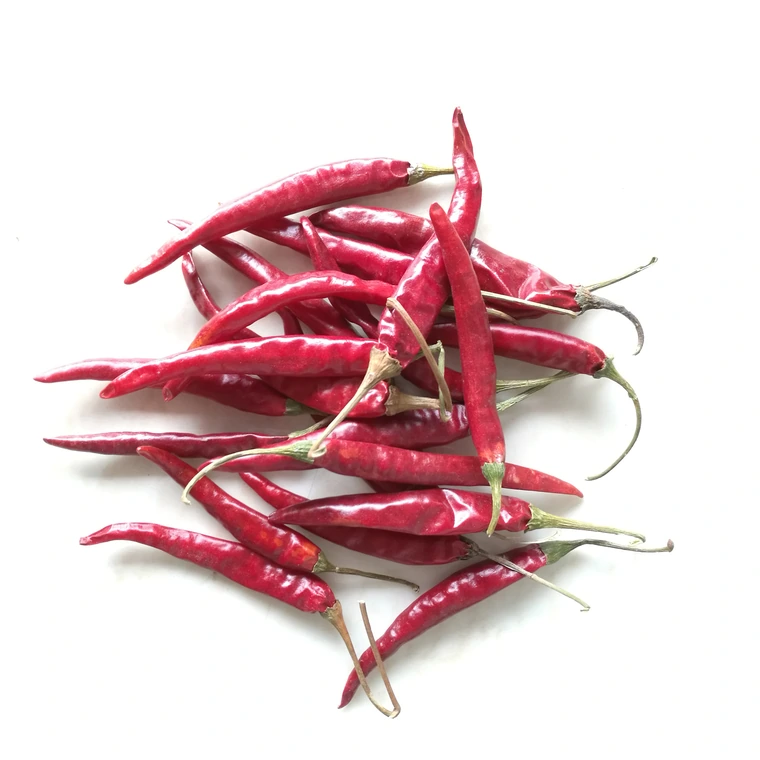
Yunnan Chili Cayenne
60-180 ASTA · 18,000-25,000 SHU
Specification →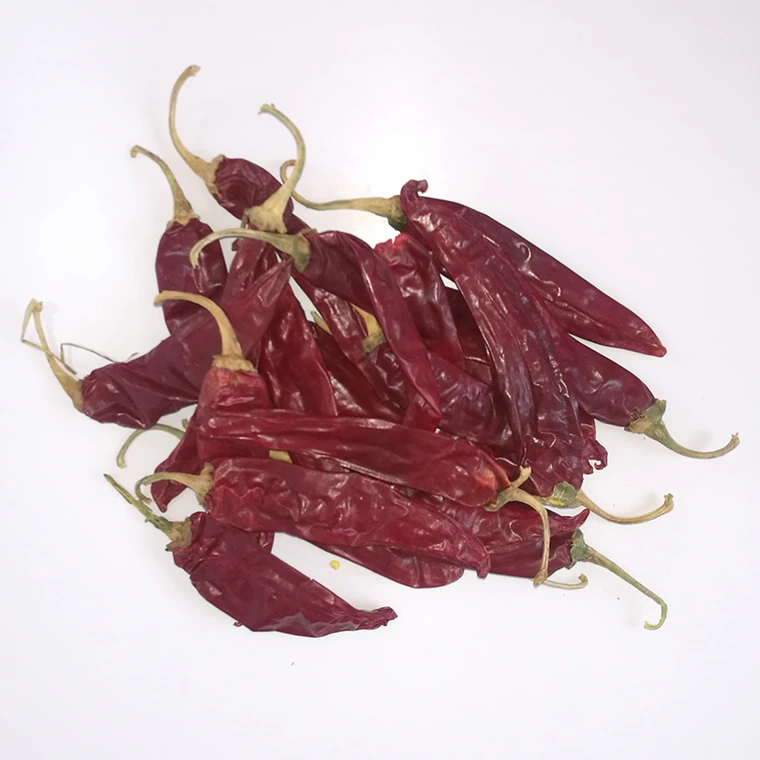
Guajillo Chile Chinese Jinta Chili
60-180 ASTA · 10,000-15,000 SHU
Specification →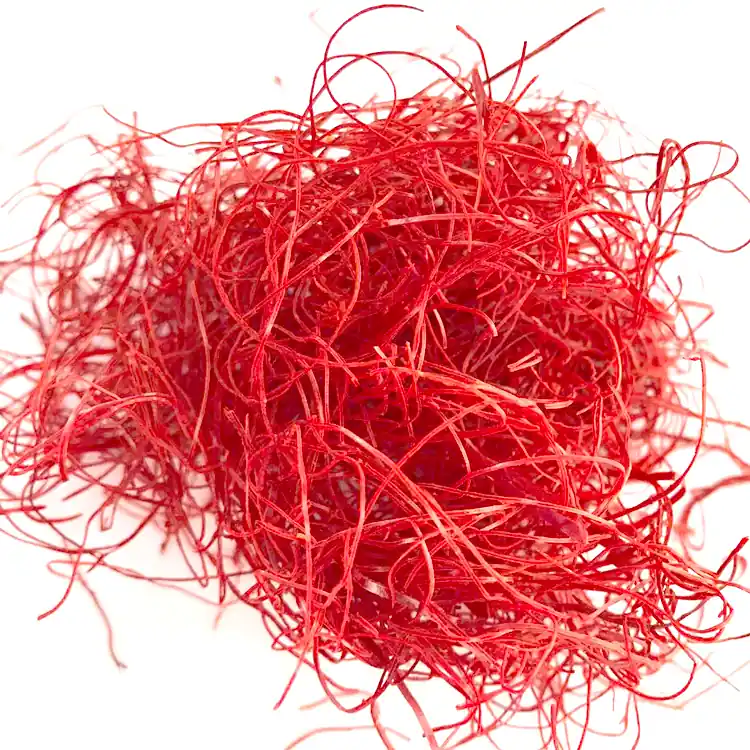
Red Chili Thread
100-220 ASTA · 2,000-50,000 SHU
Specification →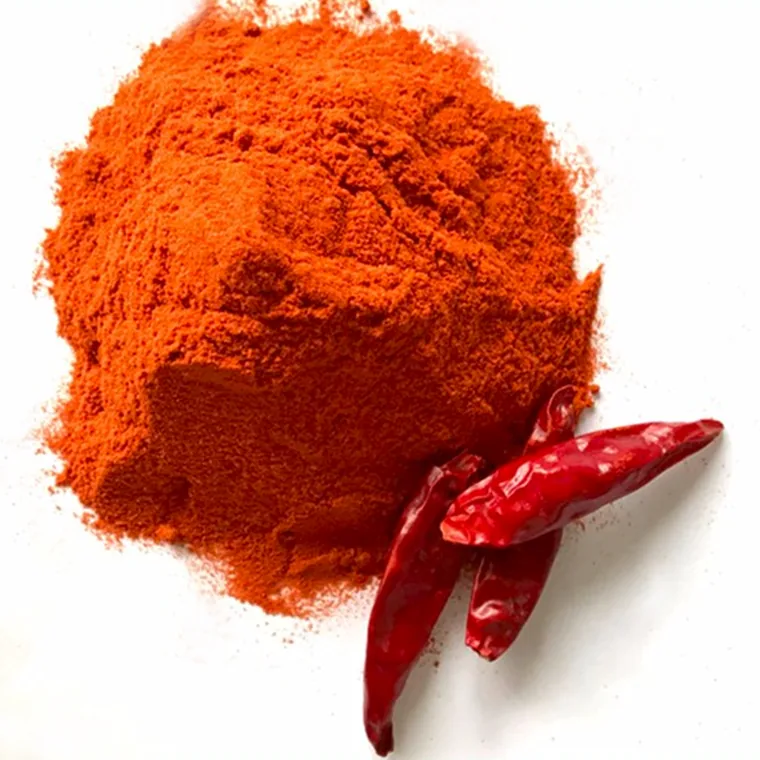
Premium Chili Powder
100-220 ASTA · 1,500-60,000 SHU
Specification →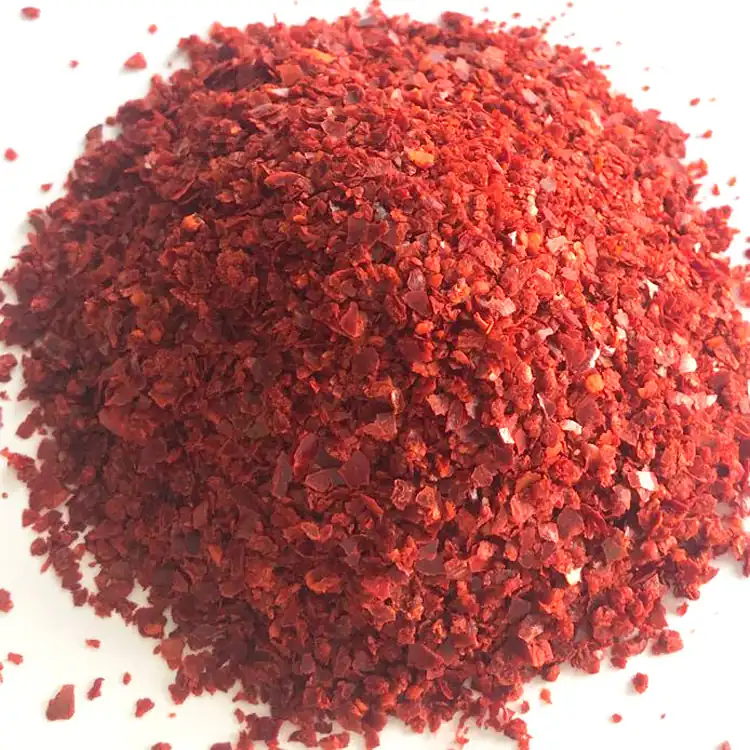
Crushed Chili
100-220 ASTA · 100-80,000 SHU
Specification →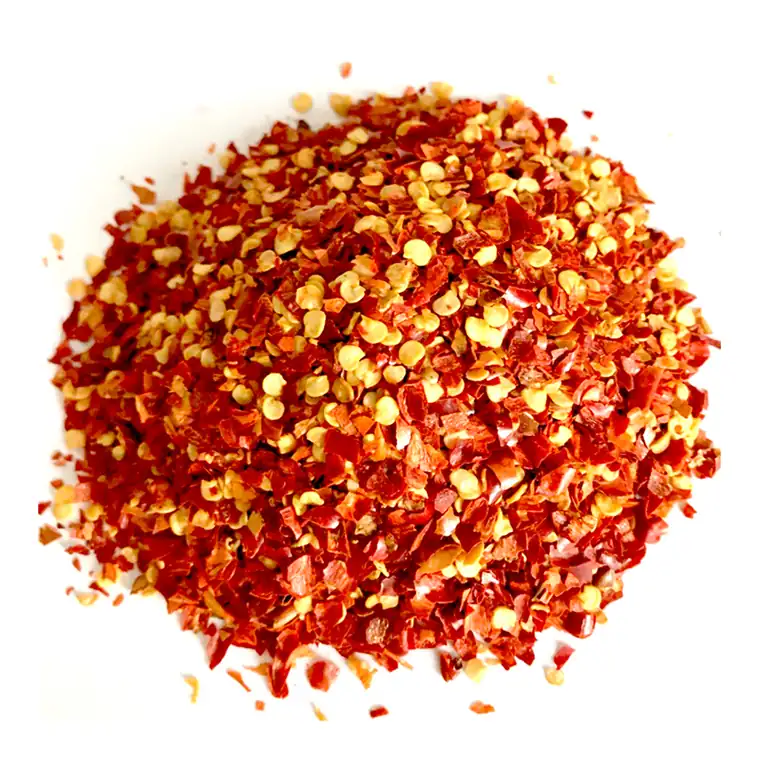
Crushed Chili With Seeds
100-220 ASTA · 100-80,000 SHU
Specification →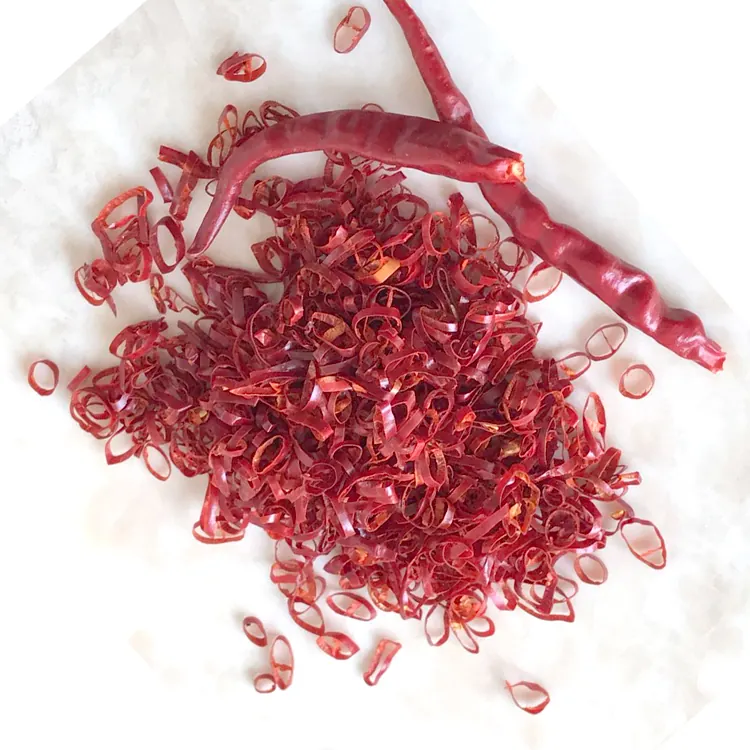
Red Chili Pepper Ring
100-220 ASTA · 18,000-25,000 SHU
Specification →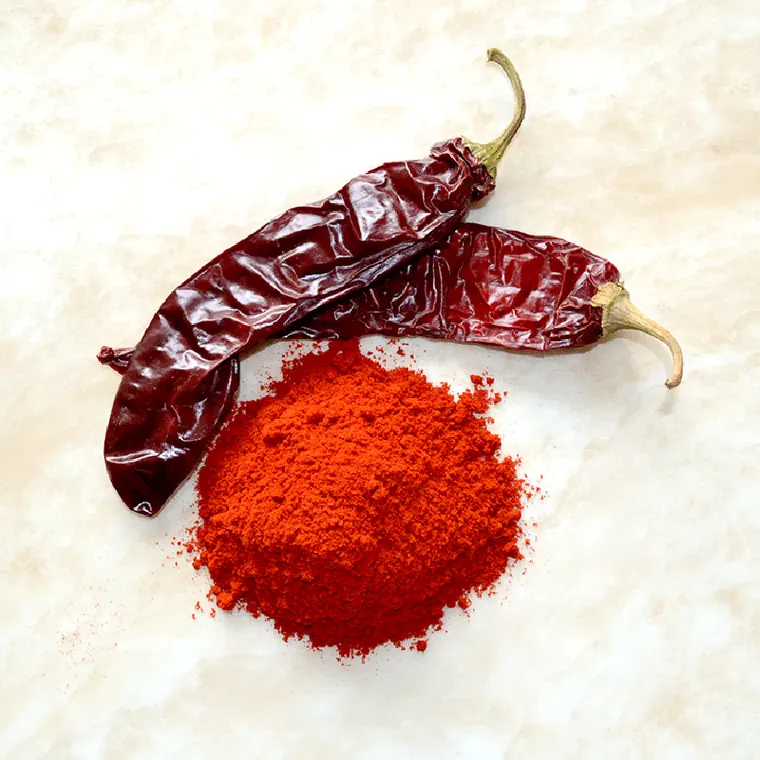
Premium Sweet Paprika Powder
100-220 ASTA · 100-300 SHU
Specification →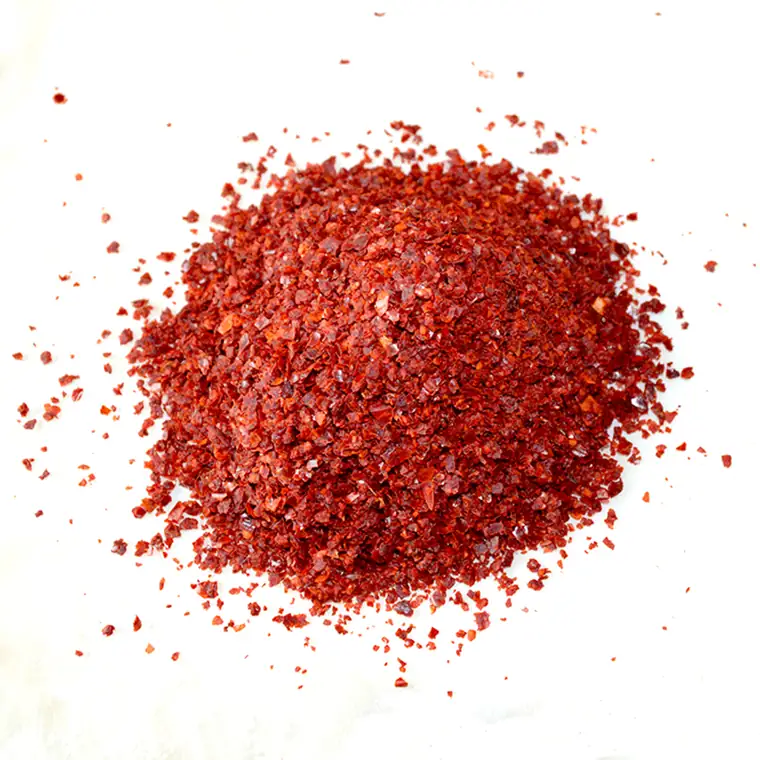
Premium Sweet Paprika Crushed
100-220 ASTA · 100-80,000 SHU
Specification →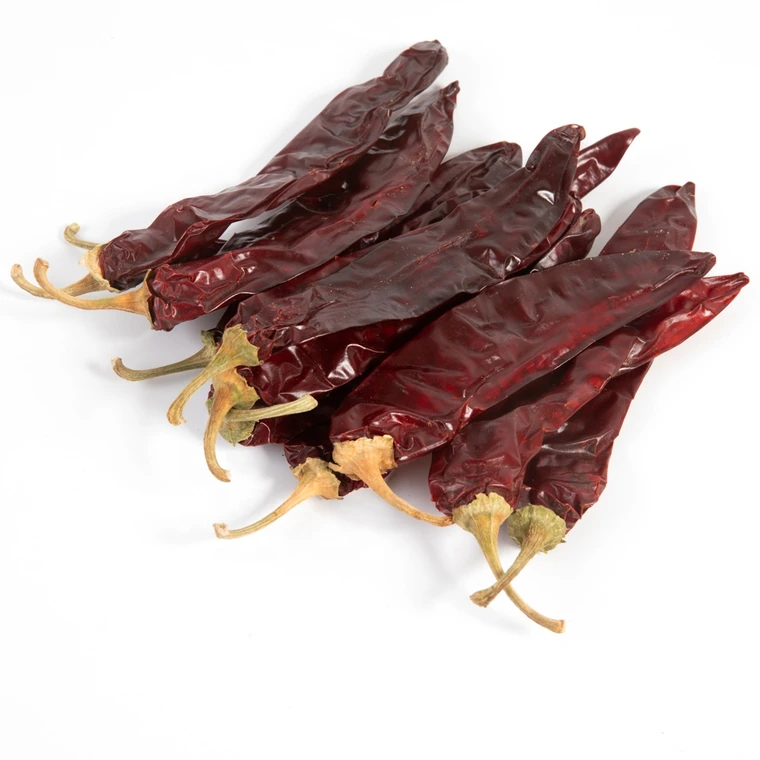
Sweet Paprika Pods
100-220 ASTA · 100-300 SHU
Specification →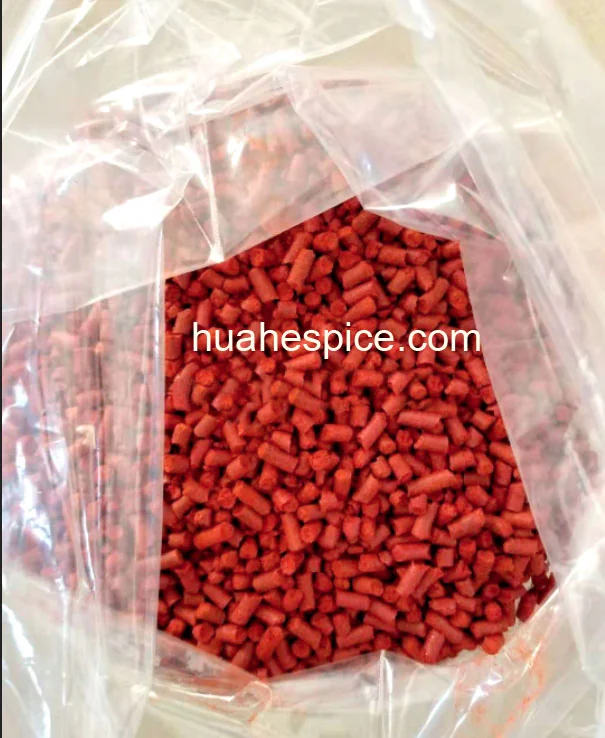
Paprika Pellet
100-260 ASTA · 100-300 SHU
Specification →Five Industries That Buy Chili for Five Different Reasons
Meat and Sausage Processing
Sausage, cured meat and marinade producers buy paprika for colour first and flavour second. A half-shade drift between lots shows up on the shelf before anyone tastes anything.
Industry page →Kimchi and Korean Food
Kimchi is the single largest use of Chinese crushed chili. The colour has to be deep, the heat has to be controlled, and the flake has to stay visible in the paste rather than dissolving into it.
Industry page →Sauces Salsa and Condiments
Hot sauce, salsa, chili oil and table condiment producers need heat they can predict and a pod character they can recognise on the label.
Industry page →Oleoresin and Natural Colour Extraction
Extractors do not want a pretty powder. They want dense, uniform, free-flowing feedstock with high colour and low heat that will not blind a solvent bed.
Industry page →Seasoning Blends and Snack Foods
Blenders buy chili as one line in a formula. What they need is a mesh that mixes evenly, a heat step they can move between, and moisture low enough that the blend does not cake.
Industry page →Four Things That Go Wrong When Chili Is Bought by Description
Colour drifts between shipments
ASTA colour is the number that decides whether a sausage or a snack seasoning looks the same as last quarter. Every family here is quoted against an ASTA band, from 60-180 on whole pods up to 100-260 on paprika pellet, and lots are matched to the band you bought last time rather than to whatever the harvest gave us.
Heat is specified in words rather than numbers
"Medium hot" means different things in Seoul and in Monterrey. Every item carries a published SHU range, from 100-300 SHU on sweet paprika through to 18,000-25,000 SHU on Yunnan cayenne, so the blend can be calculated instead of tasted into position.
Pesticide residues fail at the destination port
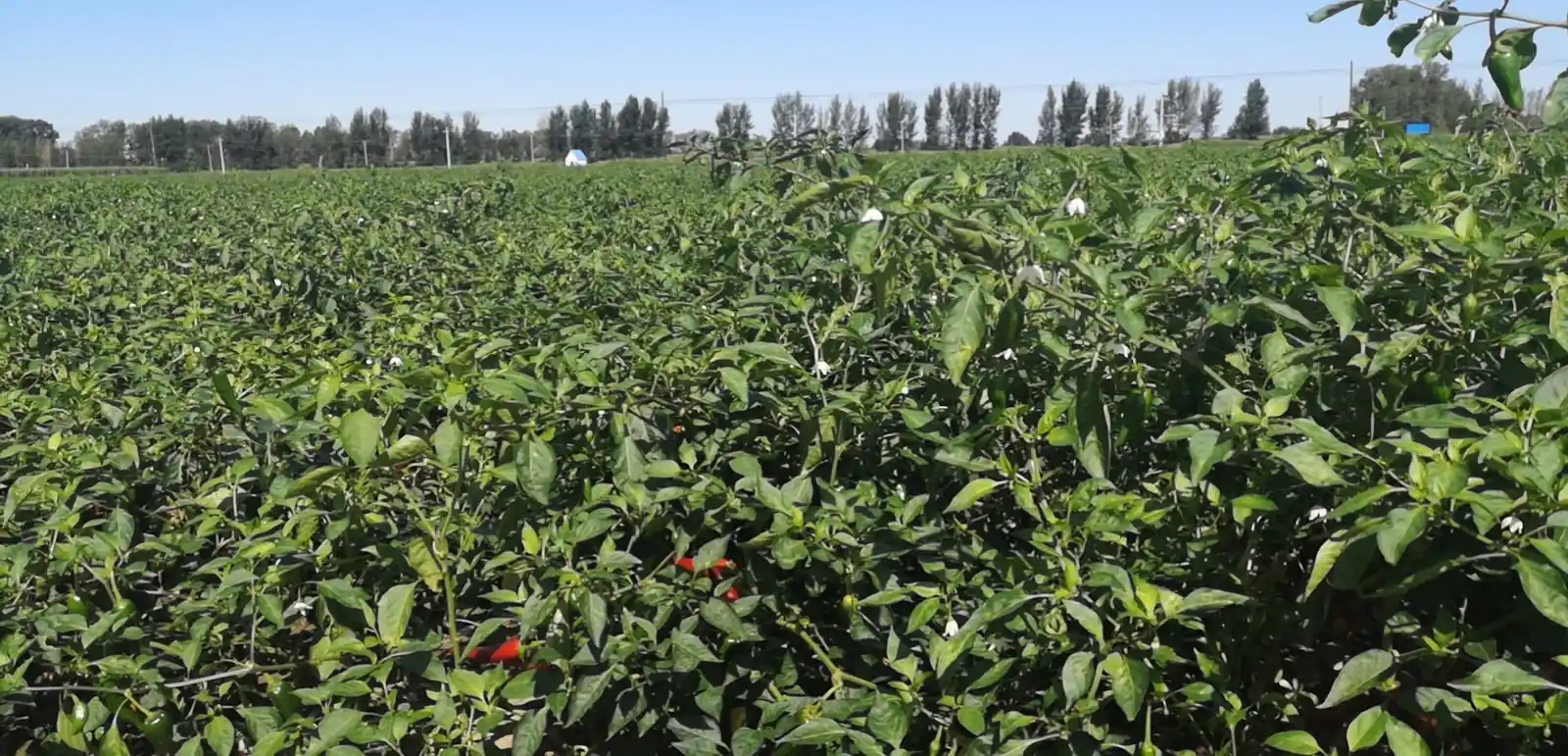
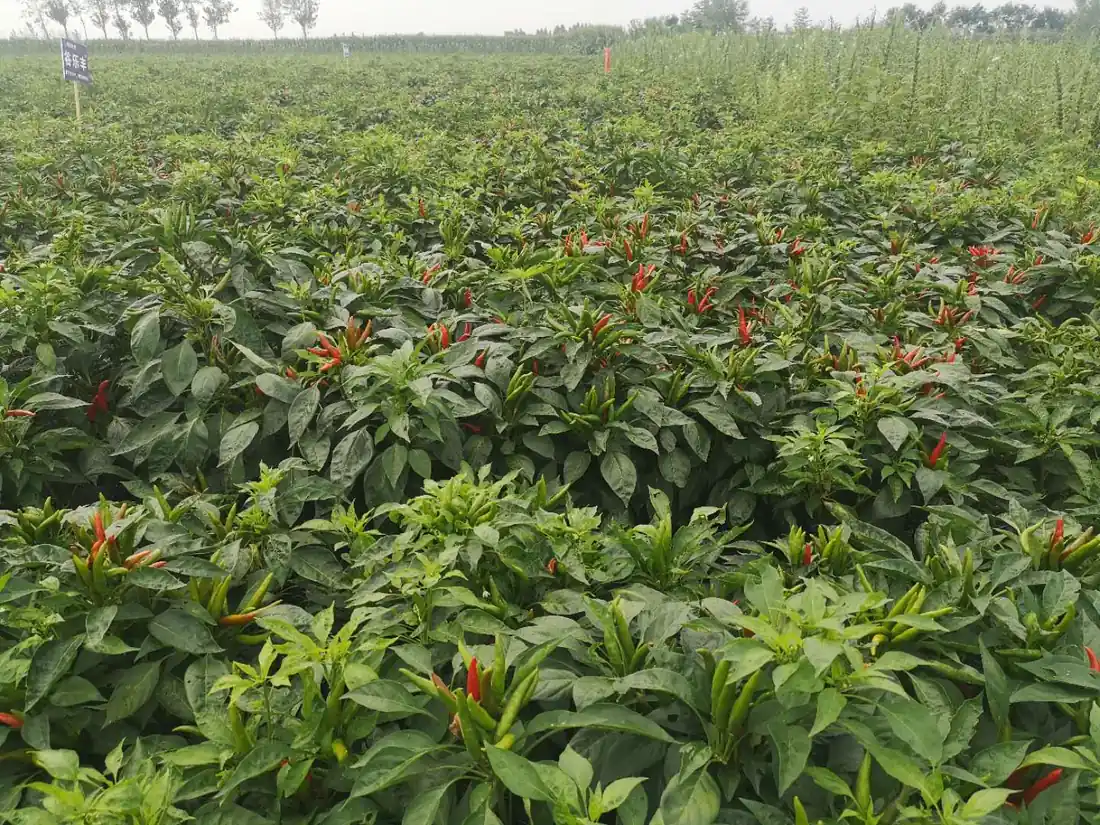
The chili on our own Xinjiang plantation is managed by us from breeding through field management to picking, and residues are held to the Japanese Positive List System. That is the strictest list most of our customers have to clear.
The format does not suit the process
The same pod can be shipped whole, as 0.4 mm threads, as 3-5 mm crushed flake, as 2 mm rings, as 40-120 mesh powder or pressed into 4-5 mm pellet for extraction. Picking the right one saves a milling step at your end.
A Plantation and a Plant Rather Than a Trading Desk
Own plantation, not a trading desk
We manage our Xinjiang chili plantation from breeding through field management to picking. That is where residue control actually happens.
Written spec, not a sample only
Colour in ASTA, heat in SHU, mesh, moisture, seed content and broken rate are all published before you ask.
HACCP certified processing
The plant holds a HACCP system certificate issued by the China Quality Certification Centre, and a KOF-K kosher certificate.
A clean safety record
No food quality or safety incident since the company started processing in 1999.
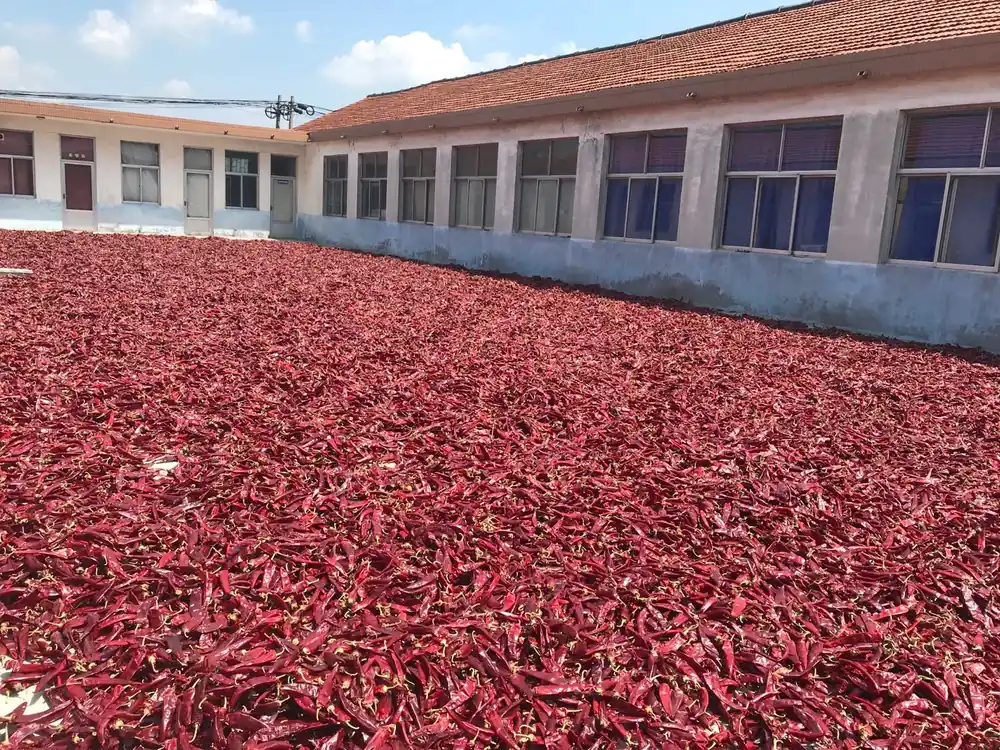
Beijing Red pods on the drying yard in Changyi. Sun drying is where the ASTA colour of everything downstream gets decided, which is why we do it ourselves rather than buying dried pods on the open market.
Inside the Changyi Plant
The site covers 13,600 square metres, of which more than 6,000 square metres is workshop. Frozen and constant-temperature warehousing together hold 4,800 cubic metres. Annual output runs at 3,000 to 5,000 tons of chili products.
More than 90 percent of that output is exported, mainly to Japan, South Korea and the United States. There has been no food quality or safety incident since the company started.
- Own chili plantation in Xinjiang, managed by us from breeding to picking
- Pesticide residues held to the Japanese Positive List System
- HACCP system certificate from the China Quality Certification Centre
- KOF-K kosher certificate
- Long-term supply relationships across Shandong, Shanxi, Henan and Sichuan
Four Ways Buyers Work With Us
Custom Specification and Private Label
Most of what we ship is built to a customer specification rather than picked off a standard list. Seed content, mesh, ASTA band, heat band and packing are all variables, not fixed attributes.
Read more →Japan Positive List Compliant Supply
Japan is one of our three main export markets, and the Positive List System is the reason a lot of Chinese chili cannot go there. Residue control has to happen in the field, not at the laboratory.
Read more →Contract Farming and Traceability
Beyond our own plantation we hold long-term supply relationships with tens of thousands of growing households and with several large chili plantations in Shandong, Shanxi, Henan and Sichuan.
Read more →Bulk Export Packing and Logistics
More than 90 percent of what we make leaves China. Packing is chosen for the discharge method at your end, not for what looks tidy in a photograph.
Read more →Buying Guides Written for People Who Write the Specification
ASTA Colour Explained What 100 to 260 Means on a Chili Spec
ASTA is the number that decides whether your product looks the same as last quarter. Here is how to read the band on a chili or paprika specification.
Read the guide →Scoville Heat Units How to Read the SHU Range on a Chili Spec
Why a chili specification quotes a SHU band rather than a single figure, and how to choose the right point in the band for your product.
Read the guide →Mesh Size in Chili and Paprika Powder and What Changes
40, 60, 80, 100 or 120 mesh changes dispersion, appearance, dosing and caking. A short guide to choosing the right one.
Read the guide →Questions We Are Asked Before the First Order
What is the minimum order quantity?
Chili and paprika are shipped in bulk, so a normal first order is a full pallet run of one specification rather than a mixed sample box. Tell us the tonnage you are planning and we will tell you whether it is workable in one lot or better split.
Can you match the ASTA colour we are buying today?
Usually yes. Ground products are supplied across 100 to 220 ASTA and paprika pellet up to 260 ASTA, and lots are blended to a target band. Send us the spec sheet or the last certificate of analysis you received and we will quote against it.
Do you supply to Japan?
Yes. More than 90 percent of our output is exported and Japan is one of the three main markets alongside South Korea and the United States. Residues on our own plantation are managed to the Japanese Positive List System.
Which formats can one variety be supplied in?
Beijing Red pods, for example, ship whole, as 0.4 mm and 0.8 mm threads, as crushed flake and as 40-120 mesh powder. If you are grinding in house, buying the pod and milling it yourself is often cheaper; if you are not, buy it already milled.
Are MSDS sheets available before ordering?
Yes. Material safety data sheets for Beijing Red chili whole, granular and powder, and for Chaotian chili powder, download directly from the Downloads page with no form to fill in.
Send Us the Specification You Buy Against Today
Colour in ASTA, heat in SHU, mesh, moisture and seed content. Five numbers and we can quote against them rather than around them.