
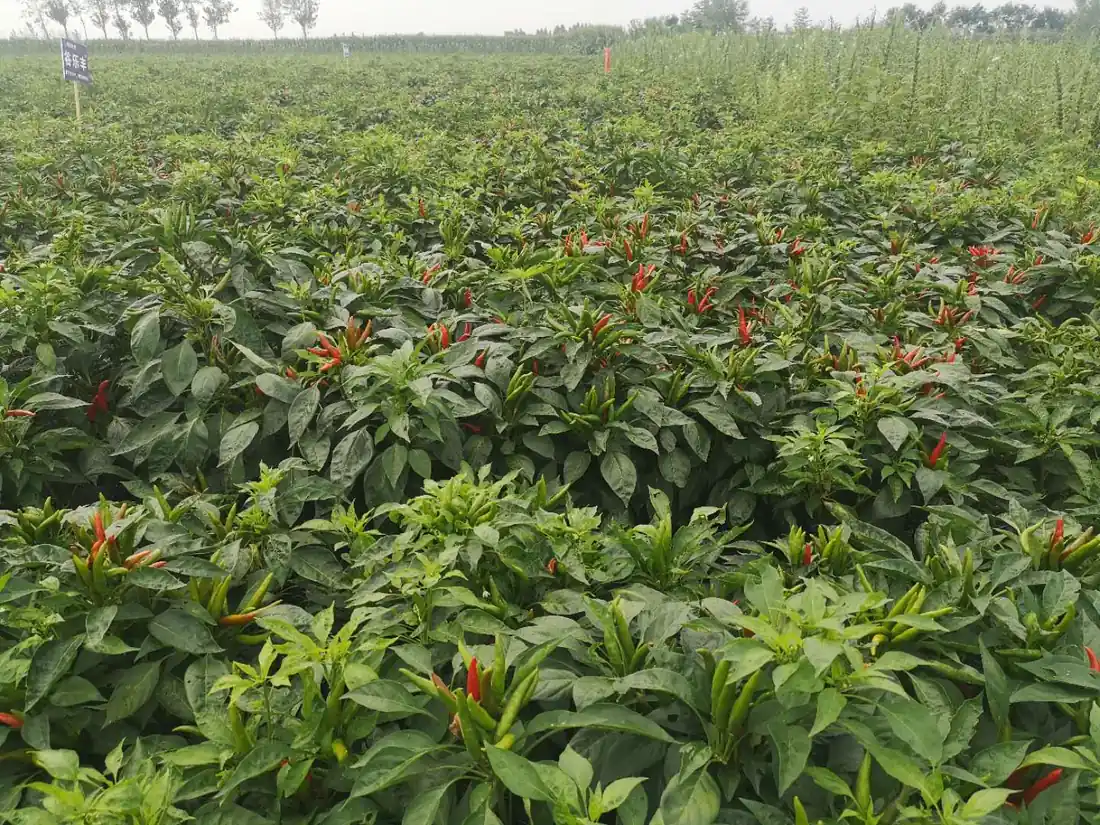
Whole Dried Chili Pods Graded by Length Colour and Heat
Whole dried pods with the stem on or off, graded by length, ASTA colour and heat, for re-drying, grinding, sauce cooking and retail packing.
Everything in the Whole Chili Family
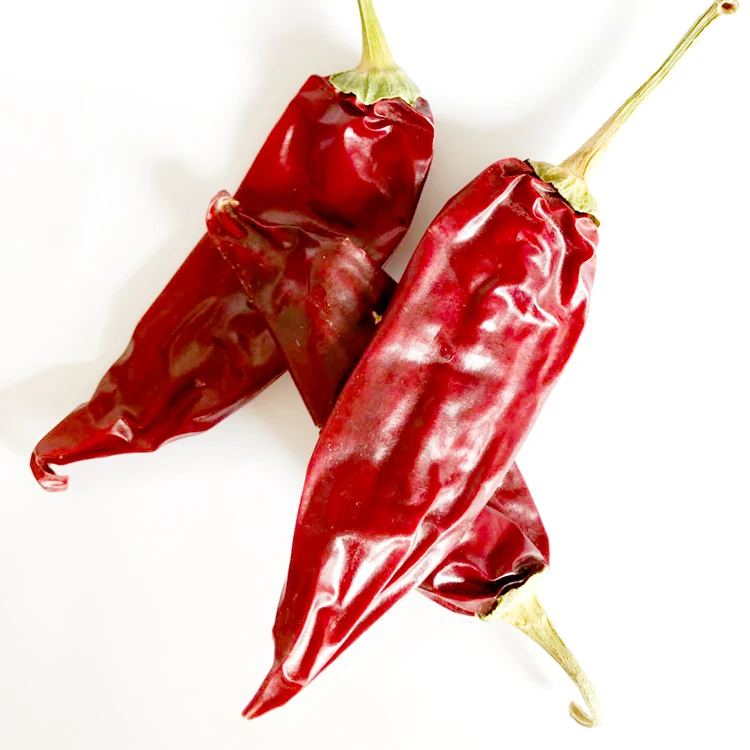
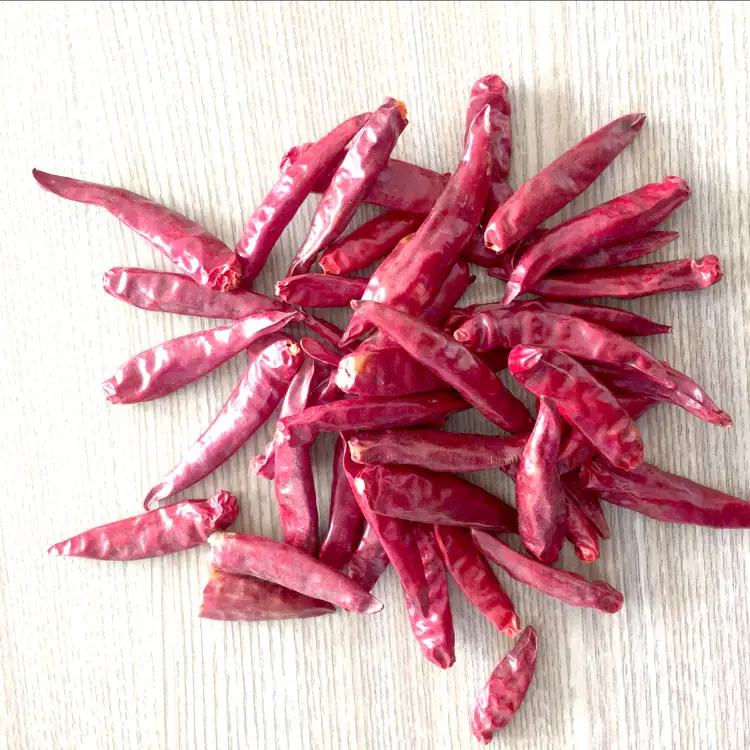
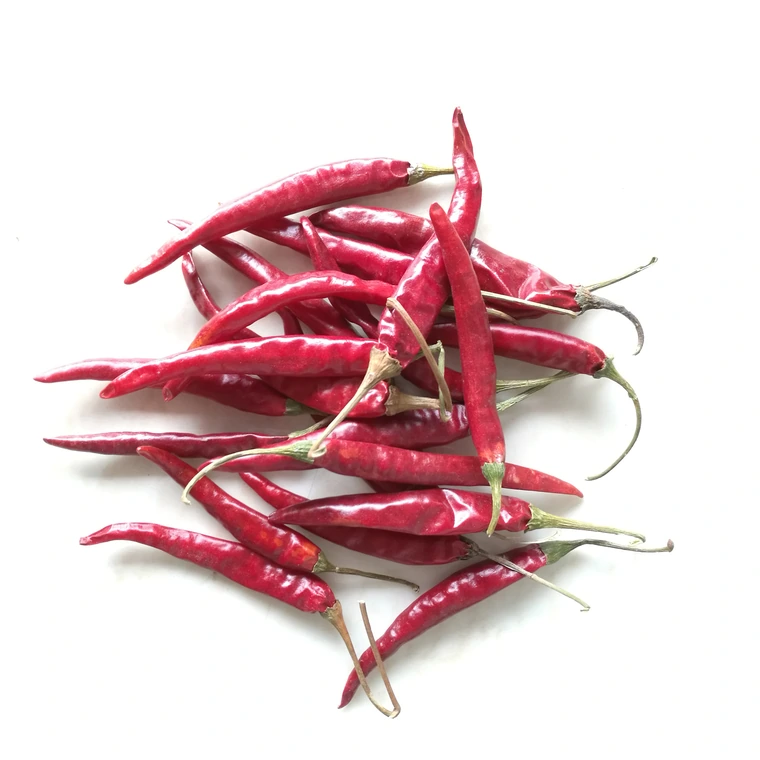
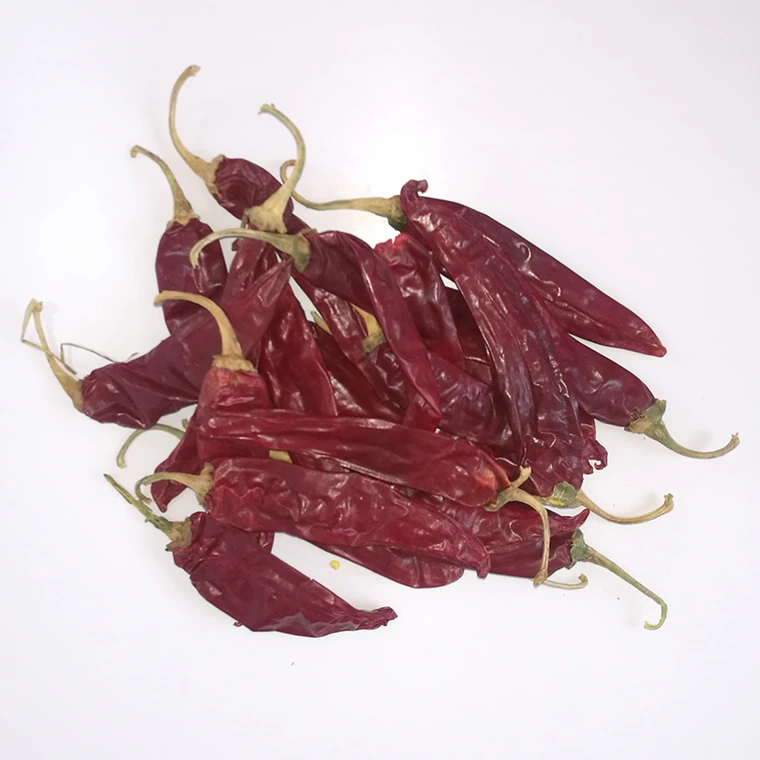
What This Family Is Actually For
Four varieties, four heat bands, one grading discipline. Whole pods are bought by processors who mill in house, by sauce makers who cook from the pod, and by packers who sell the chili exactly as it comes out of the bag.
Because a whole pod has not been ground, the colour clock starts in your plant rather than ours. That is the single biggest reason a miller pays for freight on a pod instead of buying powder.
Who buys it
- Spice millers who grind to their own mesh.
- Sauce and condiment producers who cook from whole pods.
- Retail packers selling dried chili in window packs.
- Traders supplying regional processors.
Four Things This Family Fixes
Length has to be uniform for a retail pack
Every variety is graded to a published minimum: 7 cm and up on Beijing Red, 8 cm and 12 cm and up on Yunnan cayenne, 10 cm and up on Guajillo, and 3 to 5 cm or 3 to 7 cm on Chaotian.
Broken pods and loose seeds inflate the weight
Graded below 3 percent broken and below 2 percent loose seeds on the varieties where that grading applies.
A generic red chili purchase loses the recipe
Pods are sold by variety name, not as anonymous Chinese chili.
Residues fail at the destination port
Chili from our own Xinjiang plantation is held to the Japanese Positive List System.
Industries That Buy From This Family
Kimchi and Korean Food
Kimchi is the single largest use of Chinese crushed chili. The colour has to be deep, the heat has to be controlled, and the flake has to stay visible in the paste rather…
Industry page →Sauces Salsa and Condiments
Hot sauce, salsa, chili oil and table condiment producers need heat they can predict and a pod character they can recognise on the label.…
Industry page →Guides That Explain the Numbers on These Pages
Scoville Heat Units How to Read the SHU Range on a Chili Spec
Why a chili specification quotes a SHU band rather than a single figure, and how to choose the right point in the band for your product.
Read the guide →Whole Pods Crushed Threads or Powder Choosing a Chili Format
The same Beijing Red pod ships in five formats. Which one is right depends on whether you mill in house and whether the chili should be seen.
Read the guide →Chinese Chili Varieties for Export Puya Chaotian Cayenne and Jinta
Four varieties, four heat bands and four different uses. What each Chinese export chili is actually for.
Read the guide →Questions About Whole Chili
Can you grade pods tighter than the published minimum?
Yes. The published minimums are 7 cm and up on Beijing Red, 8 cm or 12 cm and up on Yunnan cayenne, 10 cm and up on Guajillo, and 3 to 5 cm or 3 to 7 cm on Chaotian. A tighter band costs more per kilo because it produces more off-grade, so say what the pack needs and we will price it.
Should I buy stem-on or stem-less?
Stem-on photographs better in a retail window pack. Stem-less runs better through a mill and weighs less per useful kilo. Both are standard for us.
Is buying whole pods cheaper than buying powder?
Per kilo of finished powder, usually yes, if you have a mill. You also start the colour clock in your own plant rather than in ours, which matters because ASTA falls faster once a pod is ground.
How do you control broken pods in transit?
Broken content is graded below 3 percent and loose seed below 2 percent on the grades where that applies, and packing is chosen so the figure survives the voyage.
Which variety is closest to a Mexican Guajillo?
Our Guajillo, grown in China as Jinta chili. It is the same variety, mild to moderately hot at 10,000 to 15,000 SHU with the fruity character the recipe depends on.
Get a Quote on Whole Chili
Send the colour and heat you need and we will tell you which item in this family gets you there and what it costs landed.