
- Home
- Products
- Sweet Paprika
- Paprika Pellet
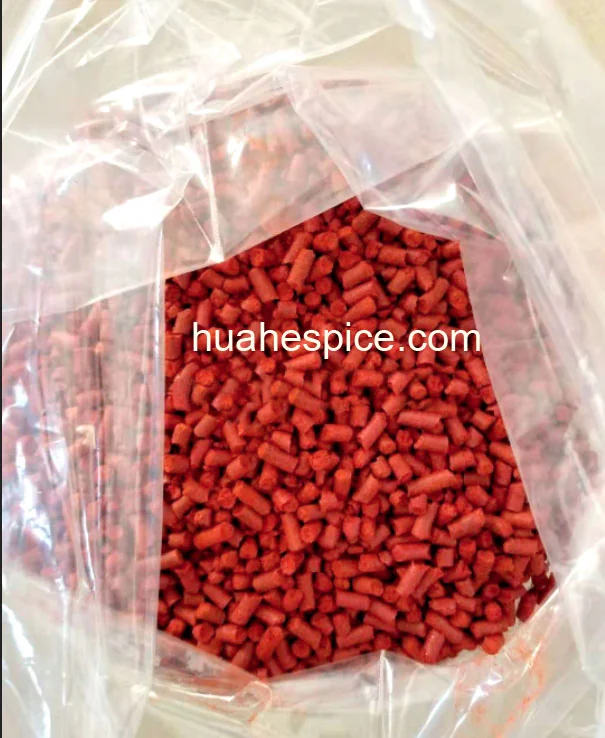
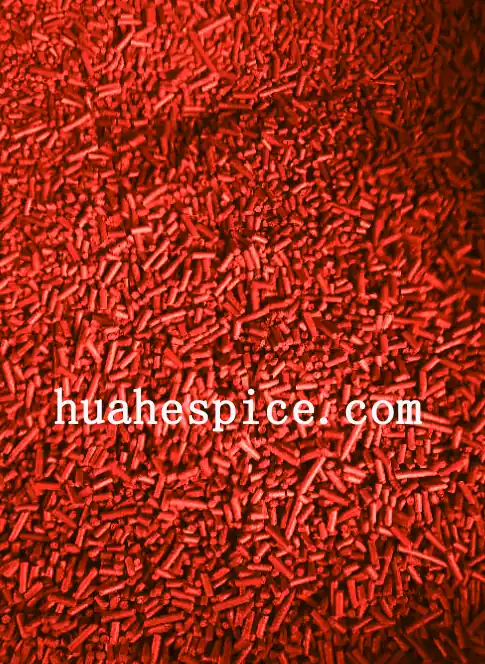
Paprika Pellet
Pressed 4 to 5 mm feedstock up to 260 ASTA for oleoresin extract and colourant
- Colour
- 100-120-140-160-180-200-240-260 ASTA
- Pungency
- 100-300 SHU
- Size (diameter)
- 4 mm, 5 mm
- Size (length)
- Less than 11 mm
Pressed 4 to 5 mm feedstock up to 260 ASTA for oleoresin extract and colourant
This paprika pellet is normally used to produce paprika oleoresin, paprika extracts, paprika colorant or flavour. It is a feedstock product rather than a culinary one.
Pellets are pressed to 4 mm and 5 mm diameter and less than 11 mm long, with a hardness of 3 to 4. Colour reaches 260 ASTA, the highest band in our range, while heat stays at 100 to 300 SHU.
Key Benefits
The highest colour band we supply
Up to 260 ASTA, because in extraction the colour is the yield.
Uniform geometry for column work
4 mm and 5 mm diameter, under 11 mm long, so bed packing is predictable.
Controlled hardness
A hardness of 3 to 4 keeps the pellet intact in handling without blinding the bed.
Low heat
100 to 300 SHU, so the extract stays a colourant rather than becoming an oleoresin capsicum.
Published Figures We Quote Against
| Colour | 100-120-140-160-180-200-240-260 ASTA |
|---|---|
| Pungency | 100-300 SHU |
| Size (diameter) | 4 mm, 5 mm |
| Size (length) | Less than 11 mm |
| Hardness | 3-4 |
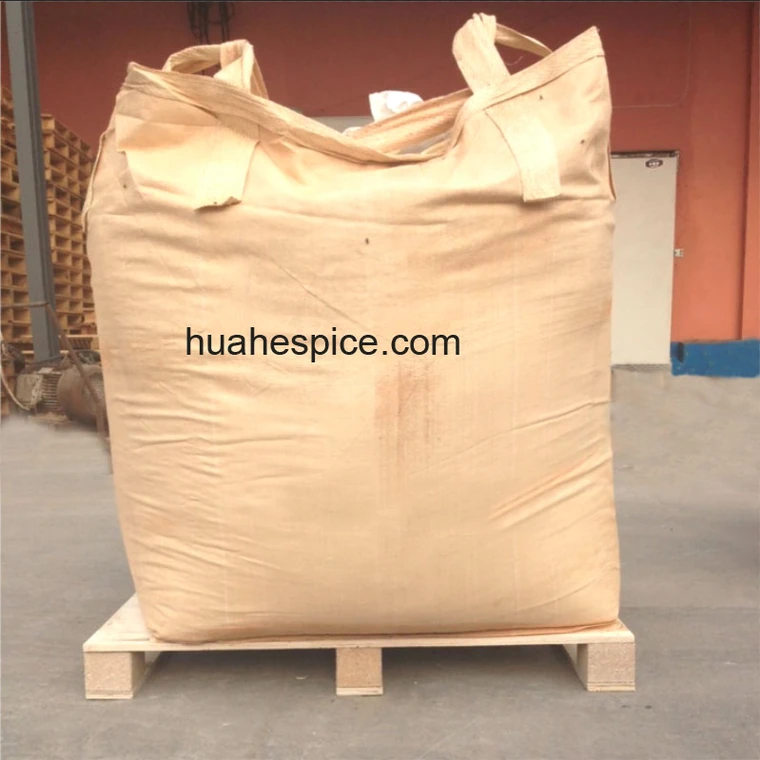
| Packing | Big bag |
Technical Features
- Format
- Pressed pellet
- Diameter
- 4 mm and 5 mm
- Length
- Less than 11 mm
- Hardness
- 3 to 4
- Colour
- Up to 260 ASTA
Customisation Options
- Pellet diameter 4 mm or 5 mm.
- ASTA colour specified up to 260.
- Hardness adjusted within the 3 to 4 range.
- Big bag or bulk packing to suit your discharge.
Where This Product Ends Up
Paprika oleoresin production
The primary use.
Paprika extract and colorant
Natural red colour for food and feed.
Flavour extraction
Where paprika character is wanted without the solid.
Bulk colour blending
Fed into a colour standardisation step.
Who It Is For
- Oleoresin and natural colour extractors.
- Food colourant manufacturers.
- Flavour houses running solvent extraction.
Problems It Solves
Loose paprika blinds an extraction bed
A pressed pellet flows and packs instead of compacting into a mat.
Low colour feedstock caps the extract yield
Up to 260 ASTA.
Soft pellets break down in pneumatic handling
Hardness is specified at 3 to 4.
From the Field to Your Container
Grown for colour rather than heat
Paprika is picked on colour development rather than on heat, so the timing of the pick matters more than it does for a hot chili.
Dried with colour protection in mind
Paprika loses ASTA faster than a hot chili does. Drying and storage are handled to protect the colour that the lot is being sold on.
Formed to the grade you ordered
Pods are shipped whole, crushed with or without seed, milled at 60 to 80 mesh, or pressed into 4 to 5 mm pellet for extraction.
Colour verified against your target point
The lot is checked against the point in the ASTA band you bought against last time, not against the average of the harvest.
Quality Control and Certification
- Paprika lots are checked against the agreed point in the ASTA band rather than against the band itself, which is what makes colour repeat between shipments.
- Pellet hardness is checked at 3-4 so the material survives pneumatic handling without breaking down.
- Colour is confirmed inside the quoted 100-260 ASTA band against your agreed target point.
- Produced under a HACCP system certificate issued by the China Quality Certification Centre and covered by the KOF-K kosher certificate.
- Paprika has shipped from this plant without a food quality or safety incident since 1999, mainly to Japan, South Korea and the United States.
Use Guide
- Confirm your bed geometry against the 4 mm and 5 mm options before committing.
- Discharge from big bags rather than decanting into cartons.
- Store dry; pellet hardness is specified at delivery moisture.
- Specify the ASTA target at order; the band runs all the way to 260.
How This Compares With the Rest of the Range
| Alternative | What changes |
|---|---|
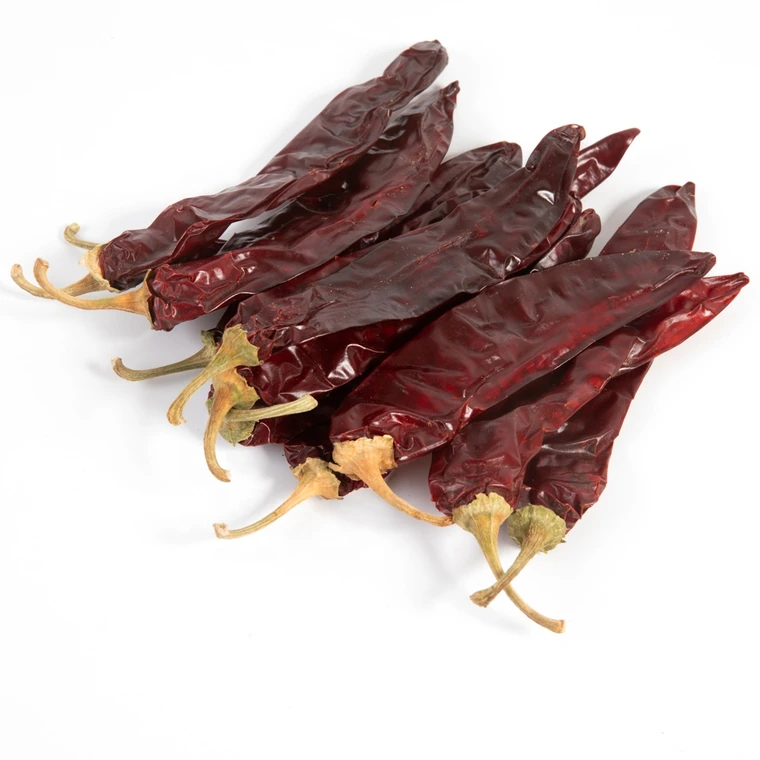
| Sweet Paprika Pods | The whole pod at 100 to 220 ASTA, if your process takes a pod rather than a pellet. |
| Premium Sweet Paprika Powder | Milled at 60 to 80 mesh for direct food use rather than extraction. |
| Premium Sweet Paprika Crushed | A crushed grade for visible use in food. |
Other Items Buyers of Paprika Pellet Look At
Questions About Paprika Pellet
What is paprika pellet used for?
Producing paprika oleoresin, paprika extracts, paprika colorant or flavour. It is not normally used directly in food.
What colour can you reach?
Up to 260 ASTA, which is the highest band in our range.
What size are the pellets?
4 mm and 5 mm diameter, less than 11 mm long, with a hardness of 3 to 4.
How is it packed?
Normally in big bags, which suits a plant that discharges into a hopper.
Is it hot?
No. 100 to 300 SHU, the same low heat as the rest of our sweet paprika range.
Quote Paprika Pellet to Your Specification
Tell us the ASTA colour, the SHU heat and the packing you need. We will come back with a price, a lead time and a sample.