
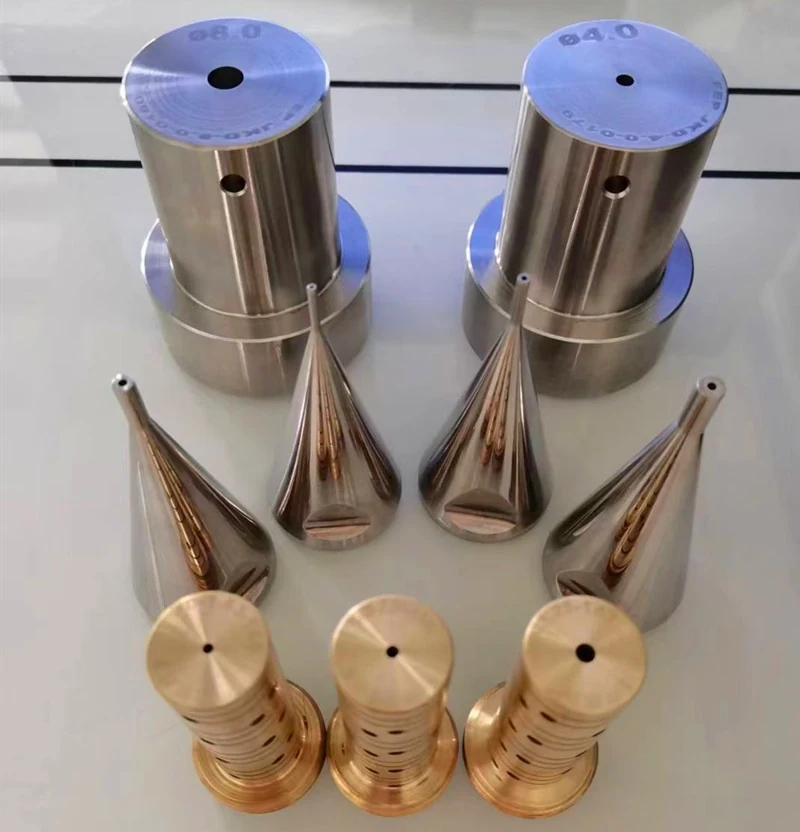
Extrusion Dies and Tips
Extrusion Dies for Insulated Wire and Cable
Compression dies engineered for concentricity so the insulation wall can be run thin.
View specifications
Carbide and diamond insert tips from 0.050 mm to 12.50 mm and stainless tips from 0.50 mm to 25.0 mm.
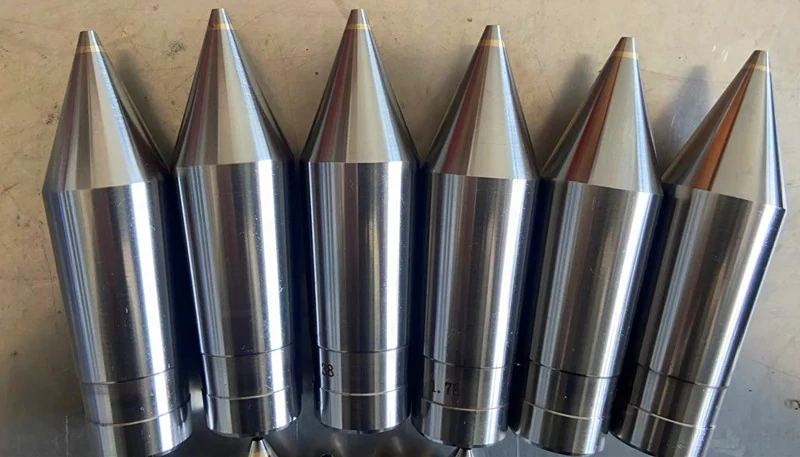
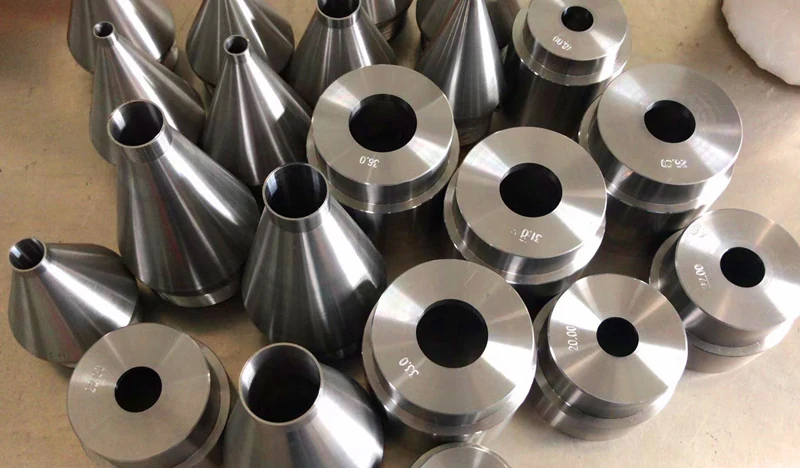
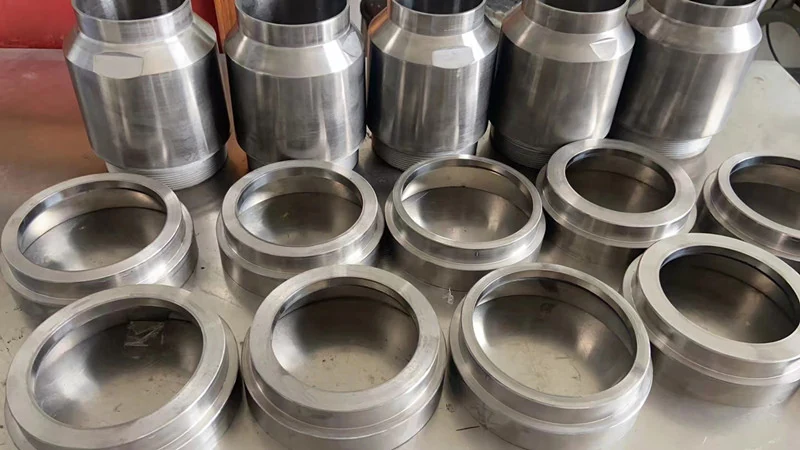
The extrusion tip carries and centres the conductor as it enters the crosshead. Get it wrong and no amount of die quality will make the wall concentric. SGT supplies tips with a tungsten carbide or diamond insert from 0.050 mm to 12.50 mm, and stainless steel tips from 0.50 mm to 25.0 mm.
Carbide or diamond insert across the fine and medium range where wear decides the tool life.
Stainless steel tips cover the larger sizes economically.
The tip is what puts the conductor in the middle of the die, and it is engineered for that specifically.
Tungsten carbide tooling is specified for long service life under harsh conditions.
Where the die sets the outside diameter, the tip sets where the conductor sits inside it. Carbide or diamond insert tips are the choice below 12.50 mm and wherever the compound is abrasive; stainless tips cover 0.50 mm to 25.0 mm where wear is not the limiting factor.
Dies are manufactured for wire between 0.10 mm and 25.0 mm to suit round or profile wire and rod, to the customer's own specification, at -1% / +2% of the wire diameter.
On the motorised and hydraulic machines, operating voltage is built to the industrial supply of the destination country. State voltage, phase and frequency with the order.
Machines are packed in a strong wooden or plywood case as stated per model. Carry cases are supplied with the portable welders and the DA10.
Compression dies engineered for concentricity so the insulation wall can be run thin.
View specifications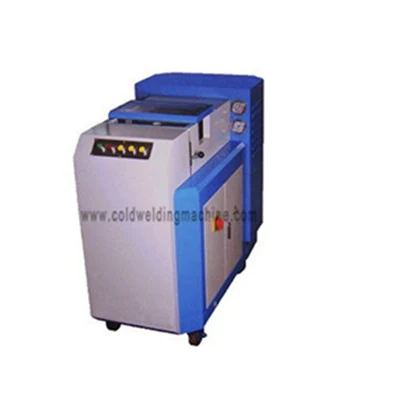
Rectangular strip as well as round wire, copper to 8.00 mm and aluminium to 15.00 mm on a 660 kg frame.
View specifications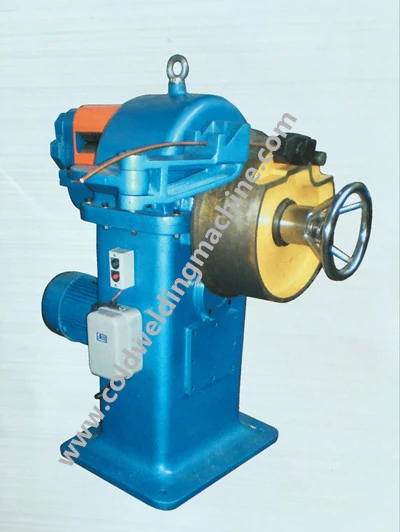
Points 8.0 mm copper rod and 13.0 mm aluminium rod down to a φ1.00 mm outlet on a 450 mm block.
View specificationsTungsten carbide insert or diamond insert from 0.050 mm to 12.50 mm; stainless steel from 0.50 mm to 25.0 mm.
Where the compound or the line speed is abrasive enough that a stainless bore will open up inside the run.
Yes. They are engineered and supplied as a matched pair for the application.
Each set is engineered with the application in mind. Send the conductor construction and the required wall with the enquiry.
Give the wire material, the diameter and the country the machine will run in, and the quote comes back with the die set and the voltage build already decided.