
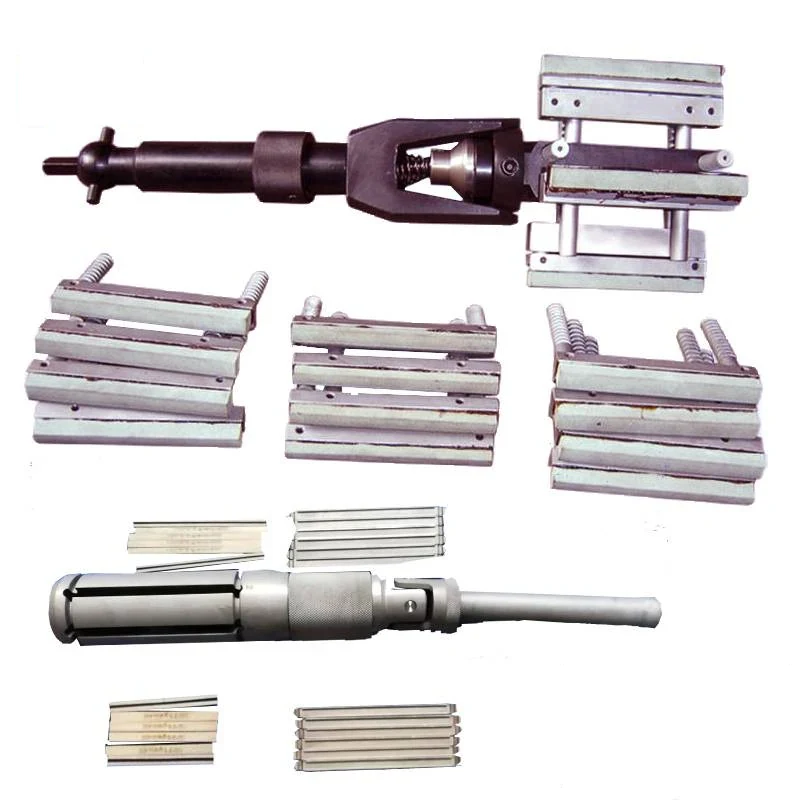
Cylinder Honing Head and Honing Tools
A honing head is the tool that turns a bored cylinder into a finished bore. Boring leaves a cut surface with a size close to target; honing removes the last material with abrasive stones that expand against the bore wall, correcting taper and out-of-roundness left by the boring operation and putting the cross-hatch pat...
What This Machine Does
A honing head is the tool that turns a bored cylinder into a finished bore. Boring leaves a cut surface with a size close to target; honing removes the last material with abrasive stones that expand against the bore wall, correcting taper and out-of-roundness left by the boring operation and putting the cross-hatch pattern into the wall that lets piston rings bed in and hold an oil film. Because the stones bear on the bore itself rather than on a spindle datum, the head follows the bore and straightens it rather than copying the machine's own error. XAIMC supplies two head sizes: the MT66 covering 44 mm to 66 mm and the MT170 covering 63 mm to 170 mm, which together span motorcycle and small engine bores through car and light truck cylinders up to heavy diesel liners at the top of the range. The two ranges overlap between 63 mm and 66 mm, so a shop working across that band can choose either head according to the rest of its work.
Why Buyers Choose This Machine
- Corrects taper and out-of-roundness left by boring instead of just polishing the bore
- Produces the cross-hatch pattern that lets piston rings bed in and retain an oil film
- Expanding stones bear on the bore so the head follows the bore rather than the machine spindle error
- MT66 covers 44 mm to 66 mm for motorcycle and small engine bores
- MT170 covers 63 mm to 170 mm for car light truck and heavy diesel cylinders
- Overlap from 63 mm to 66 mm lets a shop choose the head that suits the rest of its range
- Stones are replaceable so the head stays in service as consumables wear
Where Cylinder Honing Head and Honing Tools Earns Its Place
Problems It Solves
- A bored bore is close to size but still carries taper and out-of-roundness from the boring operation
- A glazed cylinder wall will not let new rings bed in and the engine keeps using oil
- Without a cross-hatch pattern the bore cannot hold an oil film and the rings wear quickly
- Fixed tooling that references the machine spindle copies the machine's error into the bore
- One head size cannot cover both motorcycle bores and heavy diesel liners
- Worn abrasives make the operator push harder, which is where bell-mouthing at the bore ends starts
Who It Is For
- Engine rebuilding workshops running cylinder boring and honing machines
- Motorcycle and small engine specialists working in the smaller bore range
- Truck and plant workshops reconditioning heavy diesel cylinders and liners
- General machine shops taking in engine work as a subcontract service
- Distributors supplying tooling and consumables for cylinder honing machines
Application Scenarios
- Finishing cylinder bores after boring during an engine rebuild
- Deglazing worn cylinder walls before fitting new piston rings
- Honing replacement cylinder liners to final size after fitting
- Motorcycle and small engine cylinder work in the 44 mm to 66 mm range
- Heavy diesel liner honing at the top of the MT170 range
- Correcting bore geometry on cylinders that have gone oval in service
Technical Detail
Technical Features
- MT66 honing head with a working range of 44 mm to 66 mm
- MT170 honing head with a working range of 63 mm to 170 mm
- Expanding abrasive stone arrangement bearing directly on the bore wall
- Adjustable stone expansion for progressive material removal to size
- Replaceable stones so the head body remains in service
- Two ranges overlapping between 63 mm and 66 mm
Specifications
| Machine type | Cylinder honing heads and honing tools (machine accessory) |
|---|---|
| Models | MT66 and MT170 |
| MT66 bore range | 44 mm - 66 mm |
| MT170 bore range | 63 mm - 170 mm |
| Combined range | 44 mm - 170 mm across the two heads |
| Abrasive | Replaceable expanding honing stones |
| Application | Cylinder bore honing after boring, deglazing, liner finishing |
Figures above are taken from the product information we hold. Send us your application and we will confirm the exact specification for the model quoted.
How It Is Built and What Can Be Changed
Operations Performed
- Honing
- Cylinder bore finishing
- Deglazing
- Cross-hatch generation
Quality Control
- Head expansion mechanism checked through the full working range before dispatch
- Stone carrier alignment and parallelism inspected on the assembled head
- Expansion adjustment checked for smooth even movement on all stones
- Shank and drive connection dimensions verified against the machine interface
- Trial hone carried out on a sample bore to confirm even stone contact
Customisation Options
- Head selected as MT66 or MT170 according to the bore range you work on
- Stone grade and grit specified for the cylinder material and the finish you need
- Replacement stone sets supplied for existing heads
- Drive shank specified to suit your honing machine interface
- Both heads supplied together where your work spans the full 44 mm to 170 mm range
How It Compares With the Alternatives
| Boring alone | Boring gets the bore close to size but leaves taper out-of-roundness and a cut surface; honing corrects the geometry and creates the cross-hatch that the rings need |
|---|---|
| Flexible ball hones | A ball hone deglazes the surface but follows whatever shape the bore already has; a rigid expanding head corrects the bore geometry |
| MT66 against MT170 | MT66 covers 44 mm to 66 mm for small engine work, MT170 covers 63 mm to 170 mm for car truck and heavy diesel bores; they overlap from 63 mm to 66 mm |
| Hand-held honing | Hand honing has no controlled expansion or stroke, so bell-mouthing at the bore ends is difficult to avoid |
Running the Machine
Step 1
Choose MT66 for bores from 44 mm to 66 mm or MT170 for bores from 63 mm to 170 mm
Step 2
Fit stones of the grade suited to the cylinder material and the finish required
Step 3
Mount the head on the machine spindle and set the initial stone expansion so the head enters the bore freely
Step 4
Expand the stones until they bear evenly on the bore wall before starting the stroke
Step 5
Hone with a steady stroke rate and overstroke so the stones do not dwell at either end of the bore
Step 6
Measure the bore for size taper and roundness at intervals rather than honing to a fixed time
Step 7
Clean the bore thoroughly after honing to remove abrasive and swarf before assembly
Related Applications and Guides
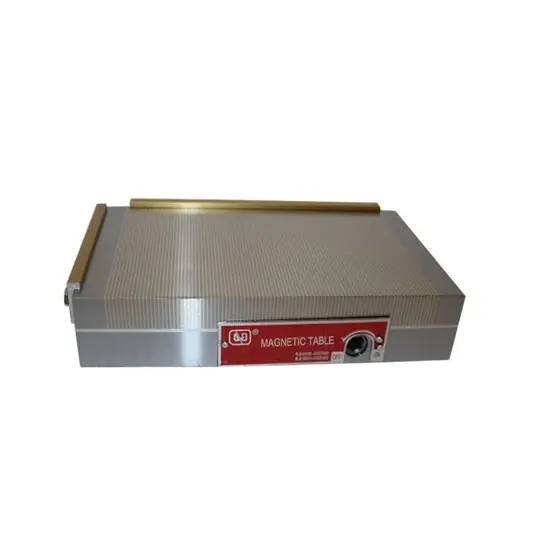
Engine Rebuilding Workshops
Engine rebuilding workshops recondition blocks heads crankshafts and valves to a geometry the engine will hold for a full service life. XAIMC supplies
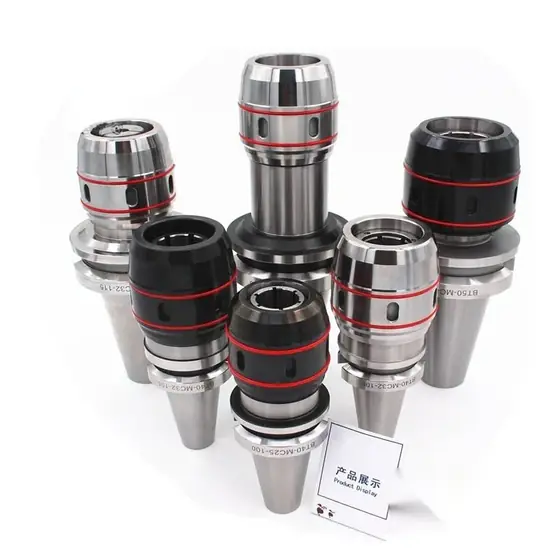
General Machining Job Shops
Job shops take whatever work comes through the door, which means their equipment has to cover a wide range rather than do one thing perfectly. XAIMC s
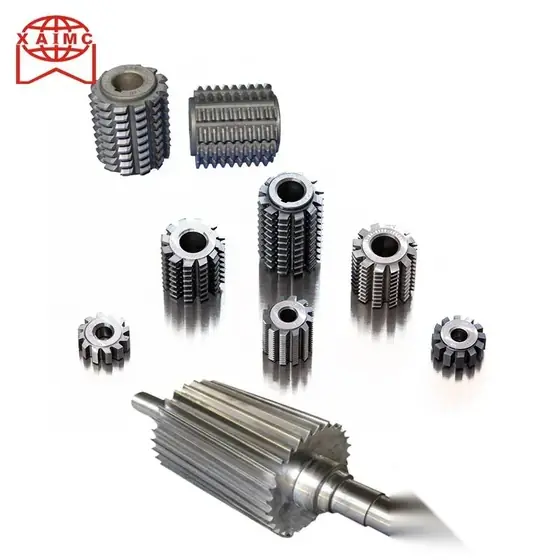
Gear Hobbing Explained for Buyers of Gear Cutting Machines
Gear hobbing cuts gear teeth by rolling a rotating hob against a rotating blank so that the tooth form is generated rather than copied from a formed c
Radial Drilling Machine vs Bench Drilling Machine
A bench drilling machine brings the work to a fixed spindle, while a radial drilling machine moves the spindle over a heavy stationary workpiece on an
Questions About Cylinder Honing Head and Honing Tools
Which head do I need for my bore size?
MT66 covers 44 mm to 66 mm and MT170 covers 63 mm to 170 mm. If your work spans both, the two overlap between 63 mm and 66 mm. Send us the range of bores you hone and we will confirm.
Are the stones replaceable?
Yes. The stones are consumable and are replaced while the head body stays in service. Tell us your cylinder material and required finish and we will recommend the stone grade.
Will the head fit my honing machine?
The drive shank is specified to suit the machine interface. Send us your machine make and model, or photographs of the spindle connection, and we will confirm.
What stone grade should I order?
It depends on the cylinder material and the surface finish your engine build requires. Send us the material and the finish specification and we will quote the stone set.
Can I order both heads together?
Yes. Ordering MT66 and MT170 together covers the full 44 mm to 170 mm range, which suits shops handling both small engines and heavy diesel work.
How are the heads packed and shipped?
Packed for export and shipped with a machine or as a separate consignment on FOB CFR or CIF terms. Tell us your destination port.
What are your payment terms?
30 percent by T/T on order and 70 percent before shipment, or an irrevocable L/C at sight.
Request a Quote on the Cylinder Honing Head and Honing Tools
Send us the work you need it to do, the voltage on your site and the port you ship to. We will come back with the model, the tooling and the lead time.