
Gear Hobbing Explained for Buyers of Gear Cutting Machines
Gear hobbing cuts gear teeth by rolling a rotating hob against a rotating blank so that the tooth form is generated rather than copied from a formed cutter. This guide is for buyers specifying a gear hobbing machine and for shops deciding whether to bring gear cutting in house.
Generating a Tooth Form Instead of Copying It
Gear hobbing is a generating process. The hob is essentially a worm with cutting edges ground into it, and as it rotates it is timed to the rotation of the gear blank in a fixed ratio. Each cutting edge takes a small bite, and the tooth space is formed by the accumulated envelope of all those cuts as the hob rolls past. The tooth flank that results is the mathematical envelope of the hob profile, not a stamp of the cutter shape.
This is the key point for a buyer to understand. With form milling, the cutter has the shape of the tooth space, so a different cutter is needed for every combination of module and tooth count, and even then the form is only approximate for most tooth counts. With hobbing, one hob of a given module and pressure angle cuts any number of teeth correctly, because the form is generated by the rolling motion rather than carried in the cutter.
That single fact is why hobbing dominates spur and helical gear production. It reduces tooling inventory, improves tooth form accuracy and cuts continuously rather than in an indexing cycle.
- The hob and the blank rotate in a timed ratio
- Tooth form is generated by the rolling envelope of the cutting edges
- One hob per module and pressure angle covers any tooth count
- Cutting is continuous rather than index and cut
Hobbing Compared With Shaping and Milling
Form milling a gear on a universal milling machine with a dividing head is the entry point for many shops. It needs no special machine, but it requires a set of form cutters, it indexes one tooth at a time, and the tooth form is a compromise across the tooth count range each cutter covers. It is appropriate for one-off repair gears and for coarse, low duty gears.
Gear shaping uses a cutter shaped like a gear that reciprocates while rolling with the blank. Its advantage is that it can cut internal gears and gears with a shoulder close to the teeth, because the cutter does not need run-out space along the axis the way a hob does. Its disadvantage is lower productivity on plain external gears.
Hobbing is the productive route for external spur and helical gears, splines and sprockets where there is clearance for the hob to run past the teeth. Most shops making gears in any quantity hob them, and keep milling or shaping for the cases hobbing cannot reach.
- Form milling - no special machine, approximate form, one-off work
- Gear shaping - internal gears and gears with close shoulders
- Hobbing - productive and accurate for external spur and helical gears
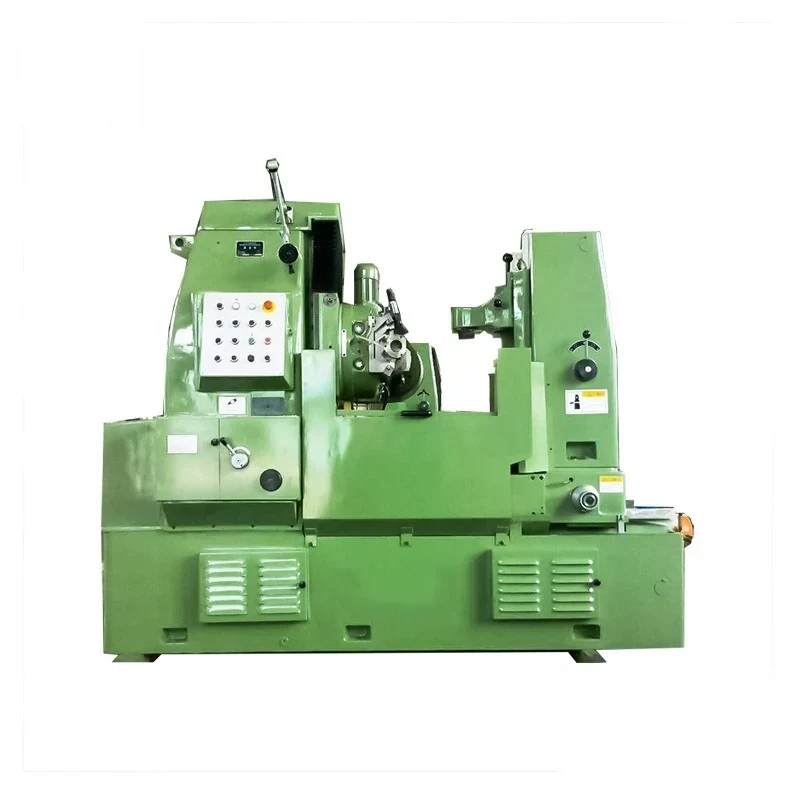
The Machine Specifications That Matter
Two numbers dominate the selection of a hobbing machine. Maximum module states the largest tooth size the machine can cut, which reflects the cutting force the machine and drive can sustain. Maximum work diameter, often called the swing, states the largest blank that fits. A gear is defined by its module and its number of teeth, so the outside diameter follows from both, and a buyer should check the actual largest gear they intend to cut against both limits.
After that, check the maximum axial travel of the hob head, because that determines the maximum face width you can cut in one pass, and the bore or spindle arrangement that holds the blank. Helical gear cutting requires the machine to add a differential motion so the blank turns slightly faster or slower as the hob traverses; confirm the helix angle range the machine covers if helical gears are part of your work.
Also confirm hob shifting. Shifting the hob along its axis periodically moves the cut to fresh teeth, distributing wear along the hob and substantially extending its life. On a machine without shifting, the same few hob teeth do all the work.
- Maximum module - the largest tooth size the machine can cut
- Maximum work diameter - the largest blank that fits
- Axial travel - the widest gear face you can cut
- Helix angle range if helical gears are required
- Hob shifting to distribute wear along the hob
Hobs Are the Real Consumable
The hob is the part of the system that determines tooth quality and running cost. Hobs are specified by module, pressure angle, number of starts, class of accuracy and material. A single start hob gives better accuracy; a multi-start hob removes metal faster but generates a slightly less accurate form, which is why roughing and finishing are sometimes done with different hobs.
Hob class matters because it sets the achievable gear quality. There is no point buying a capable machine and fitting a coarse class hob if the gears have to meet a tight quality grade. Ask what class of hob suits the gear quality you are contracted to supply.
Hobs are resharpened on the cutting faces, so plan for sharpening capability or a sharpening supplier from the start. A pre-grind hob is used where the gear will be ground afterwards and is cut with allowance left on the flanks. XAIMC supplies gear hobs alongside the hobbing machines, and sending your module, pressure angle and gear quality requirement with the enquiry lets the tooling be quoted against the actual gears.
Blank Preparation and Work Holding
Gear accuracy starts before the hob touches the metal. The blank must be turned with its outside diameter and its bore or journal concentric, and with a face that is square to the axis, because the hobbing machine references the part from those features. A blank with runout produces a gear with runout, and no amount of machine accuracy corrects it.
Work holding on the hobber is usually an arbor through the bore for a gear with a bore, or centres and a driver for a shaft gear. The arbor fit has to be close, and the clamping must resist the cutting torque without distorting a thin rim. Long or slender shaft gears need tailstock support and sometimes a steady.
Deburring after hobbing matters more than it appears. Burrs at the tooth ends interfere with assembly, damage mating parts and are a hazard to handle. Plan a deburring step into the routing rather than leaving it to the fitter.
- Turn the blank concentric and square before hobbing
- Use a close-fitting arbor and clamp without distorting thin rims
- Support long shaft gears with a tailstock and steady where needed
- Include a deburring operation in the routing
Where Hobbing Sits in the Gear Process Chain
For low and medium duty gears, hobbing may be the final tooth operation, followed only by deburring and inspection. For hardened, higher duty gears, the sequence is longer: hob the teeth with grinding stock left on the flanks, heat treat, then finish grind the teeth to restore the form and accuracy that heat treatment distorted.
That is why a shop moving into gear work should decide early whether it will supply soft gears or hardened and ground gears, because the two routes need different equipment beyond the hobber. Between the two sits shaving and honing for moderate improvement without full grinding.
Inspection is the other part of the chain. At minimum a gear shop needs to check tooth thickness, runout and centre distance. Measurement over pins or balls with a micrometer is the common workshop method for tooth thickness, and a dial indicator on a magnetic base checks blank and gear runout.
Should the Work Stay in House
Bringing gear cutting in house makes sense when gear supply is holding up your assemblies, when the gears you need are not standard items, or when repair work requires one-off replacements quickly. Repair and rebuild shops in particular gain from being able to cut a replacement gear for a machine that is out of production, where the alternative is a long wait or a scrapped machine.
It makes less sense where you buy standard gears in volume from a specialist at a price that reflects their scale. Be realistic about the skill involved as well: hobbing is not difficult but it requires understanding of gear geometry, and a shop needs at least one person who can calculate a gear from first principles rather than only reading a drawing.
Send XAIMC the modules, gear diameters, face widths, helix angles and materials you intend to cut, along with your voltage, phase and frequency, and a machine and hob combination can be proposed against that range.
- Largest and smallest module required
- Maximum gear outside diameter and face width
- Spur only or helical as well, and the helix angle range
- Soft gears or hardened and ground gears
- Gear quality grade you must meet
- Voltage, phase, frequency and floor space
Installation and Operating Notes
Hobbing machines are heavy and need a level, stable installation to hold the timed relationship between hob and blank without vibration. Confirm foundation requirements and crated dimensions with XAIMC before shipment, and check the route into the building for weight and height.
In operation, cutting fluid does more than cool. It flushes chips out of the cut and away from the hob, and packed chips will damage both the hob and the tooth flank. Keep the coolant supply aimed at the cutting zone and keep the chip conveyor or tray clear.
Finally, keep hobs stored properly. A hob is an expensive precision tool and a knocked cutting edge produces a mark on every tooth of every gear it cuts. Dedicated storage and careful handling are part of running a gear shop well.
Related Machines From XAIMC
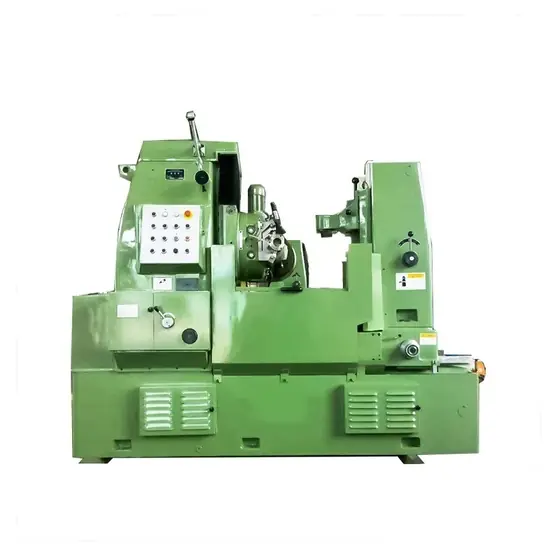
YB3150E Gear Hobbing Machine
View Machine →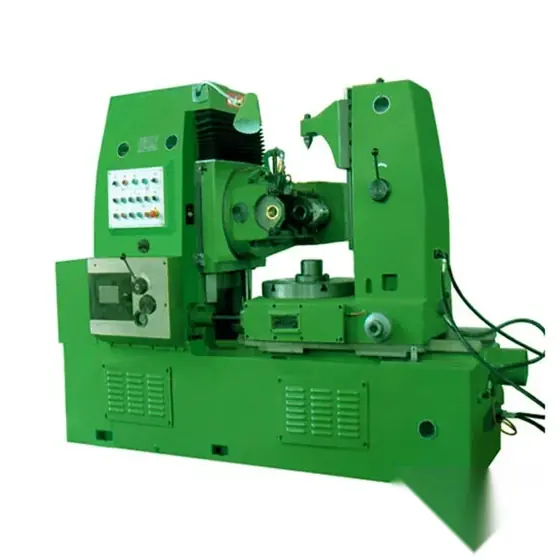
Y3150K Minitype Gear Hobber Machine
View Machine →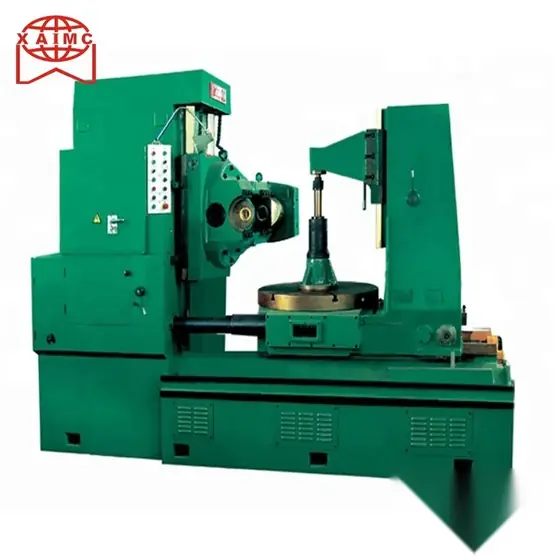
Y31125E Gear Hobbing Machine
View Machine →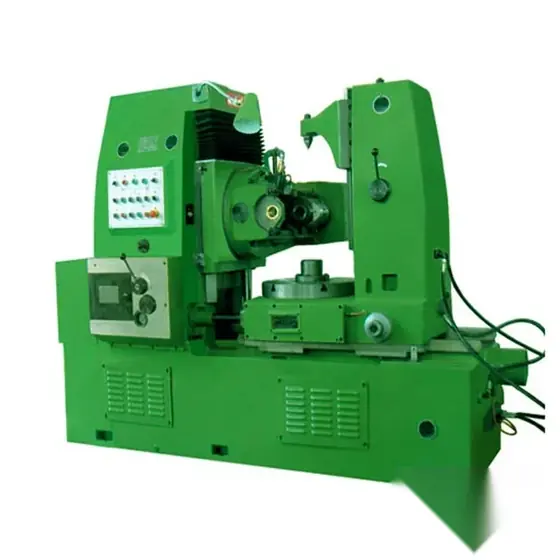
YB3180 Gear Hobbing Machine
View Machine →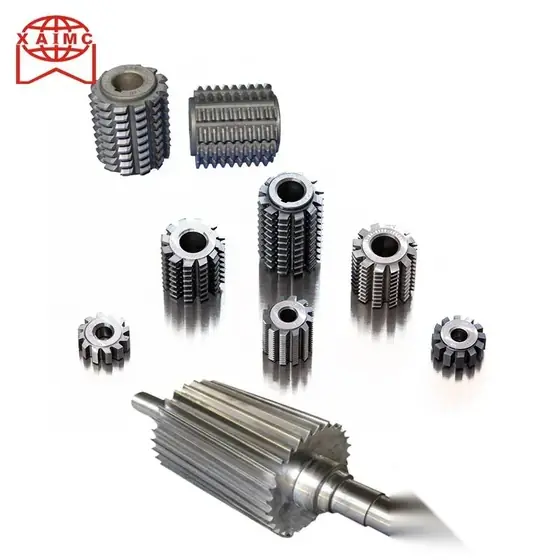
Pre-Grind HSS Module Hobbing Cutter Gear Hob
View Machine →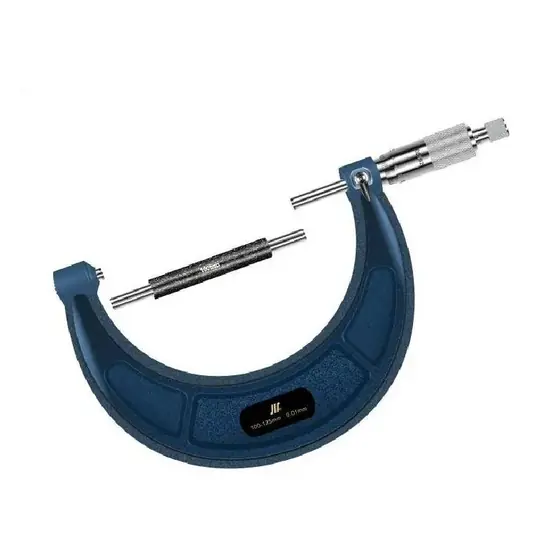
Internal Outside Micrometer 25-50 mm
View Machine →Related Categories
Questions on This Topic
Can one hob cut gears with different numbers of teeth
Yes. Because hobbing generates the tooth form by rolling rather than copying a cutter profile, one hob of a given module and pressure angle cuts any tooth count correctly. This is the main tooling advantage over form milling, which needs a different cutter for each tooth count range.
Can a hobbing machine cut internal gears
No. A hob needs axial clearance to run past the teeth, so internal gears and gears with a shoulder close to the teeth are cut by gear shaping instead. Tell us at enquiry stage if internal gears are part of your work so the right process is discussed.
What is hob shifting for
Shifting the hob along its own axis moves the cut onto fresh cutting teeth, spreading wear along the whole hob instead of concentrating it on a few teeth. It substantially extends hob life, which is why it is worth confirming on the machine specification.
Do I need to grind gears after hobbing
Only where the gear is hardened and has to meet a higher quality grade, since heat treatment distorts the tooth form. Soft or moderate duty gears are commonly finished directly from hobbing, with deburring and inspection.
How do I size a hobbing machine
Check your largest gear against the machine's maximum module, maximum work diameter and axial travel, and confirm the helix angle range if you cut helical gears. Send those figures to XAIMC with your materials and gear quality requirement.
What hobs should I order with the machine
Hobs matched to the modules and pressure angles you will cut, in an accuracy class suited to the gear quality you must supply, and pre-grind hobs where the gears will be ground after hardening. Send your gear list so the tooling is quoted against it rather than as a generic set.
Apply This to Your Own Workshop
Send us your parts, your volumes and your site conditions and we will answer for your case rather than the general one.