
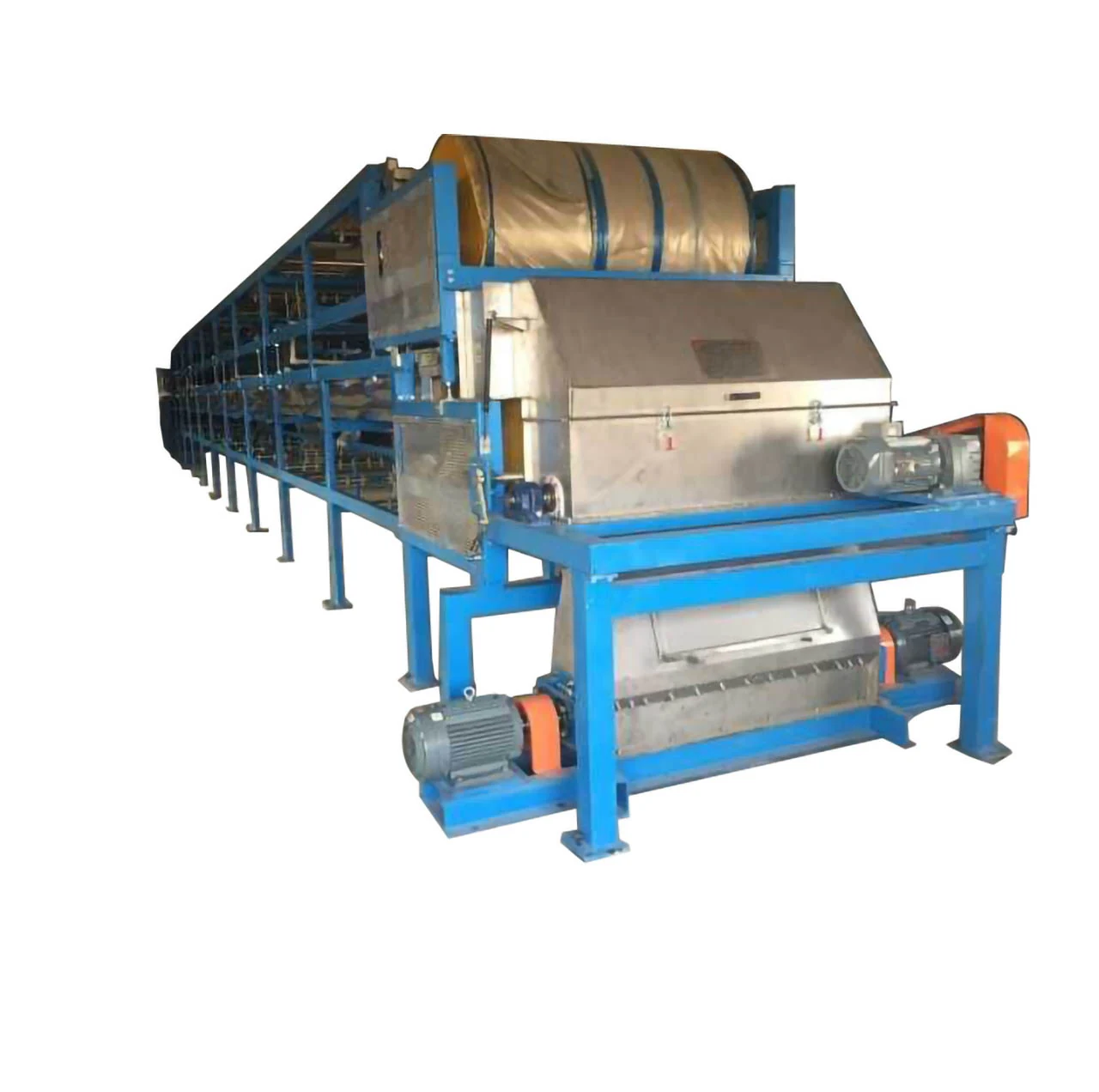
Chemical Machinery
Sulphur pastillators and drum granulators for converting molten low melting point materials into solid particles.
All 2 Chemical Machinery
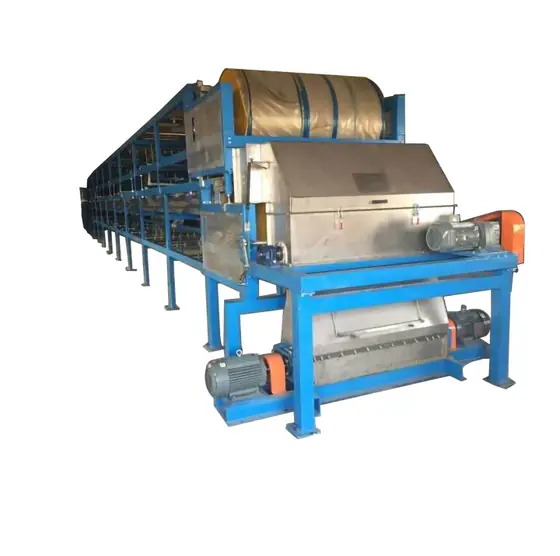
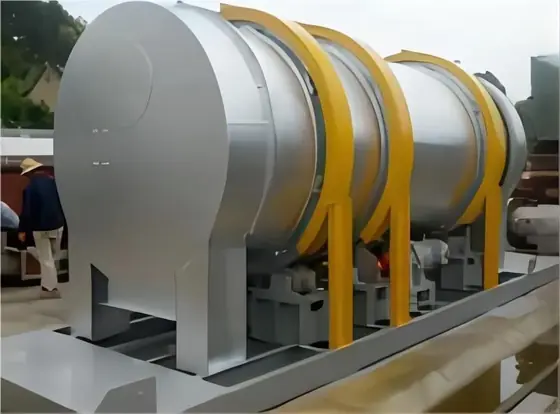
What This Category Is Really For
Low melting point materials handled as molten liquid or as irregular solid lumps are difficult to transport, package and dose. Converting them into uniform particles changes the handling economics of the whole downstream operation.
- Dropform pastillation and drum granulation for low melting point materials
- Uniform particle shape and size improves transport packaging and dosing
- Thin strip heat transfer with forced cooling gives rapid condensation and solidification
- Frequency control drives on cooler and dropform systems adjust to capacity and material properties
- Smart temperature control across the process
Who Buys Chemical Machinery and Why
Who It Is For
- Sulphur processing and refinery operations
- Chemical and petrochemical producers
- Wax resin and pitch processors
- Fertiliser and additive manufacturers
Where These Machines Are Used
- Granulating molten sulphur at a refinery or processing plant
- Pastillating paraffin wax resin and pitch
- Converting maleic anhydride TMA and stearic acid products to particle form
- Producing urea and plastics additives as uniform particles
Industries That Run Chemical Machinery
Chemical and Sulphur Processing
Refineries and chemical plants that handle low melting point materials need them in a form that can be transported packaged and dosed. XAIMC supplies sulphur pastillation
Chemical Machinery Questions
What materials can be processed?
Low melting point materials, generally those melting between 50 and 300 degrees Celsius, that flow when molten and are solid at room temperature. That includes sulphur, paraffin wax, rubber, resin, pitch, maleic anhydride, TMA, stearic acid products, thermal sol, phenylenediamine, urea and plastics additives.
What is the difference between a pastillator and a drum granulator?
A pastillator drops molten material onto a moving cooled belt to form pastilles. A drum granulator builds particles on a rotating drum. Send us your material and target particle size and we will advise which route fits.
Why does uniform particle size matter?
It improves transport, packaging, dosing and the working conditions around the material, and it makes the downstream process easier to control.
Can the system adjust to different production rates?
The cooler and dropform systems use frequency control drives, so output can be adjusted to capacity and material properties without mechanical changes.
Get a Quote on Chemical Machinery
Tell us the work you need the machine to do and we will confirm the model, the tooling and the lead time.