
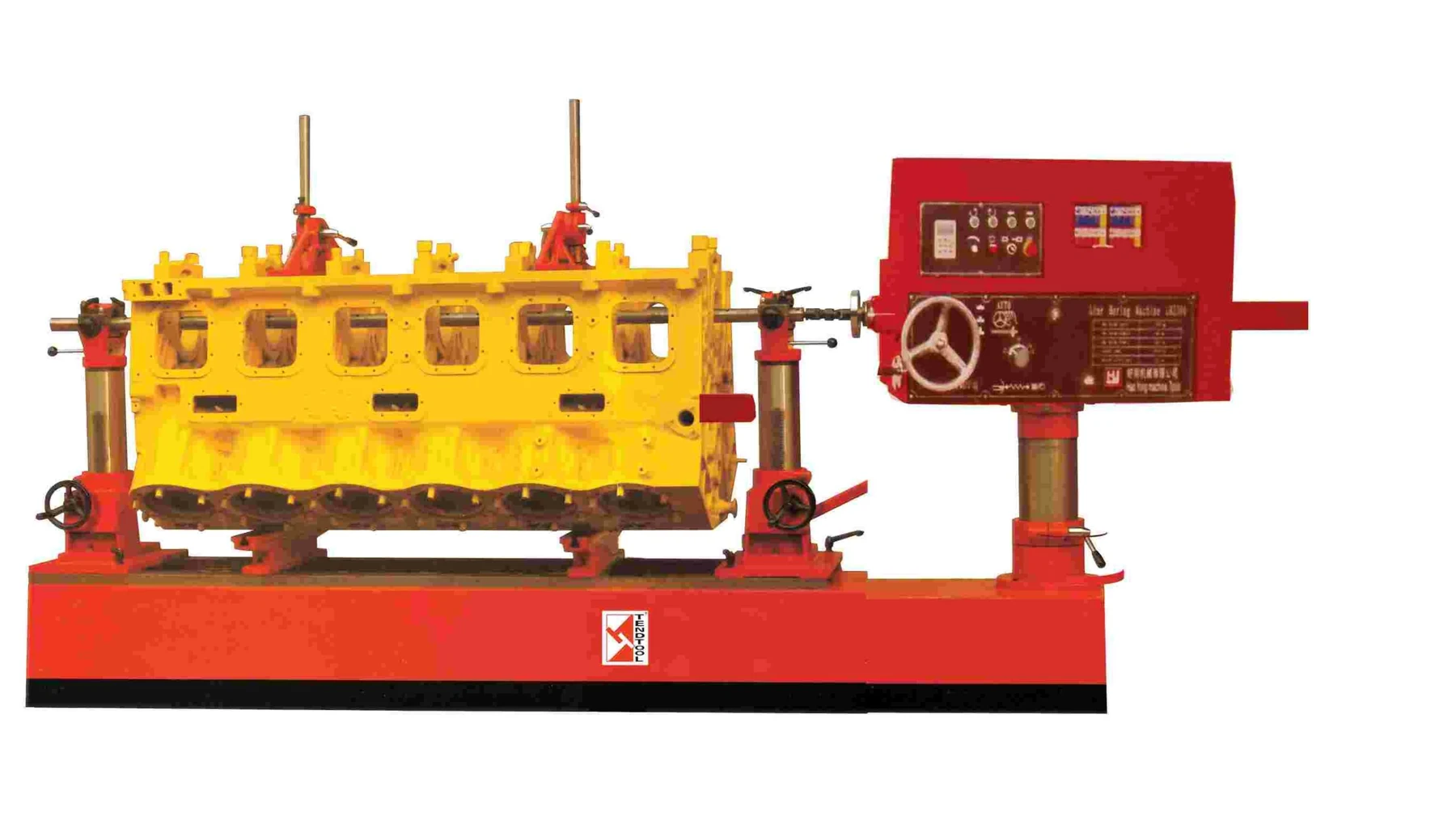
Equipping an Engine Rebuilding Line
Building an engine rebuilding capability is a sequencing problem, not a shopping list. This is how we work through it with a buyer, from the engines you intend to take on to a commissioned line.
Where This Usually Goes Wrong
Most shops buy in the wrong order. They buy the machine they are most familiar with, then discover the bottleneck is somewhere else entirely — usually cleaning, measurement or pressure testing. The result is an expensive machine waiting on a cheap one.
Stage by Stage
Define the engine range
Problem. Machine capacity is set by the largest block and head you will accept, not the average one
How we handle it. We work from the actual engine list: passenger car, light commercial, truck and bus, or industrial. That single decision determines whether you need the long versions of the boring and seat machines.
Fix the workflow first
Problem. Buying machines before mapping the sequence creates bottlenecks that no additional machine fixes
How we handle it. We map strip, clean, test, bore, hone, surface, valve work, crank work and inspection, and identify which stages you will do in-house on day one.
Specify the core machines
Problem. A shop that starts with too much equipment ties up capital in machines that stand idle
How we handle it. Boring, surfacing and measurement first. Honing, valve seat and crank grinding added as volume justifies them.
Choose the control level
Problem. CNC everywhere is wasted money at low volume; manual everywhere caps your consistency
How we handle it. Manual, digital display and CNC versions exist for the core valve seat machines. We match the level to your head volume and how many operators will run the machine.
Specify tooling and measurement
Problem. A commissioned machine with no tooling and no gauges is not a working shop
How we handle it. Pilots, cutters, honing tooling, bore gauges, micrometers and indicators are quoted against your bore and seat ranges with the machines.
Consolidate and ship
Problem. Machines arriving in separate shipments means paying freight repeatedly and commissioning piecemeal
How we handle it. The line is packed and shipped together. FOB CFR or CIF, with packing specified for sea freight.
Commission and train
Problem. A machine set up wrong on day one produces bad geometry for months before anyone works out why
How we handle it. Installation and commissioning checklist supplied with the machines, and technical support by email and WhatsApp through setup.
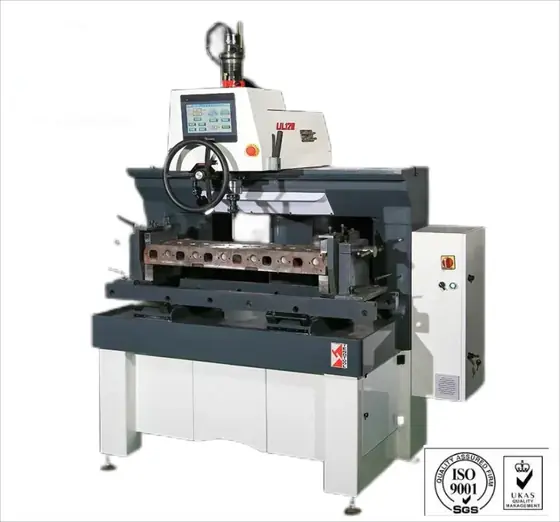
Self-Adaptive Touch Screen Machine for Cylinder Head
View Machine →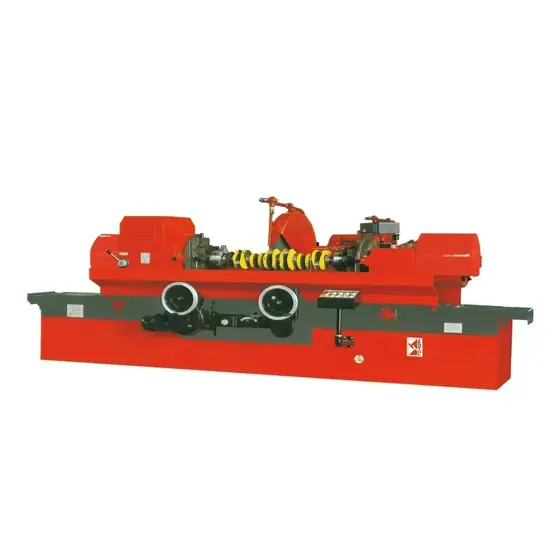
Crankshaft Grinding Machine MQ8260A/C
View Machine →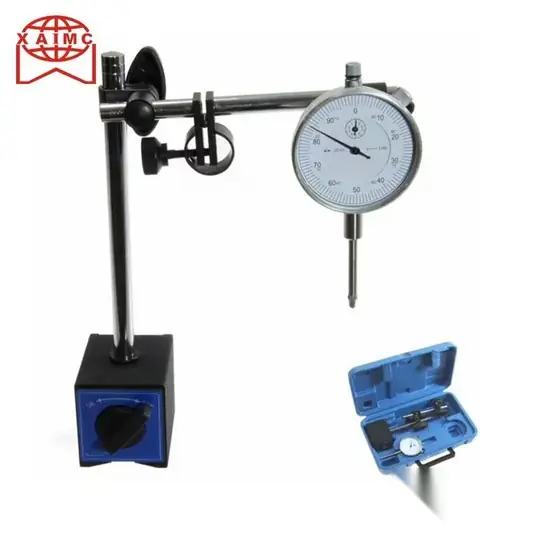
Dial Indicator and Dial Gauge Indicator Set with Magnetic Stand
View Machine →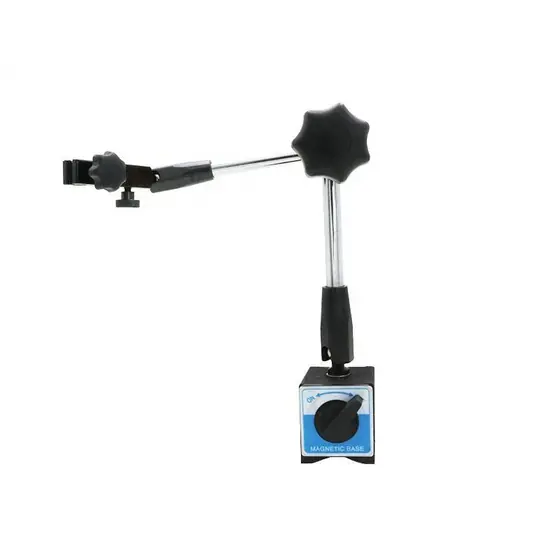
Flexible Magnetic Base Stand Holder
View Machine →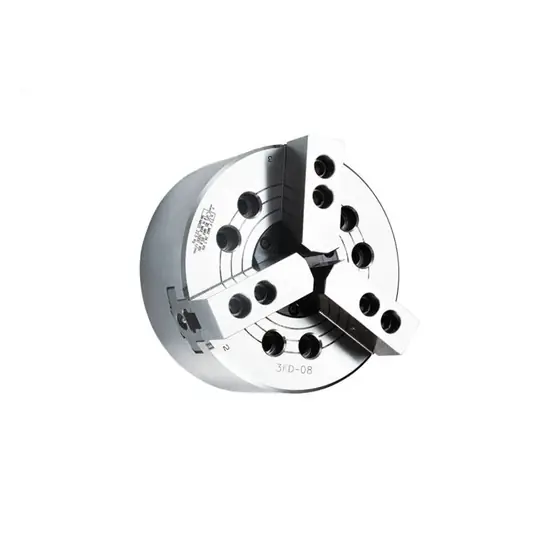
3KD Three-Jaw Large Through-Hole Power Chuck
View Machine →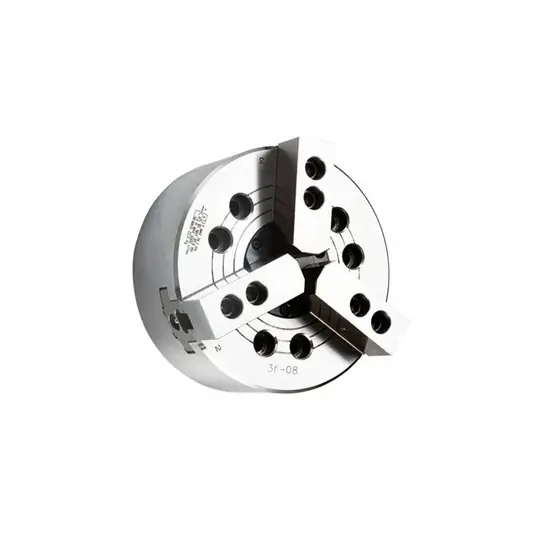
3K Three-Jaw Hollow Power Chuck
View Machine →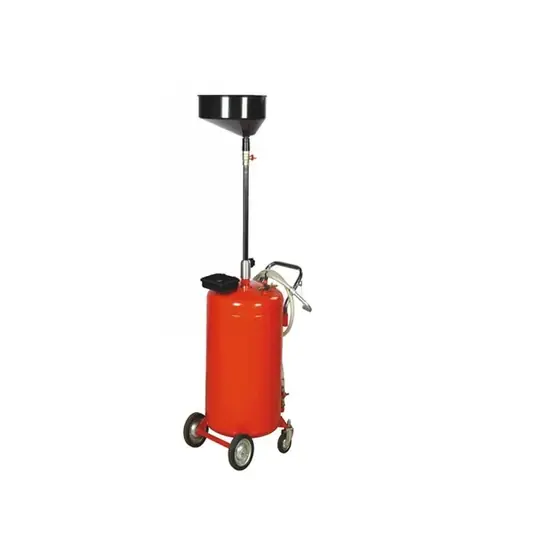
Pneumatic Waste Oil Extractor
View Machine →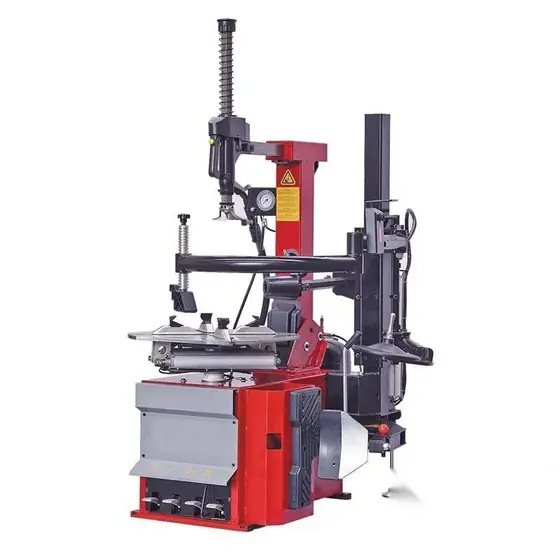
Pneumatic Tilt-Back Post Tyre Changer TC665R / TC665RA
View Machine →Equipping an Engine Rebuilding Line Questions
How much of the line do I need on day one?
Less than most buyers expect. Boring, surfacing and measurement will let you take in work. Add honing, valve and crank machines as the volume arrives rather than before it.
Can I add machines later and still have them match?
Yes. Tell us at the start what the eventual line looks like so the machines we supply now are sized consistently with what comes later.
What support is available during commissioning?
Manuals ship with the machines and our technical team responds by email and WhatsApp. Send photos or video of the setup and we can work through it with you.
Work Through It With an Engineer
Send us what you already have and what you are trying to do. We will tell you what is missing and in what order to buy it.