
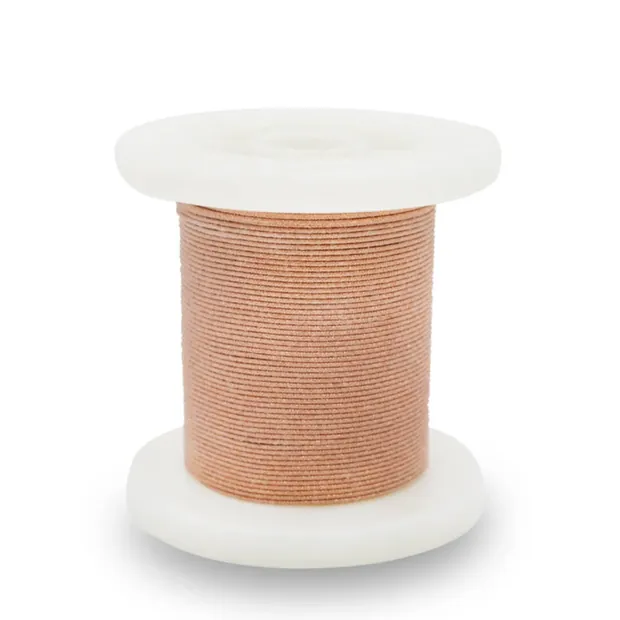
Tinsel Wire
Copper Alloy Tinsel Wire
Alloy foil raises the mechanical ceiling over pure copper at the same construction.
View specifications
High resistance in a conductor that is still flexible enough to sew, wind or route.
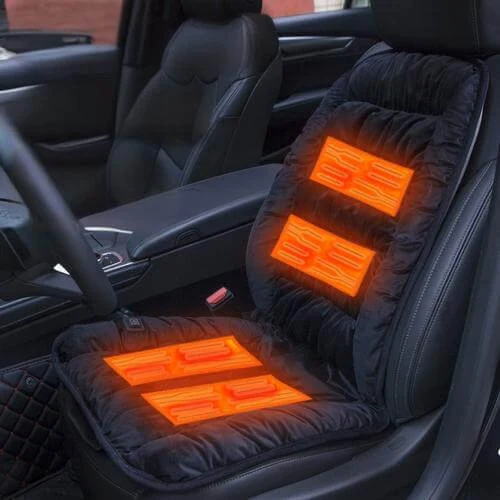
Heater wire is specified by the resistance it has to hold, not by the current it has to carry, and that changes what a good conductor looks like. Heating products with high resistance requirements are one of the characteristics of our tinsel wire, which meets those performance aspects and is widely used in heating wires, so a heating element can stay flexible enough to be sewn or wound rather than being a stiff resistance element routed around the product. Where a resistance alloy is the better fit, we work in nickel-chromium, nickel-iron and copper-nickel alloy, also known as constantan.
Values that depend on your application are set against your targets rather than fixed here.
| Conductor Type | Tinsel wire construction or resistance alloy wire |
|---|---|
| Resistance Alloys | Nickel-chromium, nickel-iron, copper-nickel (constantan) |
| High Temperature Fiber Cores | Aramid, glass fiber, heat-resistant cotton yarn |
| Conductor Resistance | Customized to your target |
| Resistance Verification | DC resistance tester |
| Minimum Order For Samples | None |
No third-party certification is published for this product line. Test data from our own resistance, tensile, elongation and salt spray equipment is supplied with samples and with every shipment loading report.
Tinsel Wire
Alloy foil raises the mechanical ceiling over pure copper at the same construction.
View specifications
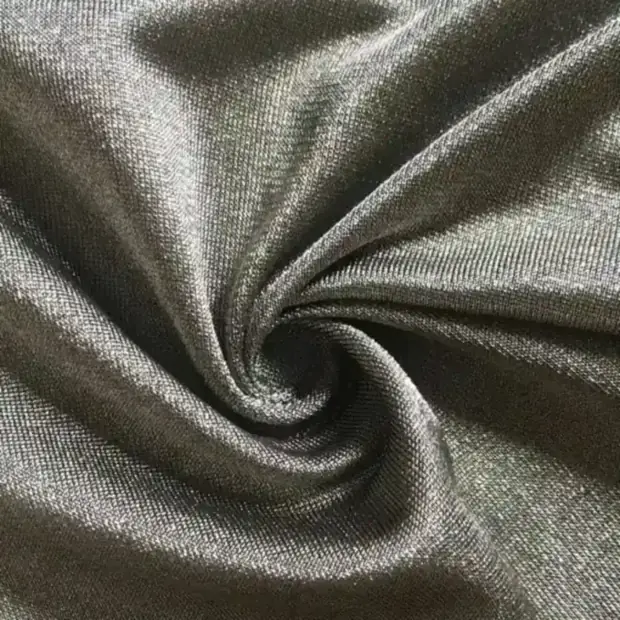
Tinsel Wire
A soft textile fiber core at the centre, so the conductor handles like yarn.
View specifications
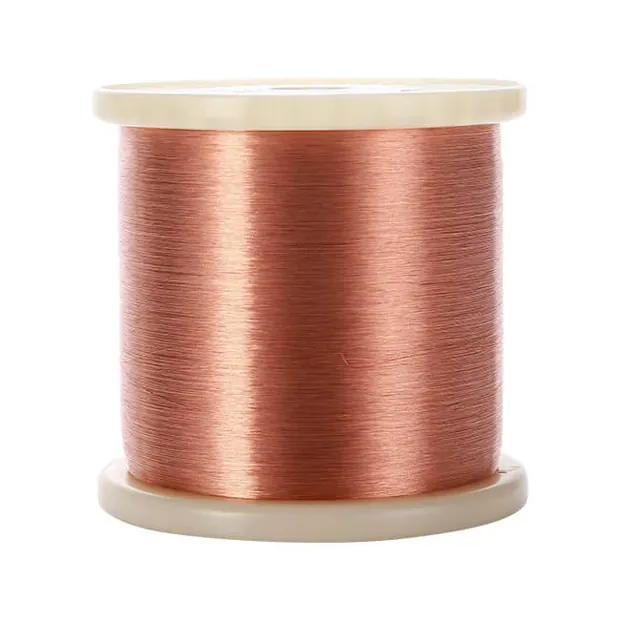
Tinsel Wire
Highest conductivity per unit of foil in the range, with no plating layer in the current path.
View specifications
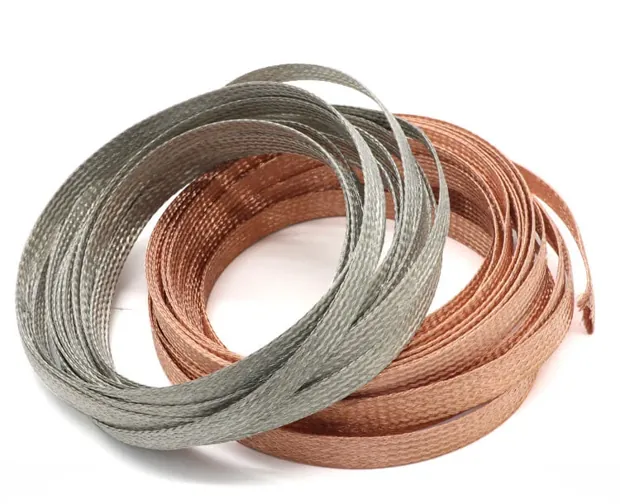
material guide
The full metal range from bare copper to constantan and graphene copper, and what each is for.
Read the guide
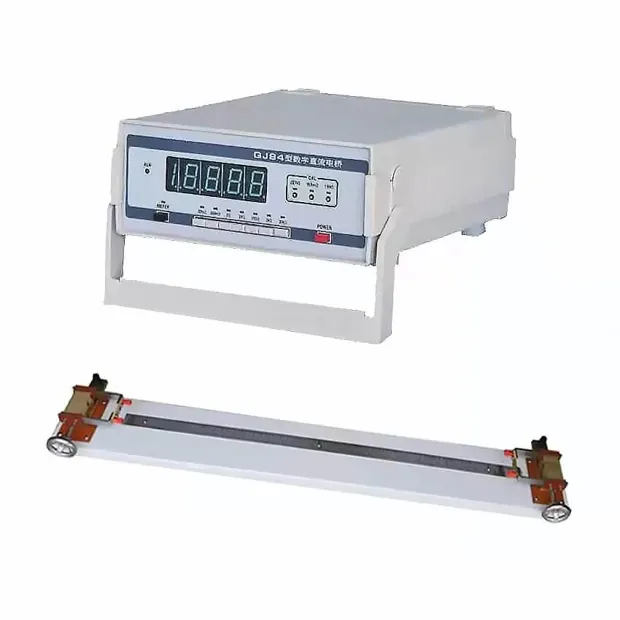
quality guide
The four instruments behind our inspection, what each one measures, and what leaves with the shipment.
Read the guide
Because the element usually has to bend. Heating products with high resistance requirements are one of the characteristics of our tinsel wire, which can meet all aspects of that performance and is widely used in heating wires.
Resistance is set as a target value at the start and verified on a DC resistance tester before shipment. The tester measures the resistance parameters of the conductor precisely, which is how power safety and product quality are confirmed.
Aramid carries a melting point of more than 500 degrees Celsius with good abrasion resistance and high strength. Glass fiber and high-temperature flame-retardant cotton yarn are also available.
Tell us the resistance, outer diameter and flex life you need. Samples on conventional and customized products carry no minimum order quantity.