
Building an Industrial Keyboard Business in Ten Steps
Research the Market First
Nothing else is worth doing until you understand the market you are entering. That means establishing where demand for industrial keyboards actually sits, who the existing competitors are, which technologies and trends are shaping the category, and what your intended customers genuinely need rather than what you assume they need. Online surveys, focus groups and published industry reports are the practical tools for gathering this. The research also pays off later: the same information feeds the business plan, the pricing work and the marketing strategy, so time spent here is not a separate cost.
Define a Niche You Can Own
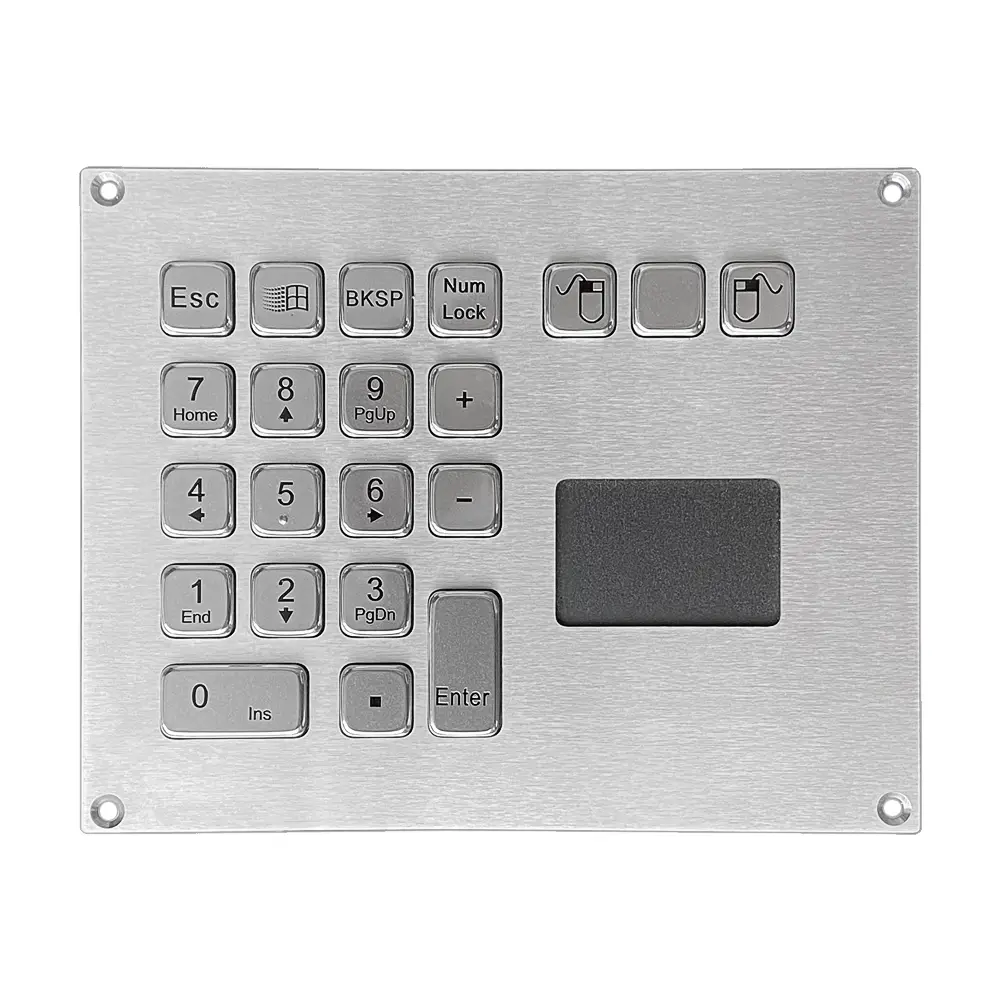
With the research complete, decide what you specialise in. The category splits several ways: stainless steel keyboards, aluminium keyboards, membrane keyboards, silicone keyboards, touchpads, trackballs and others. Picking one or two focuses your marketing spend and gives buyers a reason to choose you over a generalist. A narrow niche also simplifies everything downstream, because a manufacturer partnership, a stock plan and a technical support capability are all far easier to build around three product families than around thirty. Breadth can come later once the core line is established.
Write the Business Plan
The business plan turns market knowledge and a chosen niche into a working document. It should set out the company mission, the goals, the target customers, the marketing strategy and the financial projections. Treat it as a roadmap rather than a formality: it is what keeps the business on track when early sales are slow and it is what investors and lenders will read first. Revisit it as real data arrives from the first customers, since projections built before any sales are estimates and should be corrected rather than defended.
Choose the Legal Structure and Secure Funding
Decide on the legal form of the business: sole proprietorship, partnership, limited liability company or corporation. Each carries different advantages and drawbacks around liability, tax and administration, and the right answer depends on your circumstances, so take advice from a lawyer or accountant rather than copying what a competitor did. Funding follows. Capital can come from investors, from bank or credit union loans, or from crowdfunding. Whichever route you take, prepare a detailed financial plan showing how the money will be used and when revenue is expected to begin, because that document is what makes the case.
Select the Right Manufacturer
Manufacturer selection is the decision most likely to determine whether the business succeeds. You need a partner who can produce industrial keyboards to the standard your customers require, consistently and on schedule. Assess reputation, depth of experience in this specific product category, and a demonstrable record of delivering on time. Visit or sample before committing volume. A manufacturer that cannot hold a delivery date will damage your customer relationships faster than any pricing error, and switching supplier mid-contract means re-tooling and re-qualifying products that customers have already specified.
Develop the Product Line and Set Prices
Work with your chosen manufacturer to build a product line that meets your customers' requirements. The range should offer several types of industrial keyboard with different features and specifications, so a buyer with a slightly different application does not have to go elsewhere. Pricing then has to account for production, marketing, distribution and your other operating costs, and it has to be checked against what competitors charge so your offer is competitive and clearly worth what you ask. Price the range as a whole rather than each item in isolation, since entry products often exist to open an account.
Build the Brand and Launch
The brand should express the company's values, its mission and what makes your offer different, and it has to resonate with the specific buyers you identified in the research stage. Once that is in place, launch. Build a marketing plan combining social media, email marketing, content marketing and the other channels that reach your audience, and pair it with a sales strategy covering direct sales, partnerships and any other route to revenue. The ten steps in sequence give the business a defensible starting position, but the work after launch is where market research meets reality.
Products Mentioned
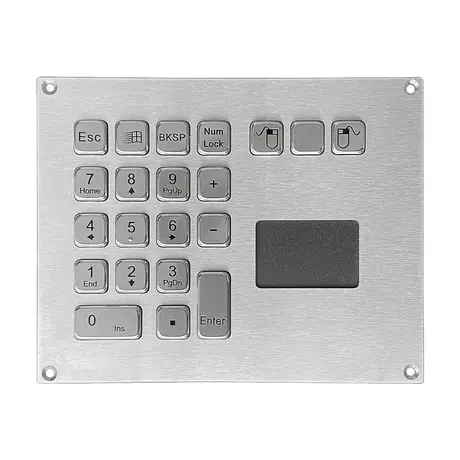
IP65 Mini Keyboard With Trackpad KY-PC-VG160T
View Specification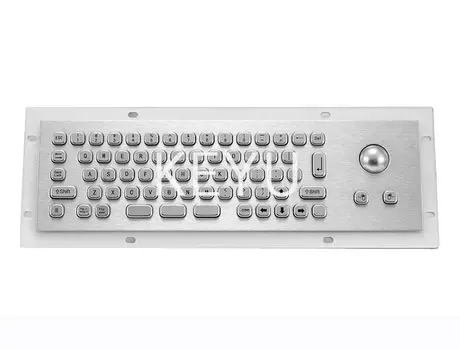
KY-PC-MINI-T Mini Stainless Steel Keyboard for Kiosks
View Specification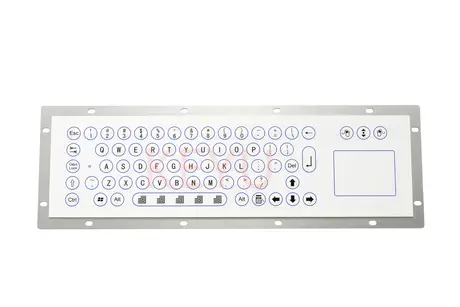
KY-UT385 Medical Membrane Keyboard With Touchpad
View Specification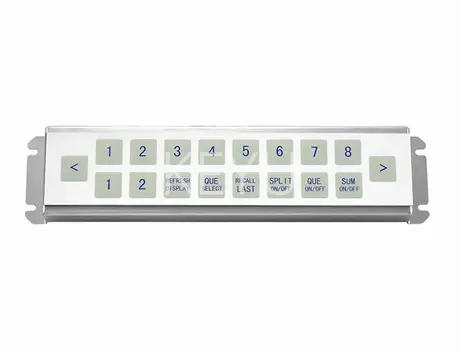
KY2060B Thin Panel Metal Membrane Keypad
View Specification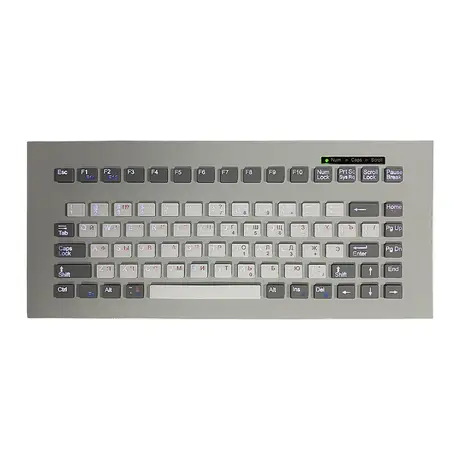
IP65 Waterproof Silicone Keyboard KY-GJ305
View Specification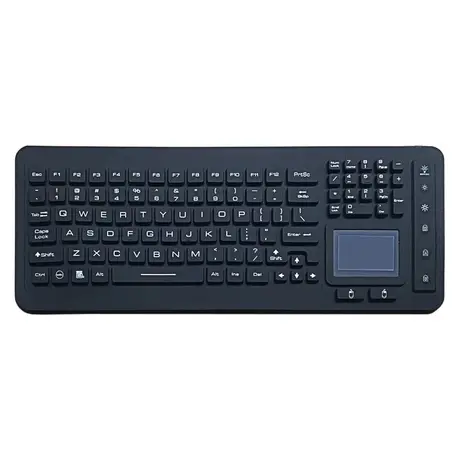
KY-GJ-98-BL Washable Silicone Keyboard With 98 Keys and Backlight
View SpecificationQuestions On This Topic
Which step matters most?
How narrow should the niche be?
Where can startup funding come from?
How should prices be set?
Put This Into A Specification
Send us the application and we will tell you which of these choices actually matter for your terminal.