
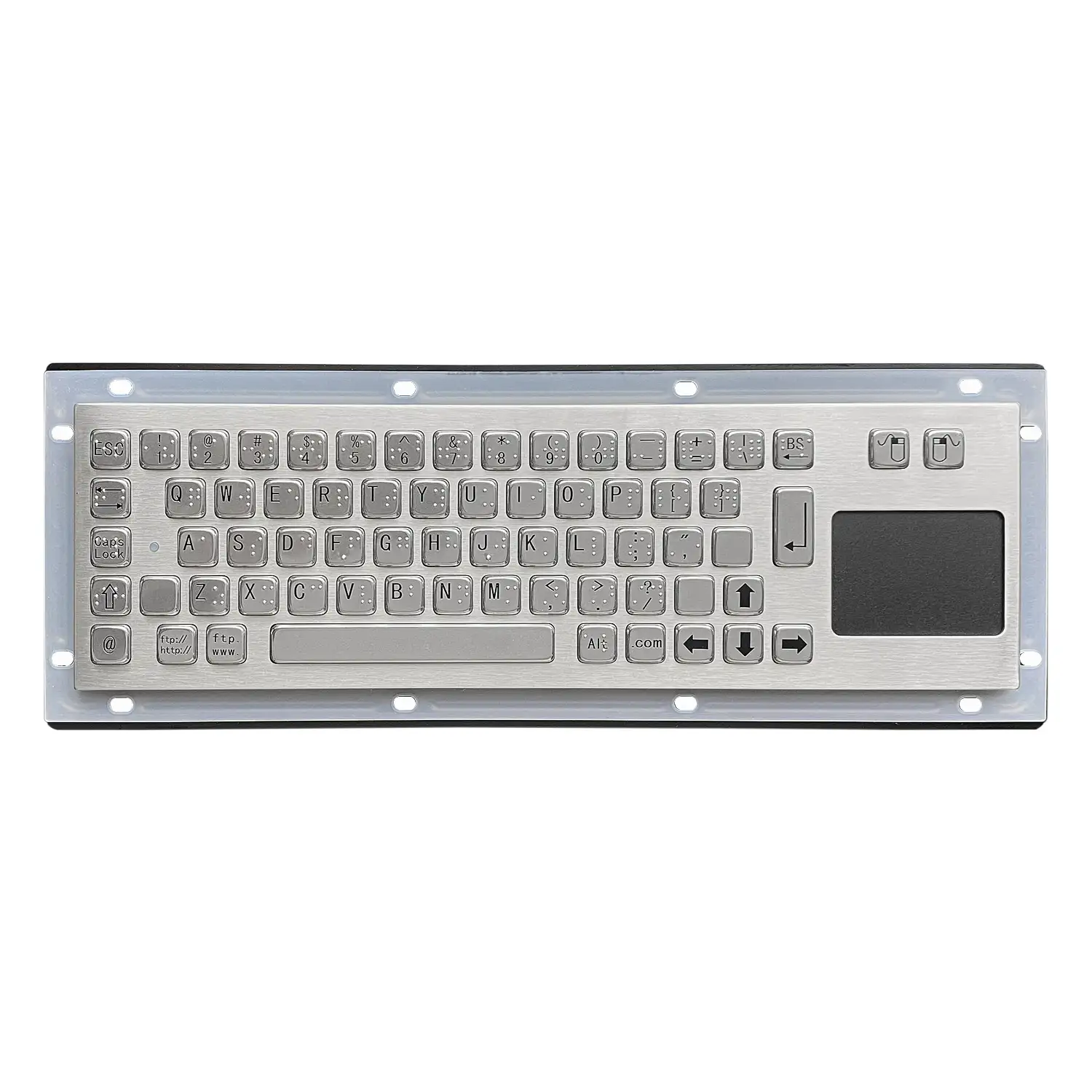
13 Steps to Buying an Industrial Keyboard From a Chinese Factory
What Counts as an Industrial Keyboard
An industrial keyboard is an input device built to survive conditions that would destroy an office keyboard: impact, vibration, airborne dust, washdown, and continuous shift use. The category covers stainless steel and aluminium panel keyboards, membrane keypads, sealed mechanical units, and moulded silicone assemblies. Each construction answers a different problem. Stainless steel resists vandalism and corrosion on exposed kiosks. Silicone gives a sealed one piece surface that wipes clean. Membrane suits flat panels behind a graphic overlay. Before you compare quotations, decide which construction your enclosure and duty cycle actually demand, because the construction choice drives almost everything else in the price and the lead time.
Define the Requirement Before You Ask for Prices
Write the requirement down as a specification, not as a product name. State the panel cut out or footprint, the mounting method, the key count and layout, the interface, the sealing level you need, the operating temperature range, and whether you require backlighting, a trackball, or an integrated touchpad. Note whether operators wear gloves, because glove use changes key force and key pitch decisions. Note whether the unit is indoors or exposed to weather. A supplier quoting against a written specification gives you a comparable price. A supplier quoting against a vague description gives you a number you cannot audit, and the differences surface after tooling is cut.
Set a Budget That Includes the Hidden Costs
The unit price is only part of the landed cost. Build a budget that also carries tooling or mould charges for a custom layout, sample charges, laser engraving or silk screen setup, packaging, freight, duty, and any third party inspection you plan to book. Decide in advance how much of the total you are willing to commit before first articles are approved. A realistic budget also tells you whether a custom design is justified at your volume or whether you should adapt an existing platform. Modifying a proven layout is normally cheaper and faster than starting from a blank panel, and it removes a whole class of first production risk.
Vet the Factory and Ask for Samples
Confirm you are dealing with a manufacturer rather than a trading intermediary. Ask which processes are in house, what quality procedures cover incoming material and finished goods, and which certifications apply to the specific model rather than to the company in general. KEYU, founded in 1995 in Shenzhen, runs a 4,500 square metre wholly owned factory with CNC and sheet metal equipment on site and holds over 1,000 sets of moulds, which is the kind of detail worth verifying in any supplier. Always buy a sample before the production order. Fit it to the real enclosure, load it on the real host, and have a real operator use it.
Check Installation Support and Warranty Terms
A panel mount keyboard is only as good as its fit. Ask whether the supplier provides installation drawings, gasket and fastener guidance, and help with the panel cut out tolerance. Ask what happens if a unit fails in the field: what the warranty period is, who pays freight on a replacement, and whether spare parts such as trackballs or membranes are stocked separately. Get these terms written into the order confirmation rather than left in an email thread. For OEM integrators the replacement path matters more than the headline warranty length, because a machine standing idle costs far more than the keyboard in it.
Control the Order From Deposit to Delivery
Place the order in writing with the agreed specification attached, then confirm the key points directly with the factory rather than relying only on written messages. Arrange a pre-shipment inspection covering appearance, key feel, engraving legibility, sealing, and a functional test of every key on a sample drawn from the finished lot. Check cartons and labelling at the same time. When the goods reach port, inspect the outer packaging for transit damage before accepting them into the warehouse. Run a final incoming check against your own specification once the shipment lands, and record any deviation immediately so the claim is still open with the supplier.
Products Mentioned
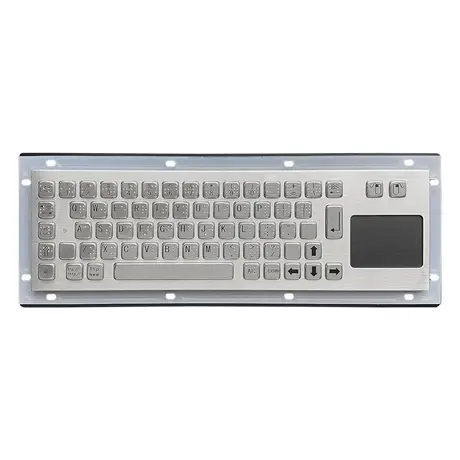
67 Key Metallic Keyboard With Braille KY-PC-NT3 BR
View Specification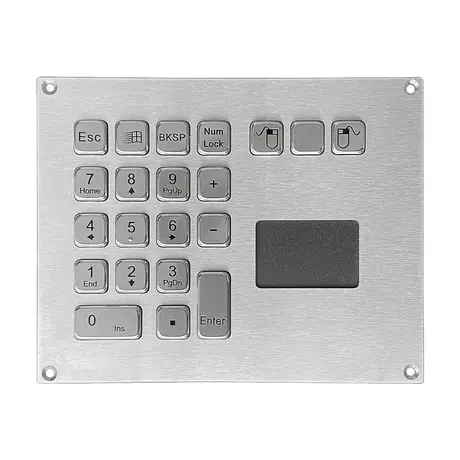
IP65 Mini Keyboard With Trackpad KY-PC-VG160T
View Specification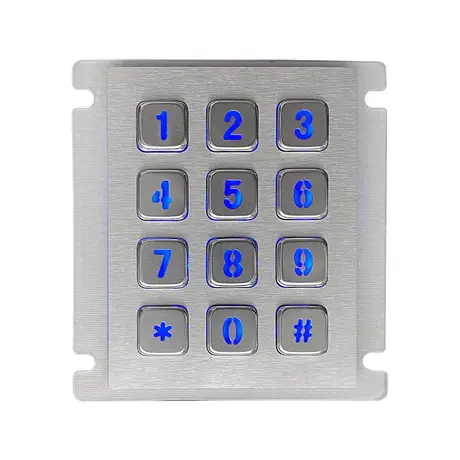
12 Key Industrial Backlight USB Keypad KY2068A-LED
View Specification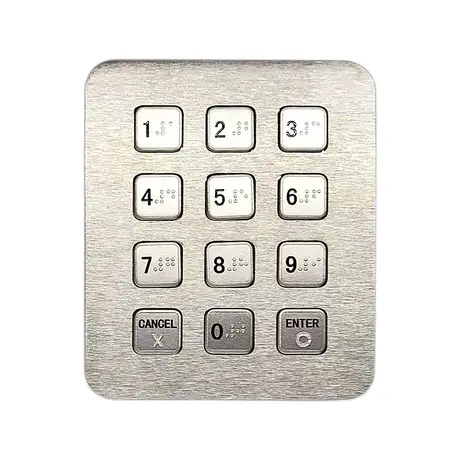
12 Key Industrial Numeric USB Keypad KY2073C-USB
View Specification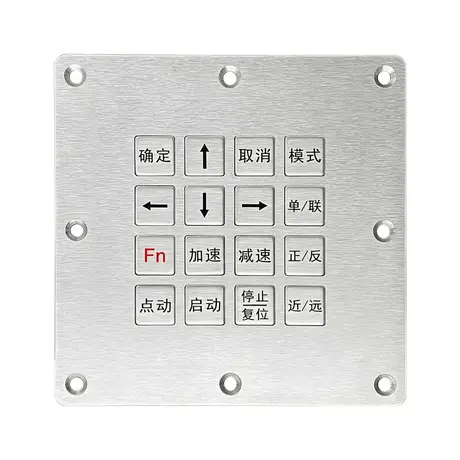
Industrial RS485 Keyboard With 16 Stainless Steel Keys
View SpecificationQuestions On This Topic
Should I buy a sample before placing a production order?
What should a written specification include?
Is a custom layout always worth the tooling cost?
When should inspection happen?
Put This Into A Specification
Send us the application and we will tell you which of these choices actually matter for your terminal.