Comparison
Ventilated Stretch Film Compared With Standard Stretch Film
What the perforations change on a warm pallet and when a solid film is still the right answer
What the perforations change on a warm pallet and when a solid film is still the right answer
Both films are polyethylene, both are applied on the same wrappers, and both hold a load by being stretched. The difference is thirteen holes in every row, and that difference only matters if your pallet is producing heat or moisture.
A continuous stretch film seals the pallet. That gives you a dust barrier, protection against splash and rain during yard movements, and a smooth surface that will not catch on conveyor guides. For dry ambient goods that never change temperature, that is a good outcome.
The same seal that keeps water out keeps water in. A pallet wrapped while its goods are warm carries warm moist air inside the wrap. That air cools, drops below its dew point, and the vapour condenses on the nearest cool surface, which is the inside of the film and the outer cartons.
The results are familiar to anyone who has opened one of these pallets: a wet film face, soft carton corners, lifted labels and sometimes marking on bare metal.
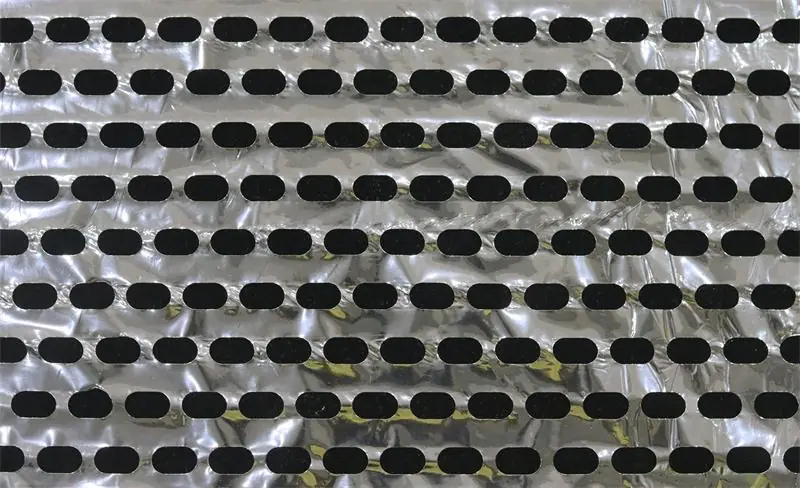
Ventilated stretch film is designed to maximise the aeration of the product wrapped. Because of its perforated film structure it allows quicker cooling and drying of palletised goods. Thirteen perforations in every row give heat and vapour a route out, and give any water that does form a route to evaporate.
Containment does not disappear with them. The holes are formed within the film web rather than cutting across it, and the web still carries the published tensile stress at break for the grade.
| Sealing against dust and splash | Solid film is better. Ventilated film has open perforations by design. |
|---|---|
| Warm or damp loads | Ventilated film is better. Heat and vapour can leave the pallet. |
| Cooling after wrapping | Ventilated film is better. The air path through the pallet stays available. |
| Dry stable ambient goods | Either works. Solid film gives a slightly better surface barrier. |
| Containment force | Comparable at the same gauge. Compare tensile stress at break rather than assuming. |
| Plastic weight per pallet | Depends on gauge and prestretch, not on whether the film is perforated. |
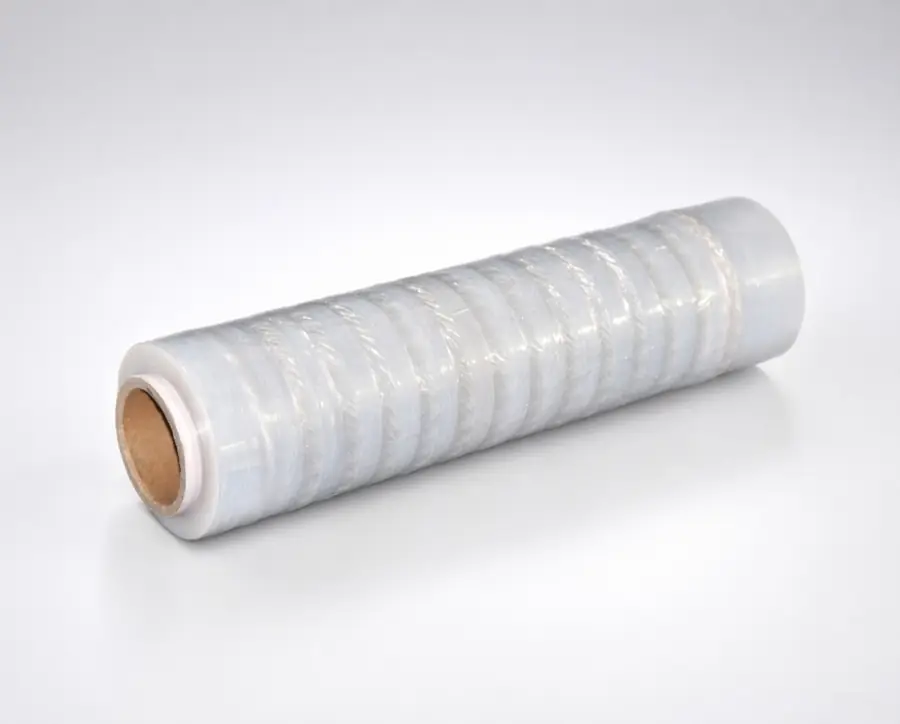
25 micron prestretchable perforated film for machine wrapping with 230 percent prestretch and high load holding force
View Product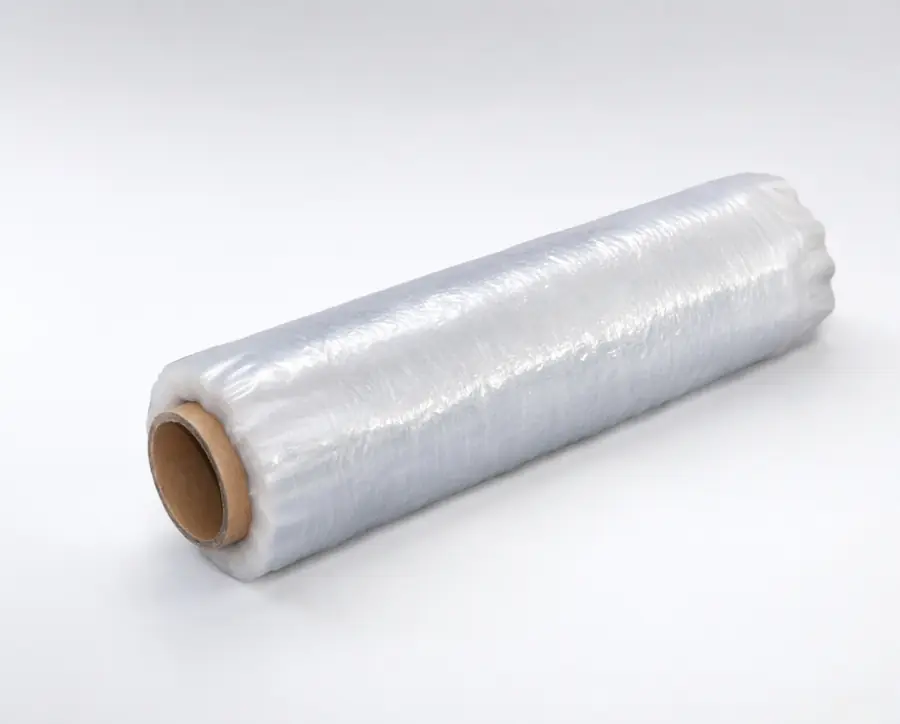
8 micron already prestretched perforated film for machine and hand wrapping with the lowest film weight per pallet
View Product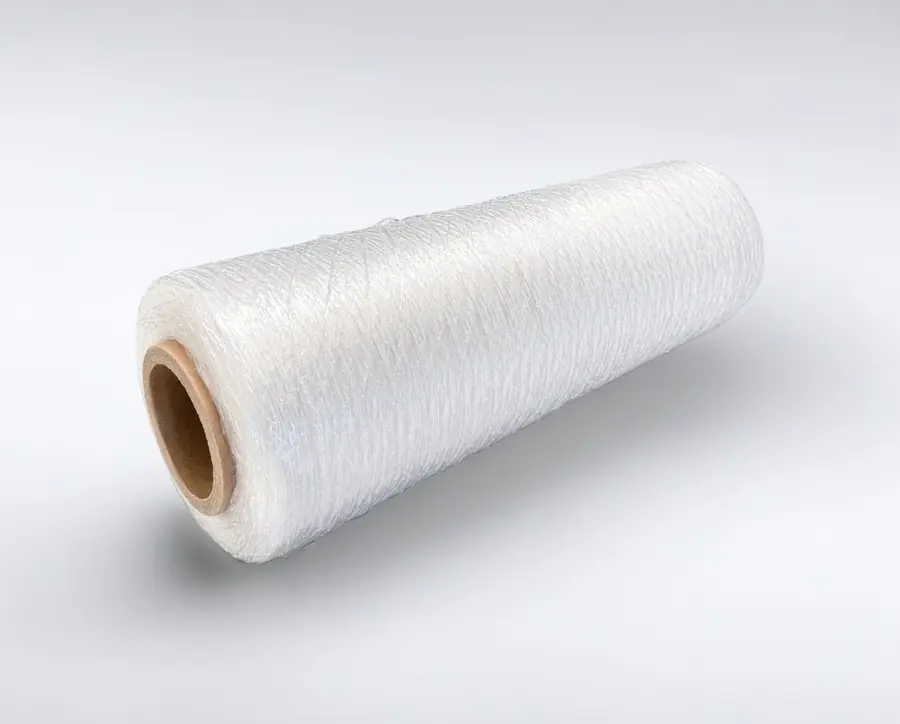
100 percent virgin HDPE knitted pallet net for open air containment of irregular and warm loads
View ProductNot inherently. The perforations are formed within the film web. Compare the published tensile stress at break and elongation at break for the specific grades rather than assuming a perforated film is weaker.
Yes. It is applied the same way. Confirm the web width and core diameter match your machine and we will supply to your format.
Cost per pallet comes from weight per metre, width, passes and prestretch, not from whether the film is perforated. The prestretched grade at 3.1 g per metre is the lightest option we make.
Anything that needs a genuine barrier against dust, splash or rain, and anything where your own risk assessment says airflow is a contamination route.
Send the load details and a photo. We would rather look at your actual pallet than guess from a description.