Solution
Cooling and Drying
A cooling system moves air through a pallet. Anything that blocks that path costs time, and time in a cooling tunnel is capacity.
A cooling system moves air through a pallet. Anything that blocks that path costs time, and time in a cooling tunnel is capacity.
Forced air cooling works by creating a pressure difference across a pallet so air is pulled through the load rather than around it. Room cooling relies on natural circulation reaching the goods. Both depend on the air being able to get in.
Wrapping a pallet in a continuous film removes that access. The cooler carries on working, but it is now cooling the outside of a plastic bag.
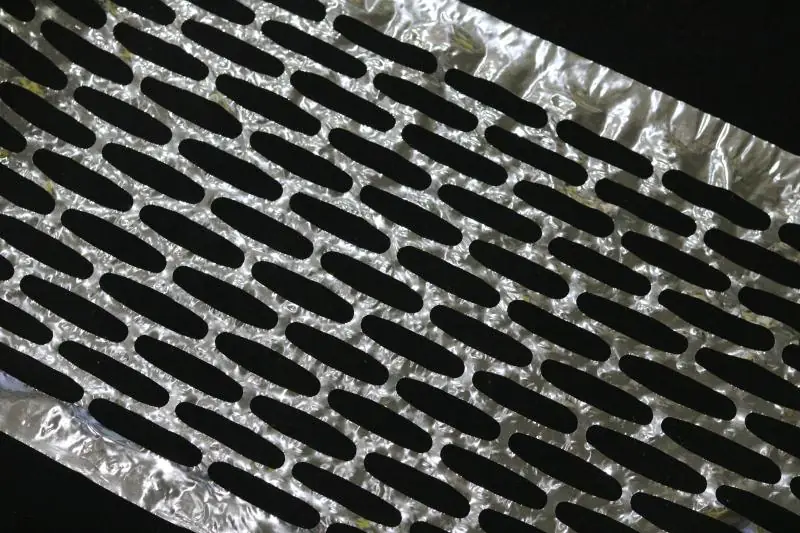
Ventilated stretch film is designed to maximise the aeration of the product wrapped. Because of its perforated film structure it allows quicker cooling and drying of palletised goods. Thirteen holes in every row give the air a route through the wrap while the film web still carries the load.
Pallet netting takes the same idea further. A knitted open mesh leaves most of the pallet face available, so the airflow through a netted pallet is close to that of an unwrapped one.
Goods coming off a filler, a washer or a hydro cooler carry surface water. If that water cannot evaporate it stays against cans, cartons and produce for the whole journey. An open wrap lets it dry during the same period the pallet is cooling.
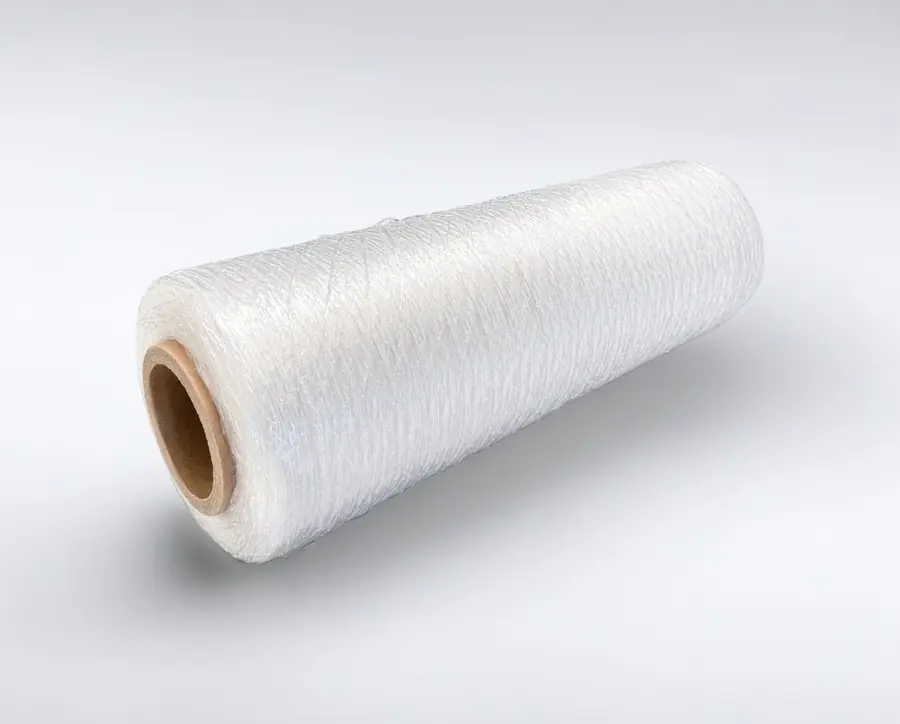
100 percent virgin HDPE knitted pallet net for open air containment of irregular and warm loads
View Product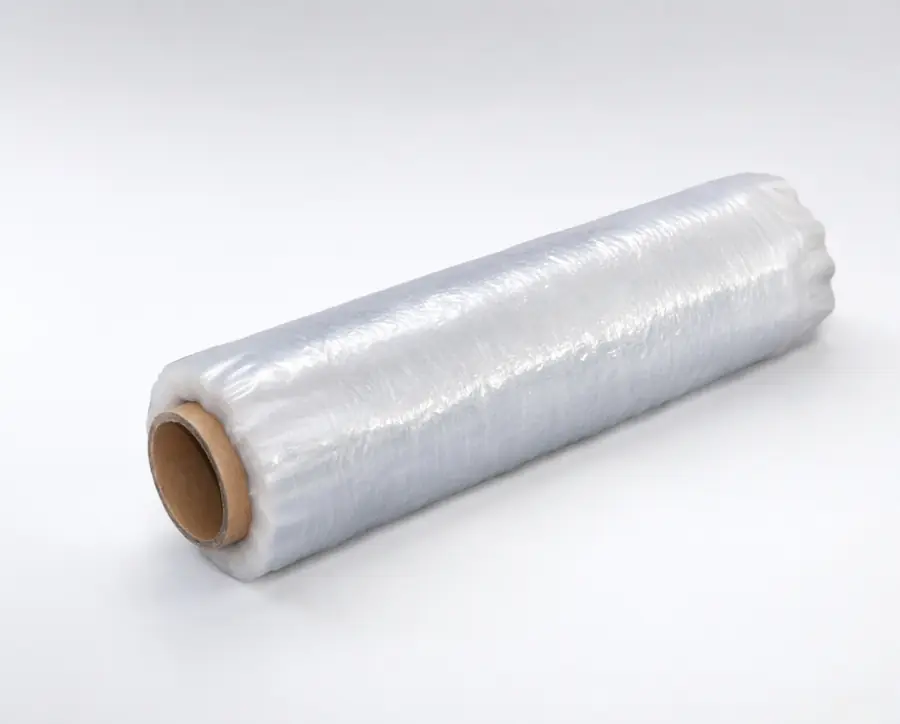
8 micron already prestretched perforated film for machine and hand wrapping with the lowest film weight per pallet
View Product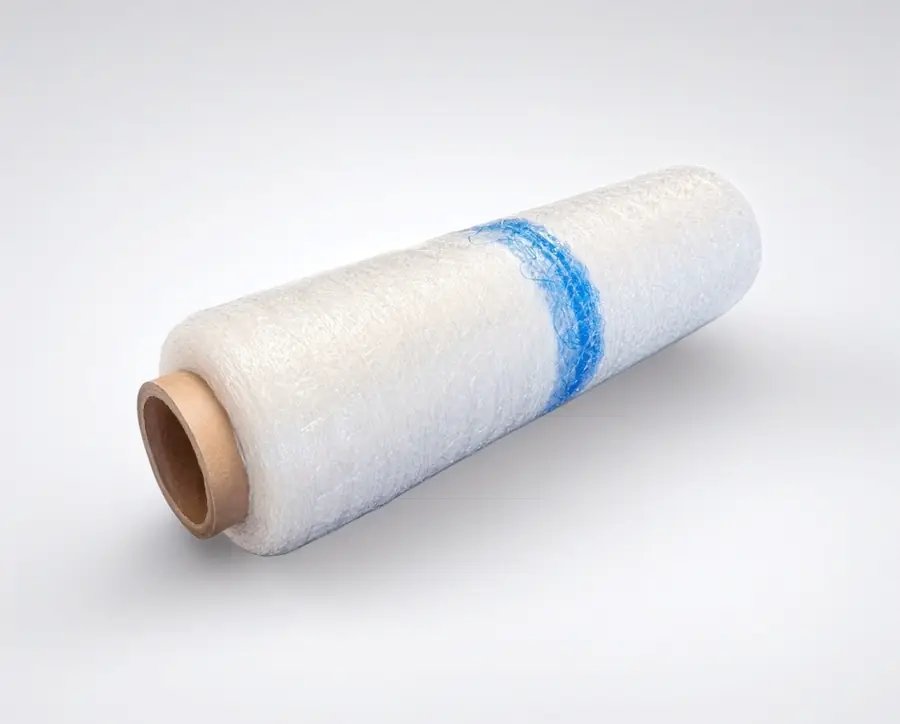
100 percent virgin MPE stretchable pallet net that recovers around the load and holds tension through transport
View ProductThat depends entirely on your cooling system, your product and your load pattern, so we will not put a number on it. What a ventilated wrap does is remove an obstruction between the cooler and the goods. Measure your own cycle before and after.
Netting is an open mesh across the whole face. Perforated film has thirteen holes per row in an otherwise continuous web. Netting has substantially more open area, which is why it is the usual choice for the warmest loads.
That is one of the main reasons these products exist. The pallet can be stabilised for handling and still cool afterwards.
It gives the water a route to evaporate. A sealed wrap does not, which is why wet packs stay wet under a solid film.
Load type, pallet size, weight, wrapper model and the temperature goods are wrapped at. A photo helps if the load is irregular.