Buying Guide
Prestretchable Film Compared With Prestretched Film
How to decide between JMSH01 at 230 percent prestretch and JMSH02 at 50 percent prestretch
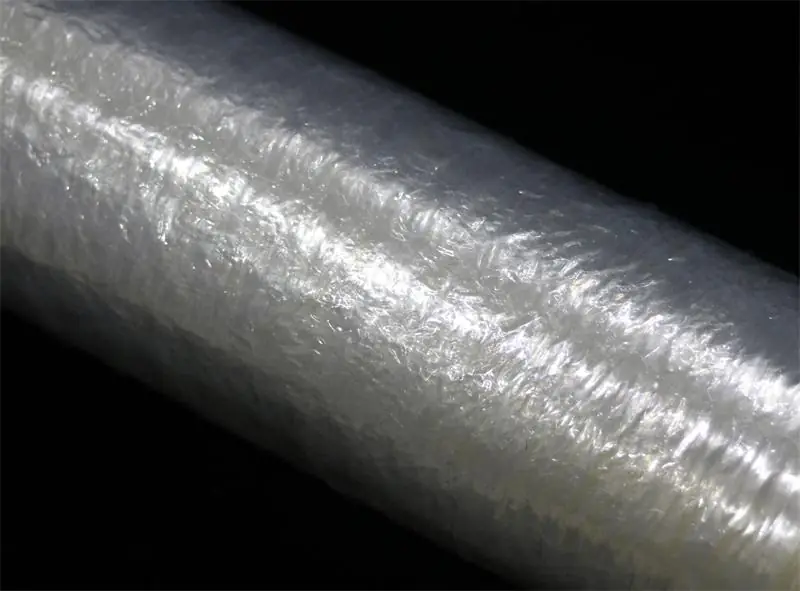
How to decide between JMSH01 at 230 percent prestretch and JMSH02 at 50 percent prestretch
Both are ventilated stretch films with thirteen perforations in every row. The question is where the stretch happens: on your wrapper, or in our factory.
The film arrives unstretched at 25 microns and 500 mm wide, on 1300 m machine rolls weighing 11 kg. Your wrapper elongates it up to a prestretch of 230 percent as it applies it. Elongation at break is 250 percent and tensile stress at break is 26 kg.
Because the film reaches the load already under tension and the web starts thick, this is the grade with the containment force. It is also the grade that depends on your machine being set correctly, since the prestretch is a machine setting.
The film has already been elongated during production. It arrives at 8 microns and 430 mm wide, on 3500 m machine rolls or 440 m manual rolls. Prestretch is 50 percent and elongation at break is 55 percent, which is a narrow range because most of the available stretch has been used. Tensile stress at break is 15 kg.
The wrapper is applying rather than elongating, so results vary less between operators and shifts. Weight per metre is 3.1 g against 8.5 g for the prestretchable grade.
| Average thickness | JMSH01 25 microns. JMSH02 8 microns. |
|---|---|
| Width | JMSH01 500 mm. JMSH02 430 mm. |
| Prestretch | JMSH01 230 percent applied on your machine. JMSH02 50 percent applied in production. |
| Elongation at break | JMSH01 250 percent. JMSH02 55 percent. |
| Tensile stress at break | JMSH01 26 kg. JMSH02 15 kg. |
| Weight per metre | JMSH01 8.5 g. JMSH02 3.1 g. |
| Roll formats | JMSH01 1300 m machine rolls. JMSH02 3500 m machine rolls and 440 m manual rolls. |
| Perforations | Thirteen holes per row on both grades. |
Ask for both and run them on your own wrapper with the same load and the same wrap pattern. Then do a fork lift turn on each. The one that holds is the one to buy, and if both hold, the lighter one is the answer.
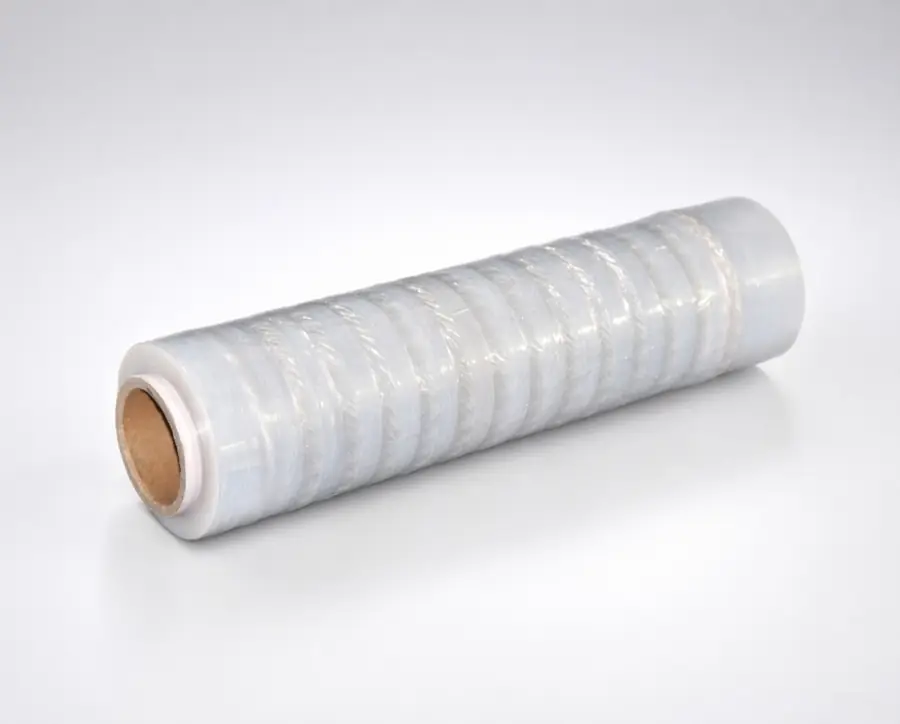
25 micron prestretchable perforated film for machine wrapping with 230 percent prestretch and high load holding force
View Product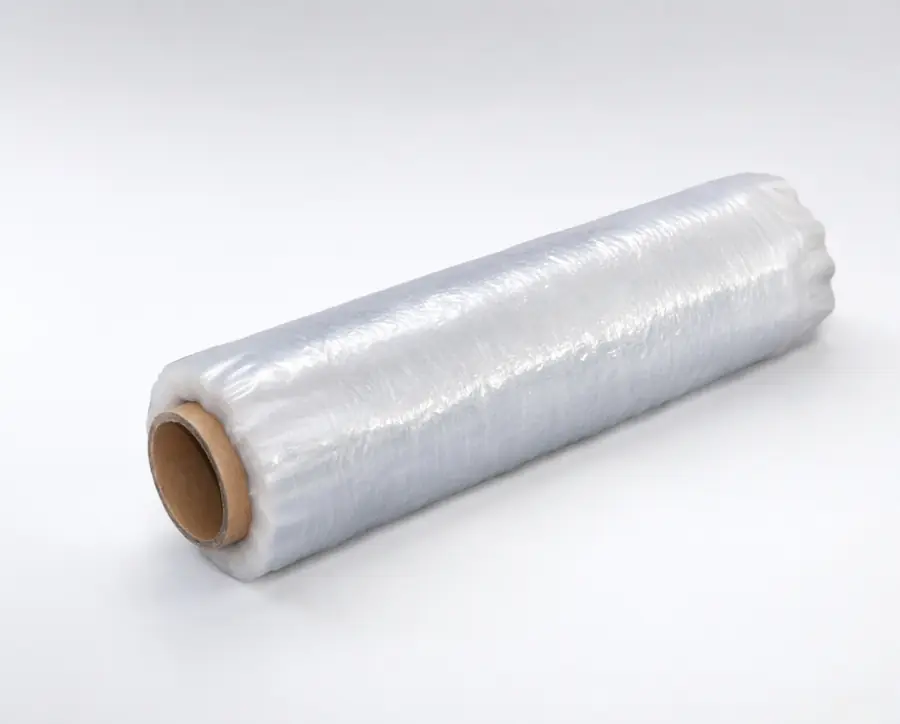
8 micron already prestretched perforated film for machine and hand wrapping with the lowest film weight per pallet
View Product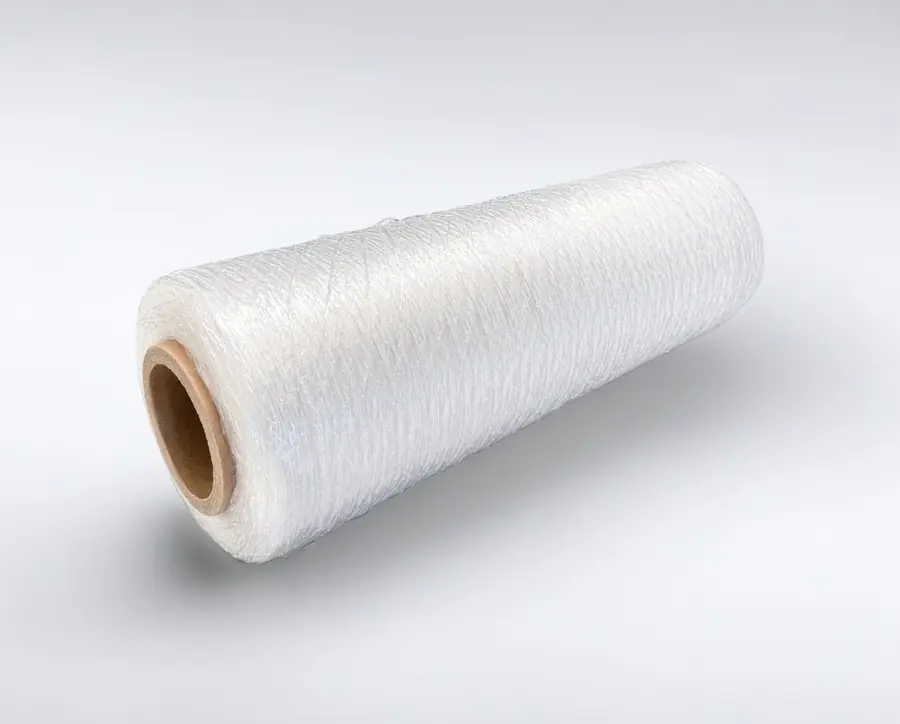
100 percent virgin HDPE knitted pallet net for open air containment of irregular and warm loads
View ProductBecause most of the stretch has already been applied in production. There is not much left to give, which is why a prestretched film should be applied with light, even tension rather than pulled further.
No. The trade between the two is real: 26 kg against 15 kg tensile stress at break, and 8.5 g against 3.1 g per metre. If the load needs the force, it needs the weight.
They share the same technical data sheet and specification. The difference is the roll format supplied. Tell us whether you need machine rolls or manual rolls and we will confirm which reference applies.
Yes. Thirteen holes per row on both. The perforation count does not change with gauge.
Send the load details and a photo. We would rather look at your actual pallet than guess from a description.