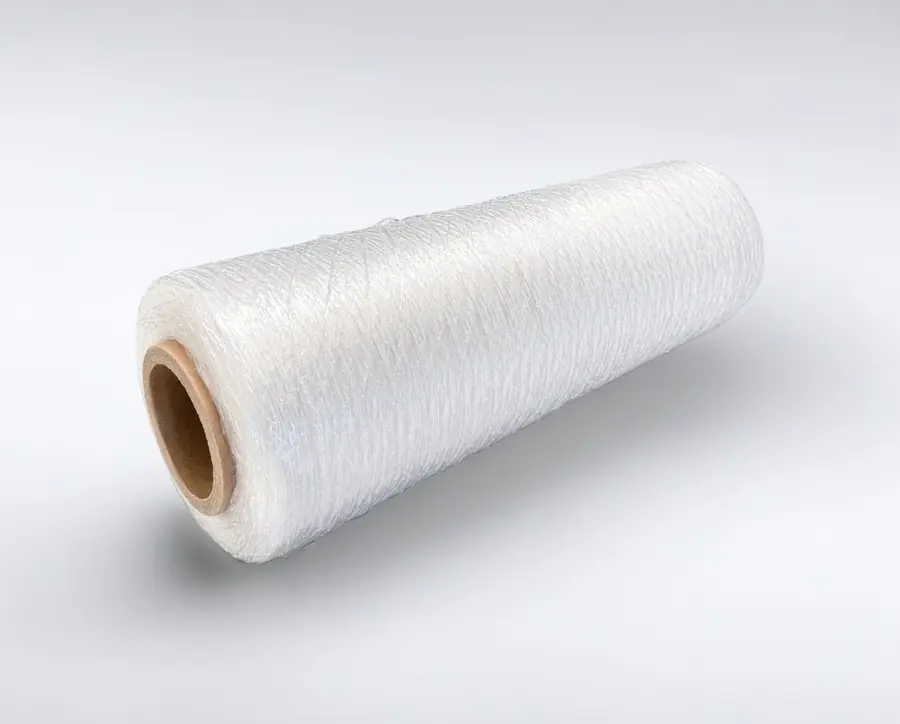
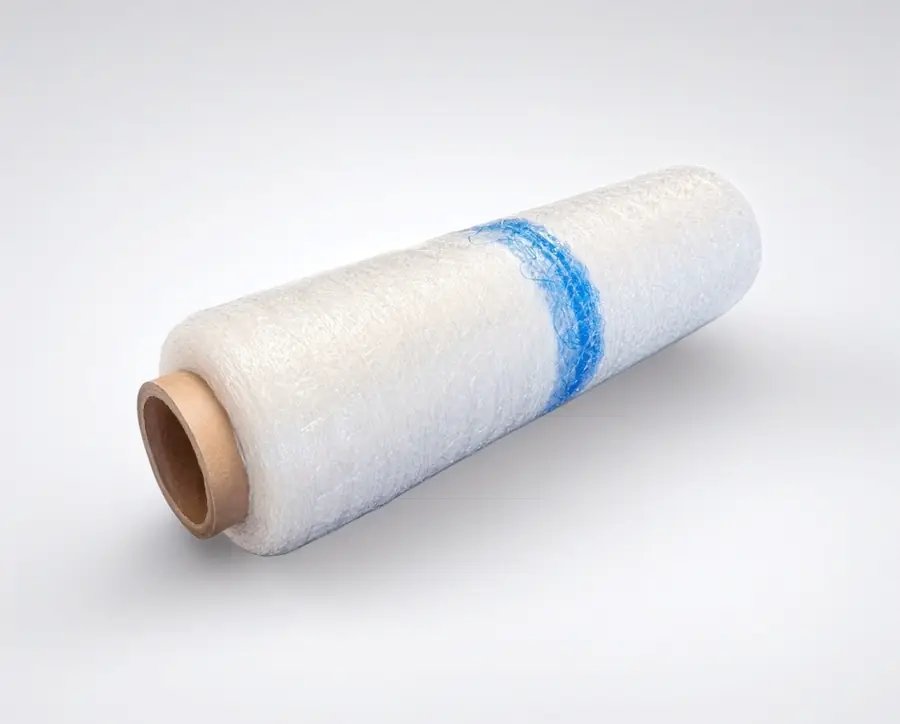
Jiamei JMSH01 prestretchable ventilated stretch film machine roll
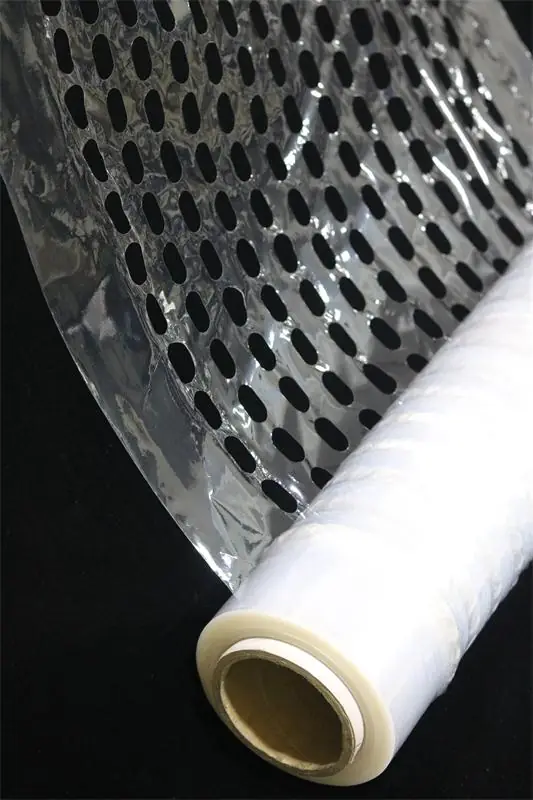
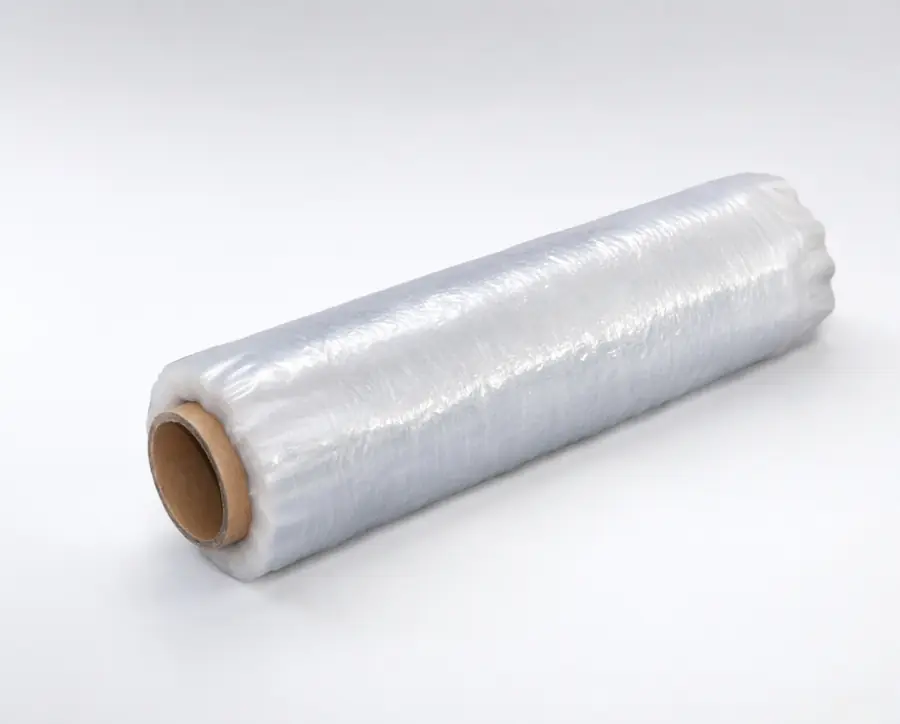
JMSH01 ventilated stretch film roll showing the perforated web
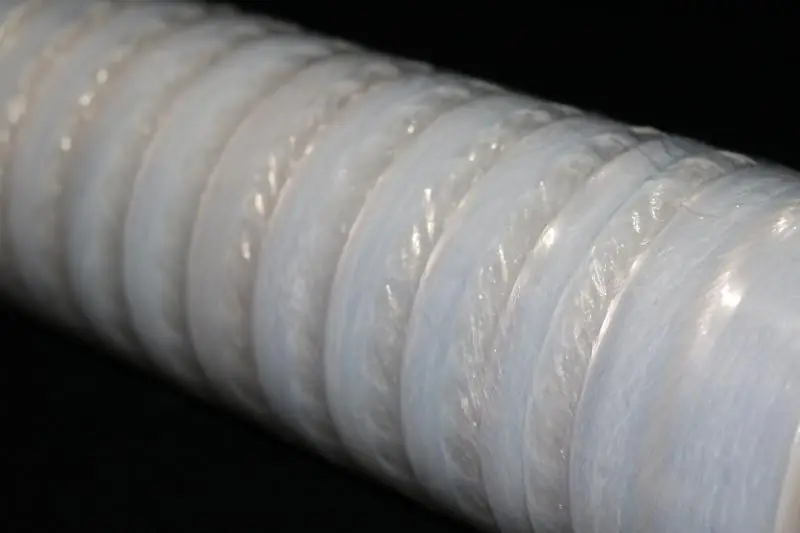
Close view of the JMSH01 film wound on the roll
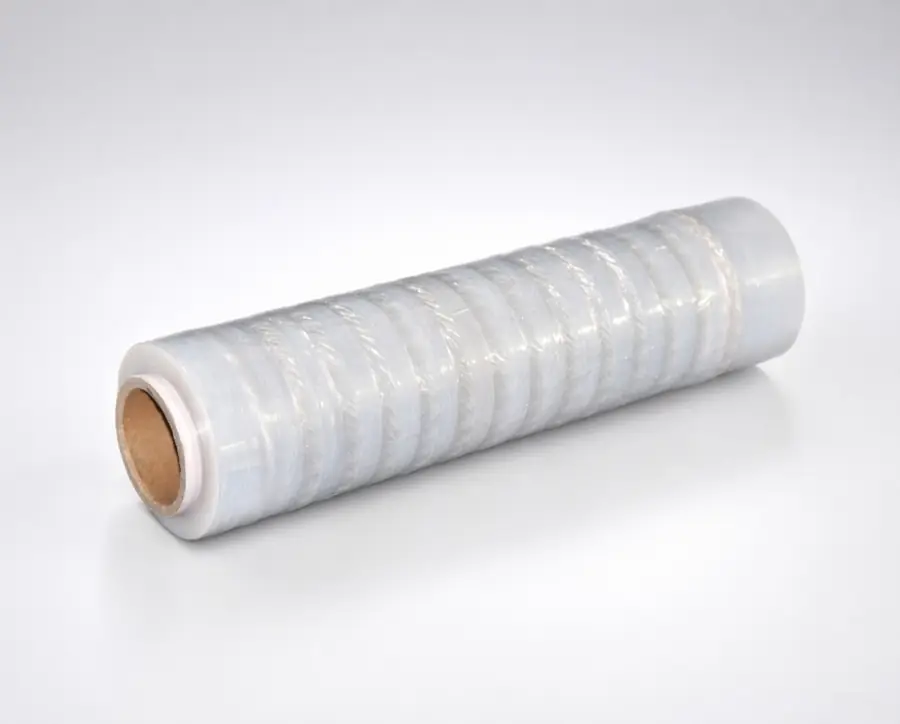
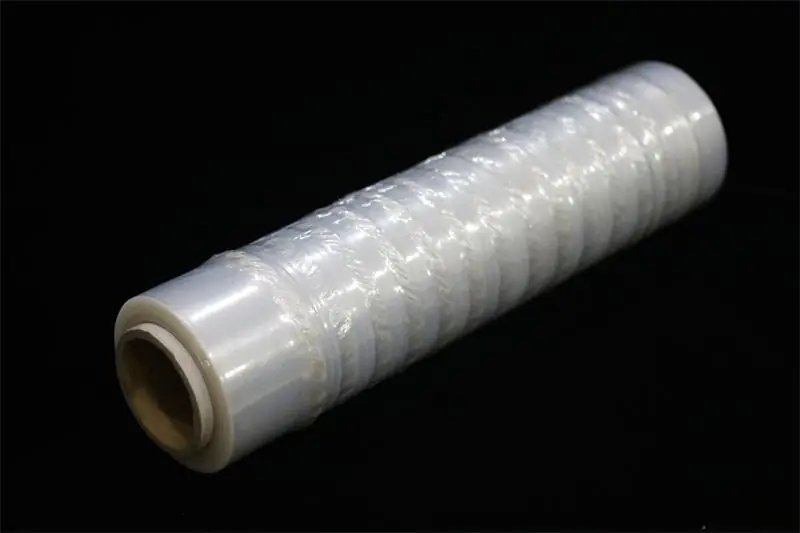
Edge of the JMSH01 roll showing the diamond perforation pattern
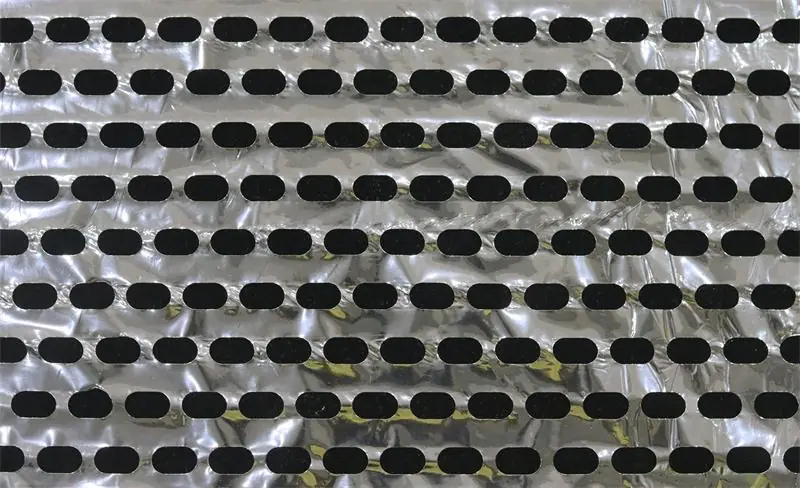
Macro view of the 13 hole perforation rows in JMSH01 film
Ventilated Stretch Film · JMSH01

Ventilated Stretch Film JMSH01

A 25 micron perforated stretch film supplied on 1300 metre machine rolls. Your wrapper applies the stretch, which is why JMSH01 reaches a high containment force while the thirteen holes in every row keep the pallet open to moving air.

Prestretch 230%Thickness 25 µm13 holes per row8.5 g per metre
Request A Quote Request A Sample Download PDF

Send your pallet size load weight and wrapper model and we will confirm the roll format that fits your line.

Product Overview

Ventilated stretch film is designed to maximise the aeration of the product wrapped. Because of its perforated film structure it allows quicker cooling and drying of palletised goods, and it is easy to apply by hand or machine.

JMSH01 is the prestretchable grade. It leaves our factory at 25 microns and 500 mm wide, and it is stretched on your wrapper up to a prestretch of 230 percent. Because the stretch happens on your line, one roll covers far more pallet surface than its 1300 metre length suggests, and the film reaches the load already under tension.

That combination matters when the pallet is heavy or the load is unstable. The film carries a tensile stress at break of 26 kg and an elongation at break of 250 percent, so there is a working range between the tension you need for containment and the point at which the web fails. The perforation rows sit inside that web rather than cutting through it, which is why a ventilated film can hold a load at all.
Key Benefits

Air keeps moving through the wrap

Thirteen holes in every row give the pallet an open path for chilled or forced air, so goods carry on cooling after they are wrapped rather than sitting in a sealed plastic skin.

Condensation has somewhere to go

Warm or damp goods release moisture inside the wrap. A perforated web lets that vapour leave instead of collecting on cartons, labels and metal cans.

High containment from a thicker web

At 25 microns with a tensile stress at break of 26 kg, JMSH01 holds heavier and less regular loads than a thin prestretched film can.

One roll covers a lot of pallets

A prestretch of 230 percent means the film is elongated on your wrapper before it reaches the load, so a 1300 m roll wraps far more than 1300 m of pallet face.

Runs on the wrapper you already own

The 500 mm web and 11 kg machine roll are a conventional format for turntable and rotary arm wrappers, so there is no equipment change to trial it.

Tolerances you can check on arrival

Width to five percent, thickness to two microns and weight per metre to five percent give your goods inwards team something concrete to measure.

Who It Is For

JMSH01 suits producers and distributors who wrap on a machine and need real containment force as well as ventilation.

  • Breweries and soft drink plants wrapping warm or wet packs coming off the filling line
  • Canned food and pasteurised goods producers whose pallets leave the tunnel above ambient temperature
  • Fruit and vegetable packers who wrap before or during forced air cooling
  • Dairy, meat, fish and frozen snack operations that need core temperature reached quickly
  • Distributors of plants and nursery stock that cannot travel in a sealed wrap
  • Pharmacy and healthcare distribution where wet cartons mean a rejected delivery

Problems It Solves

The film exists to solve one specific failure, and a handful of consequences that follow from it.

  • Condensation forming under a solid wrap on warm or damp pallets
  • Cartons softening and collapsing because they absorbed that moisture in transit
  • Labels lifting and print smearing so the pallet cannot be scanned at delivery
  • Cans and lids marking because water sat against bare metal
  • Cooling cycles running long because the wrap blocks the air the chiller is pushing
  • Mould and quality claims on produce that was wrapped before it had lost field heat

Application Scenarios

Wrapping straight off a hot line

Canned goods, pasteurised products and hot filled containers still hold heat when they reach the wrapper. Perforations let that heat and the vapour it carries leave the pallet instead of condensing on the inside of the film.

Forced air cooling after wrapping

In a forced air tunnel the air has to move through the pallet, not around it. Ventilated film keeps that path open so the pallet reaches temperature on the schedule the cooler was designed for.

Cold store to loading bay

Moving a cold pallet into humid ambient air produces condensation on the outside of the load. An open wrap allows that film of water to dry rather than sit trapped.

Long sea freight legs

Containers go through repeated temperature swings. A wrap that breathes reduces the amount of water cycling on and off the cartons over a multi week voyage.

Mixed and unstable pallets

The thicker 25 micron web gives the containment force needed when case sizes vary across a layer and the load wants to lean.

Produce wrapped in the field or shed

Fruit and vegetables carry field heat and surface moisture. Wrapping them in a ventilated film means the pallet can be stabilised without stopping the cooling process.

Technical Features

The values below are the working numbers for the film, and each one changes something on your line.

  • Prestretch of 230 percent is how far your wrapper elongates the film before it reaches the load. It is the number that decides how many pallets you get from a roll.
  • Elongation at break of 250 percent is where the film fails. The gap between 230 and 250 is your safety margin, so the wrapper should be set below it, not at it.
  • Tensile stress at break of 26 kg is the pulling force the web takes before it parts. Higher values hold heavier and more irregular loads.
  • Average thickness of 25 microns is measured before stretching. On the pallet the applied film is thinner because it has been elongated.
  • Thirteen holes per row is the perforation count across the web. It is what separates this film from a solid stretch film of the same gauge.
  • Weight per metre of 8.5 g and a roll weight of 11 kg let you convert between film cost, roll changes and plastic used per pallet.

Specifications

Technical FeatureMachine Rolls (Prestretchable)Tolerance
Length1300 m—
Width500 mm±5%
Average thickness25 µm±2 µm
Prestretch230%—
Elongation at break250%±10%
Tensile stress at break26 kg±10%
Number of holes13—
Weight per metre8.5 g±5%
Weight per roll11 kg±5%

Technical data sheet for Ventilated Stretch Film JMSH01, prestretchable machine rolls. Ventilated stretch film can be customised to your request.

Materials

JMSH01 is a perforated polyethylene stretch film. The web is what carries the load, and the perforations are formed within it, so the material has to hold tension around every hole rather than only along a continuous sheet.

Jiamei has been developing packaging products for more than thirty years and works to reduce the environmental impact of packaging. On a wrapping line the most direct way to do that is to use less film per pallet, which is what a high prestretch grade is for. If your priority is the lowest plastic weight per pallet rather than the highest containment force, compare this grade against JMSH02.

Manufacturing Process

The film is extruded as a stretch film web and then perforated in line, so the holes are part of the film structure rather than something punched into a finished reel afterwards. Thirteen holes are formed across each row, which is what gives the wrap its open area while the surrounding web still carries load.

The web is then wound to the roll length and core specified for your line. Prestretchable grades are wound so that the stretch is applied by your wrapper, and prestretched grades are stretched during production so that the film arrives at the width and thickness it will be used at.

Quality Control

Every technical value on this page is written with a tolerance because that is how film is controlled in production. Width is held to five percent, average thickness to two microns, and weight per metre to five percent. Those three numbers together tell you whether a roll will run at the tension your wrapper is set to.

Check an incoming delivery the same way. Weigh a full roll against the stated roll weight, measure the web width, and run one pallet at your normal settings before releasing the batch to the line. A roll that is within tolerance on all three will behave like the sample you approved.

Certifications

Jiamei has not published certificate scans on this website, so nothing is claimed here that we cannot show you. Before you place an order tell us the destination market and the goods the pallet carries, and our sales team will send the documentation that applies to that shipment, together with the material declaration for the resin used in your production run.

If your quality system needs a specific document to open a supplier file, ask for it during sampling rather than after shipment so the paperwork travels with the first order.

Customisation Options

Ventilated stretch film can be customised to your request. The variables that matter most on a wrapping line are roll length, web width, core diameter and the format you need for the equipment you run.

  • Roll length and roll weight matched to the change over interval you want on the line
  • Web width matched to your pallet height and the number of wraps in your cycle
  • Machine rolls for turntable and rotary arm wrappers, manual rolls for hand wrapping
  • Core diameter to suit your mandrel
  • Carton and pallet configuration for your container loading plan

Send the details of your wrapper and your pallet on WhatsApp and we will confirm what can be produced before you commit to a trial order.

Comparison With Other Products

JMSH01 against JMSH02 and JMSH03JMSH01 is 25 microns and stretched on your machine. JMSH02 and JMSH03 arrive already stretched at 8 microns. JMSH01 gives more containment force, JMSH02 gives less plastic per pallet.
JMSH01 against solid stretch filmA solid film of the same gauge seals the pallet. JMSH01 holds a comparable load while leaving thirteen open holes in every row for air and vapour.
JMSH01 against pallet nettingNetting has far more open area and suits irregular or very warm loads. Film gives a smoother surface, more dust protection and a tighter wrap on regular case loads.
Machine rolls against manual rollsJMSH01 is supplied as a 1300 m machine roll. If you wrap by hand, JMSH02 manual rolls at 440 m are the lighter and easier format to handle.

Comparison based on the published technical data for each Jiamei grade. Ask us for a sample of both films if you want to run them on your own wrapper before deciding.

Use Guide

JMSH01 is stretched by the wrapper, so the setting on the machine does more for your film cost than anything else in the process.

  1. Set the roll on the mandrel with the web running from the top of the roll so the perforation rows sit horizontally across the pallet face.
  2. Anchor the film to a corner of the pallet base and make two full base wraps before starting to climb.
  3. Climb with a fifty percent overlap so every part of the load face carries two layers, then reverse down the load.
  4. Finish with two wraps at the top edge if the load is stable, or carry the film over the top corners if the pallet will be handled by clamp truck.
  5. Cut and tuck the tail into a lower layer rather than leaving it loose, so it cannot catch on conveyor rollers.

Run one pallet at your usual settings before releasing a new batch to the line, and check the corners rather than the flat faces. Corners are where containment force shows first.

Set the prestretch on the wrapper below 230 percent to start with, then raise it in steps while watching the corners of the load. When the film starts to neck in or break at the corners you have gone past what the load geometry allows, and the correct setting is one step back from there.

Frequently Asked Questions

Questions buyers ask before ordering JMSH01 Prestretchable.

What does prestretchable mean on this film

It means the stretch has not been applied yet. The film leaves our factory at 25 microns and 500 mm wide, and your wrapper elongates it up to 230 percent as it wraps. The alternative is a prestretched film such as JMSH02, which is stretched during production and arrives ready to apply.

How many pallets will one roll wrap

That depends on your pallet size, the number of wraps in your cycle and the prestretch setting on your machine. The arithmetic starts from a 1300 m roll at 500 mm wide with prestretch up to 230 percent. Send us your pallet dimensions and wrap count and we will work it through with you.

Will the holes weaken the wrap

The perforations are formed within the film web rather than cutting across it, and the film still carries a tensile stress at break of 26 kg with an elongation at break of 250 percent. For loads that need more containment than a thin prestretched film provides, JMSH01 is the grade to look at first.

Can it run on my existing pallet wrapper

The 500 mm web and the 11 kg machine roll are a conventional format for turntable and rotary arm wrappers. Confirm your mandrel diameter with us and we will supply the core to suit.

What is the difference between the 230 percent prestretch and the 250 percent elongation at break

230 percent is the working stretch the film is designed to be applied at. 250 percent is where it breaks. Setting the machine close to the break figure is what causes web failures at pallet corners.

Can the roll length width or core be changed

Yes. Ventilated stretch film can be customised to your request, including roll length, web width and core diameter. Tell us the wrapper model and pallet size and we will confirm what we can produce.

Which industries use this film

It is used where condensation or moisture builds up under a wrap, including breweries, soft drinks, pasteurised goods, canned foods, pharmacies, dairy, fruit and vegetable, plants, meat, fish and frozen snacks.

How do I check a delivery is within specification

Weigh a full roll against the stated 11 kg, measure the web width against 500 mm and check the average thickness against 25 microns. All three carry published tolerances, so a roll inside them will run like the sample you approved.

Related Products

Where To Go Next

Send Us Your Pallet And Wrapper Details

Tell us the pallet size, load weight, wrapper model and the temperature the goods are wrapped at. We will confirm whether JMSH01 or the prestretched grade fits your line before you order a trial.

Talk To An EngineerEmail UsDownload Catalogue
WhatsApp Email