Troubleshooting
Common Ventilated Film Wrapping Problems and Fixes
Film breaks tail flap loose top loads and uneven tension diagnosed step by step
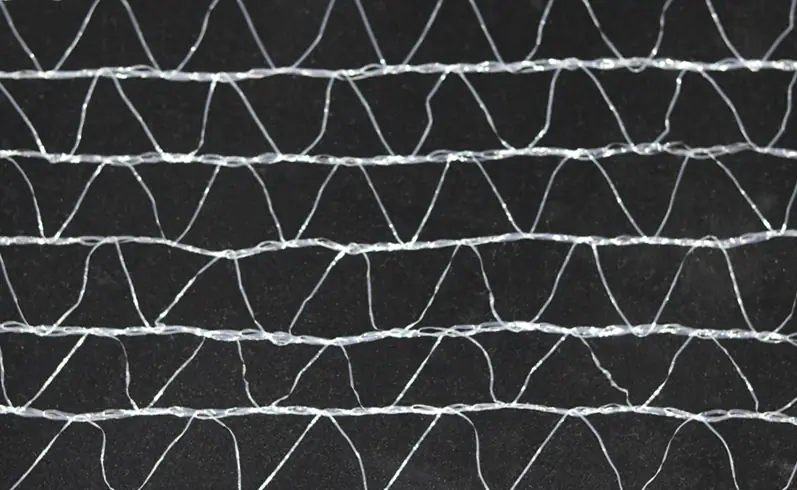
Film breaks tail flap loose top loads and uneven tension diagnosed step by step
Most wrapping faults have one of five causes, and each leaves a different signature on the pallet. Work from the symptom rather than from the roll.
Corners apply the highest local strain, so they run out of margin first. If prestretch on the wrapper is set close to the film elongation at break, corners are where you will see it. JMSH01 is prestretched to 230 percent against a break at 250 percent, so the setting should sit clearly below the break figure.
Fix: lower the prestretch setting one step and re run a pallet. If it still breaks, check for sharp case corners cutting the web and add corner boards.
The load is settling in transit. A rigid wrap stays where it was applied while the load moves away from it.
Fix: elastic MPE pallet netting, which stretches 15 to 50 percent depending on load weight and recovers as the pallet compresses.
A cut tail left loose catches on conveyor rollers or on another pallet and pulls the top layers open.
Fix: tuck the tail into a lower layer after cutting. Add a top edge pass if the load is handled repeatedly.
The goods are wrapped to each other but not to the pallet, so the whole stack can shift on the deck.
Fix: two full base wraps that include the pallet before starting to climb.
On a prestretchable film the tension depends on a machine setting and on how the operator uses it. On hand wrapping it depends entirely on technique.
Fix: move to a prestretched grade, where the elongation has already been applied in production and the wrapper is only applying the film.
| Breaks at corners | Lower the prestretch setting, check for sharp case edges, consider corner boards. |
|---|---|
| Slack on arrival | Load is settling. Use elastic MPE netting. |
| Top unwinds | Tuck the tail, add a top edge pass. |
| Load leans on the pallet | Add two full base wraps that include the pallet deck. |
| Inconsistent between shifts | Move to a prestretched grade to remove the machine setting variable. |
| Film necks in sharply | Prestretch is too high for the load geometry. Back it off one step. |
| Wet cartons despite ventilated film | Check the perforated wrap is actually being used, and consider netting for a wetter load. |
If you are stuck, send a photo of the failed pallet on WhatsApp with the load weight, the wrapper model and the grade you are running. Most of these are diagnosable from an image.
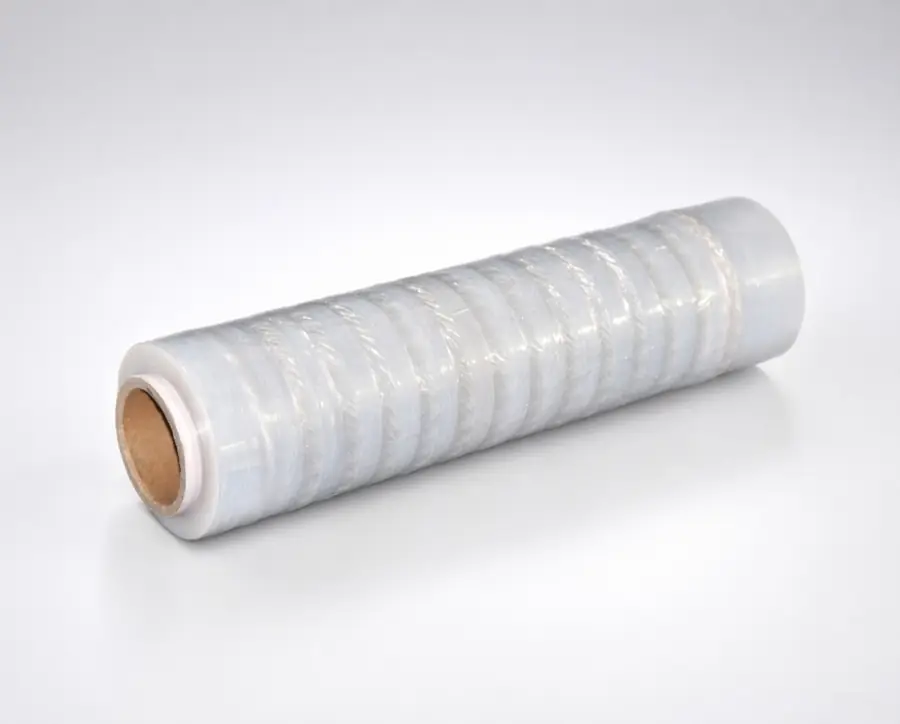
25 micron prestretchable perforated film for machine wrapping with 230 percent prestretch and high load holding force
View Product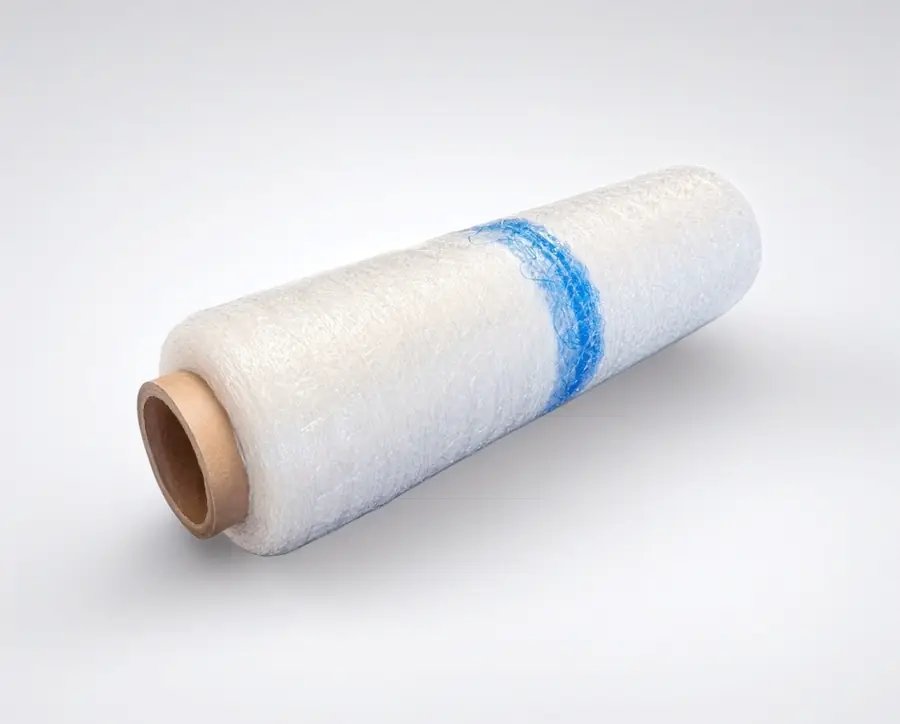
100 percent virgin MPE stretchable pallet net that recovers around the load and holds tension through transport
View Product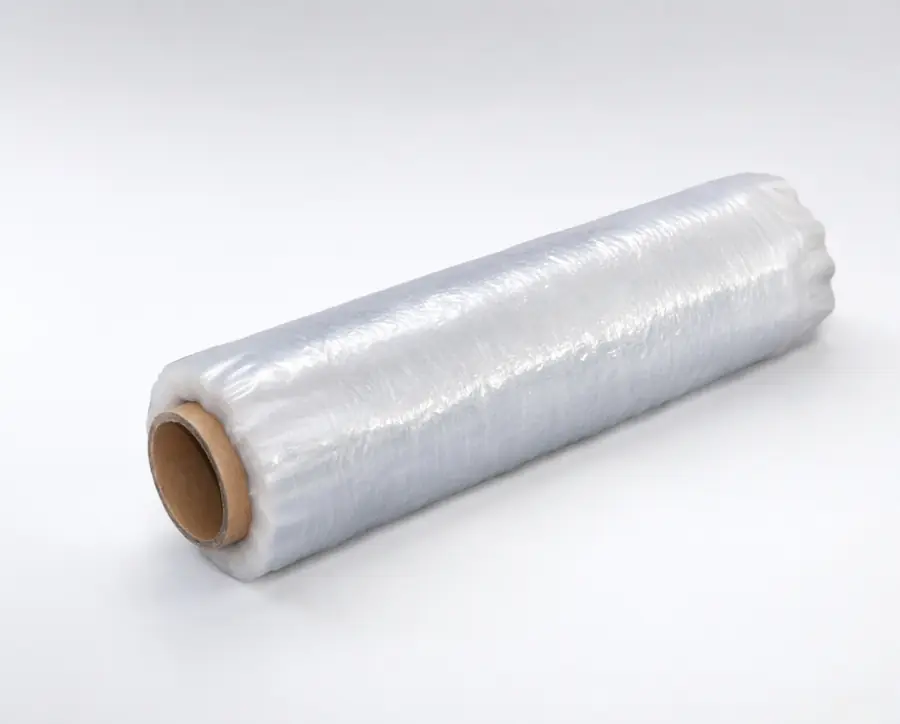
8 micron already prestretched perforated film for machine and hand wrapping with the lowest film weight per pallet
View ProductCheck the prestretch setting against the elongation at break for that grade, then check for sharp case corners. Those two account for most corner failures.
Hand wrapping generates tension from the operator's body position rather than a set figure. Use a manual roll light enough to control, keep the roll at a constant height and lean back rather than pulling with the arms.
Not reliably. More rigid wrap over a load that is going to compress still goes slack, just later. An elastic net follows the load down instead.
Measure the roll against the published tolerances for width, thickness and weight per metre. If it is inside them, the cause is in the process.
Send the load details and a photo. We would rather look at your actual pallet than guess from a description.