Troubleshooting
Why Condensation Forms on Wrapped Pallets
The physics behind sweating loads and the packaging changes that stop it
The physics behind sweating loads and the packaging changes that stop it
A wet pallet arriving at a distribution centre is almost always a temperature story rather than a leak. Understanding the sequence makes the fix obvious.
Air holds water vapour, and warmer air holds more of it. When air cools it reaches a temperature at which it can no longer hold the vapour it is carrying, which is the dew point. Below that temperature the vapour becomes liquid water on whatever surface is coolest.
Wrap a pallet while the goods are warm and you enclose warm, moist air. The film face is exposed to the surrounding air and cools faster than the goods, so it becomes the coolest surface in the system. Water forms there and on the outer cartons closest to it.
The same thing happens in reverse when a cold pallet is moved into warm humid air. The pallet surface is now the cold surface, and moisture from the room condenses onto it.
Wrapping tighter, adding passes, or moving to a heavier gauge. All three reduce the routes moisture has out of the pallet. The load is still producing water and it now has fewer places to go.
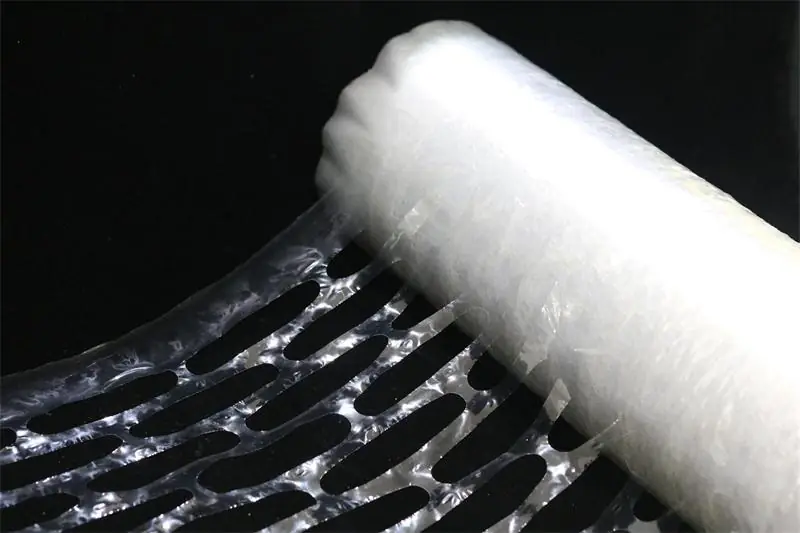
| Open the wrap | Ventilated stretch film with thirteen perforations per row, or knitted pallet netting with a continuous open mesh. |
|---|---|
| Cool before wrapping where possible | Not always practical, but a pallet wrapped at ambient produces far less condensation. |
| Reduce the temperature step | Staging a pallet between zones rather than moving it straight from hot to cold. |
| Choose netting for the wettest loads | Where surface water is heavy, the largest open area gives the fastest drying. |
| Check where the water appears | Wet film face means enclosed warm air. Wet outer cartons only means an external temperature step. |
One shipment each way is usually enough to see the difference, because condensation is a repeatable physical process rather than an occasional fault.
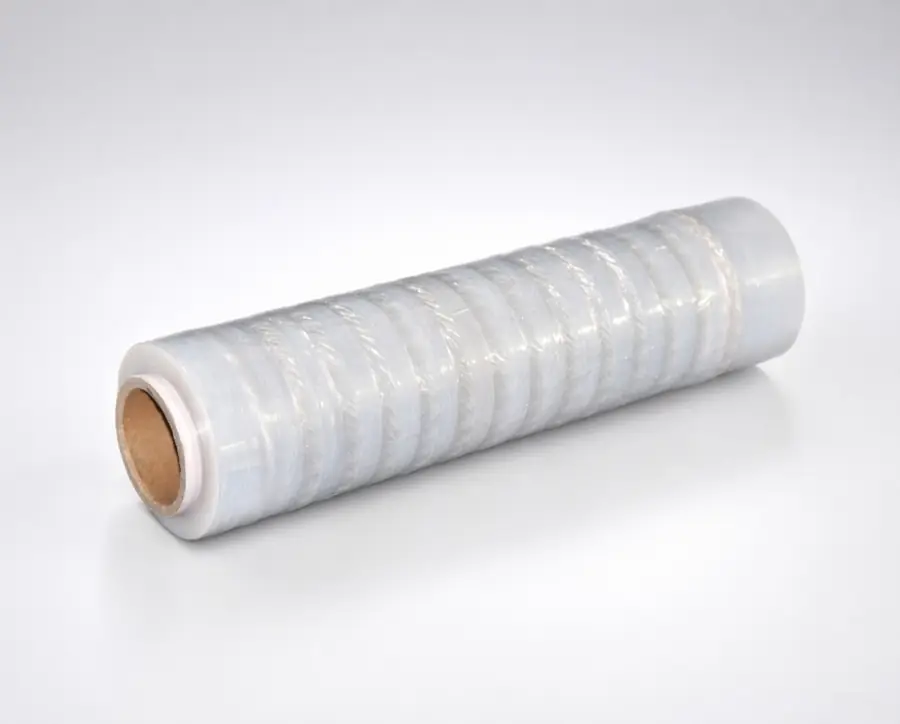
25 micron prestretchable perforated film for machine wrapping with 230 percent prestretch and high load holding force
View Product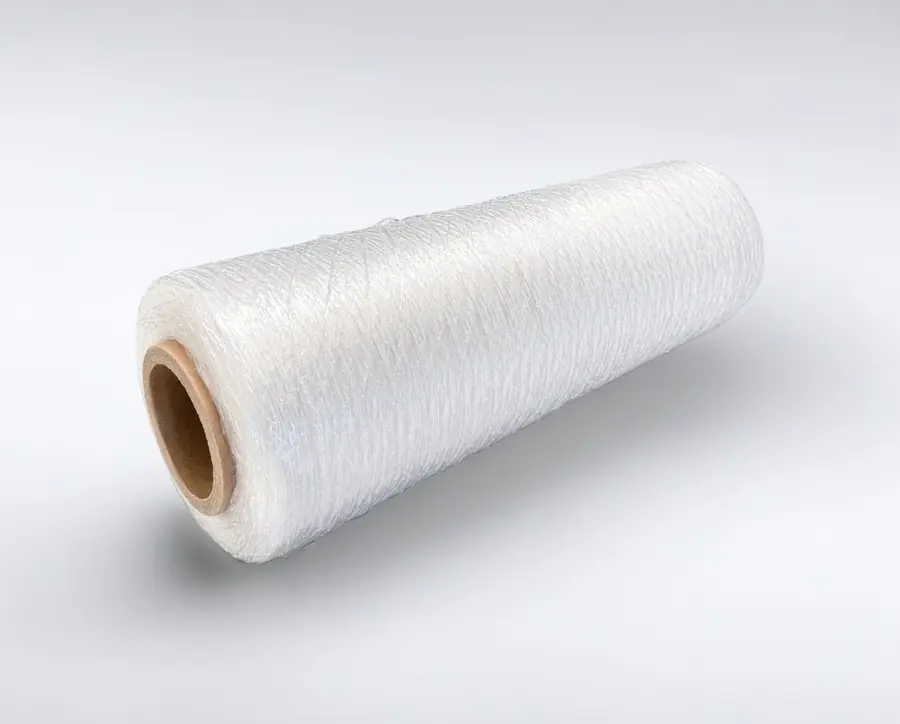
100 percent virgin HDPE knitted pallet net for open air containment of irregular and warm loads
View Product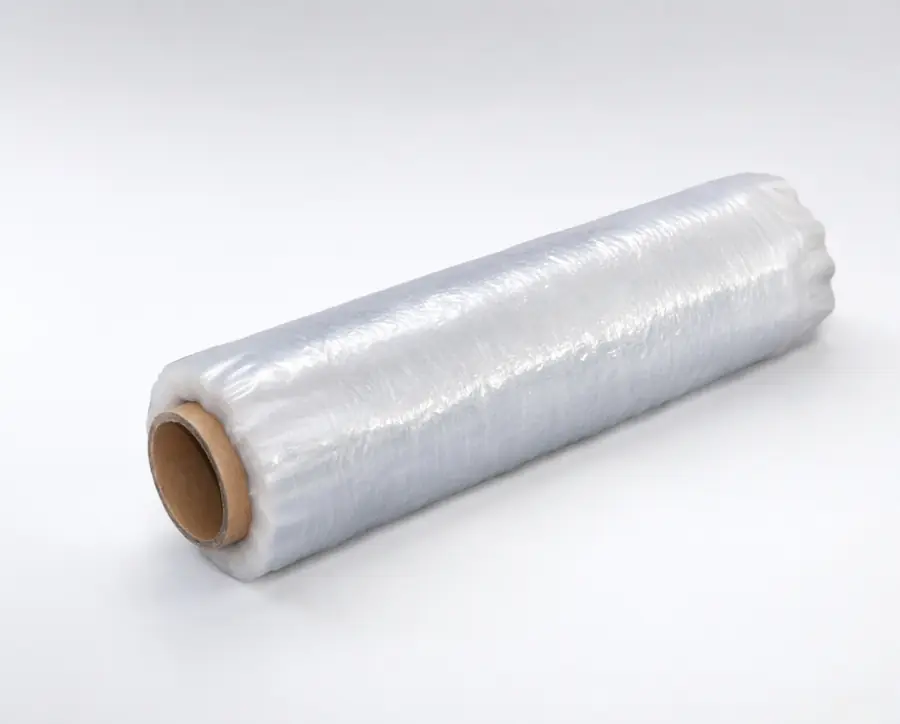
8 micron already prestretched perforated film for machine and hand wrapping with the lowest film weight per pallet
View ProductIt is a consequence of temperature and moisture rather than a film defect. What the film choice controls is whether the moisture can leave the pallet or has to stay inside it.
It has open perforations, so it is not a rain barrier. If pallets are exposed to weather in an open yard, that has to be handled by covering or by staging rather than by the wrap.
It has more open area, so yes for surface water. Film gives more protection to the load surface in exchange.
Water from a cooling section can sit between cans under a sealed wrap and never reach the outside of the pallet. Opening the wrap lets it evaporate.
Send the load details and a photo. We would rather look at your actual pallet than guess from a description.