
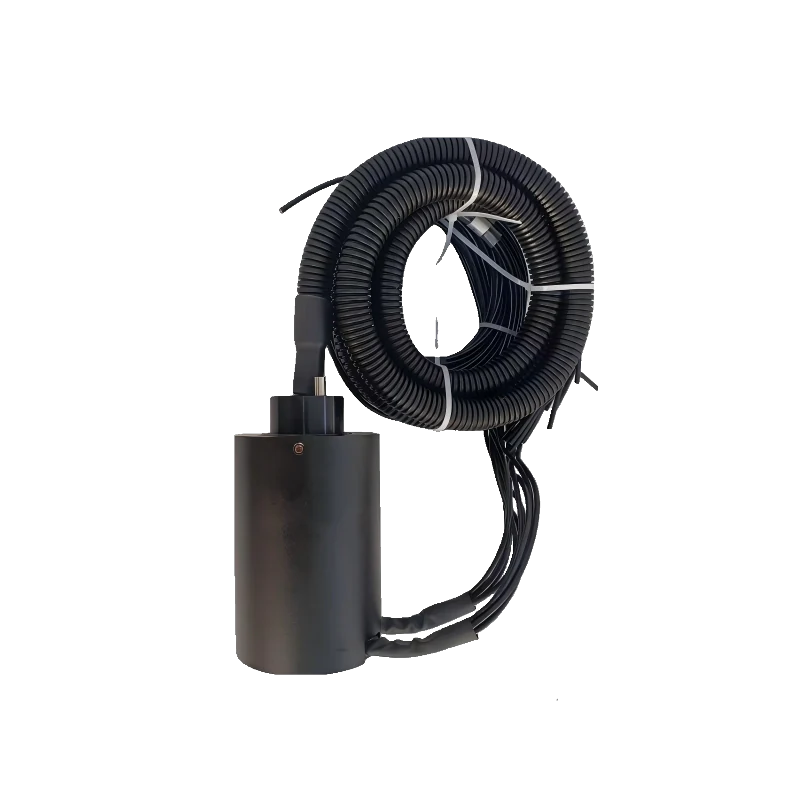
Customized Slip Rings Built Around Your Rotating Interface
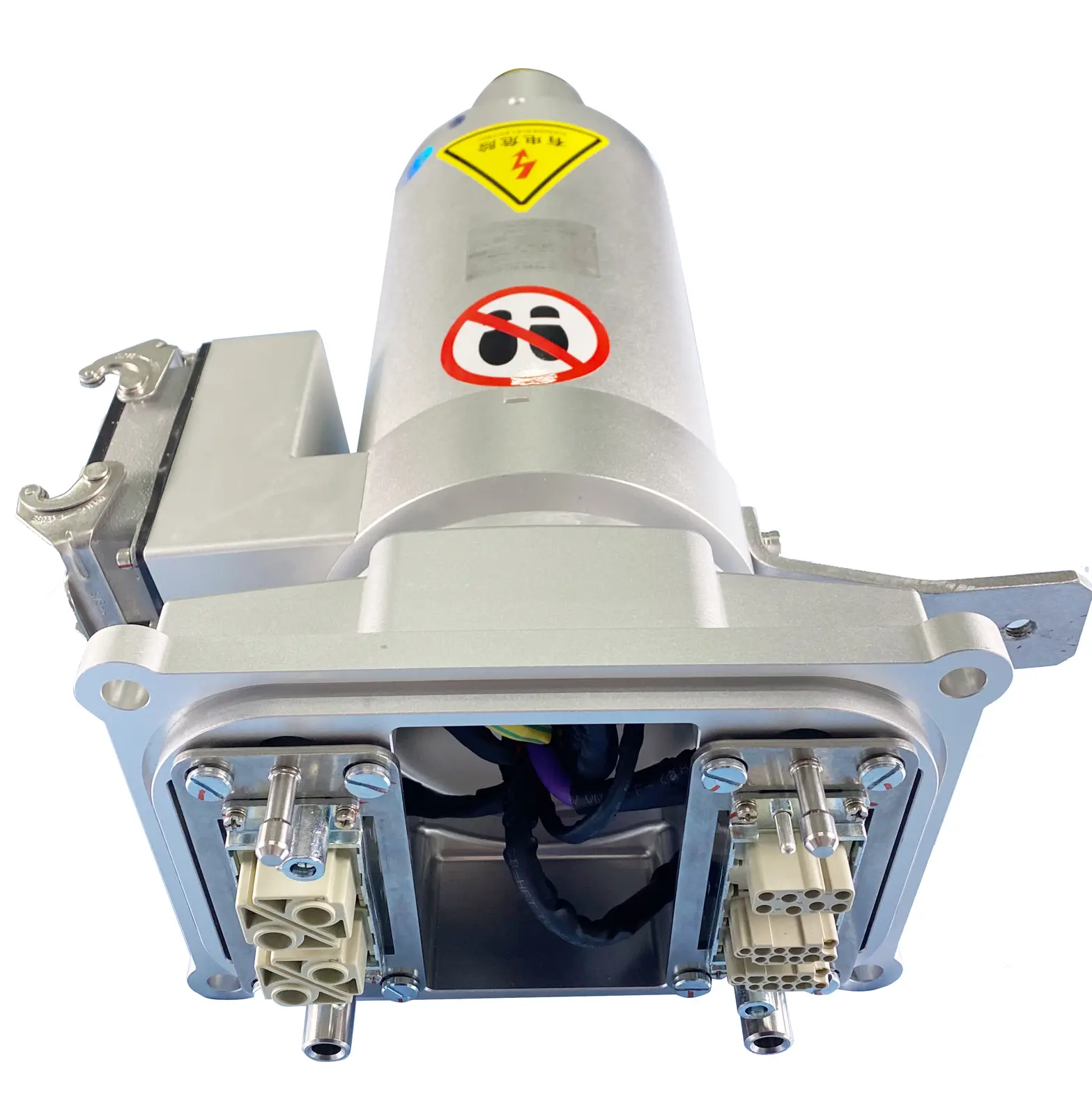
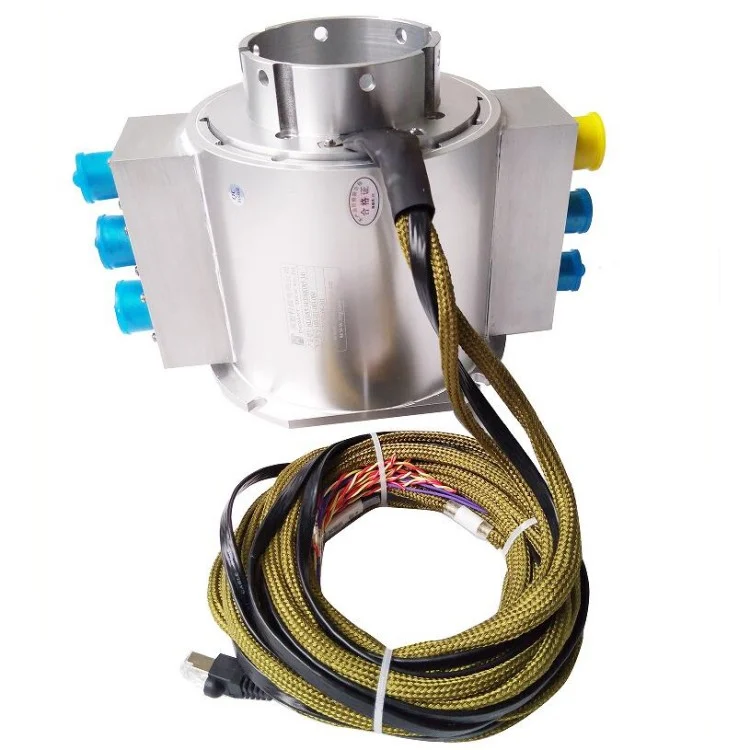
When the envelope, the channel mix or the environment does not match a catalogue model, INGIANT designs the slip ring around the machine instead of the other way round.
All 139 Customized Slip Rings Models
Listed in full, each with its own parameter table.
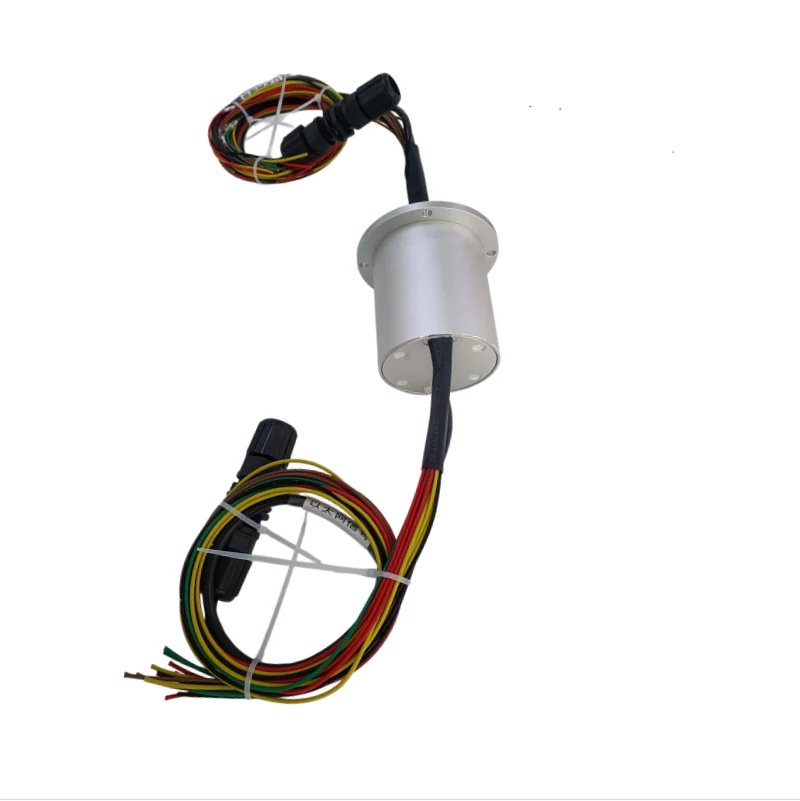
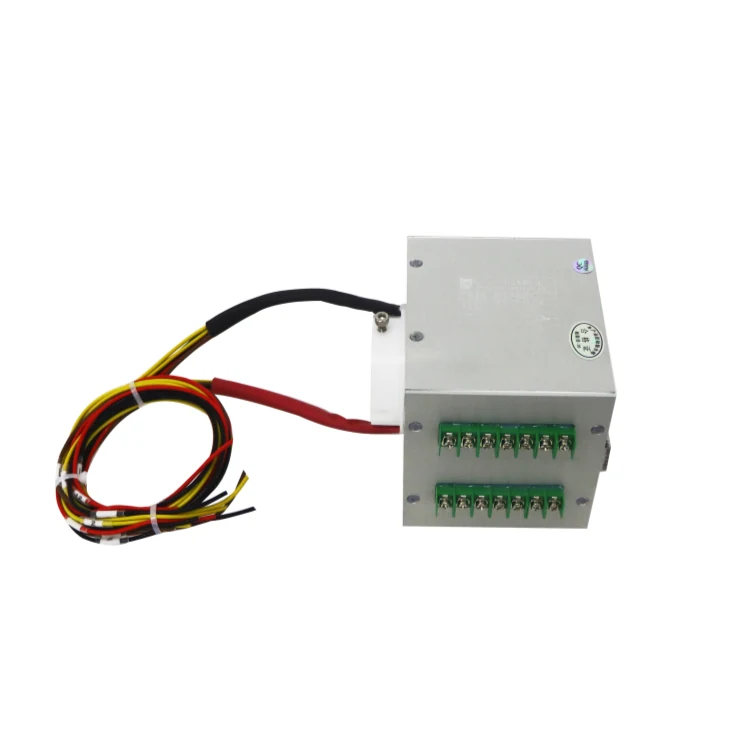
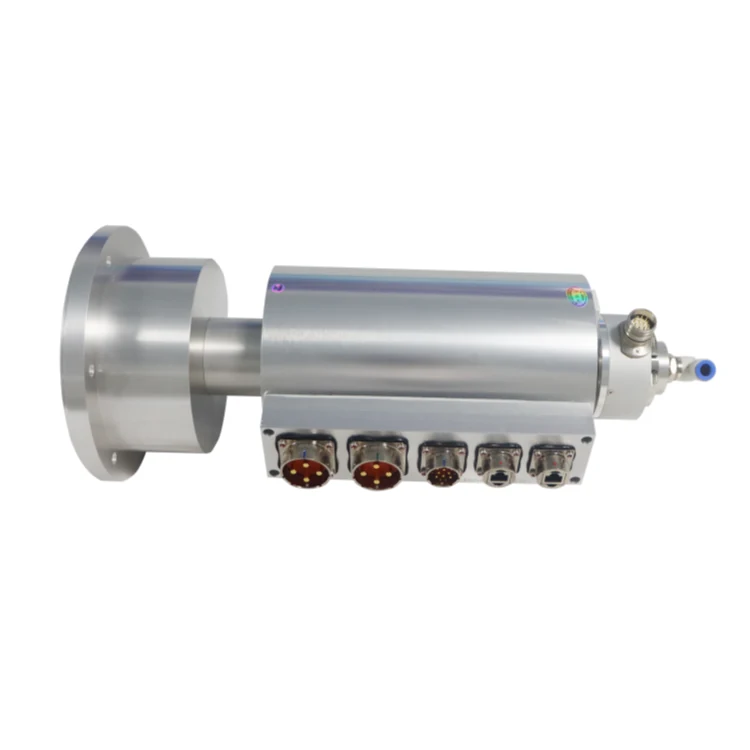
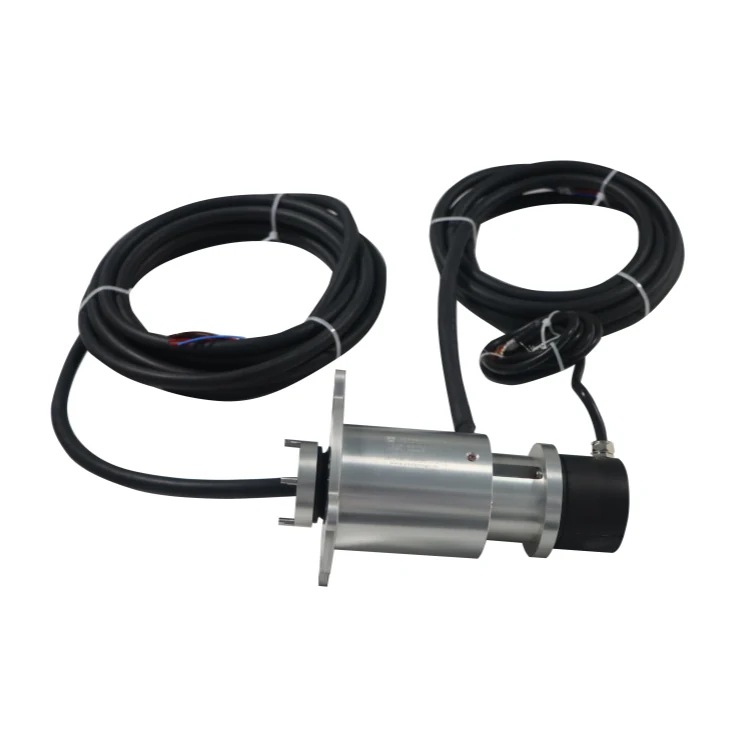
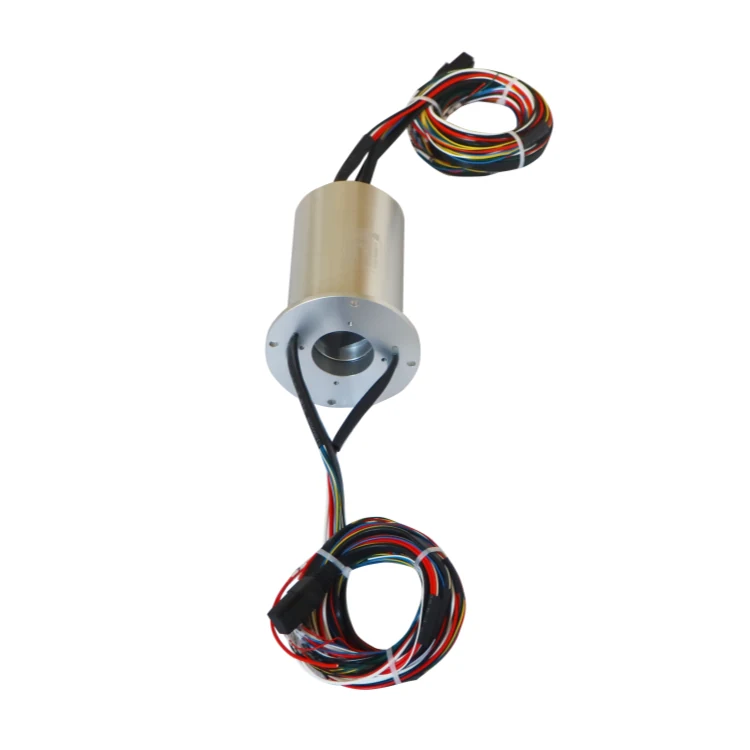
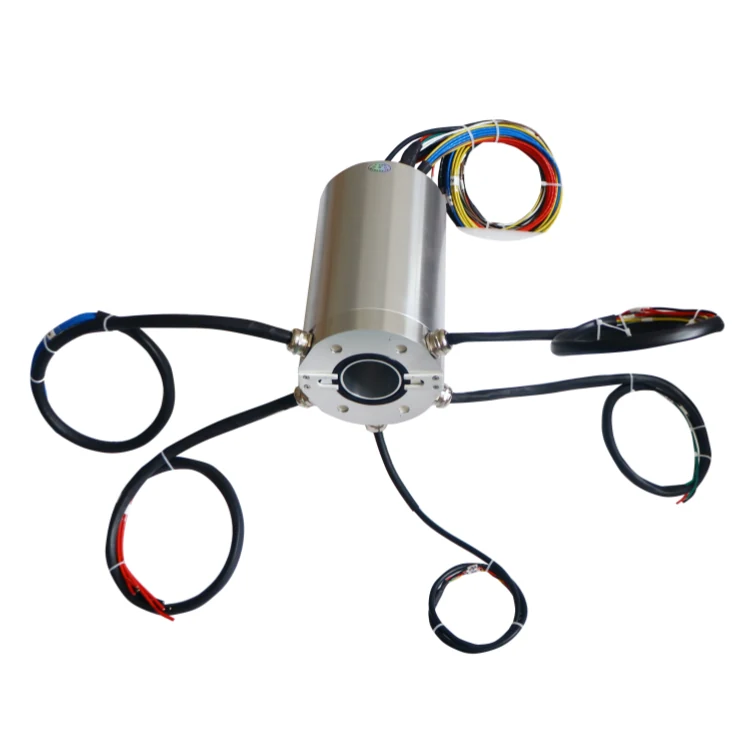
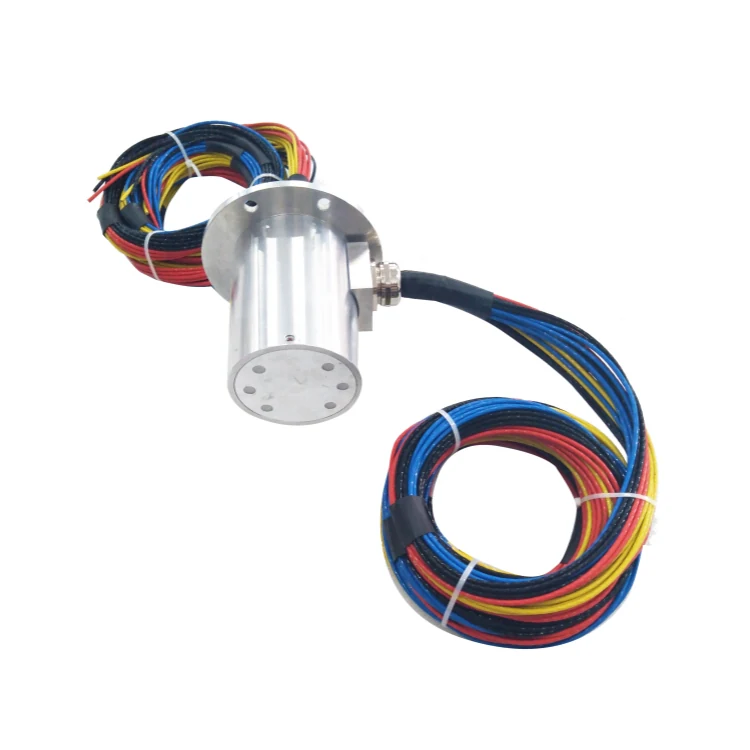
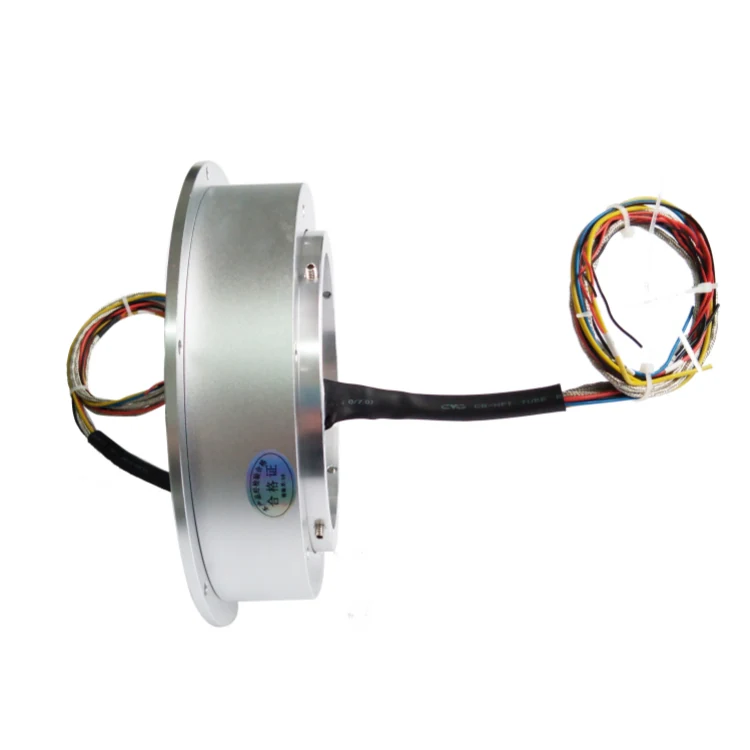
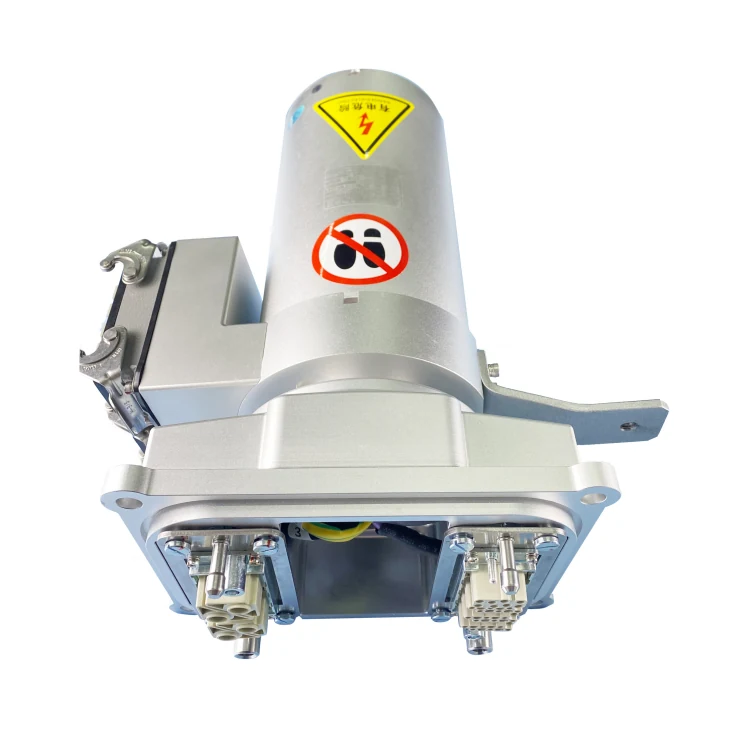
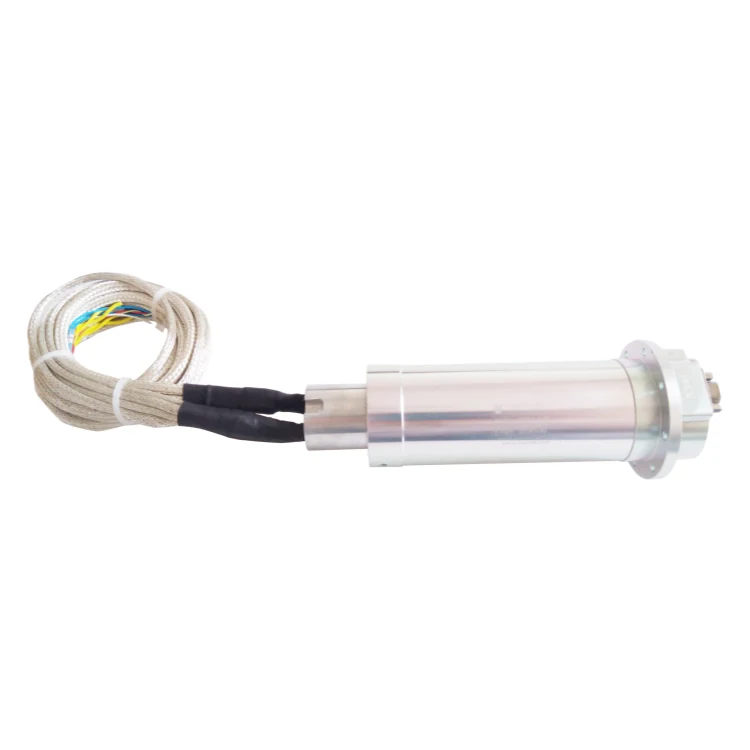
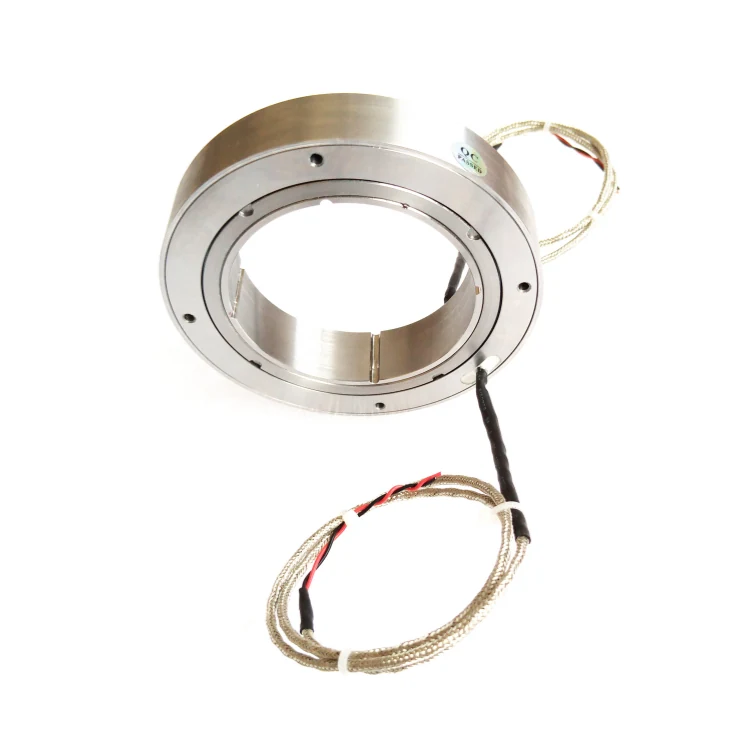
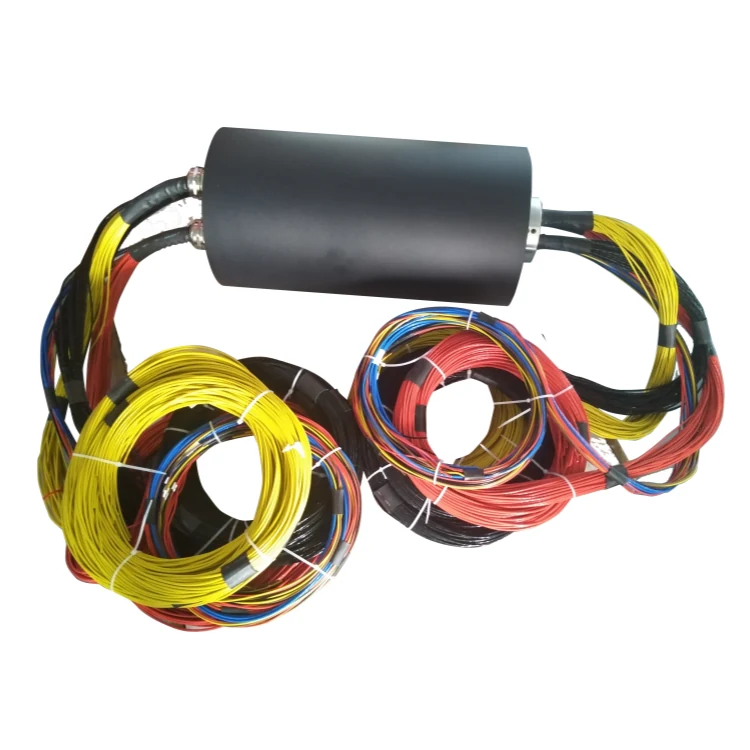
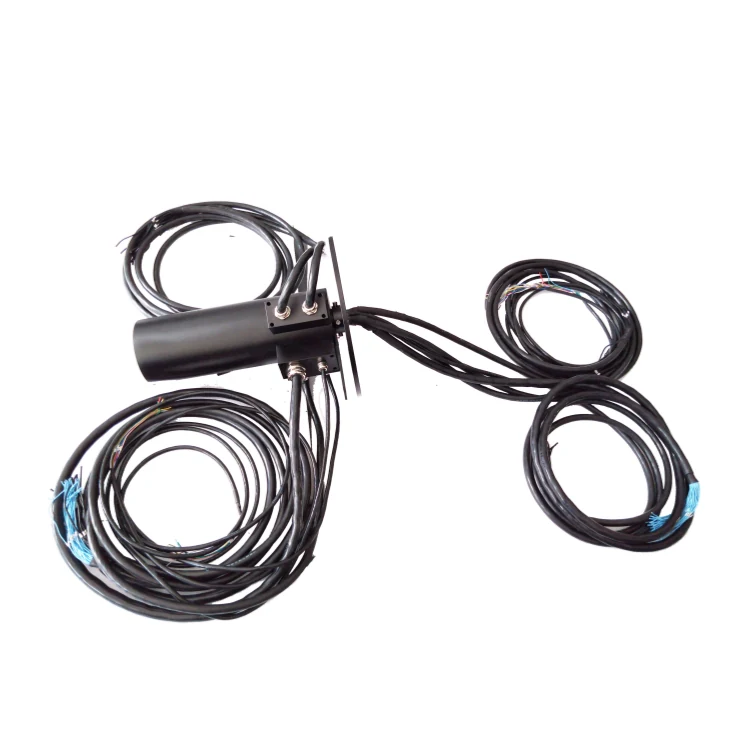
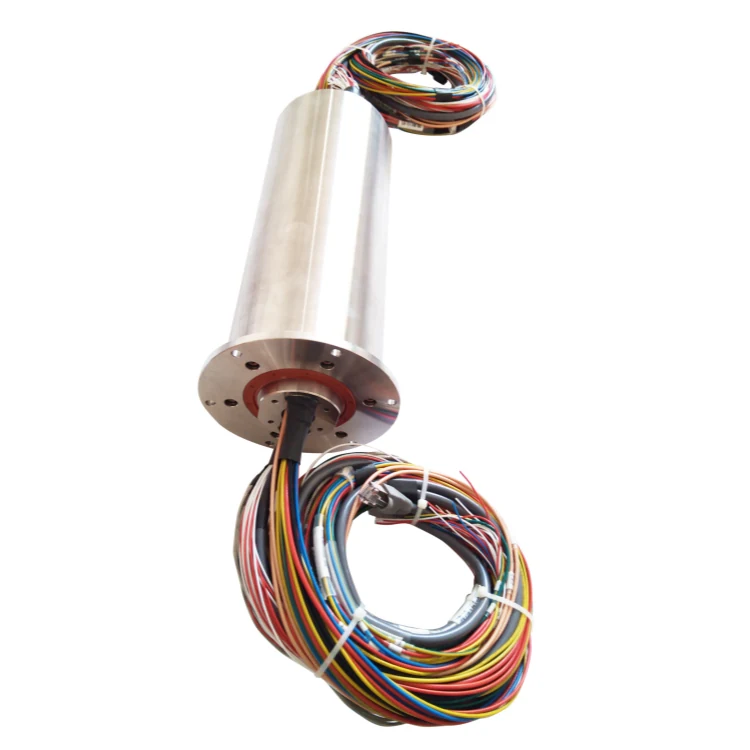
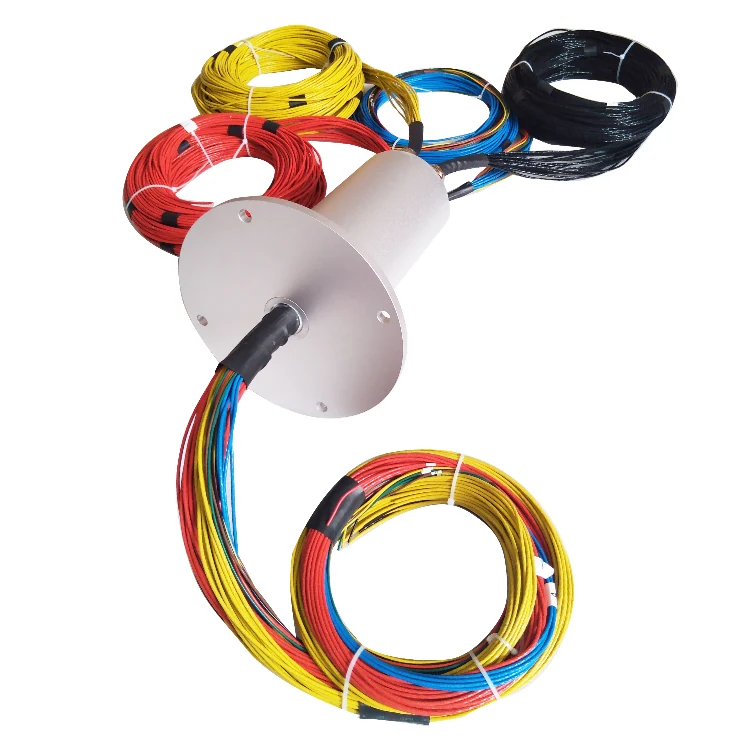
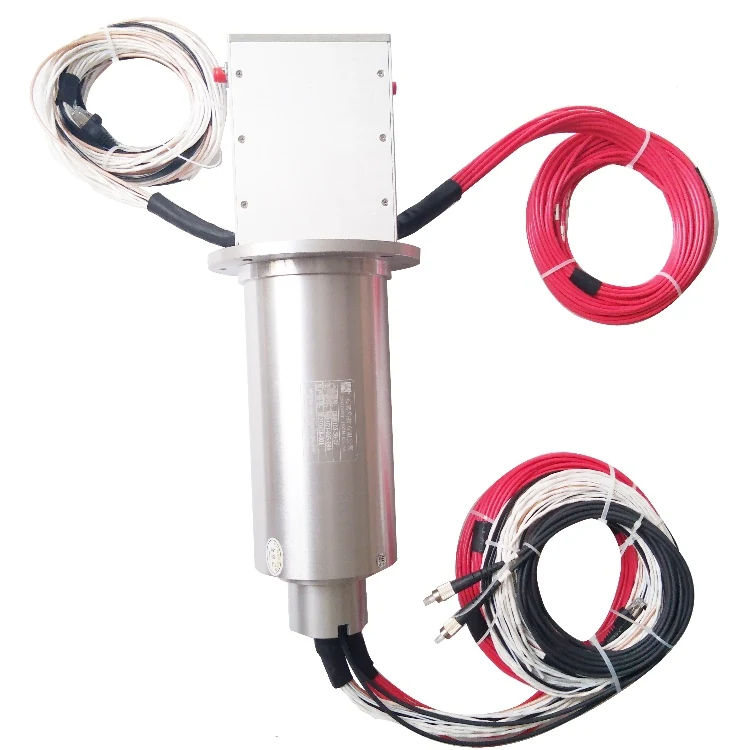
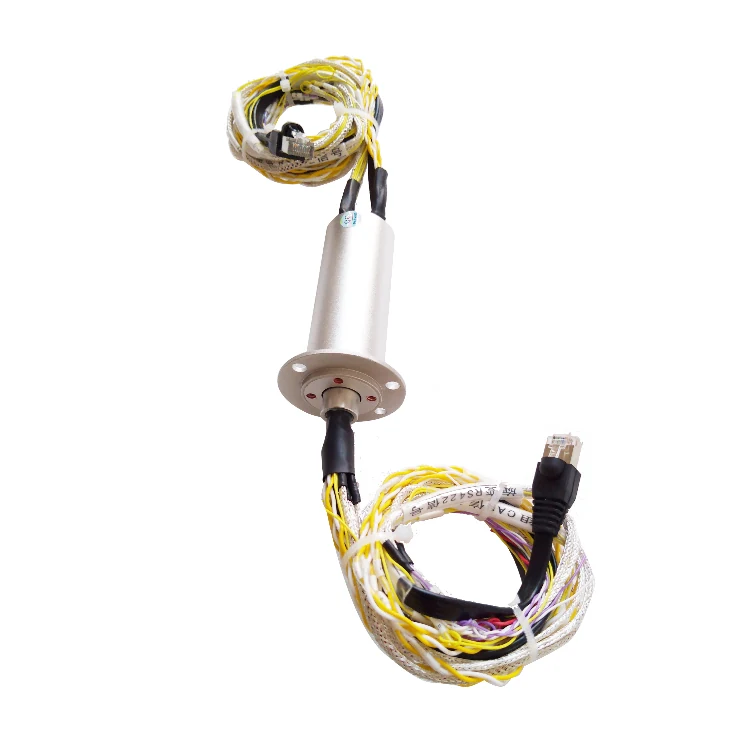
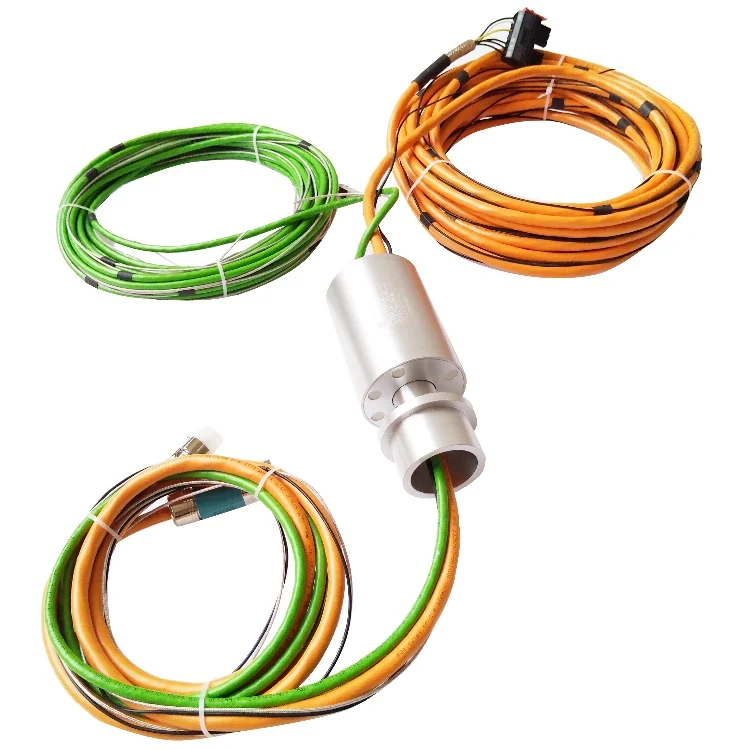
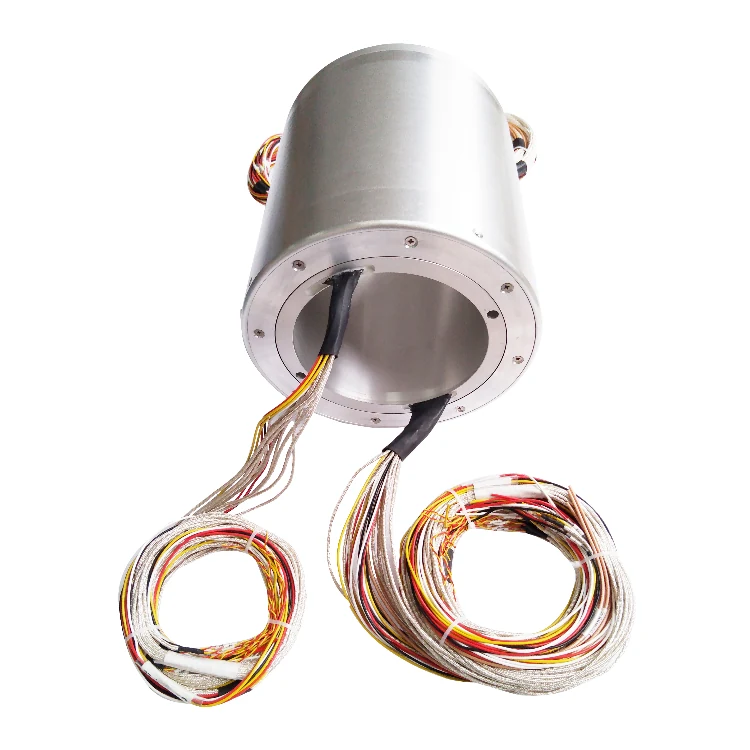
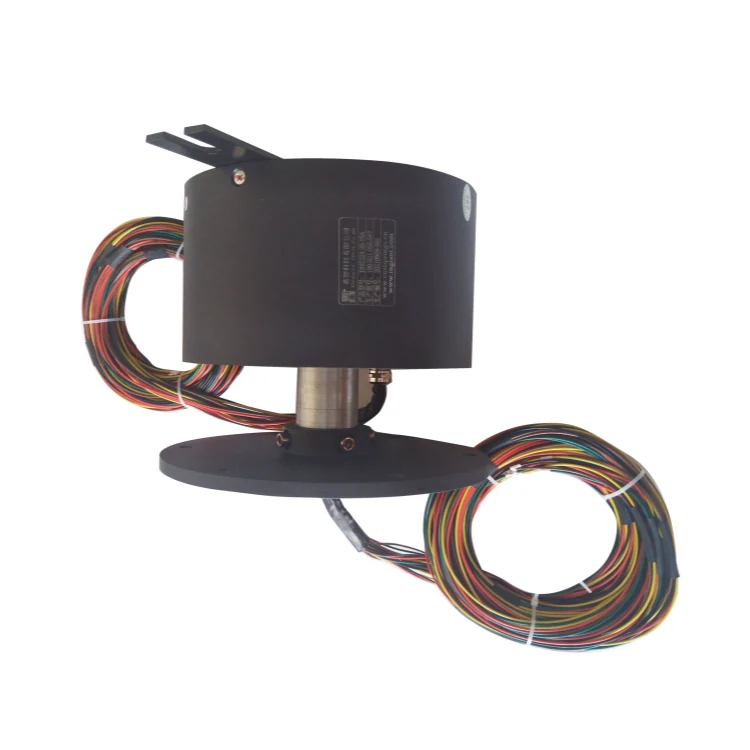
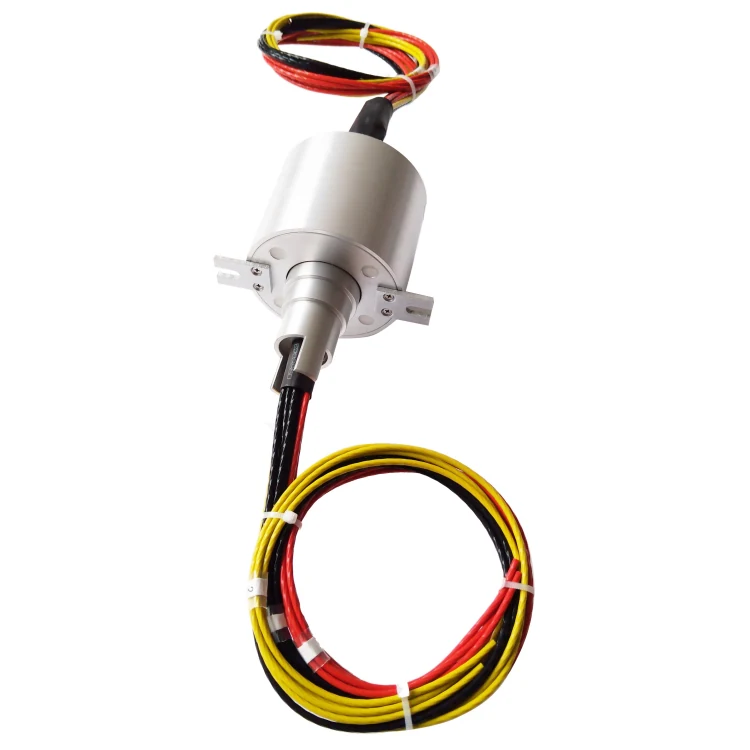
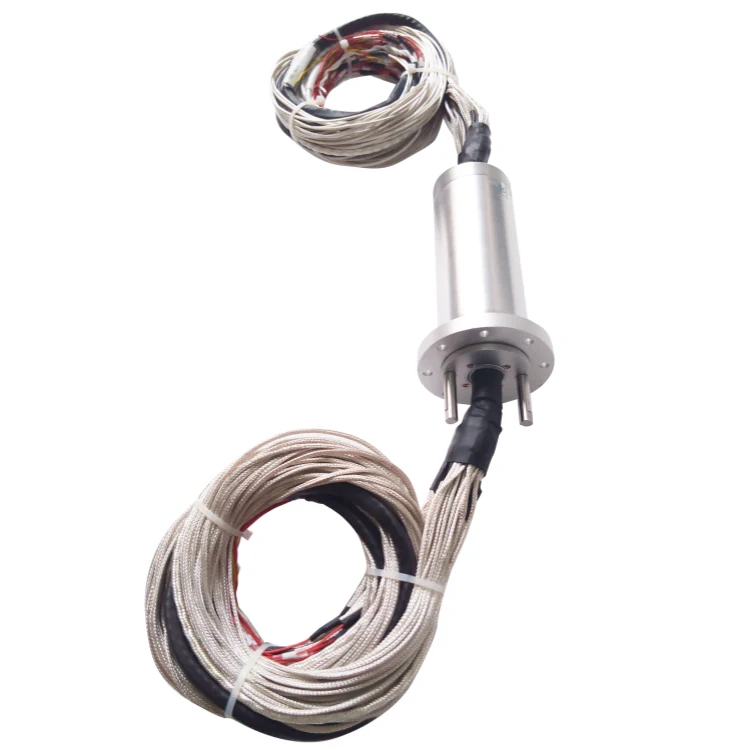
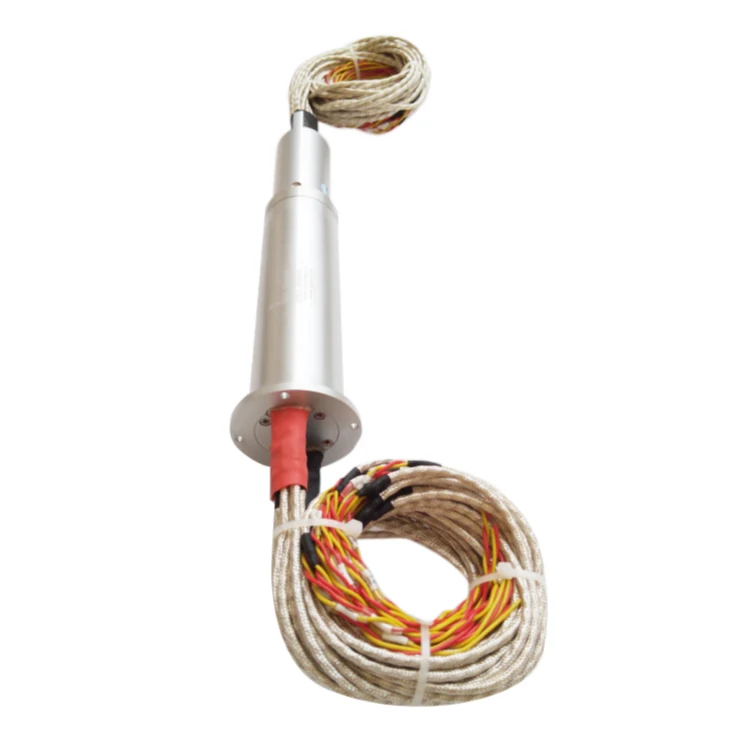
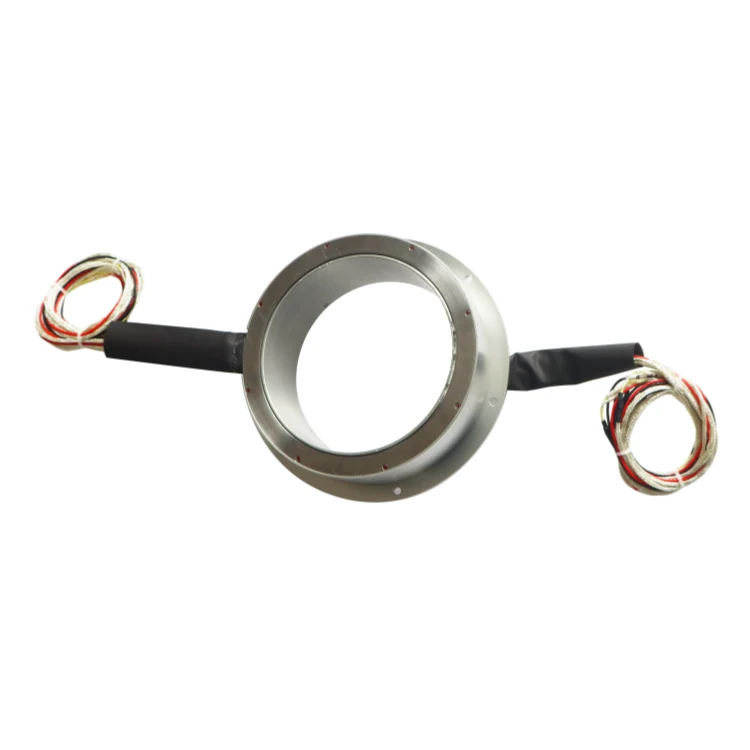
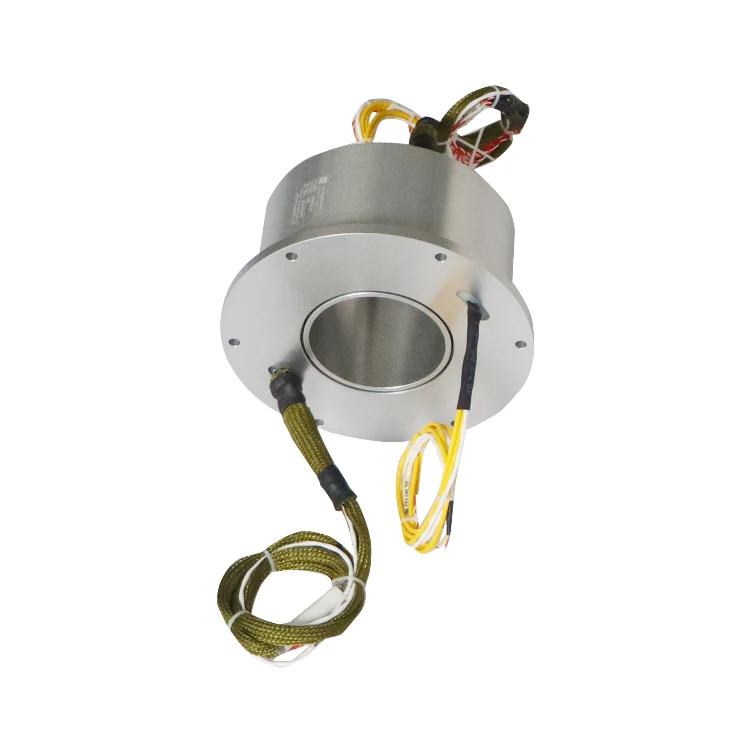
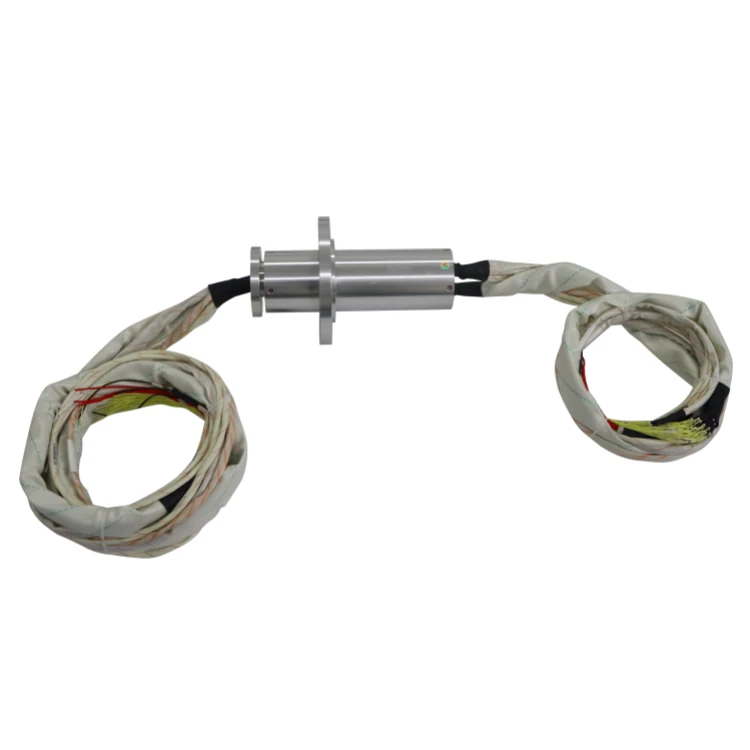
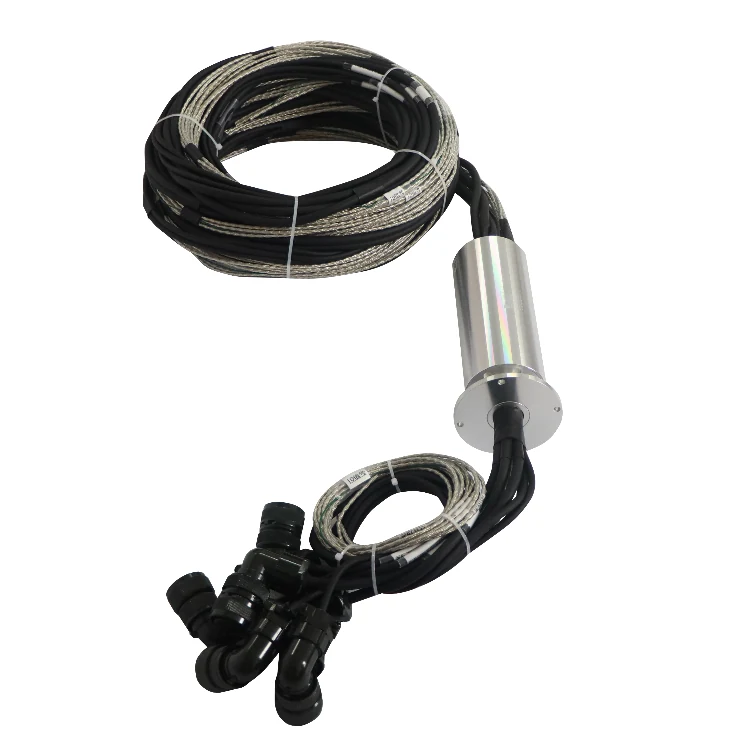
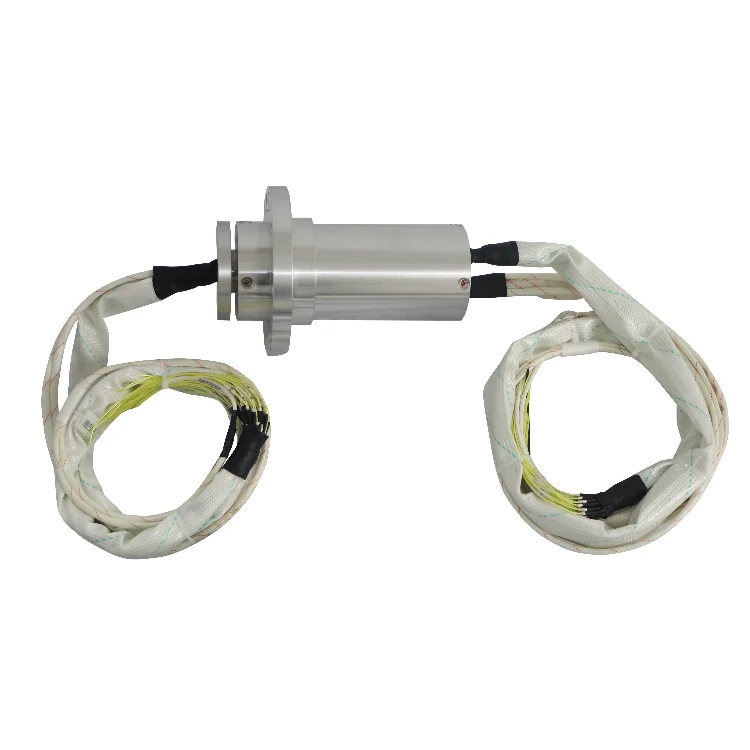
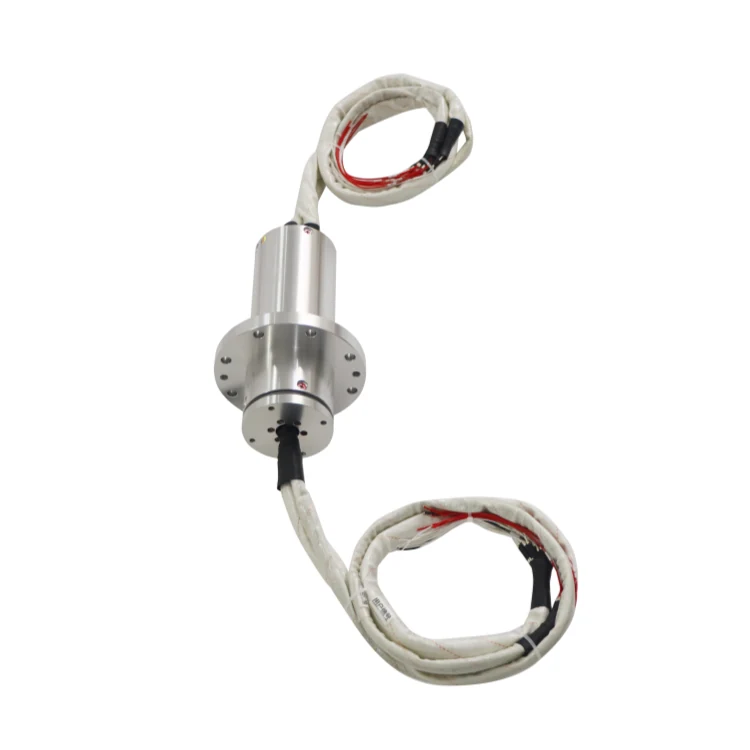
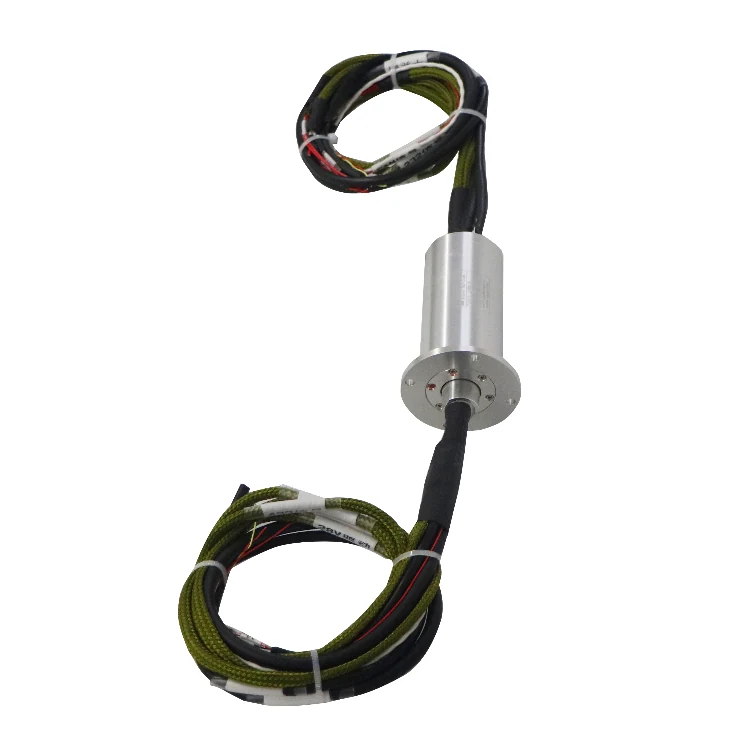
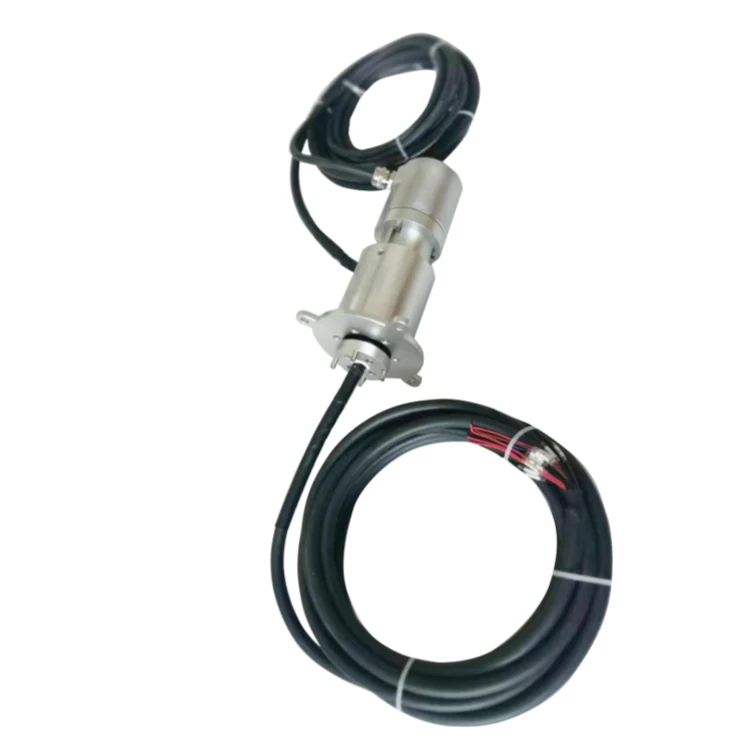
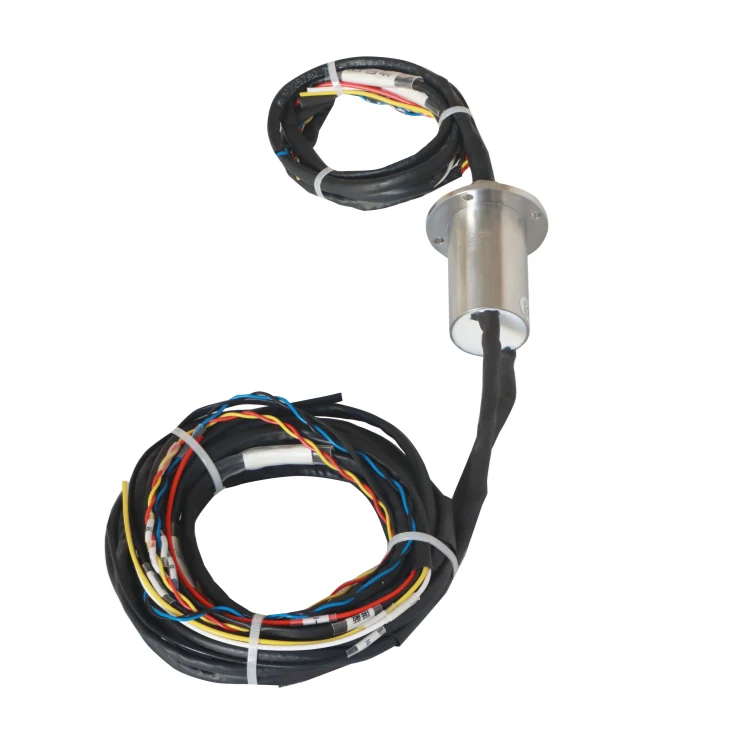
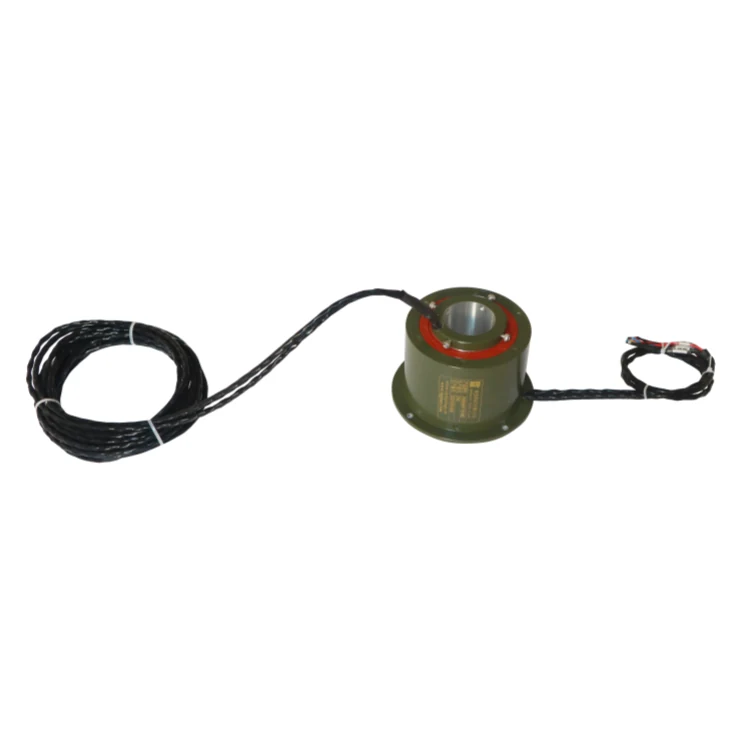
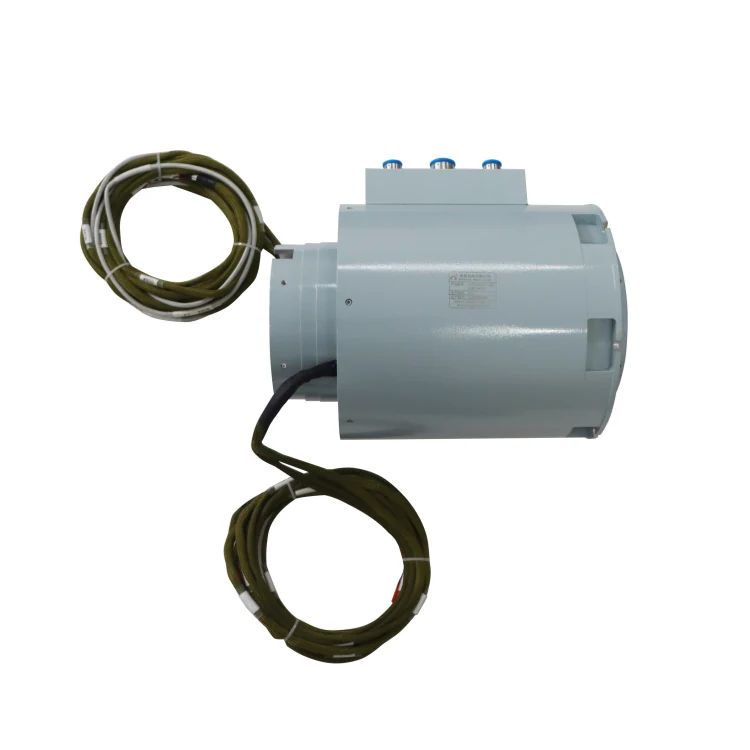
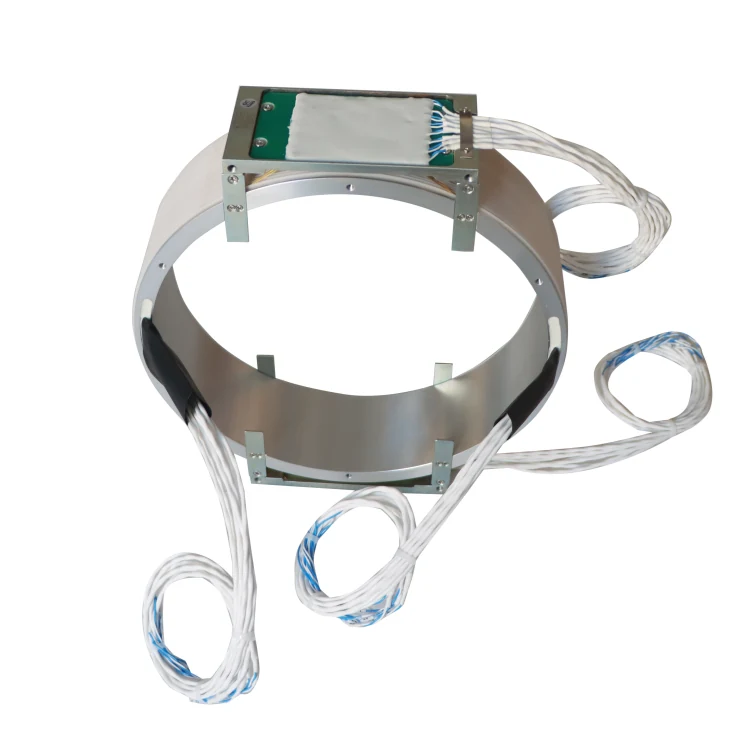
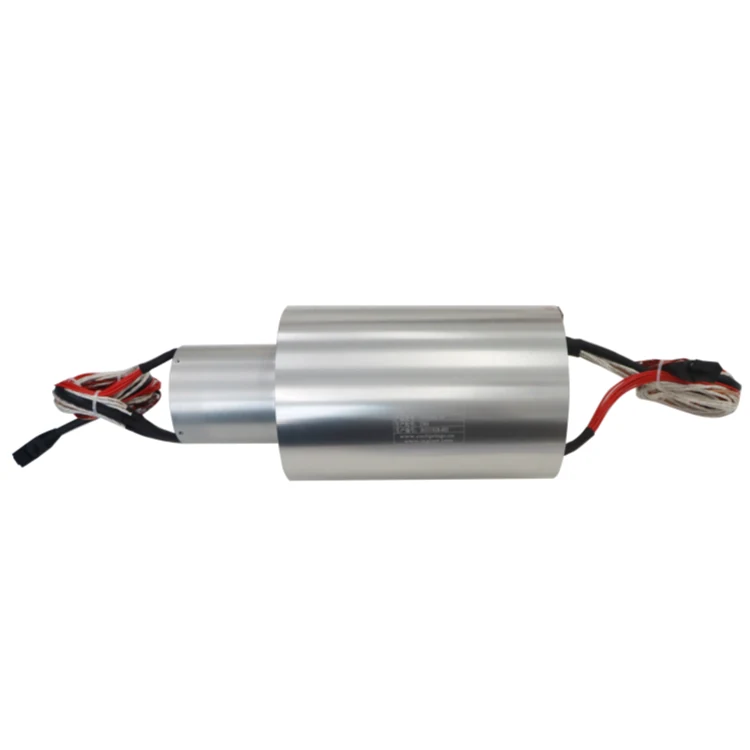
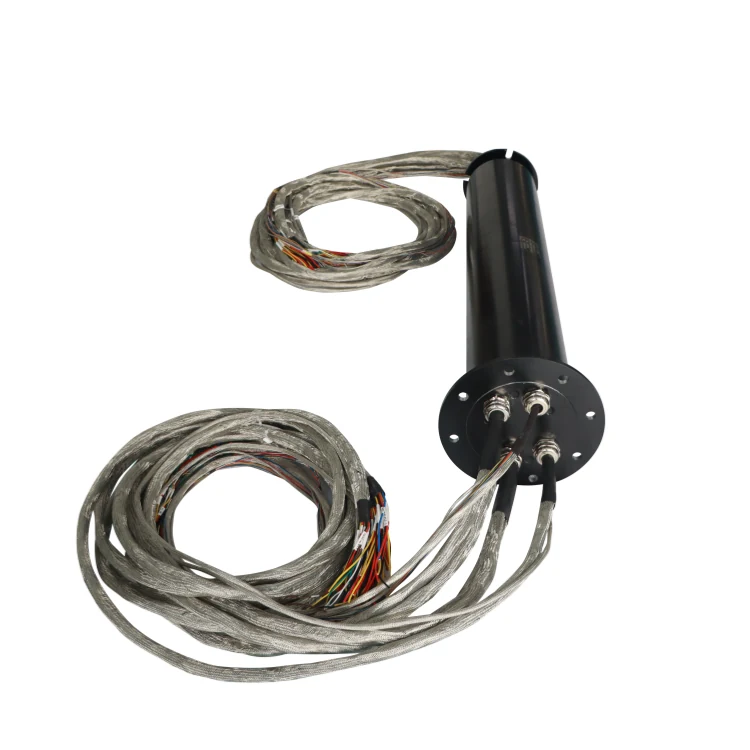
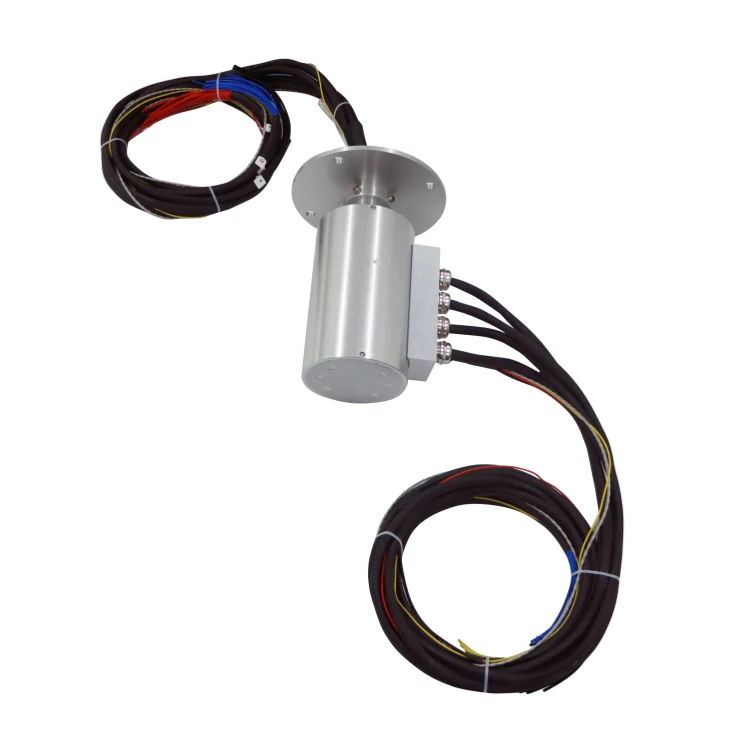
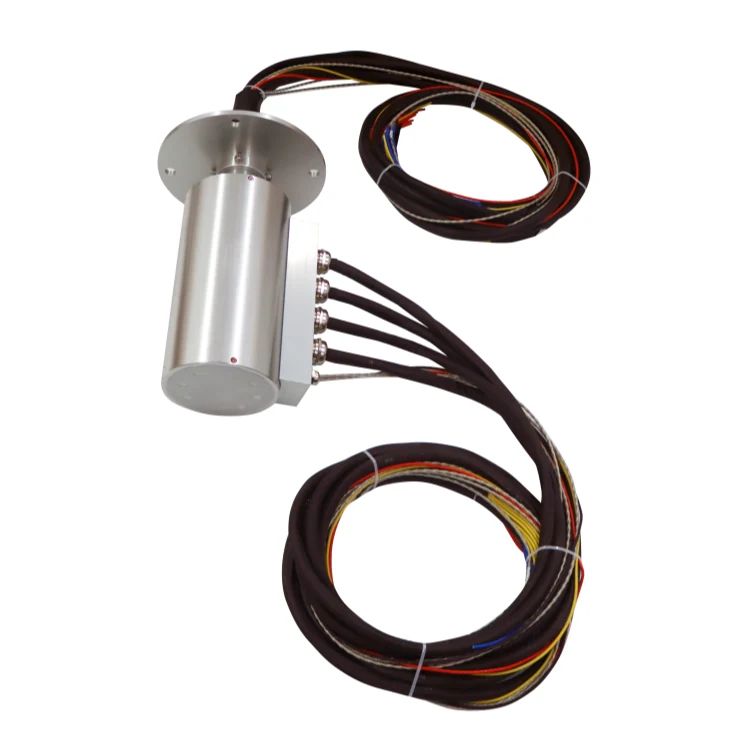
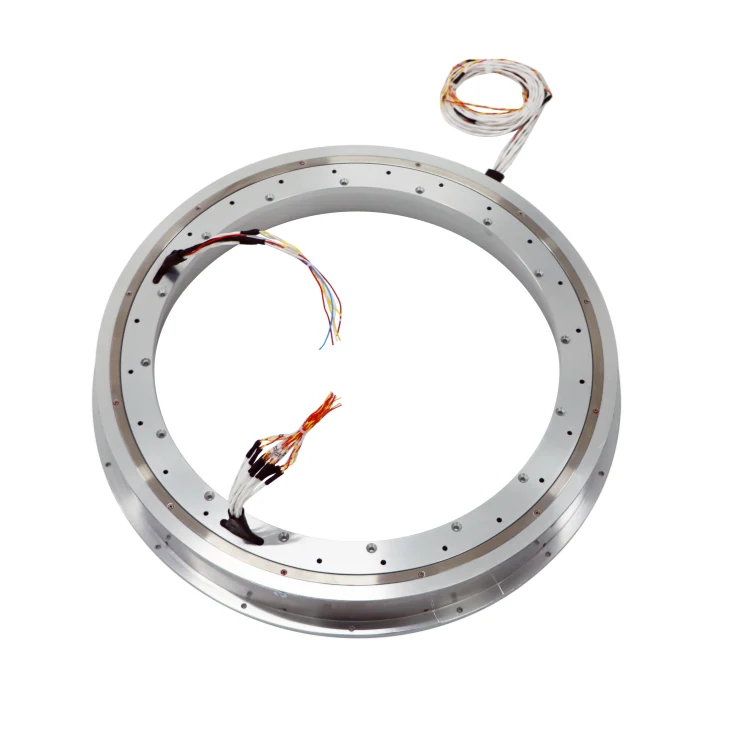
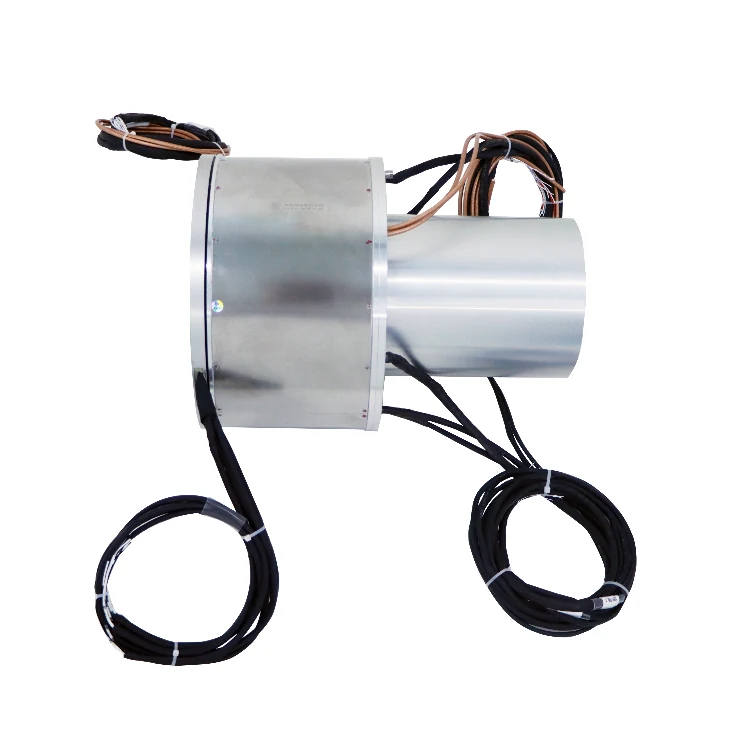
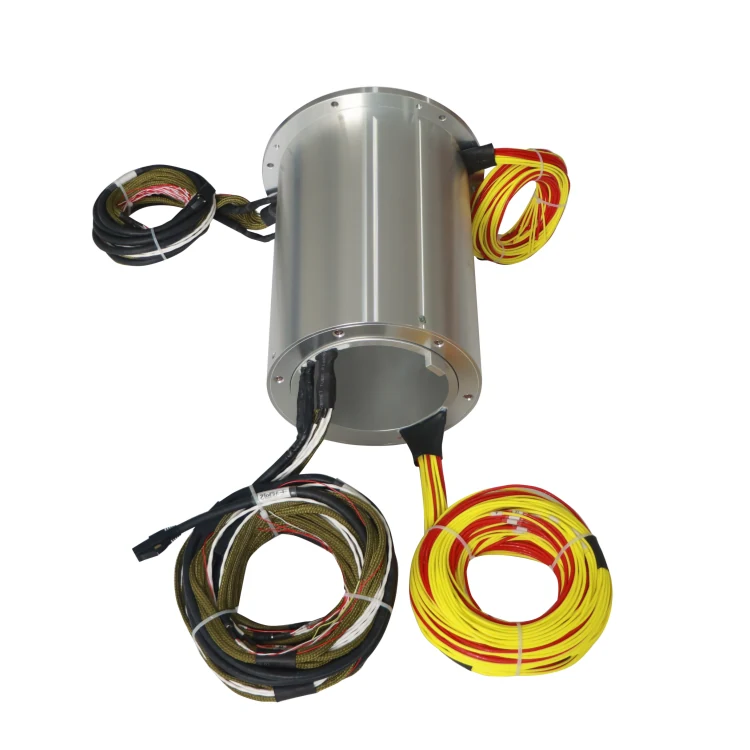
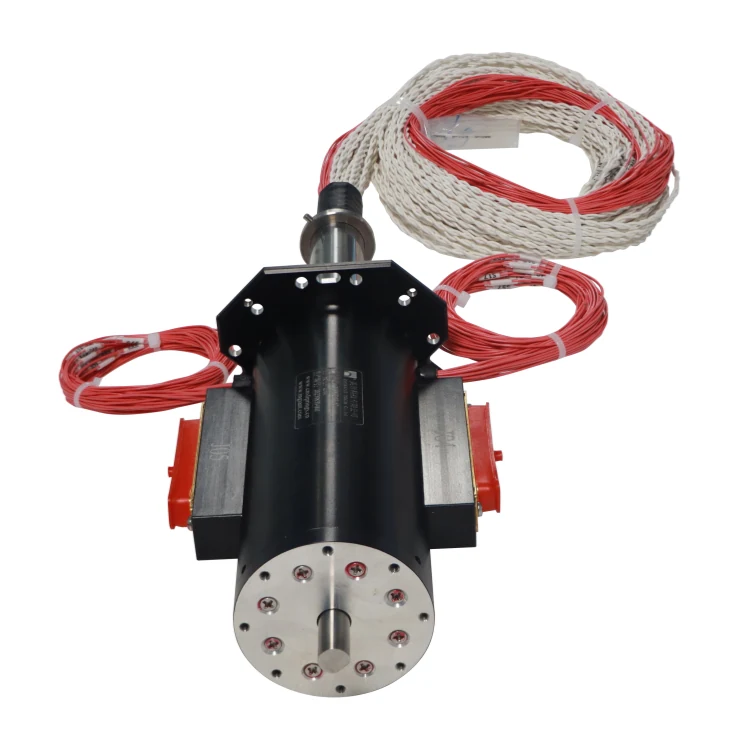
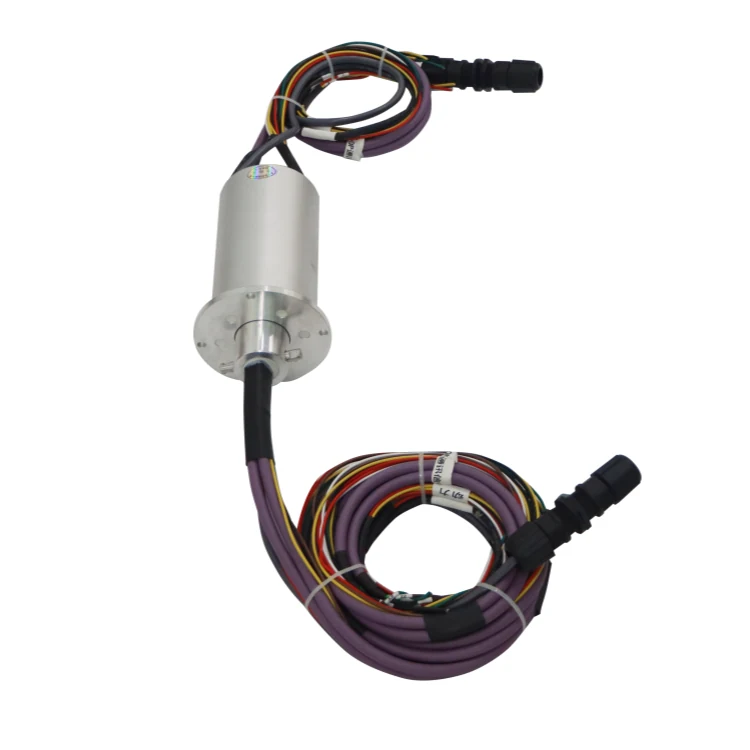
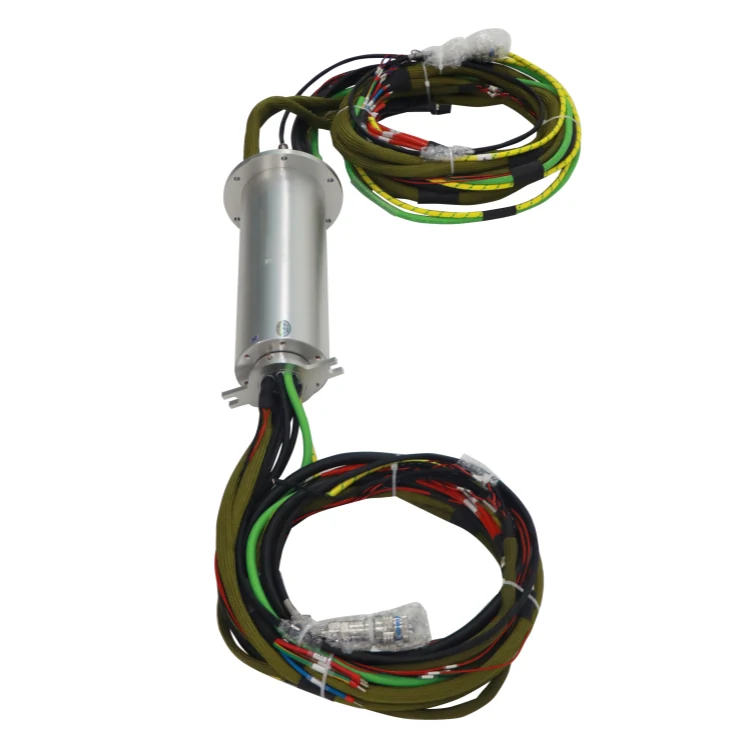
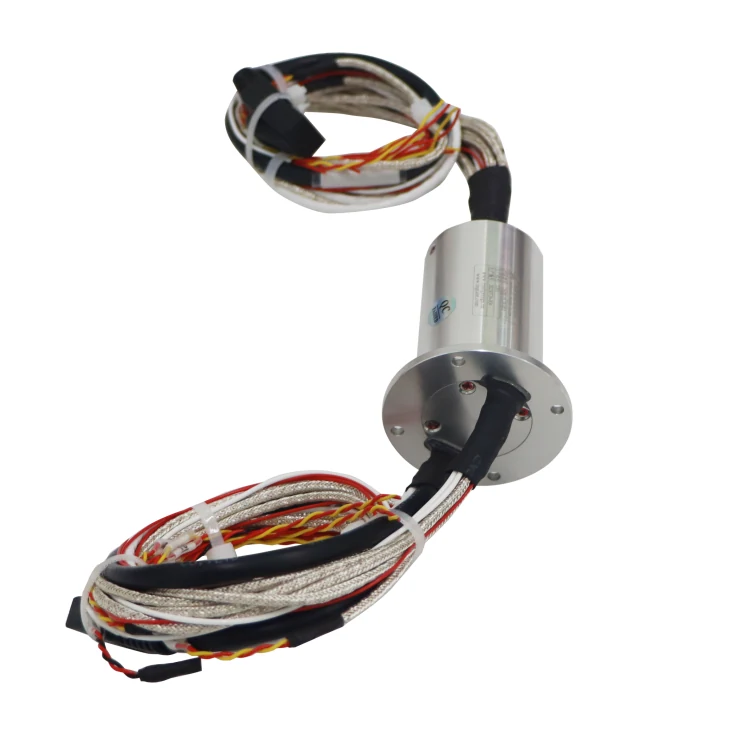
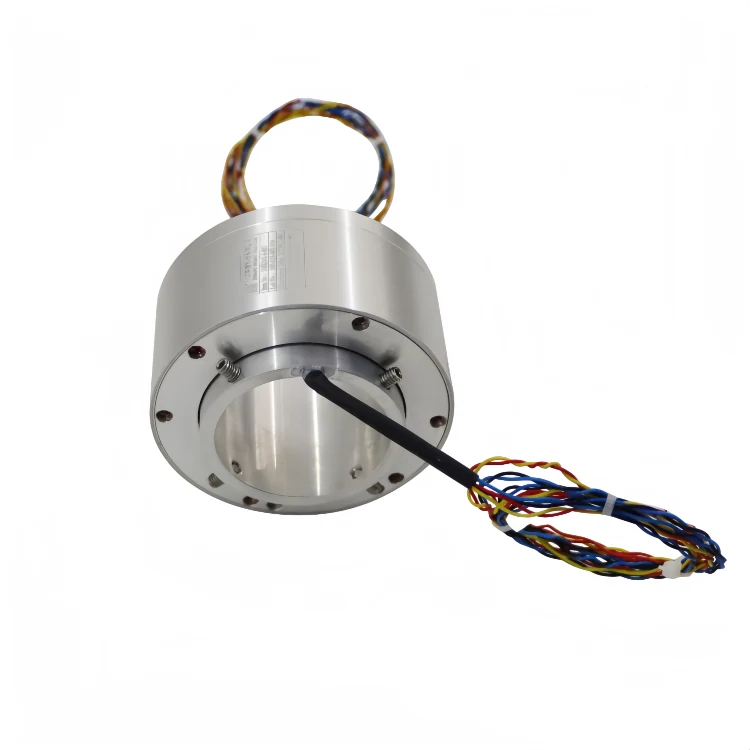
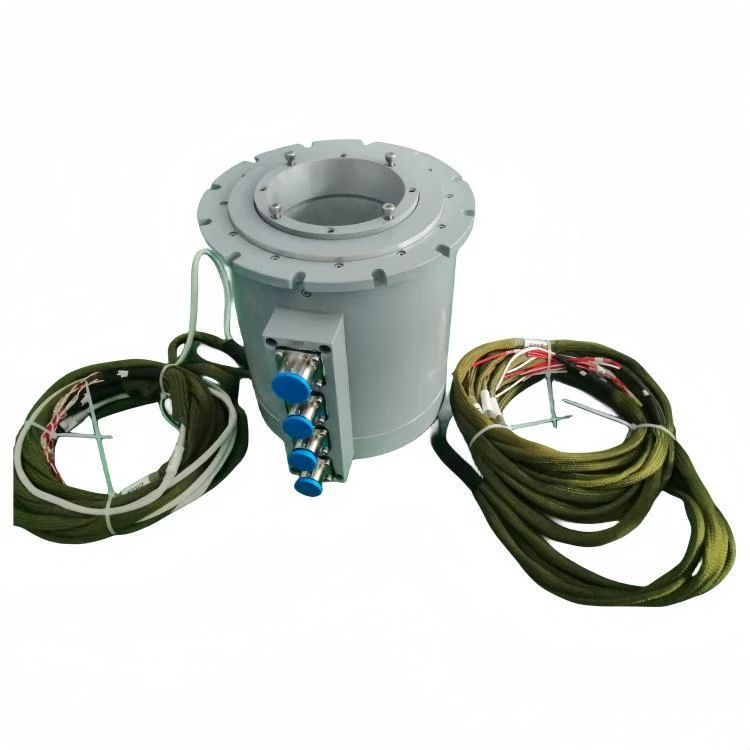
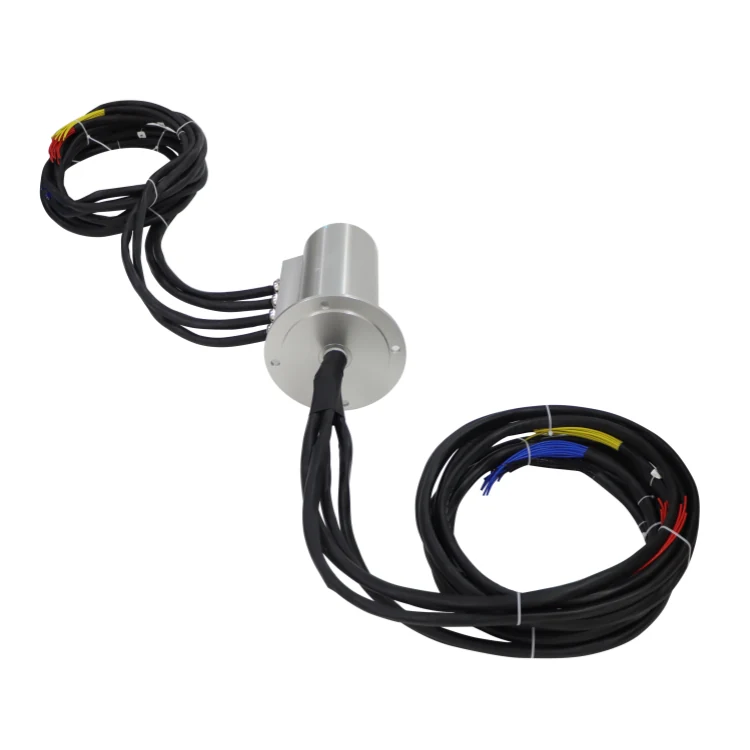
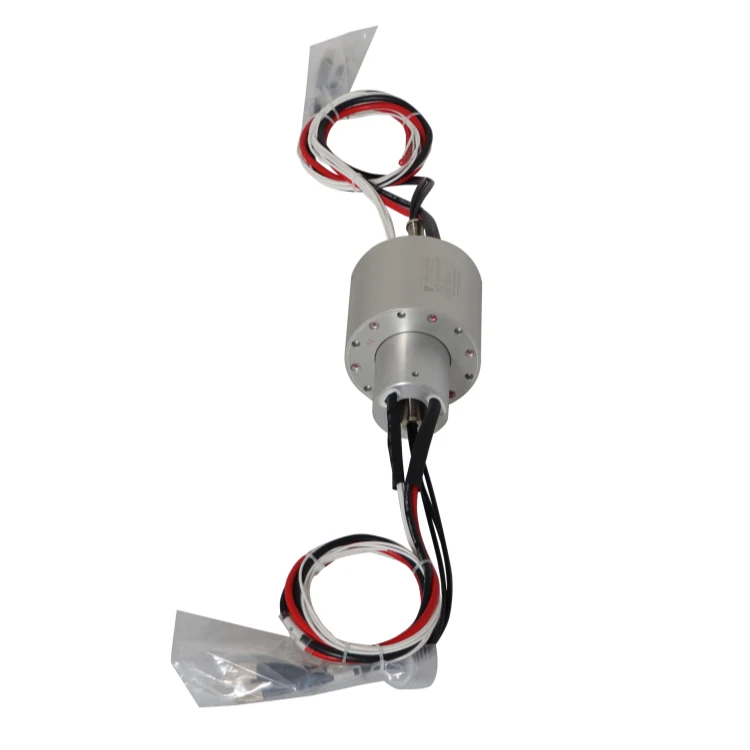
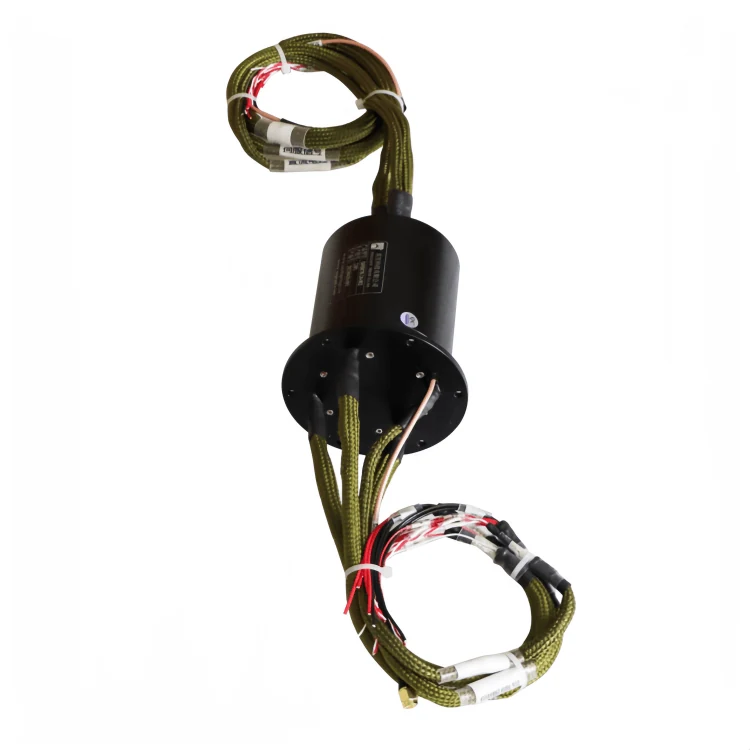
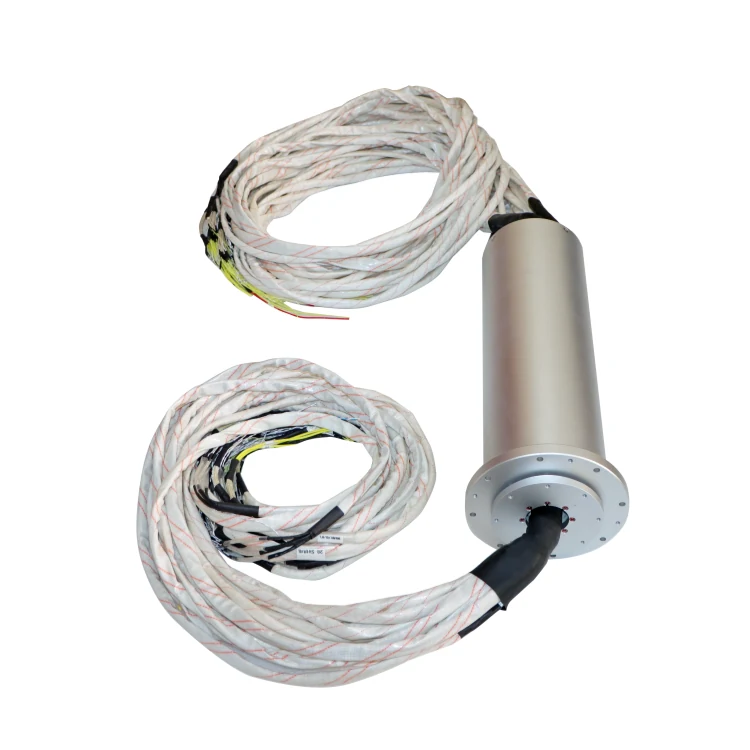
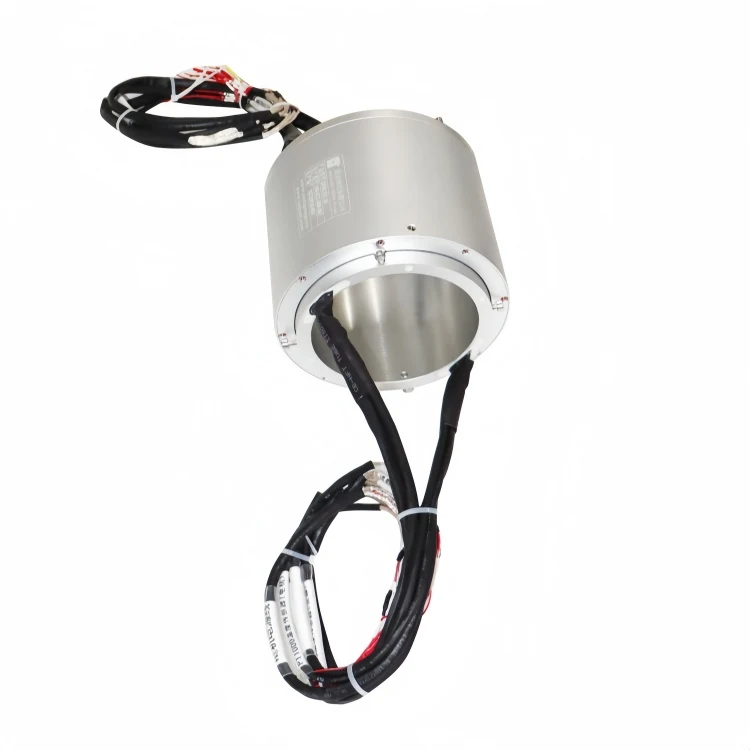
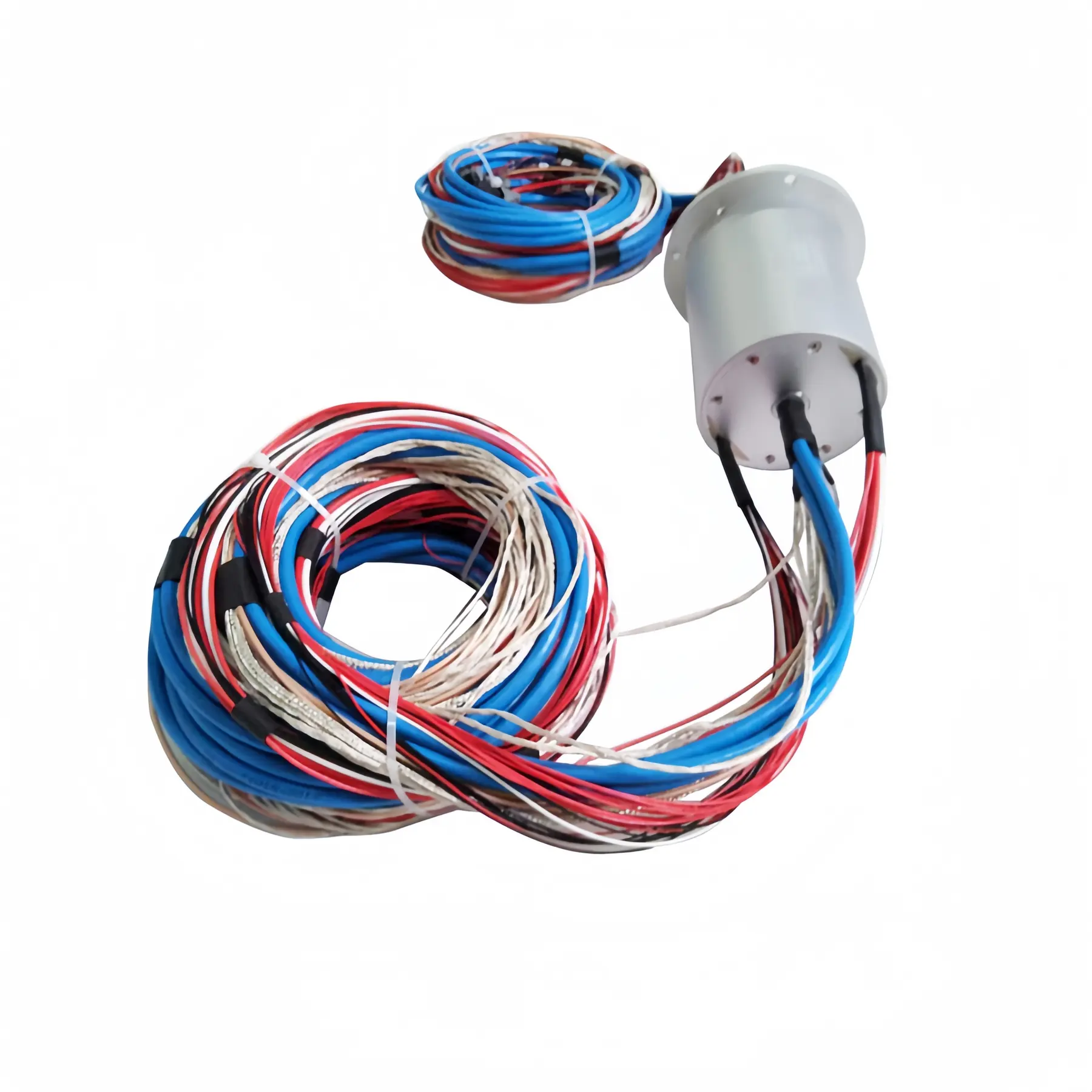
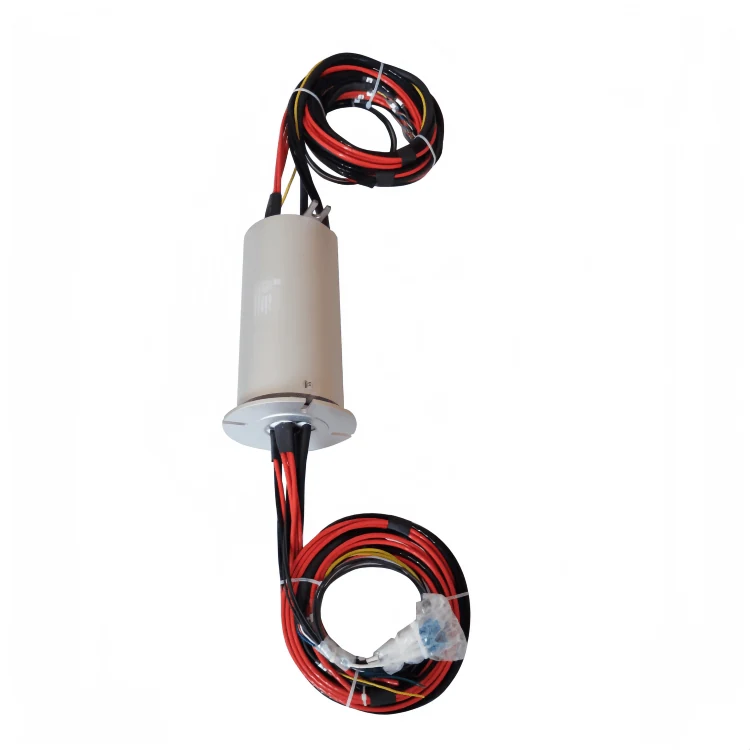
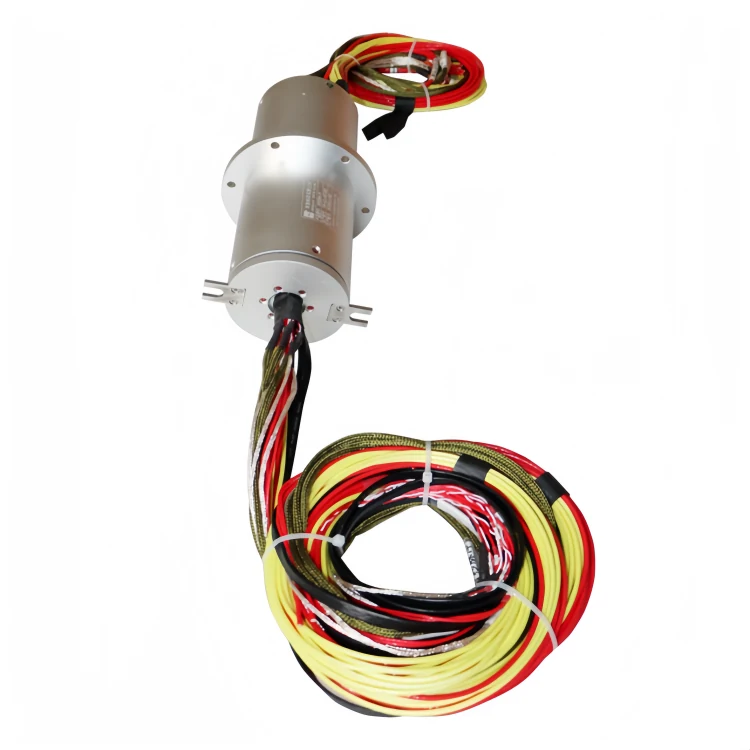
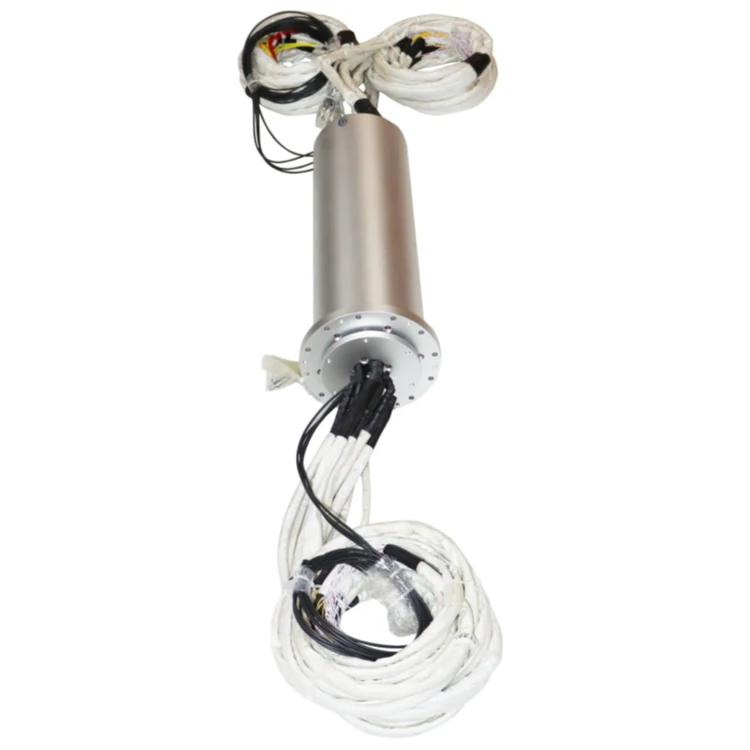
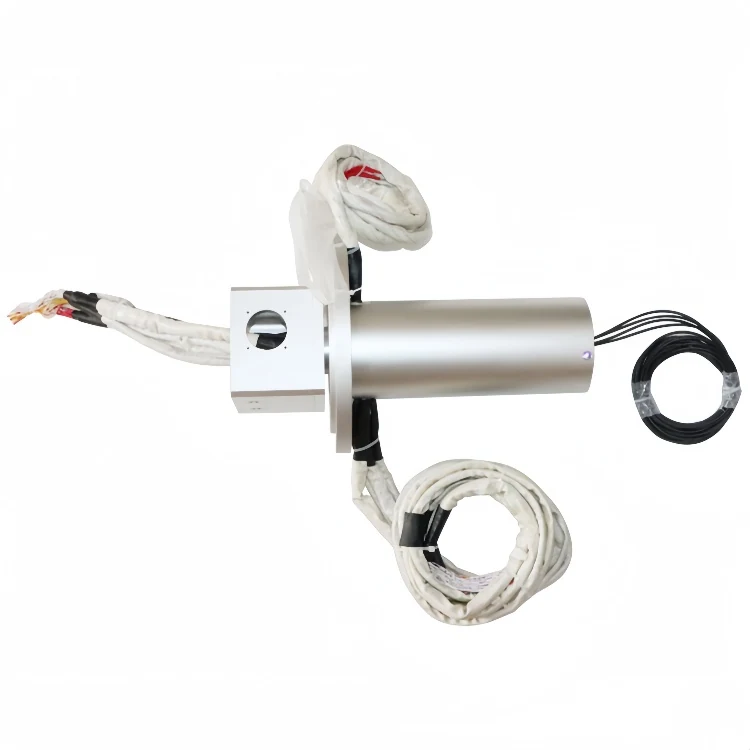
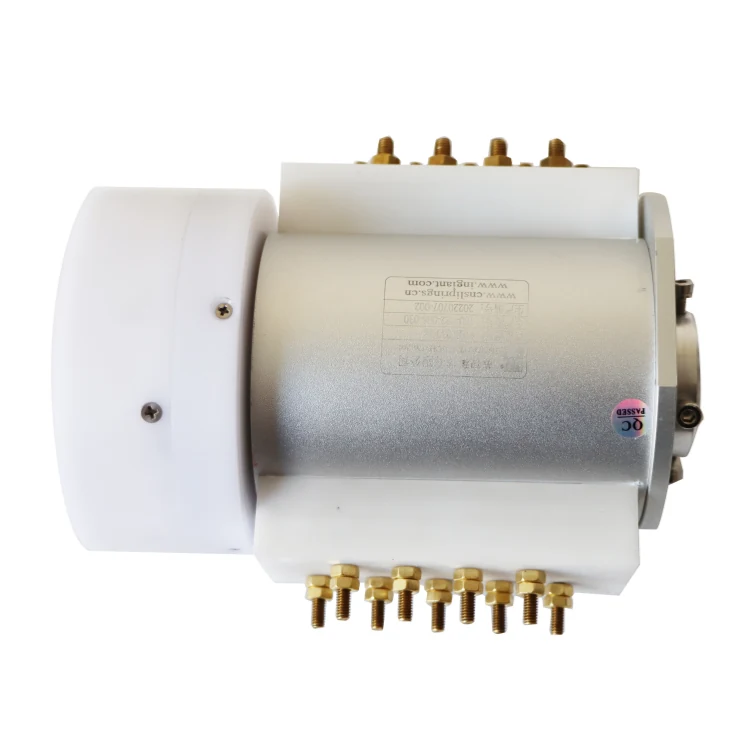
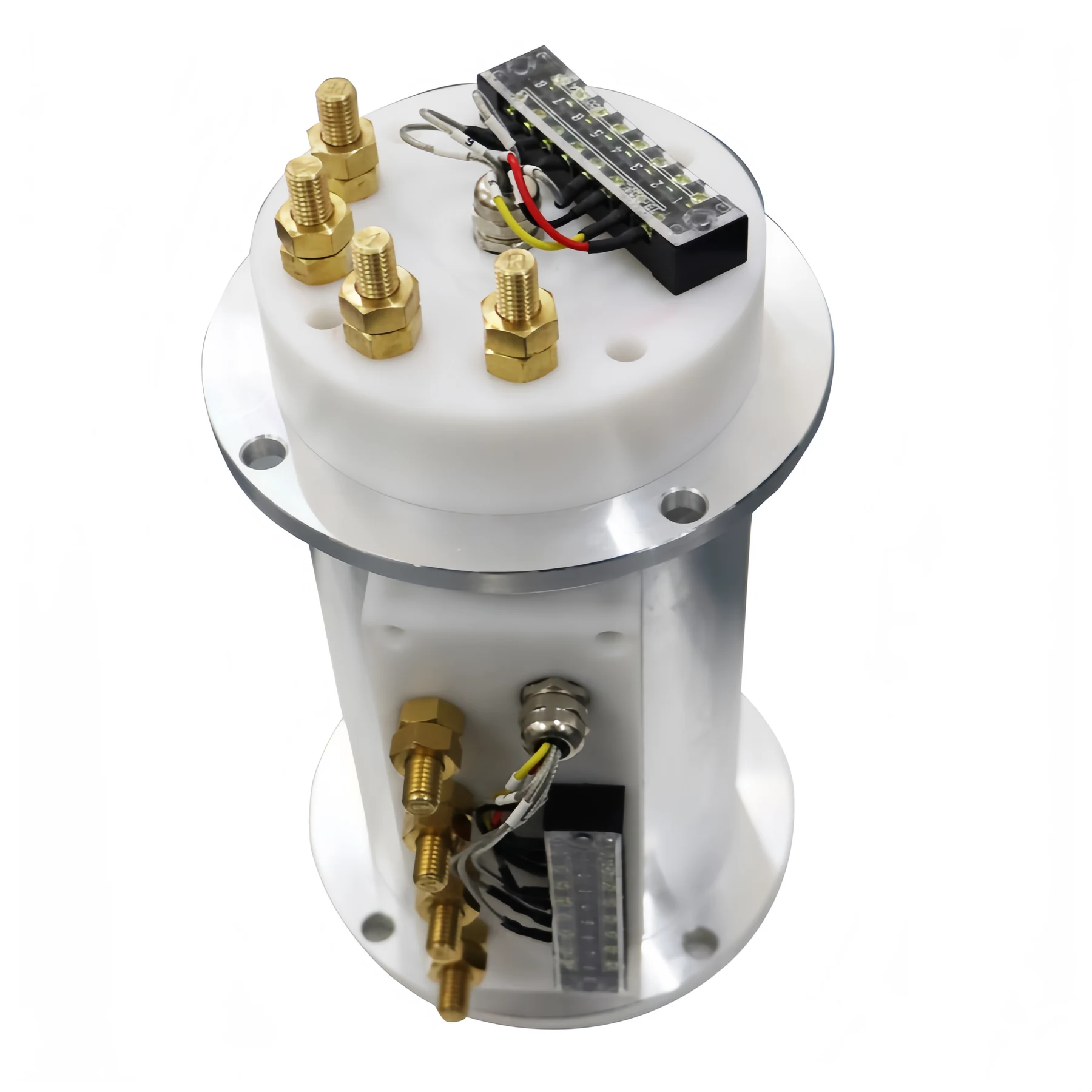
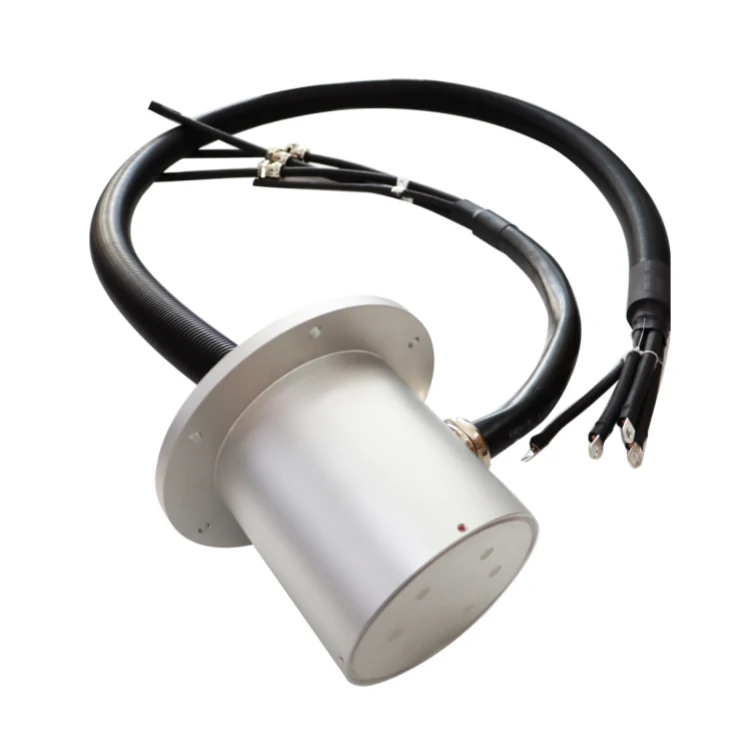
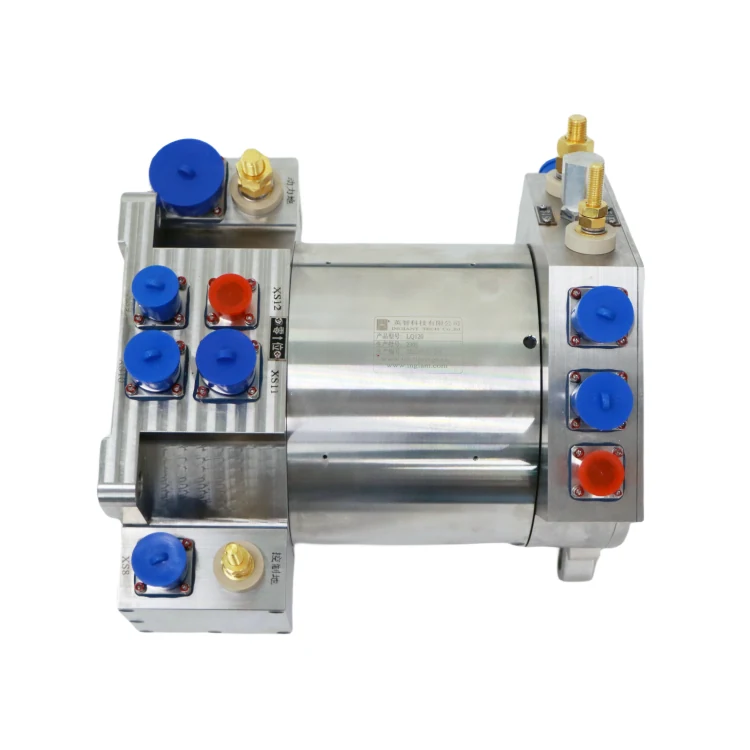
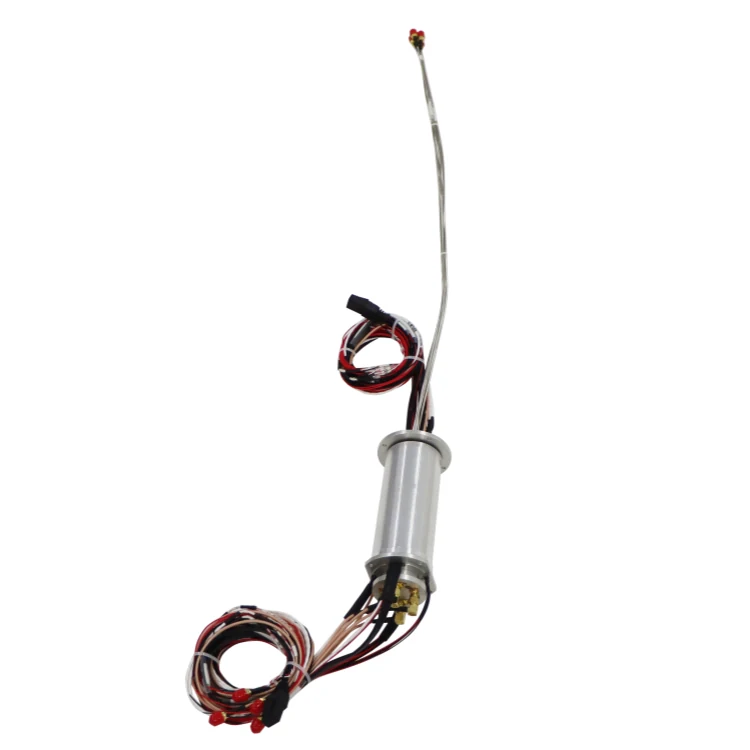
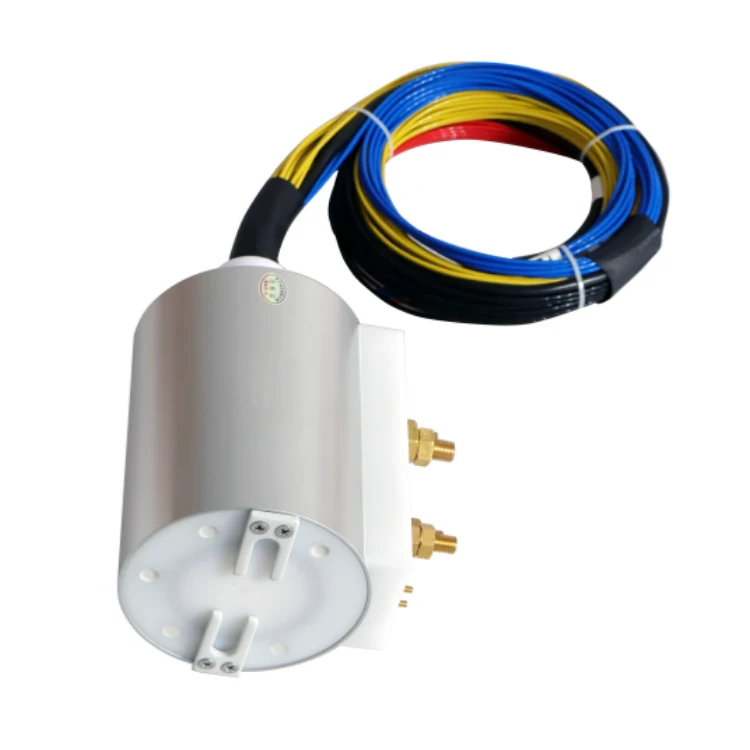
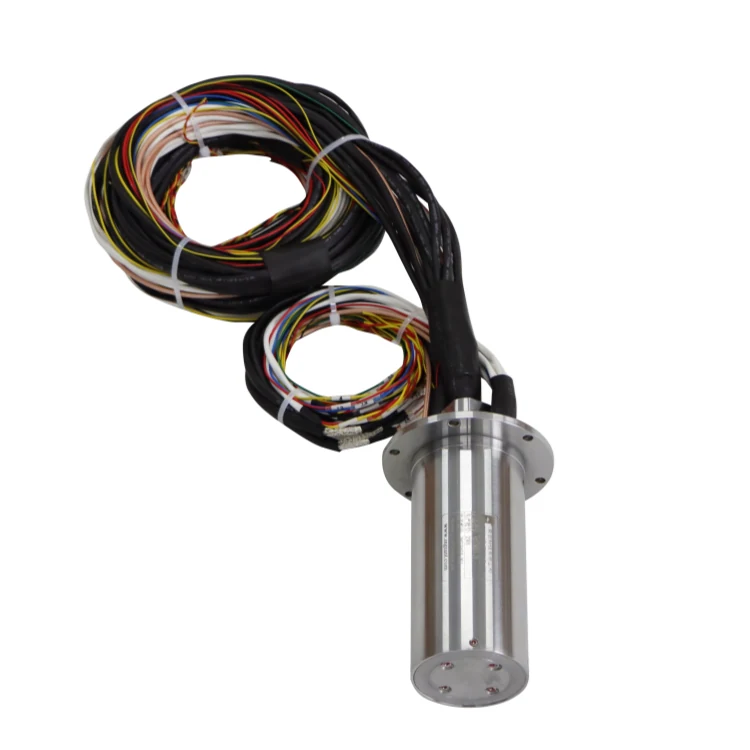
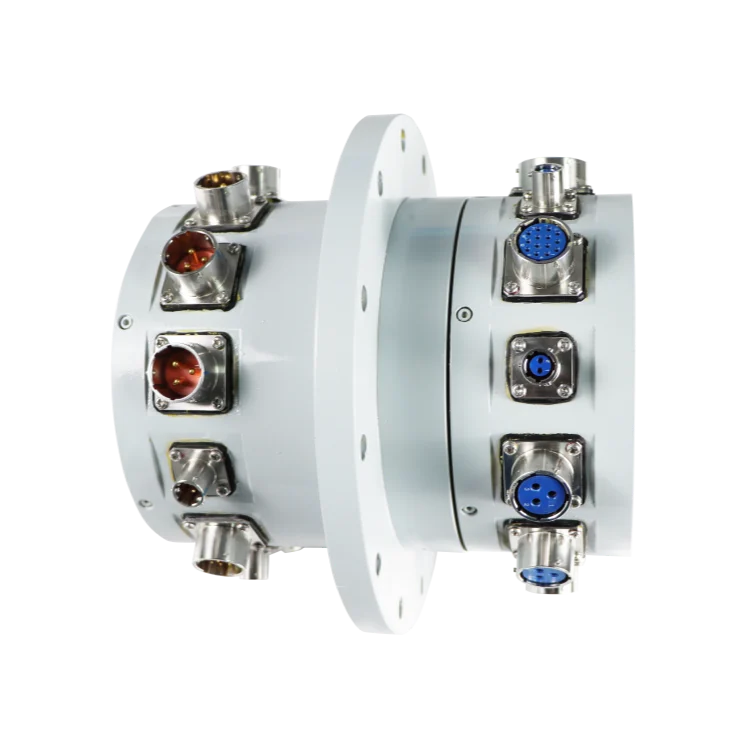
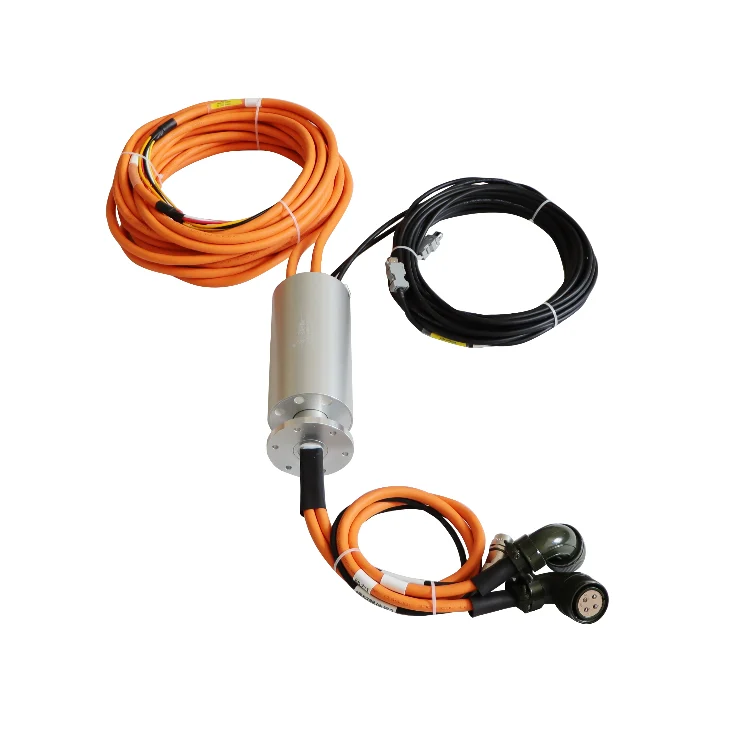
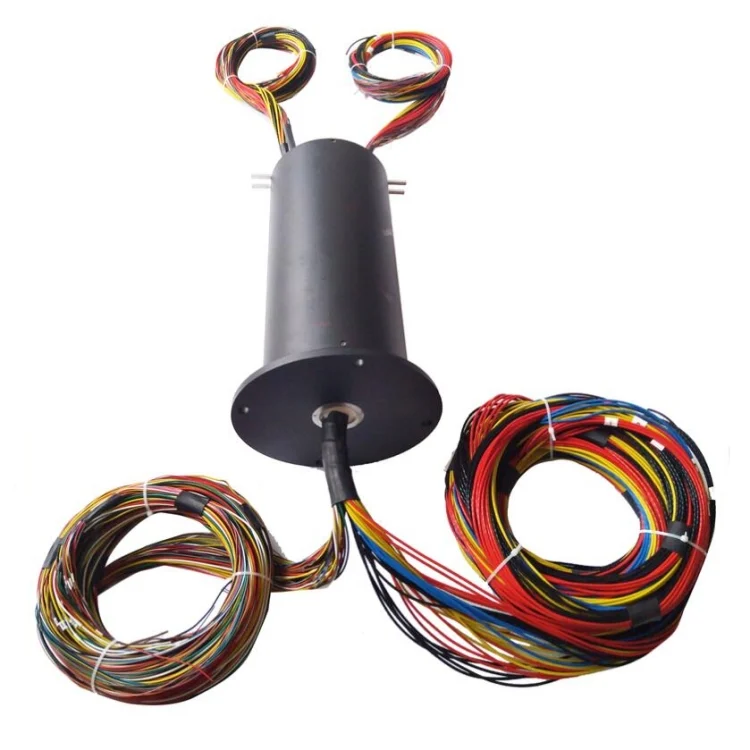
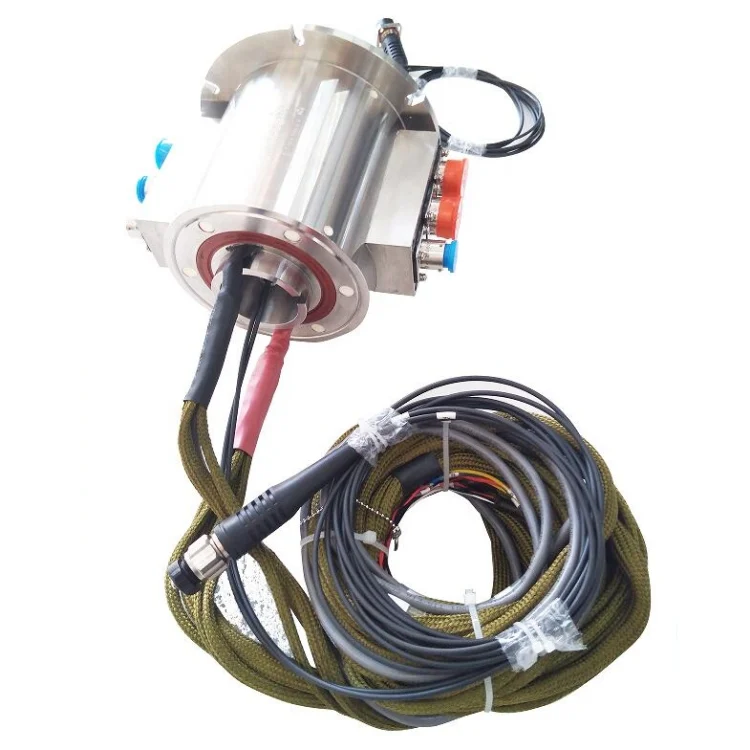
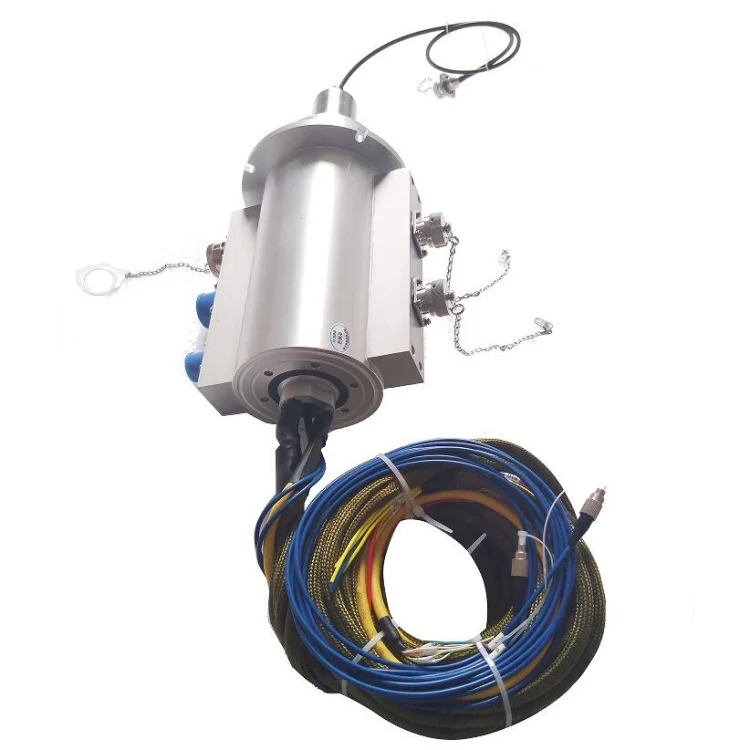
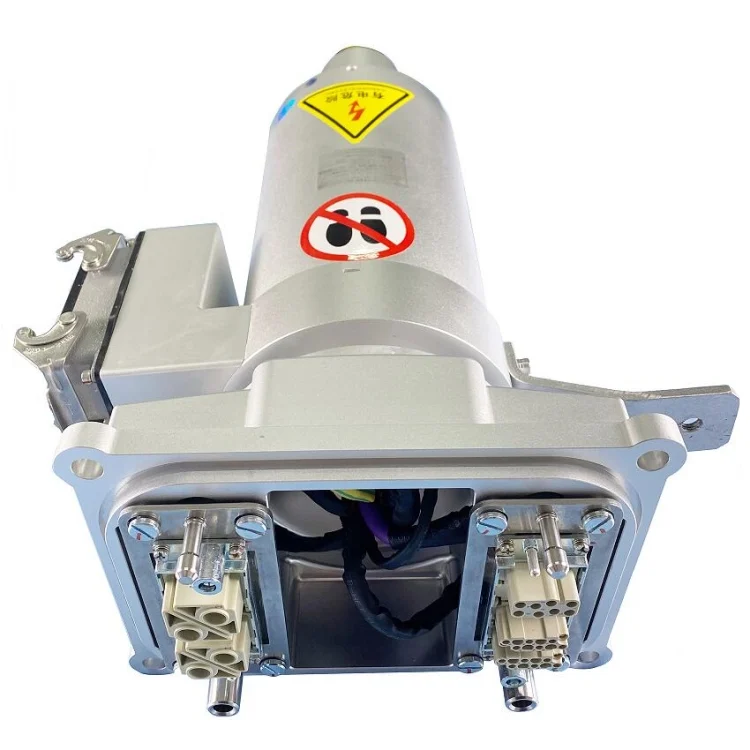
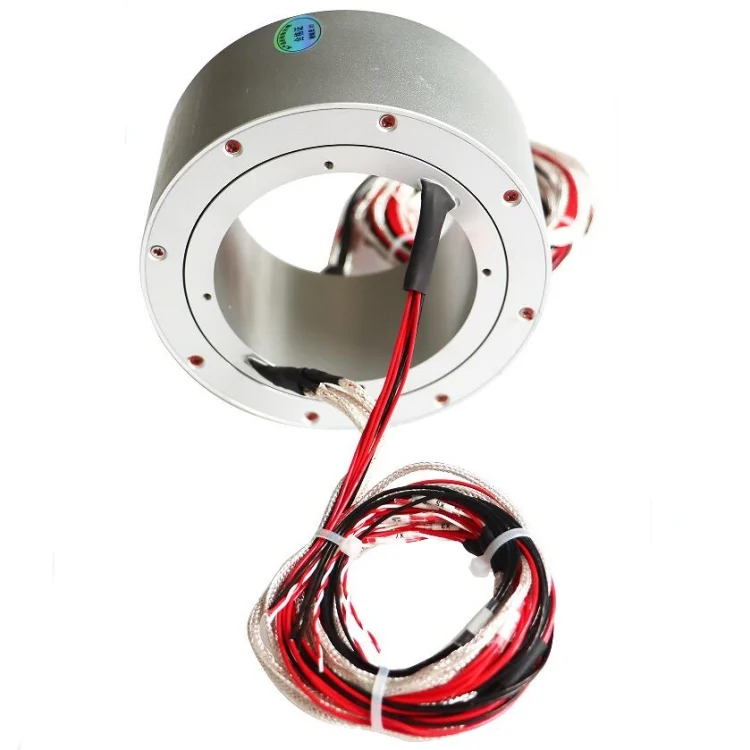
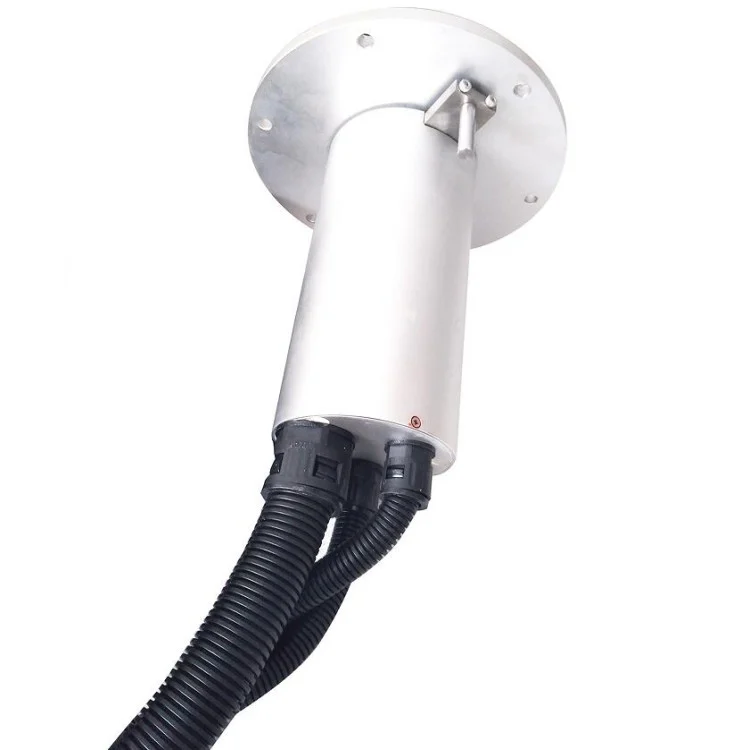
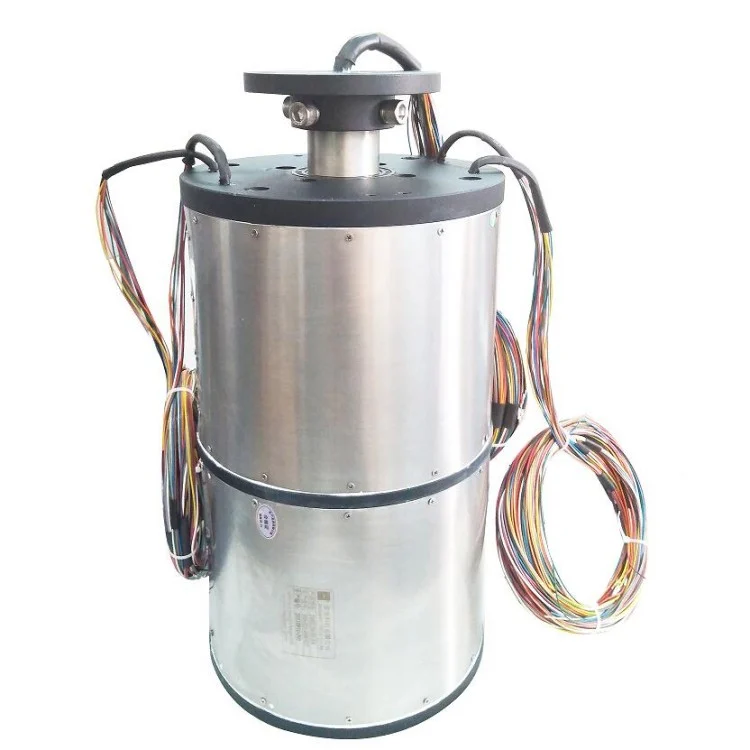
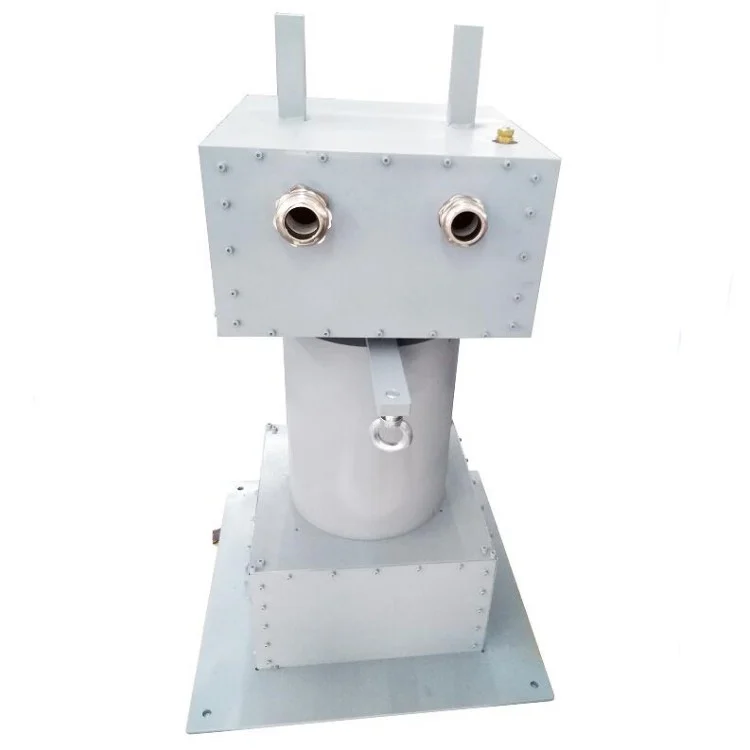
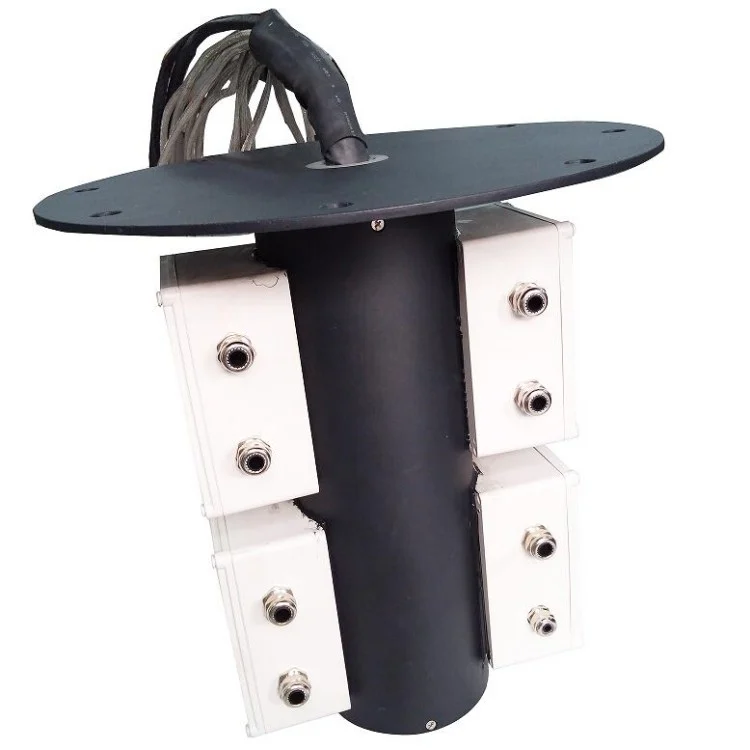
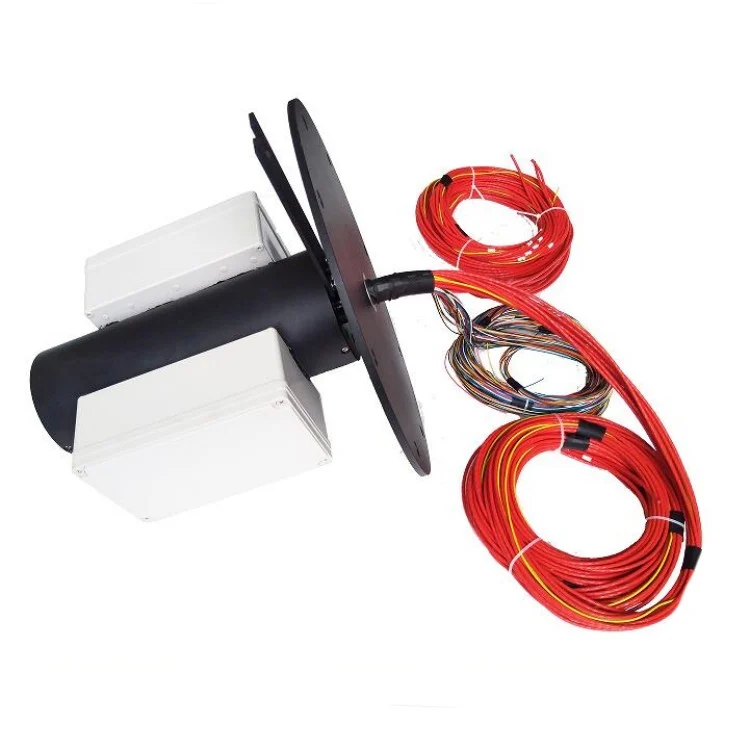
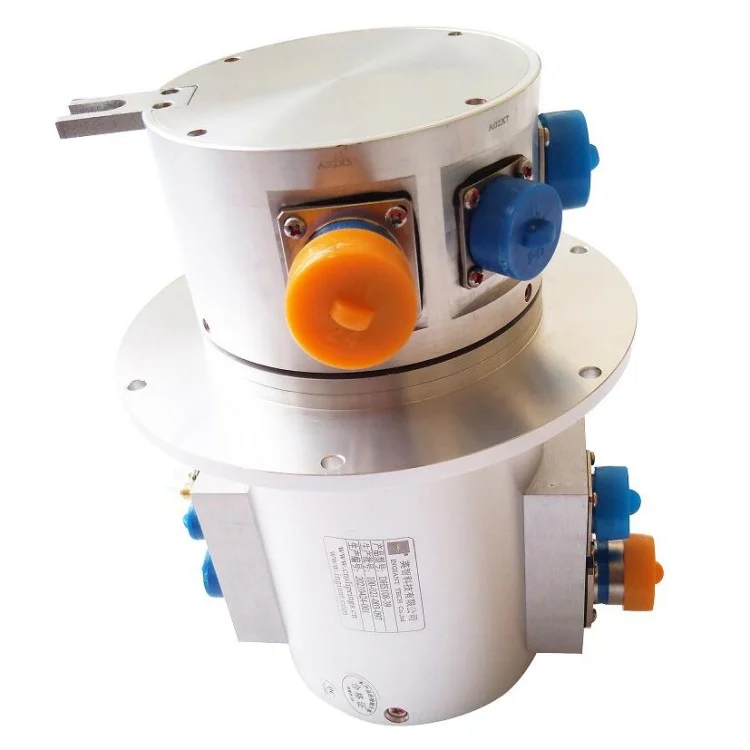
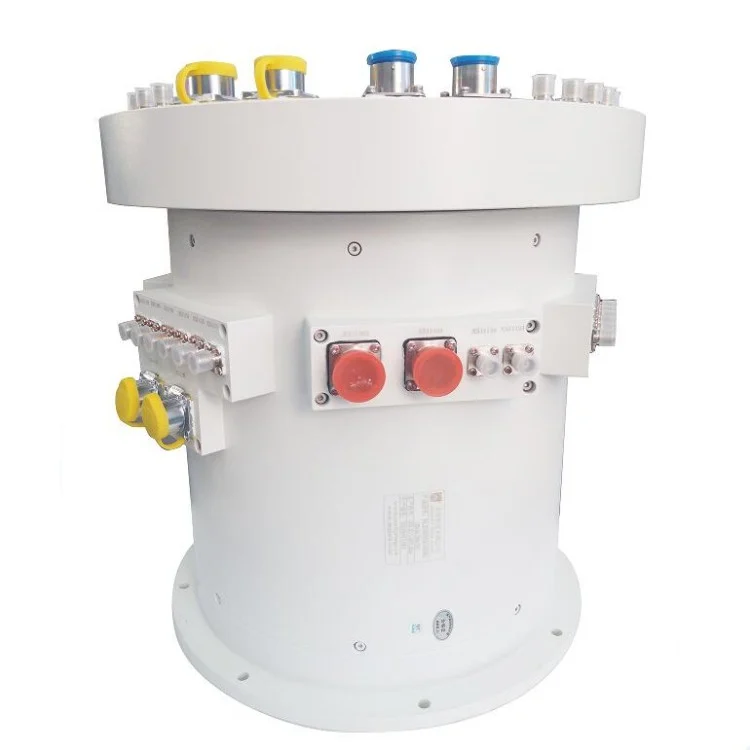
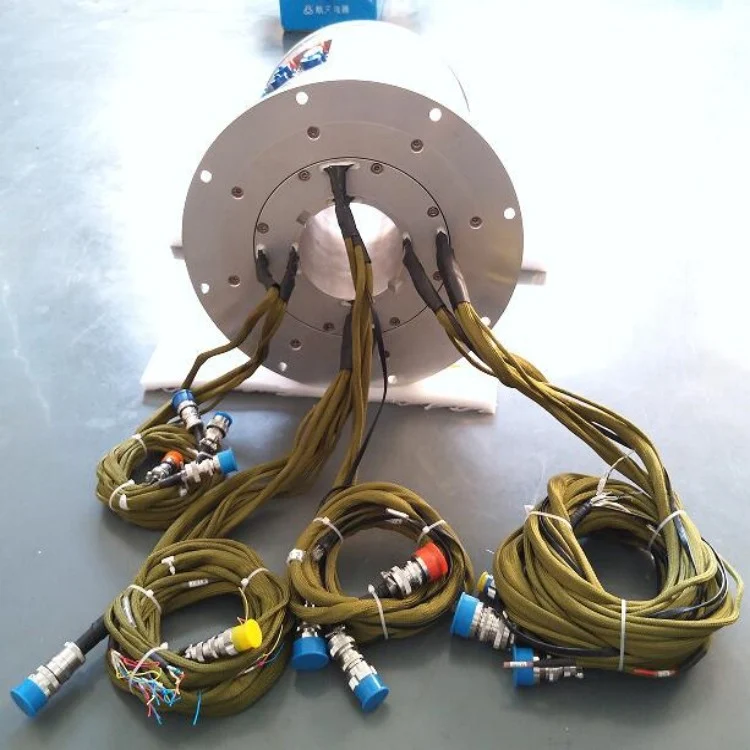
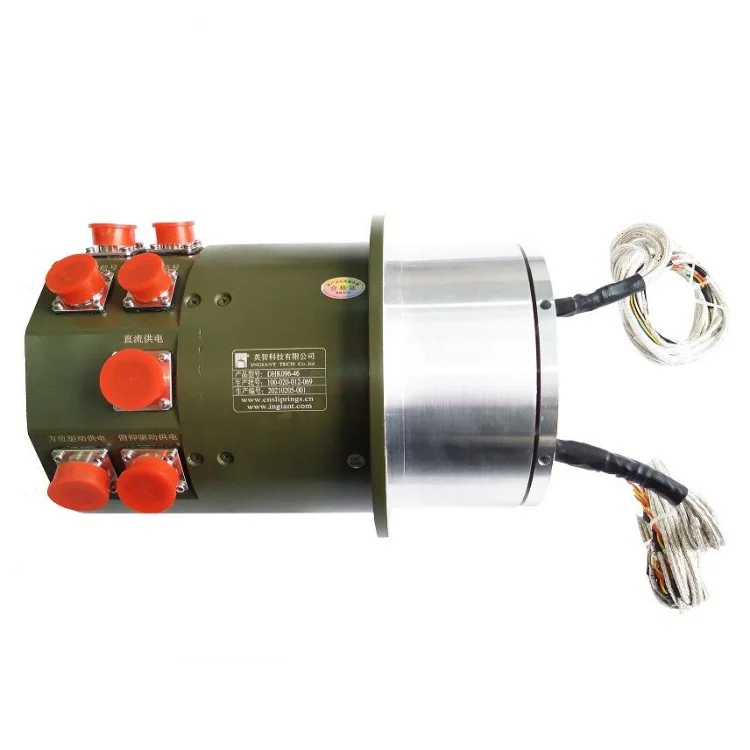
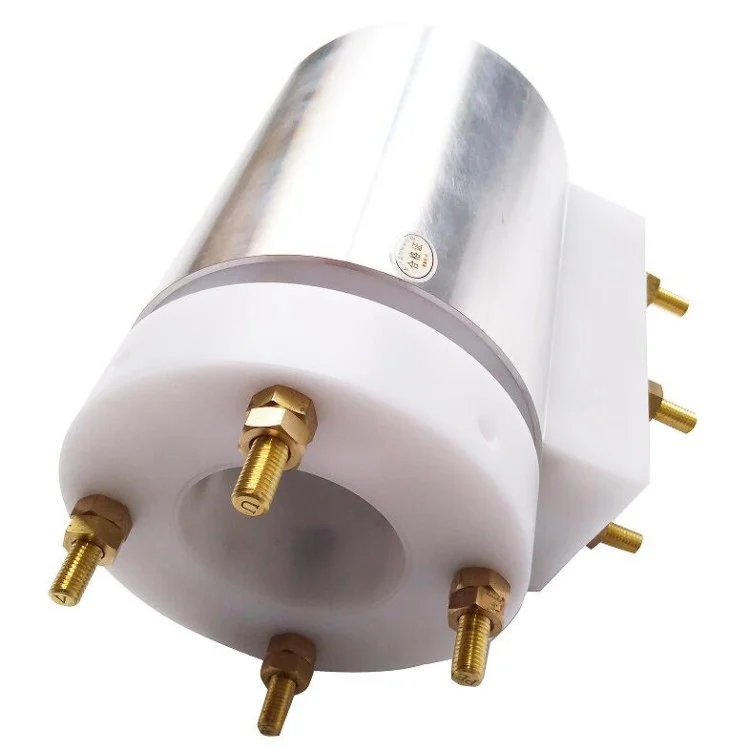
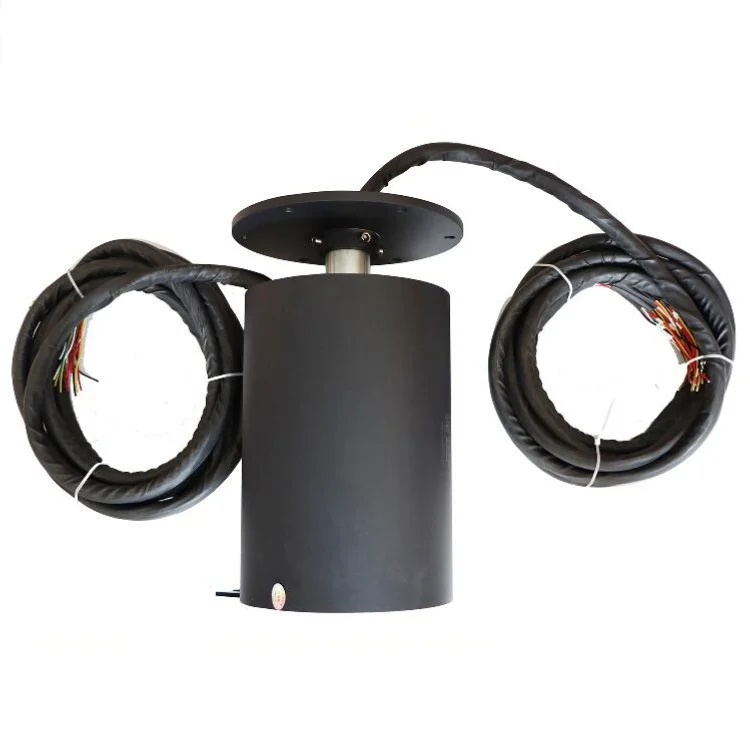
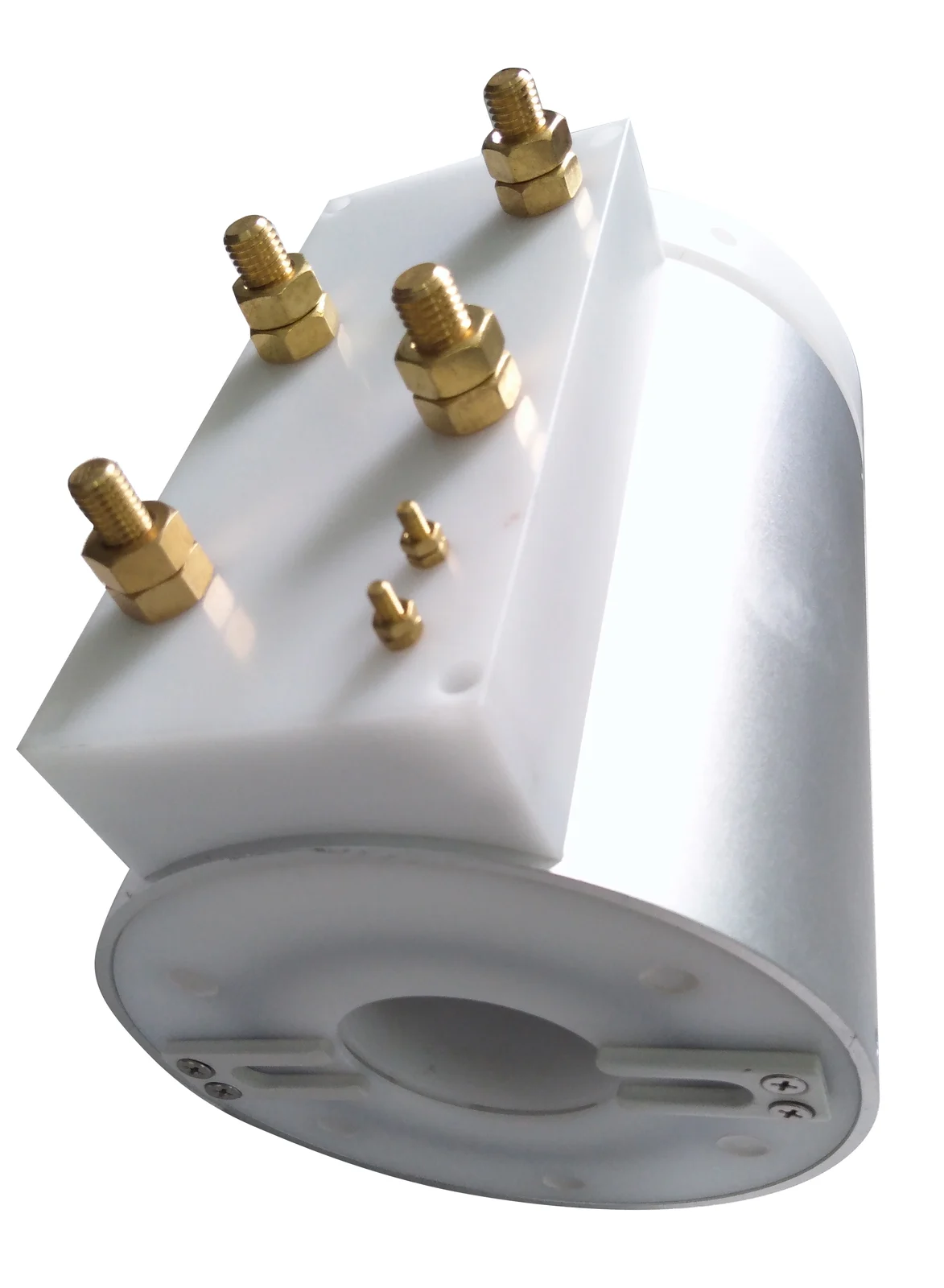
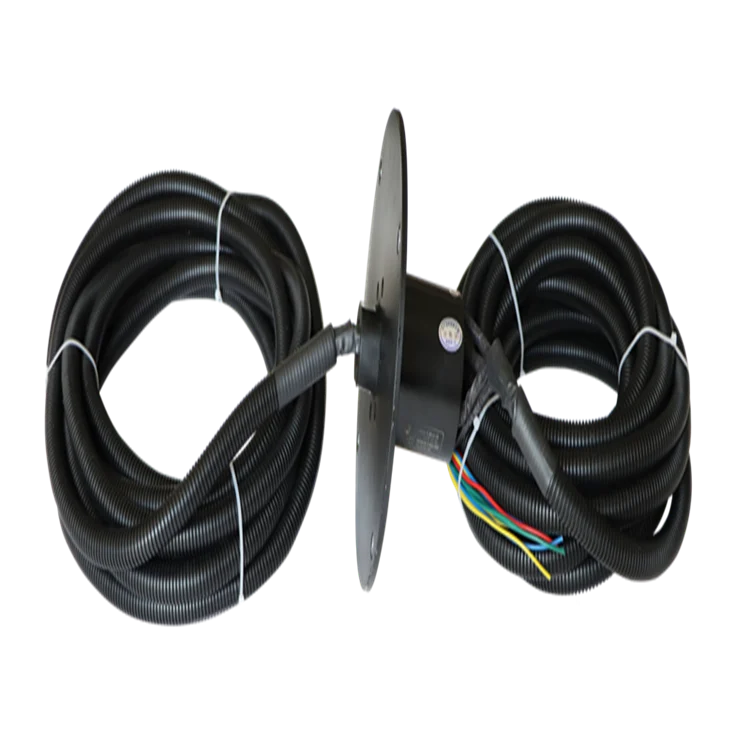
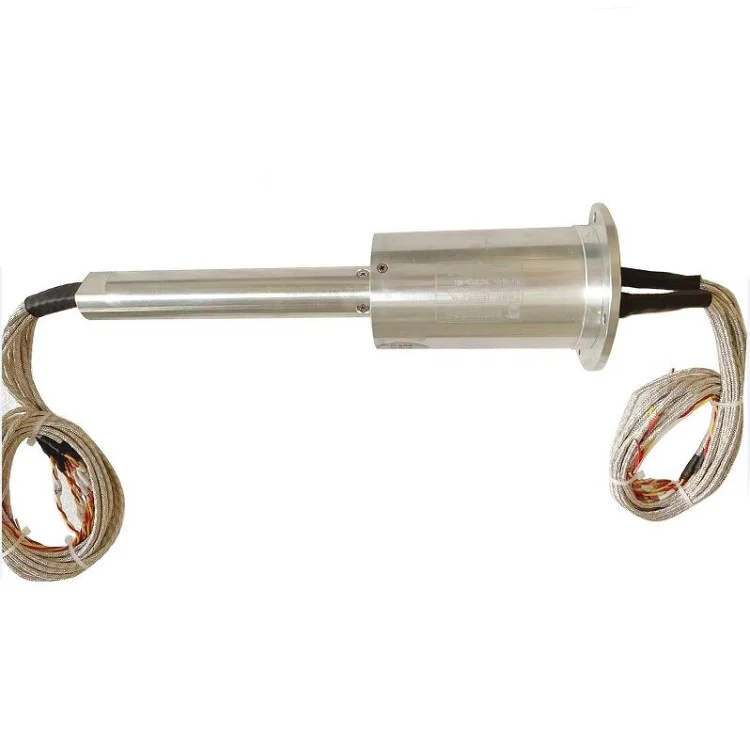
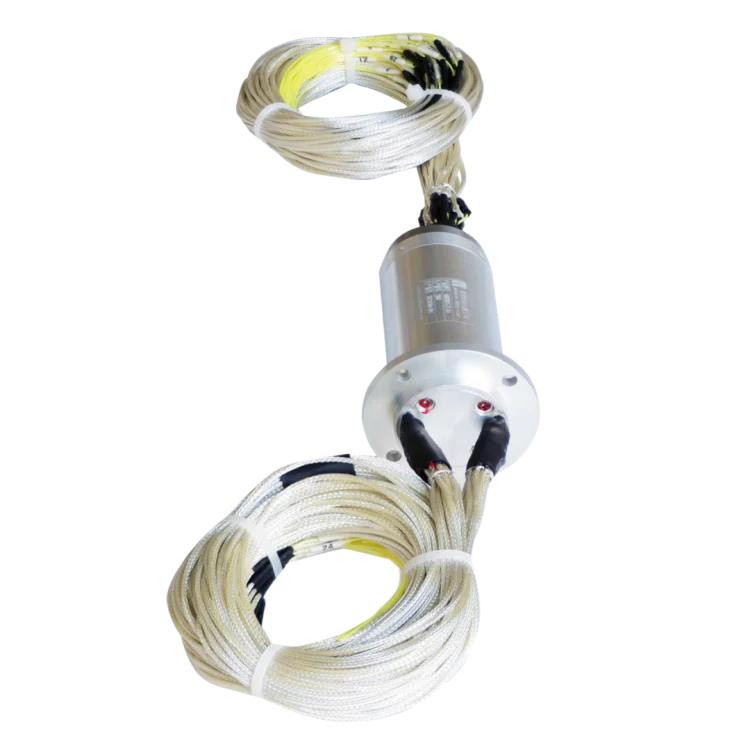
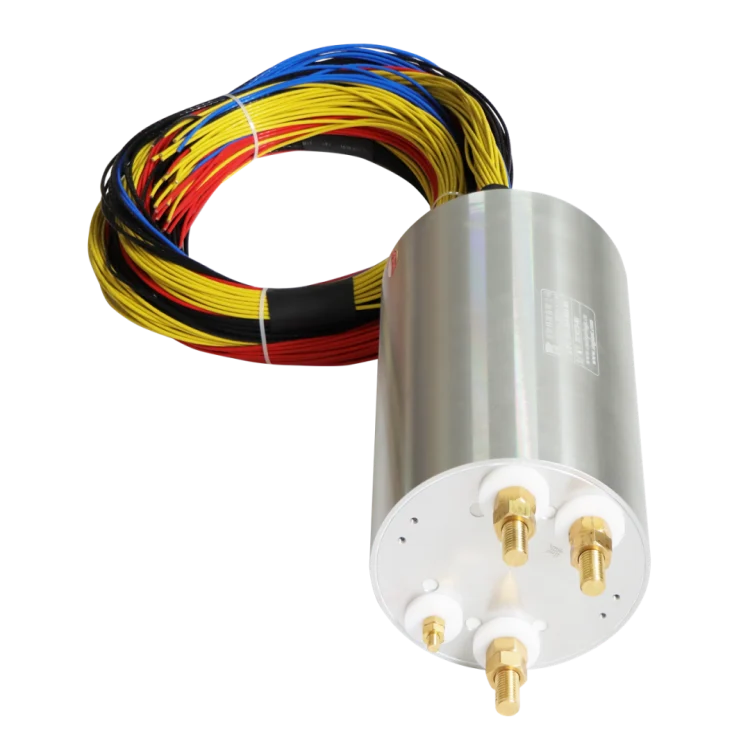
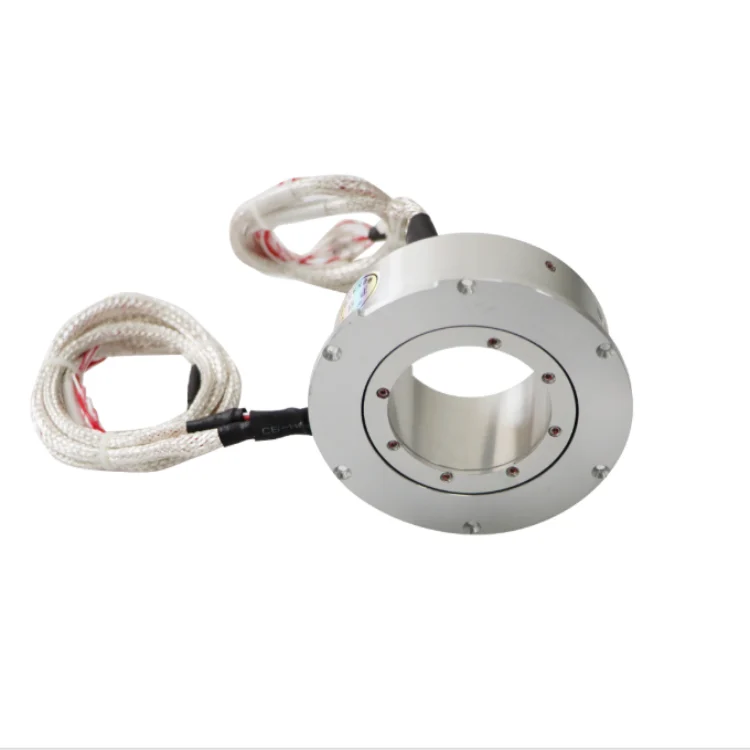
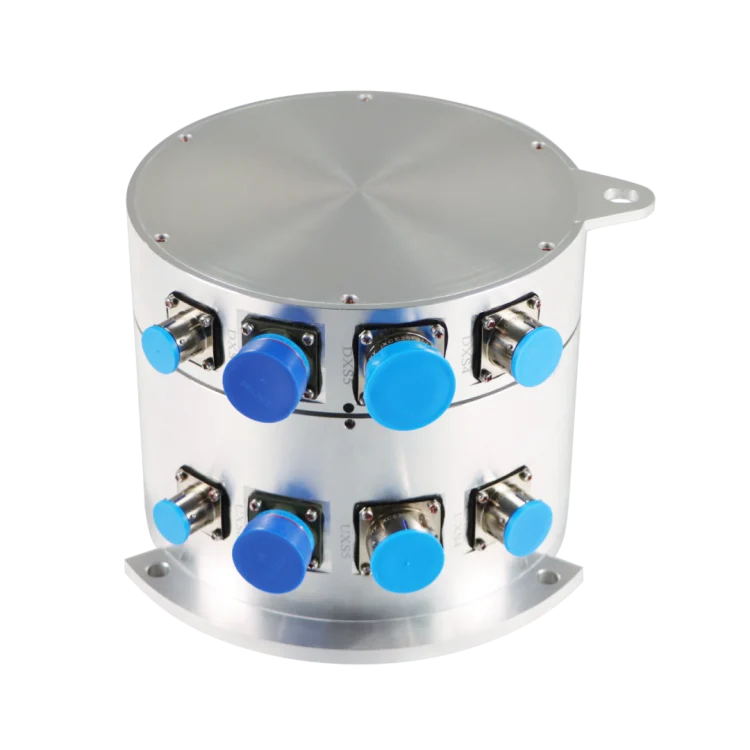
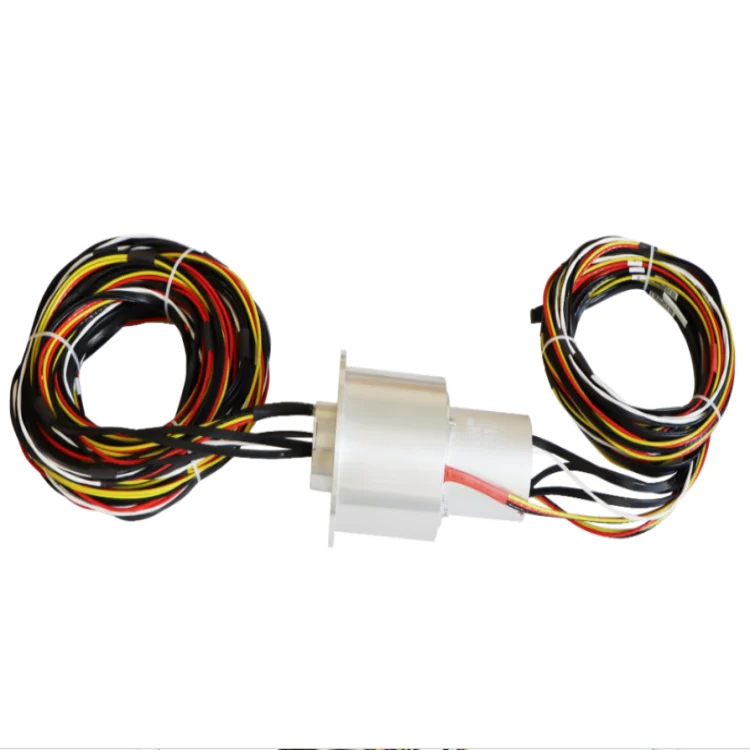
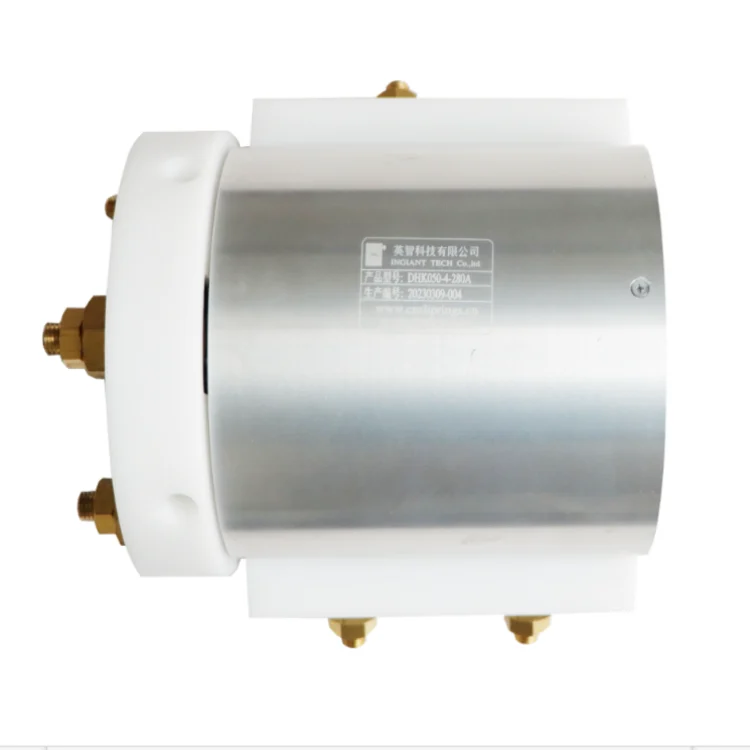
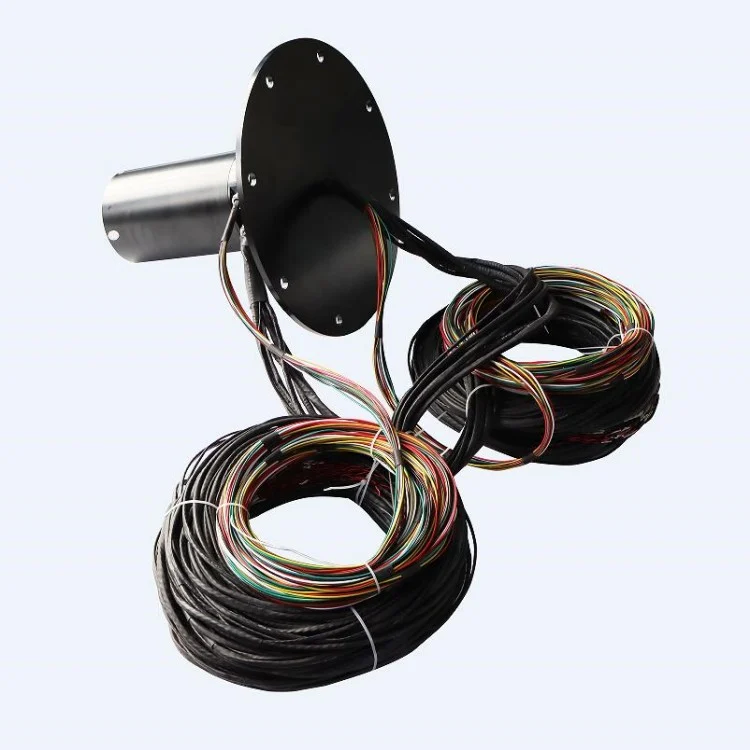
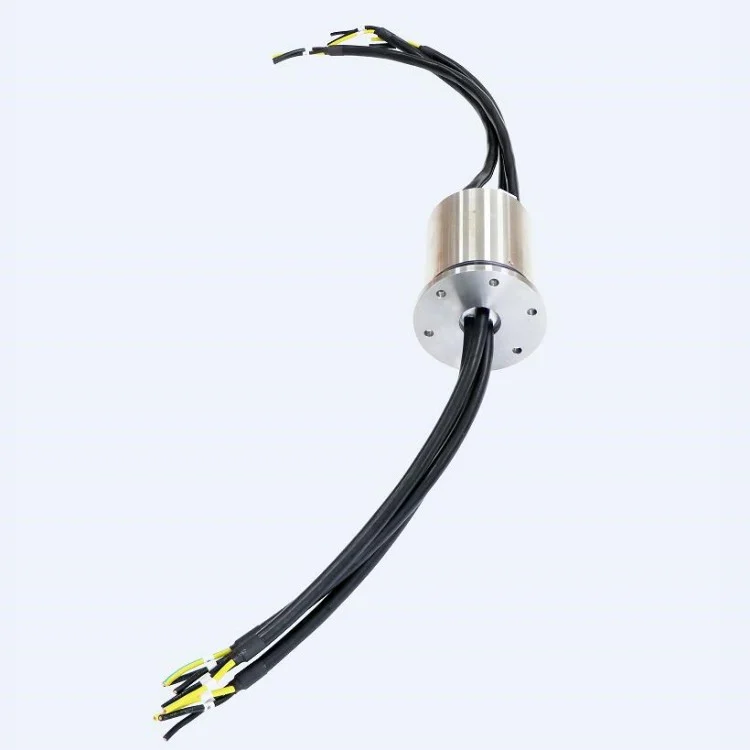
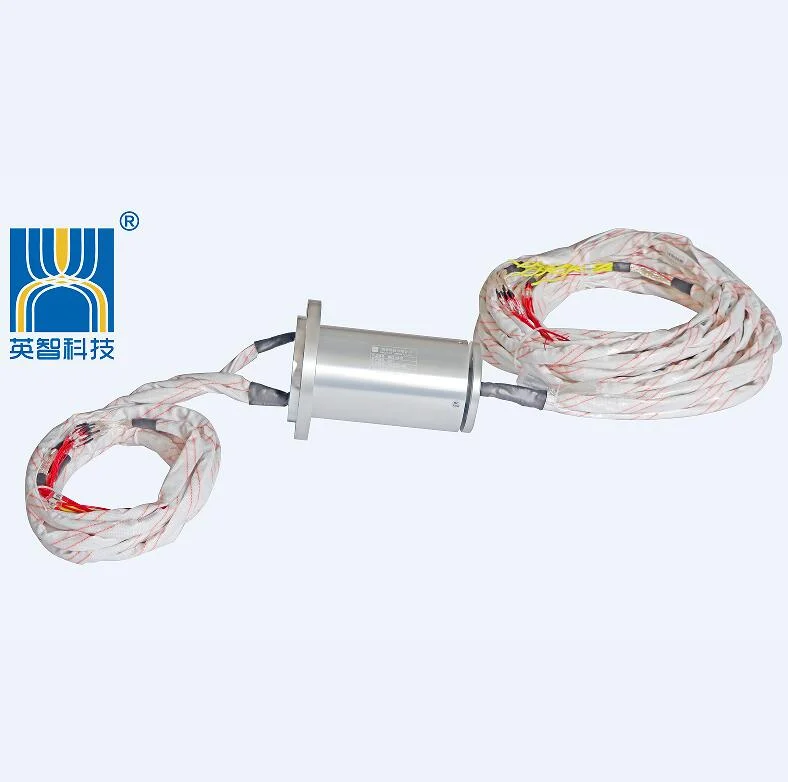
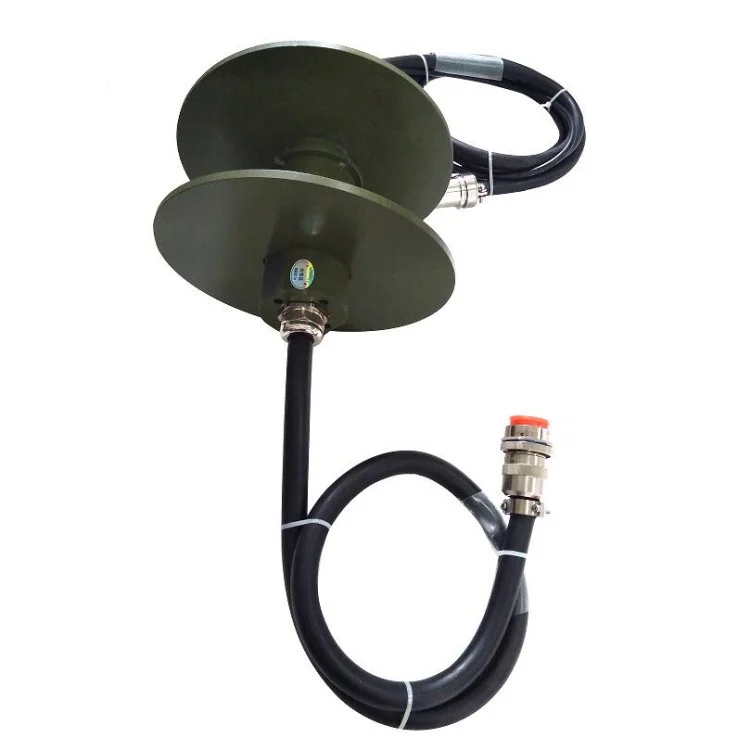
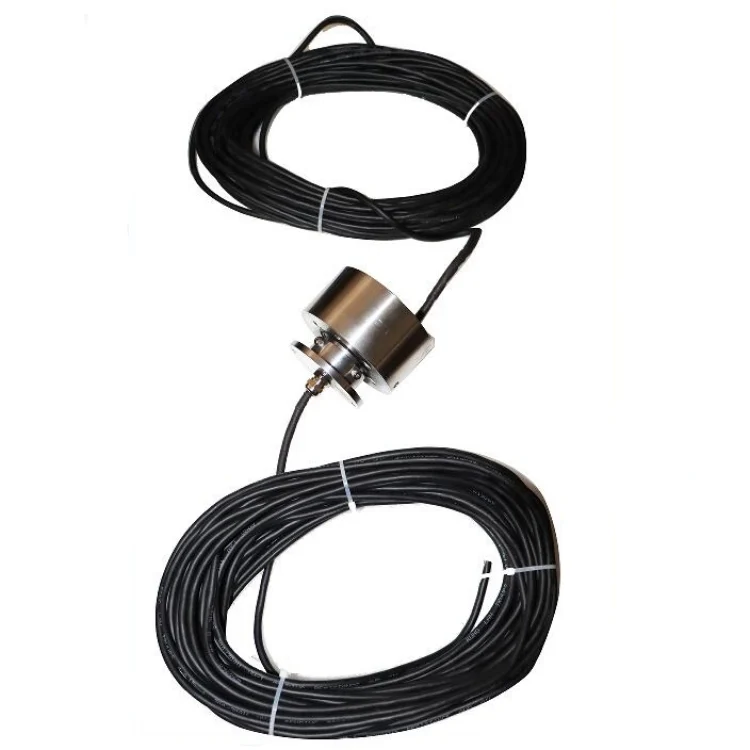
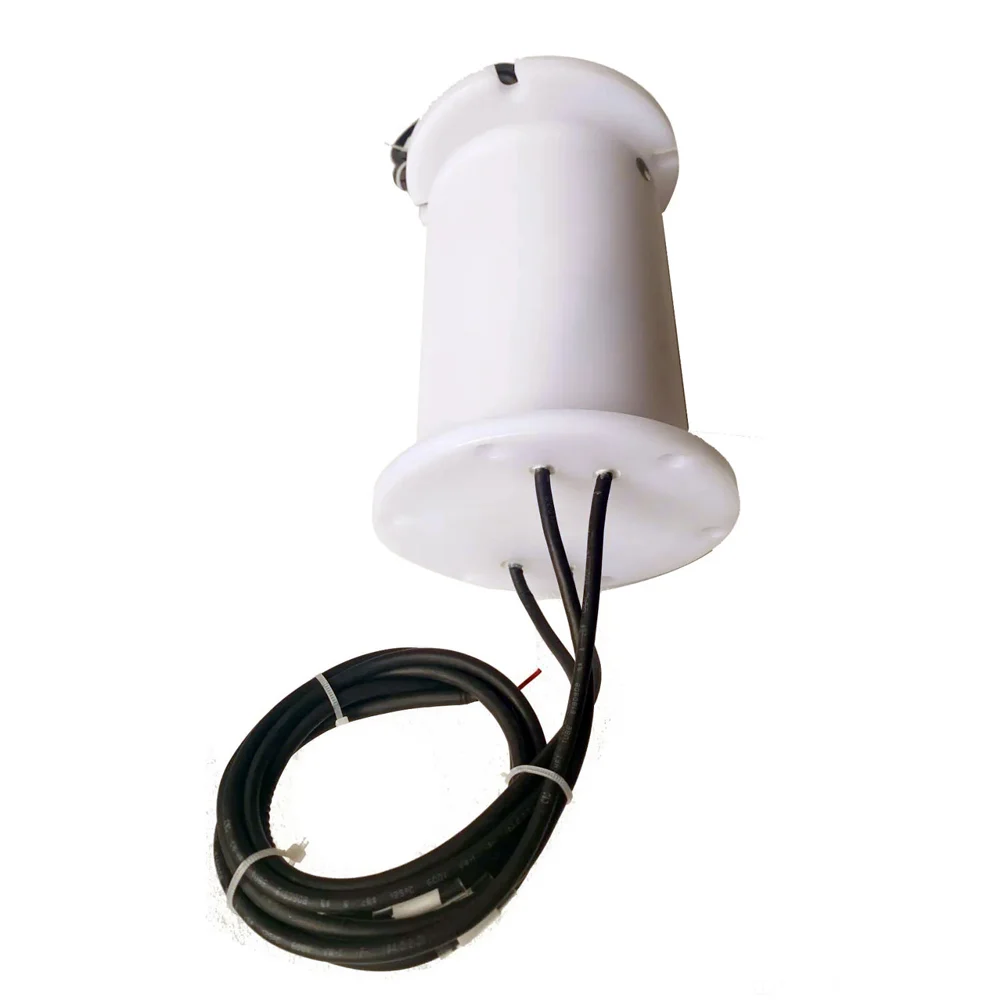
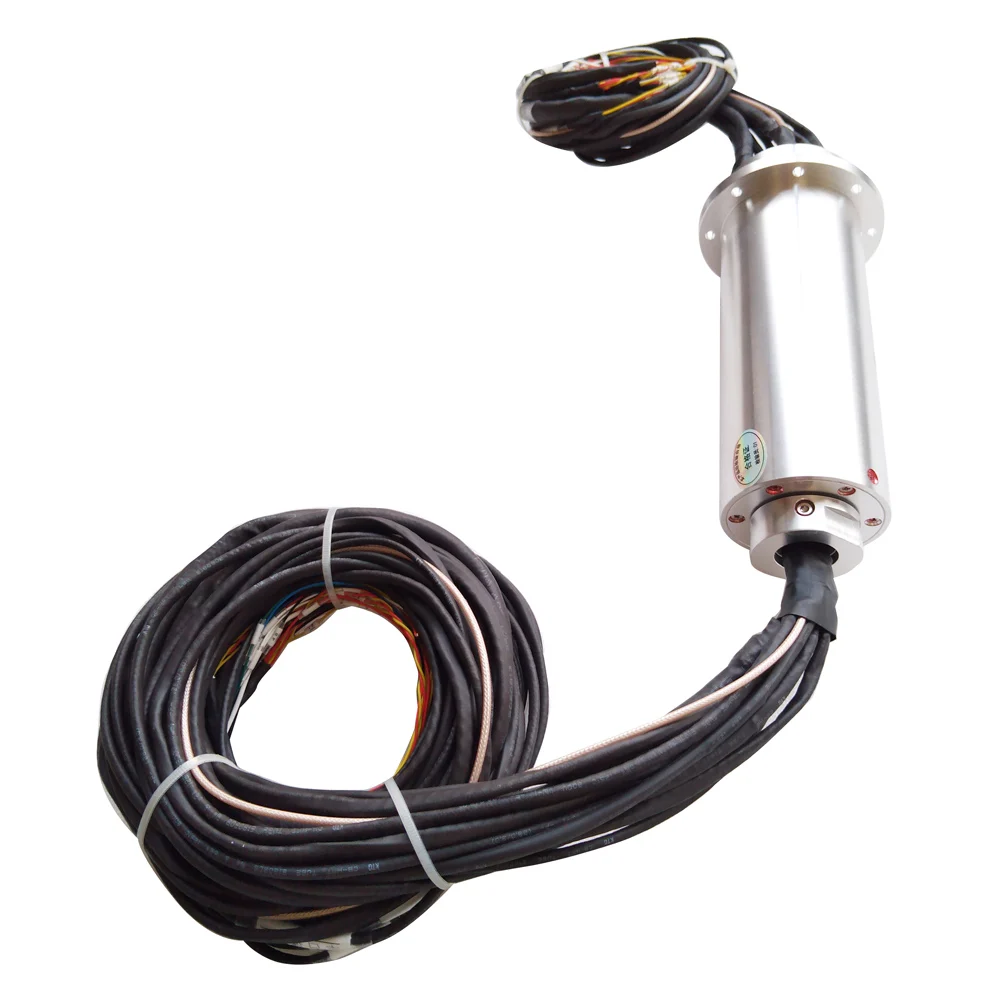
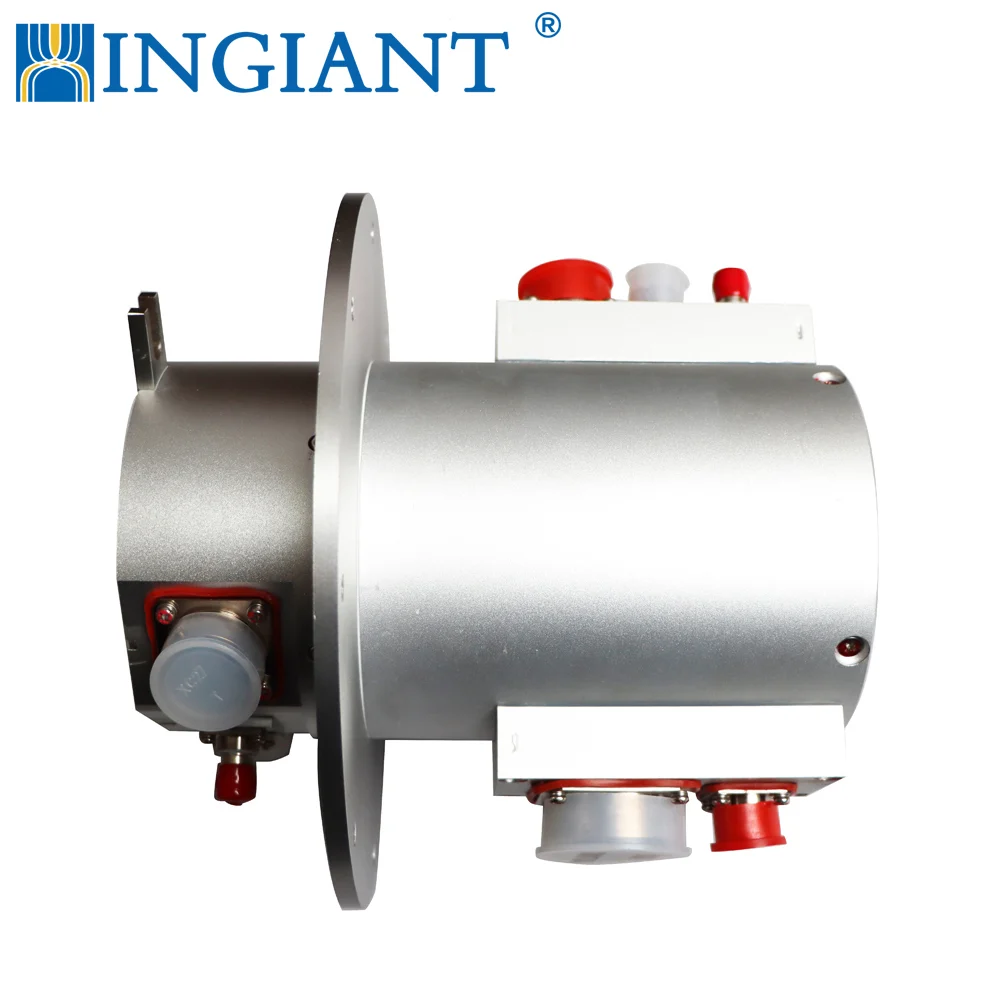
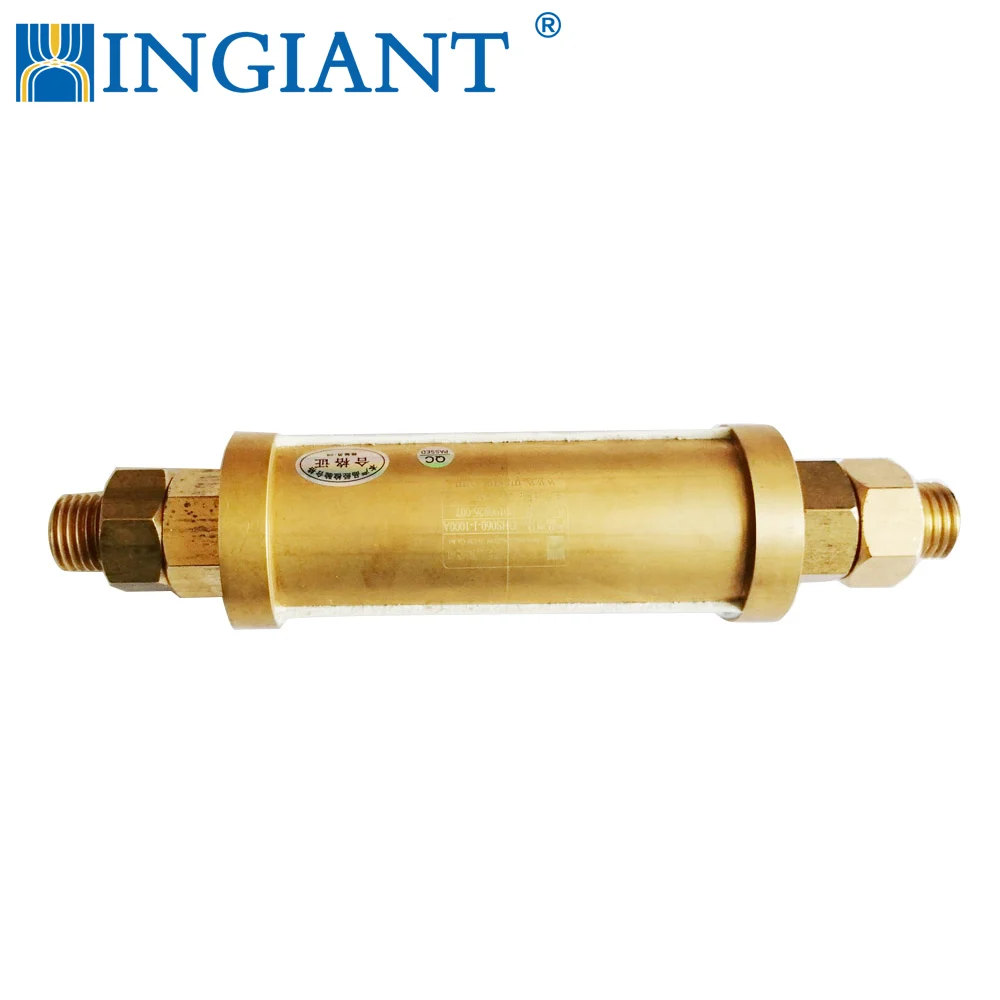
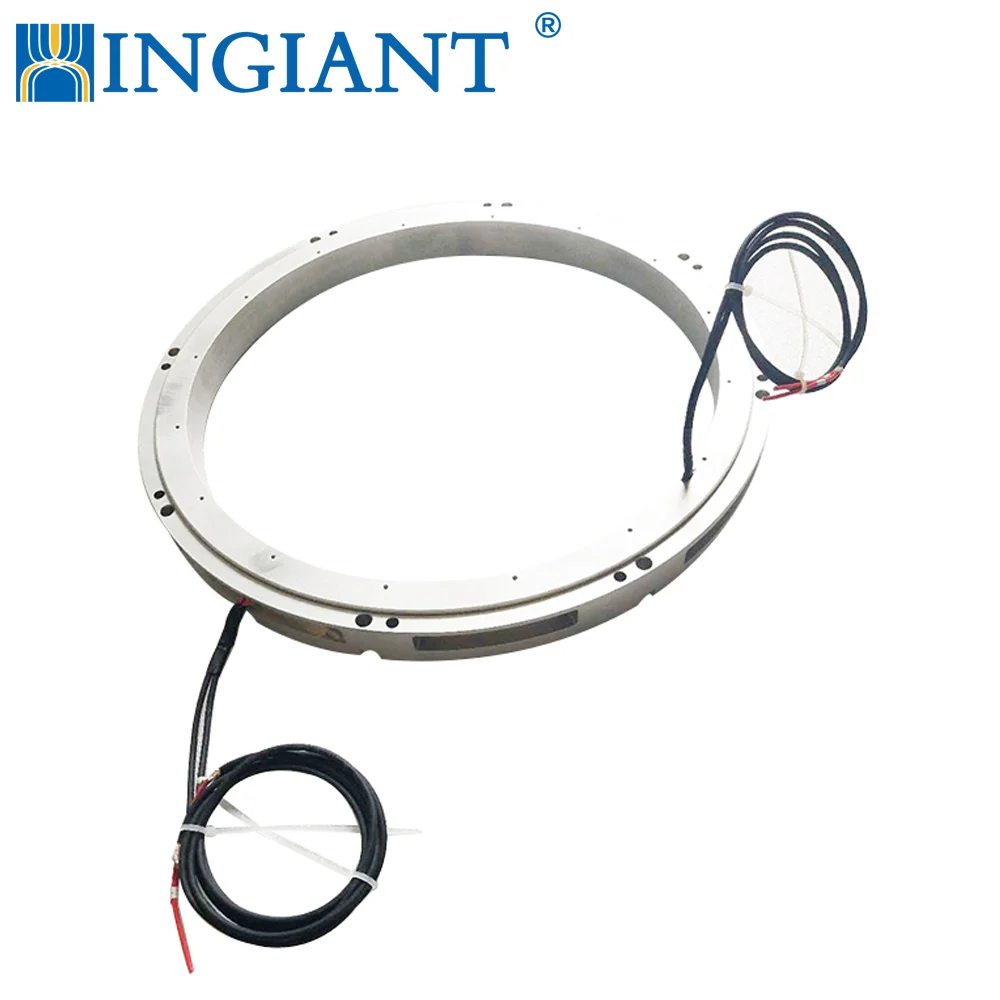
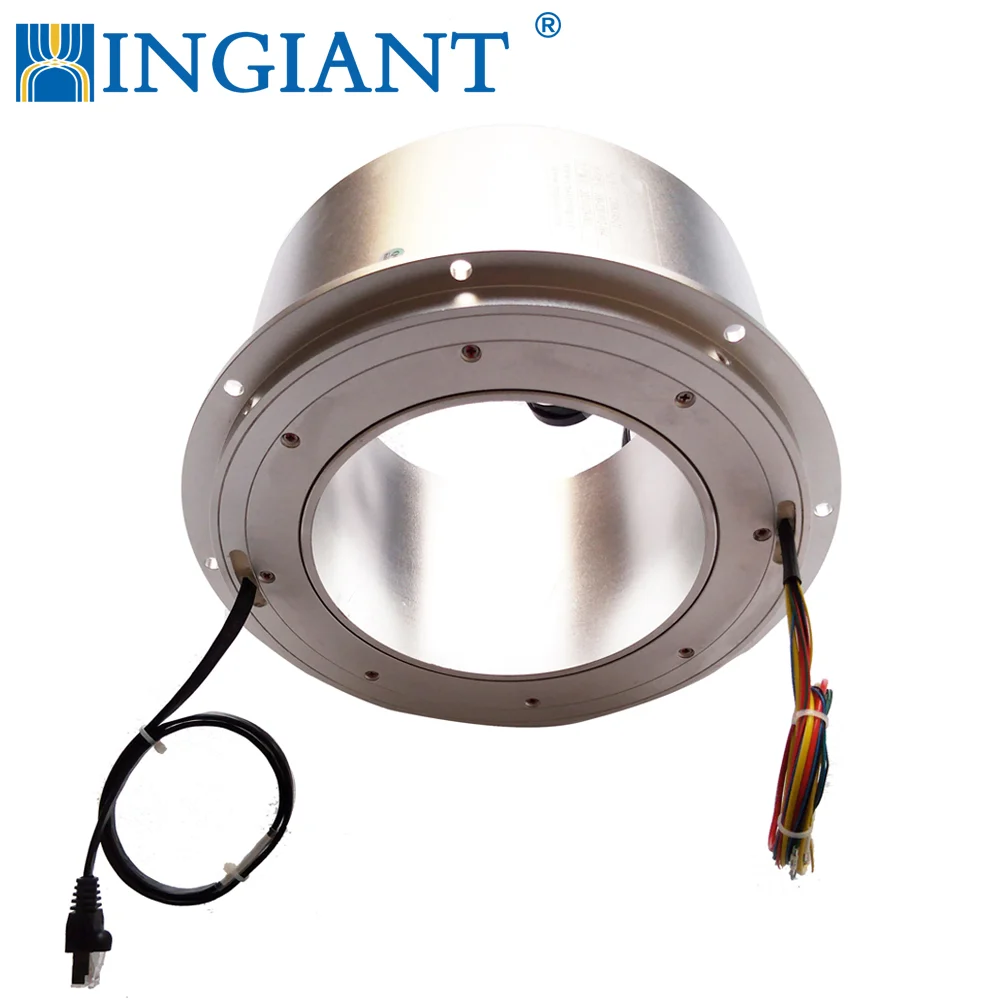
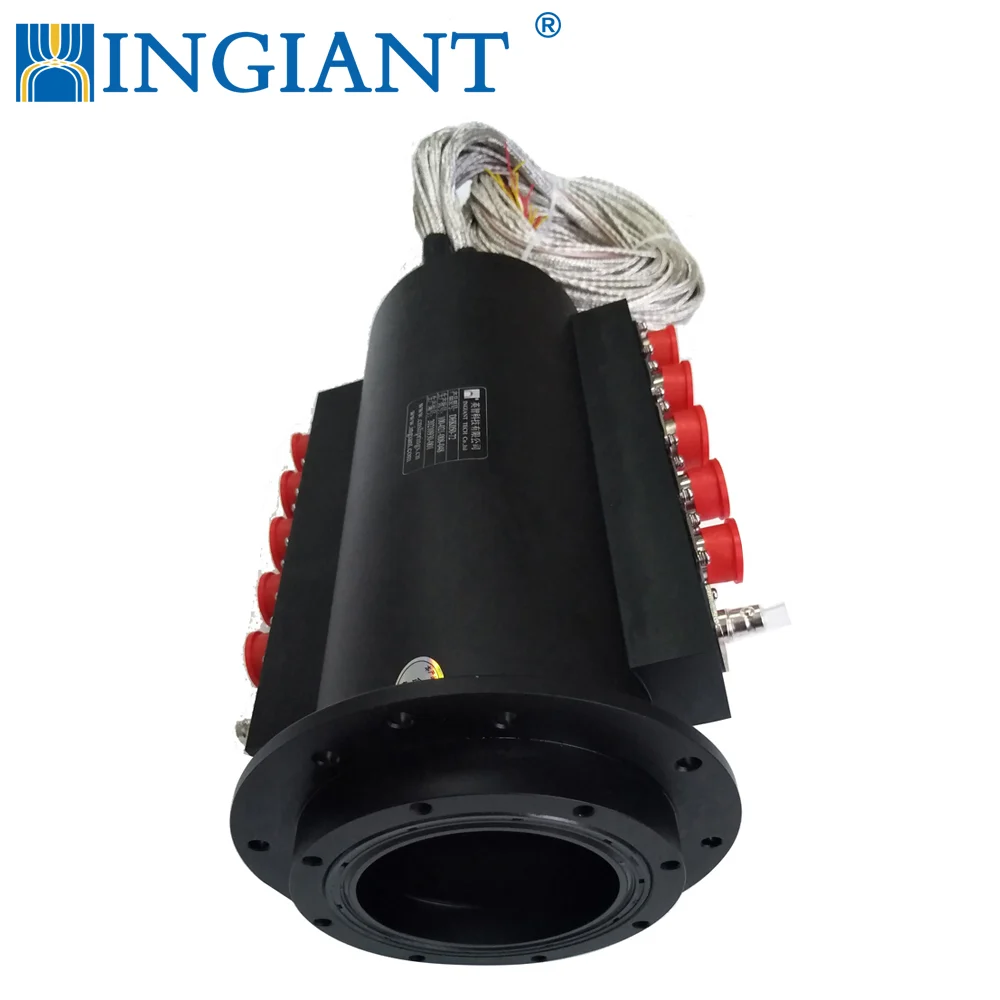
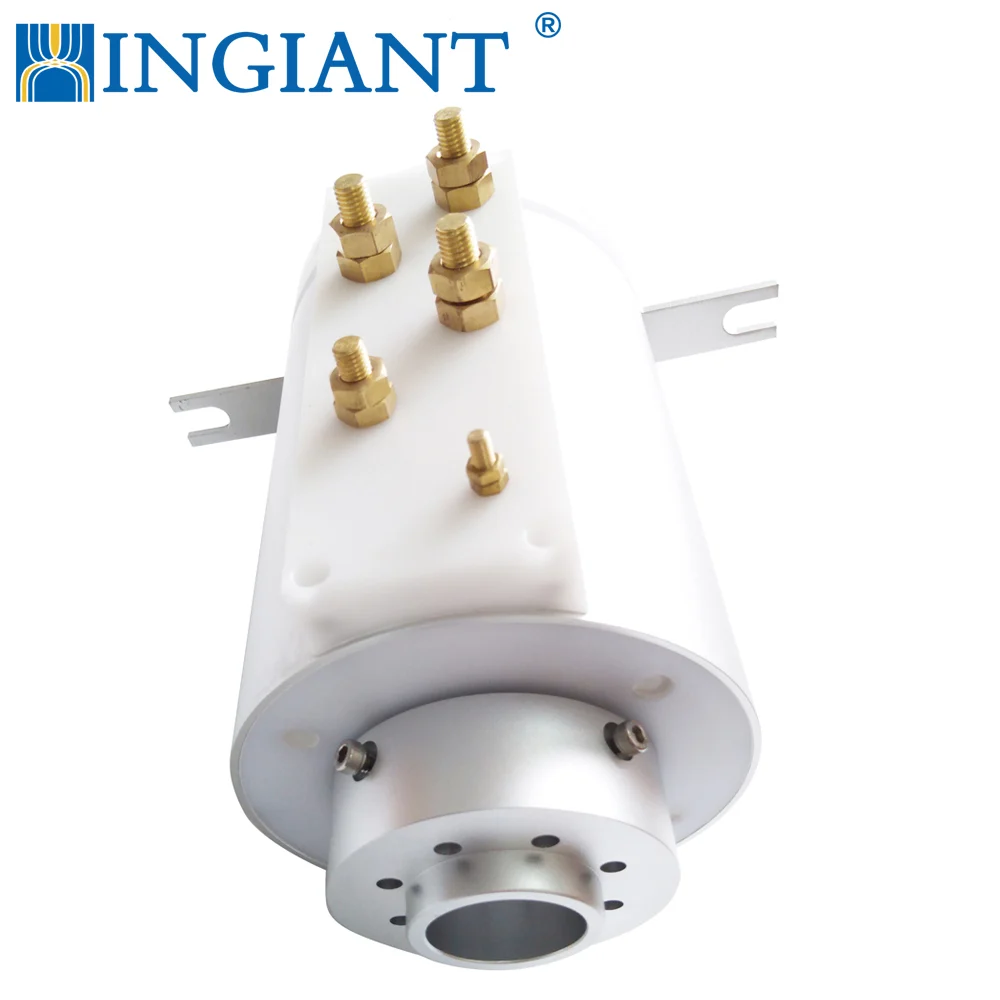
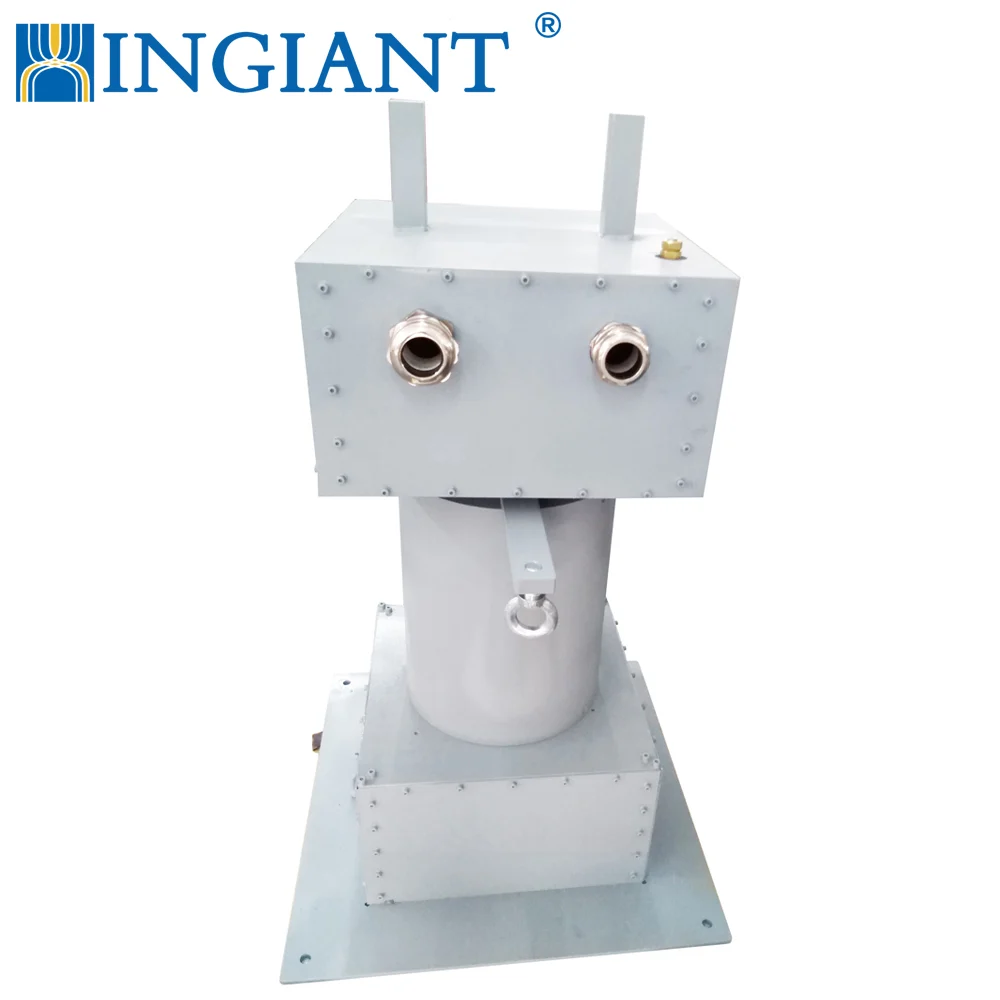
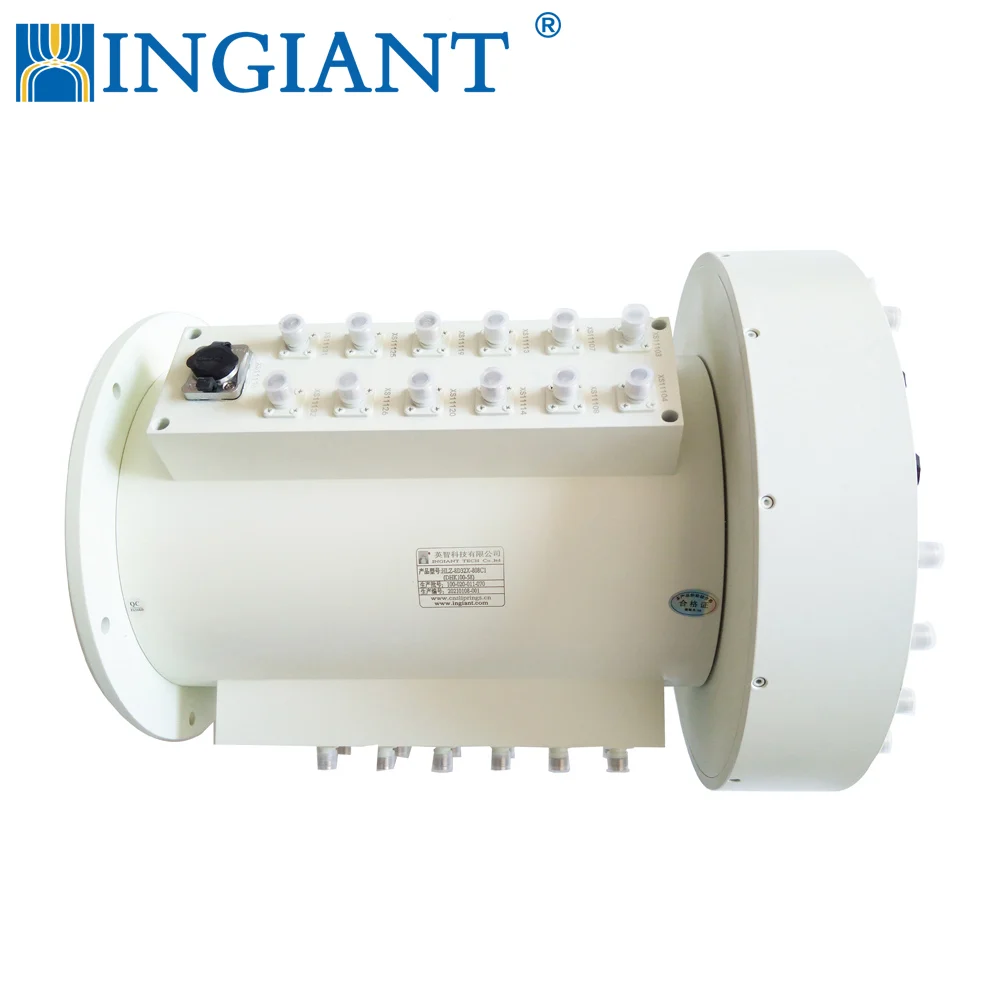
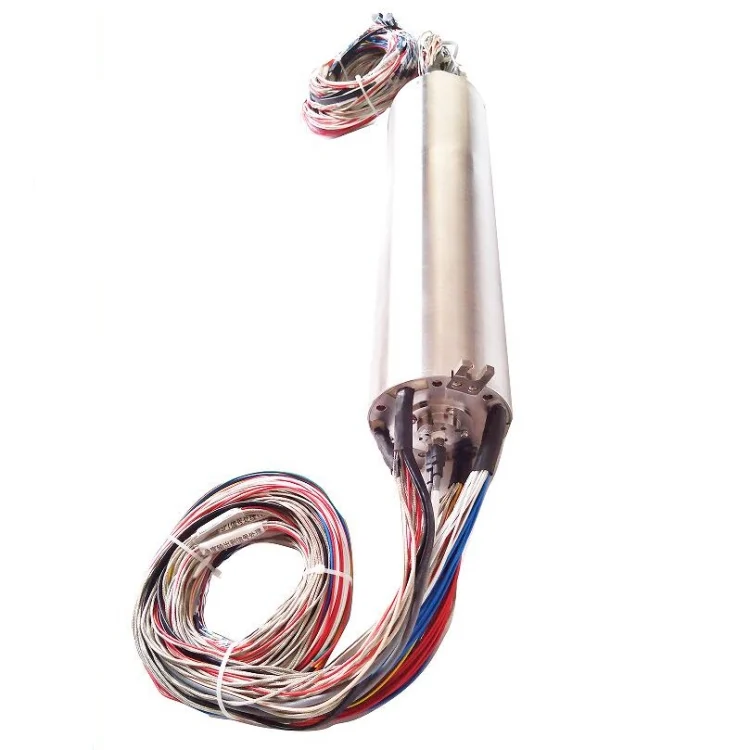
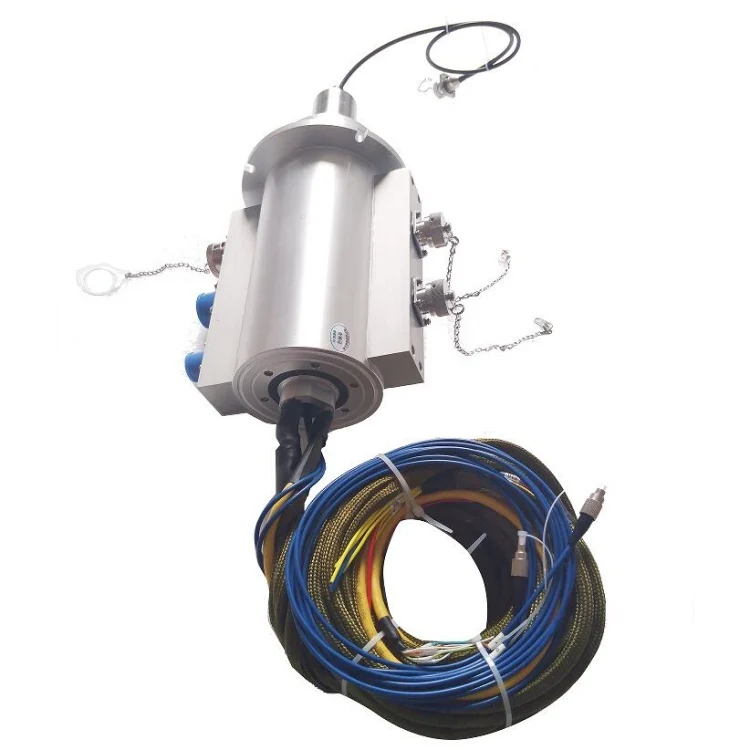
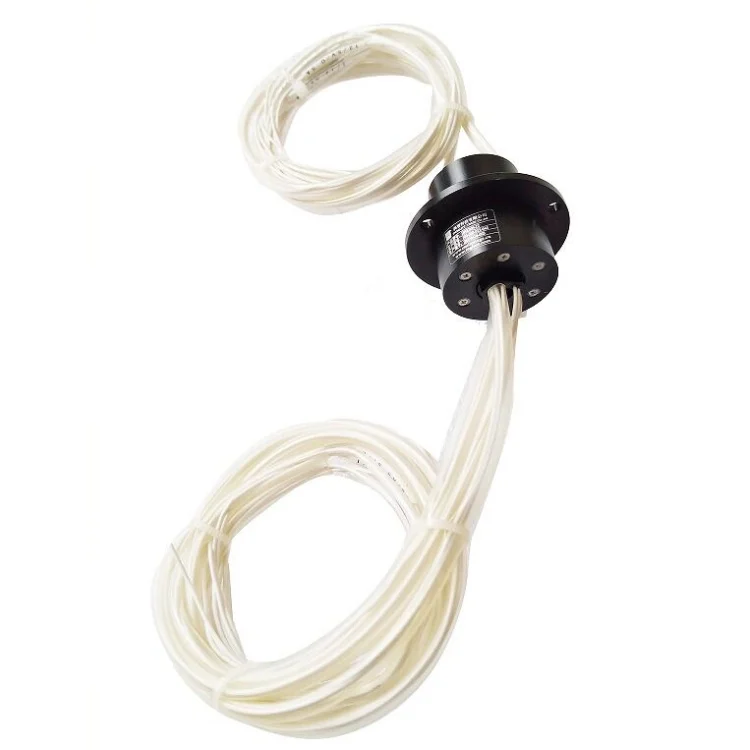
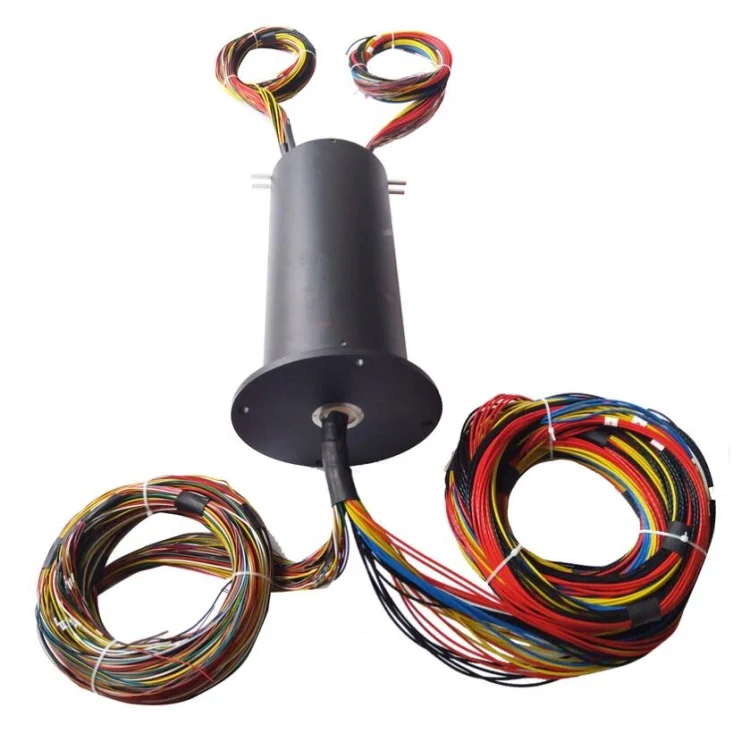
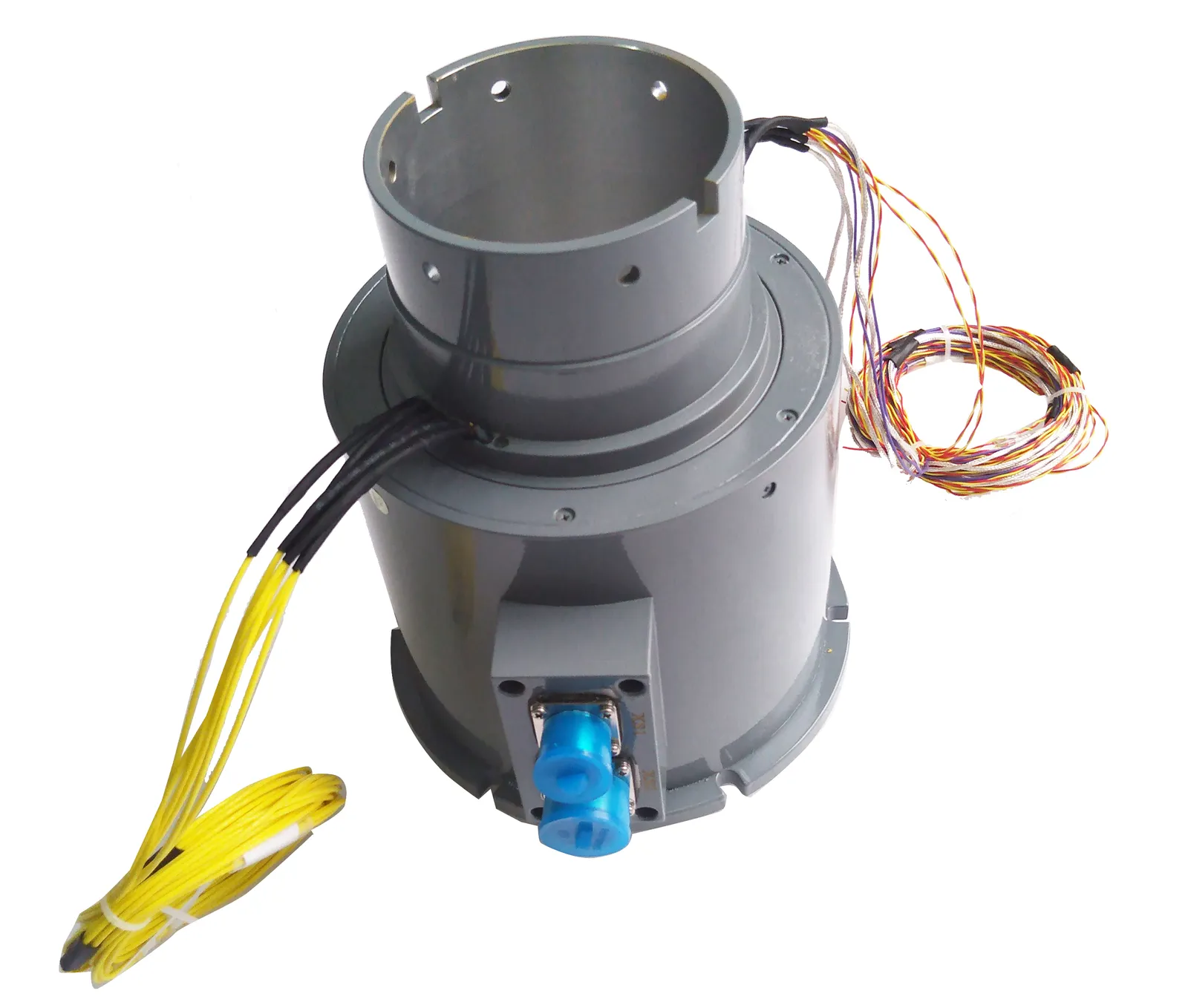
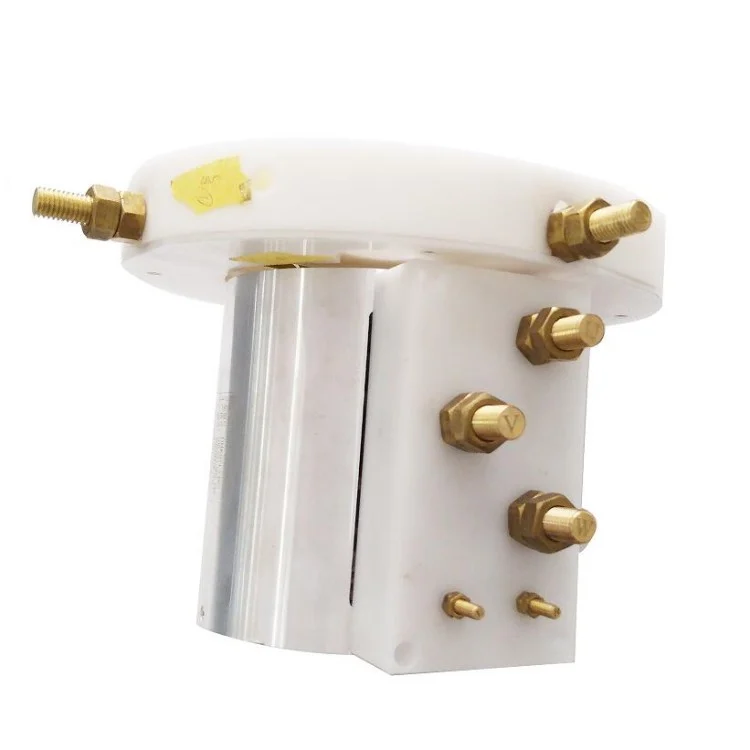
What This Family Is For
The constraint
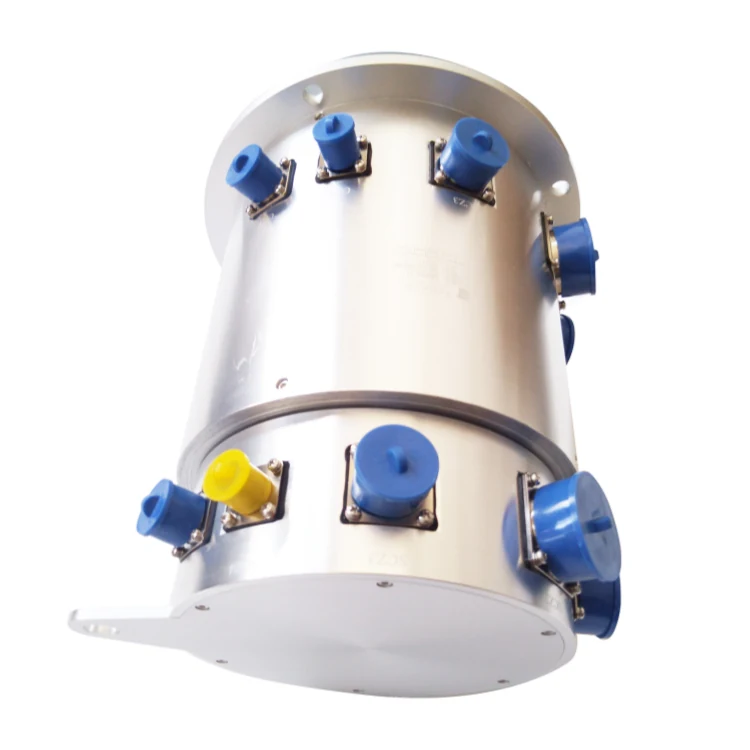
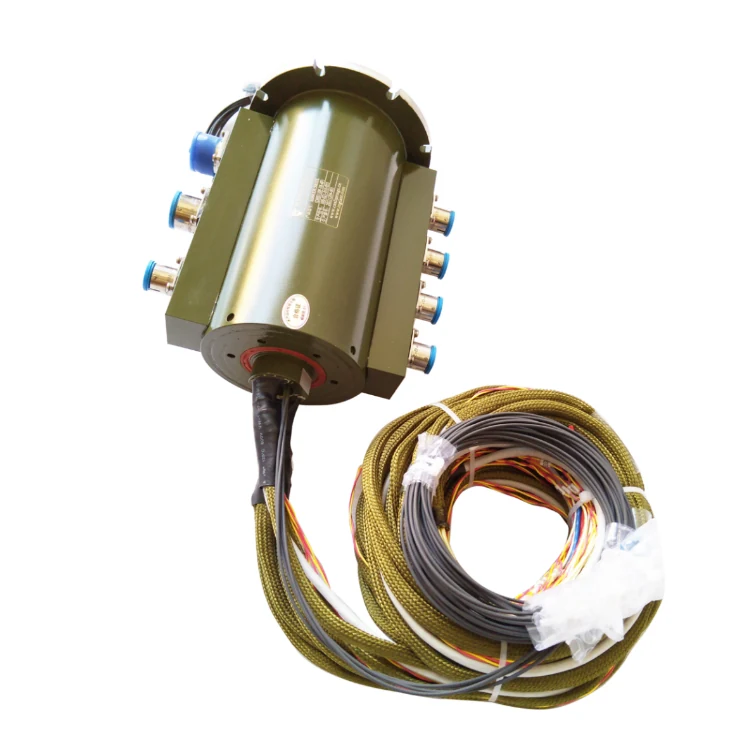
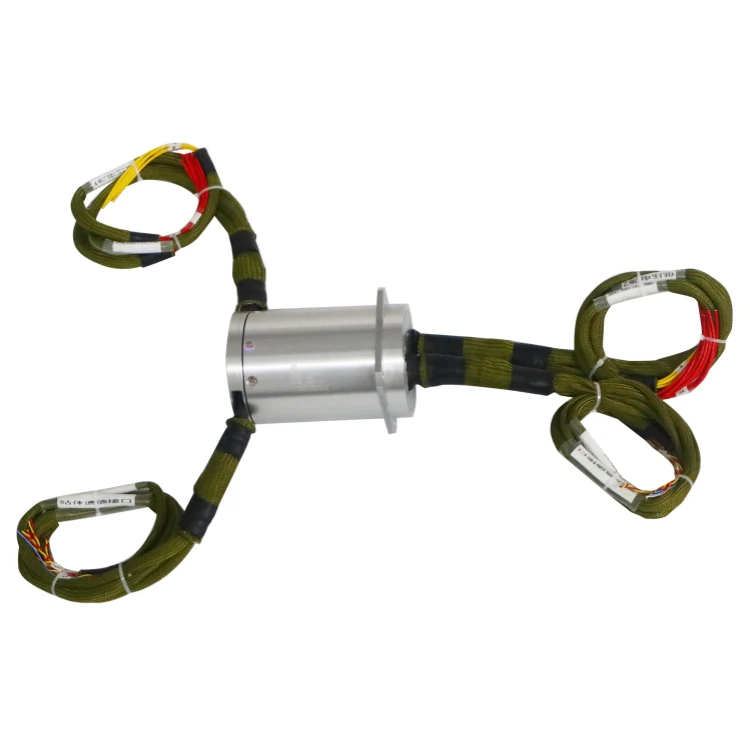
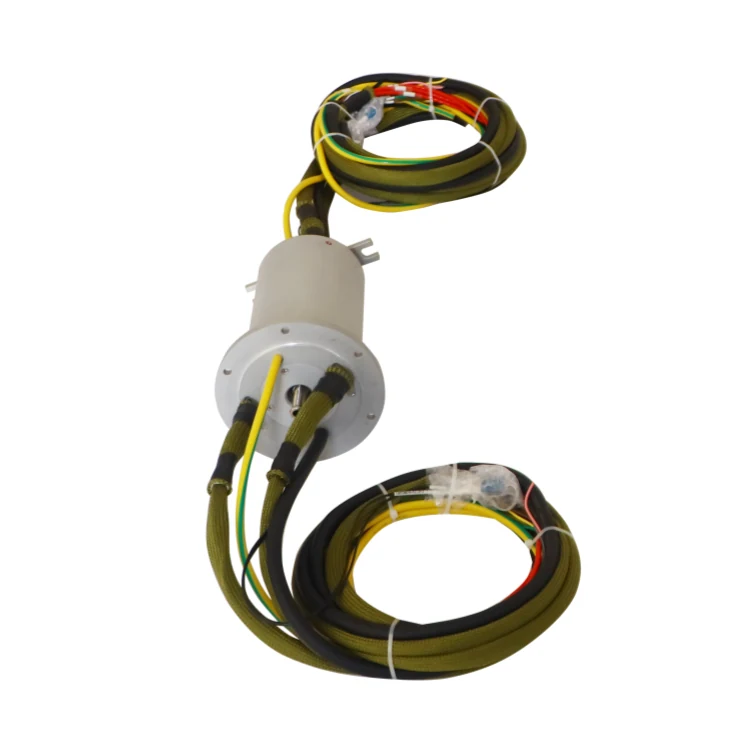
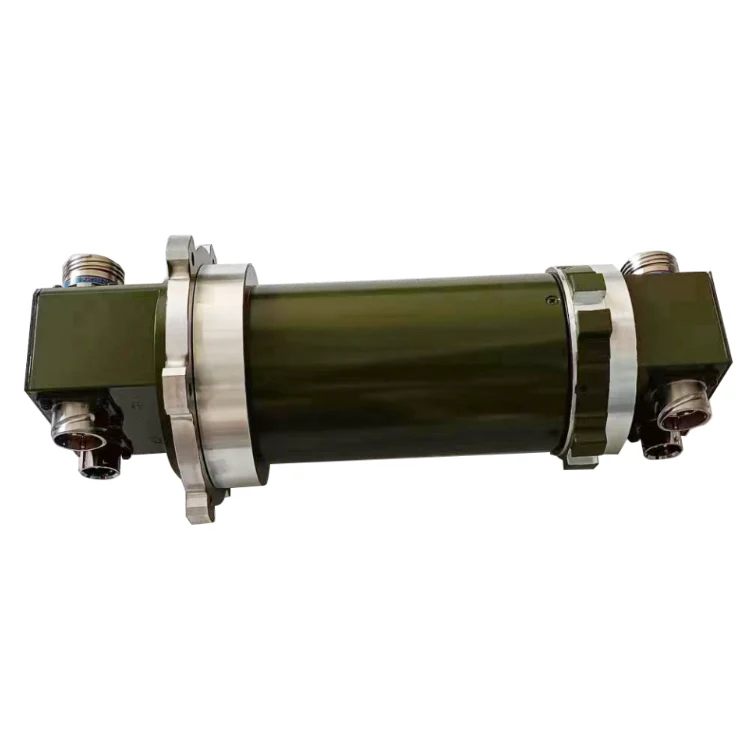
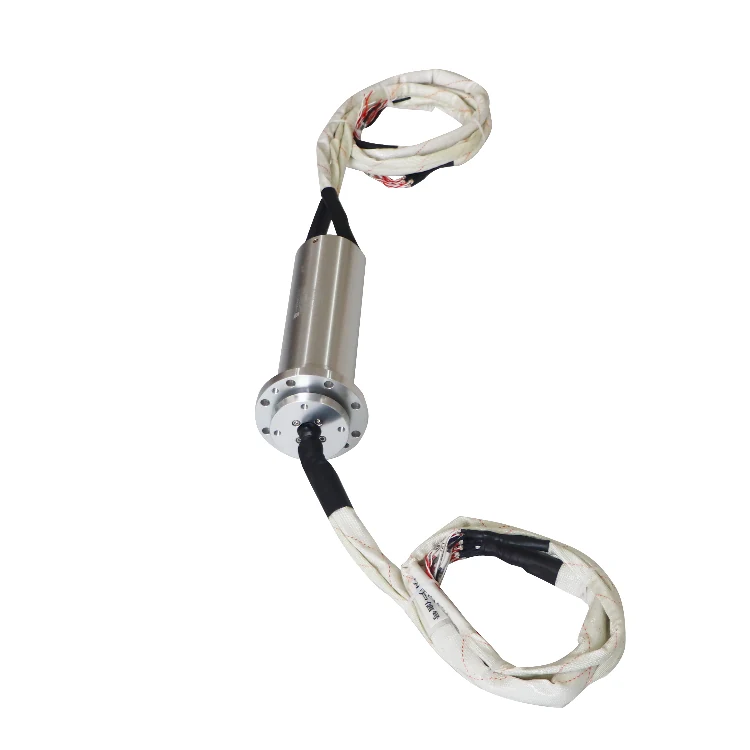
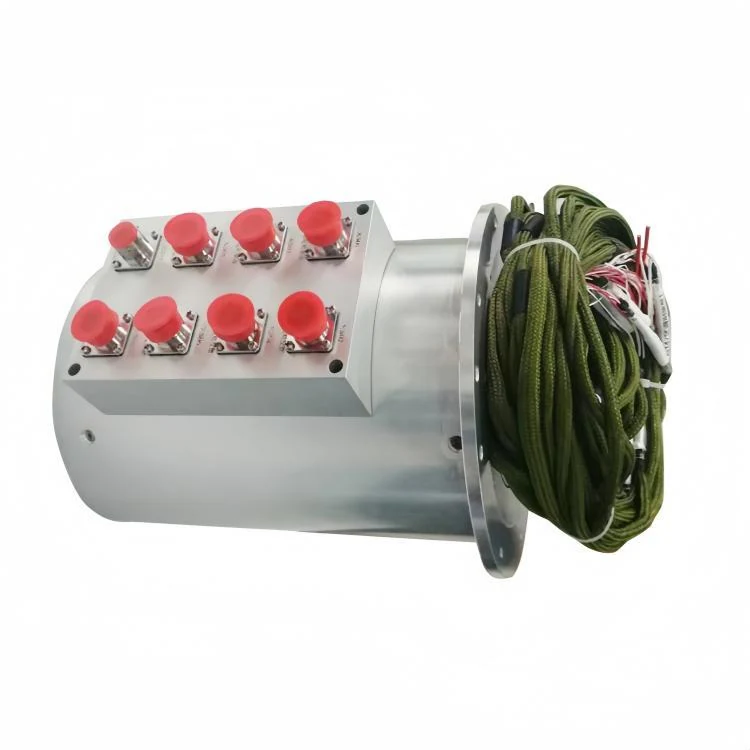
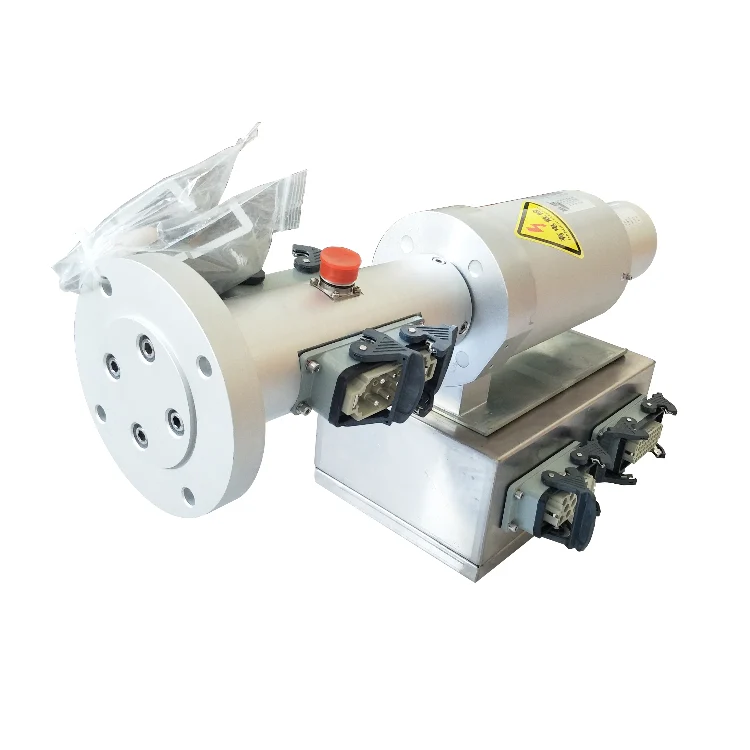
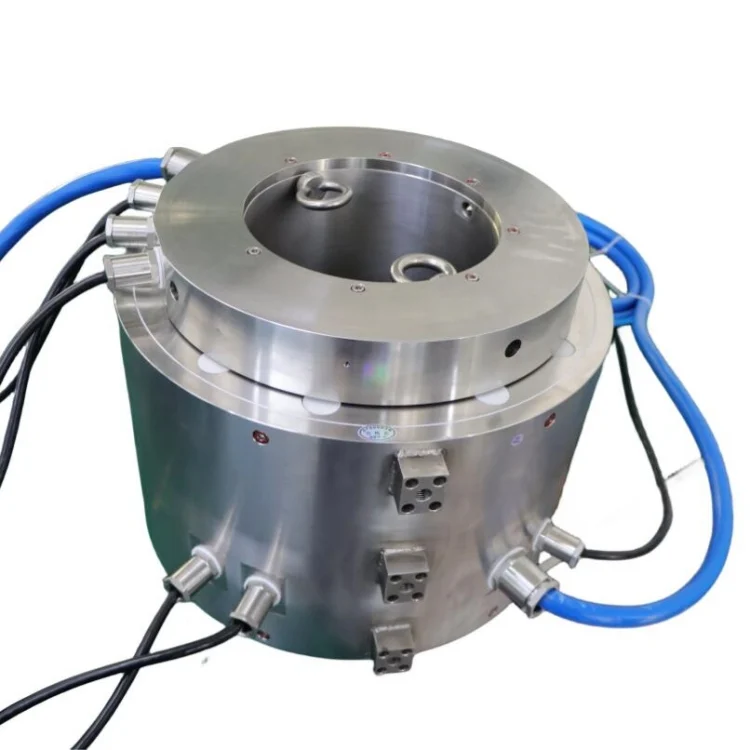
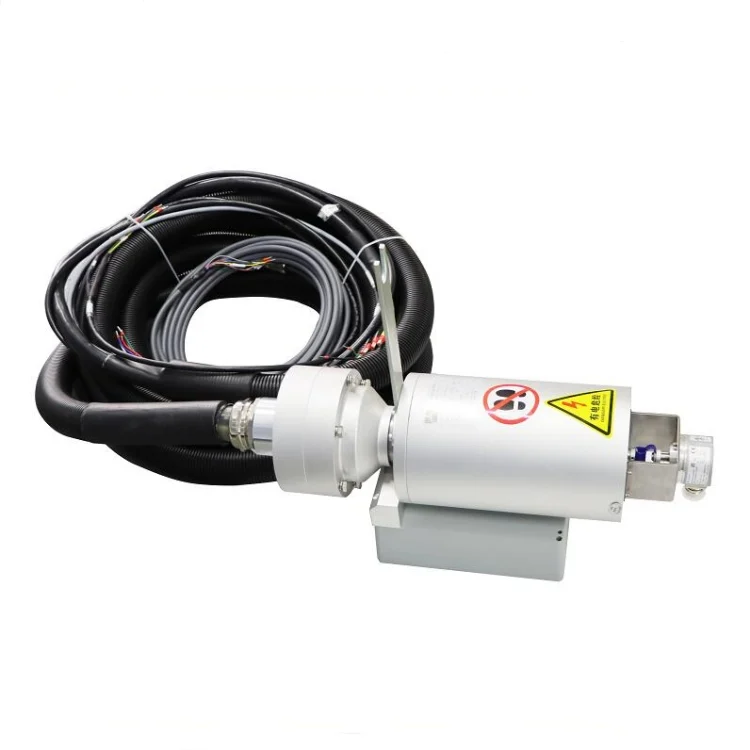
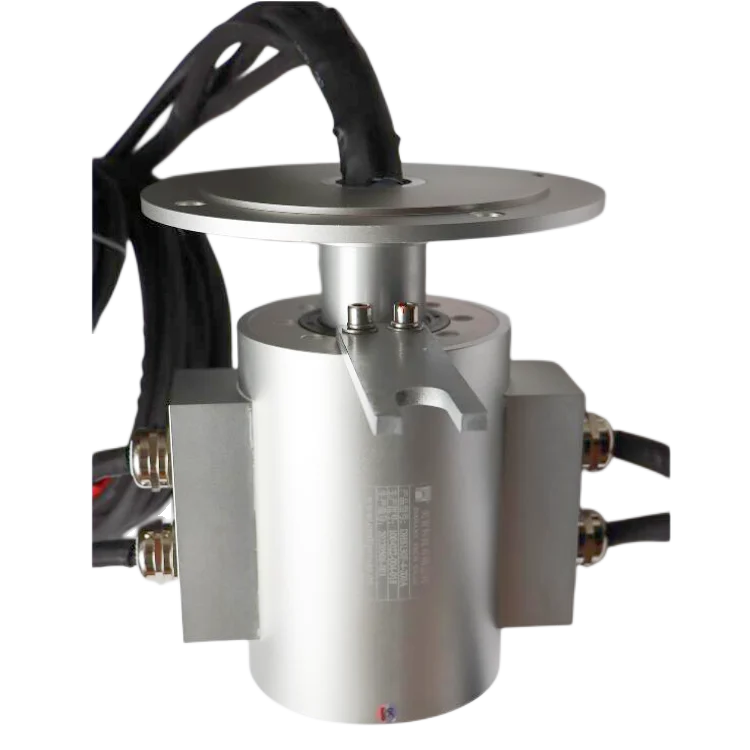
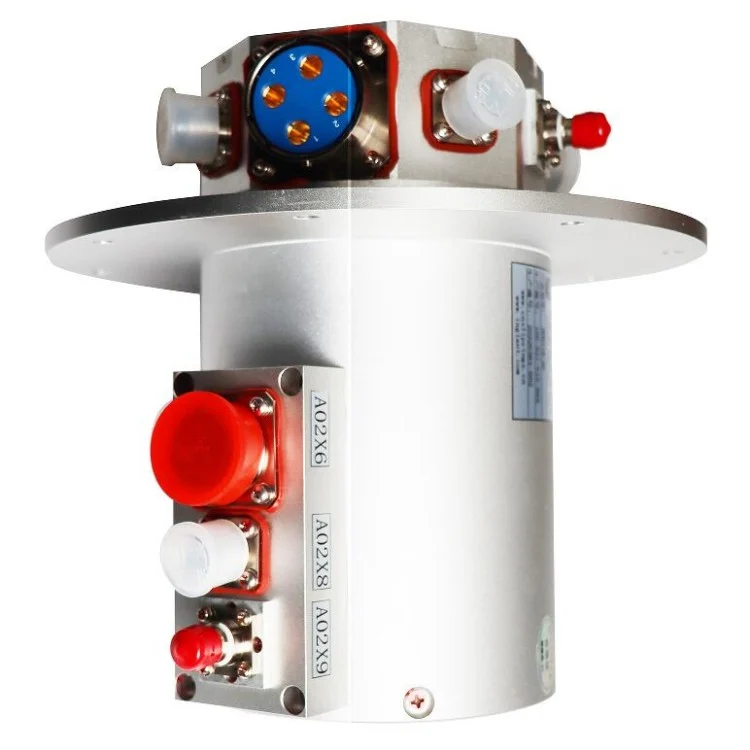
A standard unit is rarely a perfect fit. The bore is 3 mm too small, the machine needs fibre and pneumatics in one body, the connector has to be an aviation plug, or the joint has to survive an explosive or subsea environment.
How INGIANT answers it
Send the rotating speed, mounting type, installation envelope, circuit count, voltage and current per ring, signal types and their parameters, operating temperature and IP requirement. INGIANT returns a design with a drawing, then builds it — simple customisation in 10–20 days, complex customisation in 15–40 days.
Who buys this family
OEM engineering teams, defence and research institutes, special machine builders and integrators who cannot design around a catalogue part.
Standard Values Across This Family
These are the catalogue values that appear on most models in this family. Every one of them can be changed on a customised build.
Rotating speed
Catalogue units are rated 0–600 rpm. Lower and higher speed designs are built to order.
Working temperature
-40 °C to +65 °C on standard builds, with wider ranges designed against the application.
Protection level
IP54 as standard, with sealing grades up to IP68 where the environment demands it.
Insulation
Insulation resistance ≥1000 MΩ at 500 VDC, insulation strength 1500 VAC at 50 Hz for 60 s.
Contact system
Precious metal ring and brush pairs with dynamic resistance variation below 10 mΩ.
Lead wire
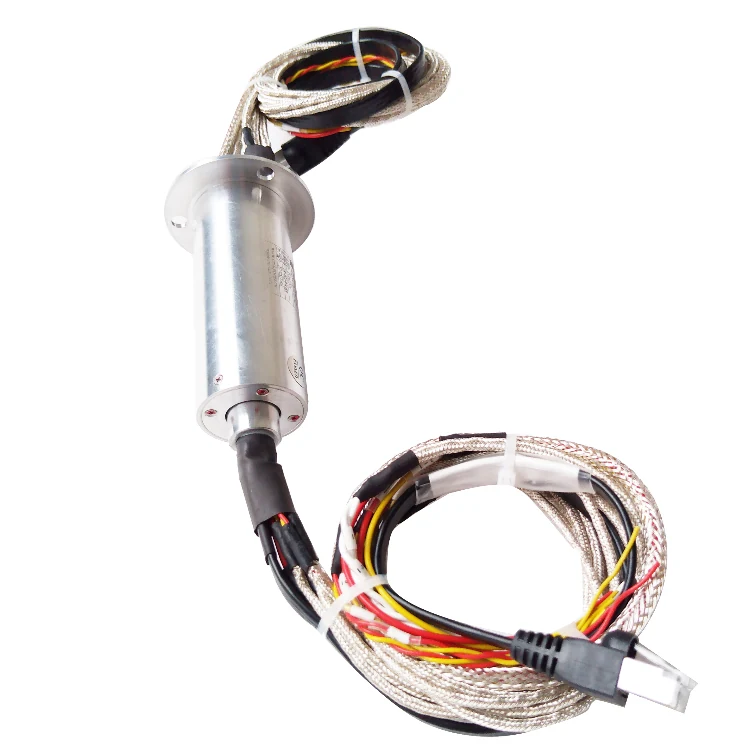
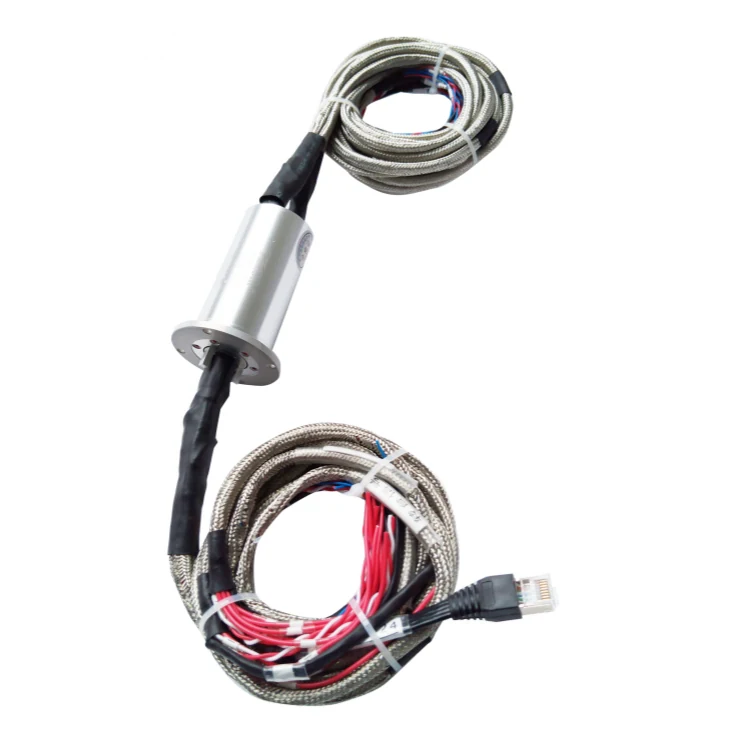
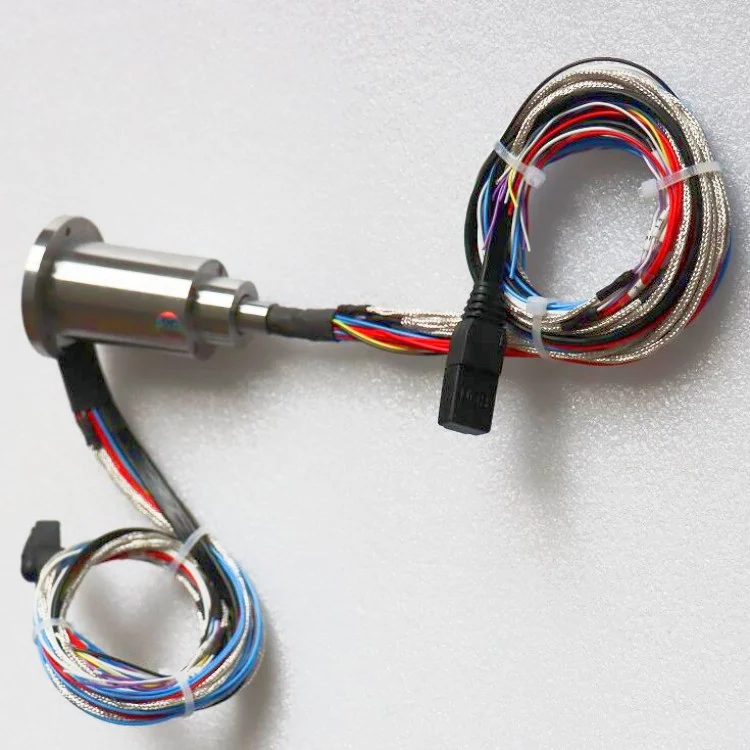
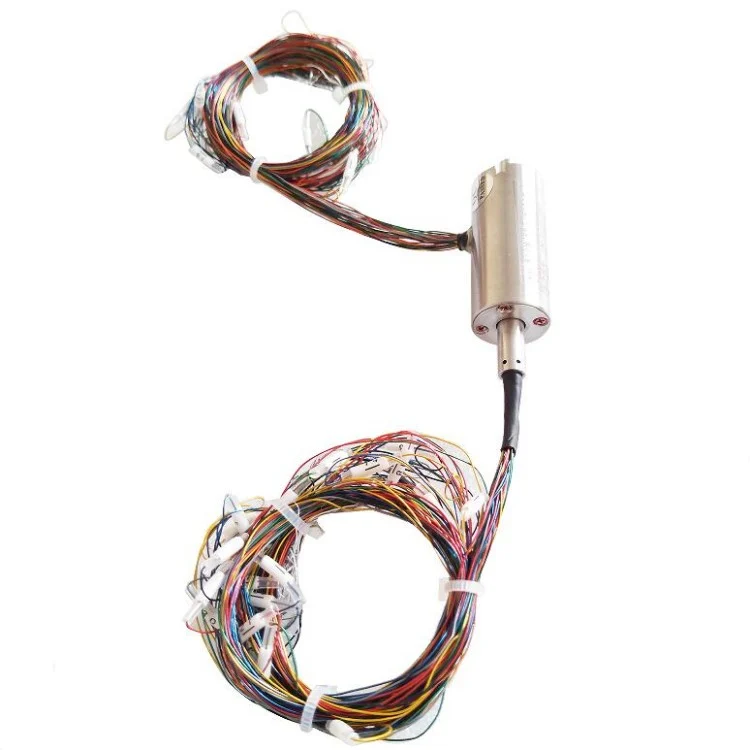
Colour-coded Teflon insulated tinned stranded flexible wire, 500 mm + 20 mm as standard.
Industries Using Customized Slip Rings
Aerospace and Defence
Aircraft pods, satellite solar arrays, seeker heads and radar platforms all rotate continuously, and the rotating connector on those axes…
Industrial Robotics
Multi-axis robots move material to defined positions all day. Every axis that turns without limit needs its drive power, its sensor lines…
Cranes and Material Handling
Crane superstructures, jibs, grabs and cable reels rotate under heavy load, indoors and outdoors, and everything hanging over people and…
Wind and New Energy
Wind turbines transfer the power generated at the rotating blades to the stationary generator and control systems, and pitch control adds…
Articles About Customized Slip Rings
Deepening Global Rotary Connection Market Layout | Jiujiang Ingiant Technology Concludes 2026 Moscow International Packaging & Printing Exhibition, Upcoming Attendance at Top South African Mining Equipment Expo
1. Review of Moscow Packaging & Printing Exhibition From June 16 to 19, 2026, the international packaging and printing industry…
What are the differences between explosion-proof conductive slip rings and ordinary conductive slip rings?
What are the differences between explosion-proof conductive slip rings and ordinary conductive slip rings? Explosion-proof slip…
Key Features of Medical Device Slip Rings
Facebook Twitter LinkedIn Key Features of Medical Device Slip Rings The key features of medical slip rings include high…
Customized Slip Rings Questions Engineers Ask
What information do you need before you can quote a custom slip ring?
Operating speed in rpm, the type of installation, the installation size, the number of circuits counted as single wires beside the cable, rated voltage and current for power and signal rings, the signal type and its parameters, operating temperature and the IP sealing requirement.
How long does a customized slip ring take?
Simple customised products take 10–20 days and complex customised products take 15–40 days. Standard products ship in 7–15 days.
Do you provide OEM and ODM work?
Yes. INGIANT supplies both OEM and ODM slip rings and rotary joints for domestic and overseas brands.
Need Help Narrowing 139 Models Down to One
Send the rotating speed, the installation size, the circuit count, the voltage and current per ring, the signal types, the temperature range and the IP requirement. You get a model number and a drawing back.