
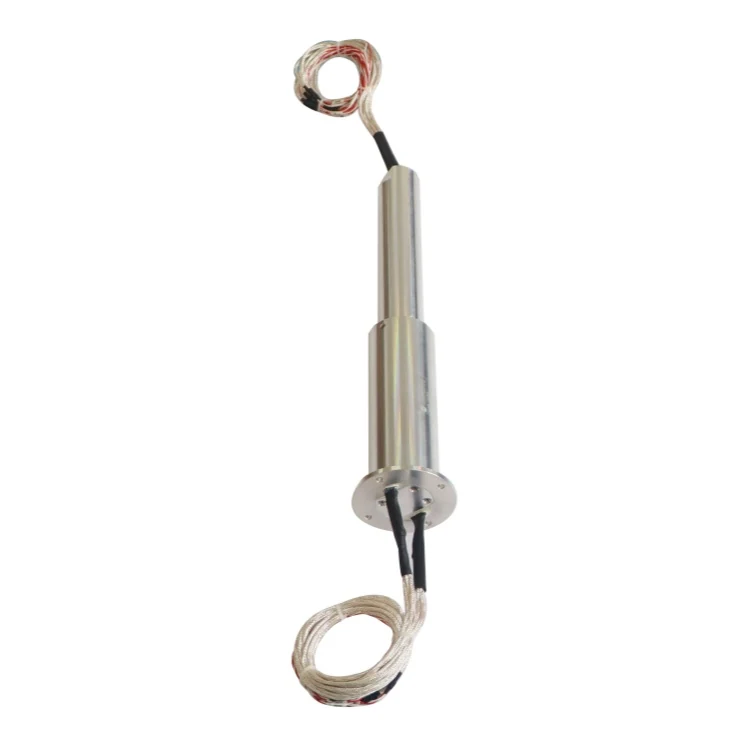
Capsulated Slip Rings
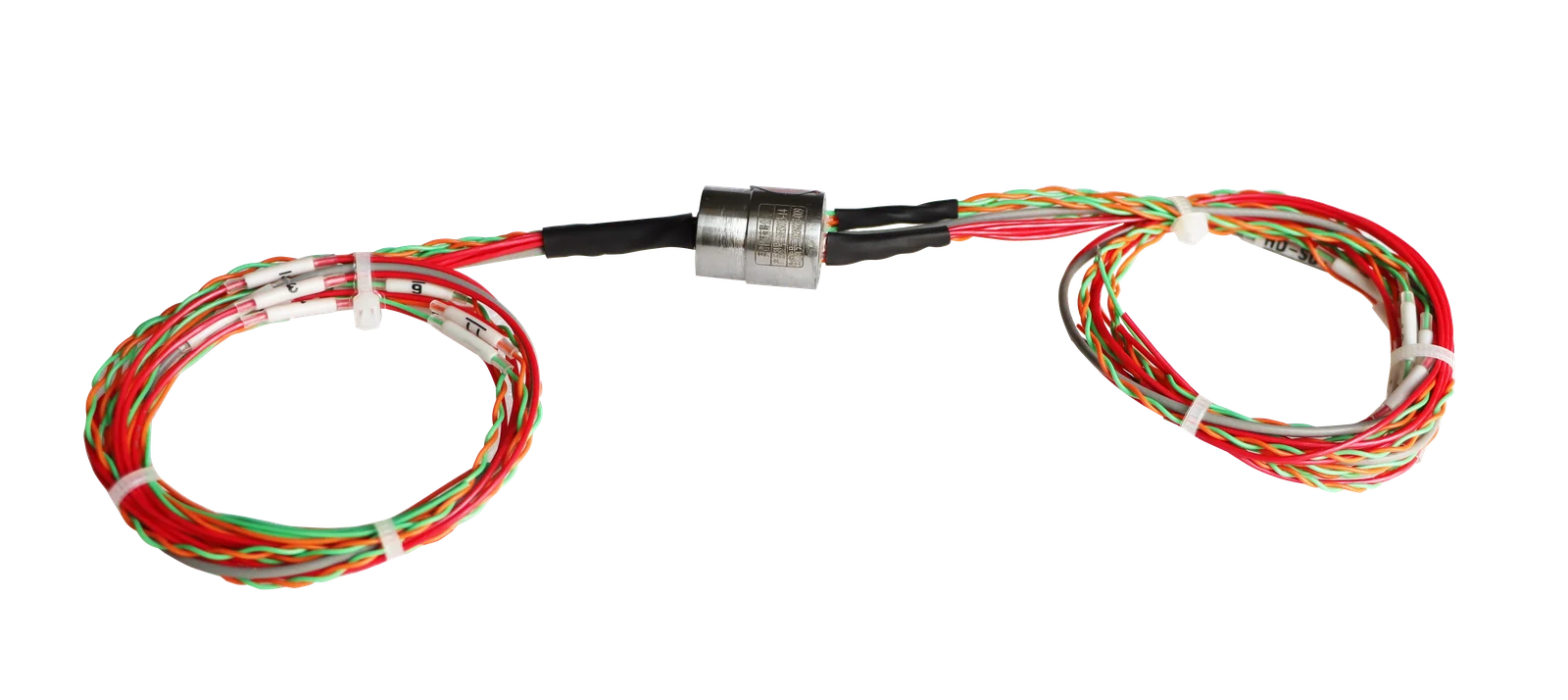
Solution
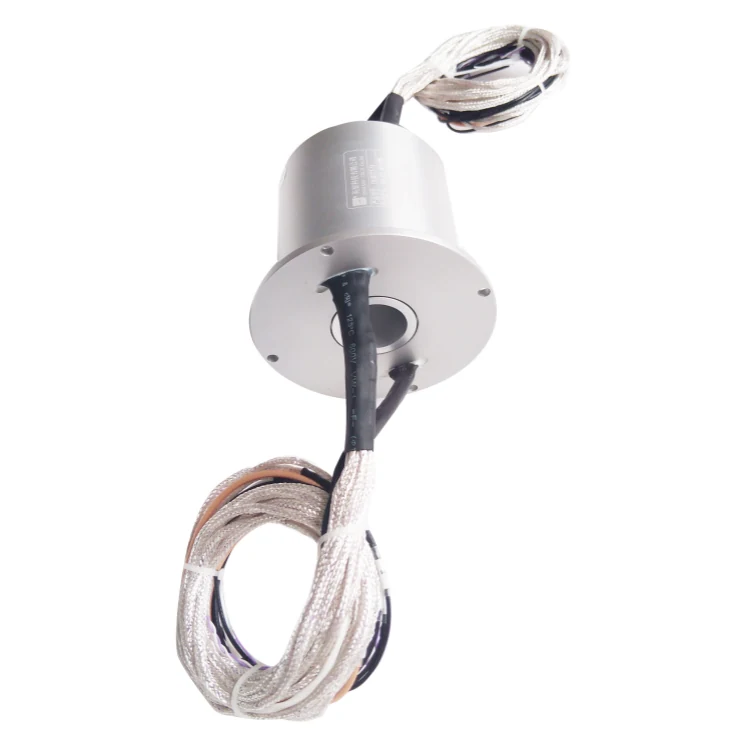
IP Rated Slip Rings for Washdown Outdoor and Subsea Use
Sealing is chosen against the real exposure: splash, washdown, dust, weather or full immersion. Each grade changes the seal design, the housing and the lead termination.
Step by Step
Sealing and Harsh Environments
IP54 standard
The standard catalogue grade, suitable for indoor industrial environments with dust and incidental splash.
IP51 to IP68 options
Ethernet and hybrid ranges are available across IP51 to IP68 so the grade can be matched to the machine rather than the other way round.
Washdown lines
Waterproof units let fully and semi-automatic filling equipment meet hygiene requirements on food, beverage and pharmaceutical lines.
Outdoor and marine
Harbour cranes, opencast mining and outdoor equipment use higher grades with shock-resistant designs suitable for high vibration.
Temperature
Catalogue units run -40 °C to +65 °C, and wider ranges including high temperature designs are built to order.
Explosive atmospheres
Explosion proof units are part of the product advantage set for sites where the atmosphere rules out a standard housing.
Products
Models Referenced Here
Representative models across the main families.
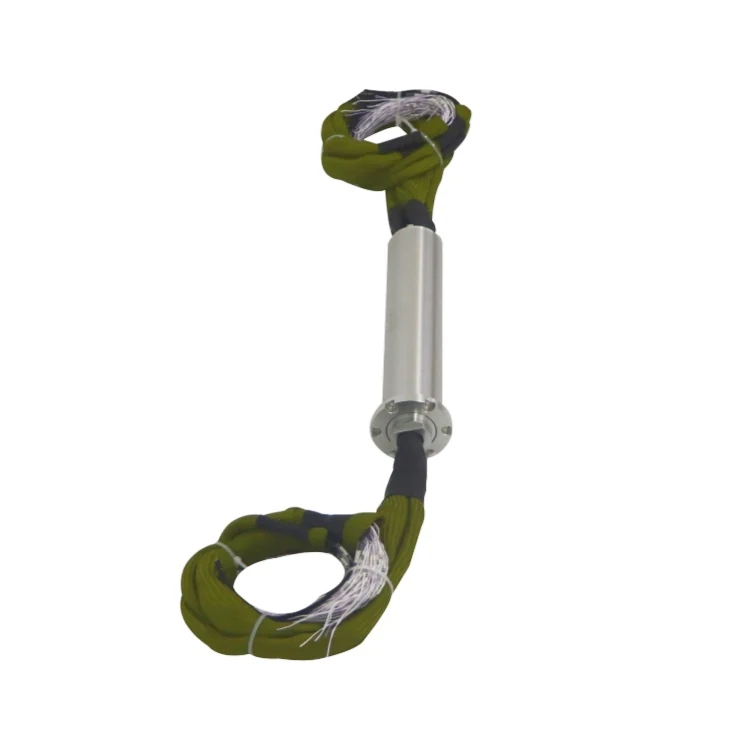
Capsulated Slip Rings
DHS045-95 DHS045-95 Ingiant OD 45mm rotor flange slip ring transmits 81…
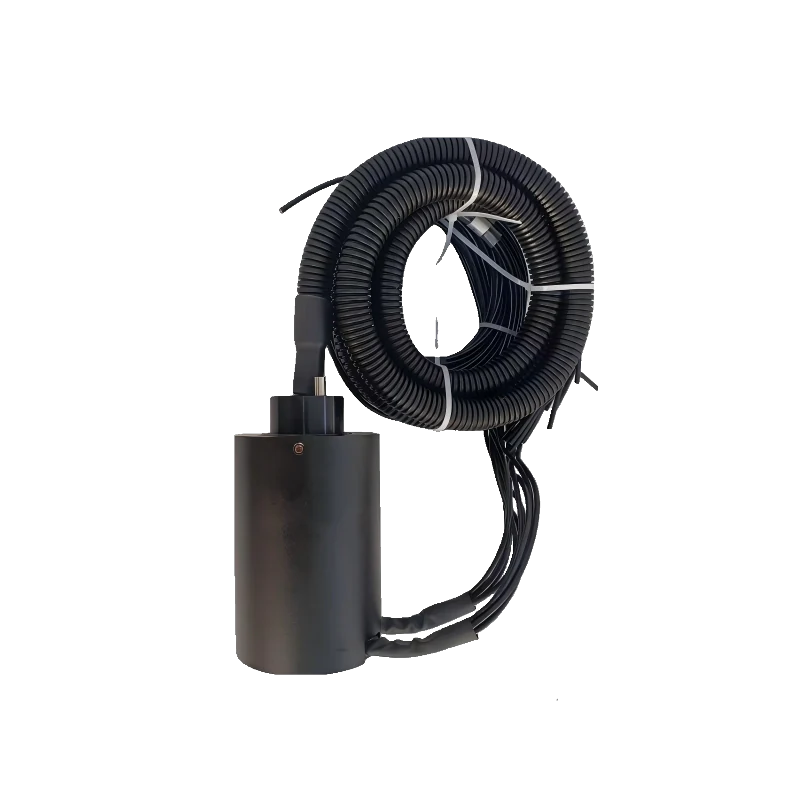
Customized Slip Rings
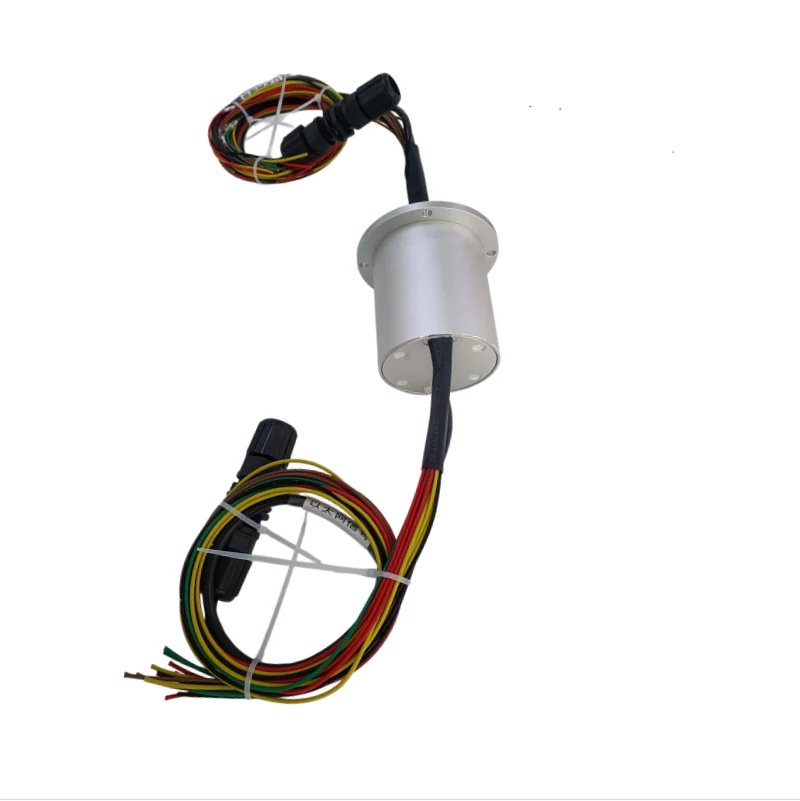
Waterproof Slip Ring Ø78mm OD IP65/IP68 – Custom Sealed Rotary Joint for…
Customized Slip Rings
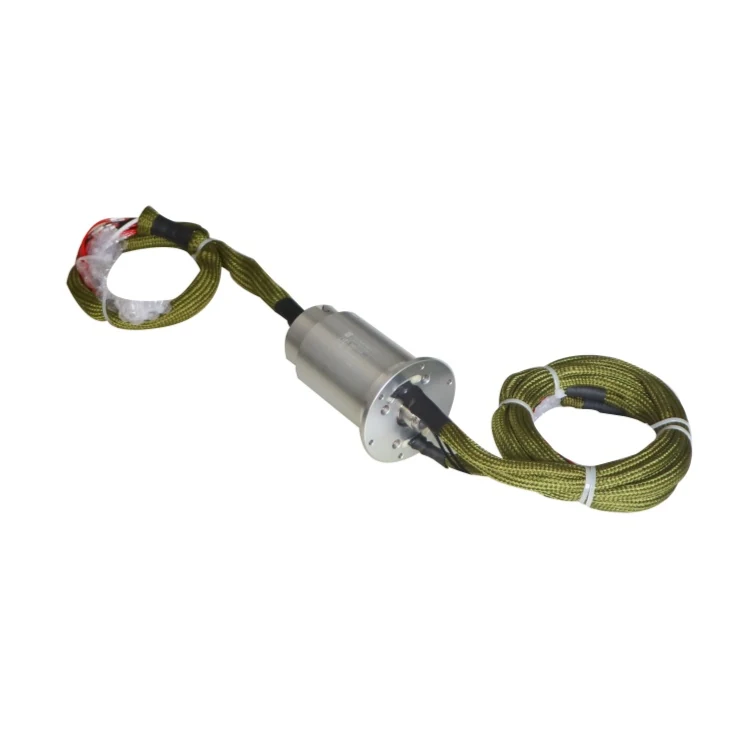
Ingiant DHS078 Solid Shaft Ethernet Slip Ring 78mm OD Gigabit Data & Power…
Fiber Optic Rotary Joints
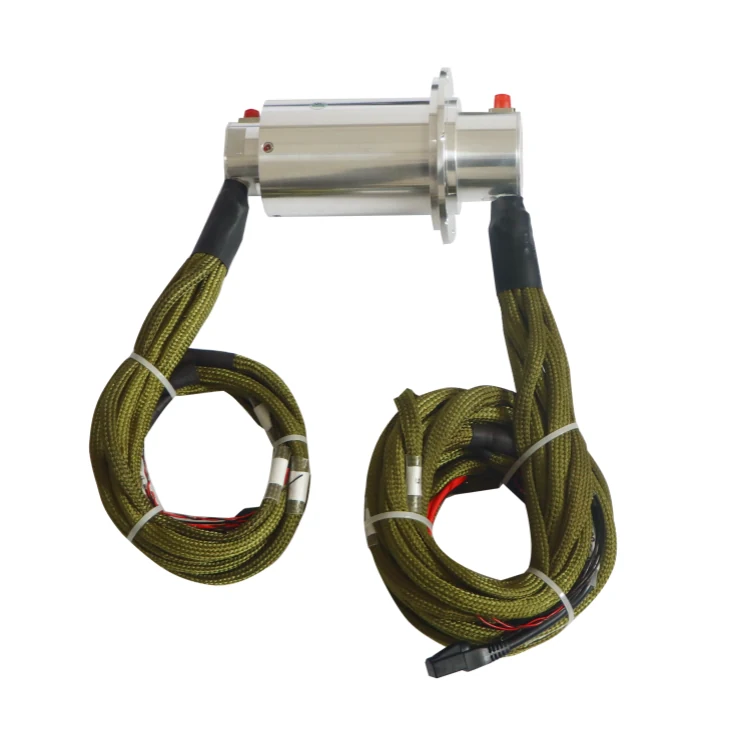
DHS055-11-2F Ingiant Photoelectric Slip Ring OD 55mm with 2 channels optical…
Fiber Optic Rotary Joints
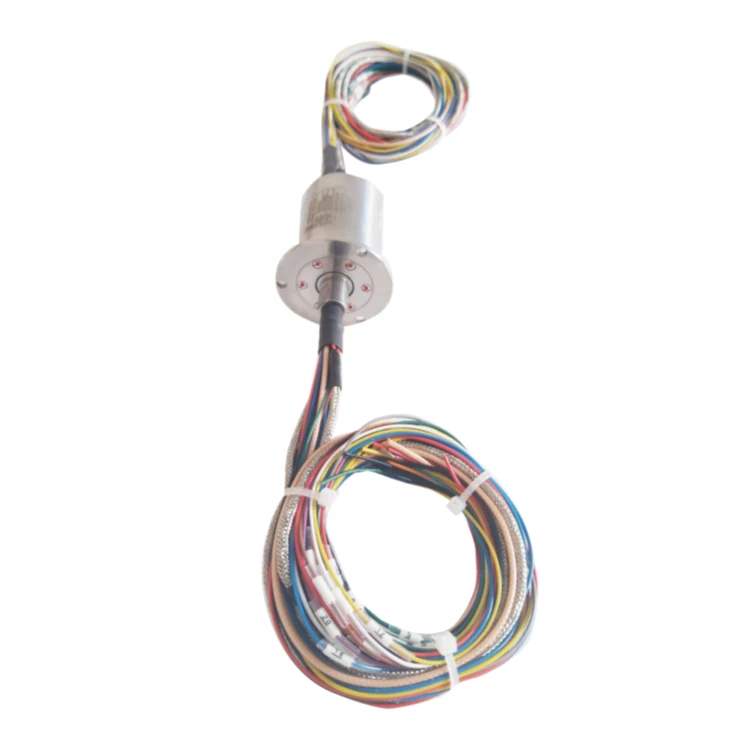
DHS066-39-1F Ingiant Optoelectronic slip ring OD 66mm with 1 single mode…
Knowledge
Background Reading
2026-06-24
Deepening Global Rotary Connection Market Layout | Jiujiang Ingiant Technology Concludes 2026 Moscow International Packaging & Printing Exhibition, Upcoming Attendance at Top South African Mining Equipment Expo
1. Review of Moscow Packaging & Printing Exhibition From June 16 to 19, 2026, the international packaging and printing industry…
2025-11-06
Primary Applications of Slip Rings in Karting
Primary Applications of Slip Rings in Karting The fundamental role of a slip ring is to transmit signals, data, and power…
2025-09-16
“Ascend Celestial Peak · Unite Hearts and Minds · Forge Top Talents” — 2025 Jiujiang Ingiant Technology Autumn Outing Chronicles
“Ascend Celestial Peak · Unite Hearts and Minds · Forge Top Talents” — 2025 Jiujiang Ingiant Technology Autumn Outing Chronicles…
FAQ
Sealing and Harsh Environments Questions
What IP grade do I need for a washdown line?
Describe the cleaning regime — pressure, temperature and chemicals — and the grade is set against it. IP54 is the standard grade and higher grades up to IP68 are available.
Does a higher IP grade shorten the life?
Not in itself, but seals add drag, so the starting torque and the speed rating are reviewed together with the sealing grade.
Can sealed units still carry fibre and air?
Yes. Sealed hybrid bodies combine electrical rings with fibre channels and pneumatic or hydraulic passages.
Start With Your Requirement Not a Model Number
Rotating speed, installation size, circuit count, voltage and current per ring, signal types, operating temperature and IP grade — send those eight and you get a design back.