
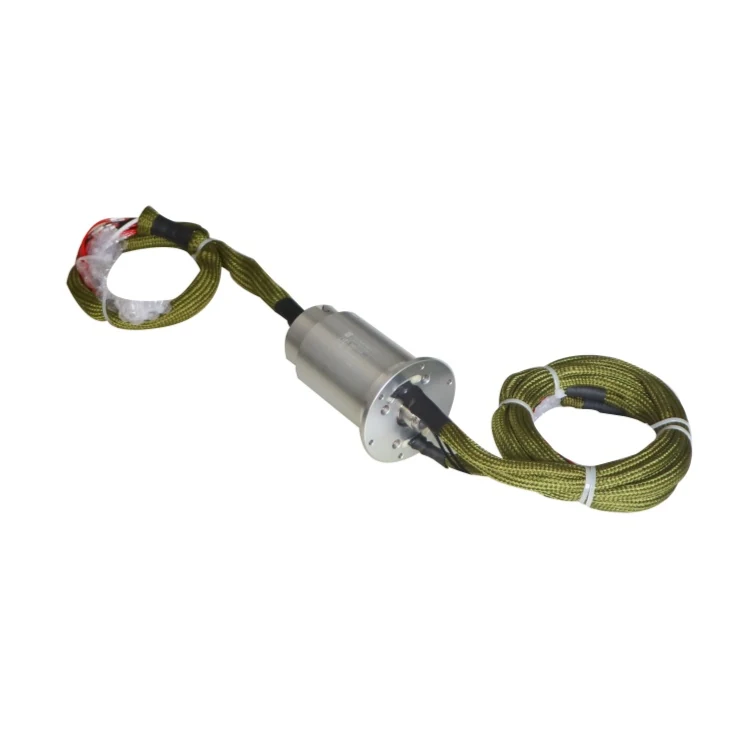
Fiber Optic Rotary Joints for Loss Free Rotating Optical Links
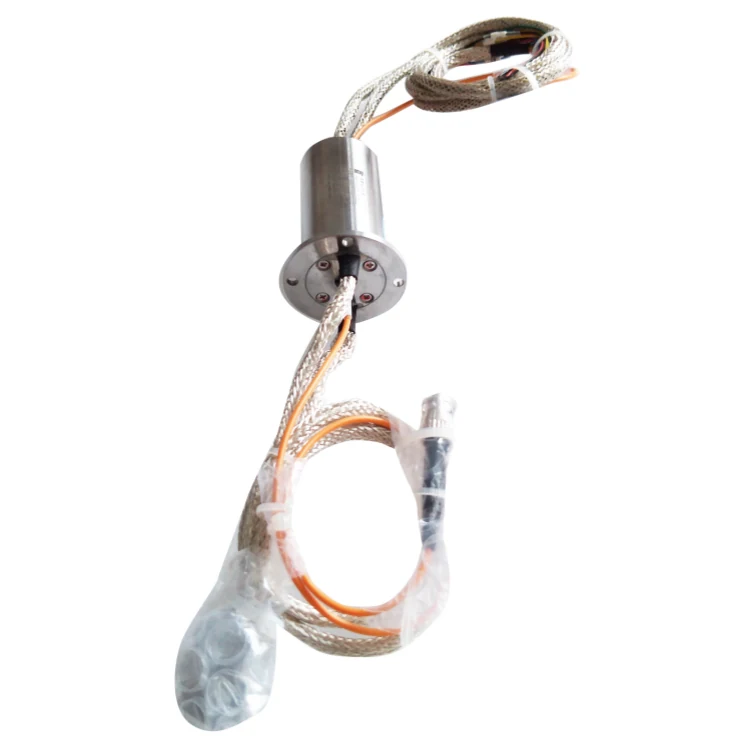
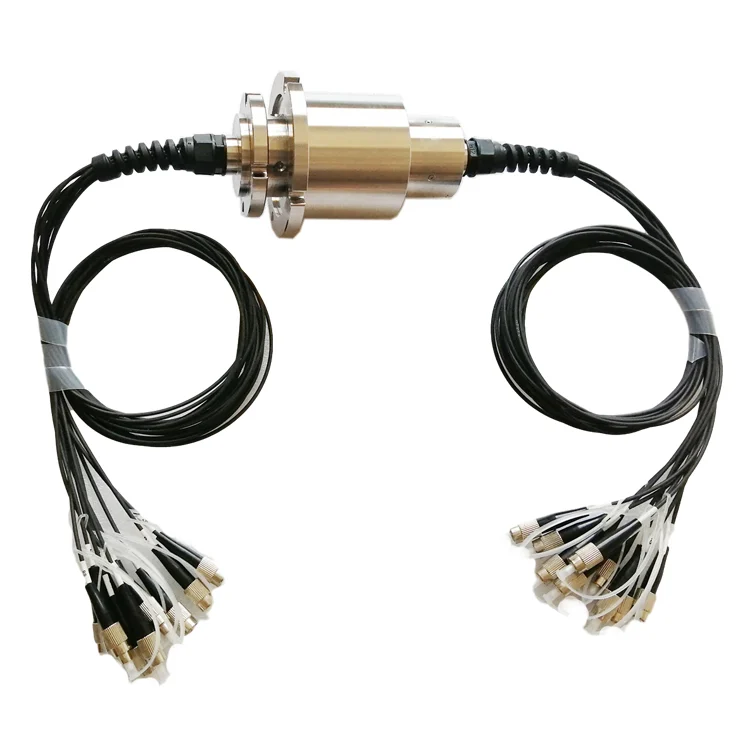
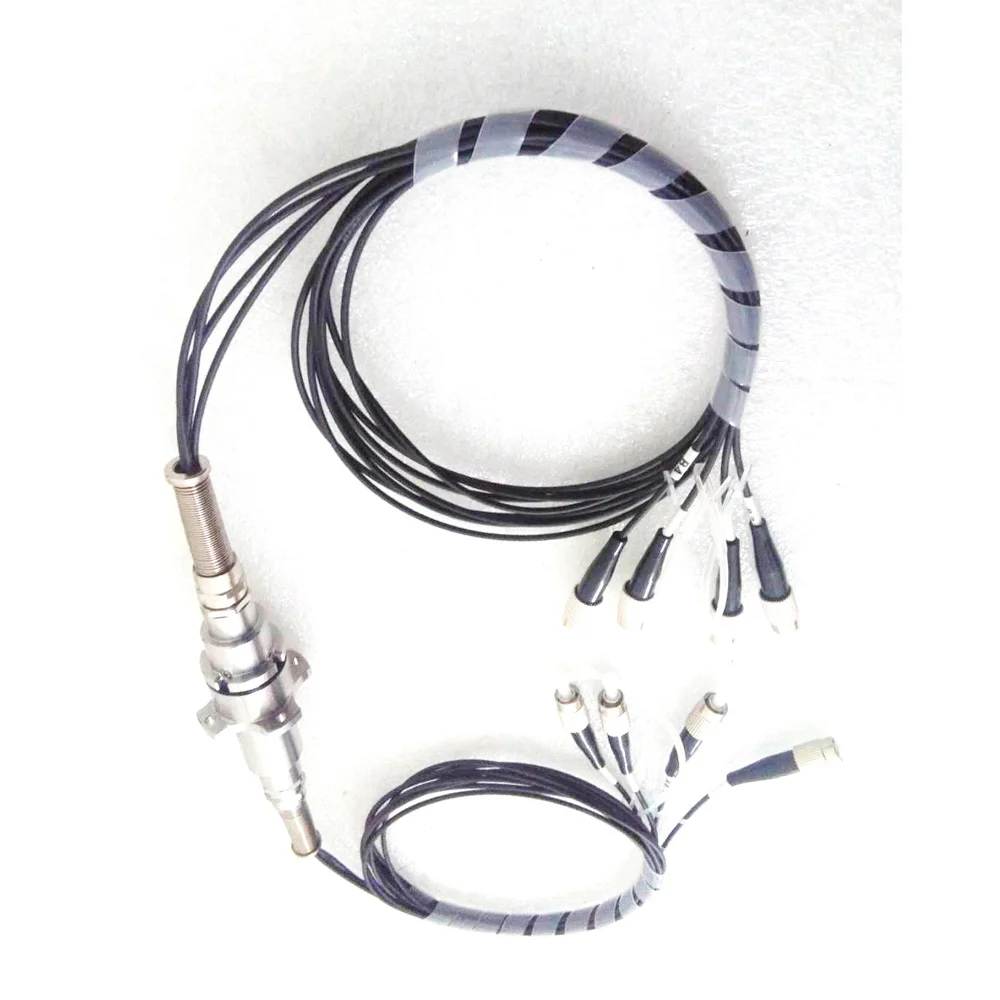
A fibre optic rotary joint passes light across a rotating interface, so bandwidth, isolation and immunity to electrical noise survive continuous rotation where copper cannot follow.
All 62 Fiber Optic Rotary Joints Models
Listed in full, each with its own parameter table.
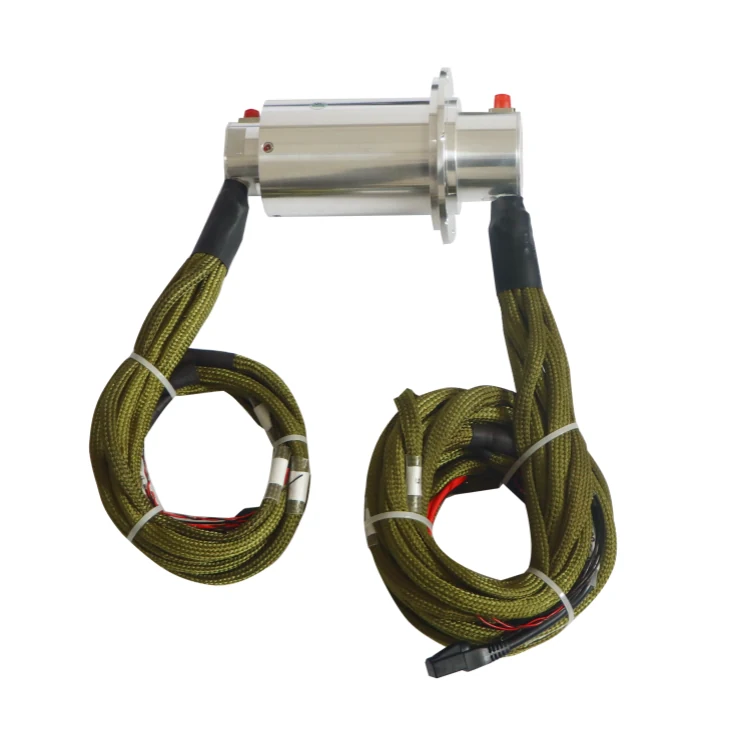
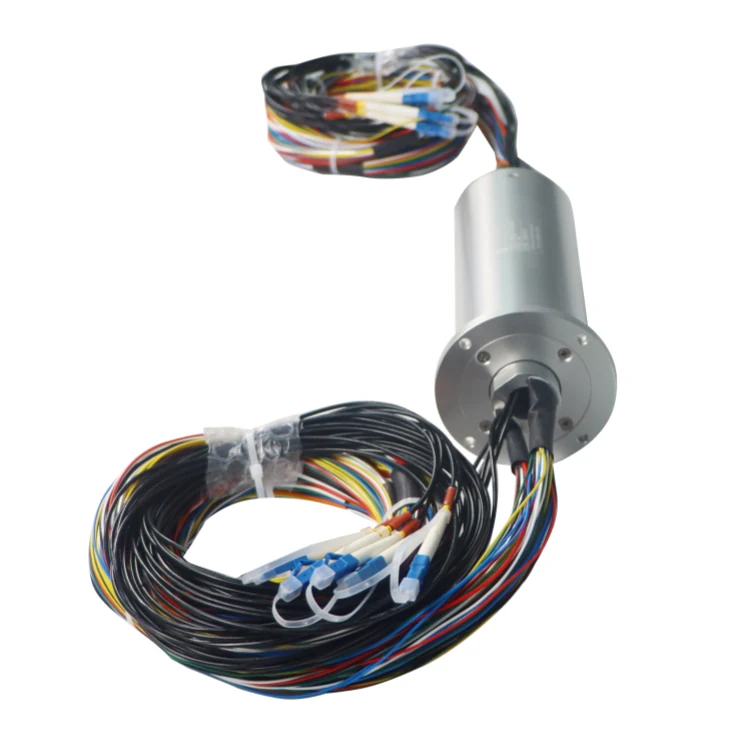
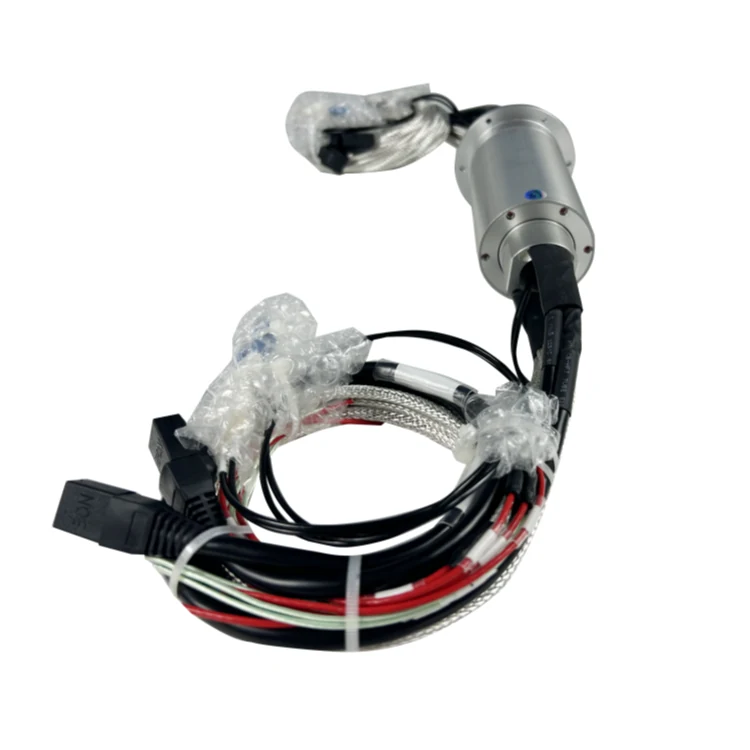
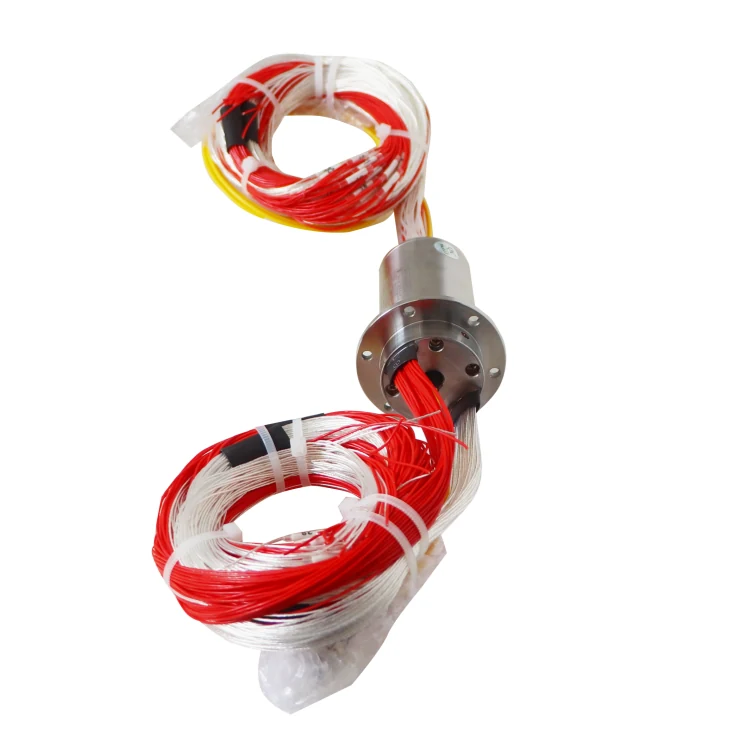
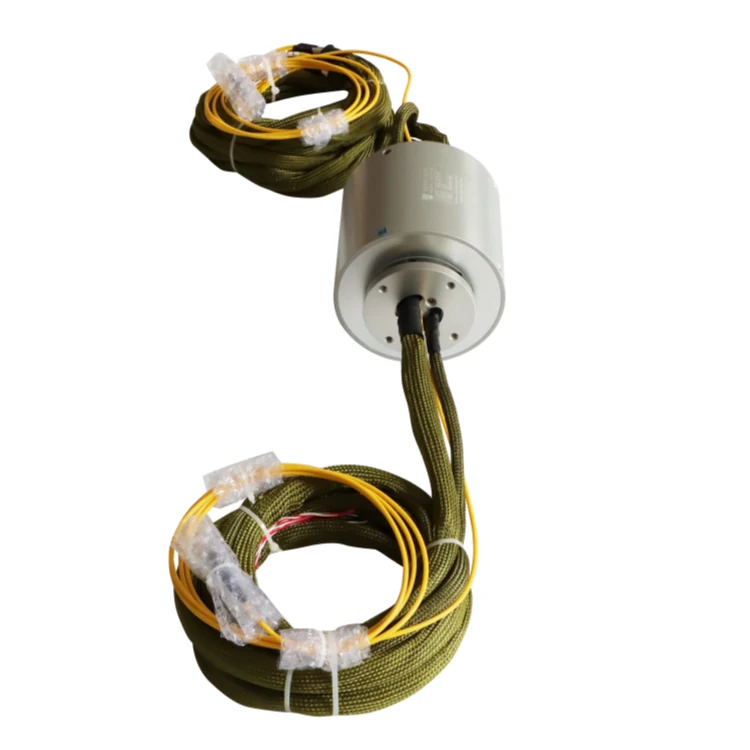
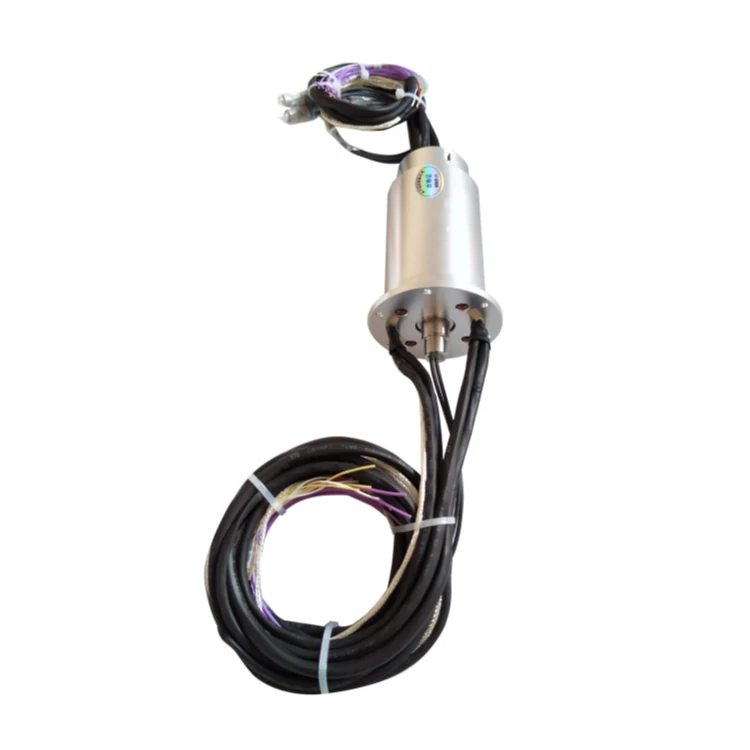
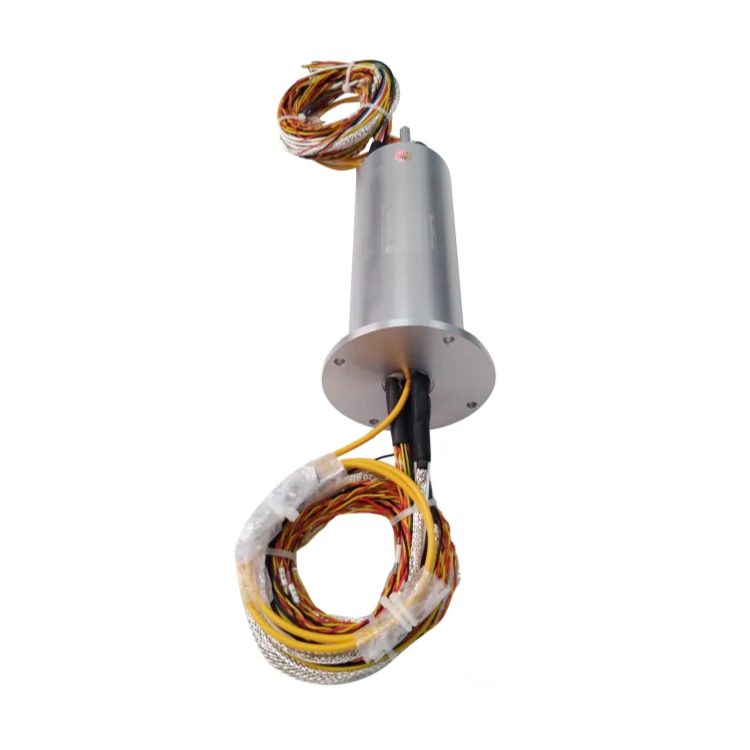
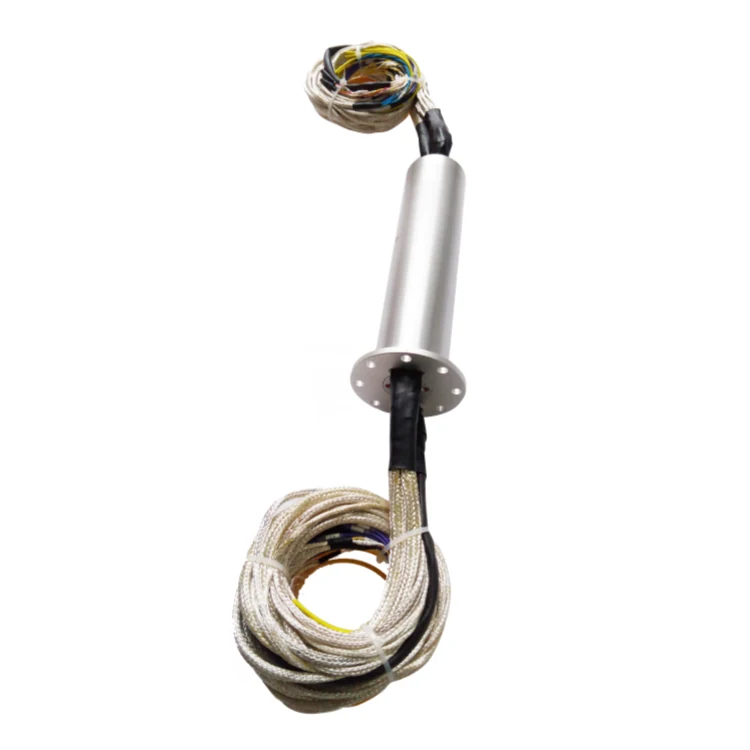
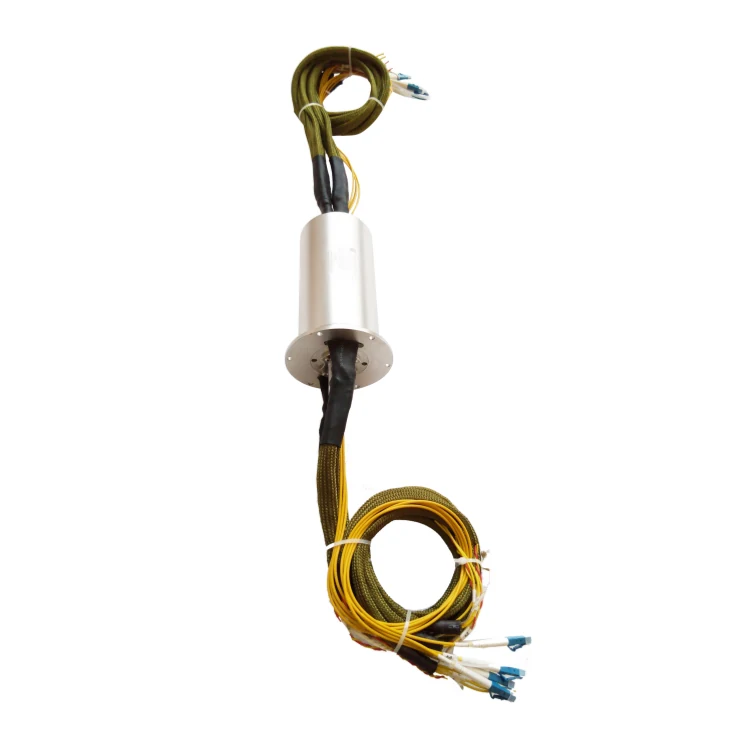
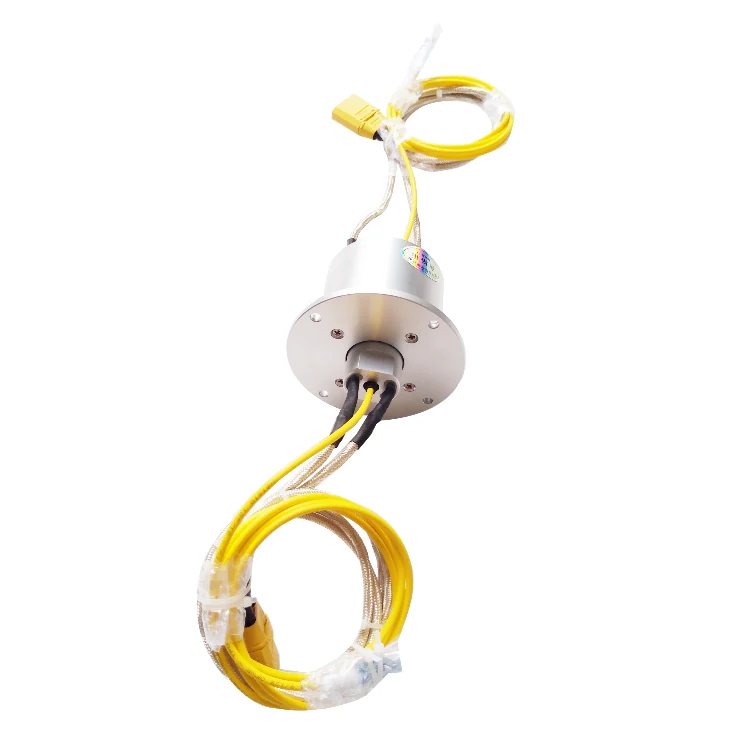
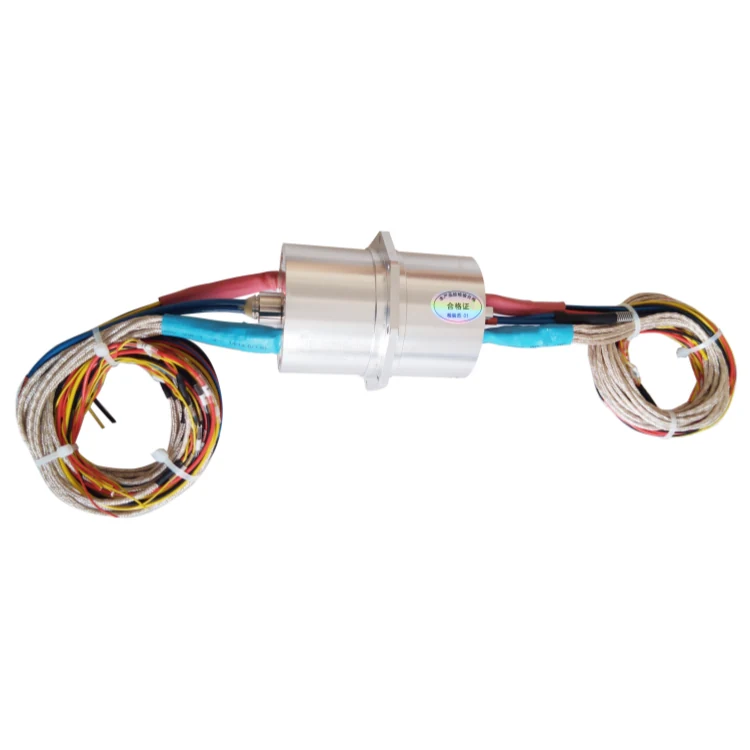
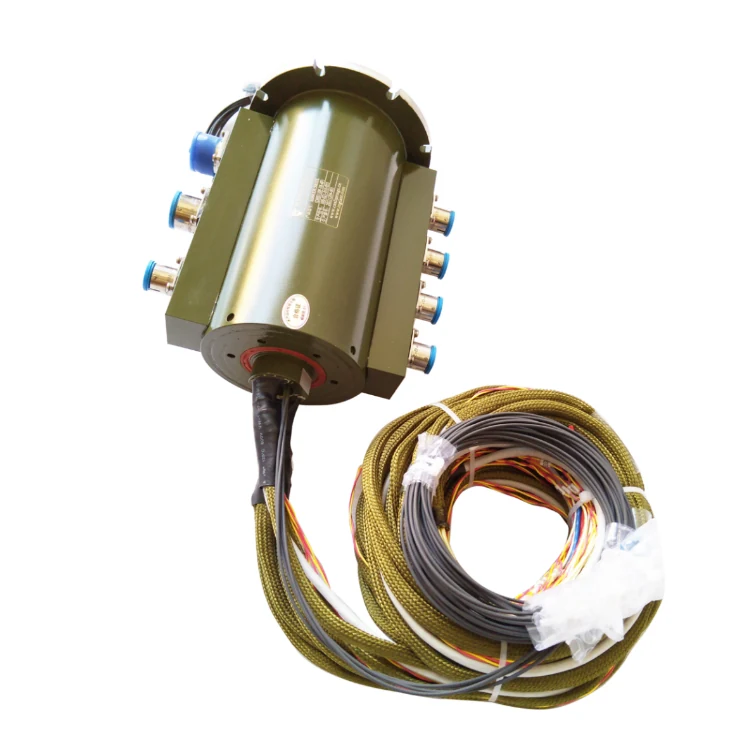
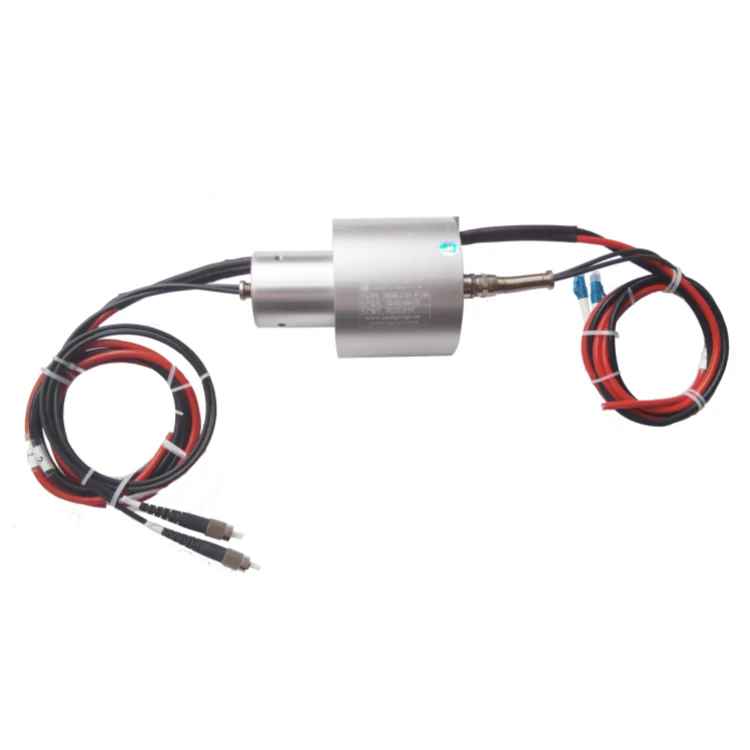
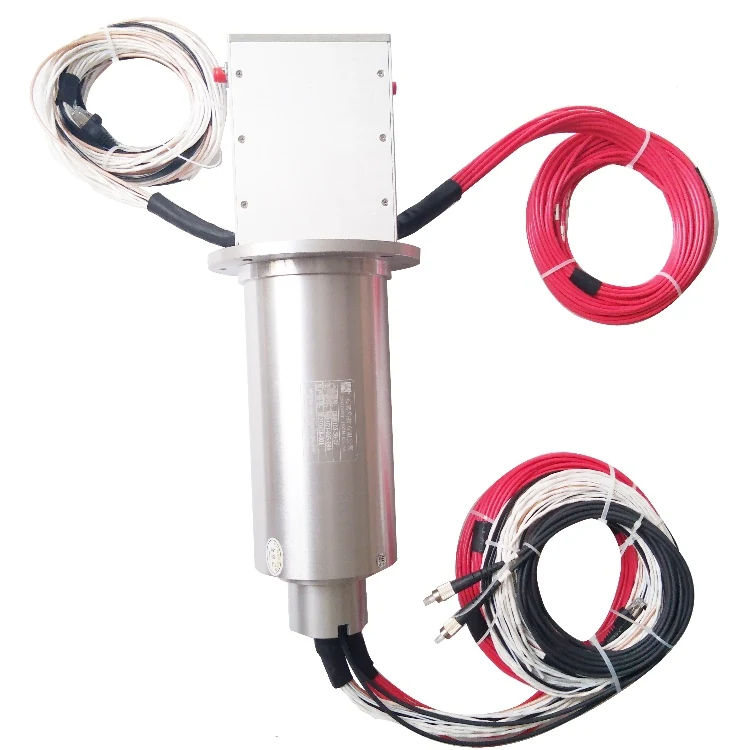
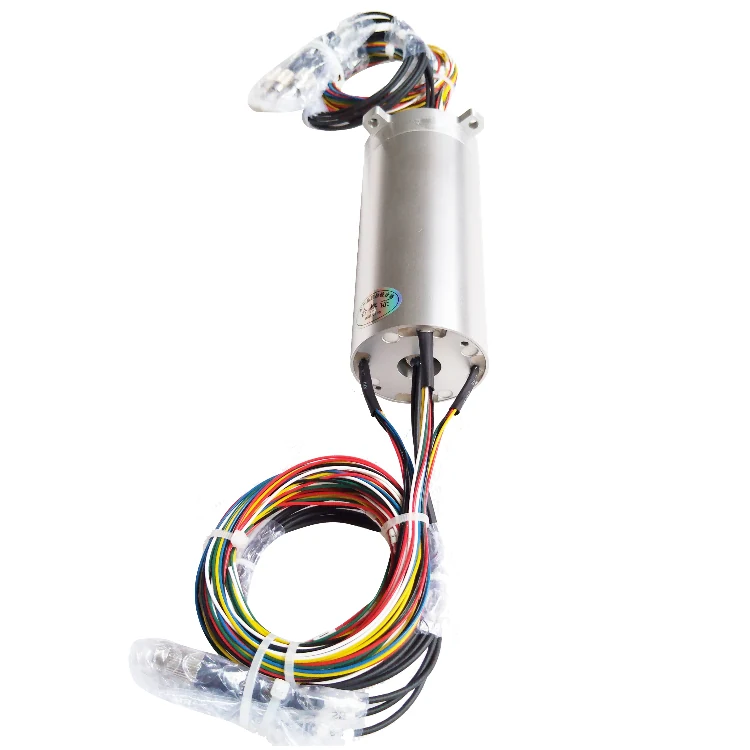
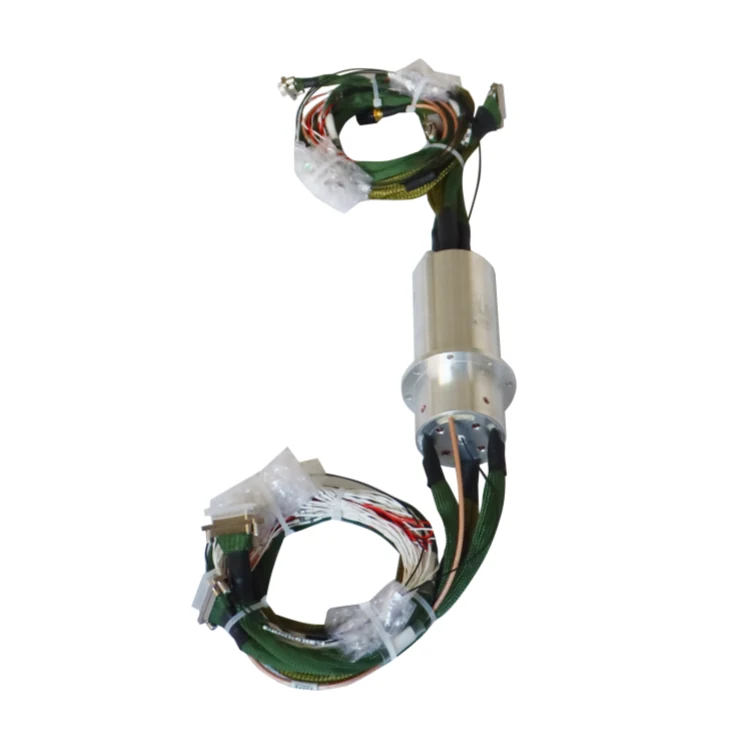
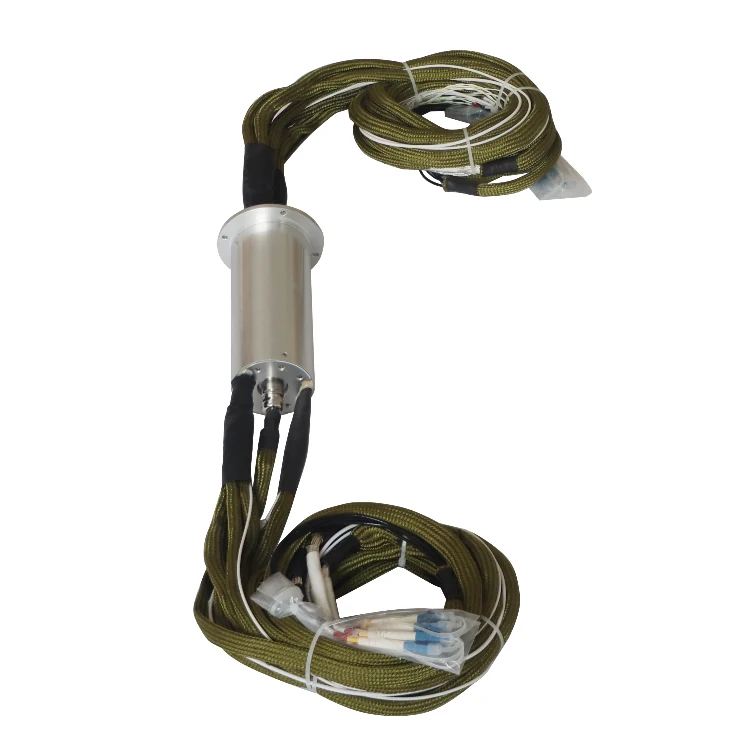
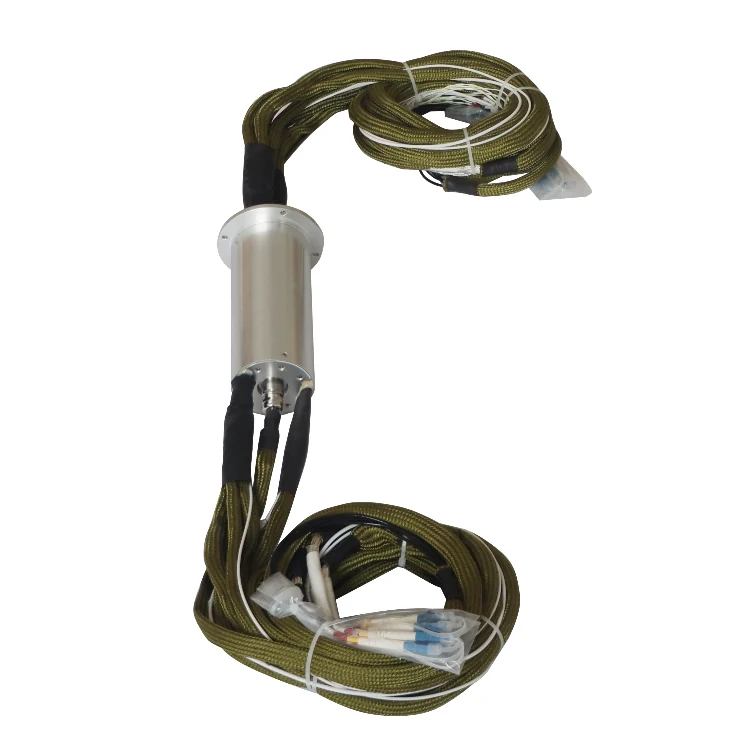
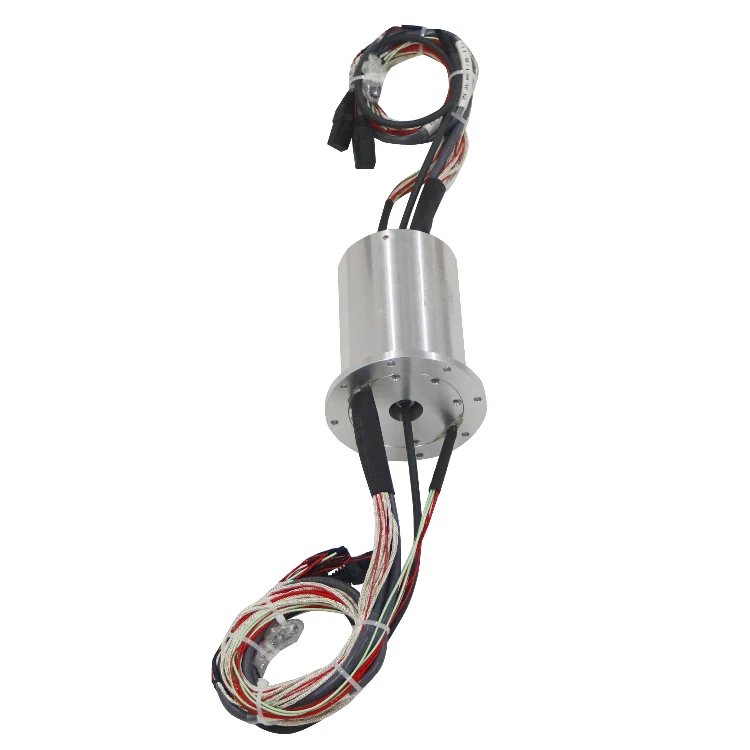
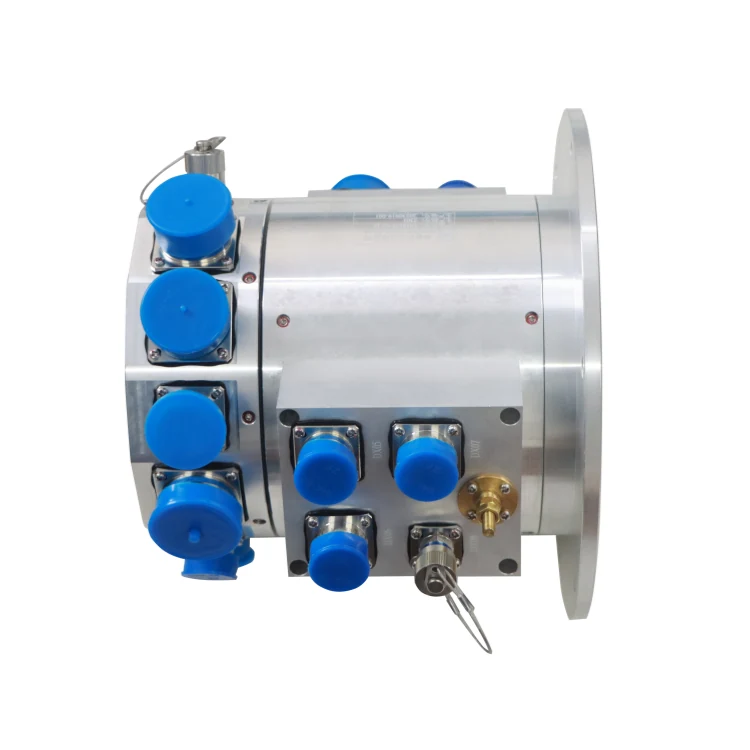
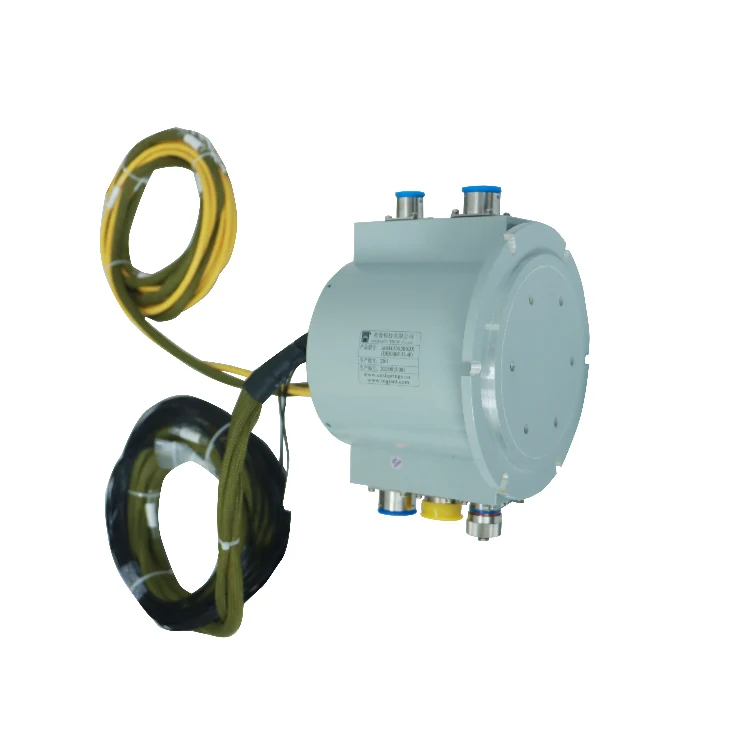
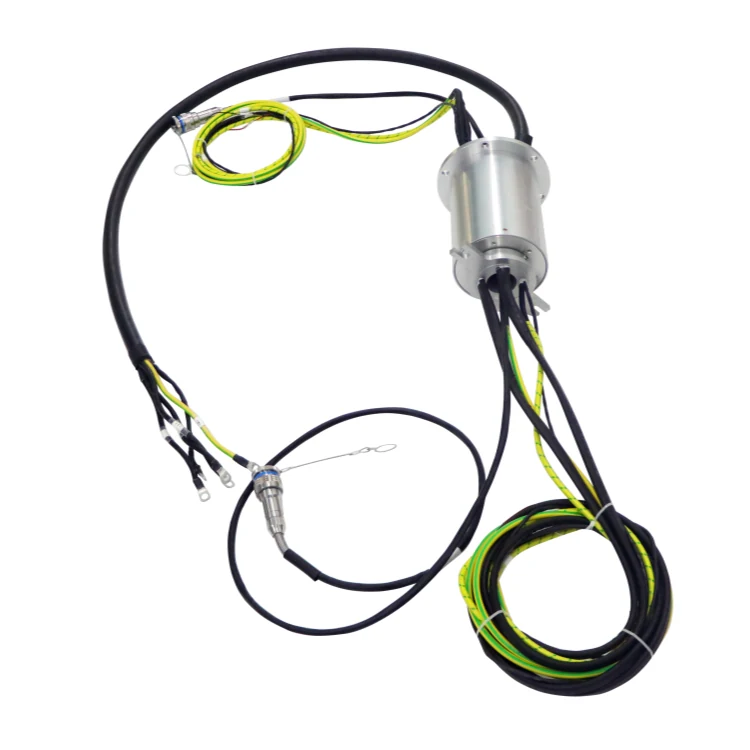
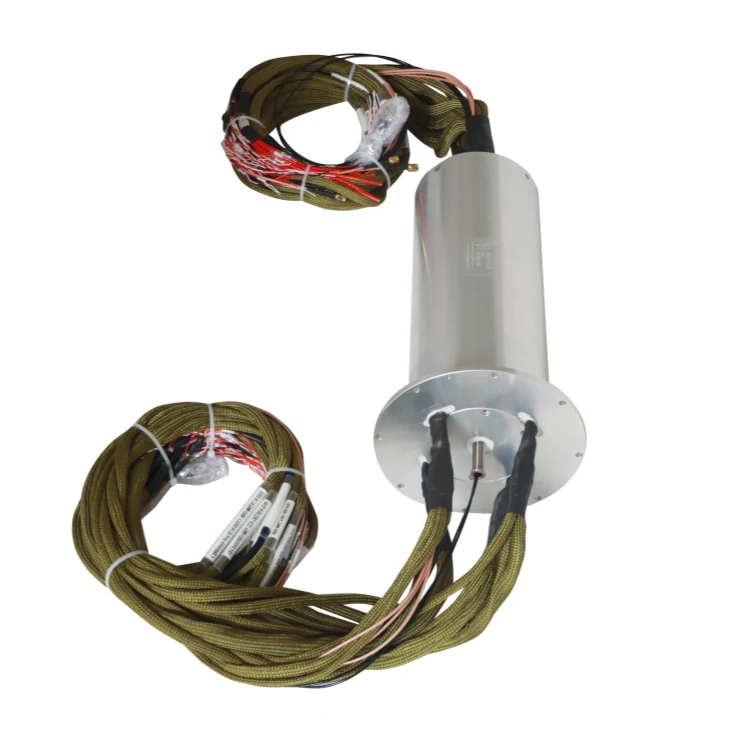
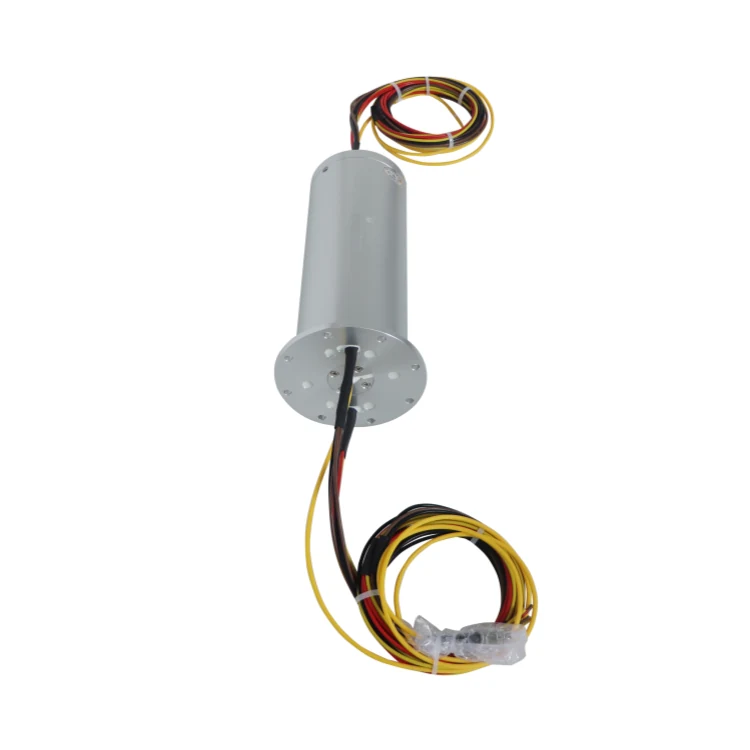
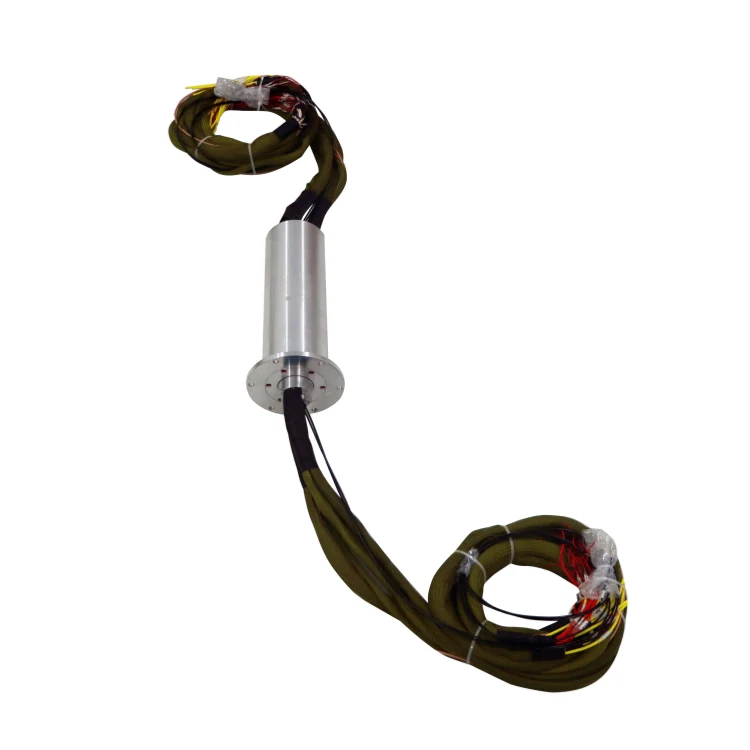
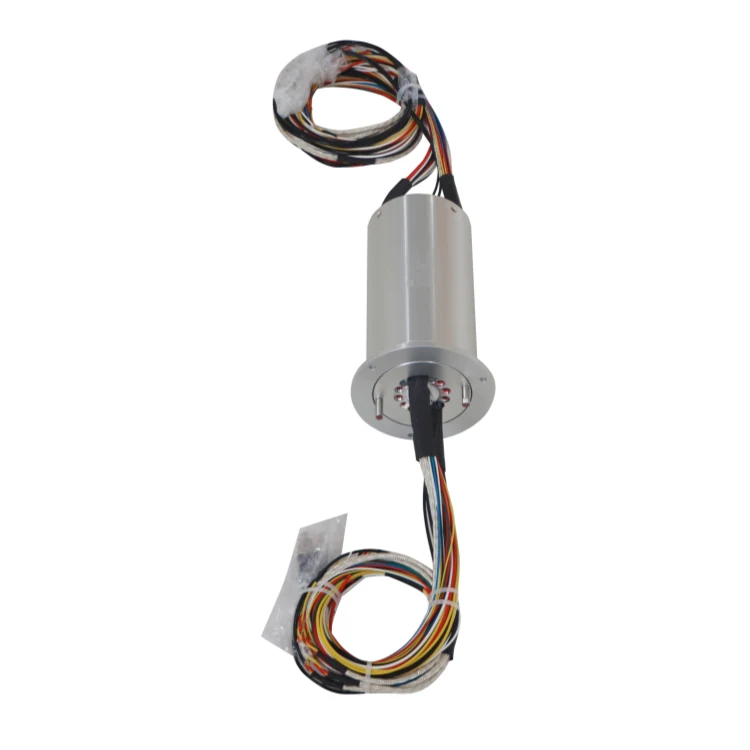
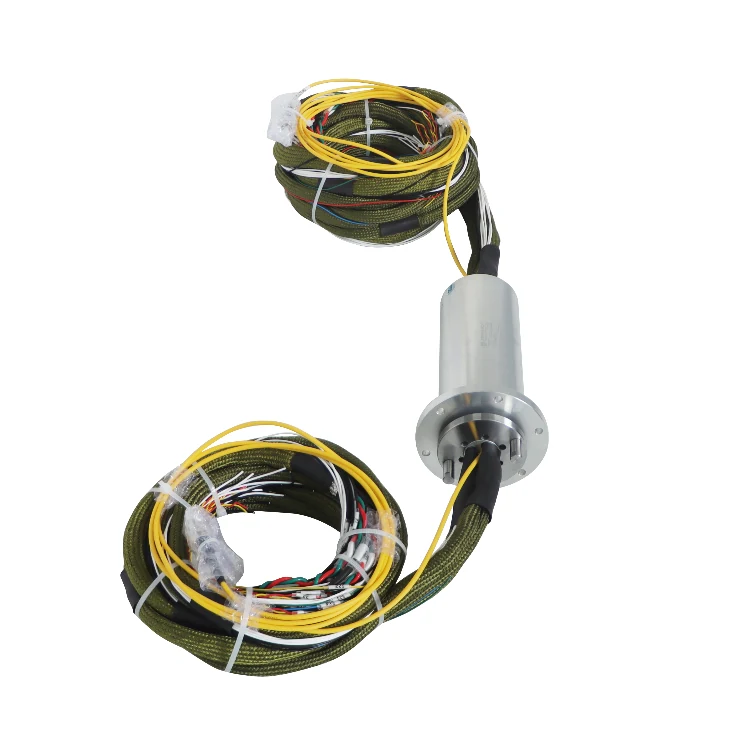
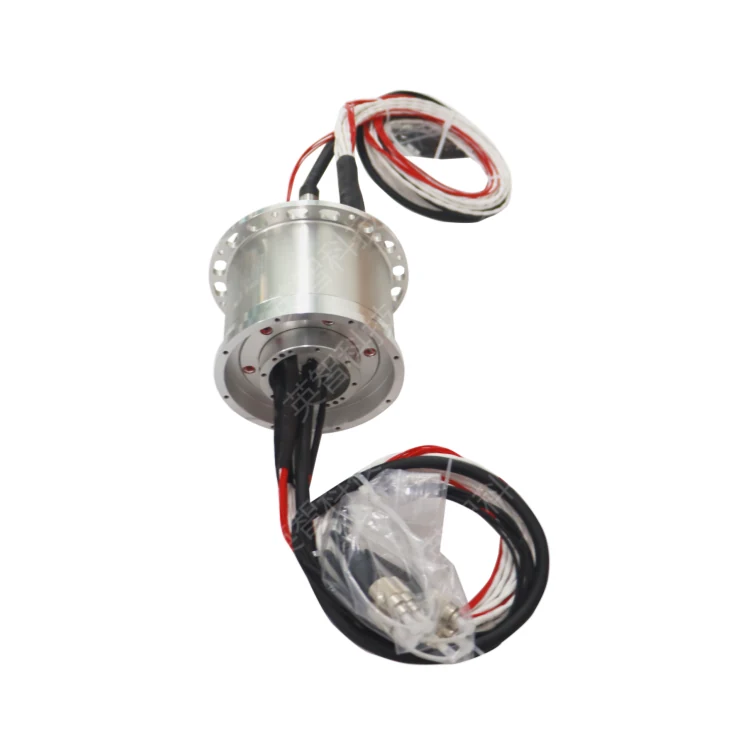
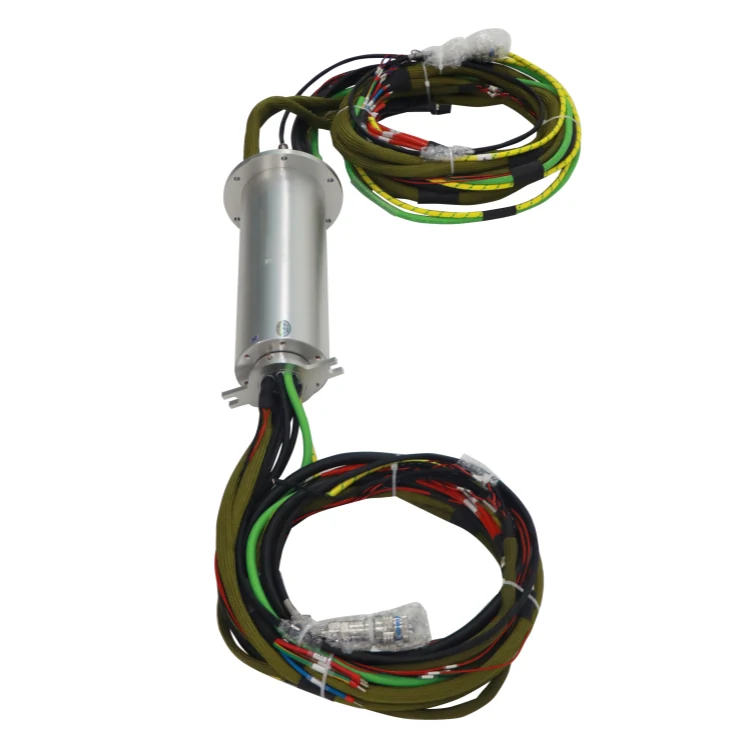
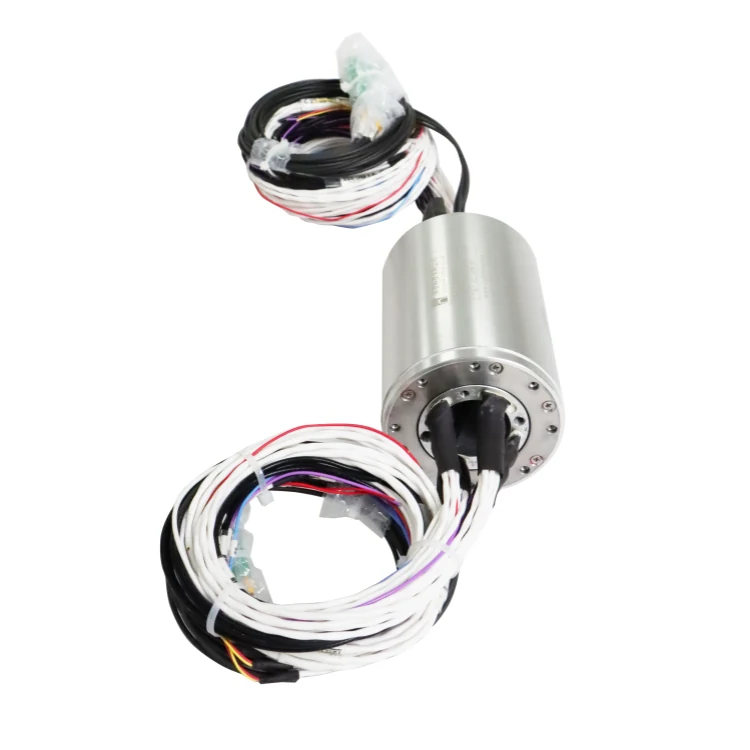
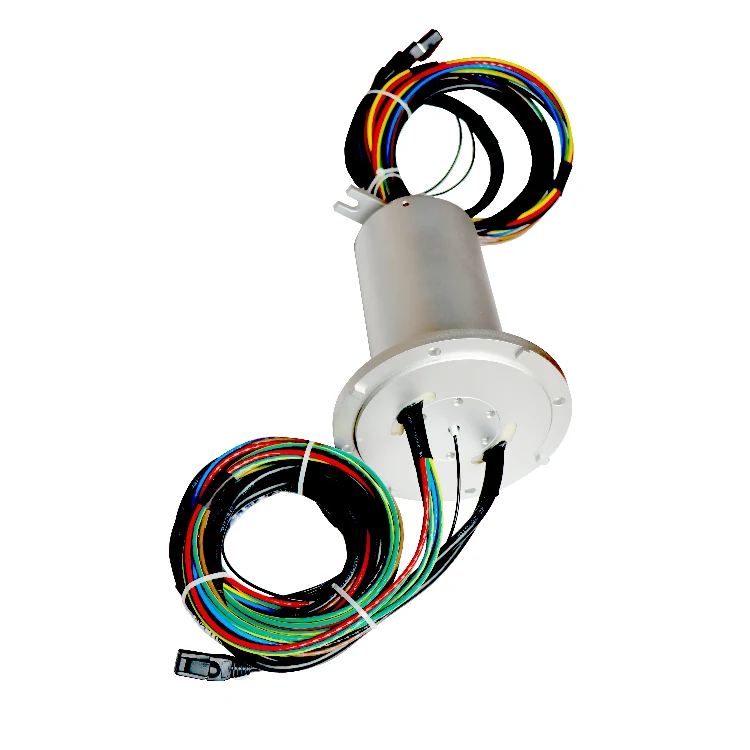
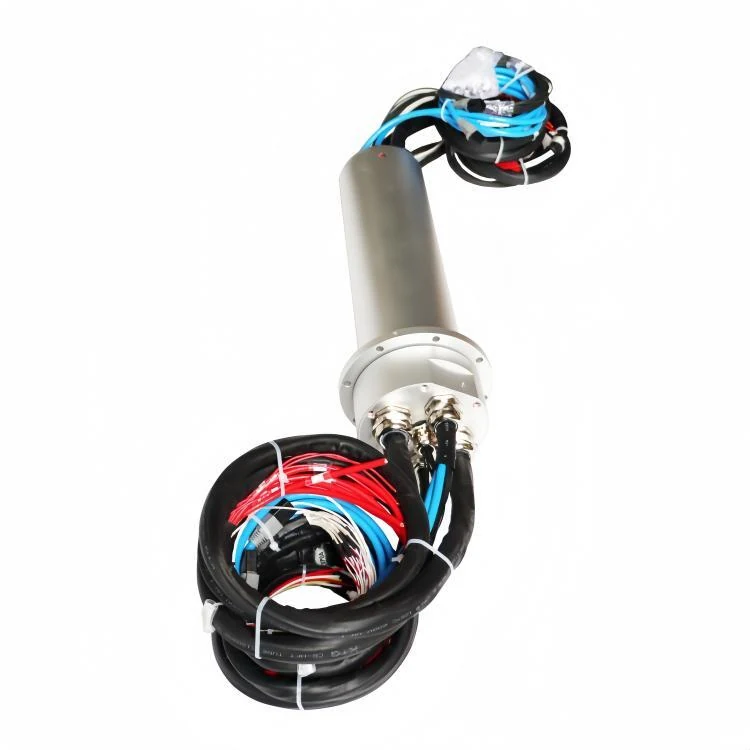
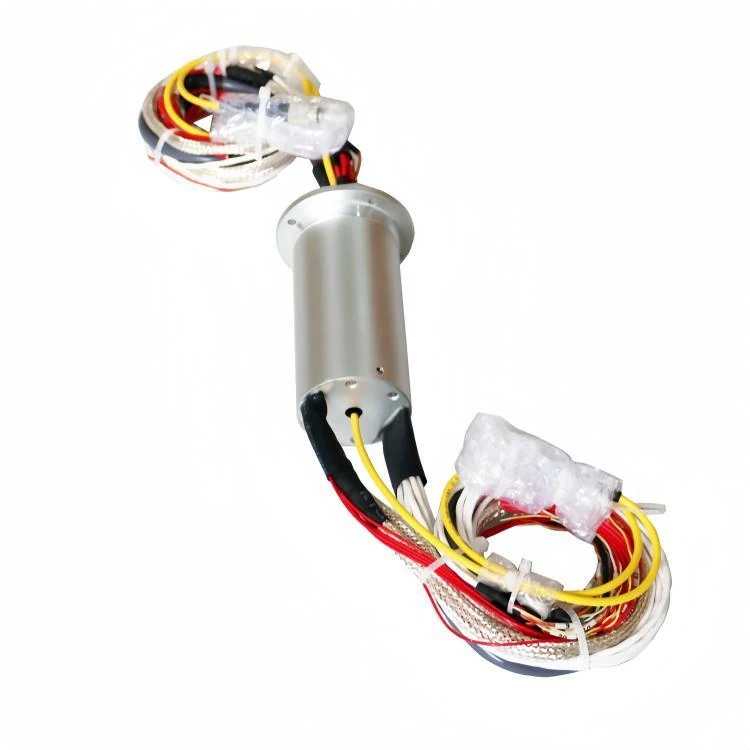
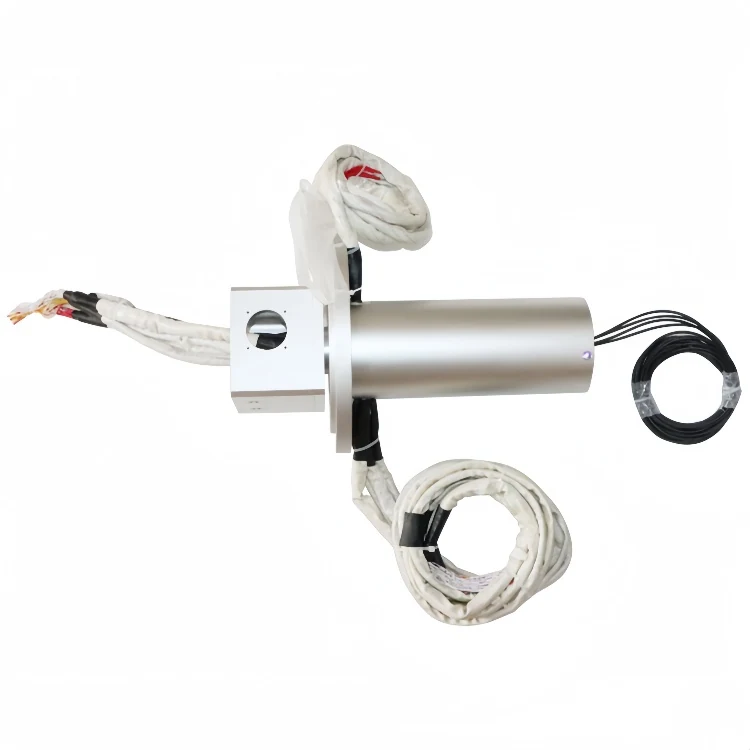
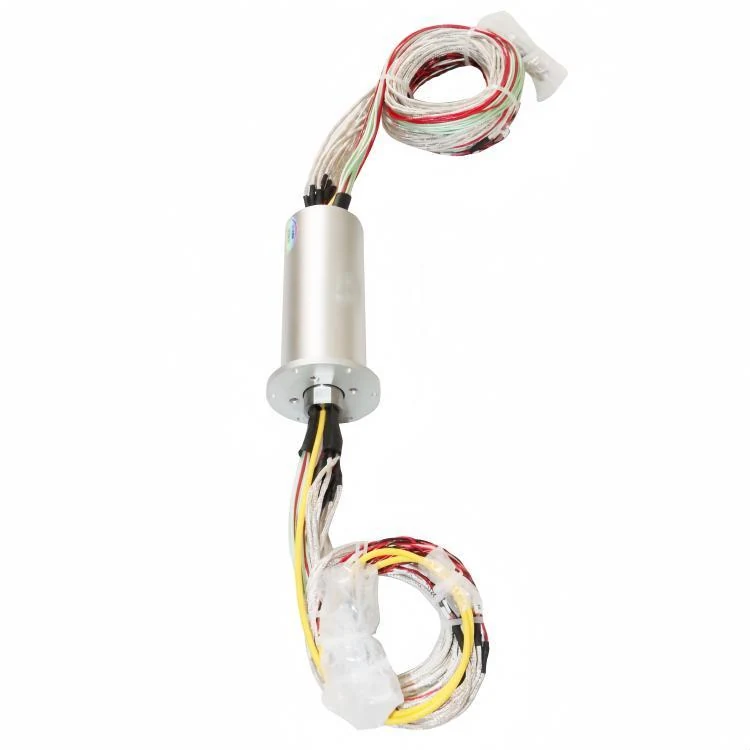
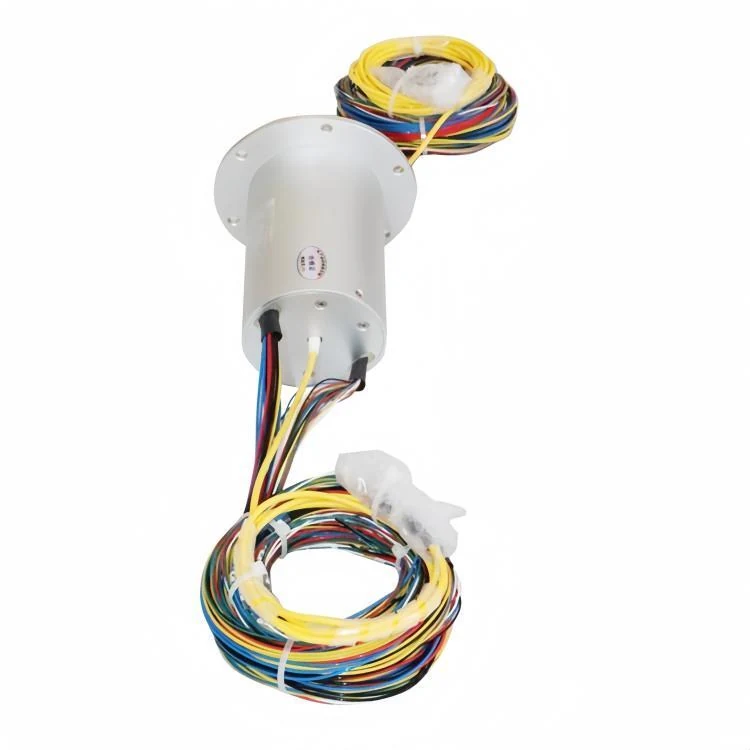
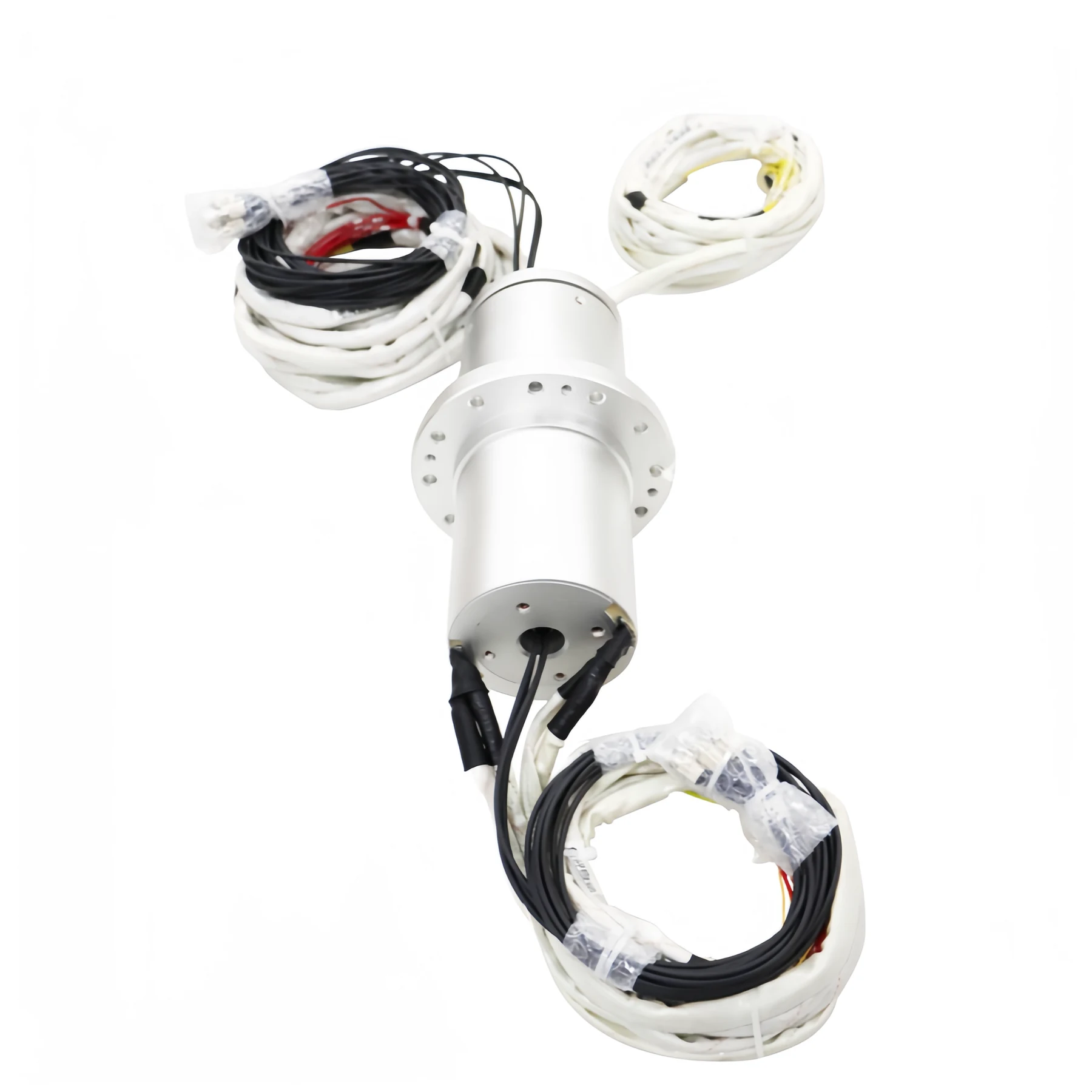
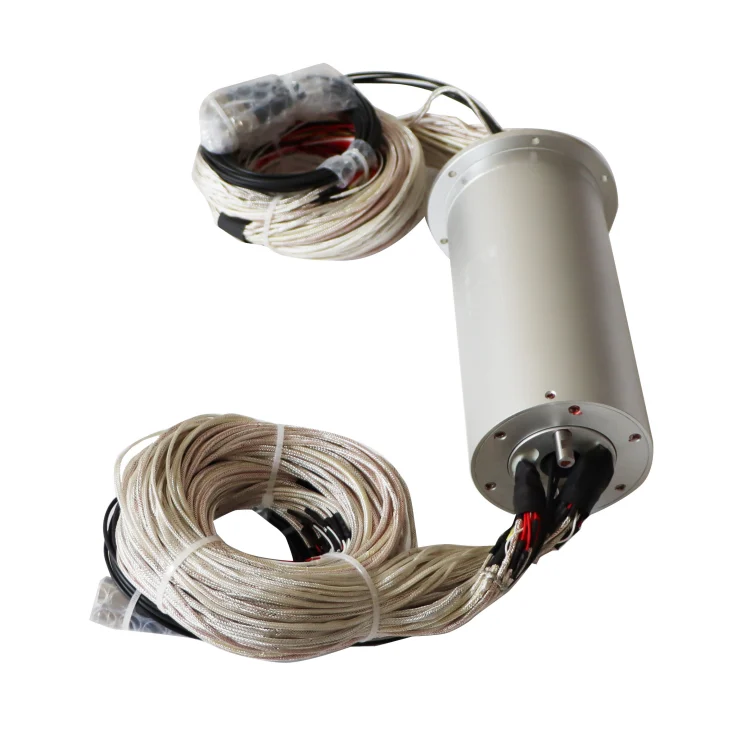
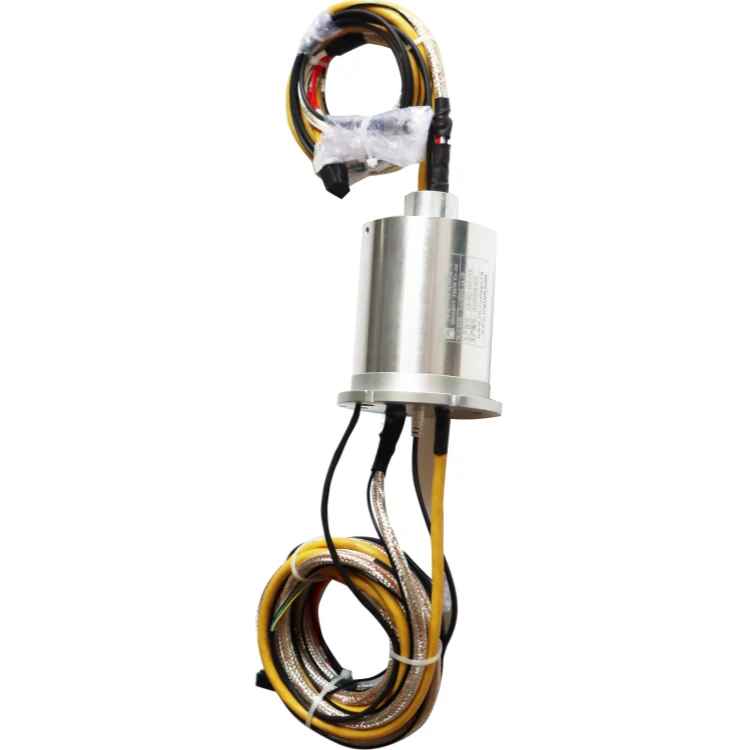
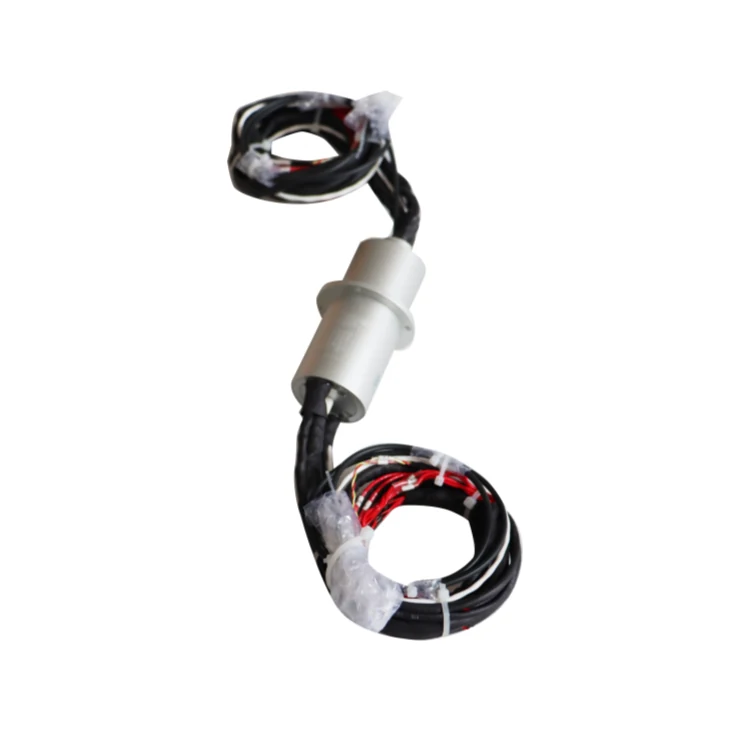
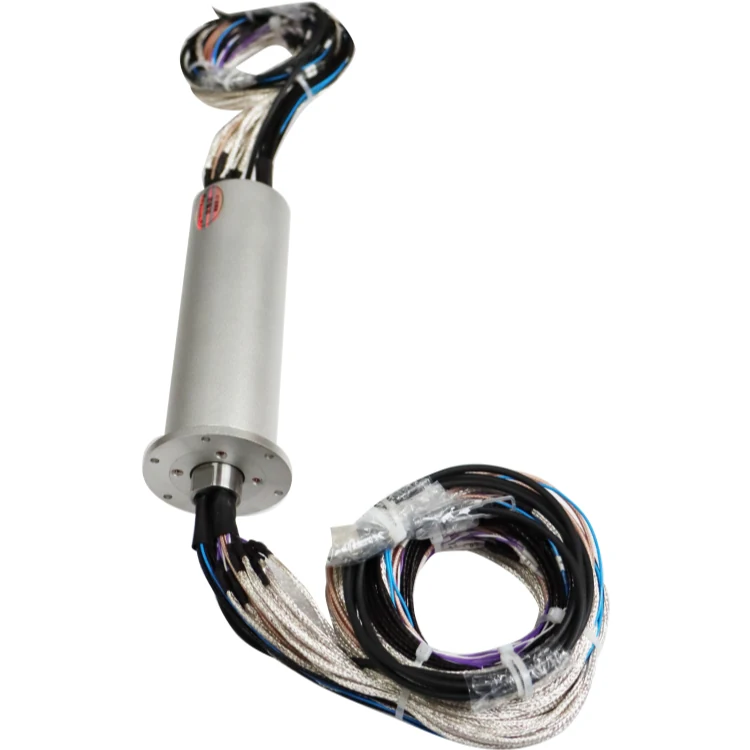
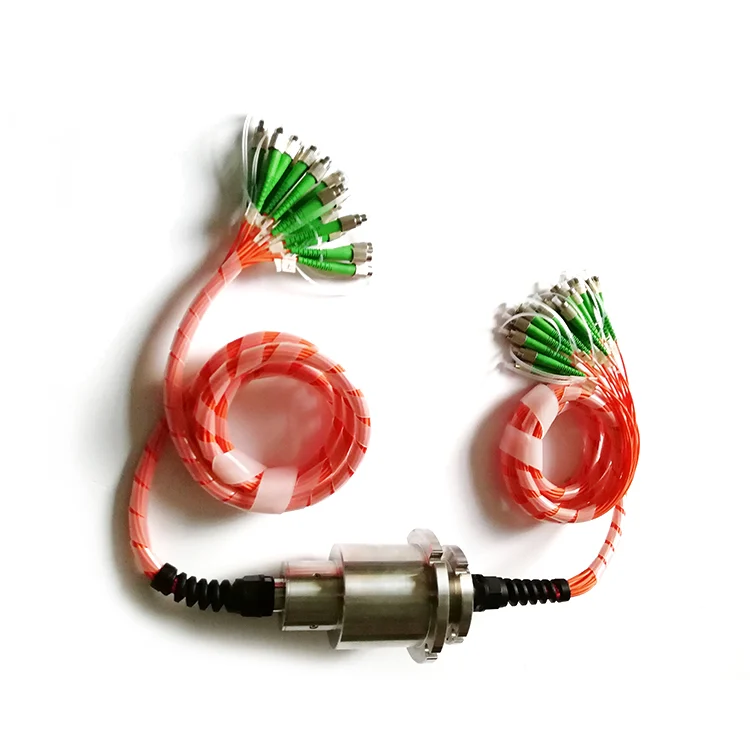
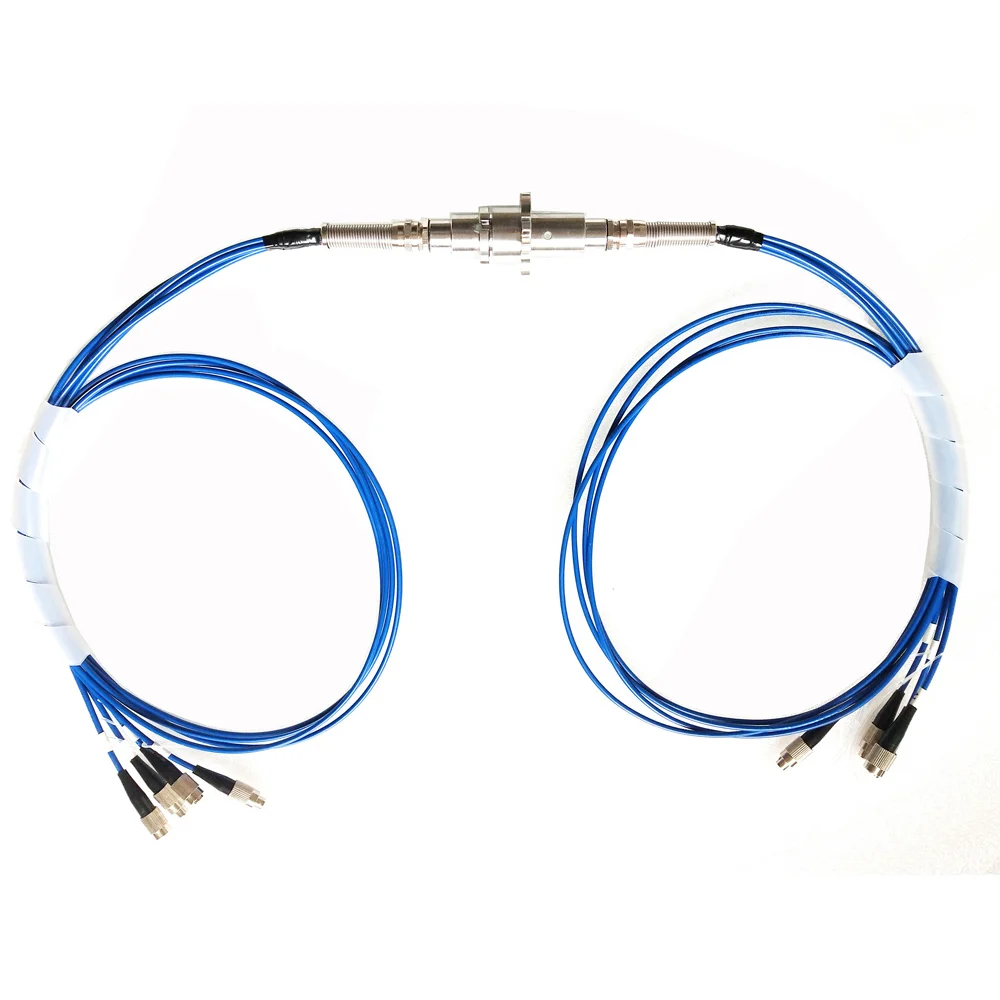
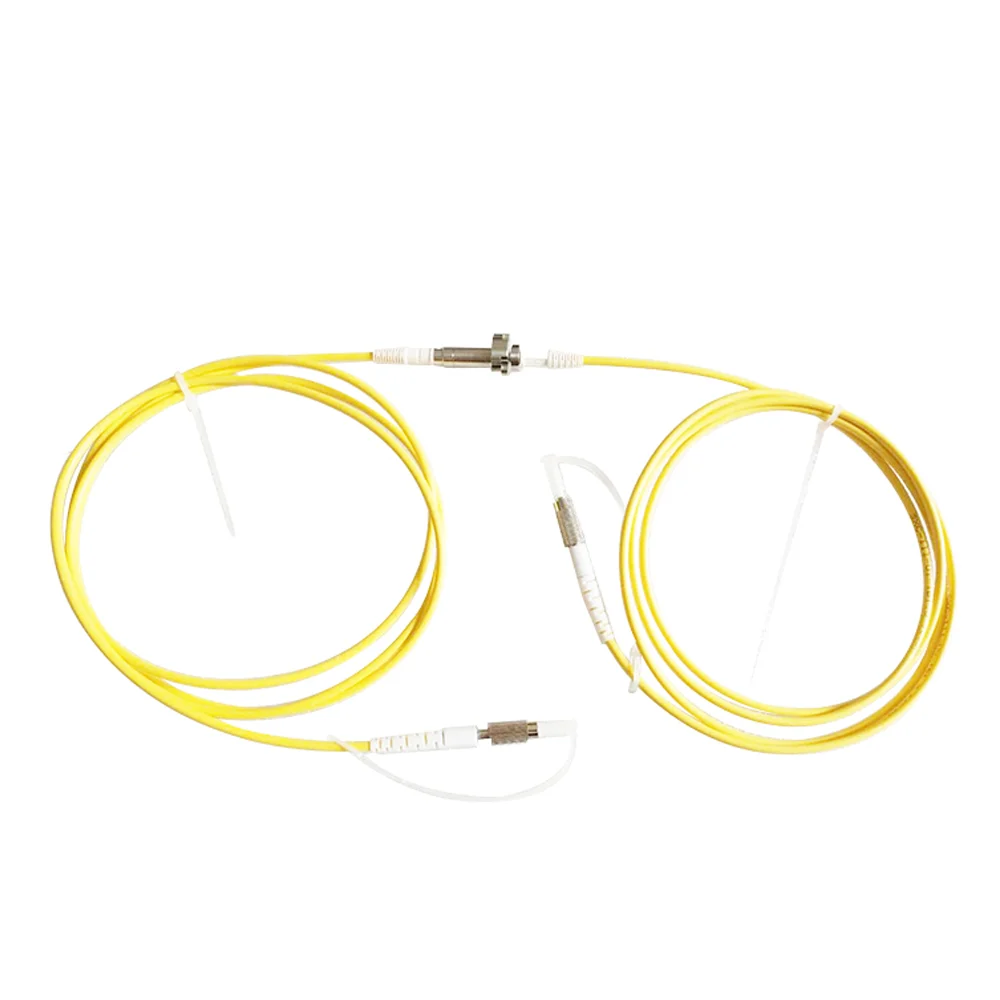
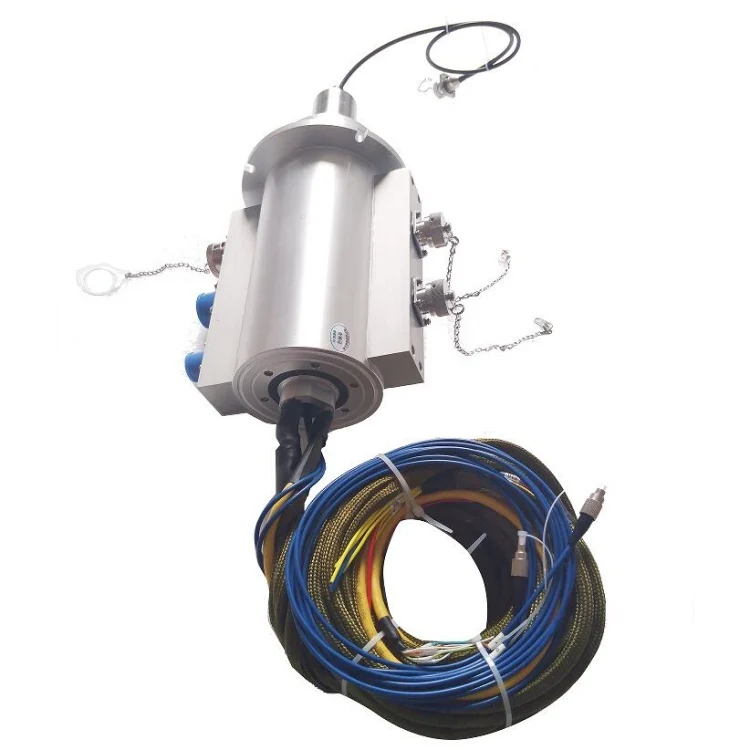
What This Family Is For
The constraint
High bandwidth video, long-distance links and electrically noisy environments defeat copper contacts. Twisting a fibre instead simply breaks it.
How INGIANT answers it
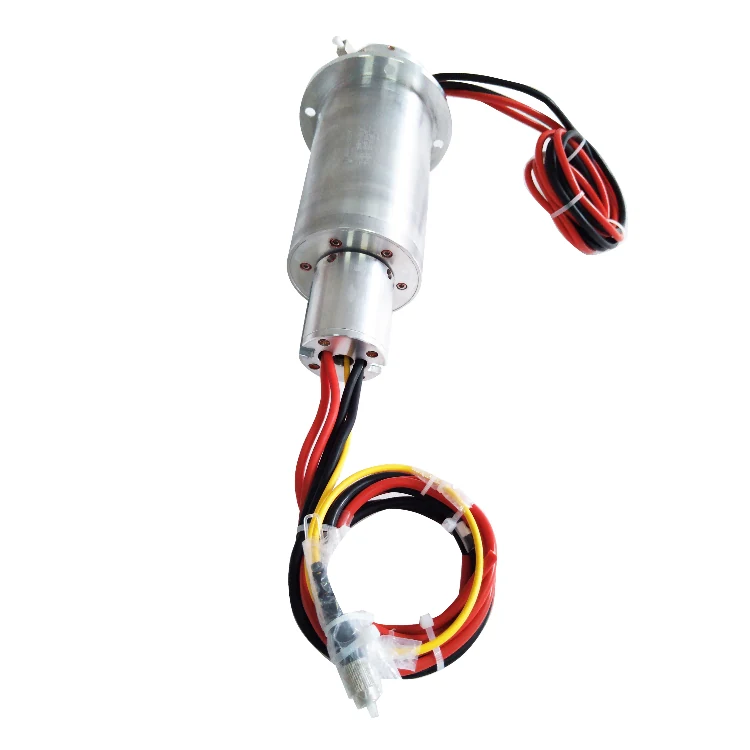
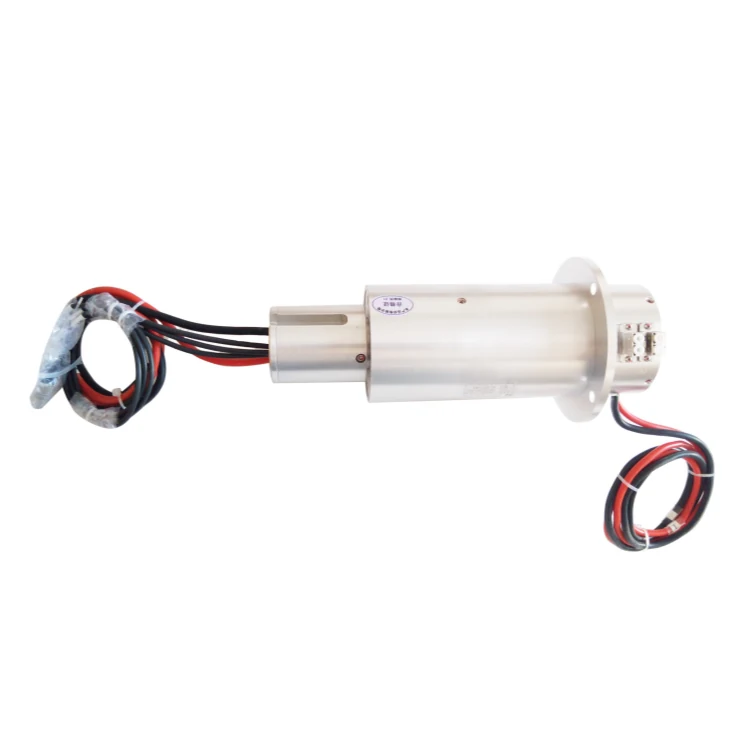
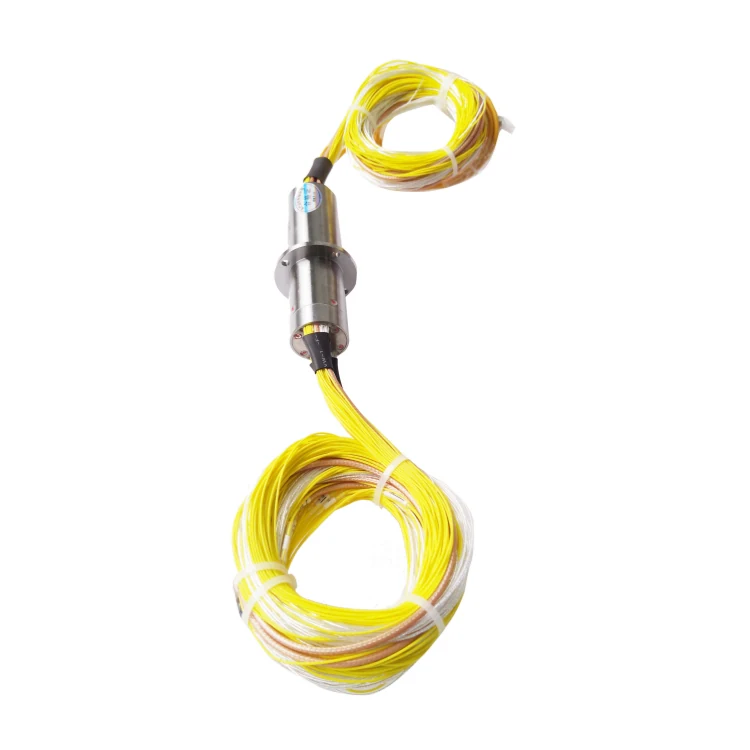
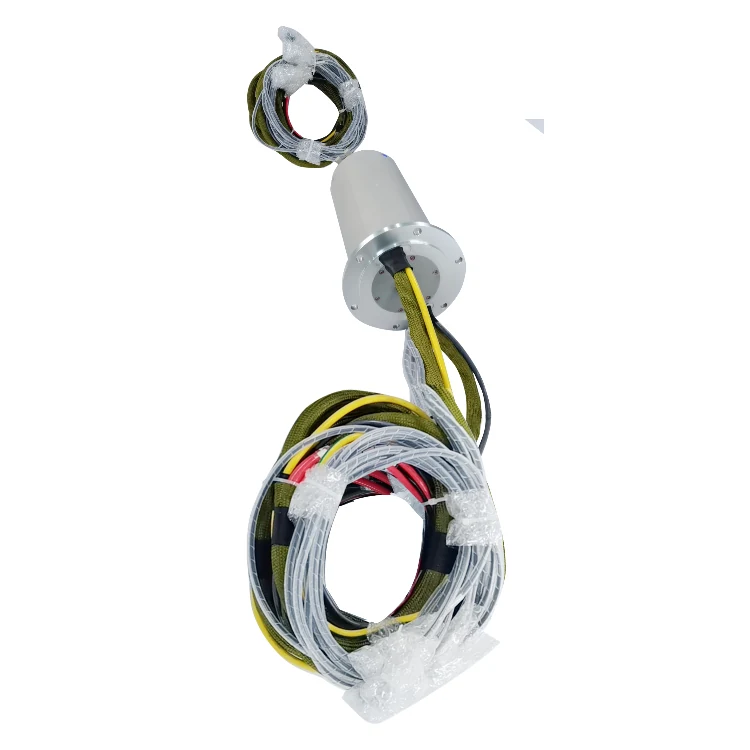
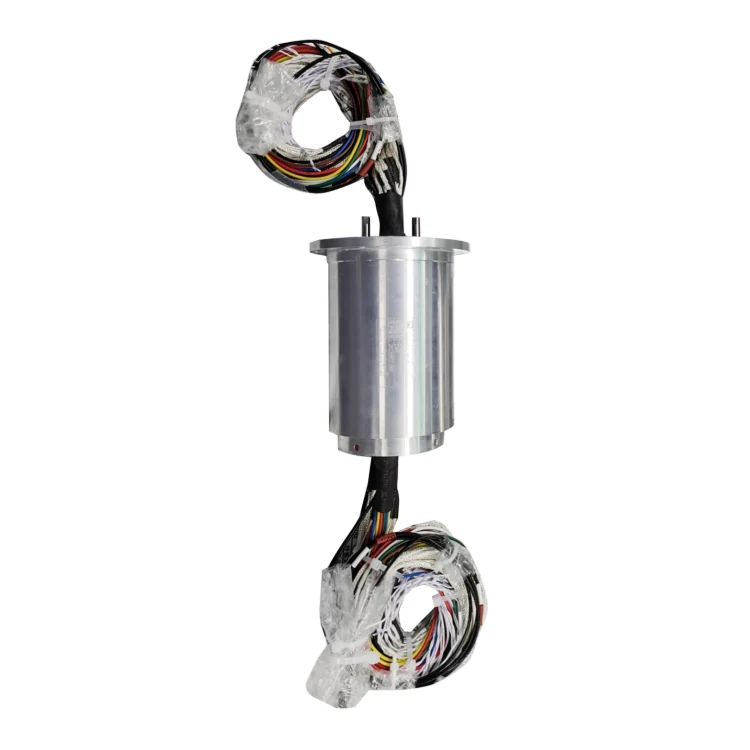
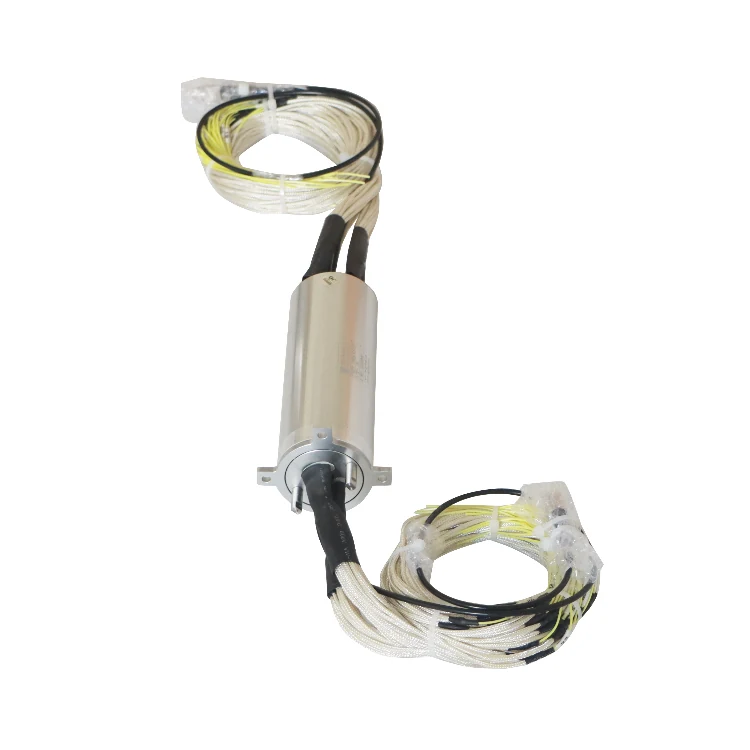
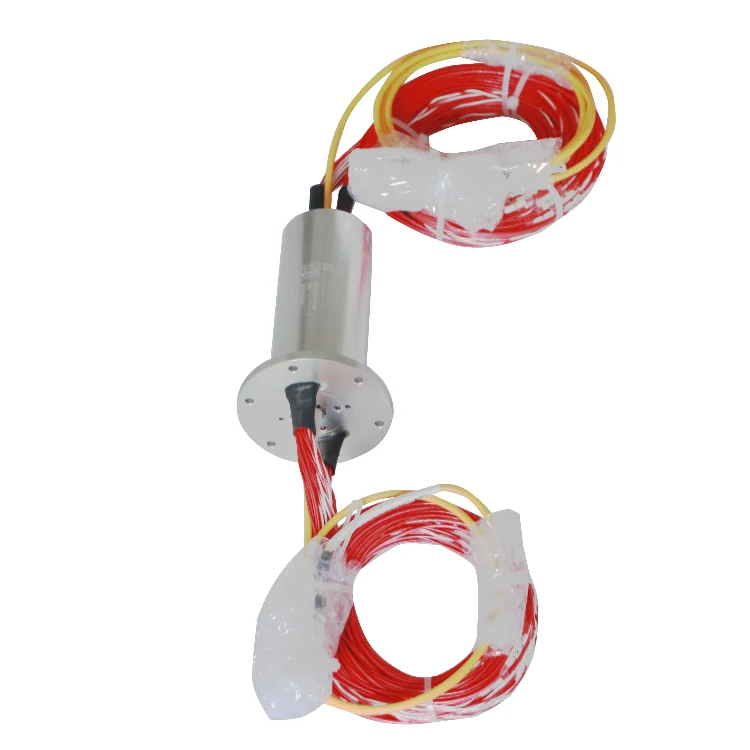
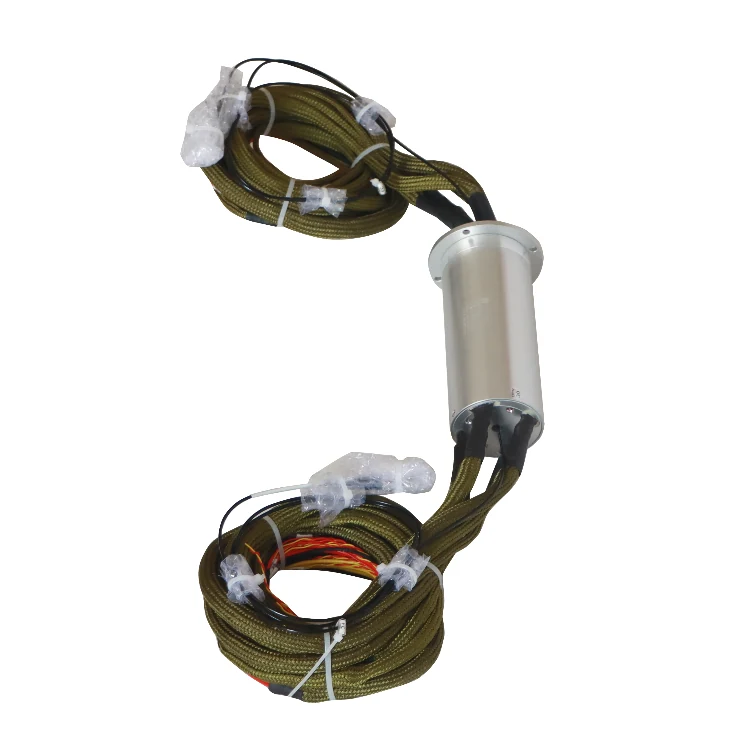
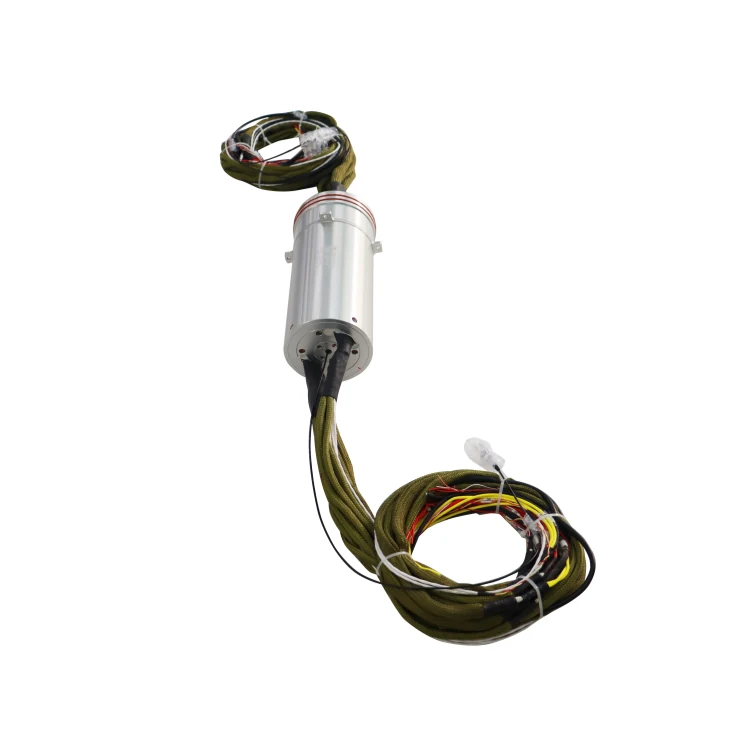
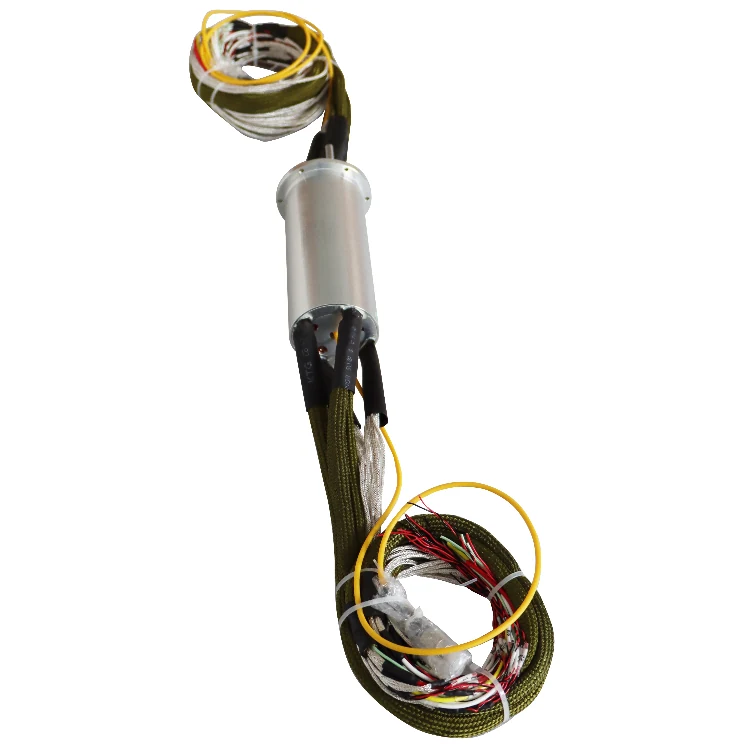
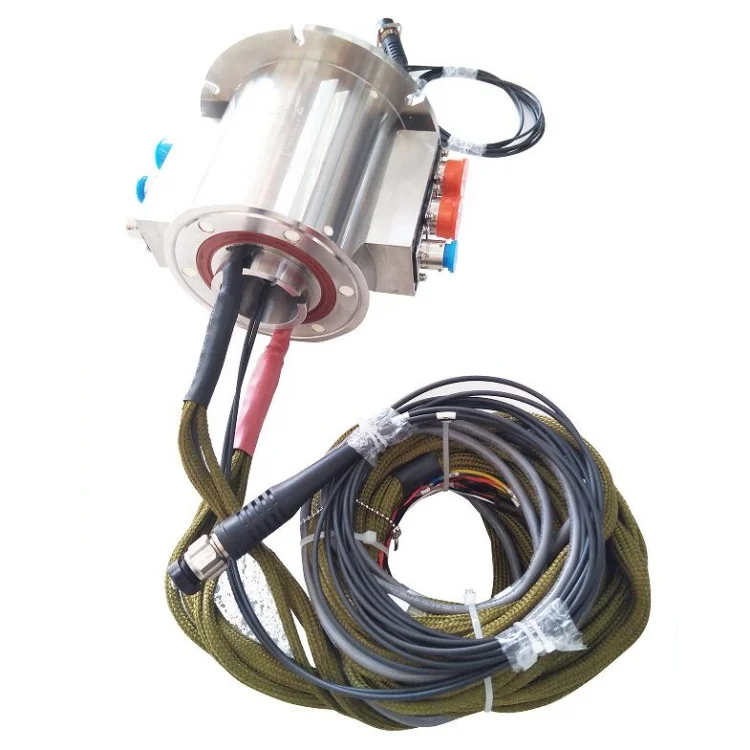
INGIANT builds single-channel and multi-channel optical rotary joints, and combines them with electrical rings, pneumatic passages and liquid unions into one photoelectric body when the axis has to carry more than light.
Who buys this family
Designers of subsea ROV and winch systems, radar and communications antennas, drilling and logging tools, broadcast and surveillance platforms, and defence electro-optical systems.
Standard Values Across This Family
These are the catalogue values that appear on most models in this family. Every one of them can be changed on a customised build.
Rotating speed
Catalogue units are rated 0–600 rpm. Lower and higher speed designs are built to order.
Working temperature
-40 °C to +65 °C on standard builds, with wider ranges designed against the application.
Protection level
IP54 as standard, with sealing grades up to IP68 where the environment demands it.
Insulation
Insulation resistance ≥1000 MΩ at 500 VDC, insulation strength 1500 VAC at 50 Hz for 60 s.
Contact system
Precious metal ring and brush pairs with dynamic resistance variation below 10 mΩ.
Lead wire
Colour-coded Teflon insulated tinned stranded flexible wire, 500 mm + 20 mm as standard.
Industries Using Fiber Optic Rotary Joints
Aerospace and Defence
Aircraft pods, satellite solar arrays, seeker heads and radar platforms all rotate continuously, and the rotating connector on those axes…
Medical Equipment
CT gantries, surgical lighting heads and medical robots turn continuously around the patient, and the rotating joint has to carry power,…
Test and Measurement
Endurance rigs, rotating test stands, antenna measurement turntables and inspection equipment need instrumentation signals to survive…
Articles About Fiber Optic Rotary Joints
INGIANT RF Rotary Joint: High-Fidelity Signal Transmission in Demanding Rotating Systems
JiuJiang INGIANT Technology Co., Ltd. (est. 2014), based in Jiujiang National Economic & Technological Development Zone,…
Main application areas and functions of textile machine slip rings
Facebook Twitter LinkedIn Main application areas and functions of textile machine slip rings Main application areas and…
Principle and structure of micro conductive slip rings
Facebook Twitter LinkedIn Principle and structure of micro conductive slip rings Micro conductive slip rings, also known as…
Fiber Optic Rotary Joints Questions Engineers Ask
How many optical channels can one rotary joint carry?
Single channel units are standard, and multi-channel designs are built to order — the site's photoelectric models include 2, 3, 5 and 8 fibre channel combinations.
Can optical and electrical channels be combined?
Yes. Photoelectric hybrid units combine optical fibre channels with electrical rings in one housing, for example a 130 mm unit with 5 fibre channels and 56 electrical circuits.
What should I send you to have an optical rotary joint designed?
The fibre type and count, the wavelength and the acceptable insertion loss, plus the rotating speed, installation envelope, operating temperature and IP requirement.
Need Help Narrowing 62 Models Down to One
Send the rotating speed, the installation size, the circuit count, the voltage and current per ring, the signal types, the temperature range and the IP requirement. You get a model number and a drawing back.