
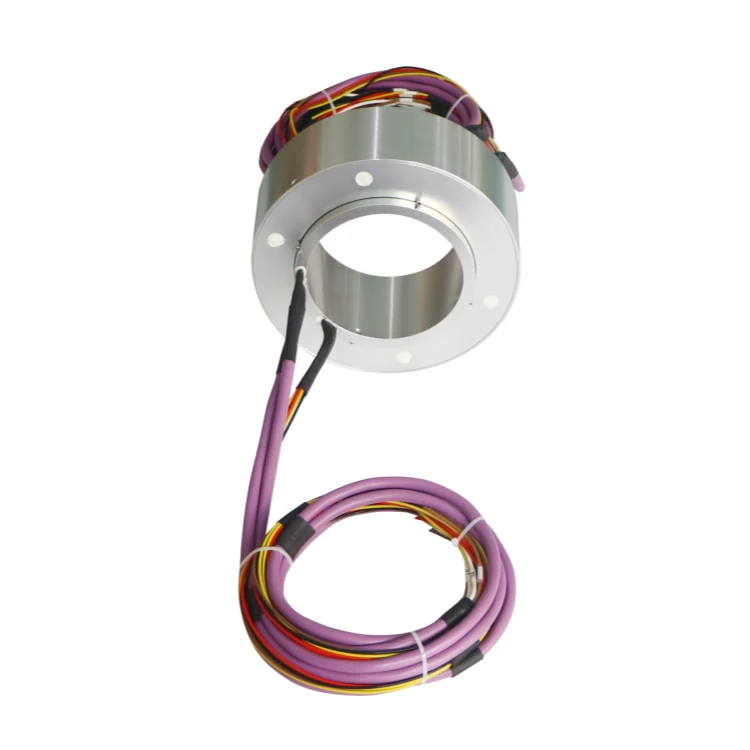
Through Bore Slip Rings for Shaft and Cable Pass-Through Applications
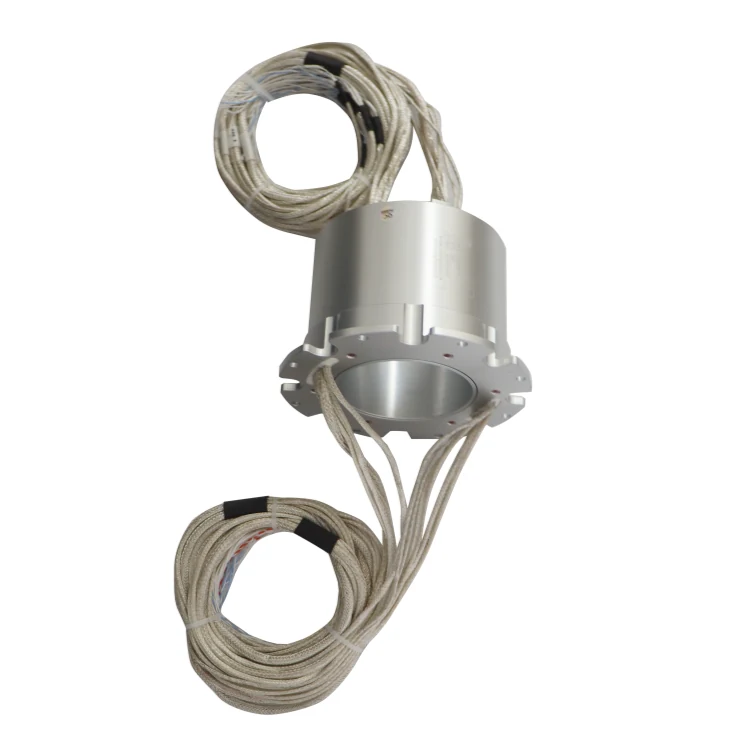
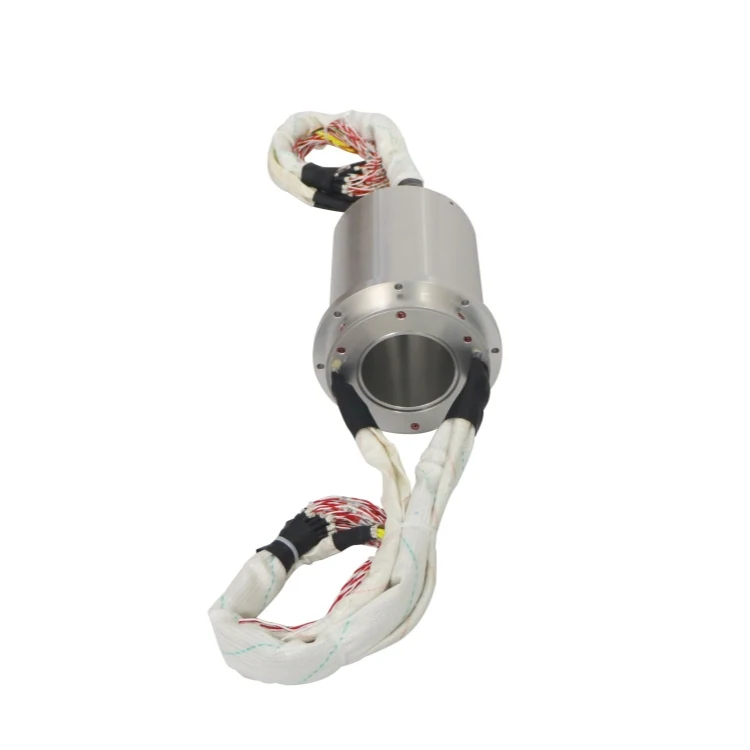
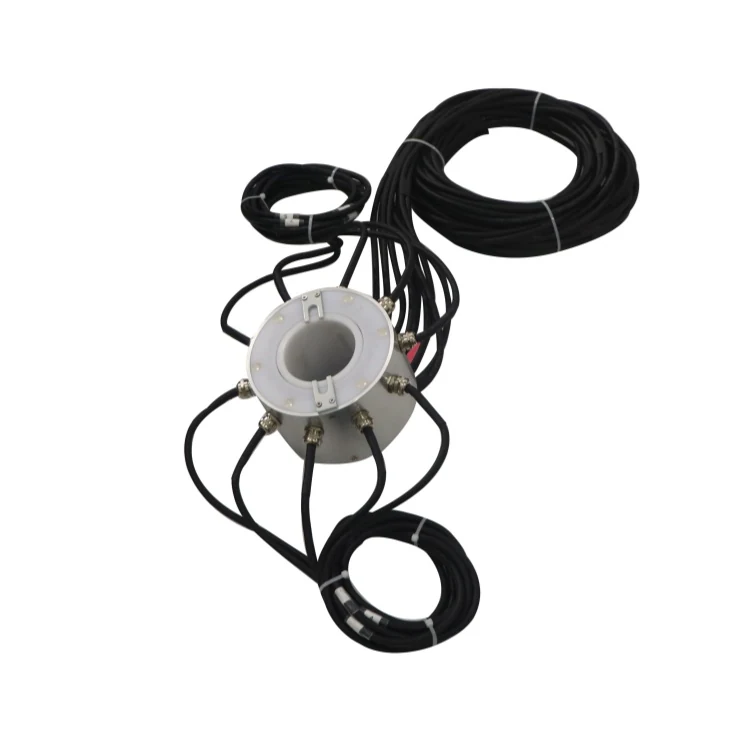
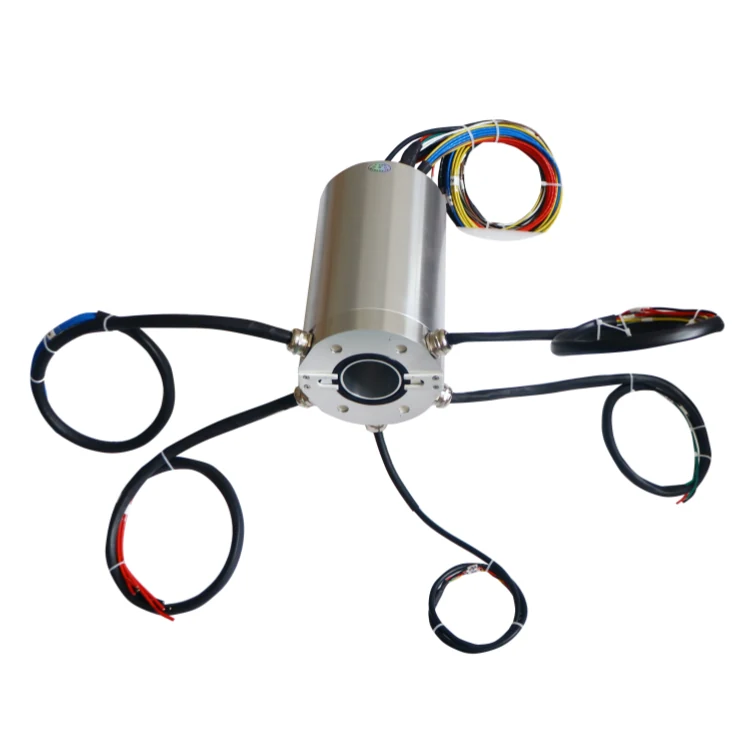
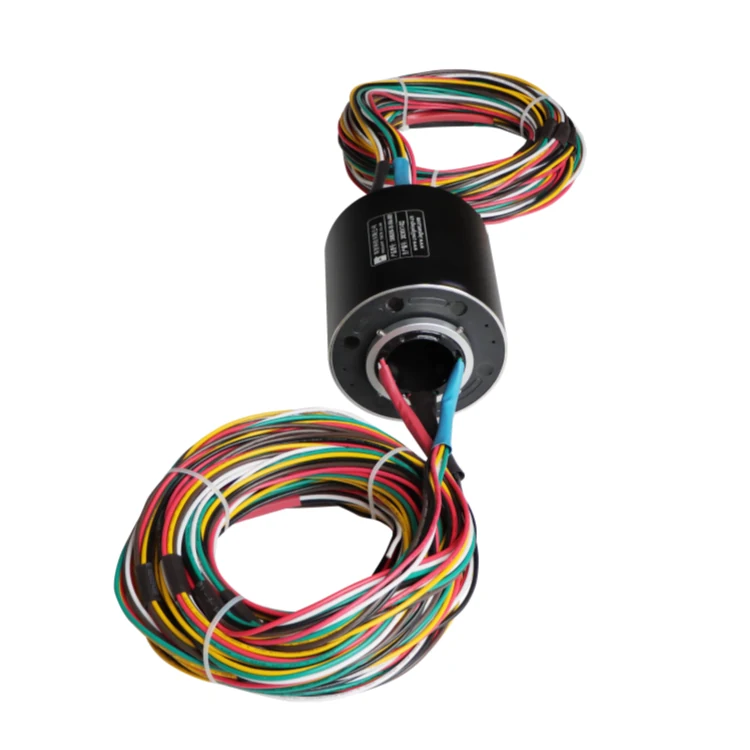
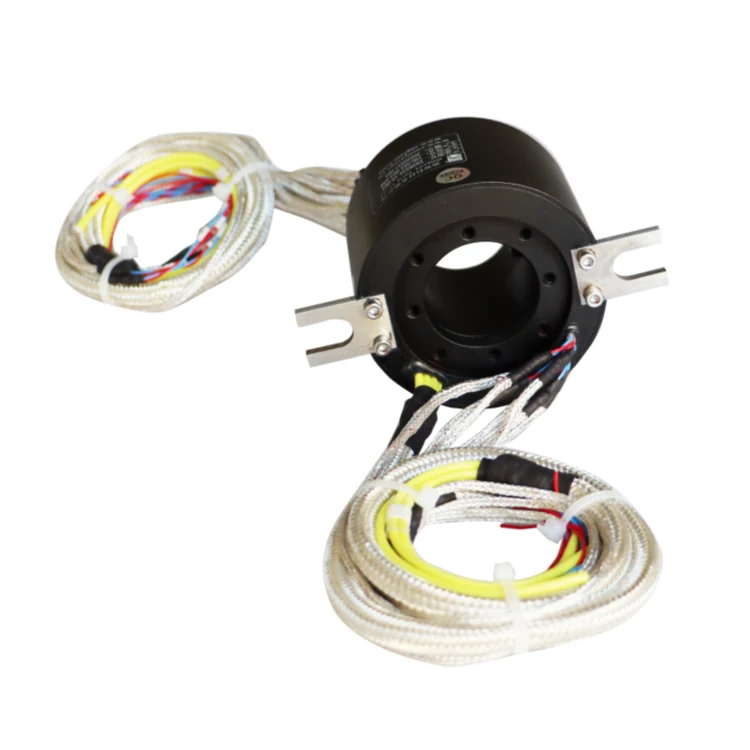
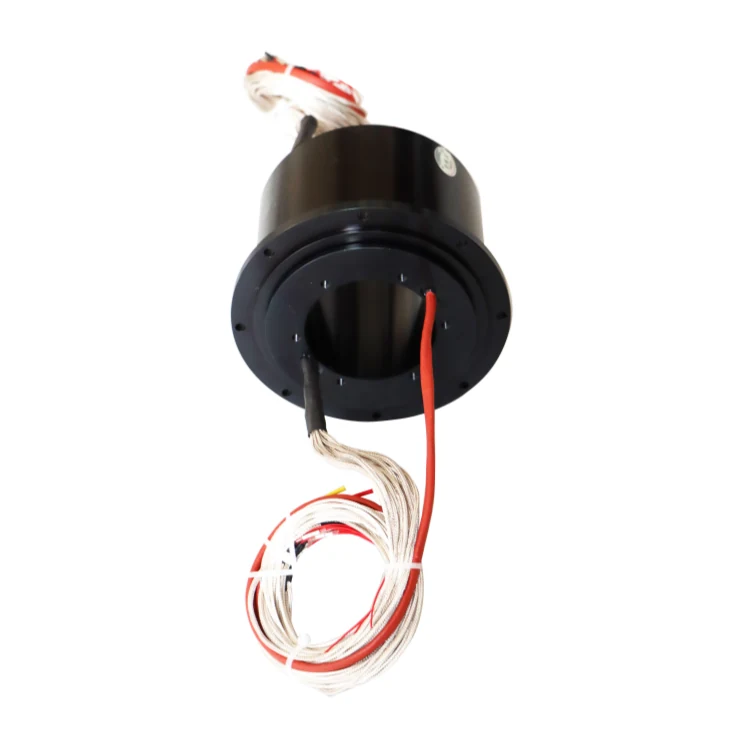
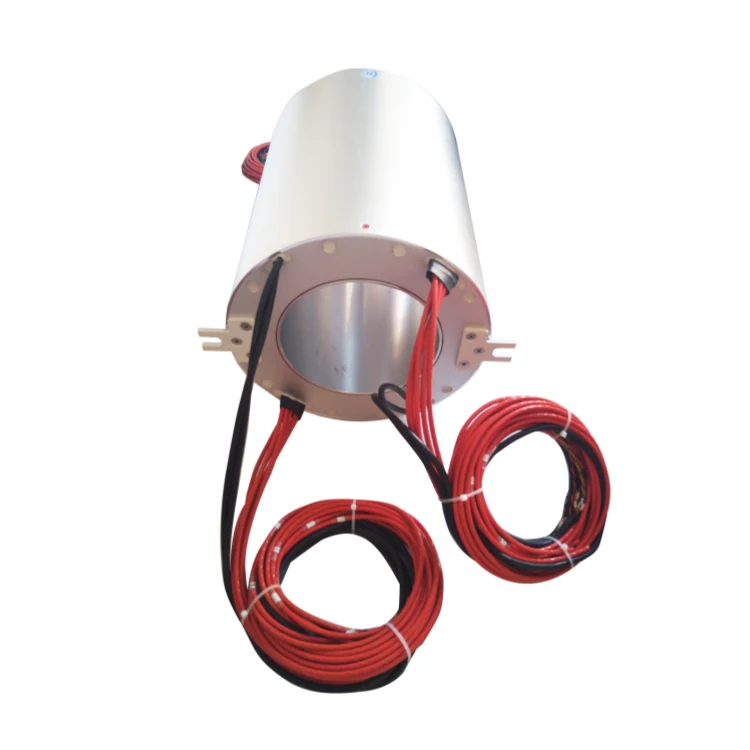
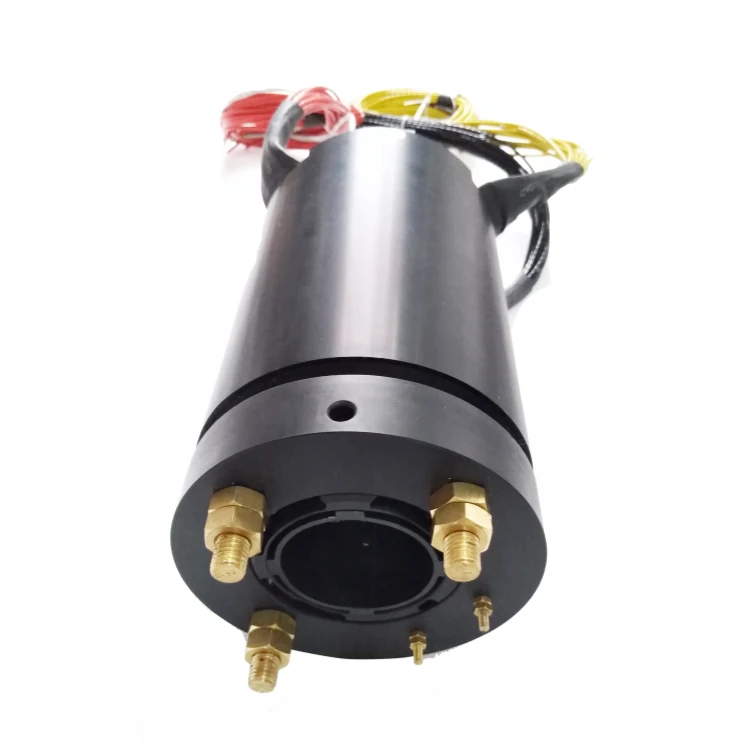
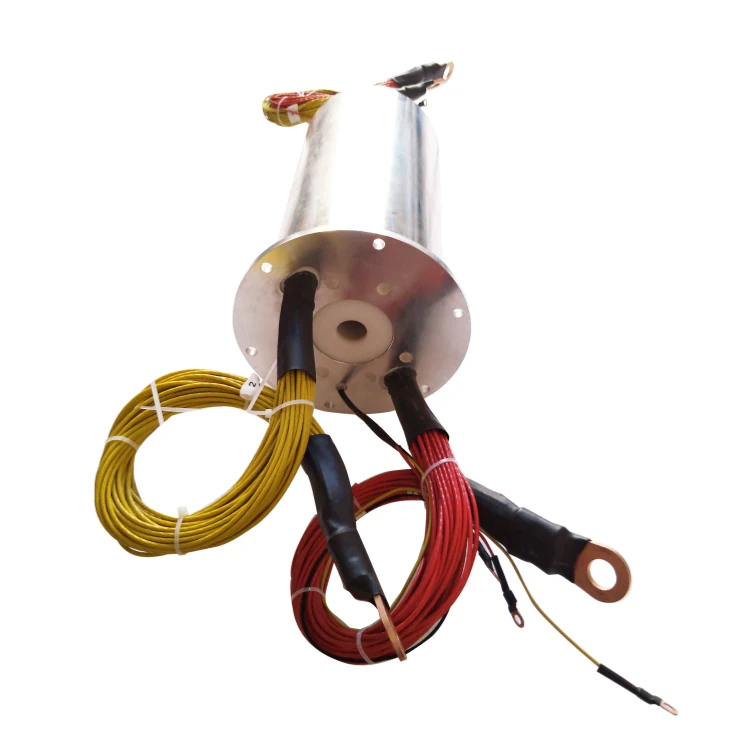
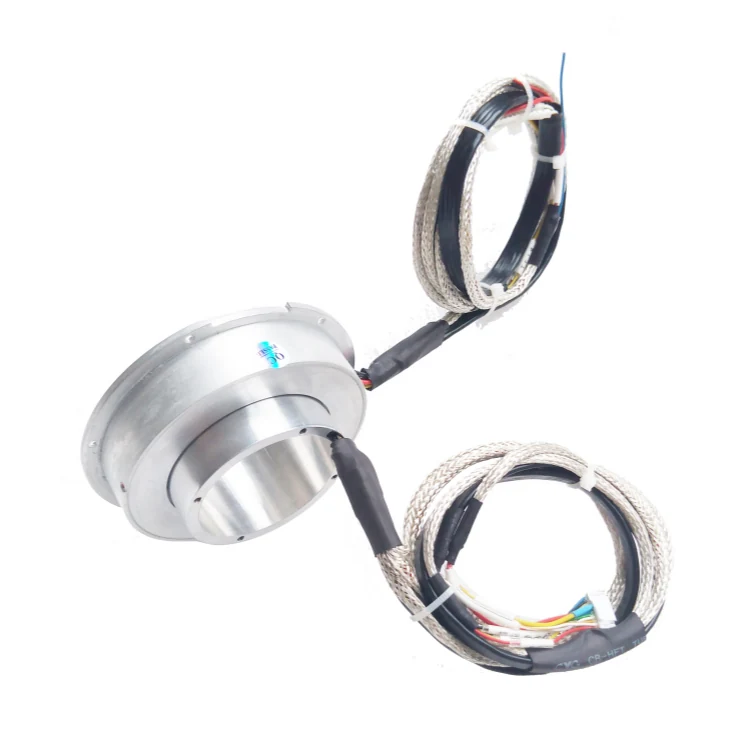
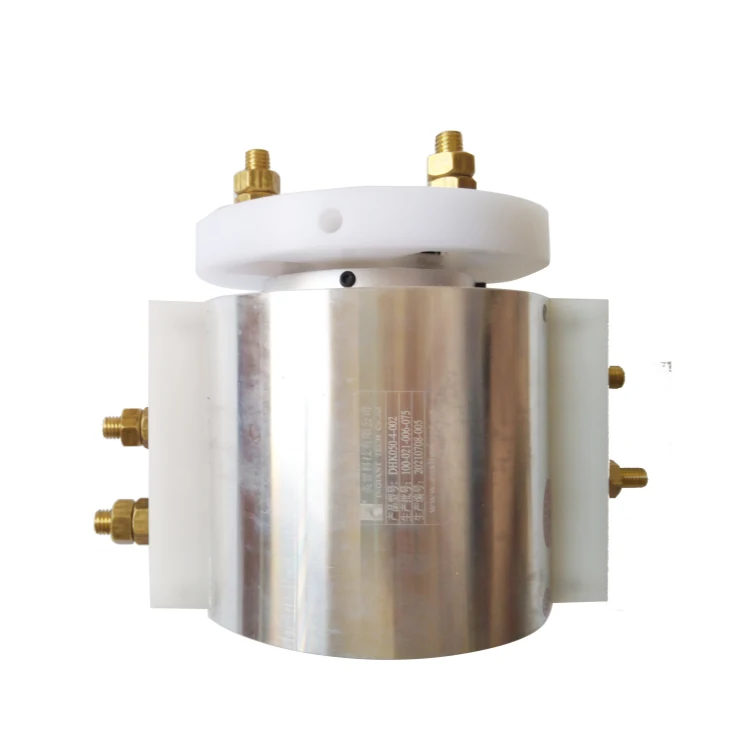
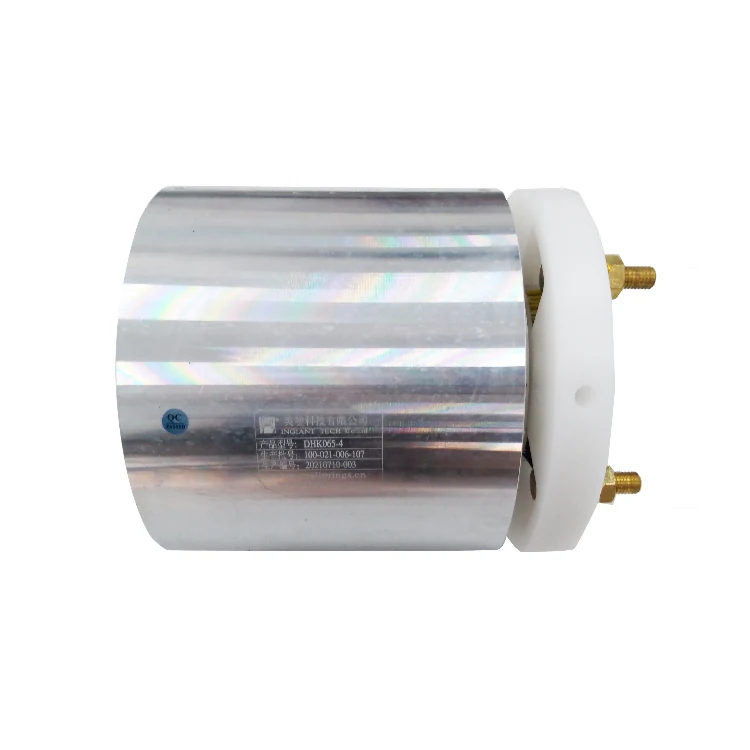
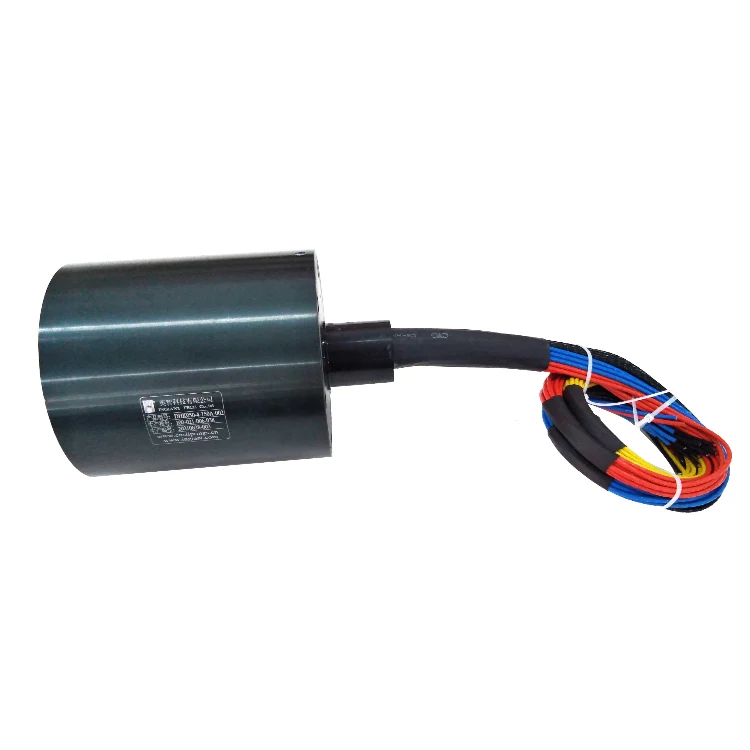
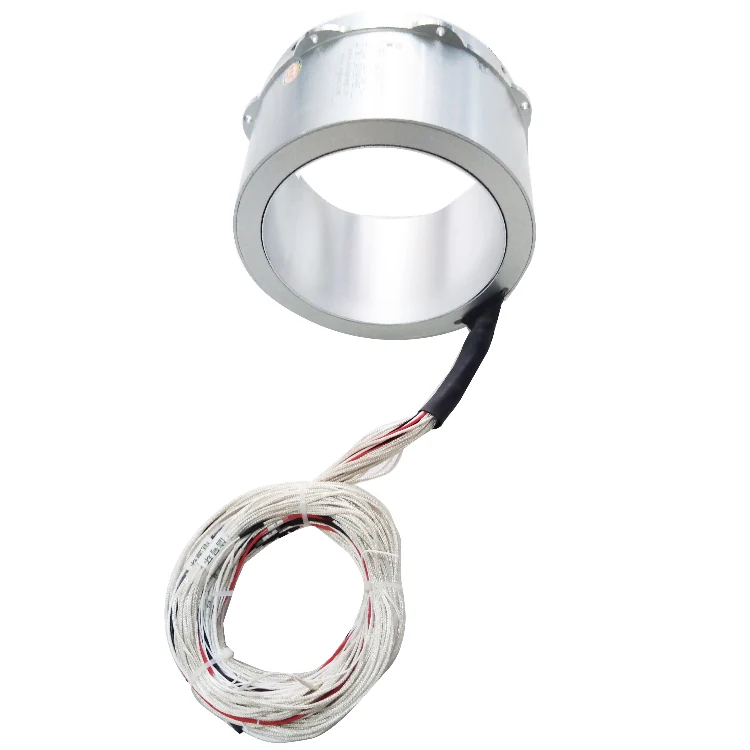
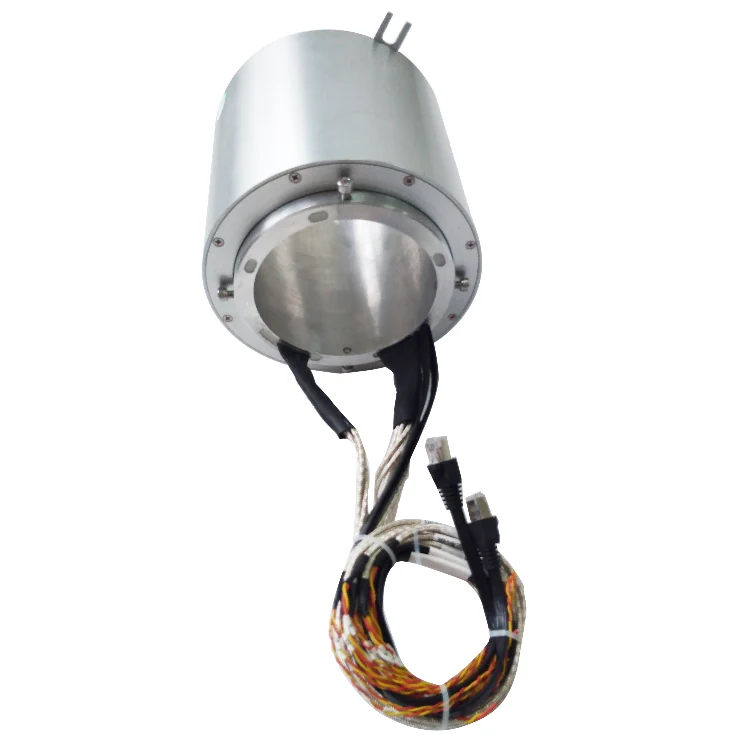
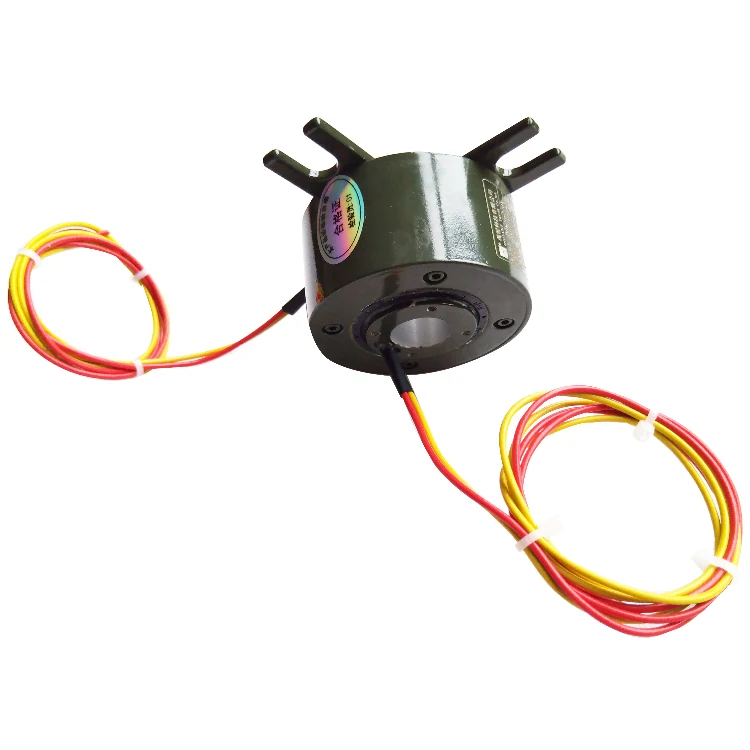
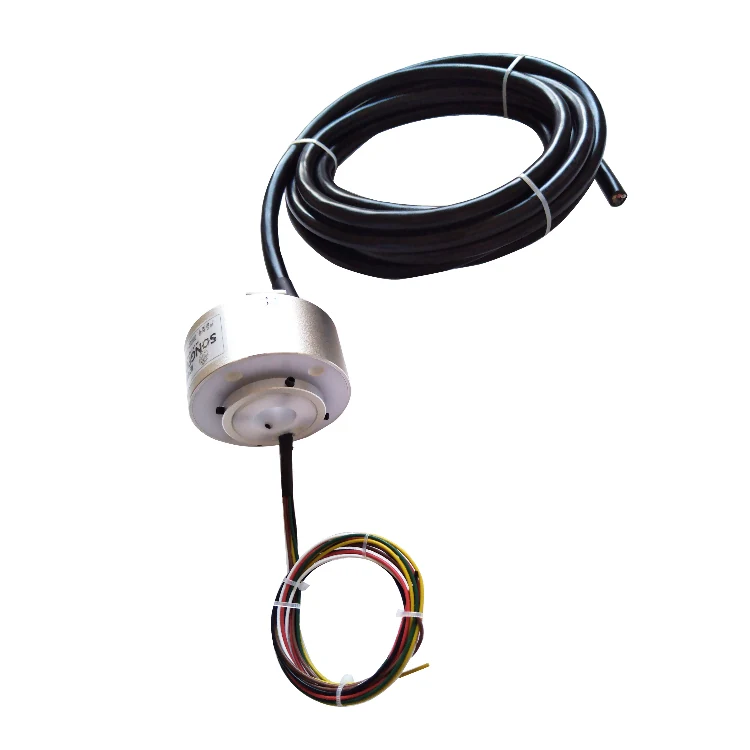
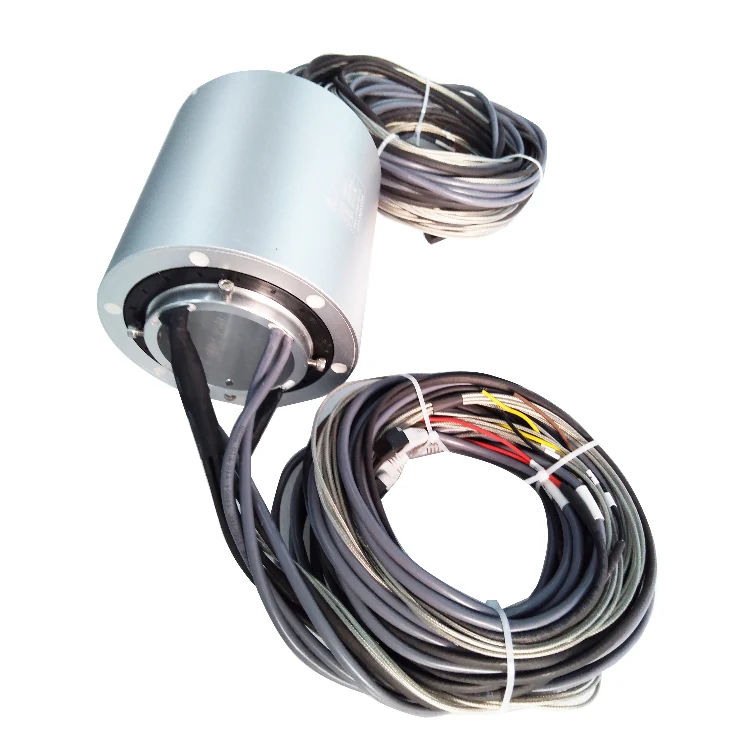
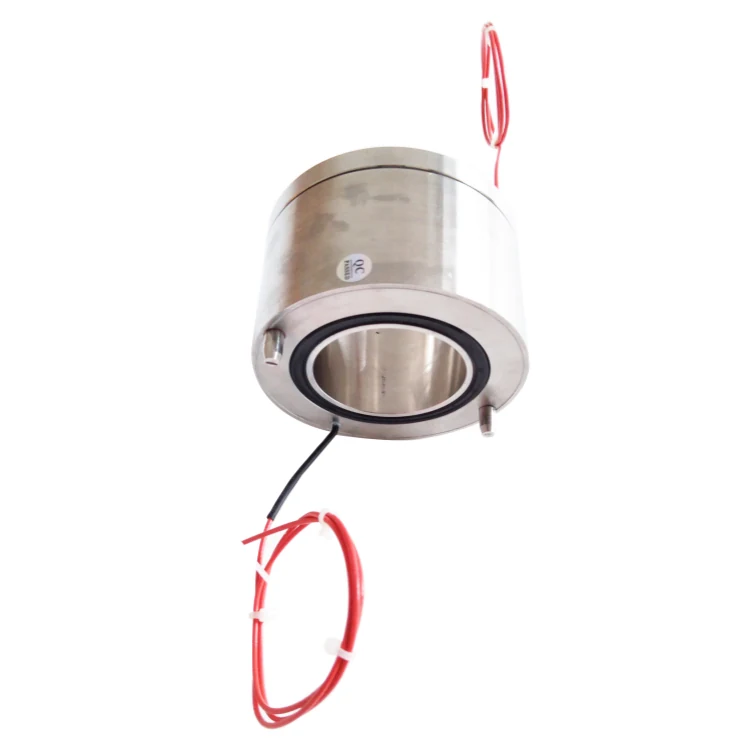
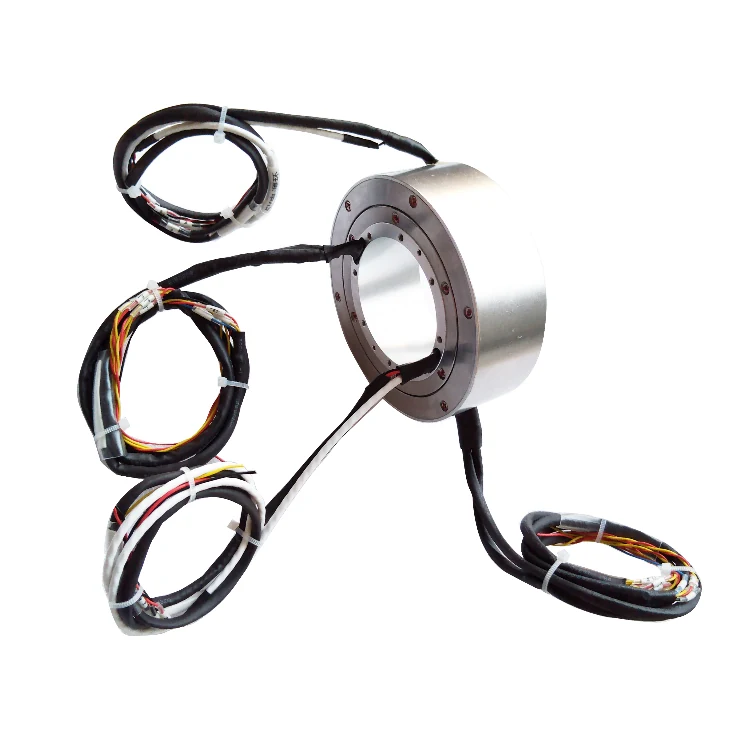
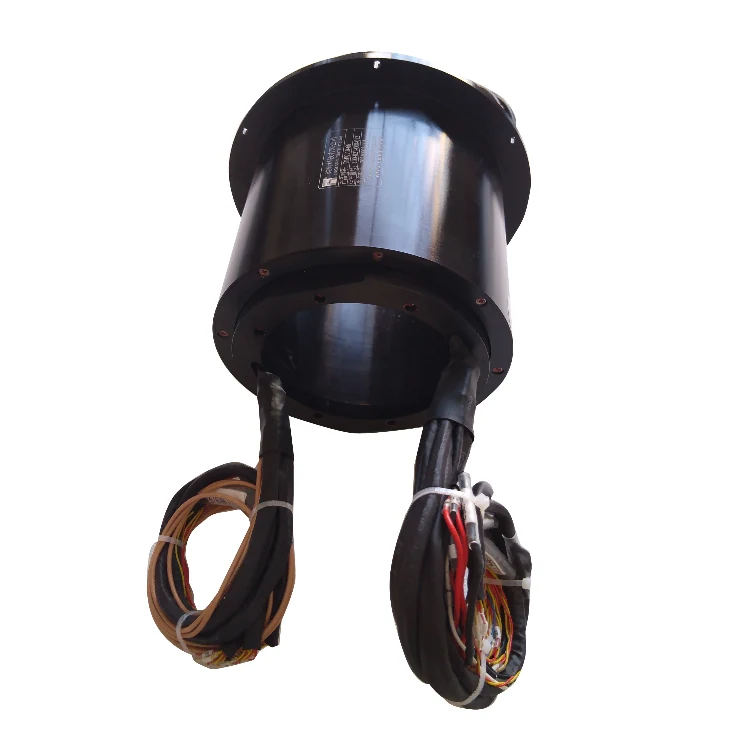
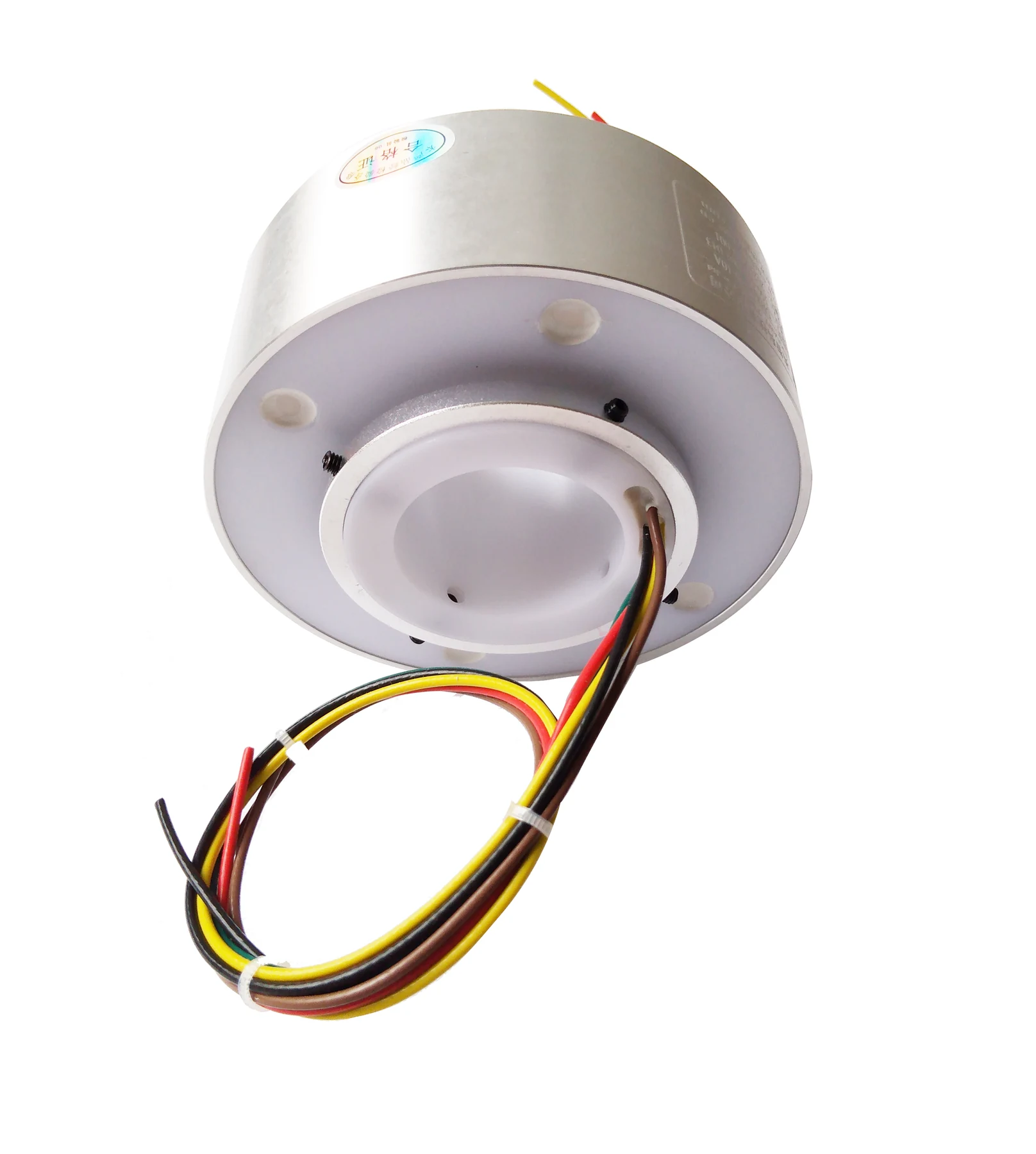
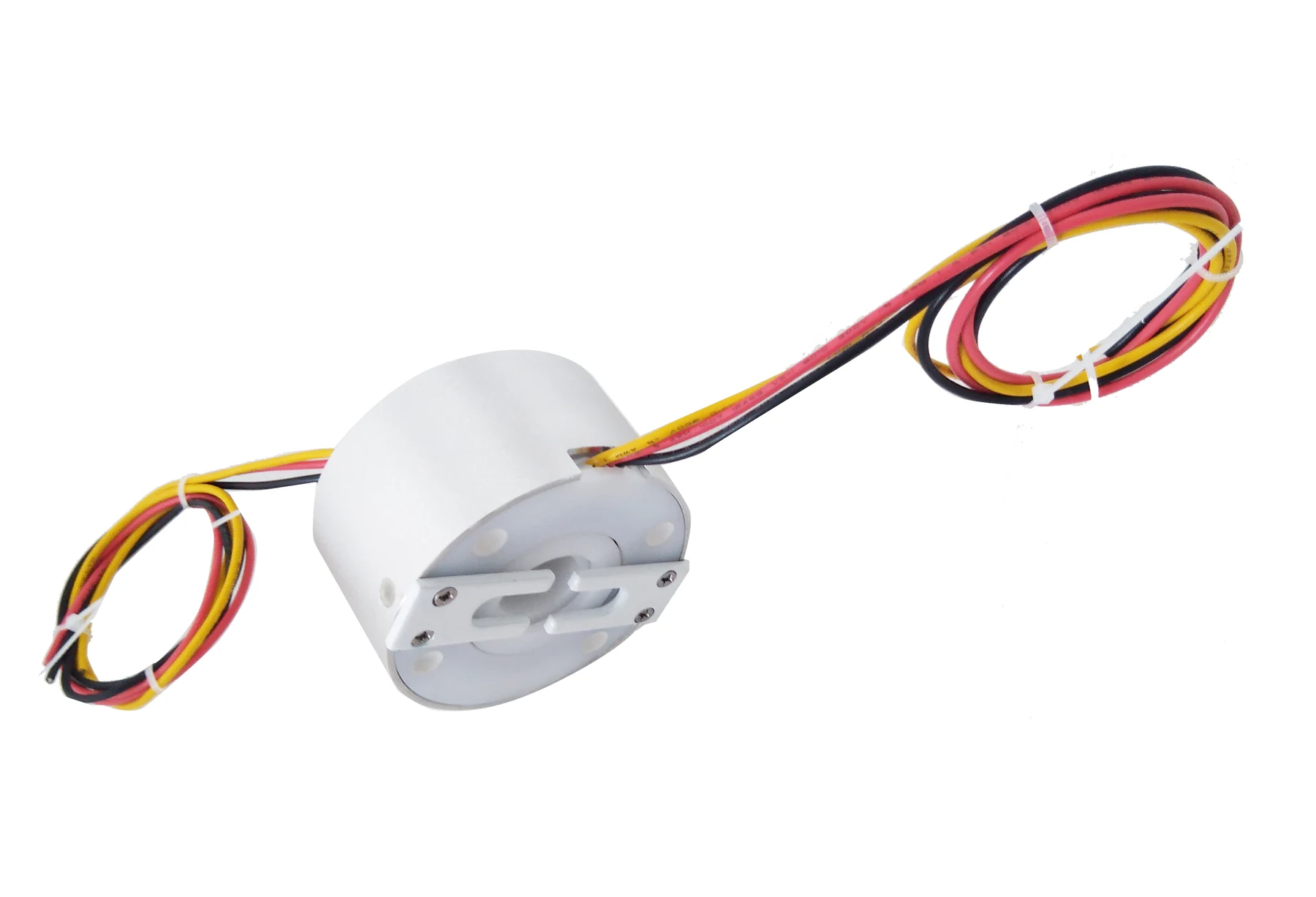
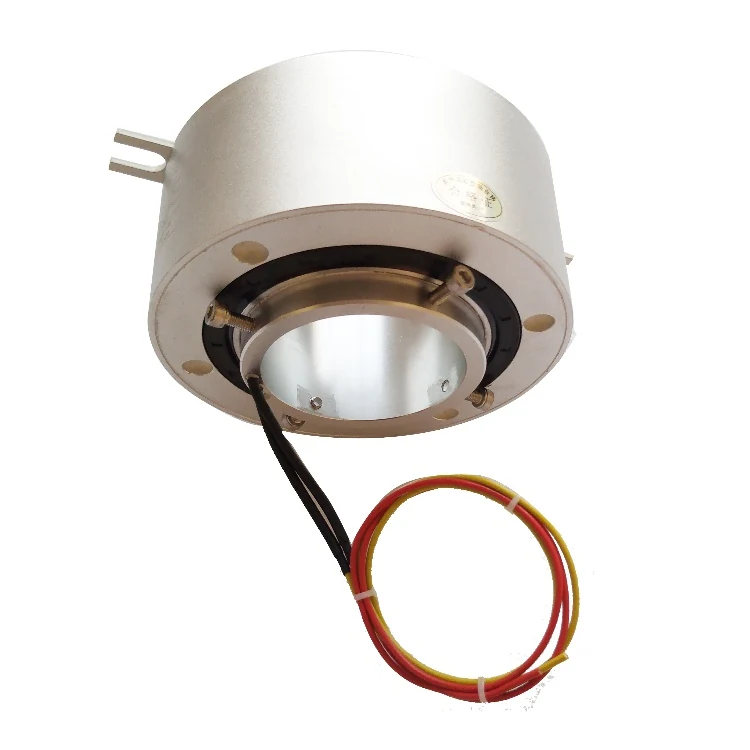
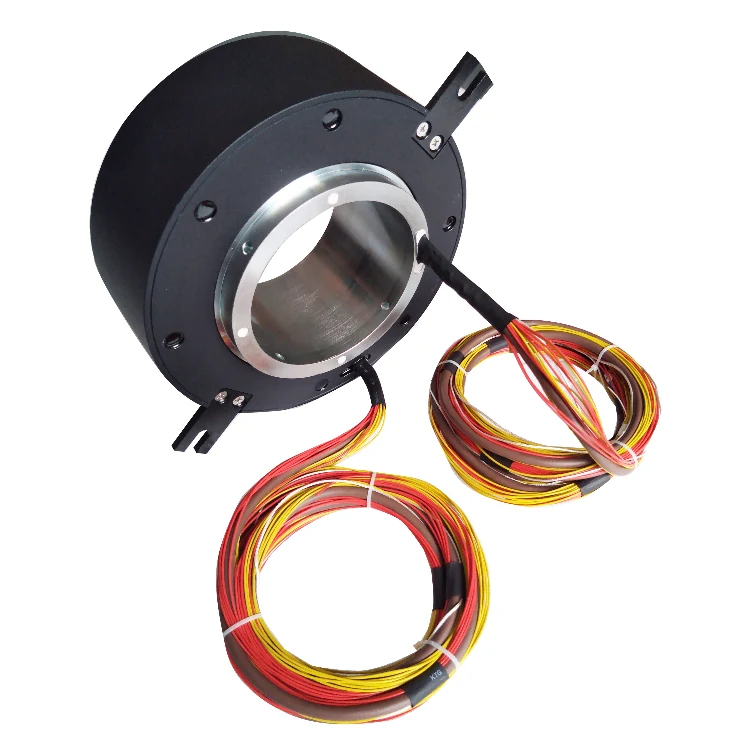
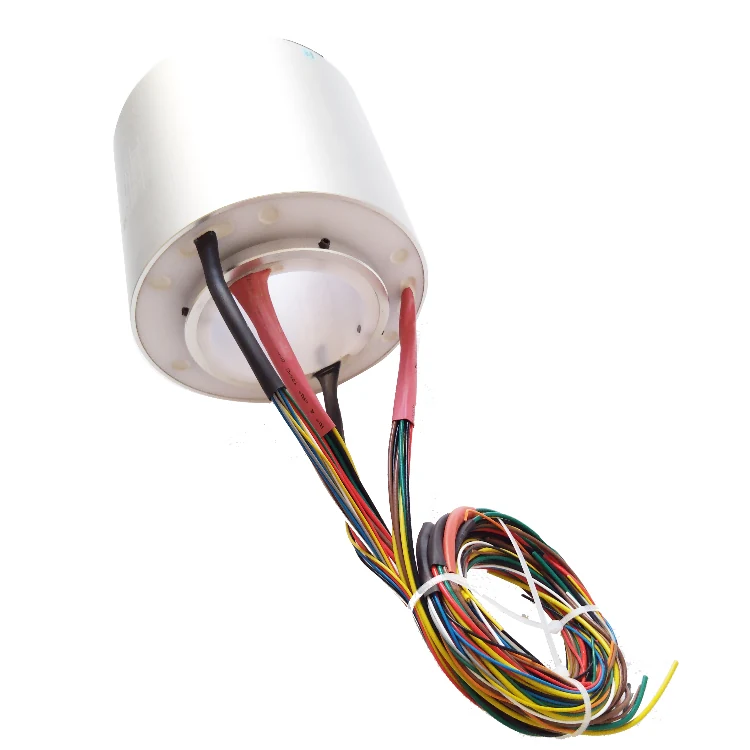
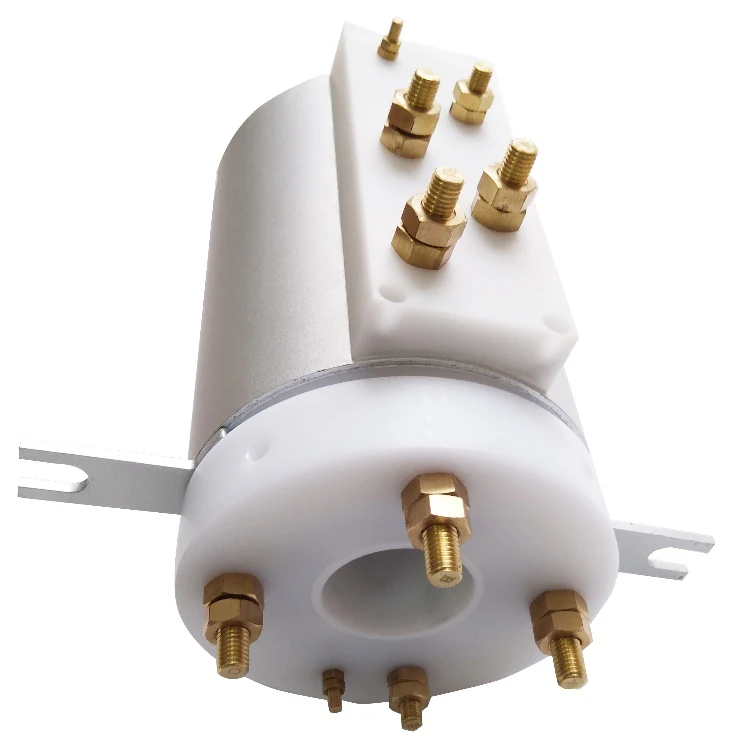
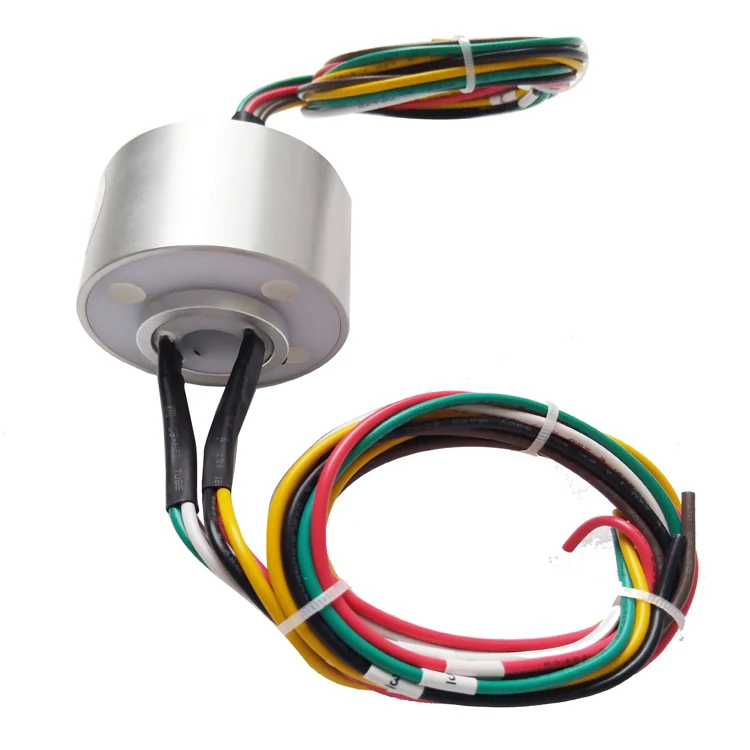
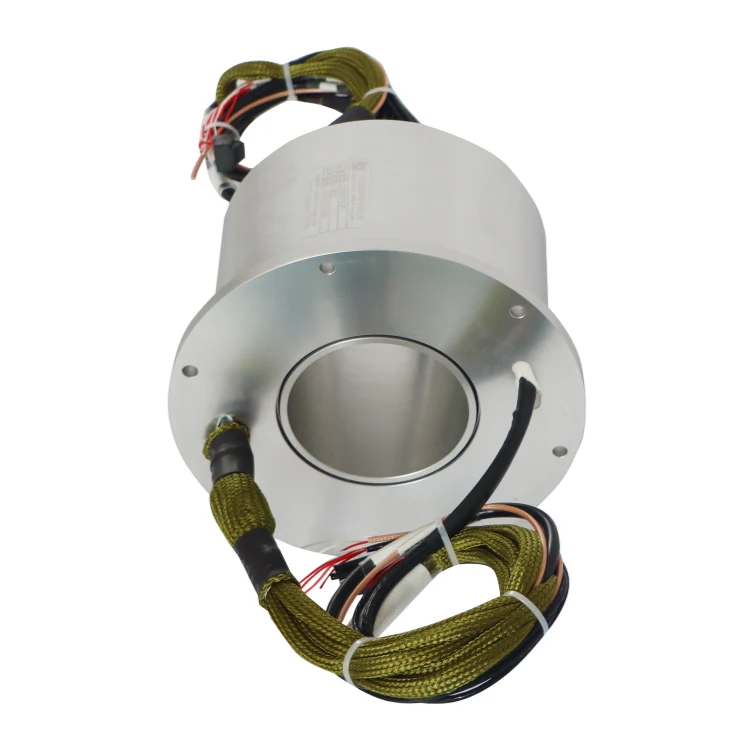
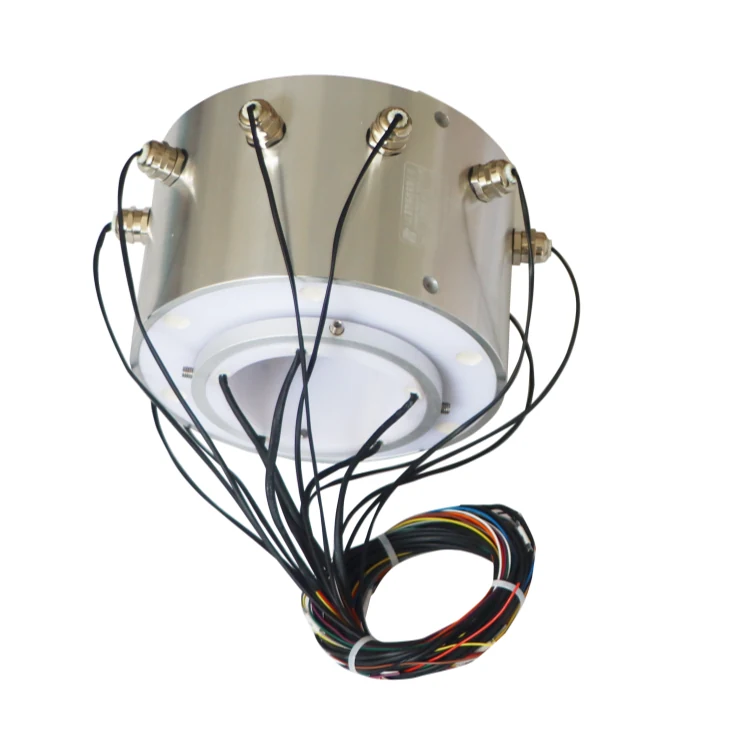
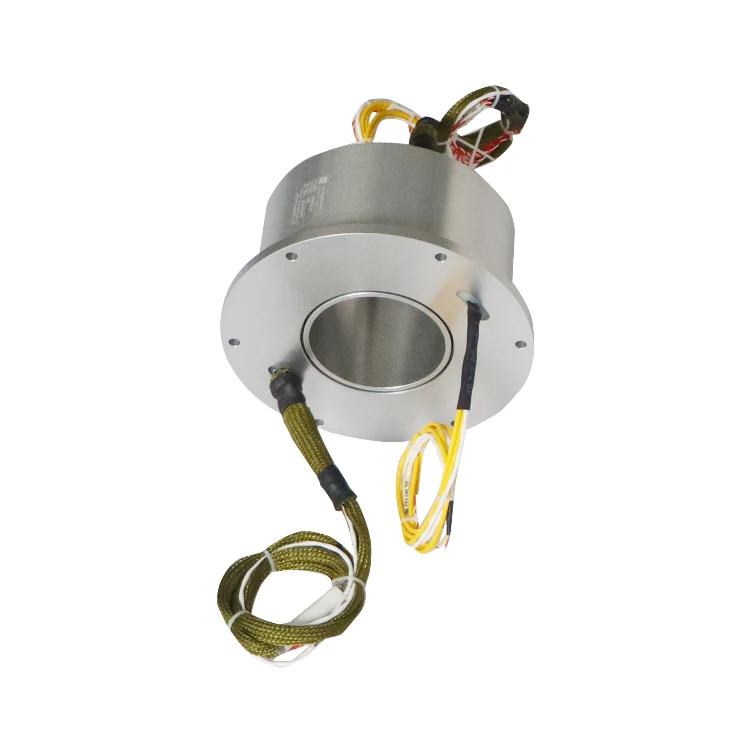
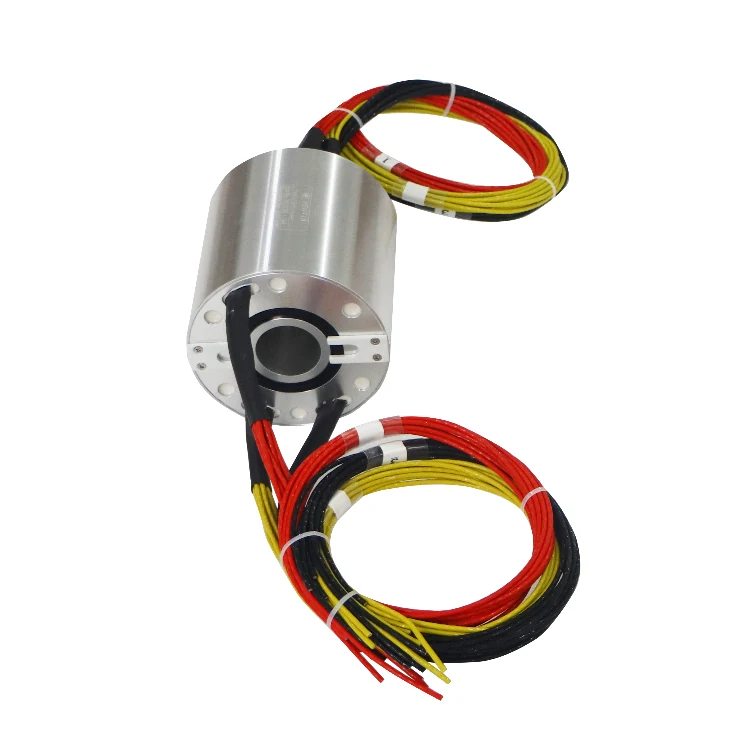
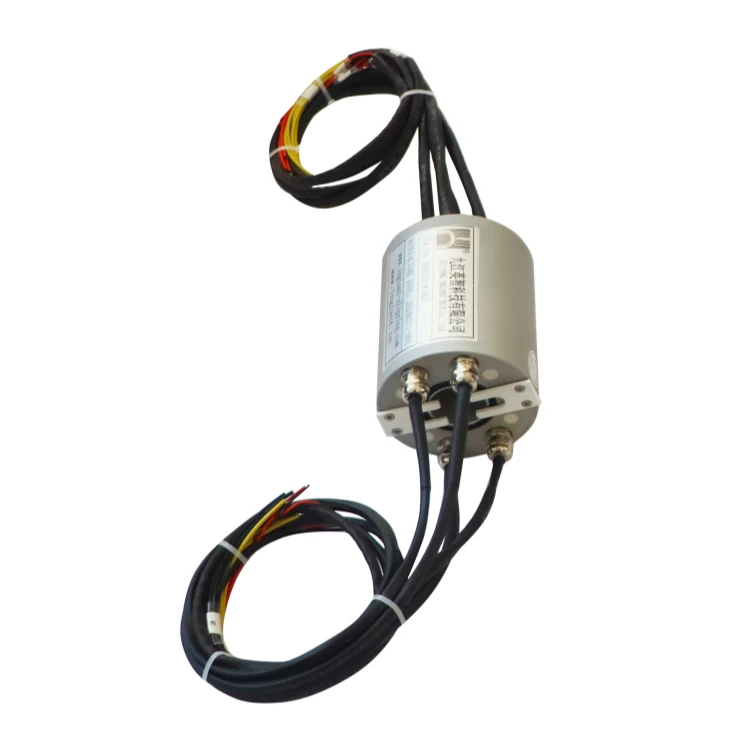
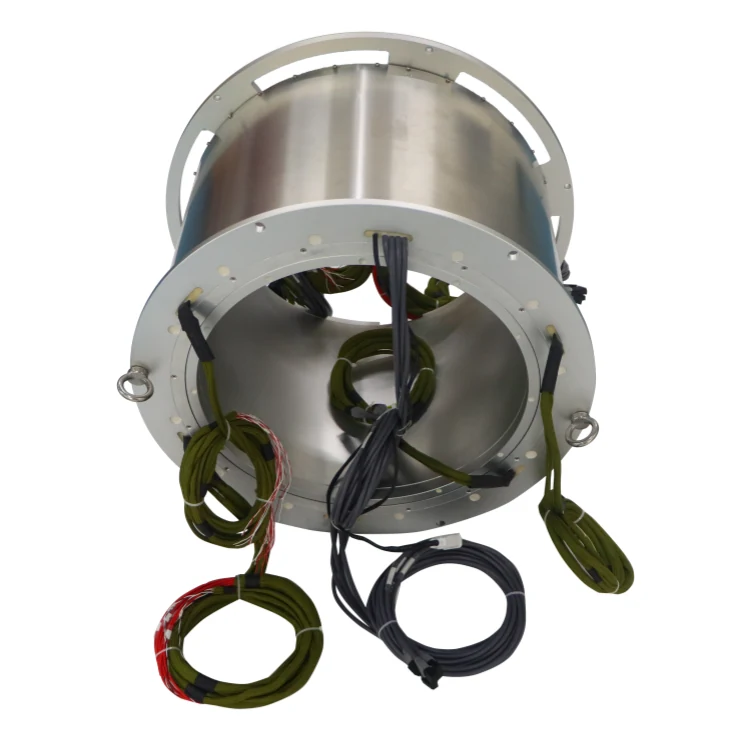
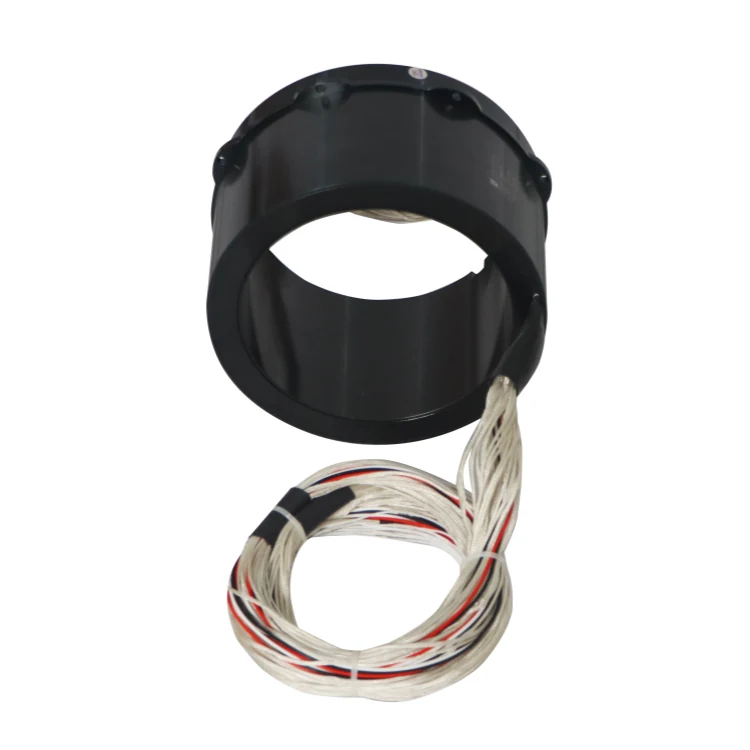
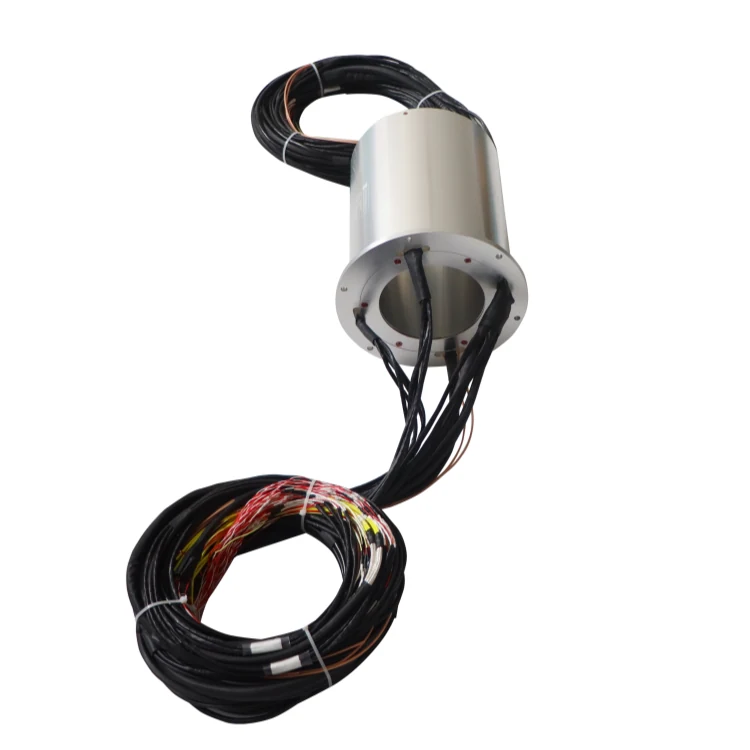
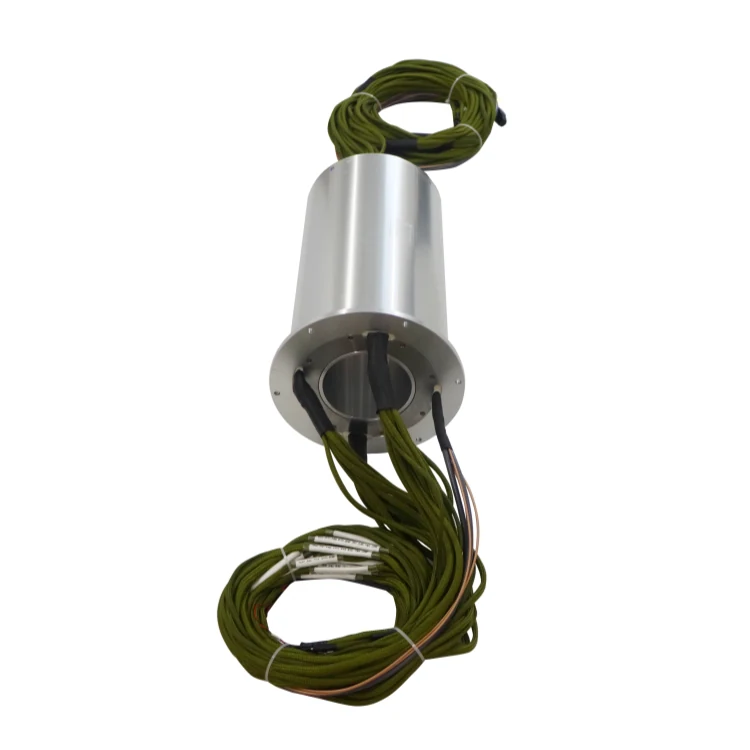
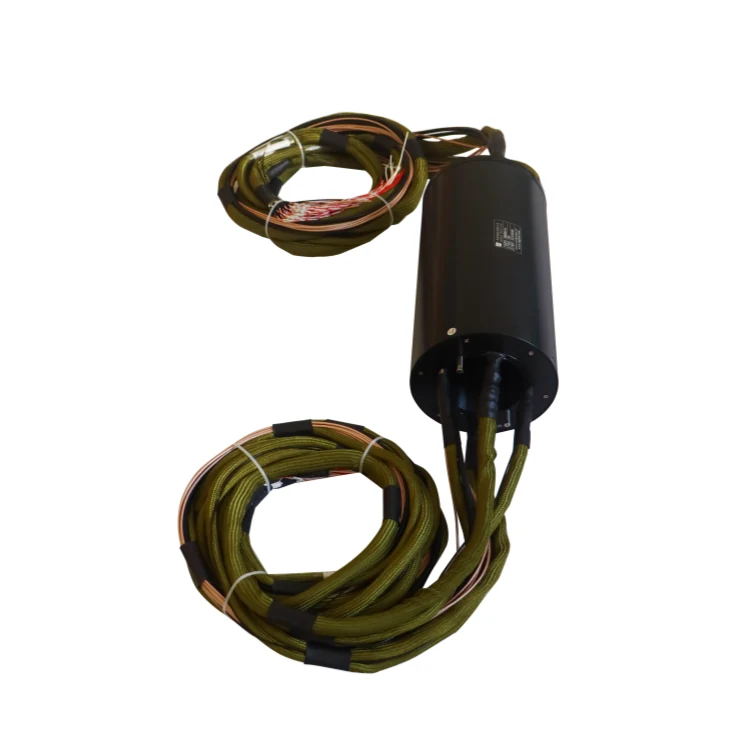
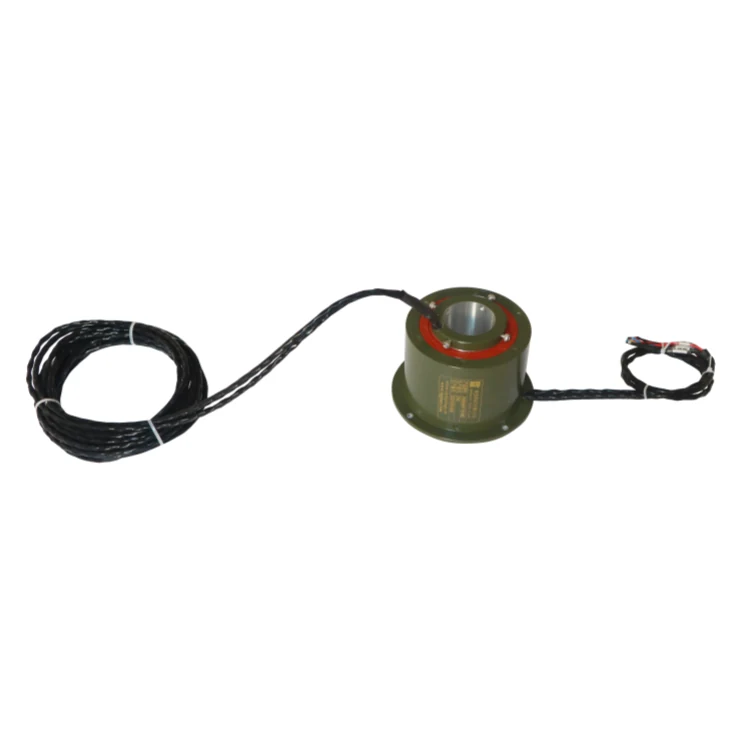
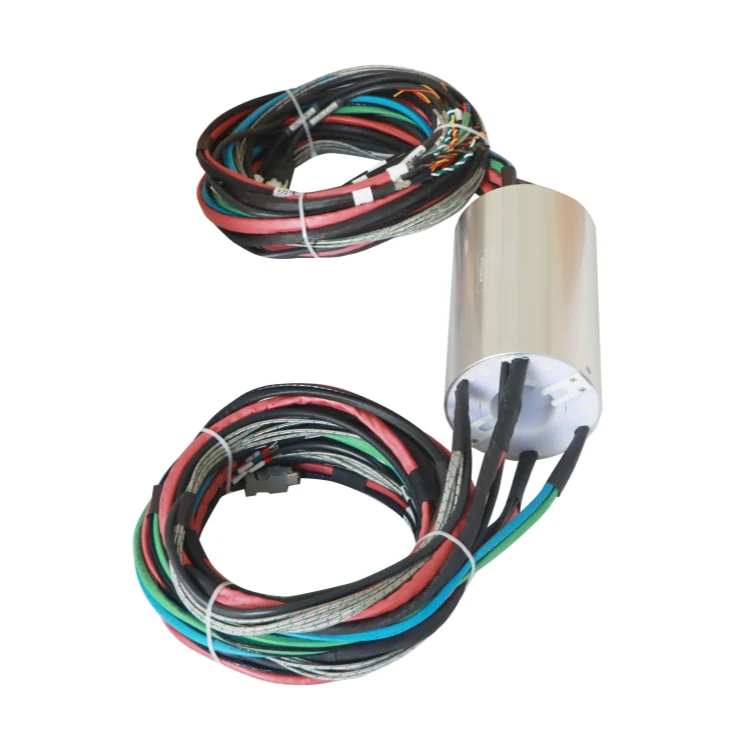
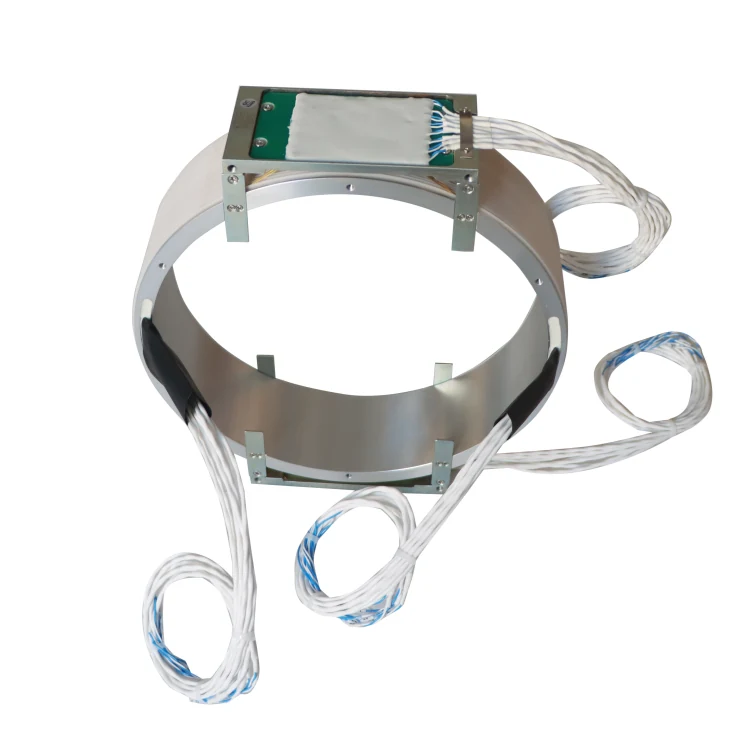
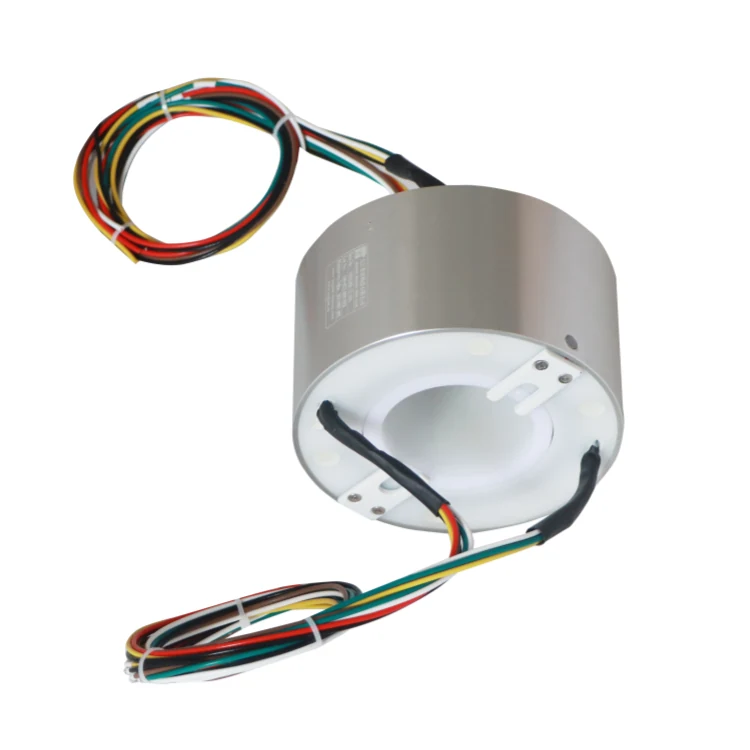
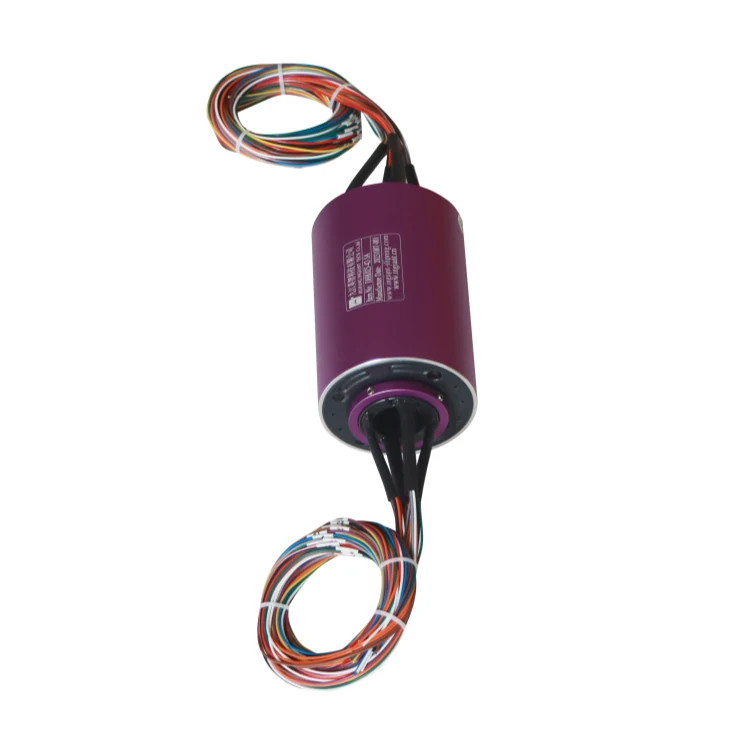
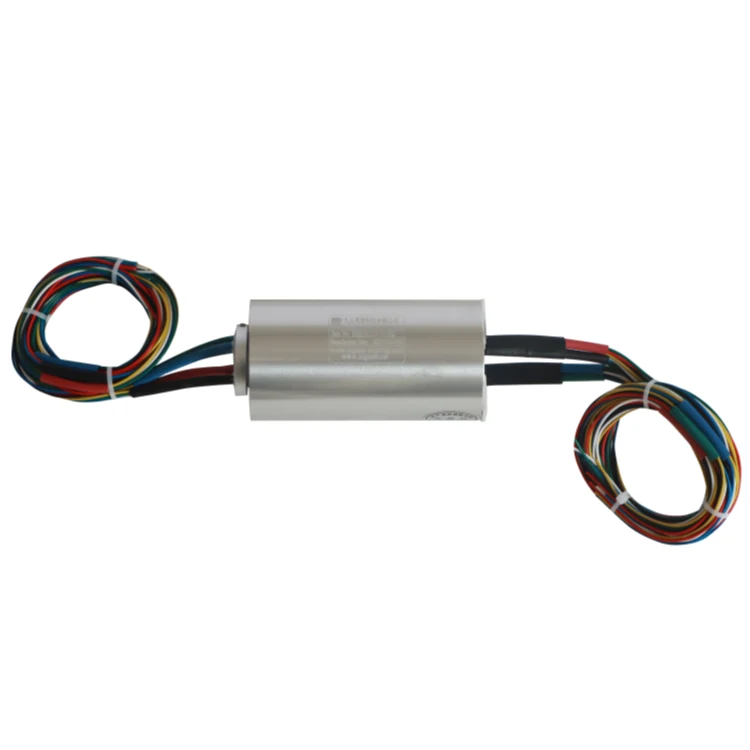
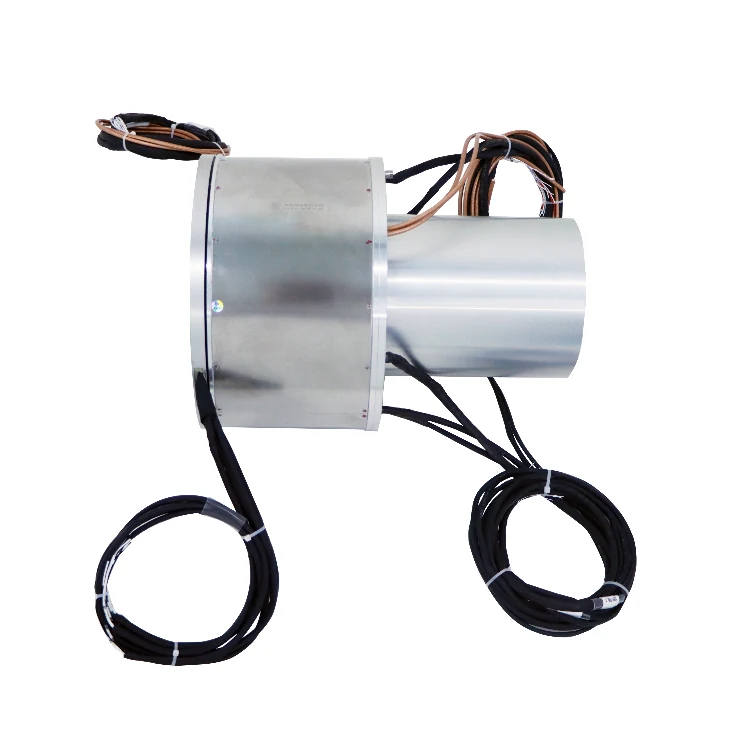
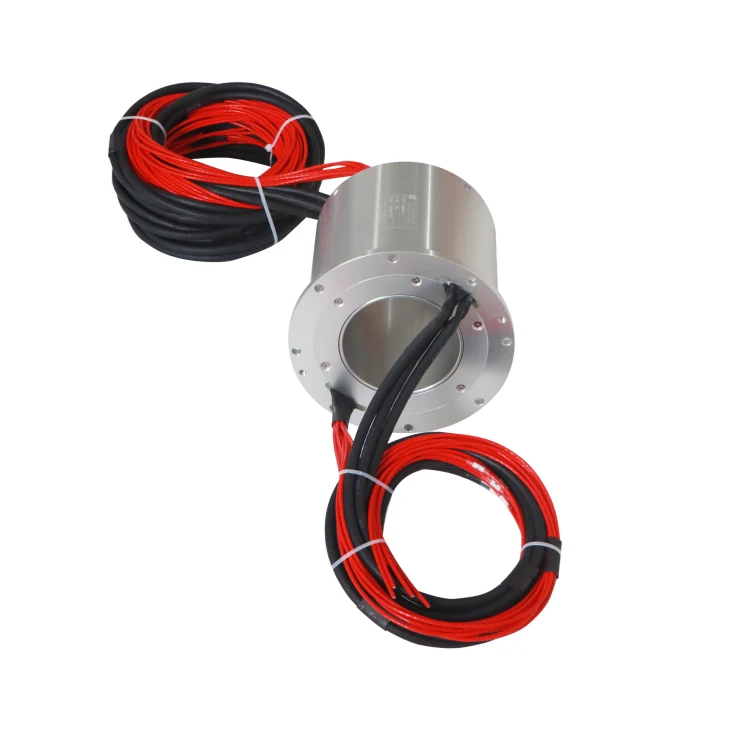
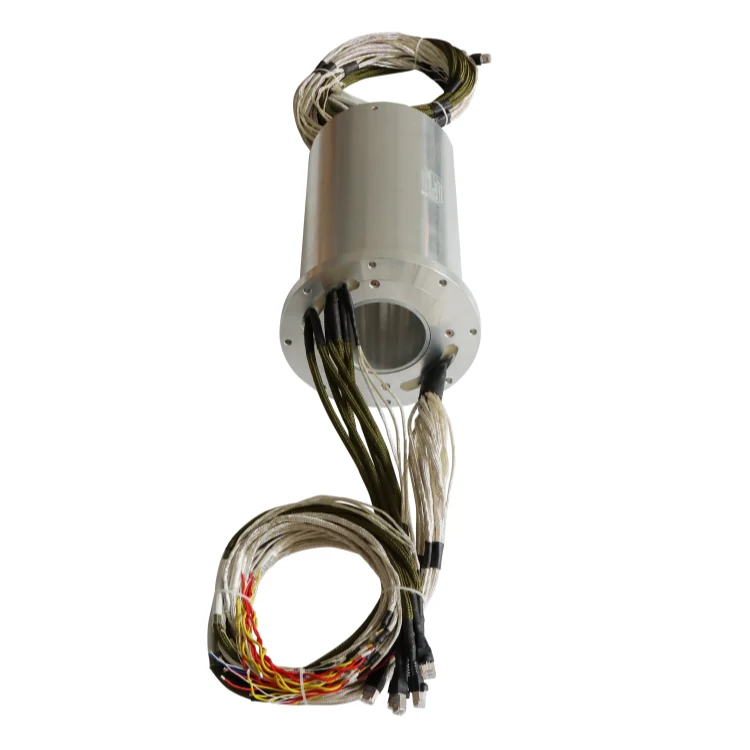
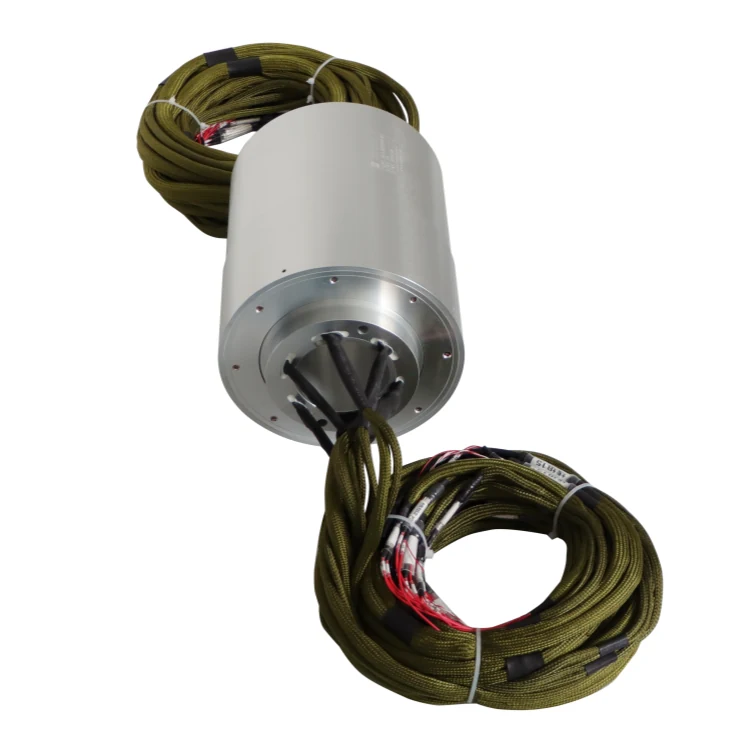
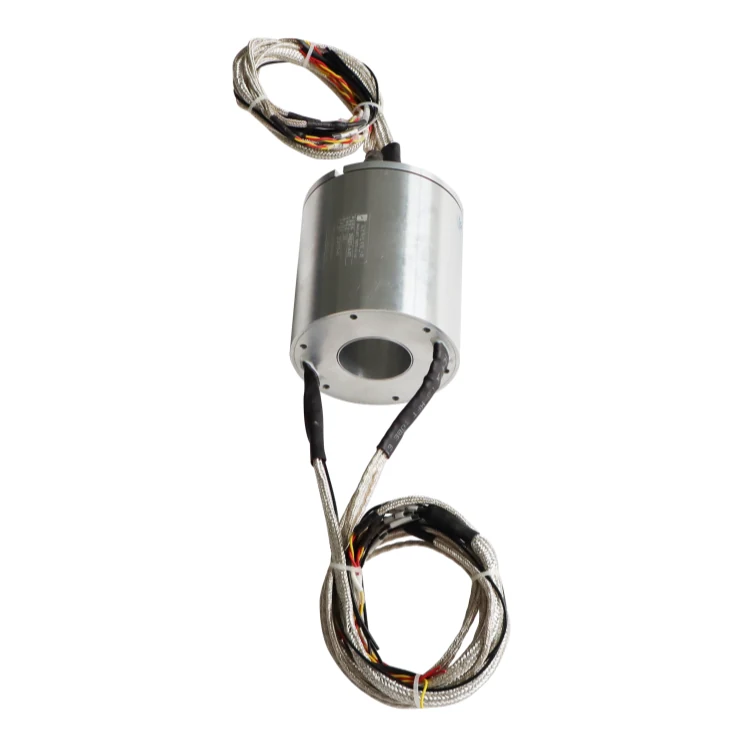
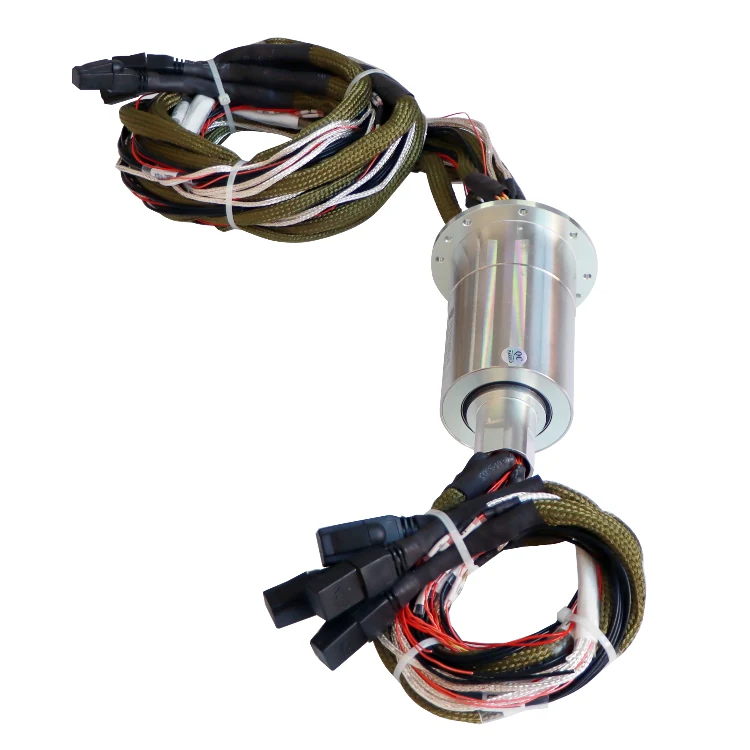
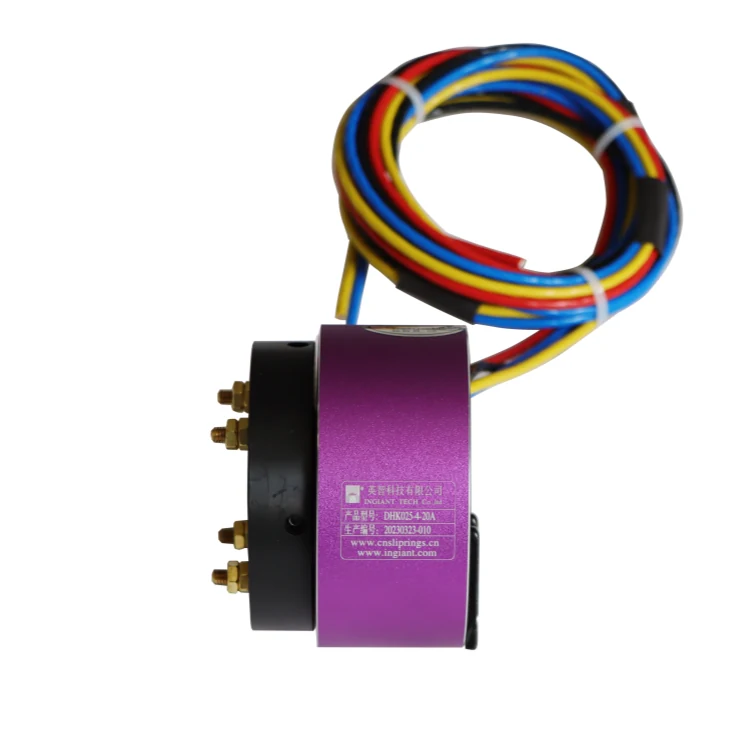
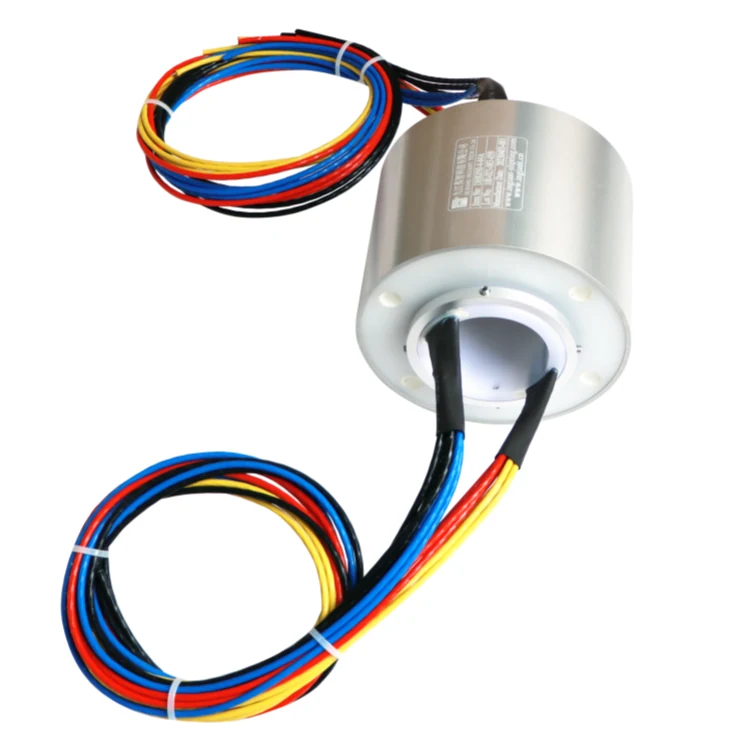
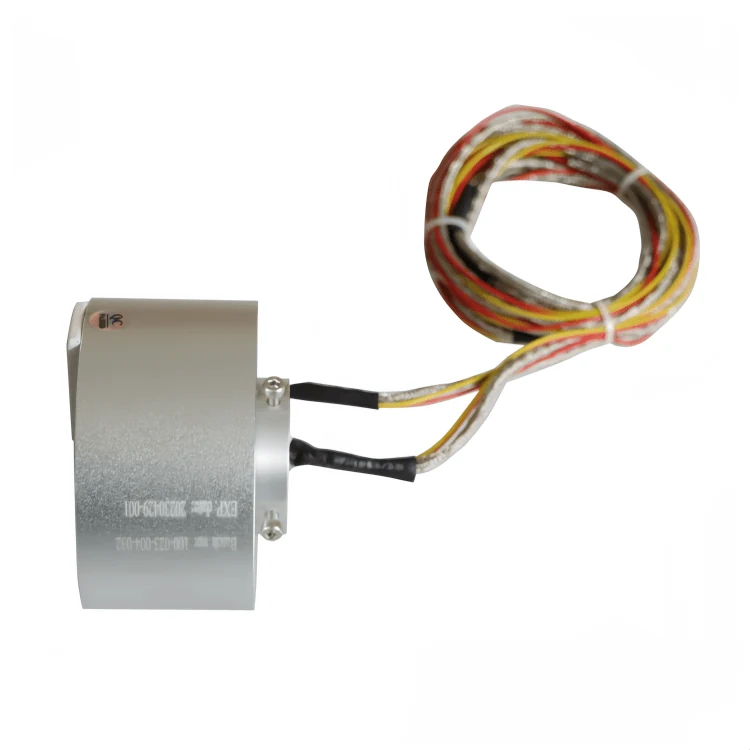
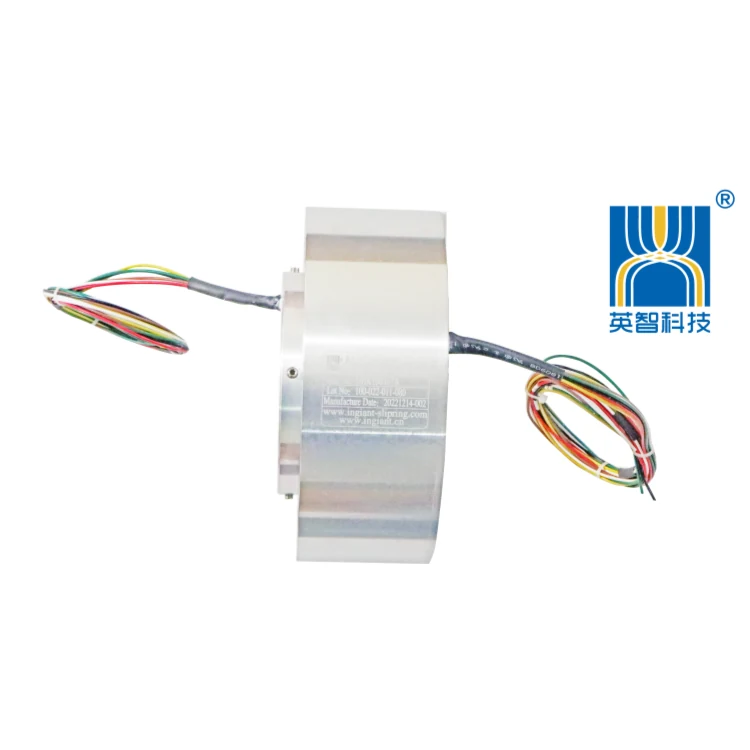
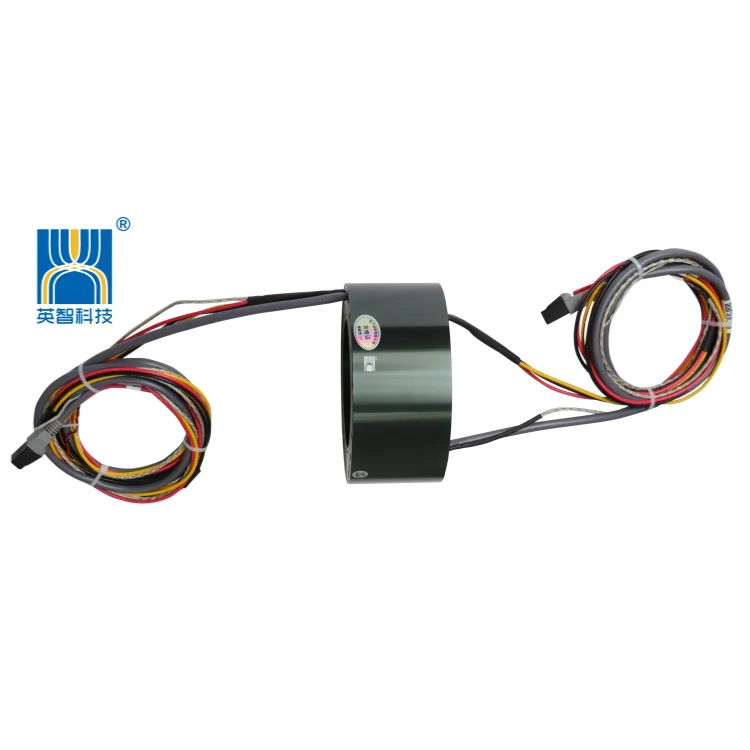
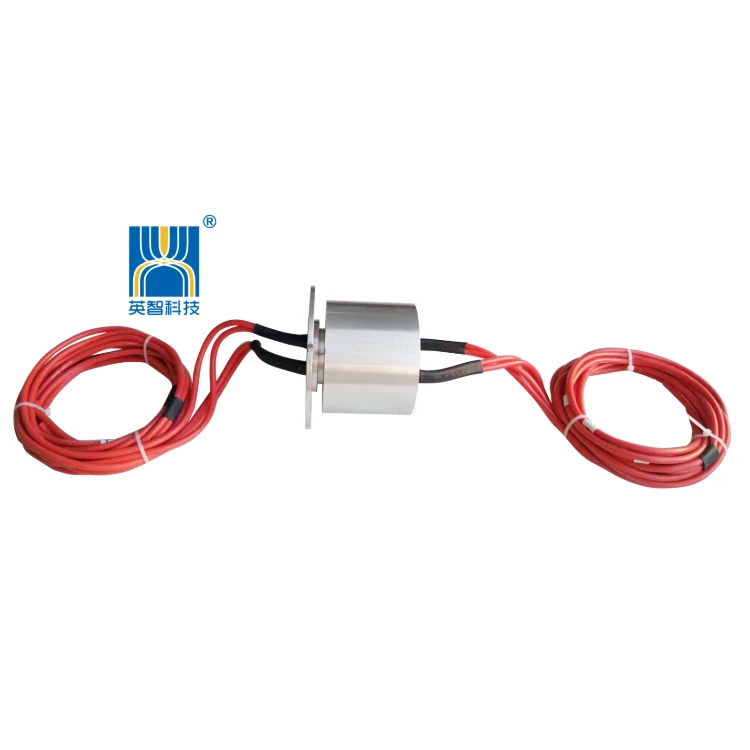
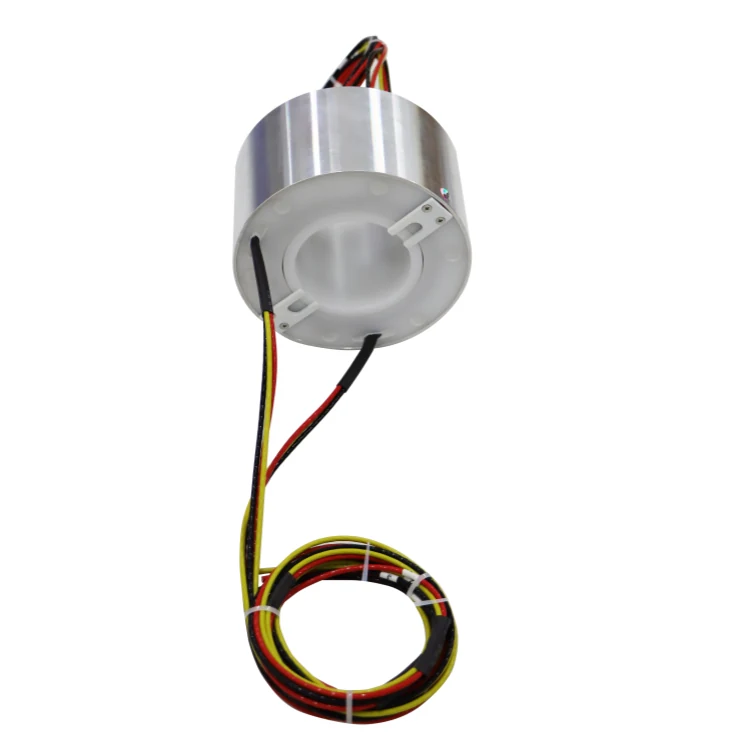
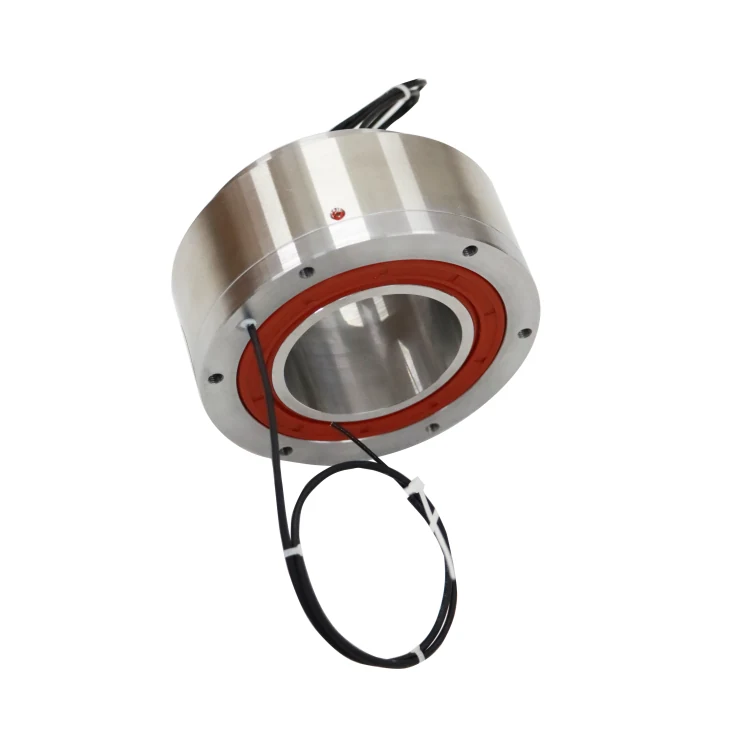
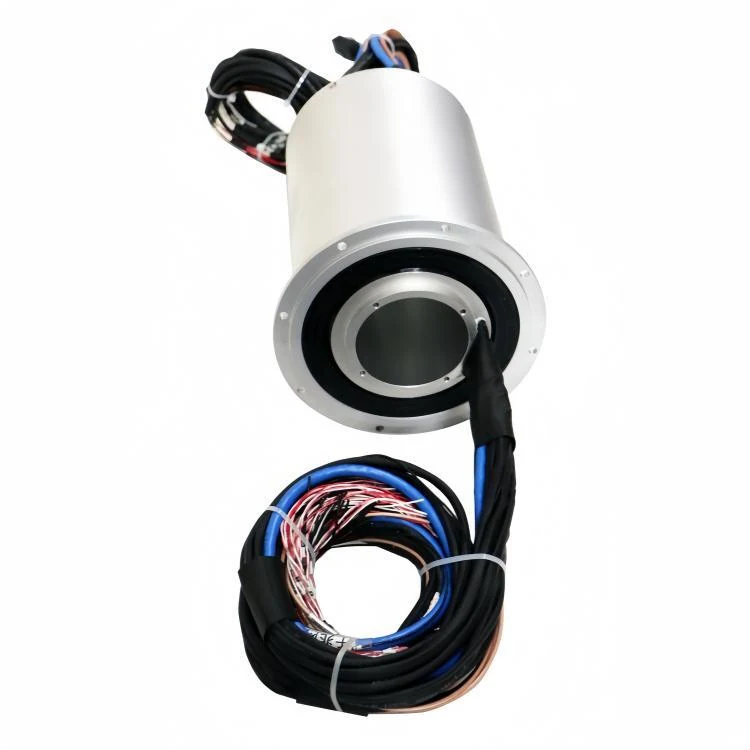
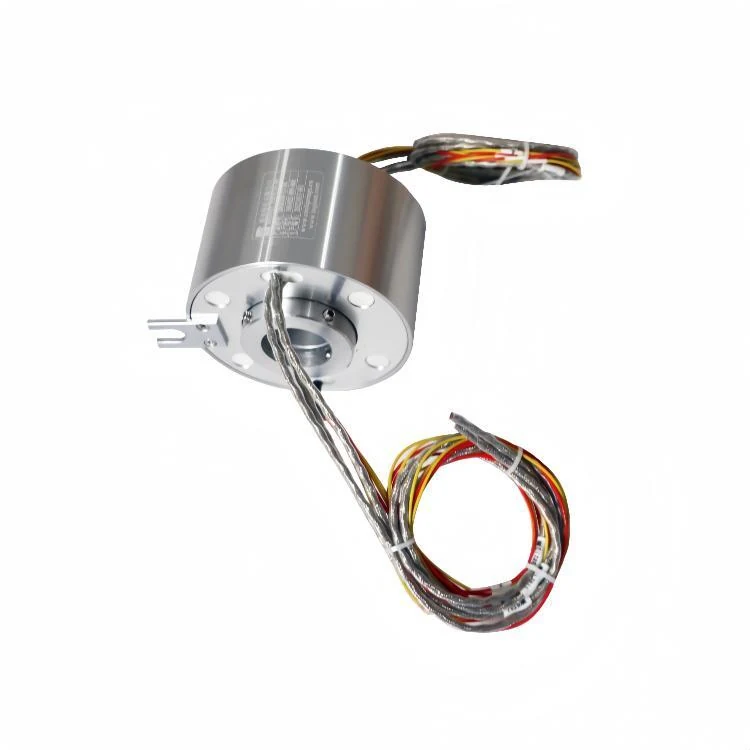
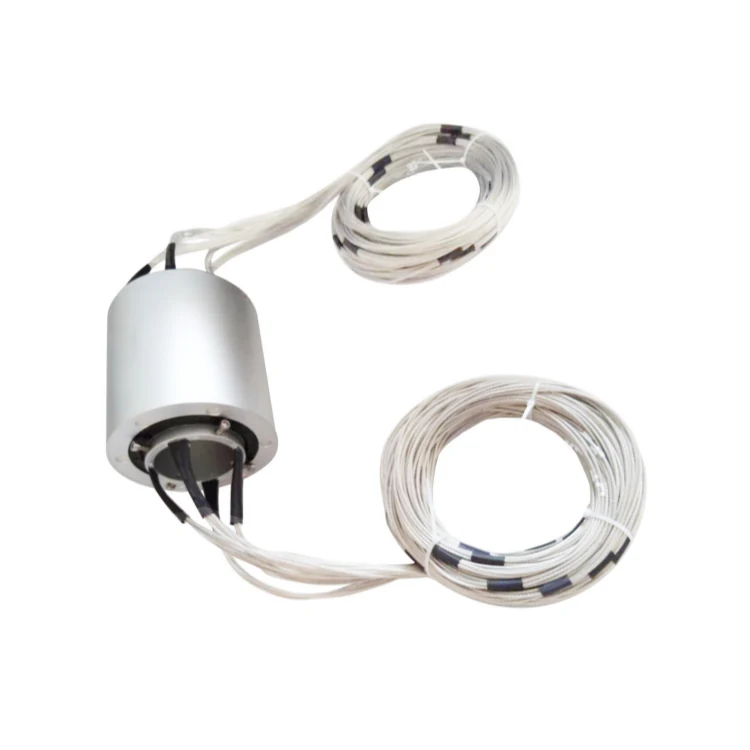
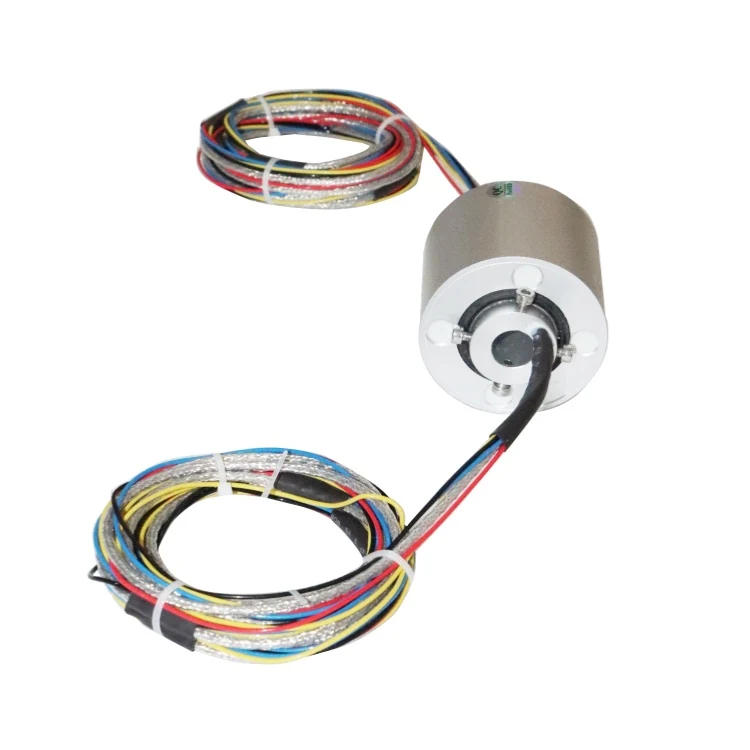
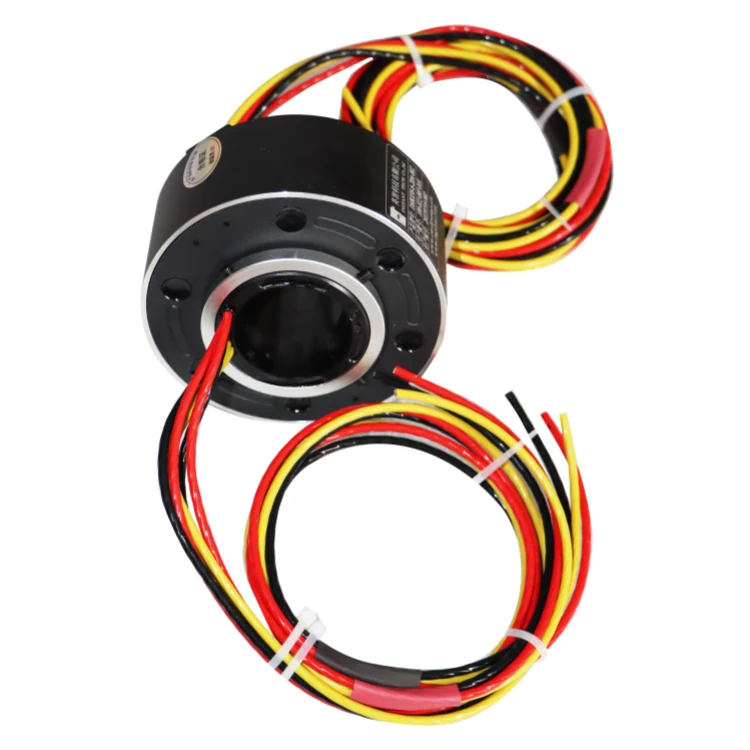
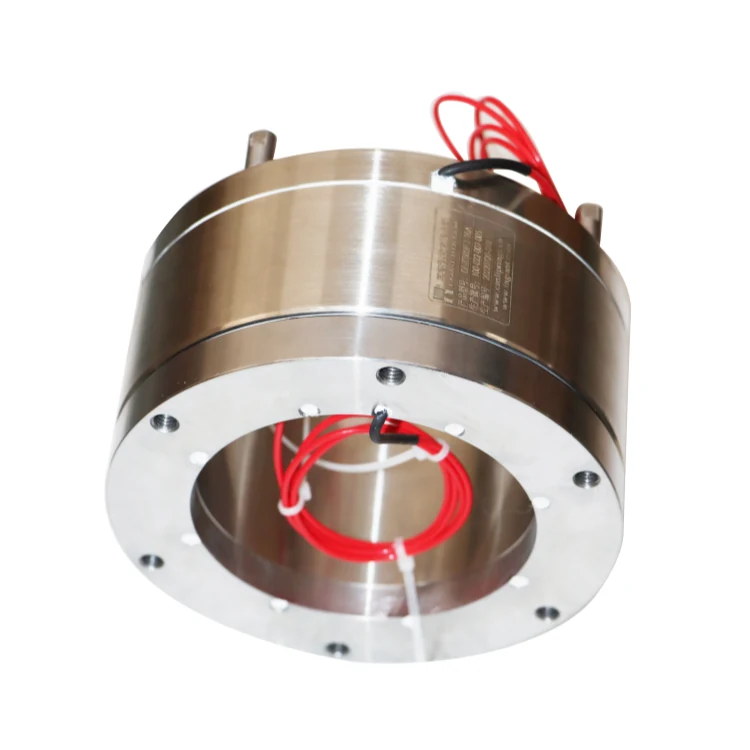
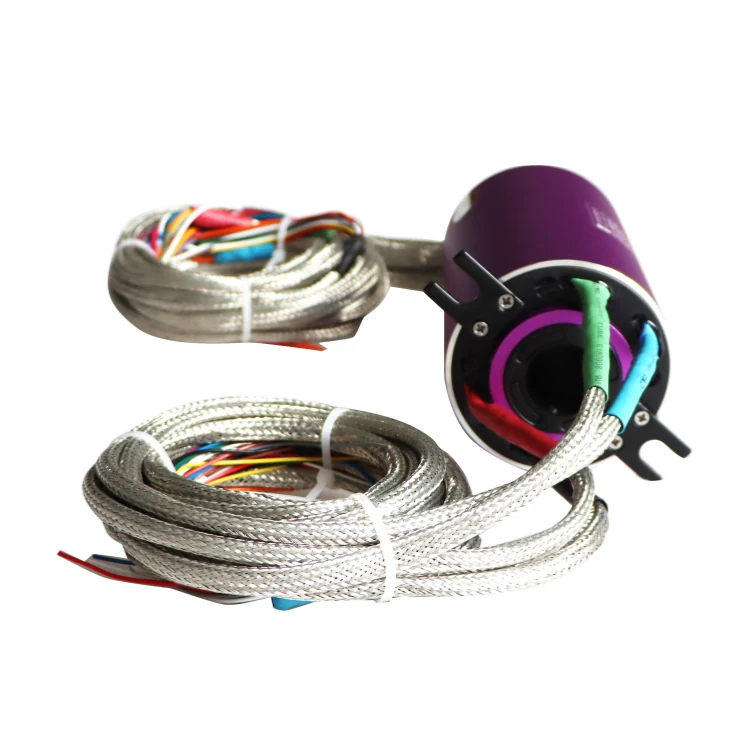
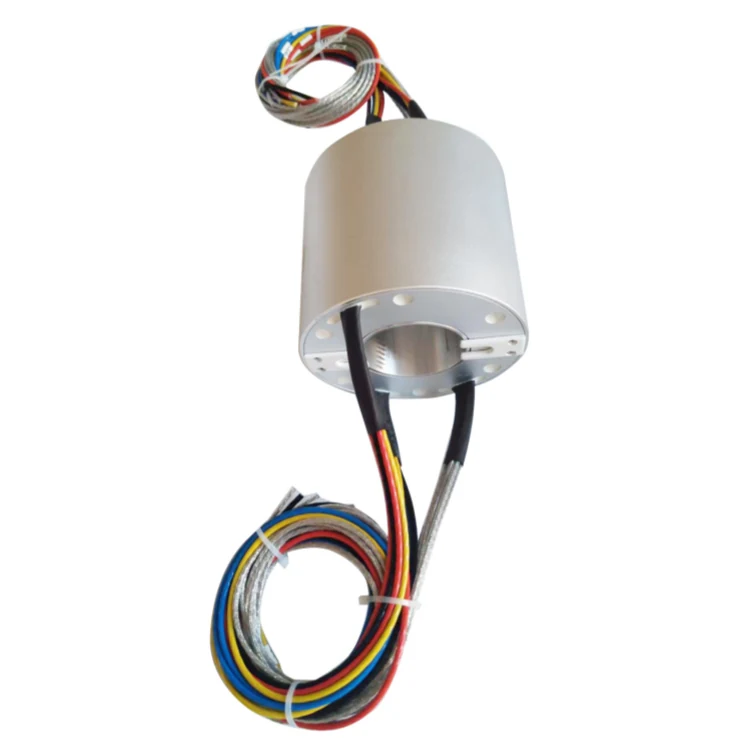
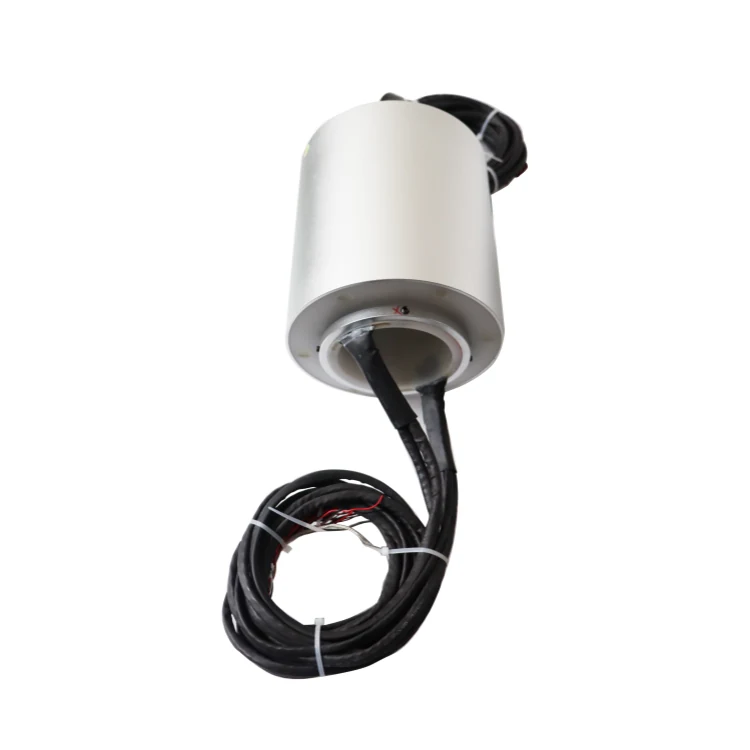
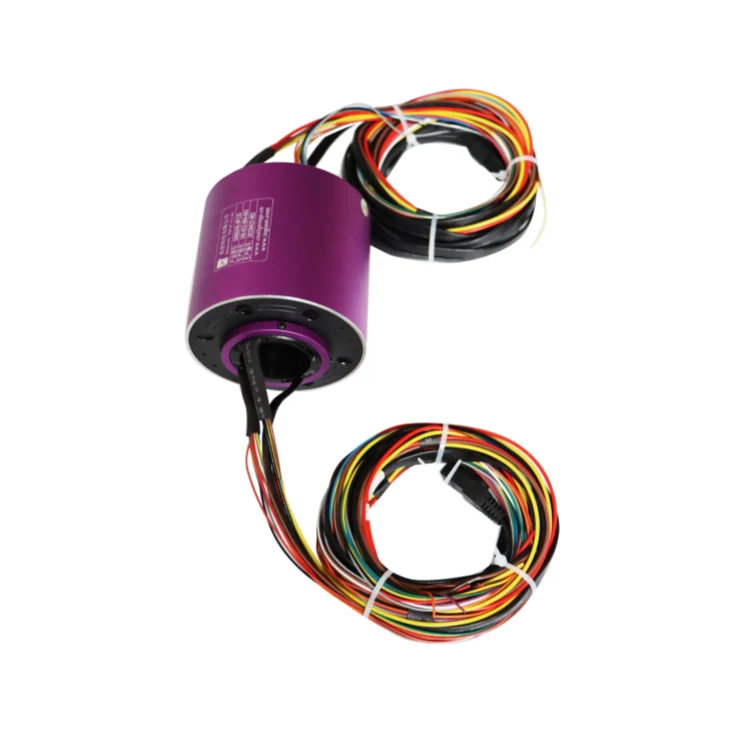
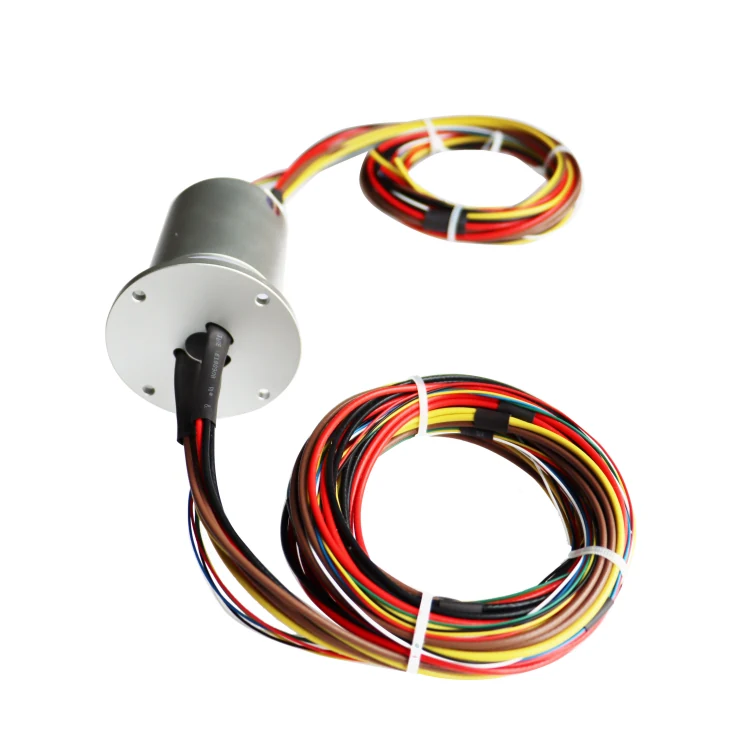
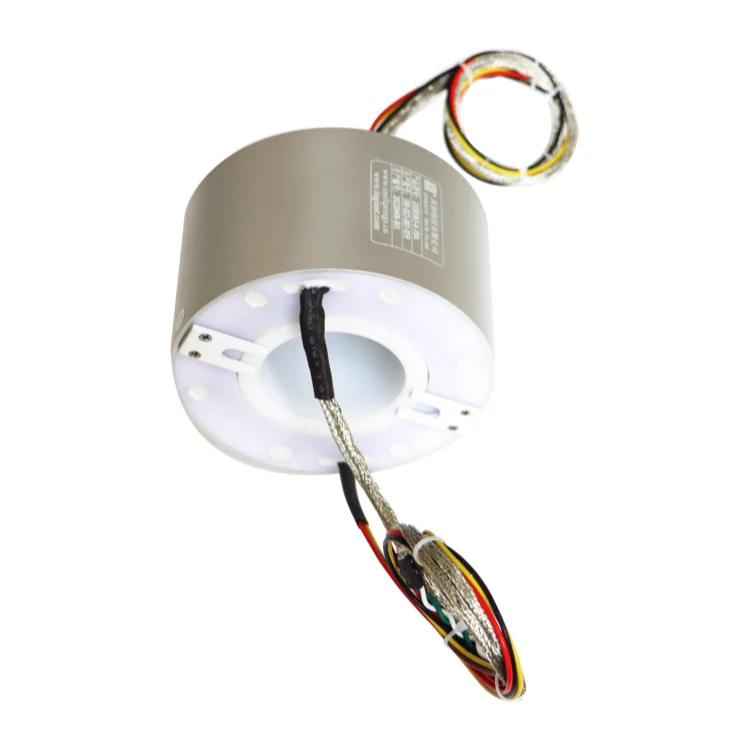
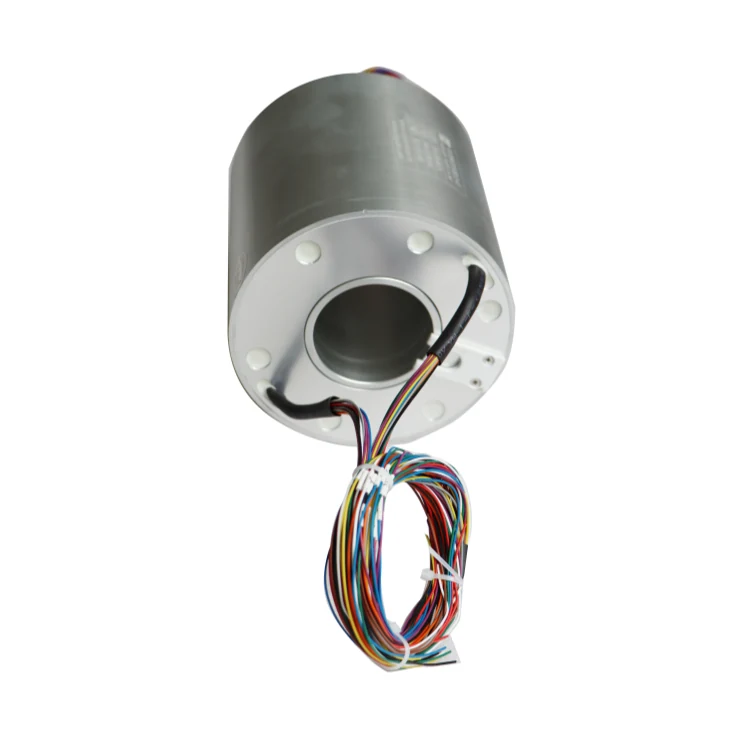
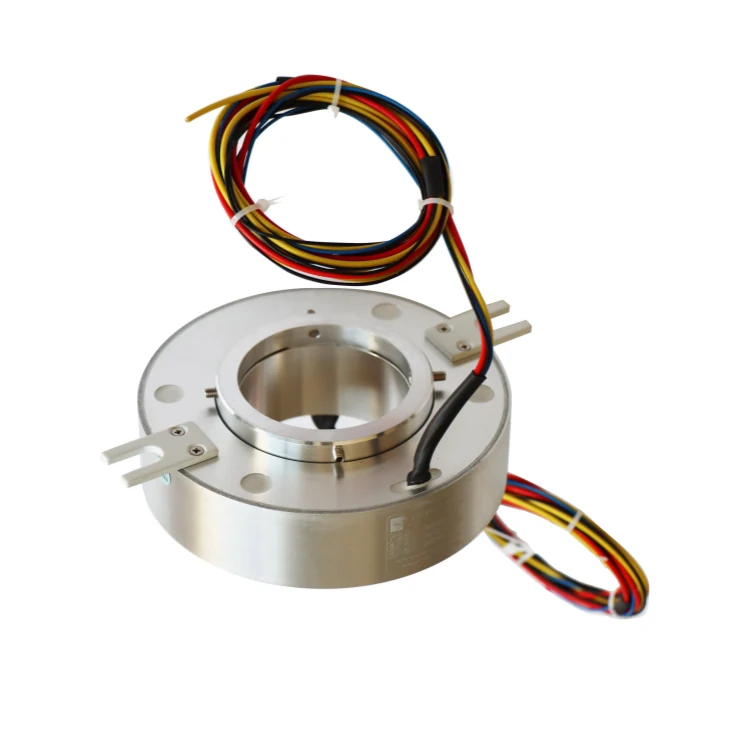
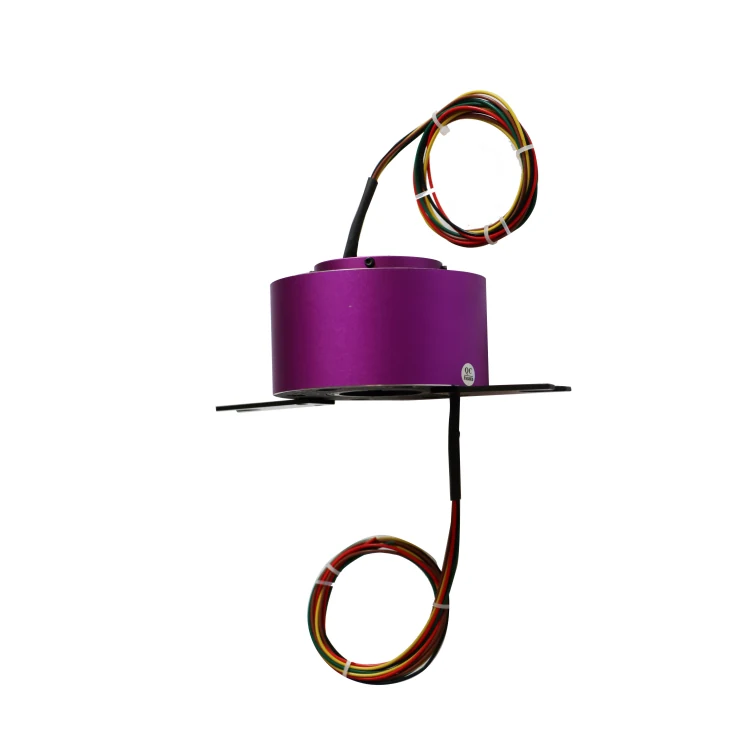
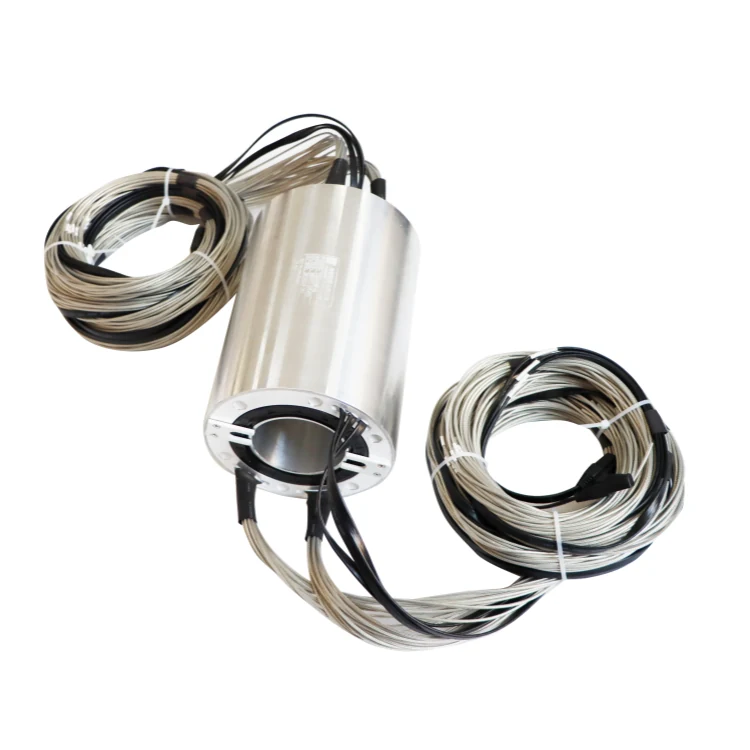
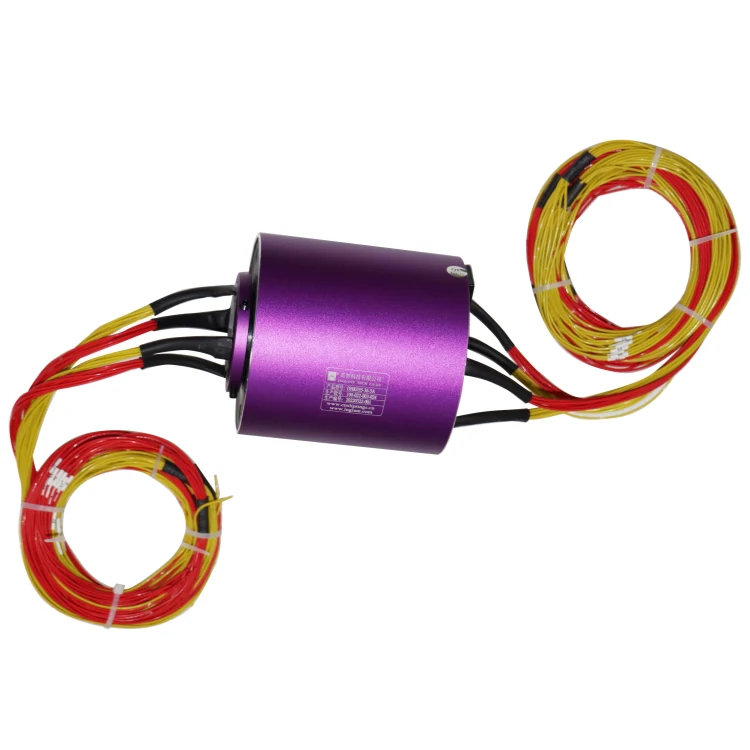
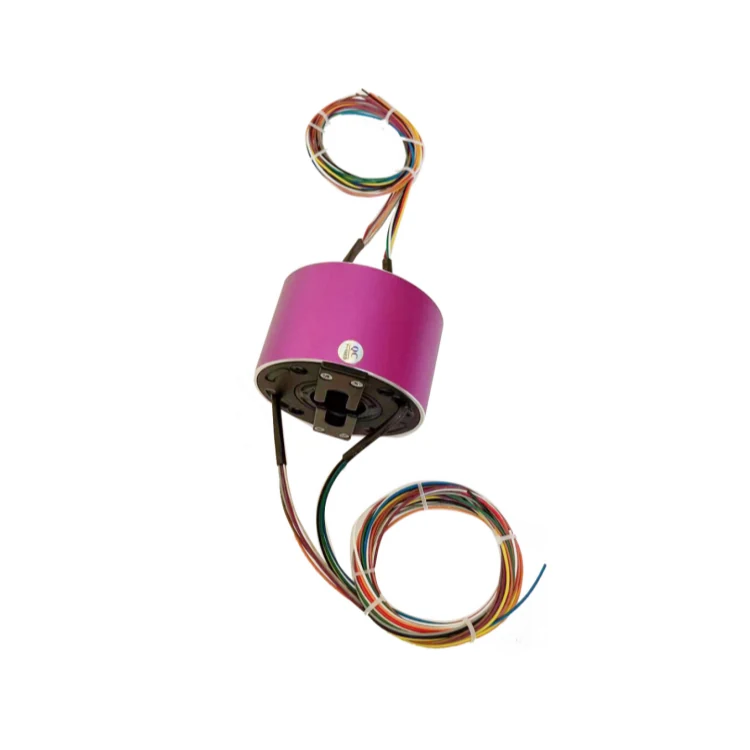
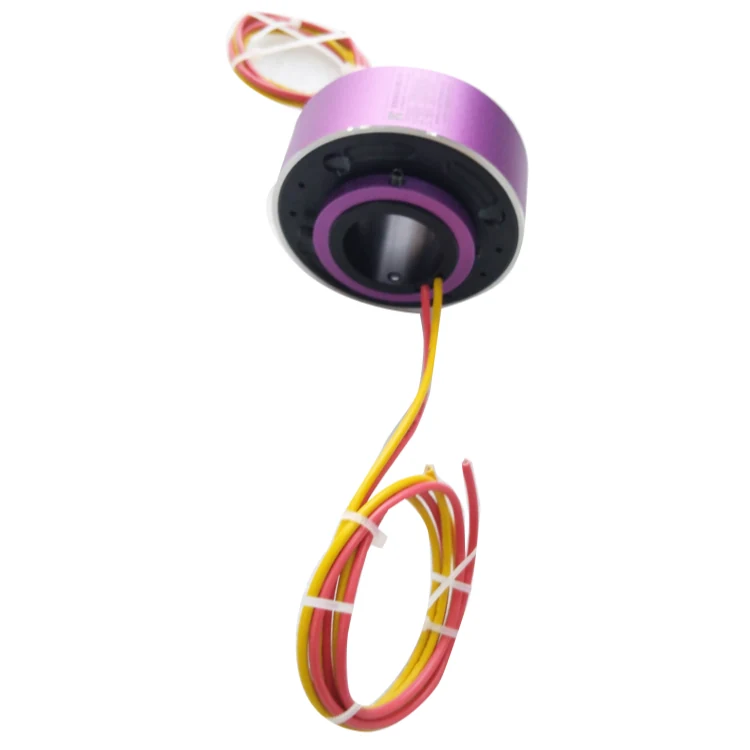
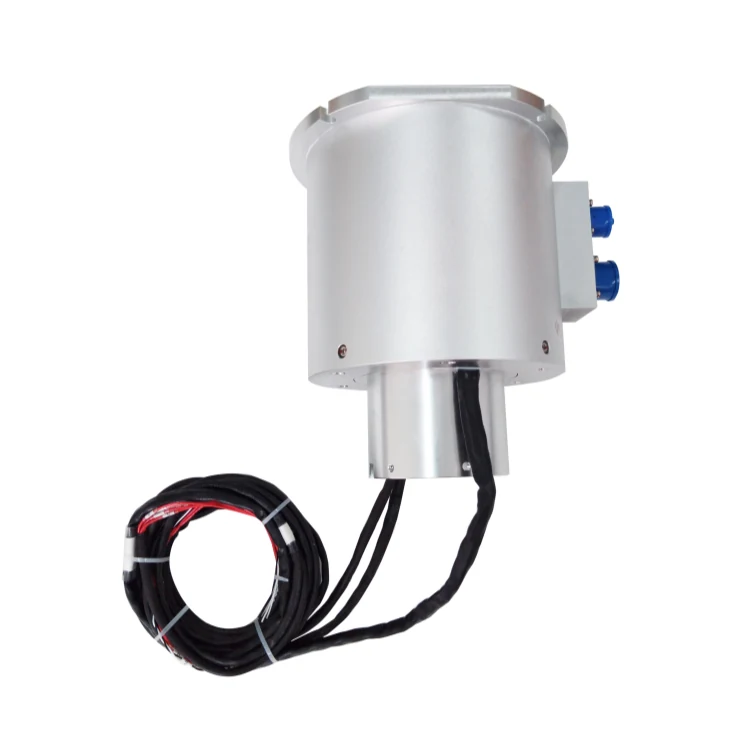
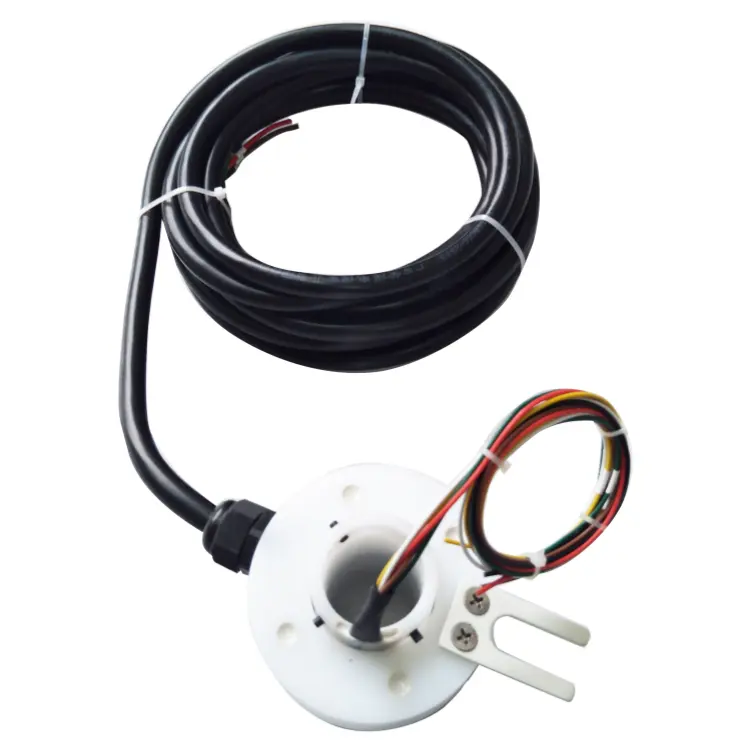
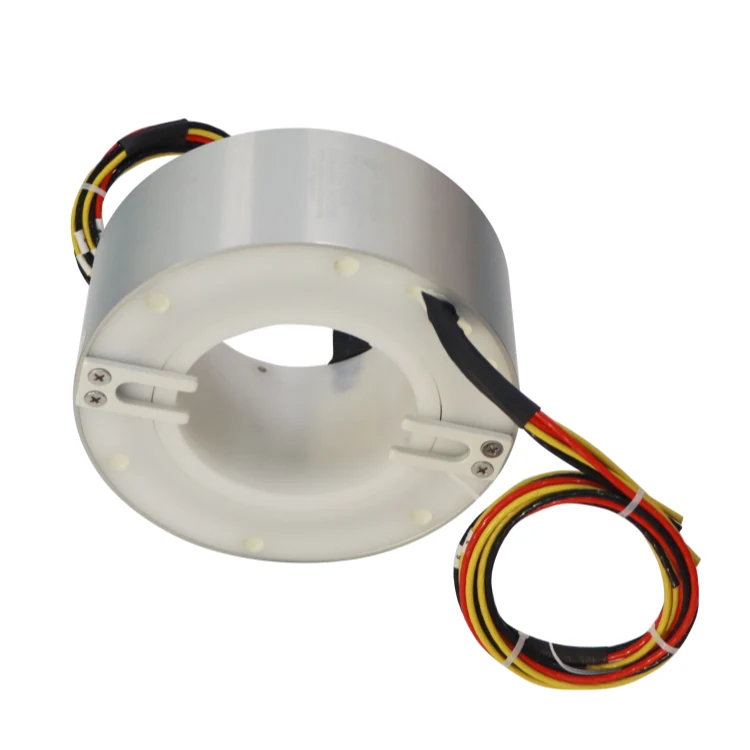
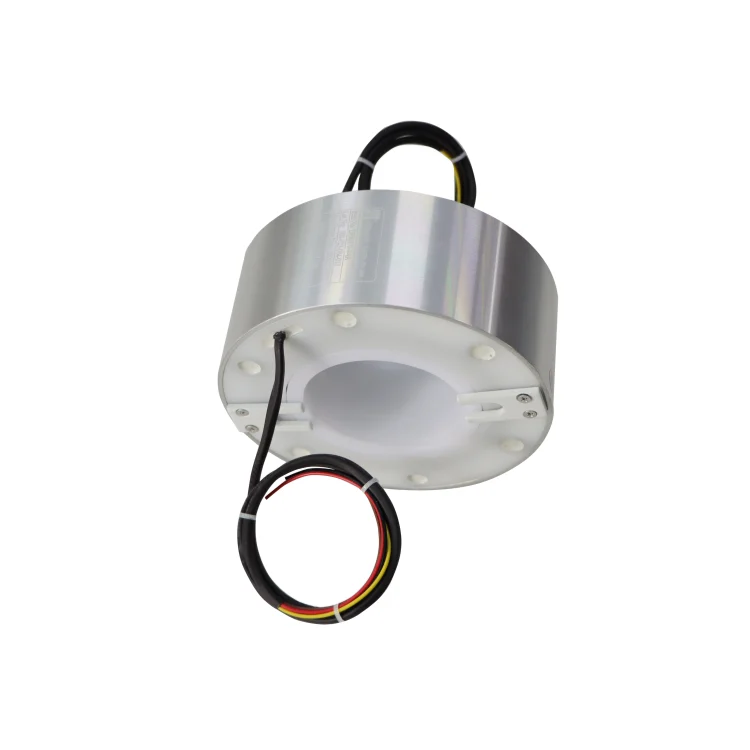
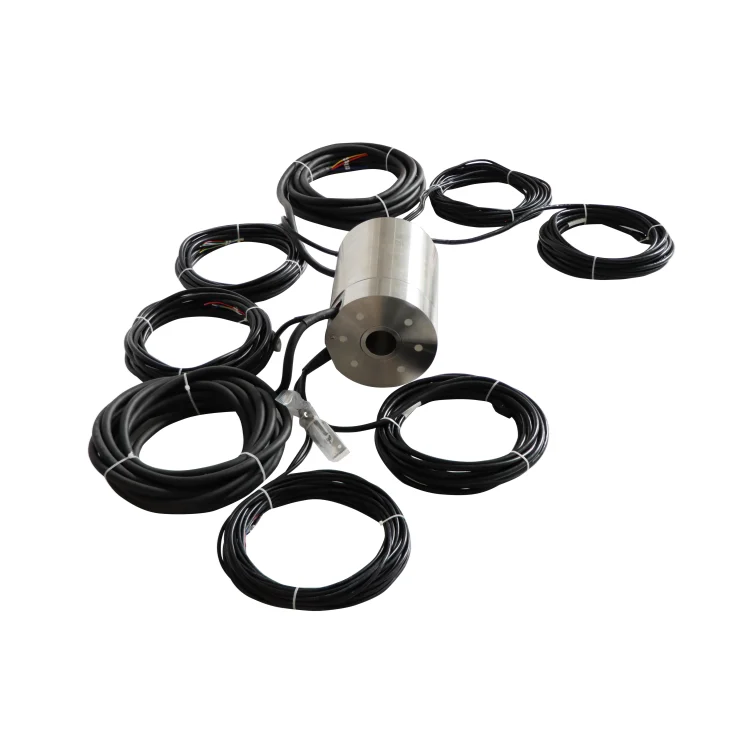
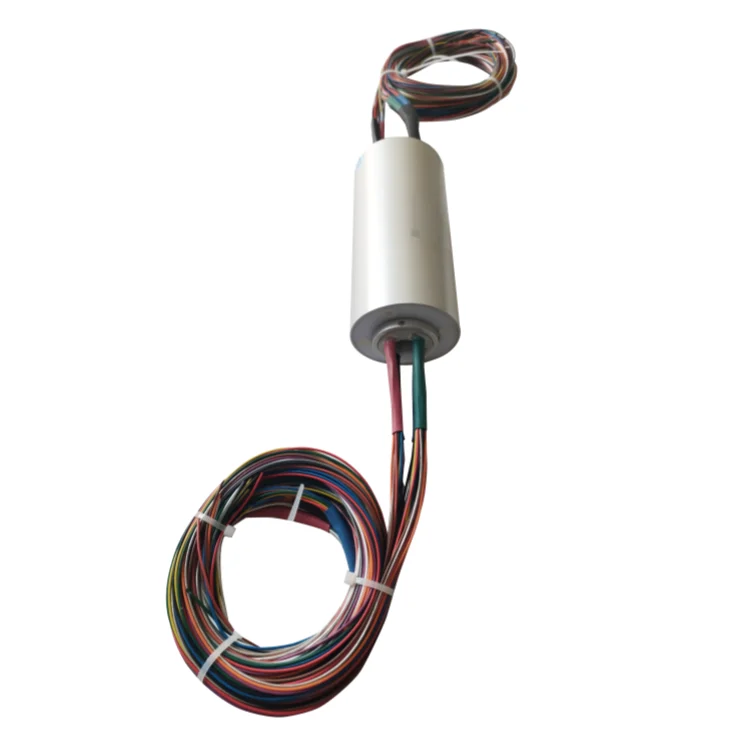
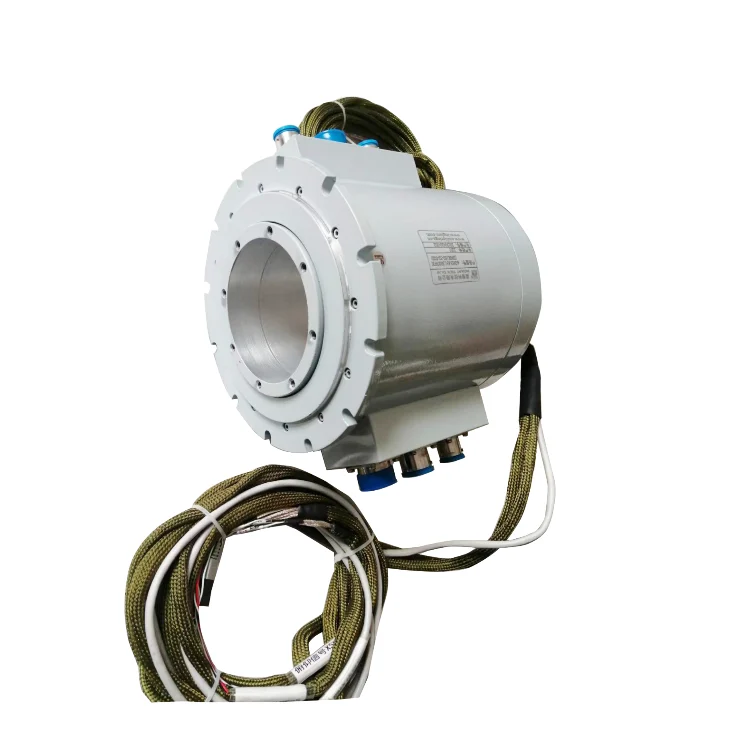
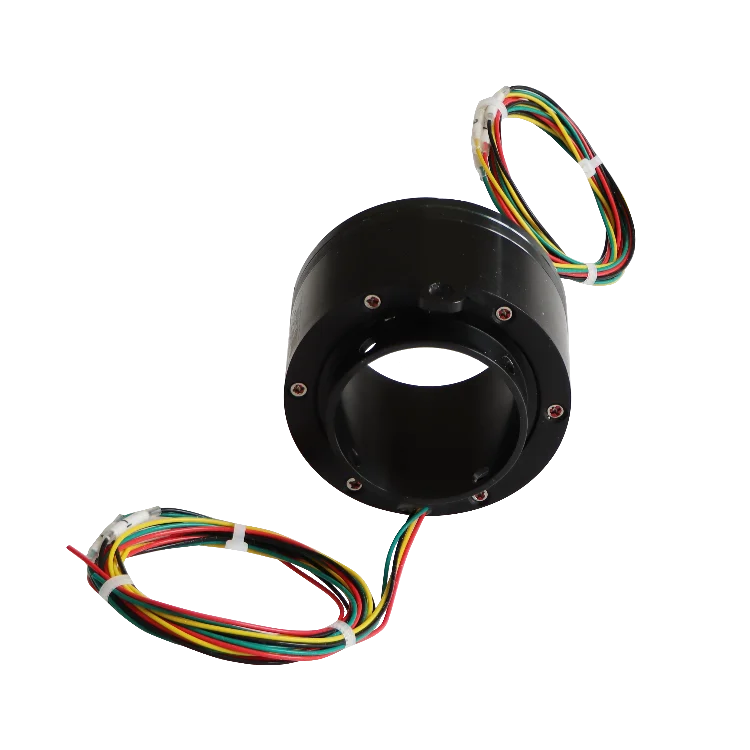
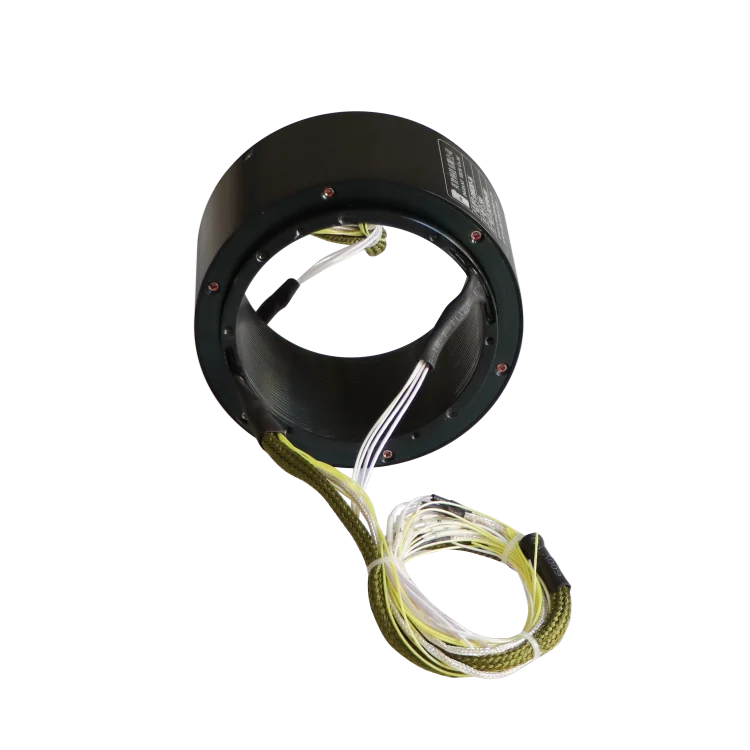
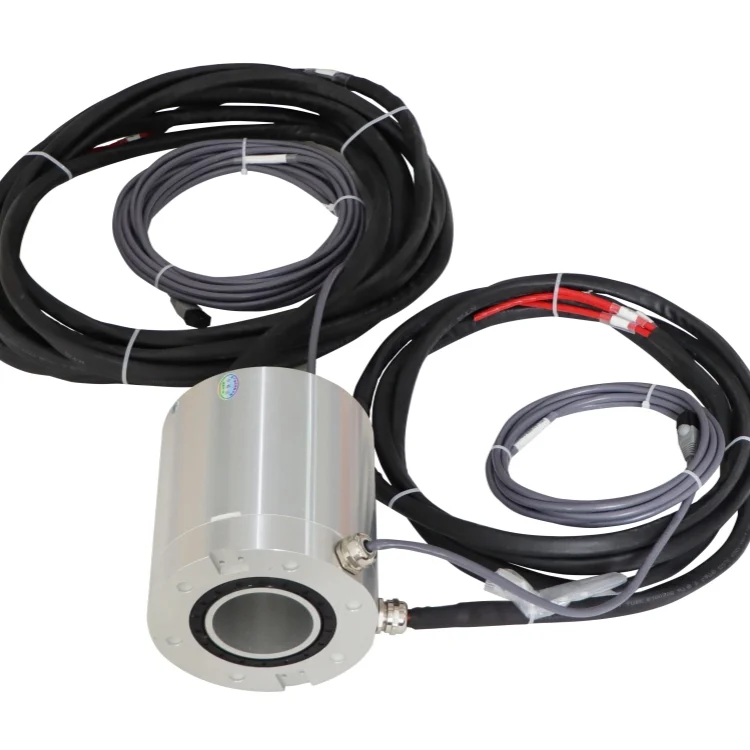
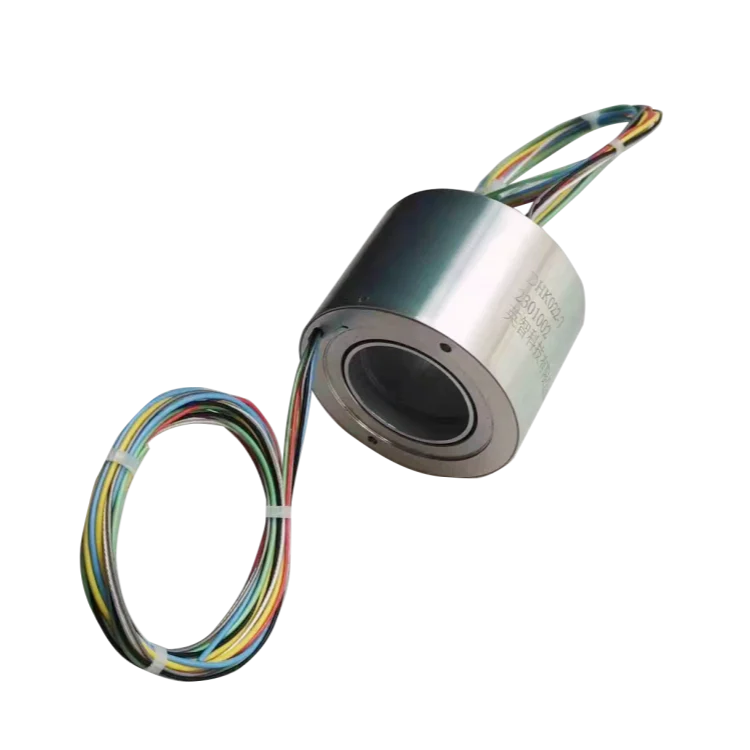
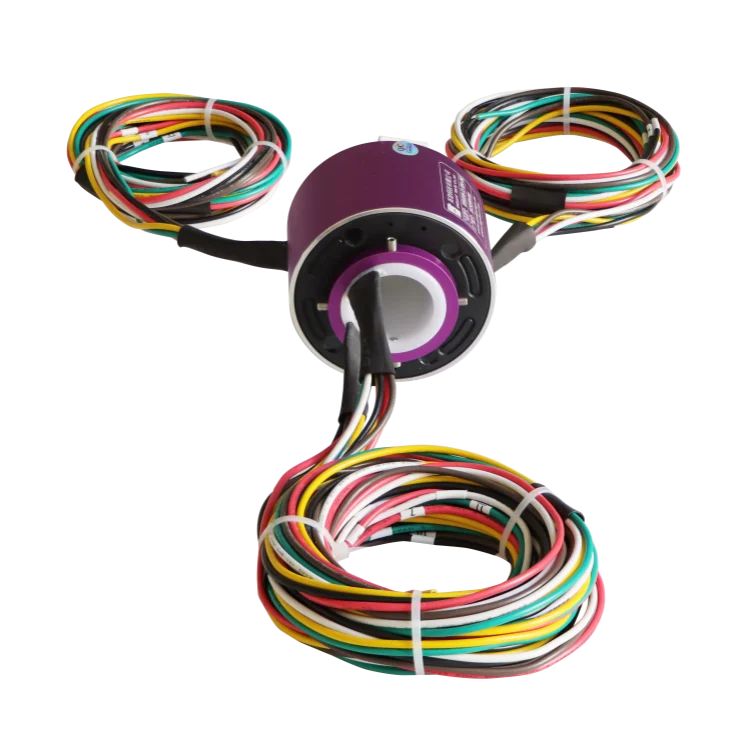
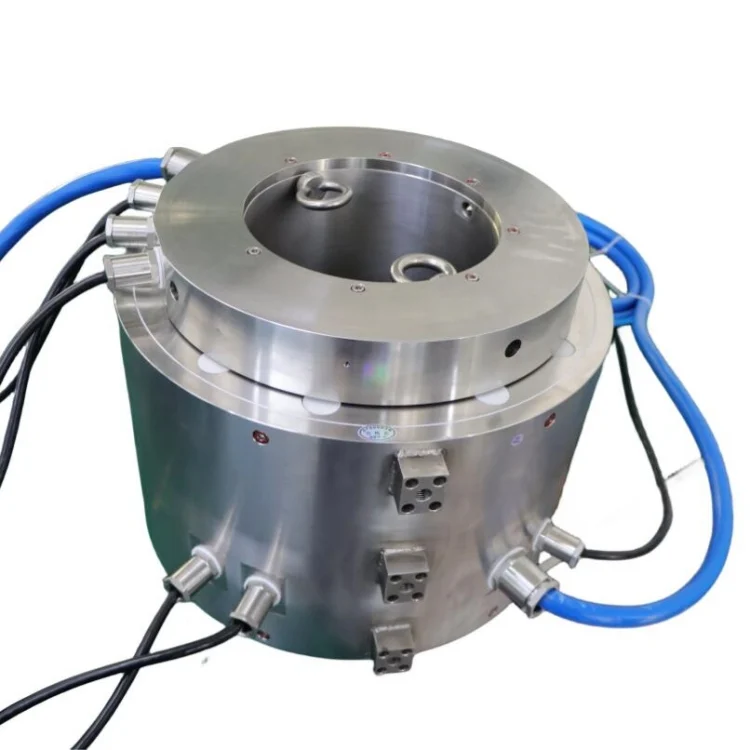
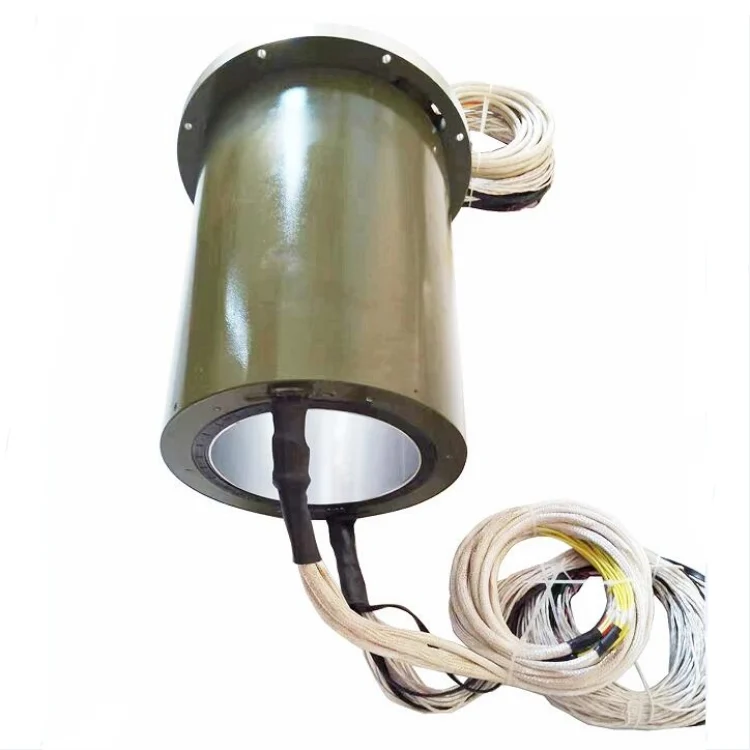
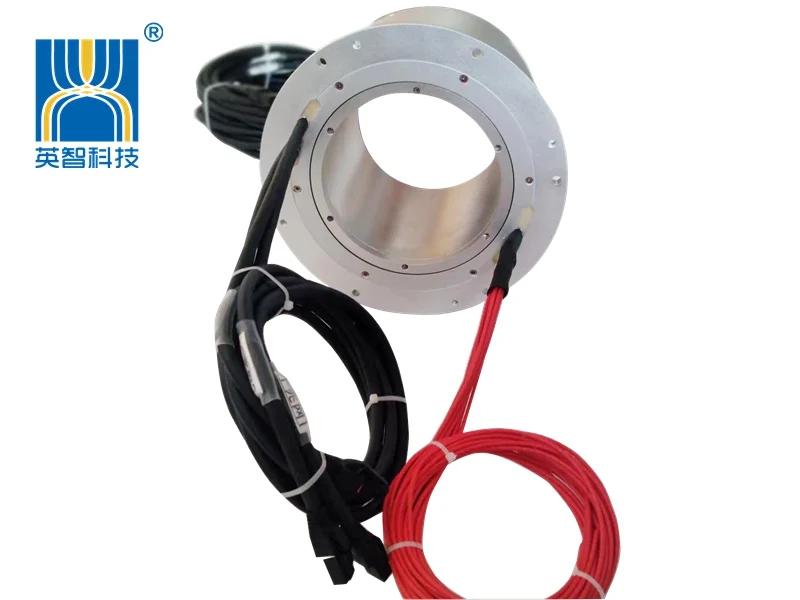
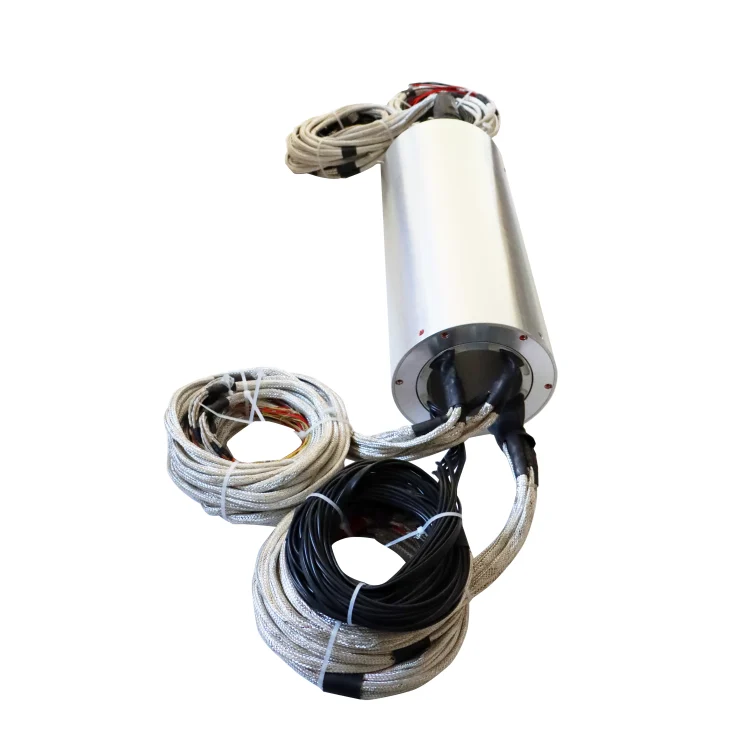
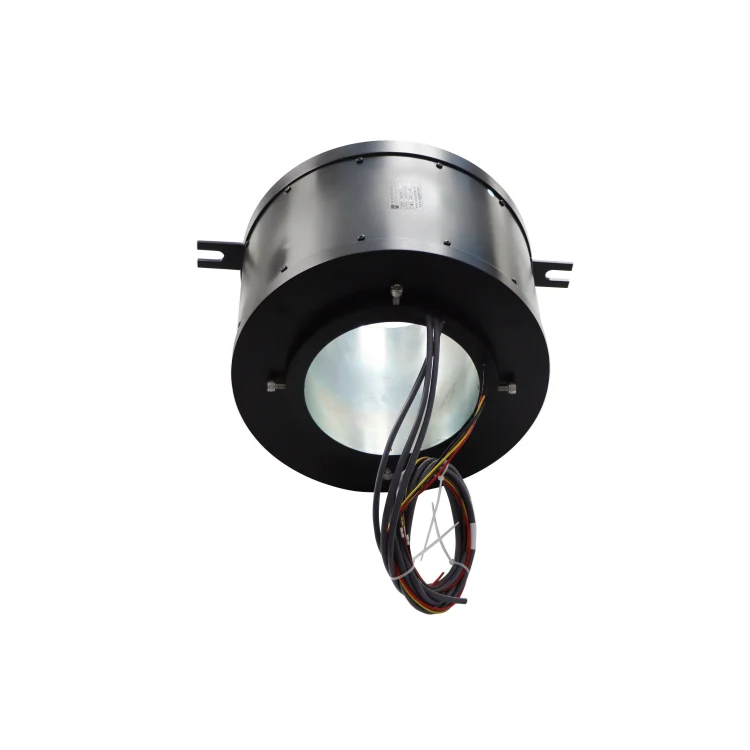
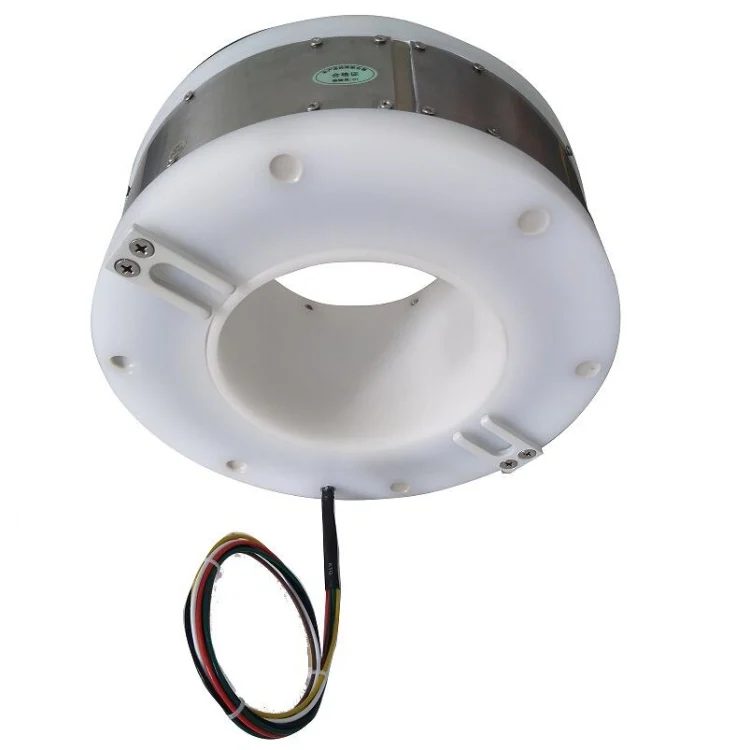
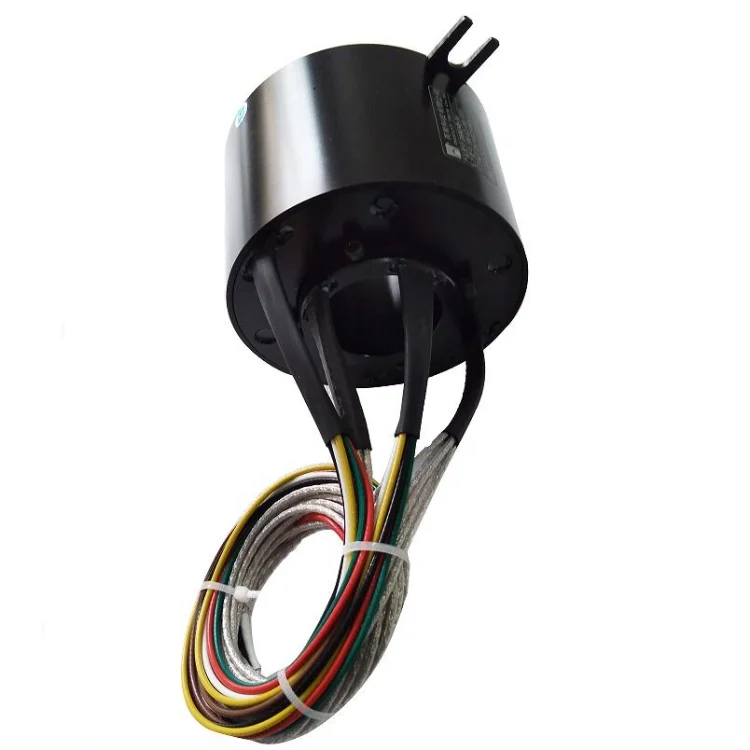
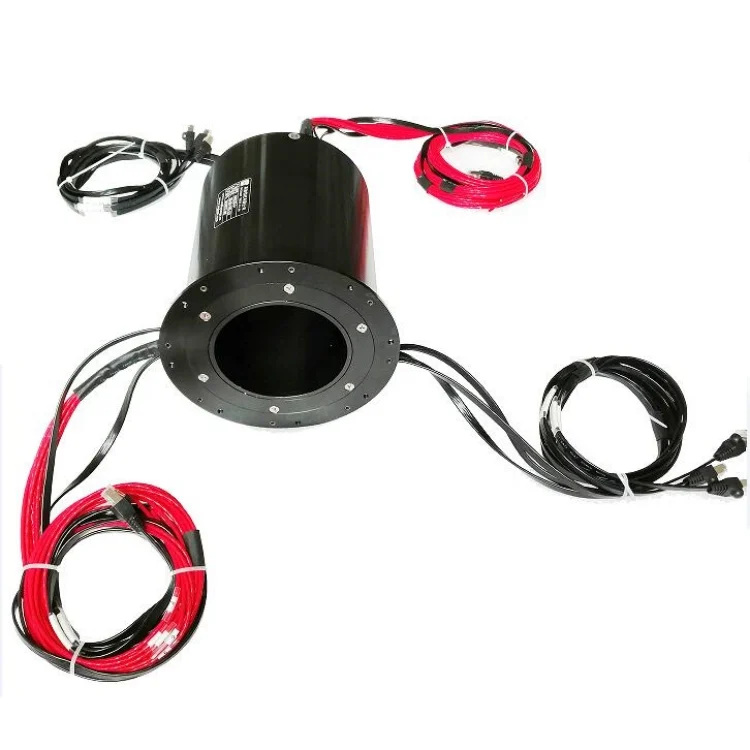
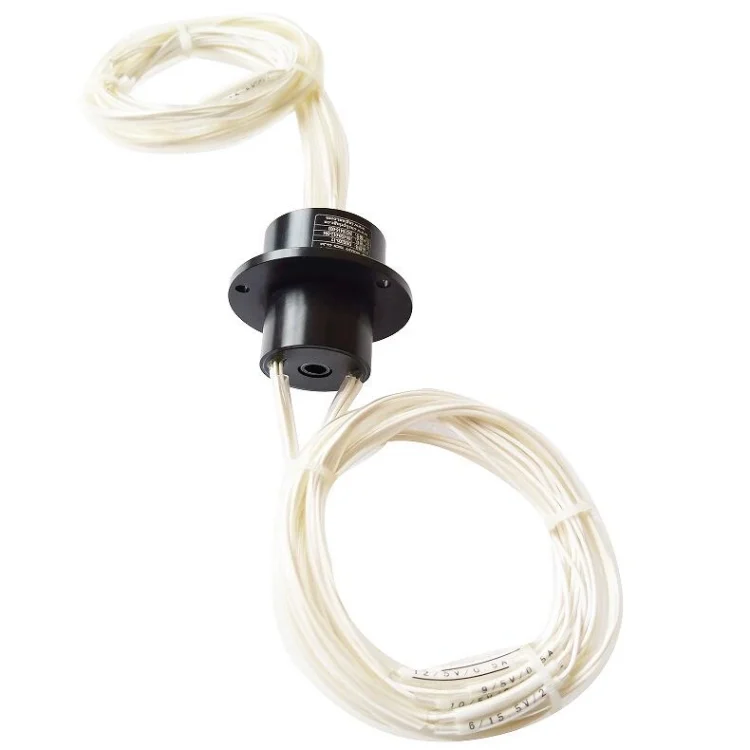
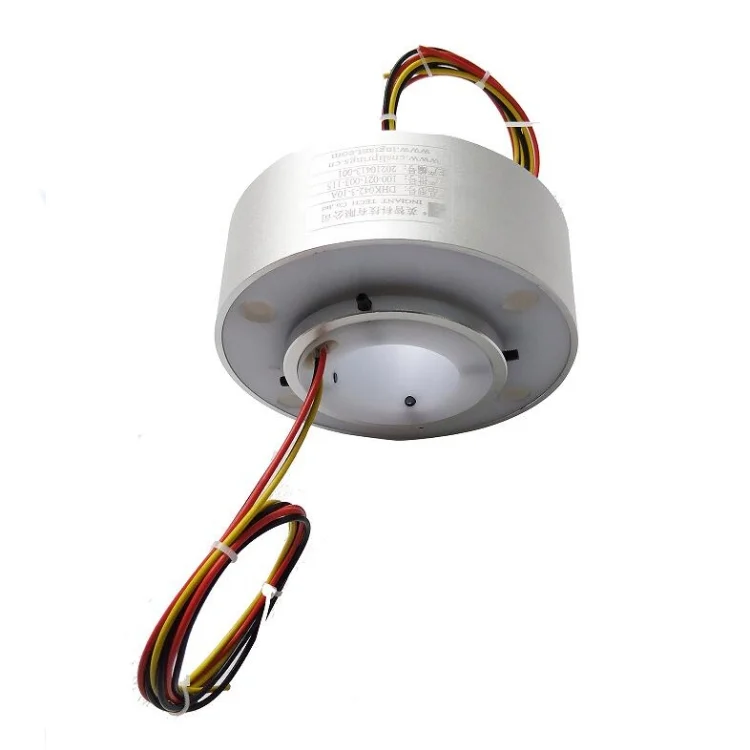
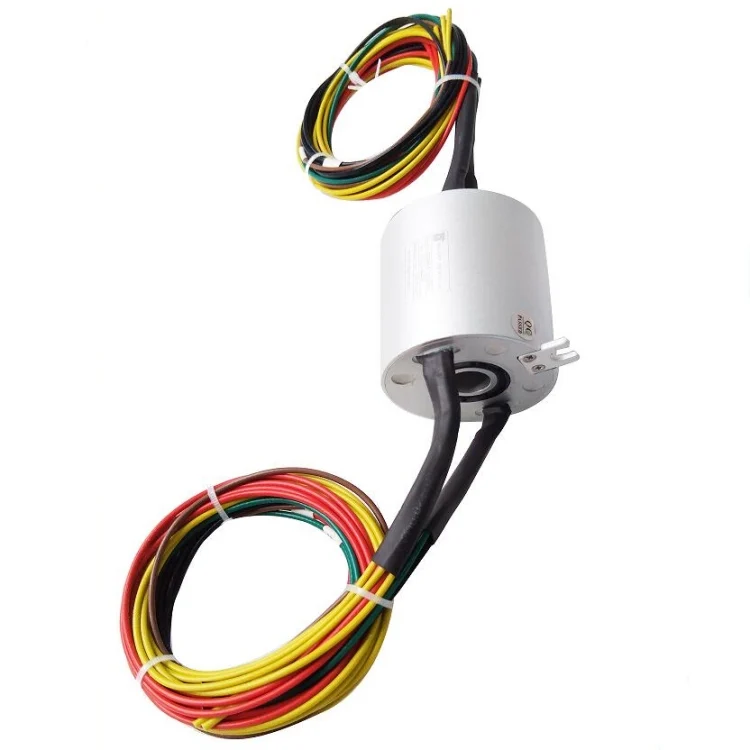
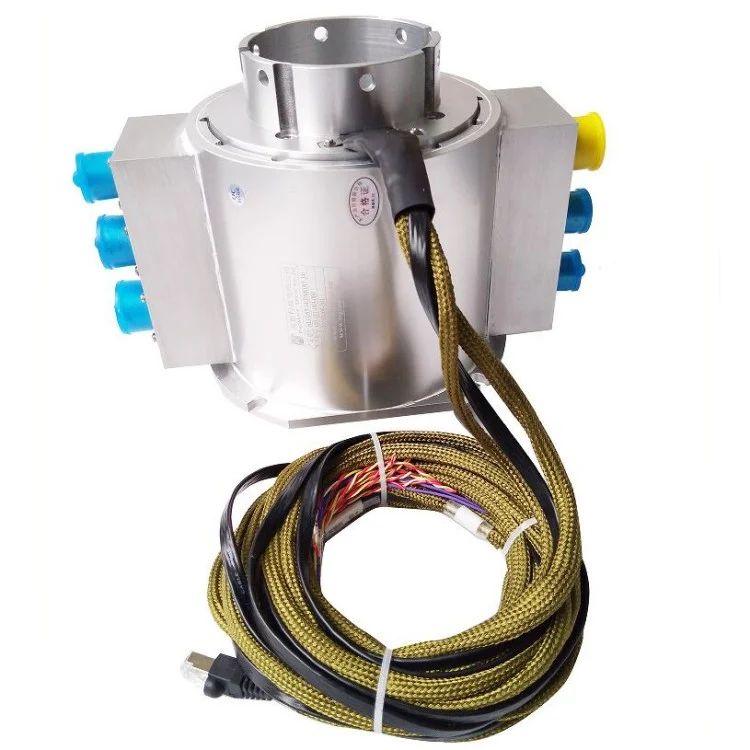
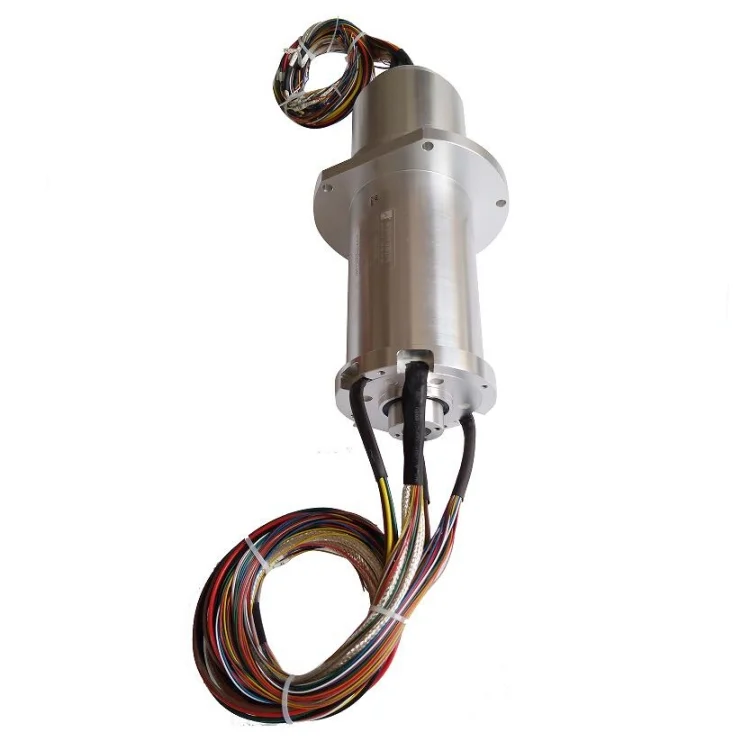
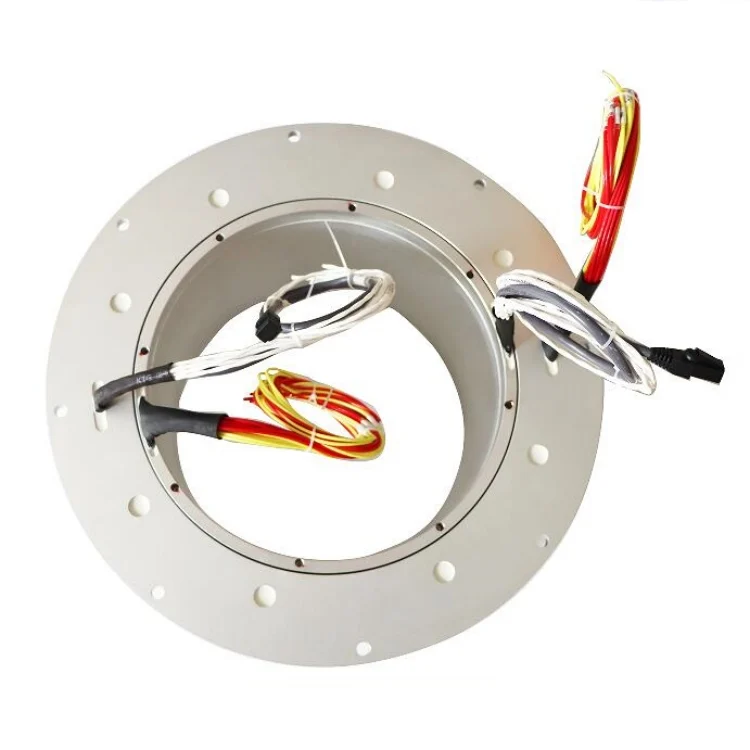
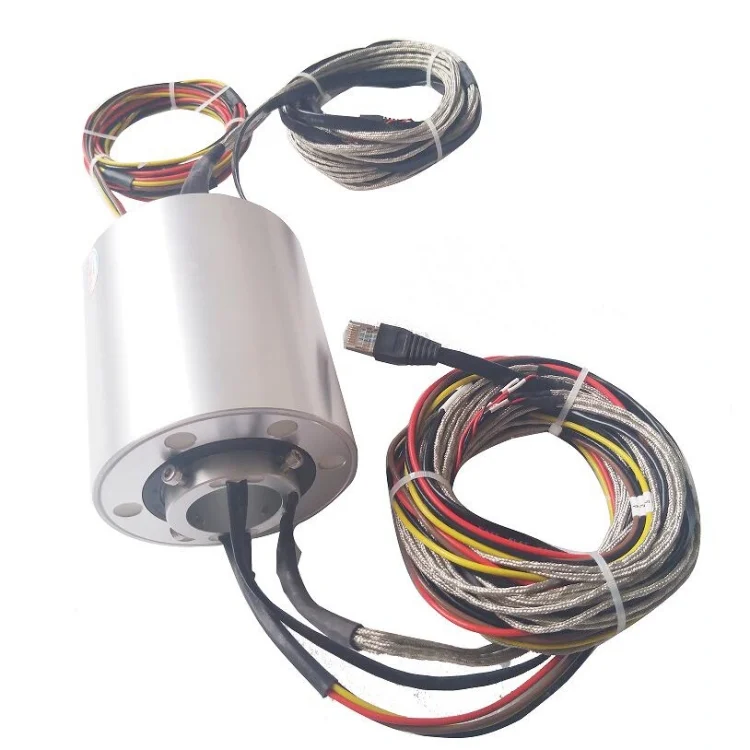
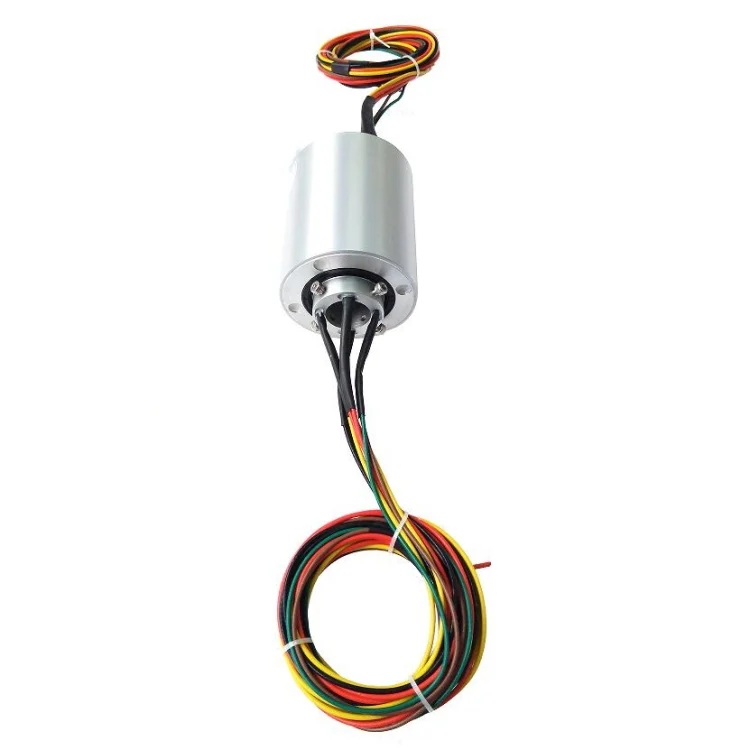
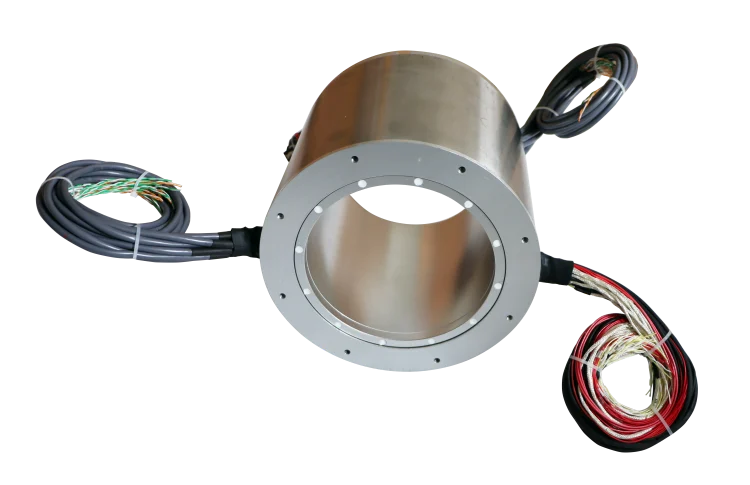
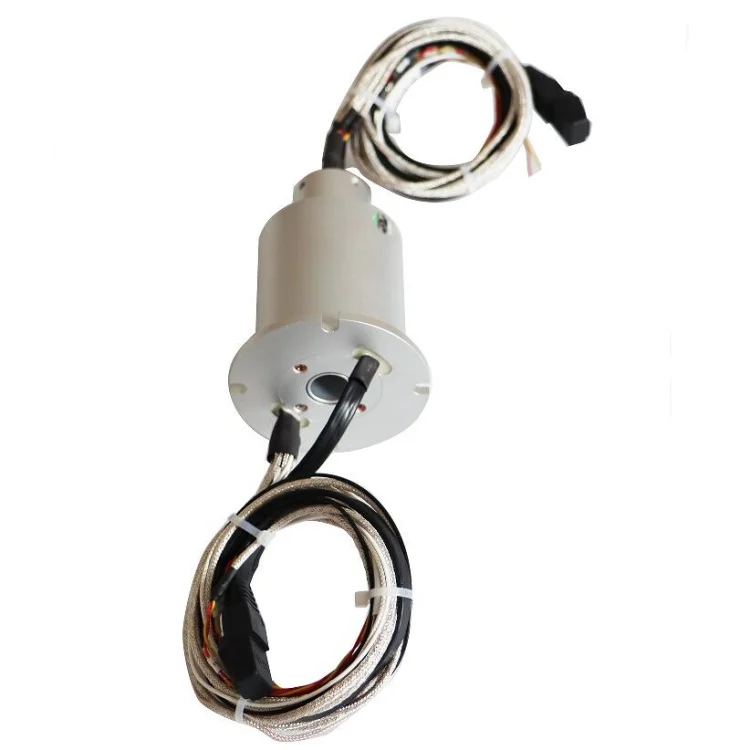
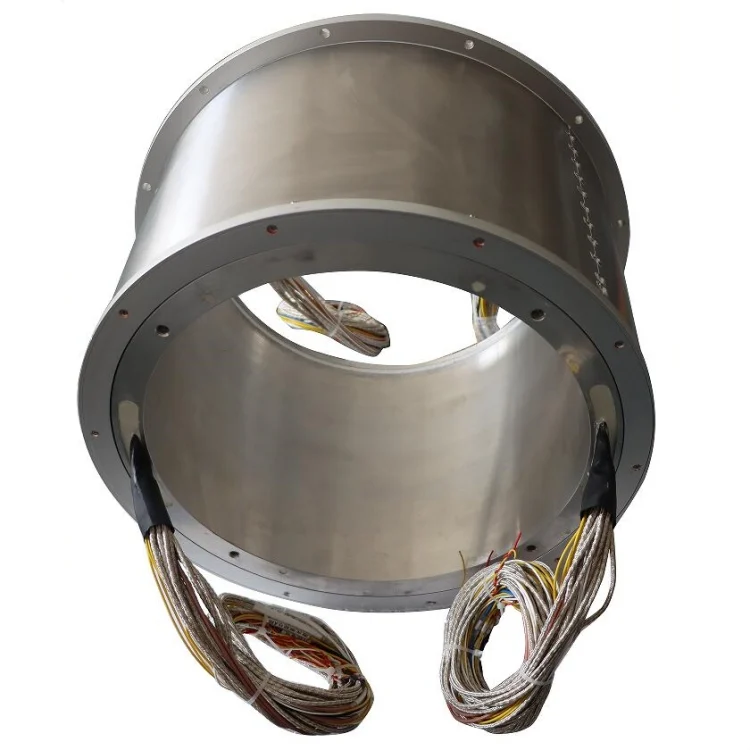
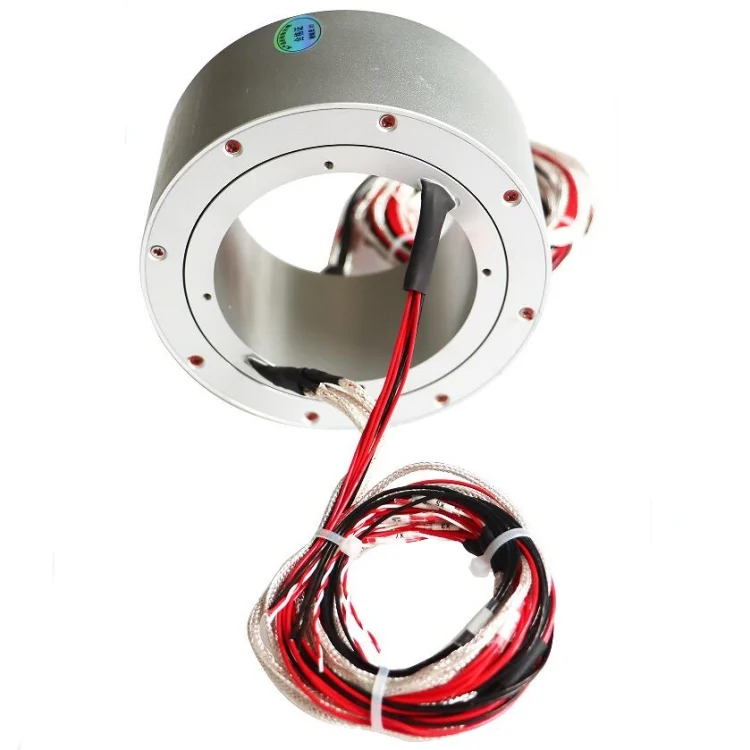
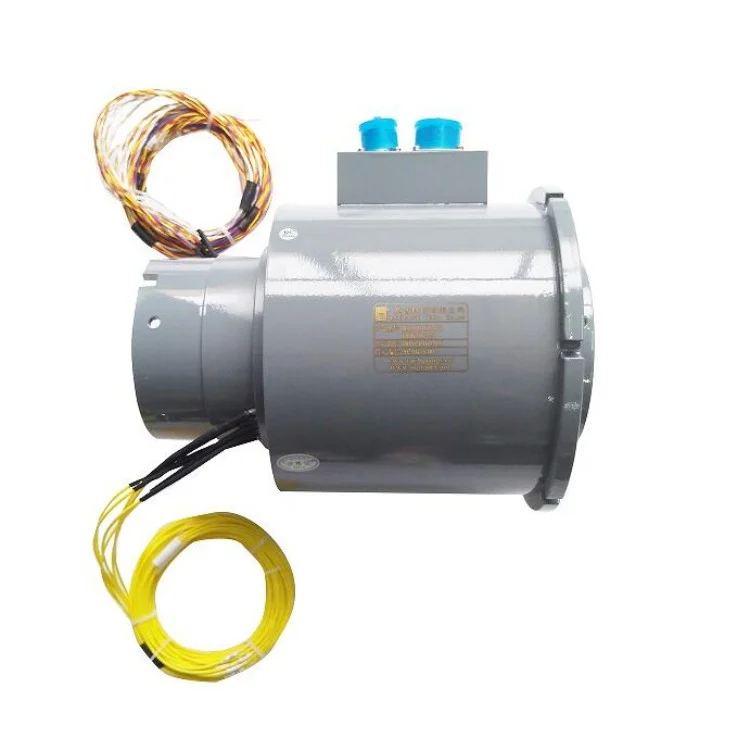
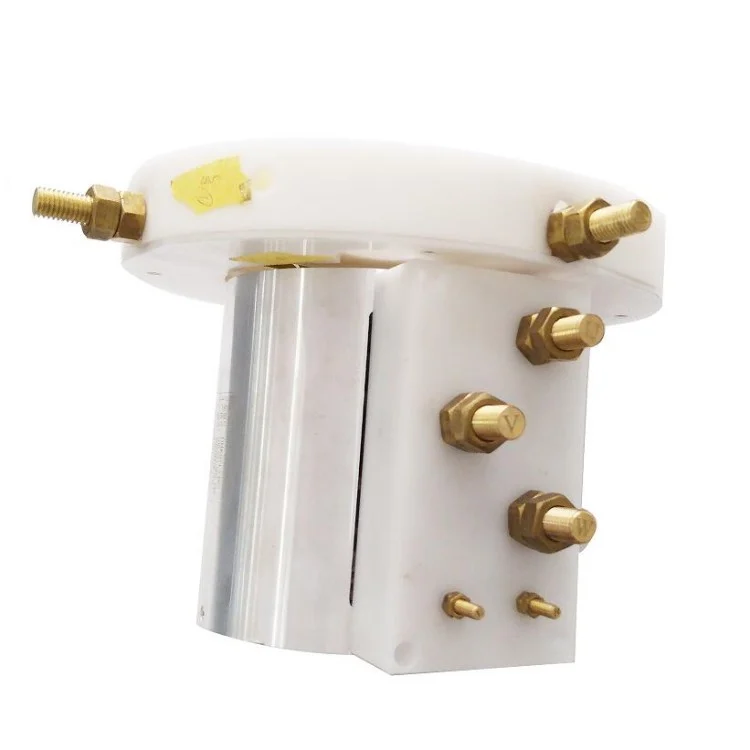
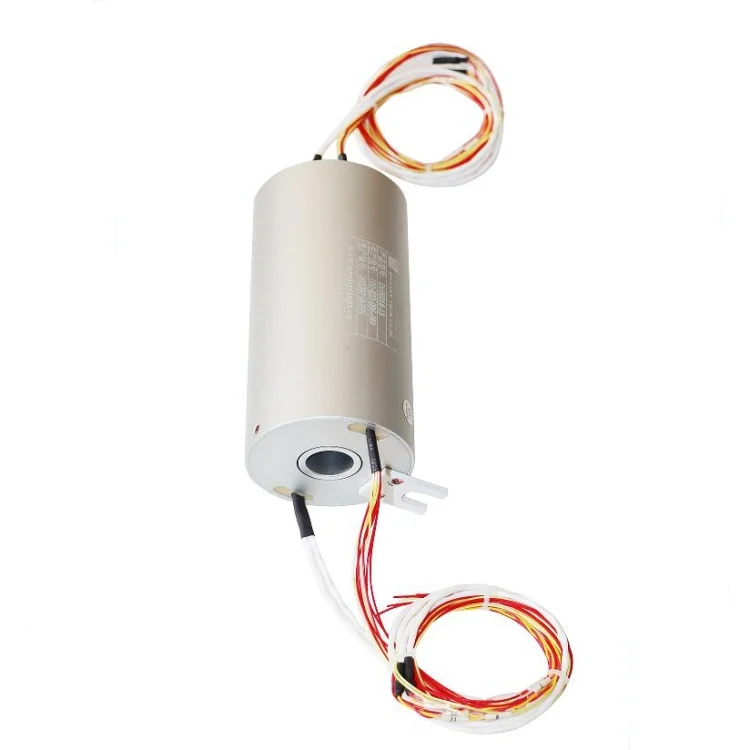
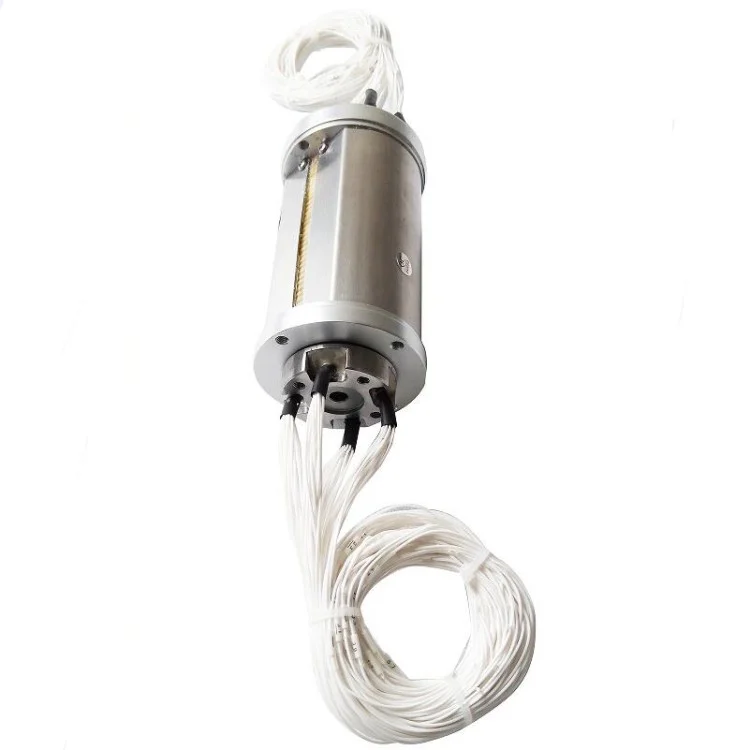
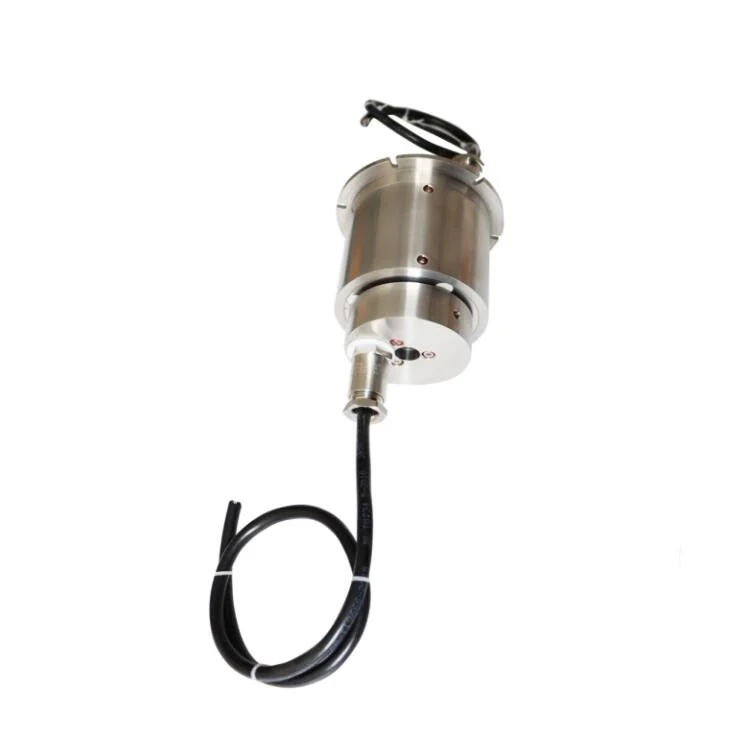
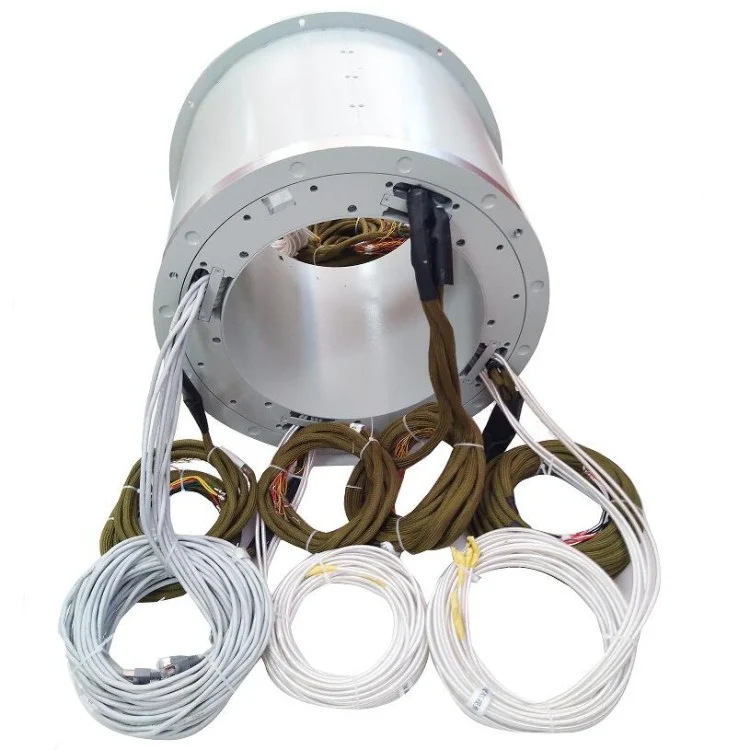
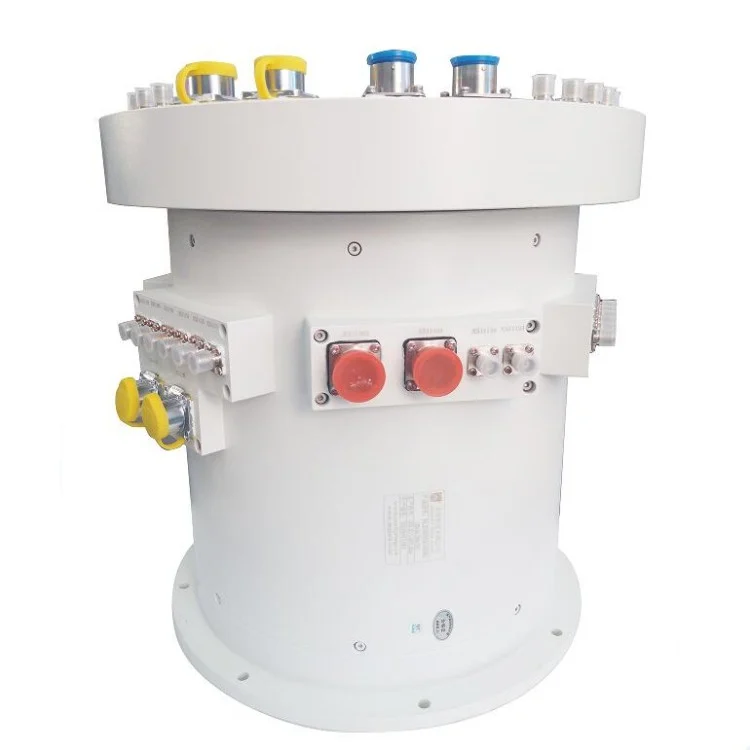
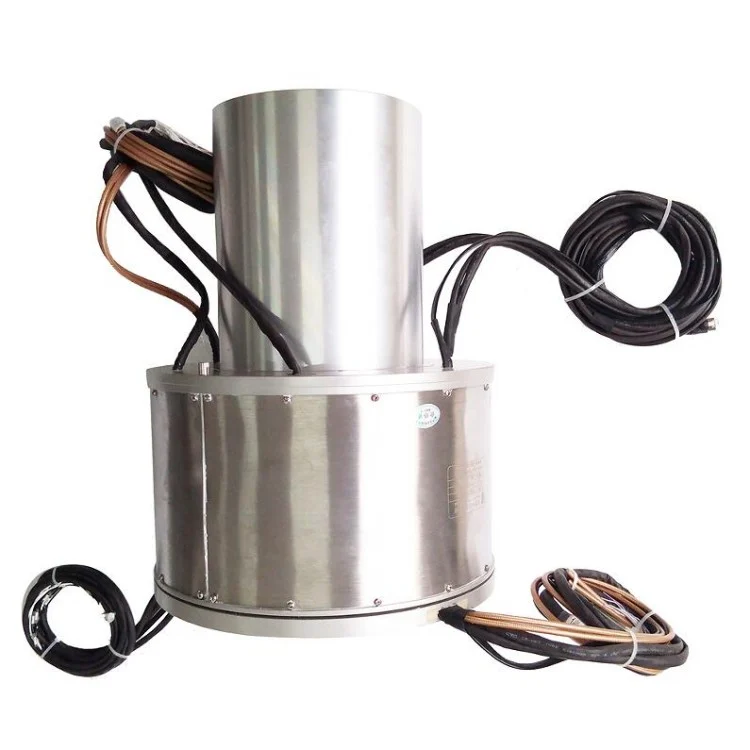
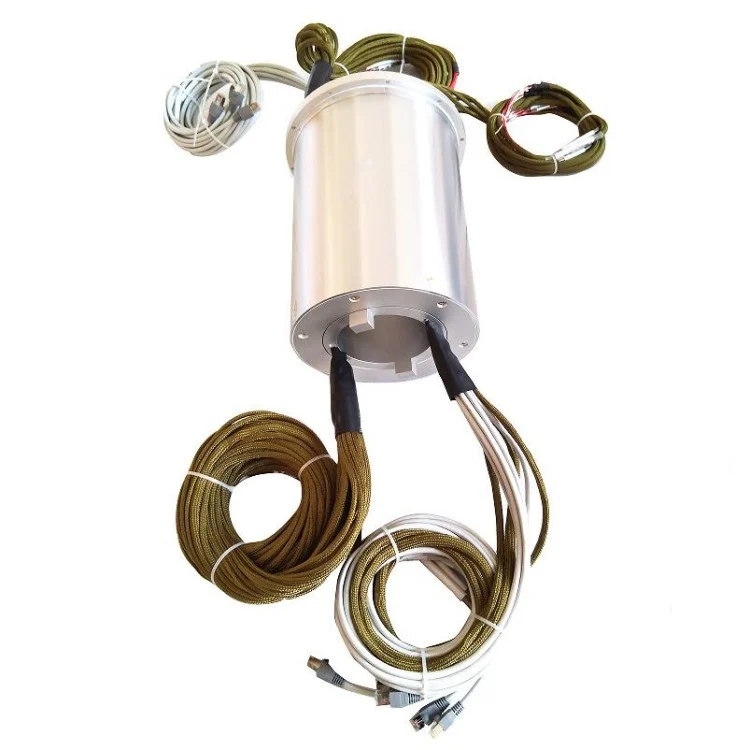
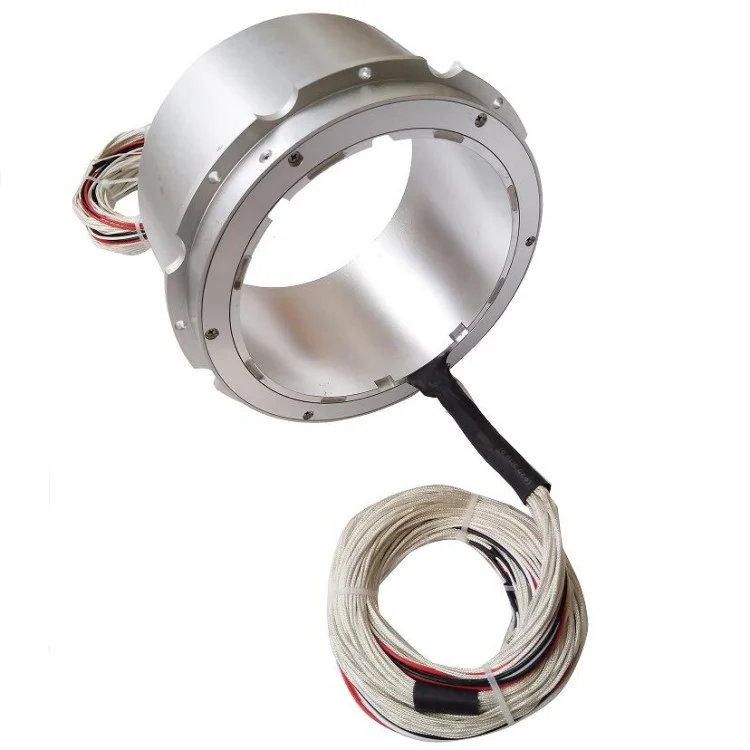
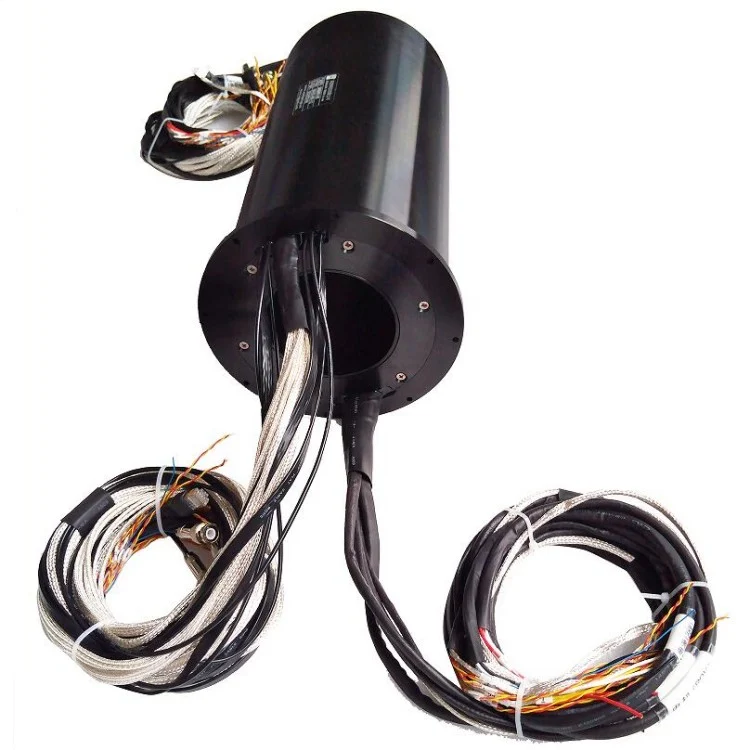
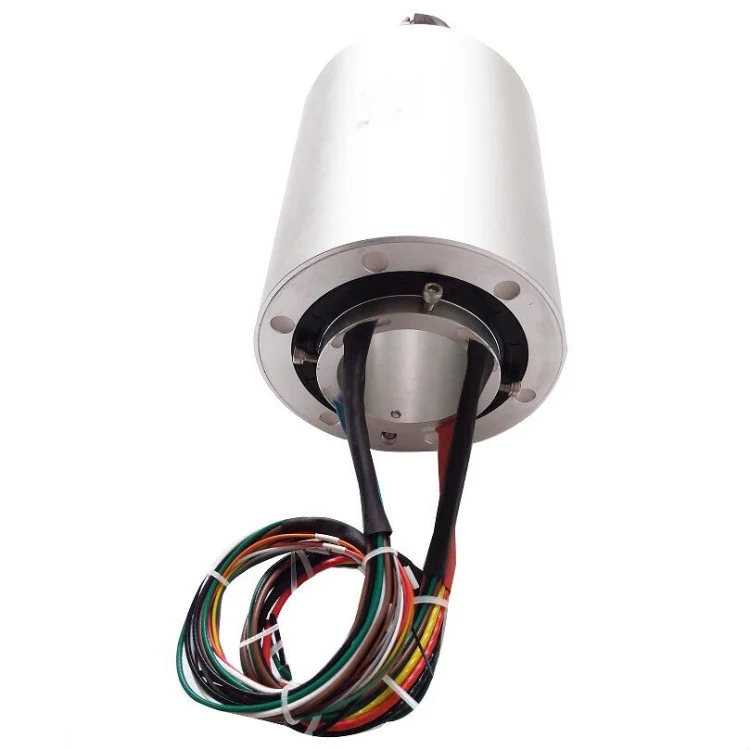
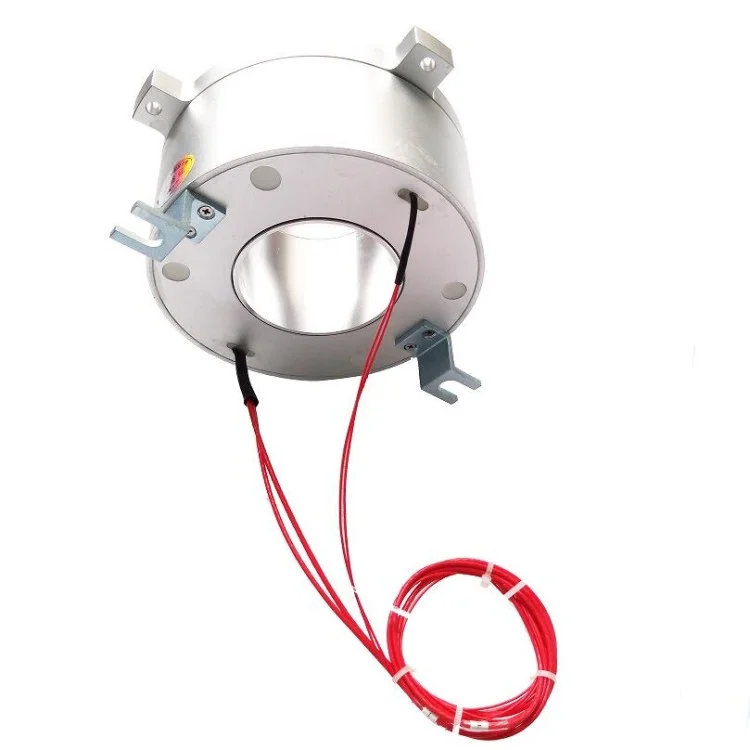
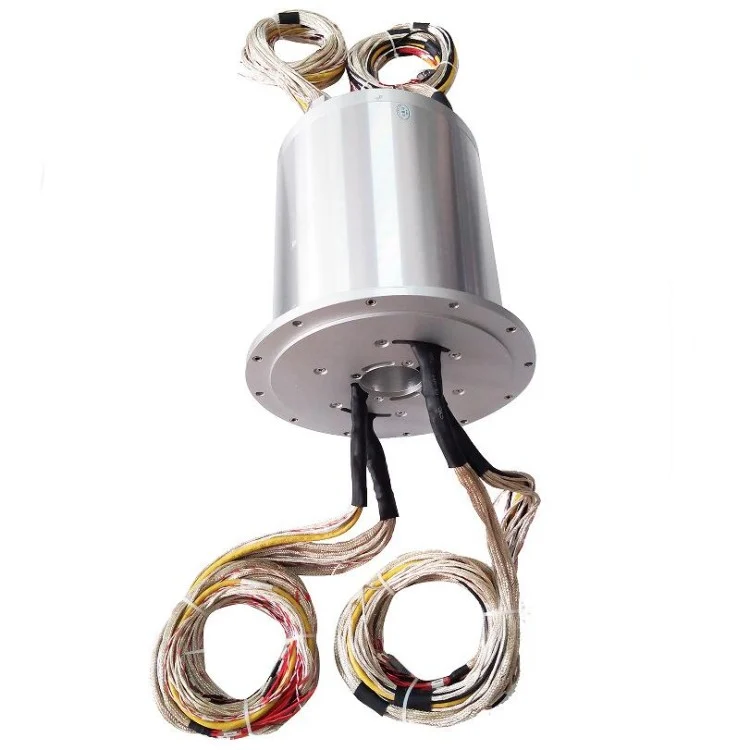
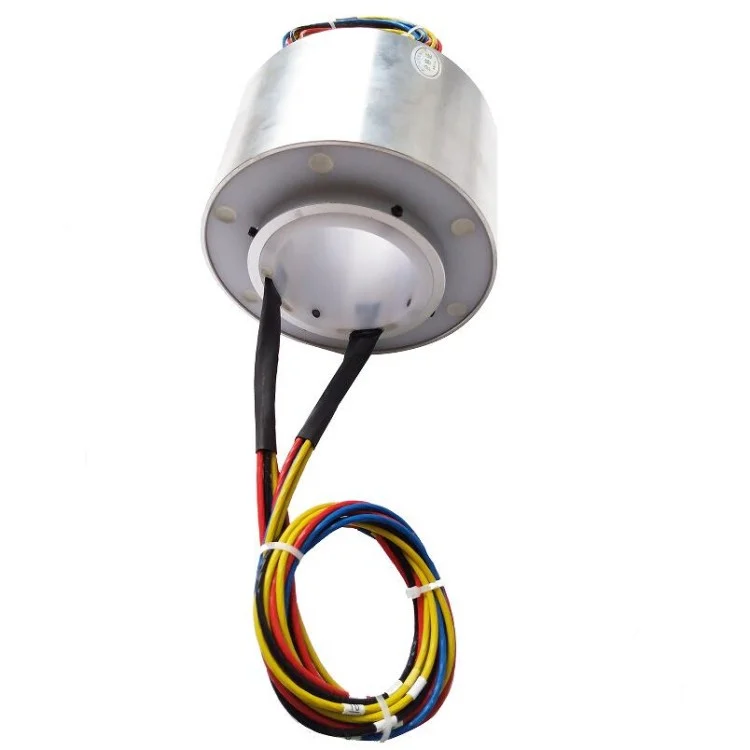
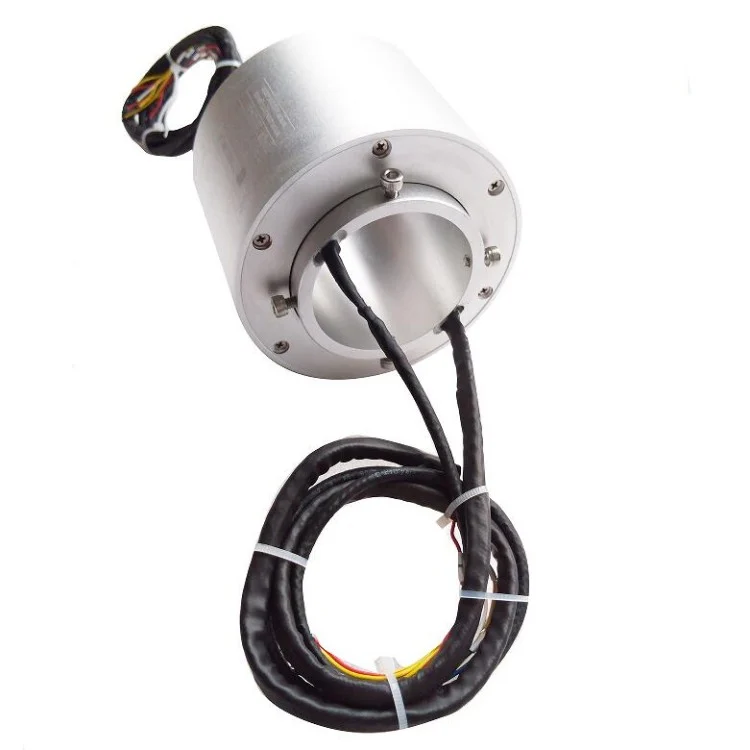
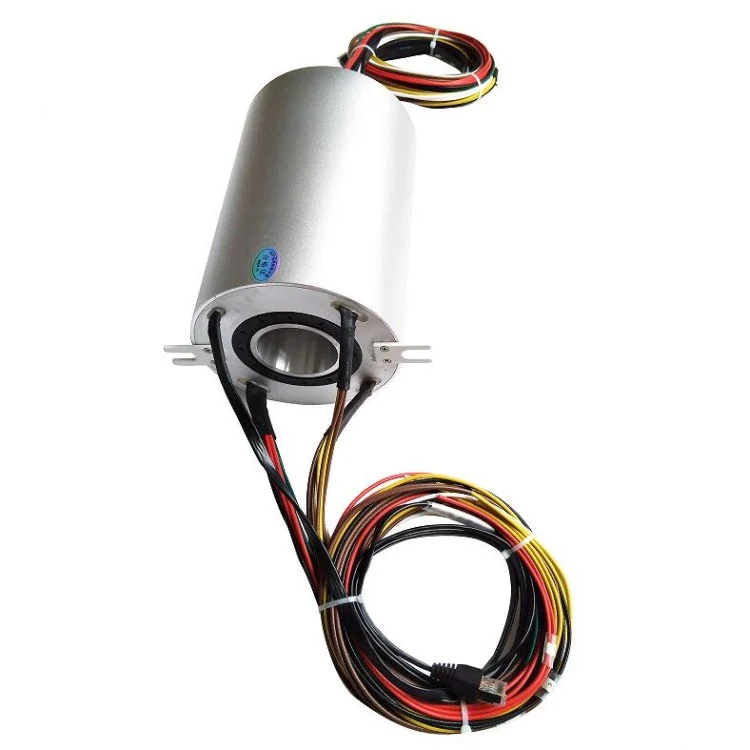
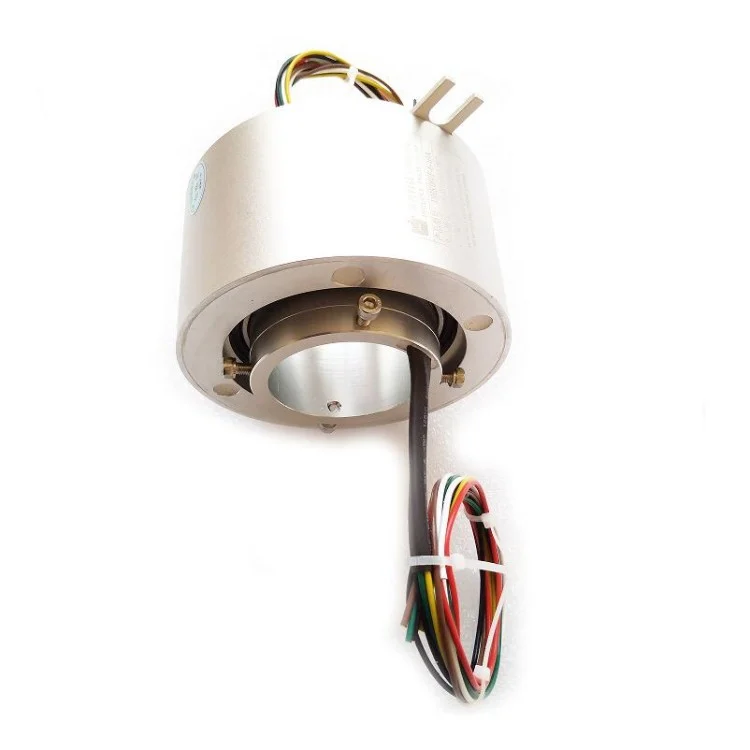
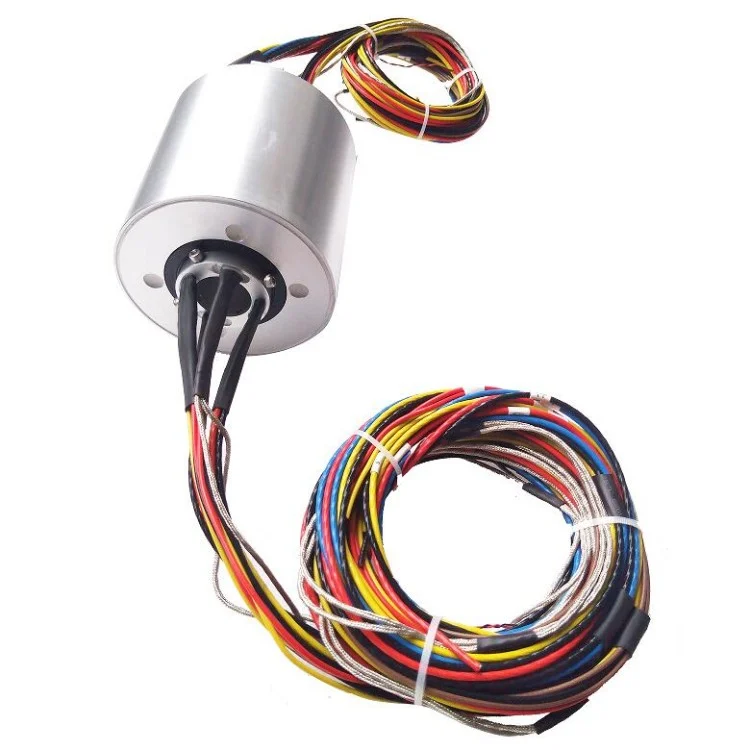
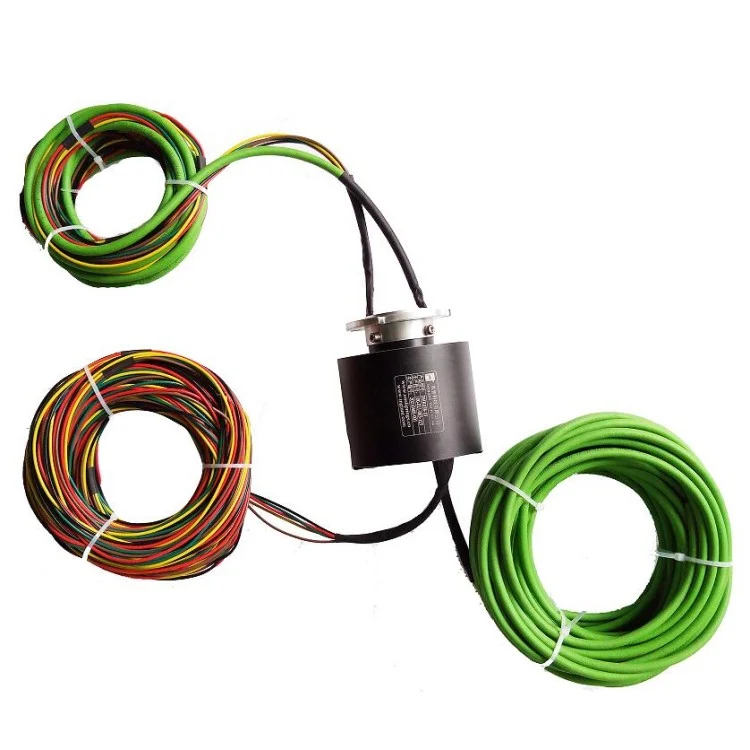
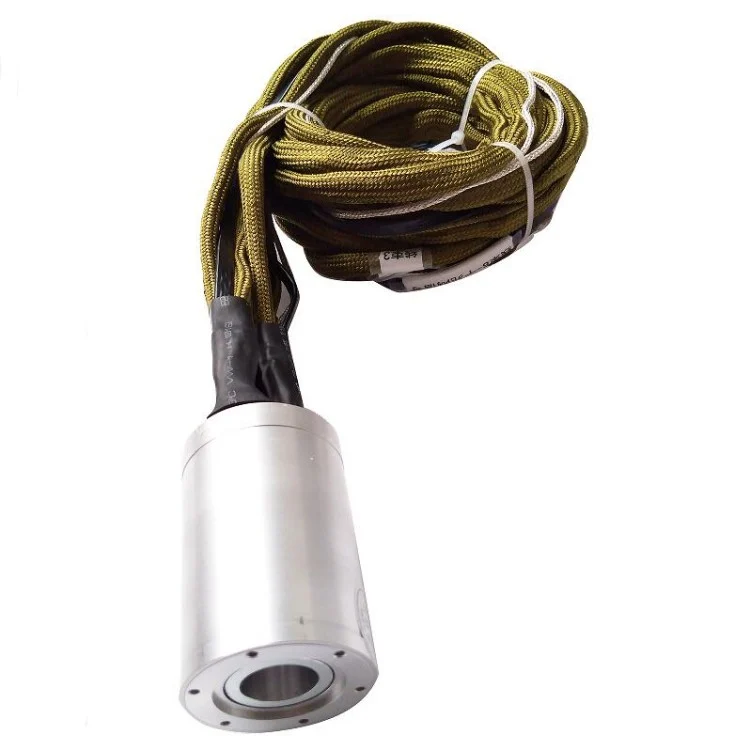
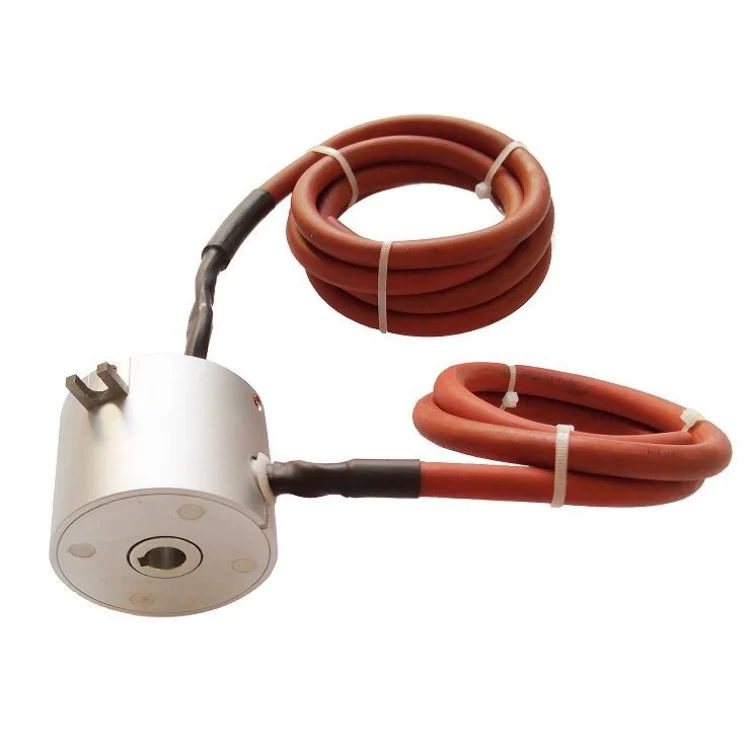
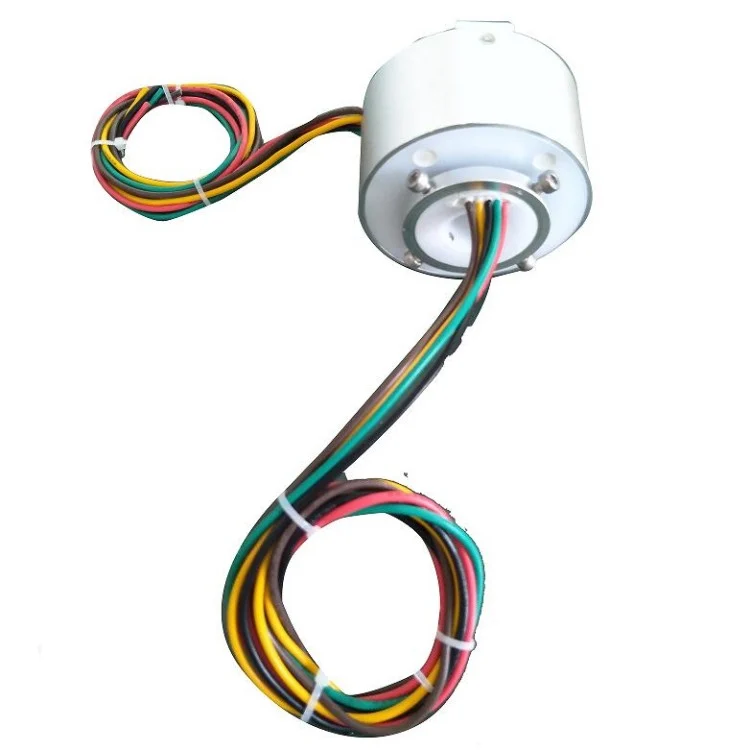
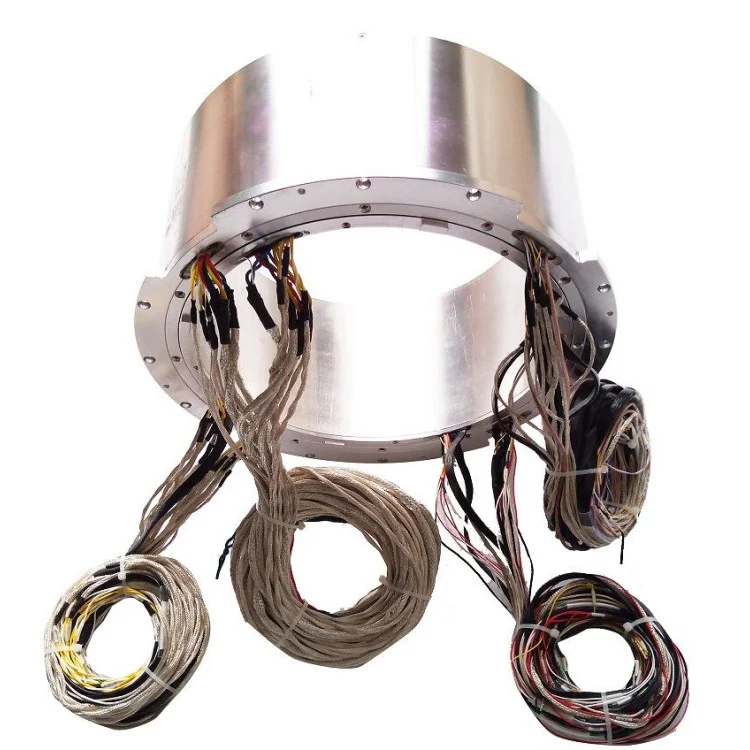
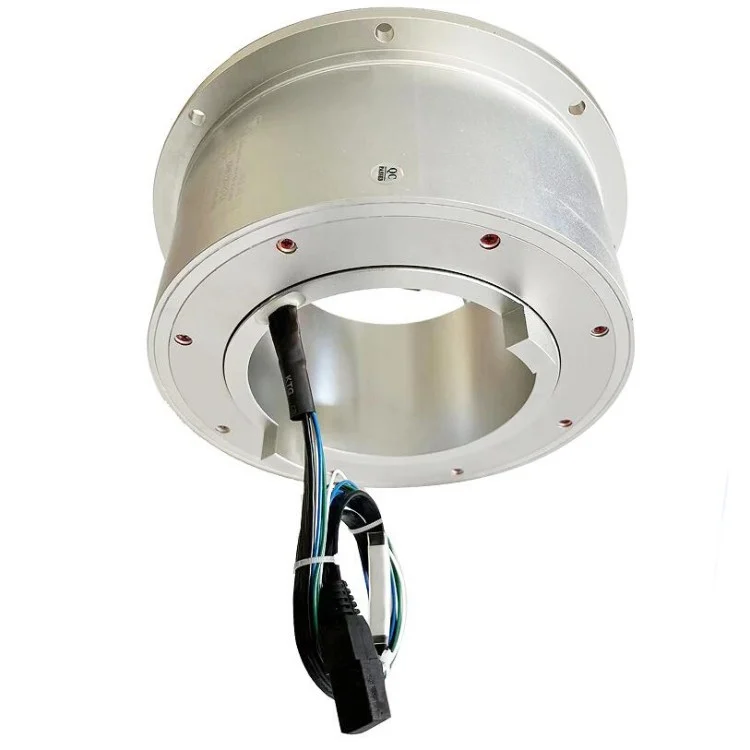
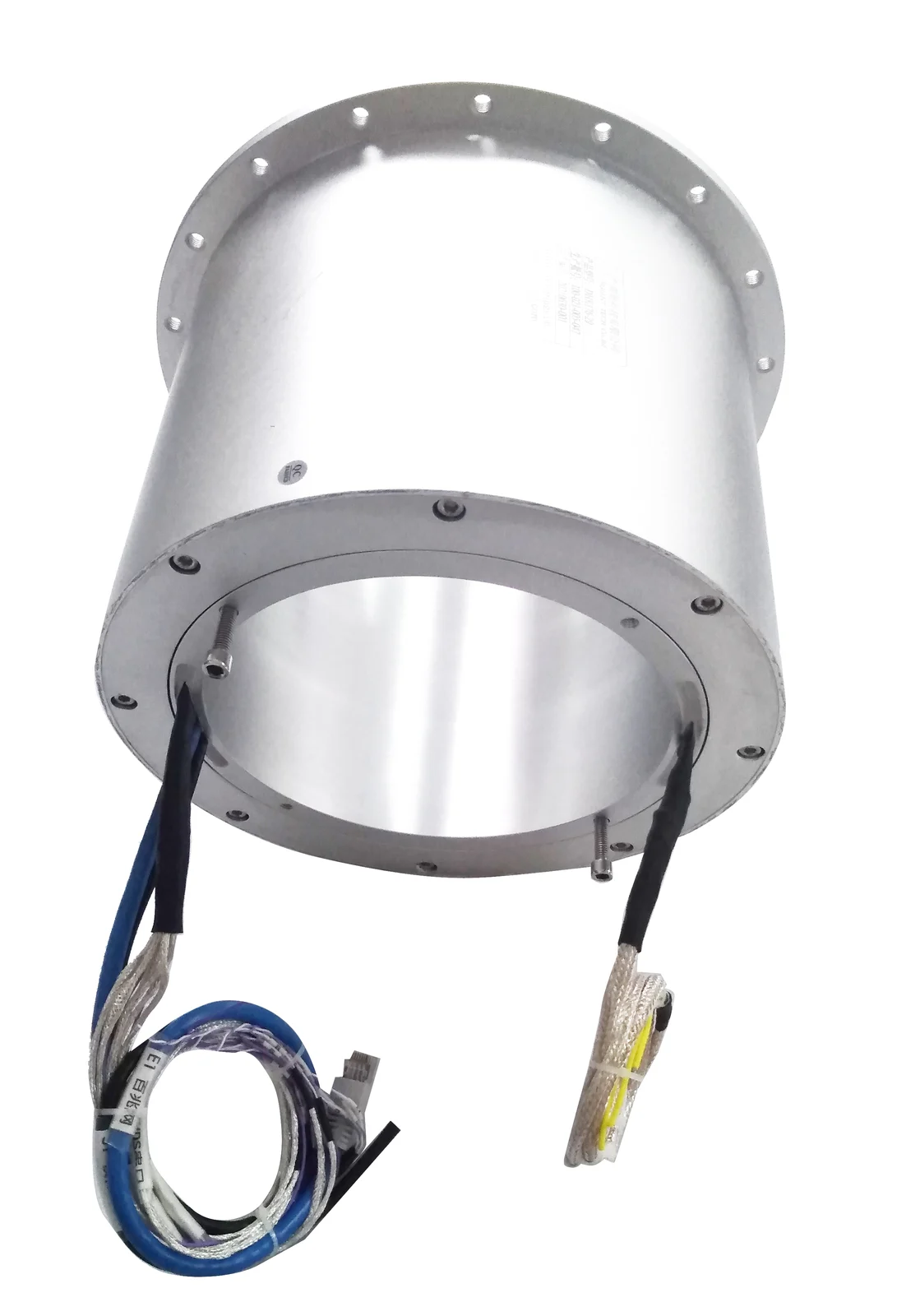
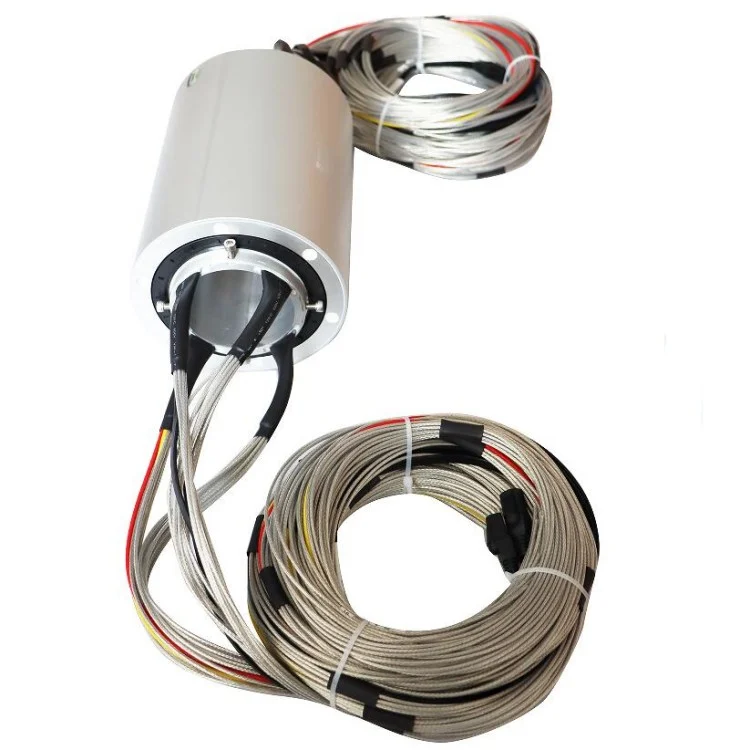
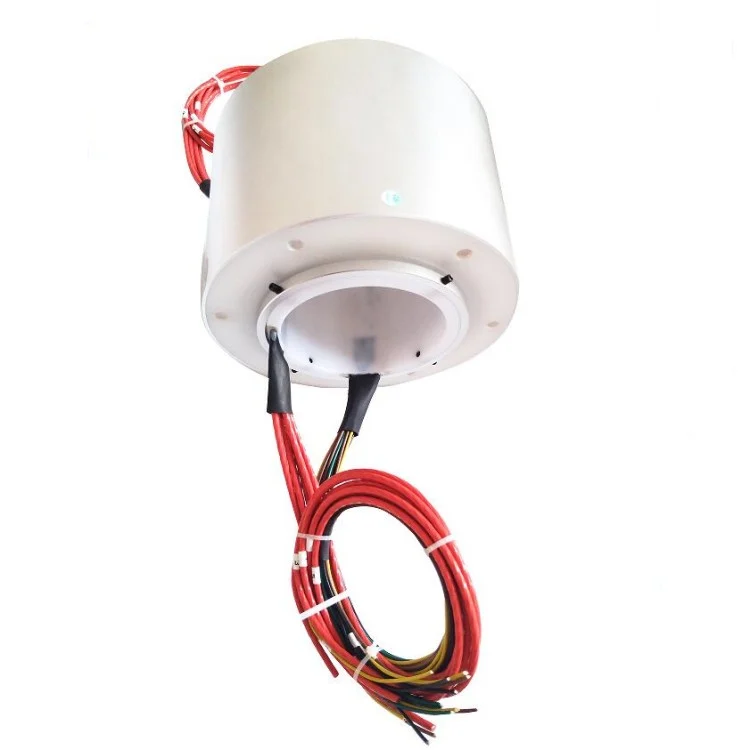
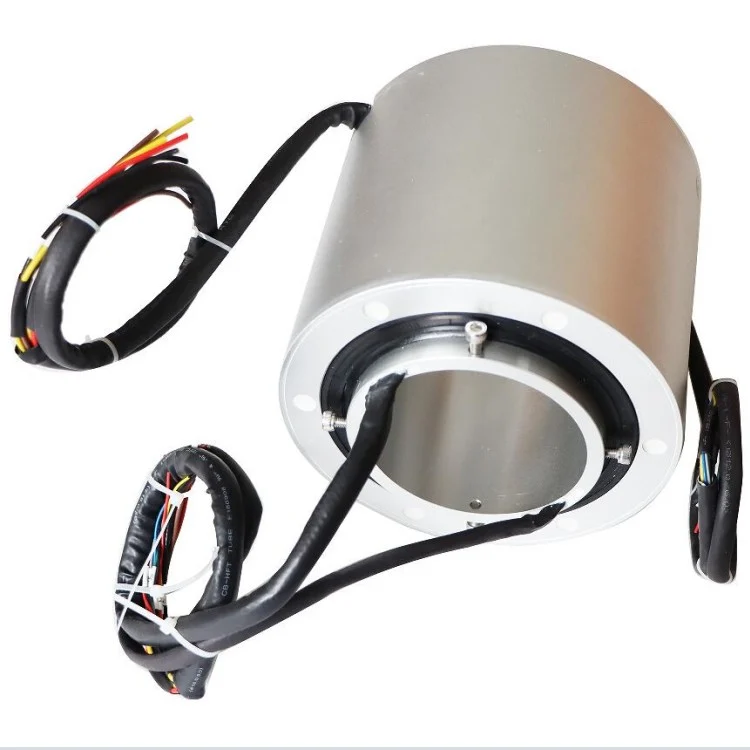
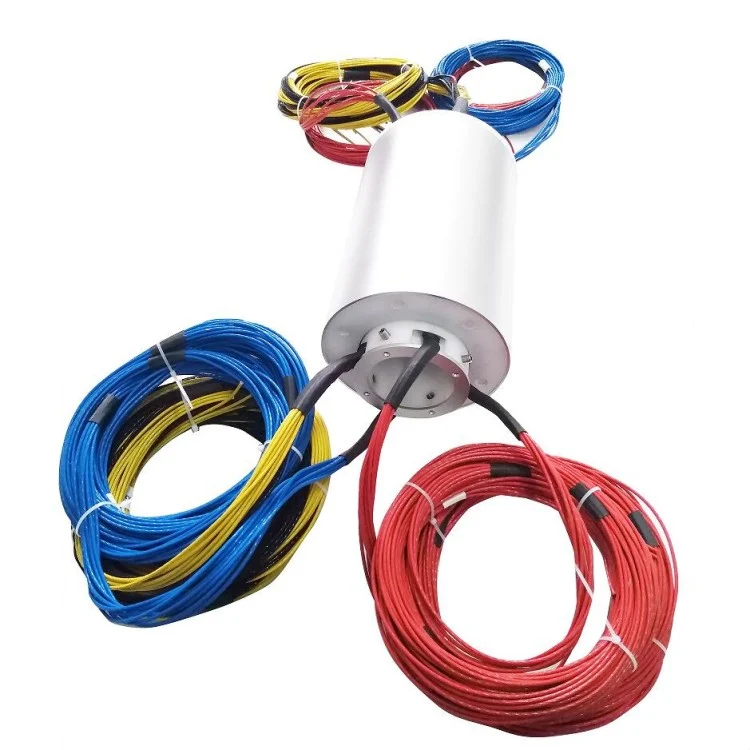
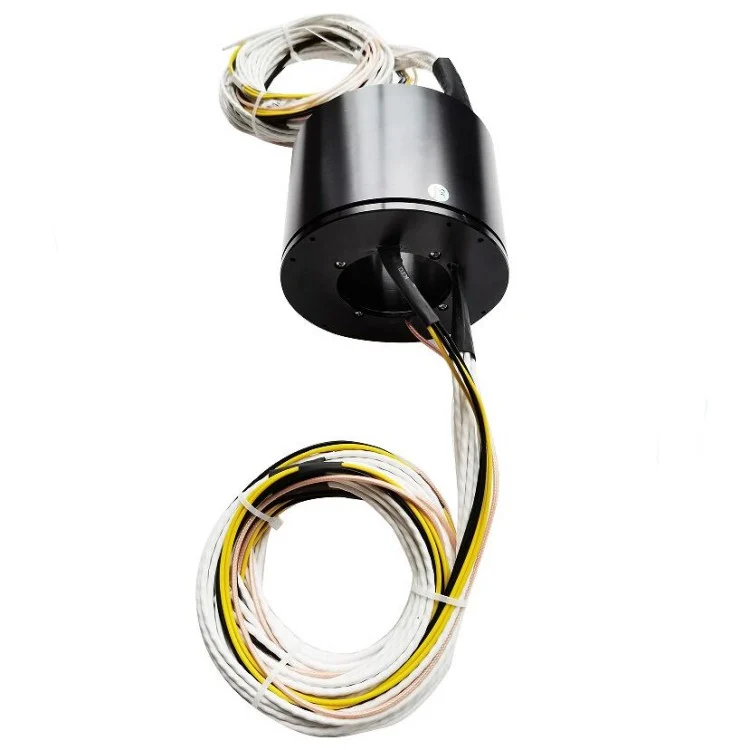
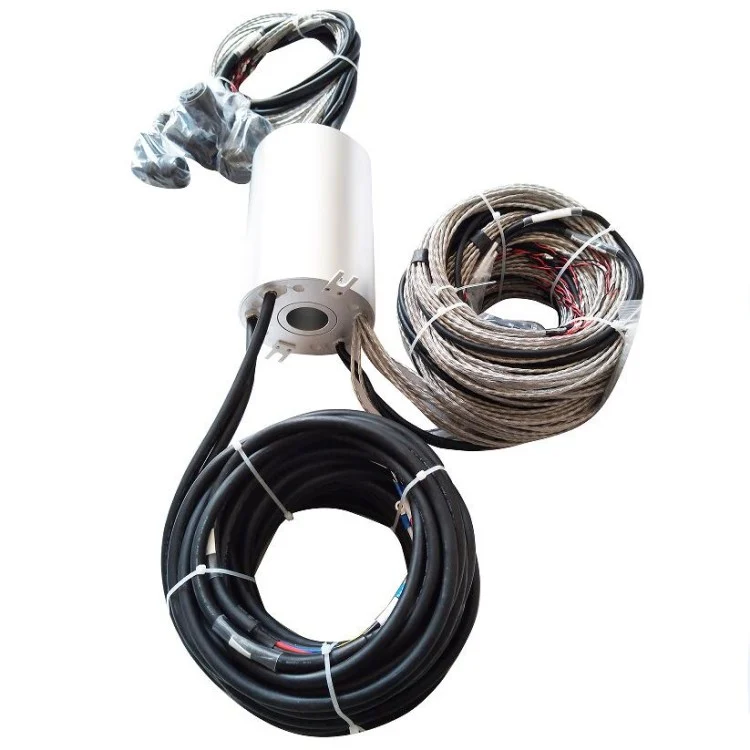
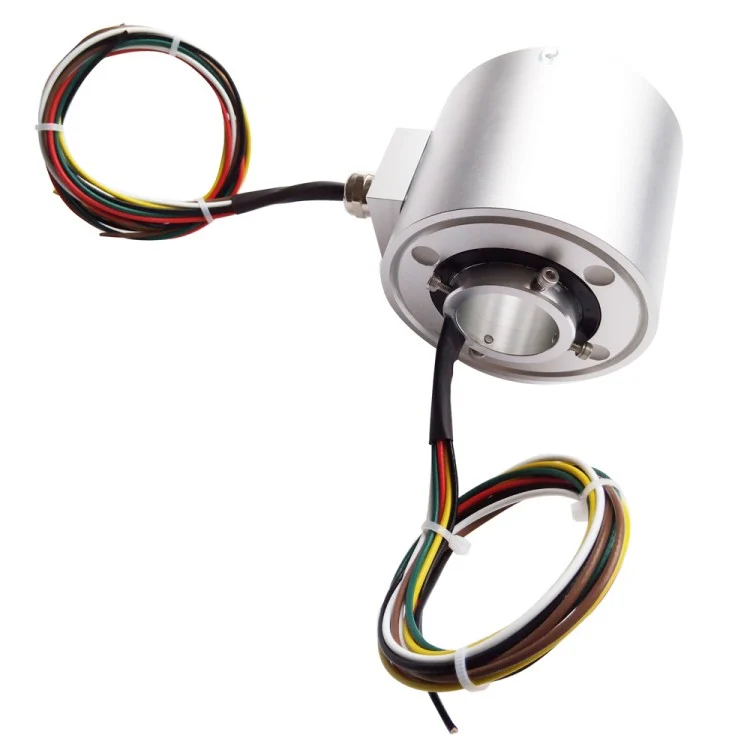
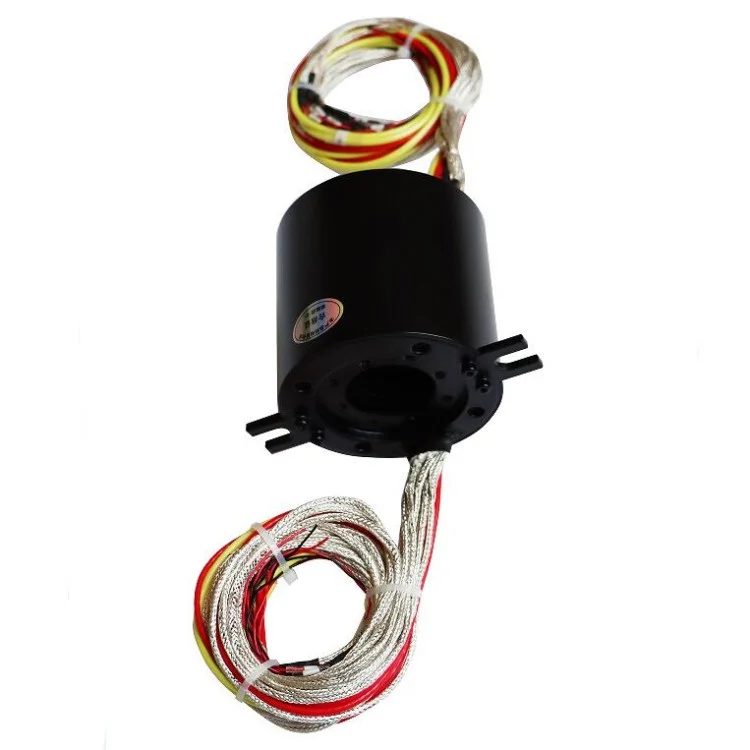
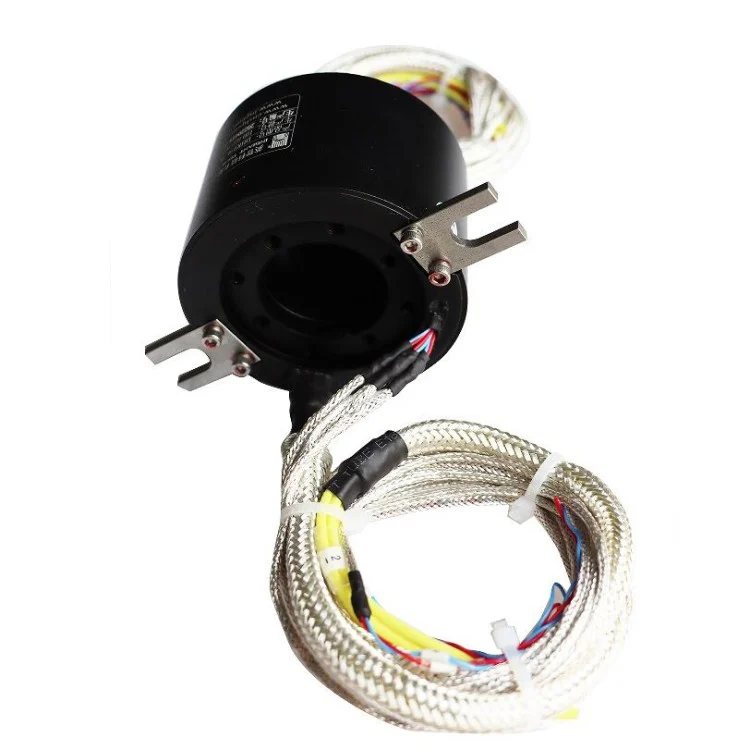
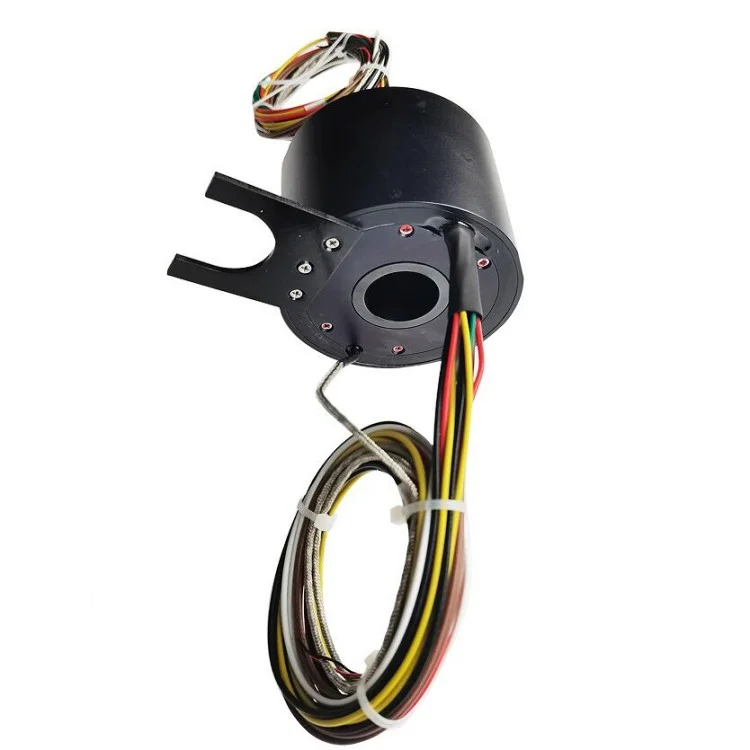
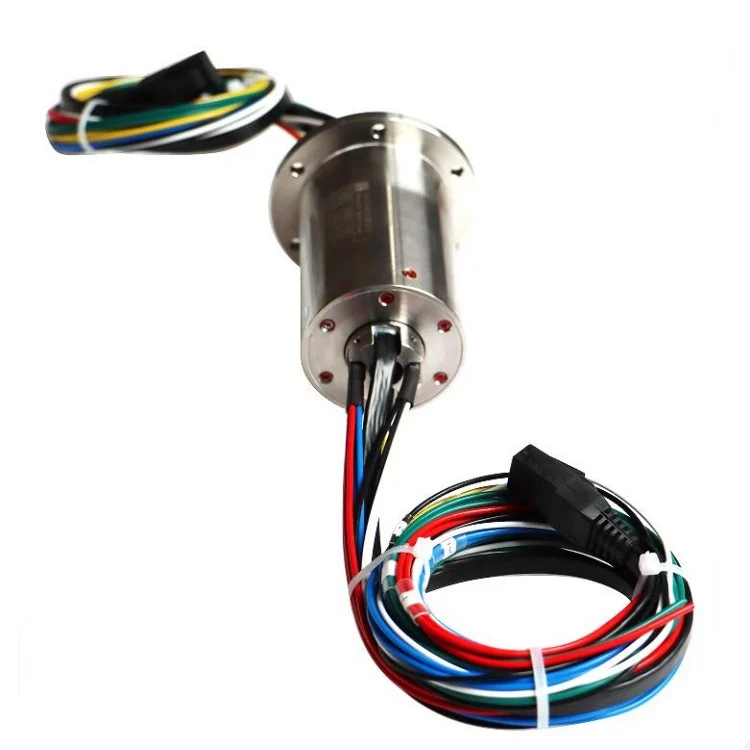
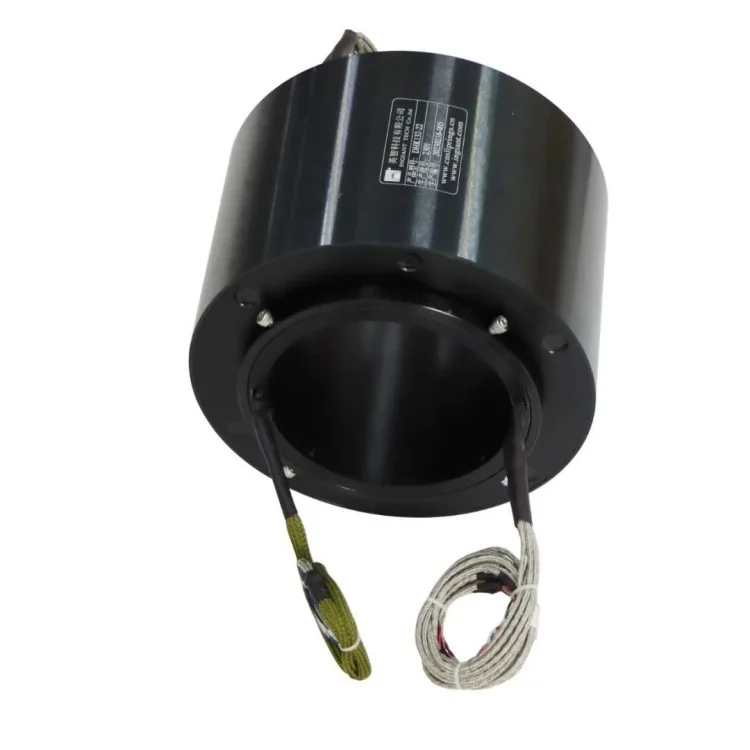
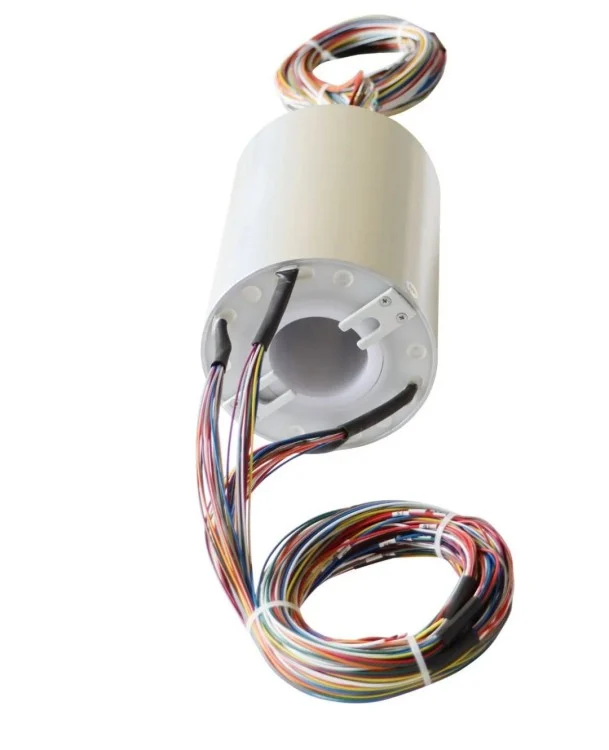
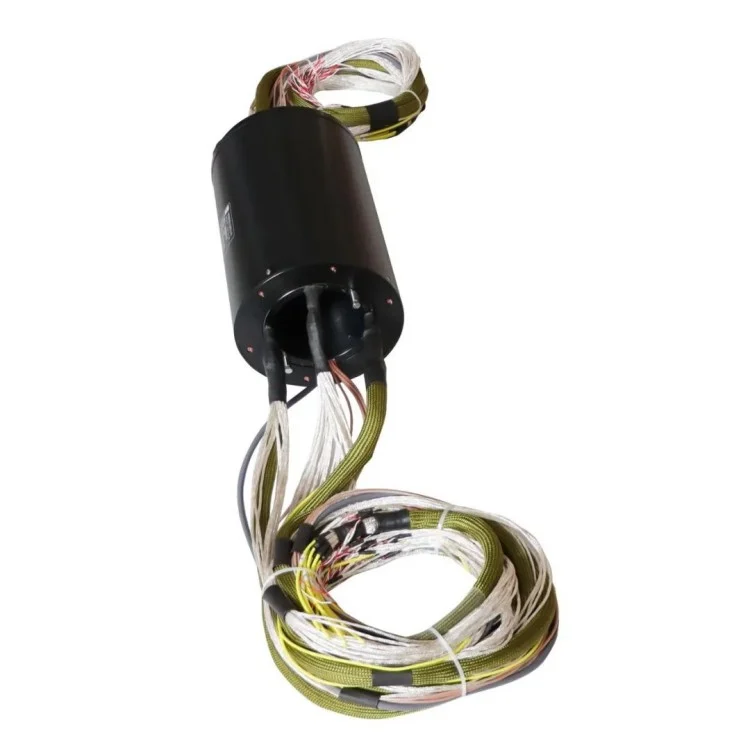
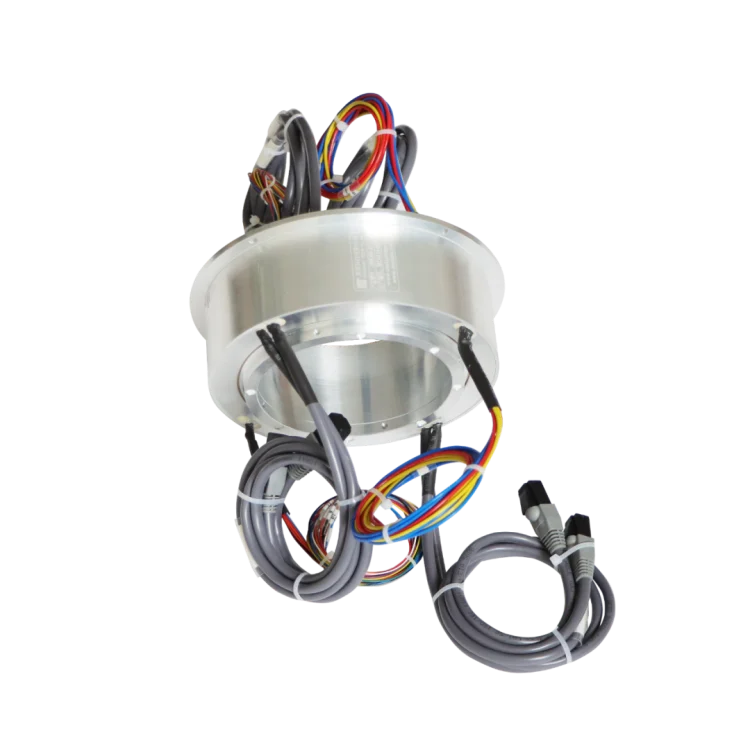
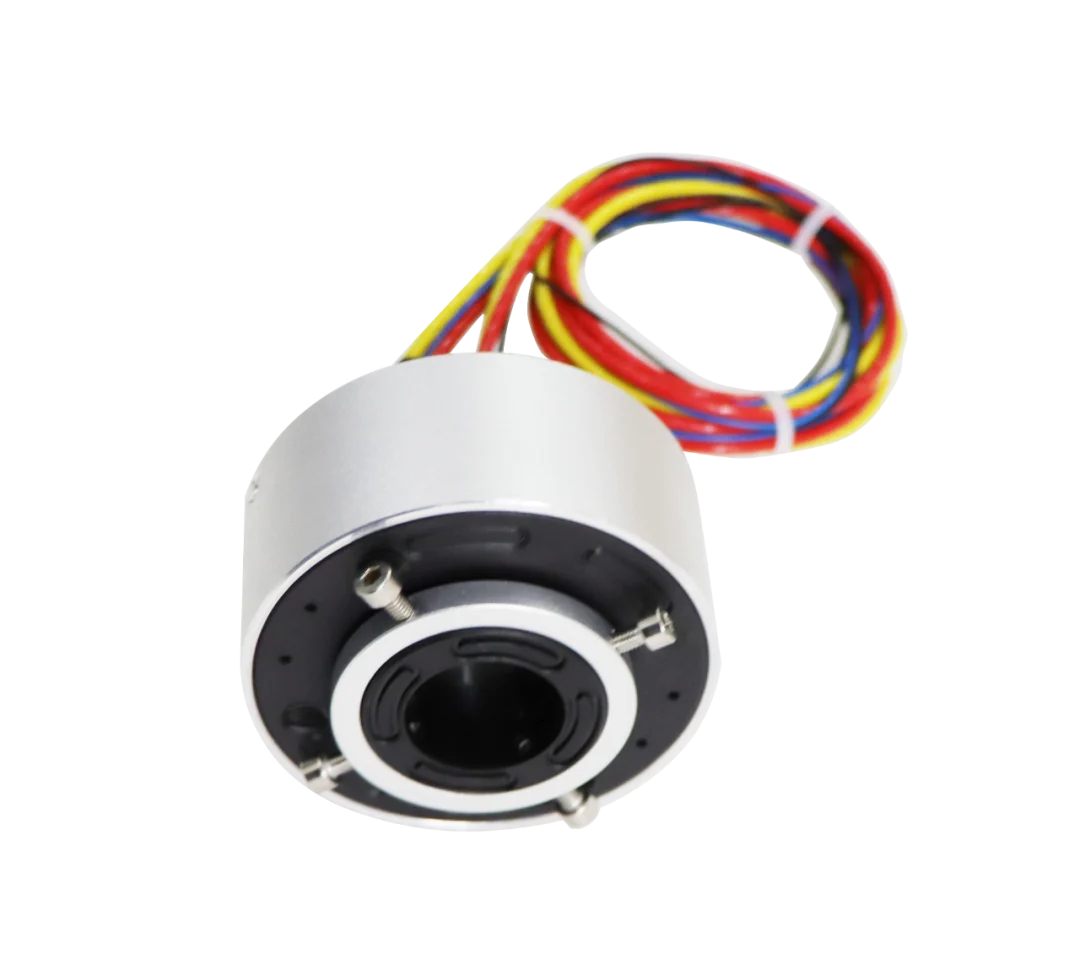
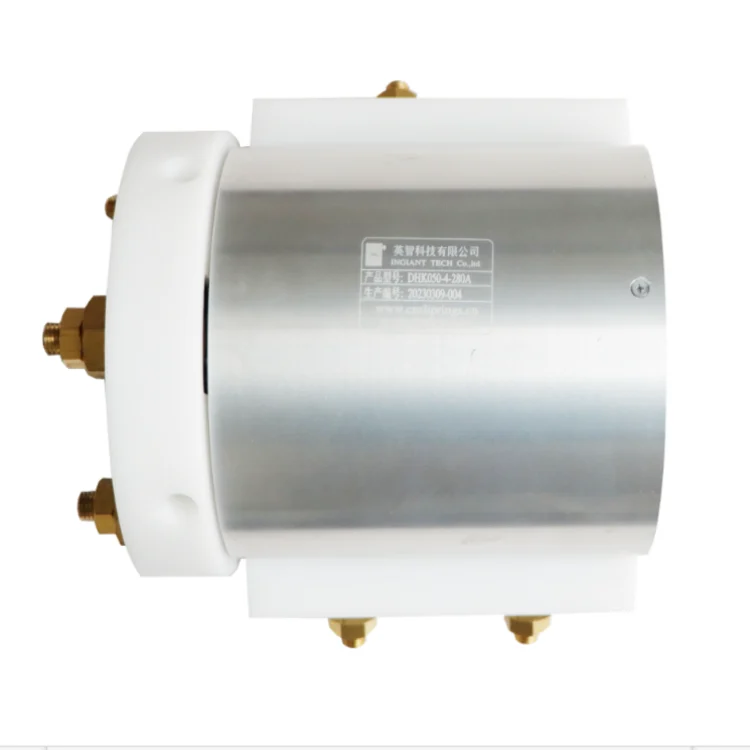
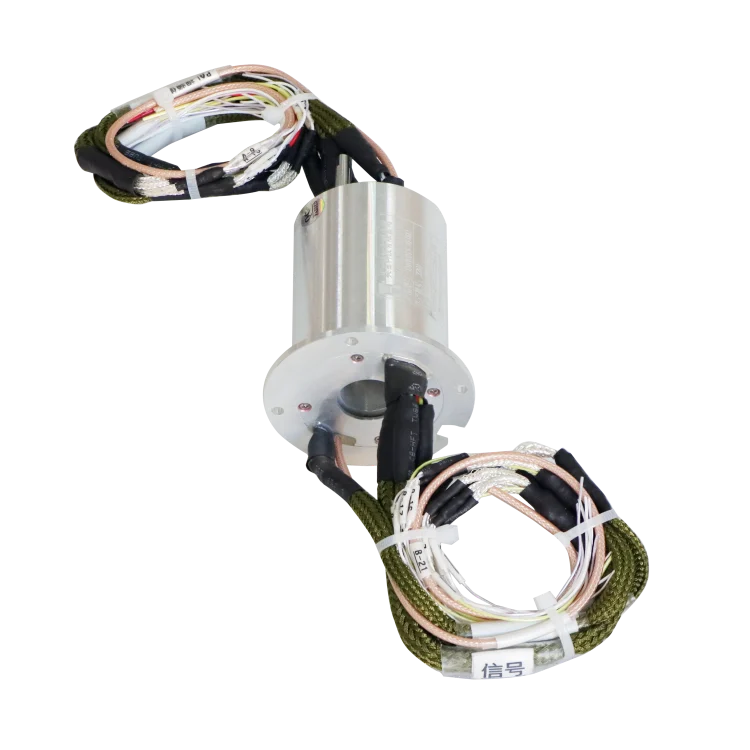
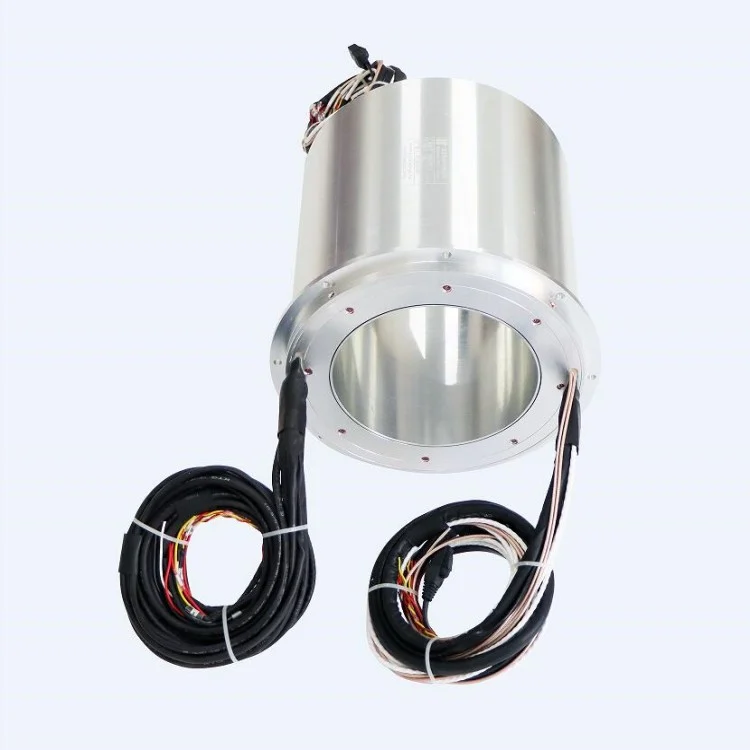
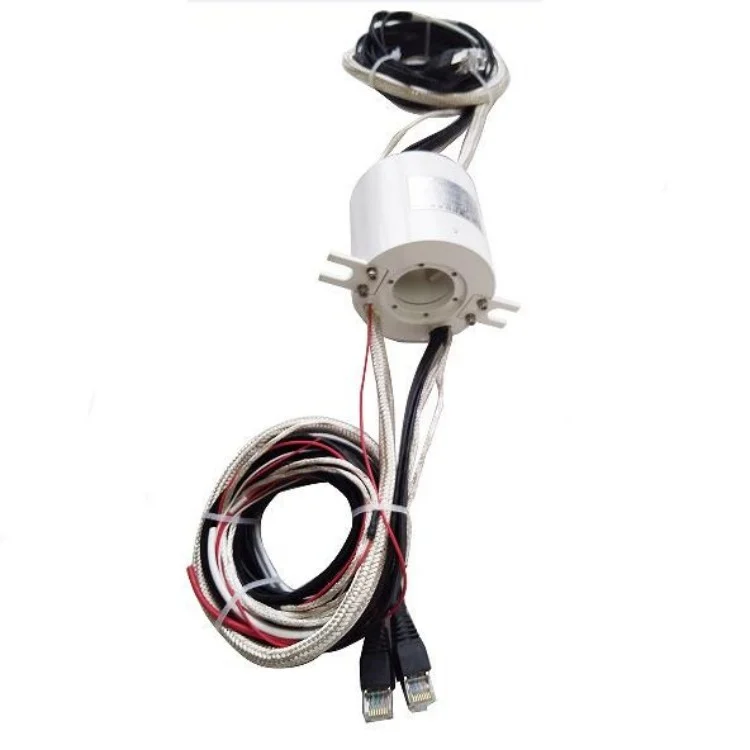
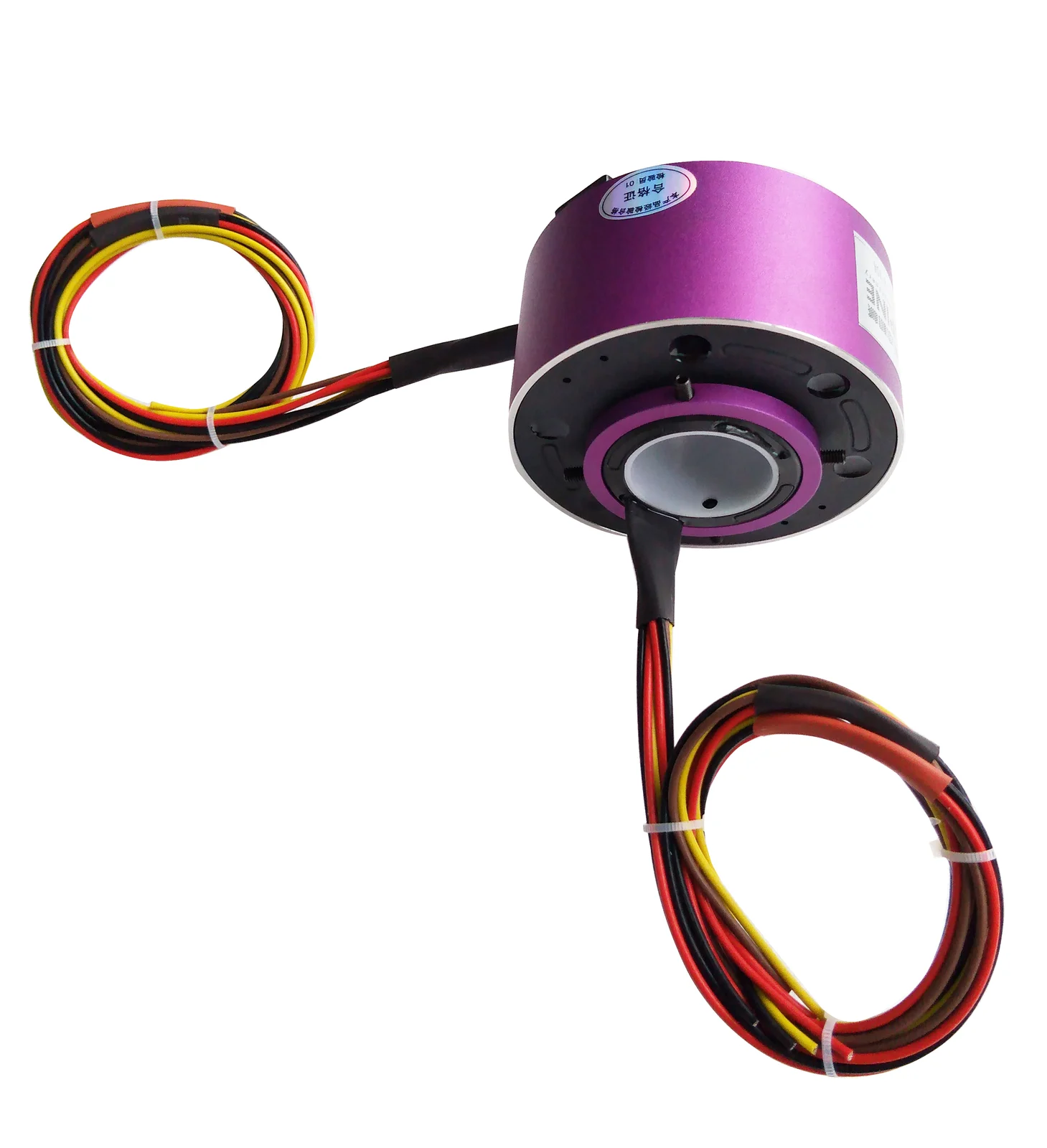
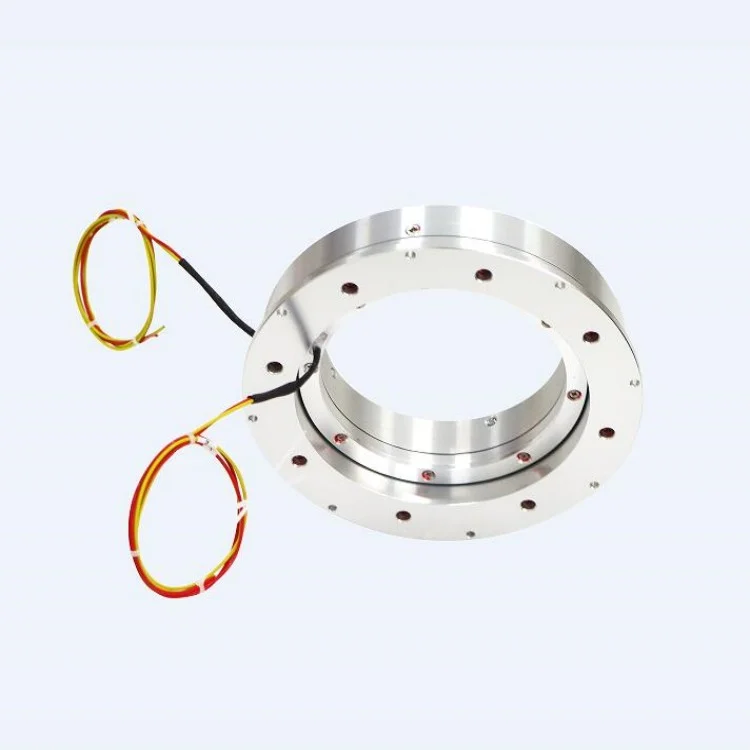
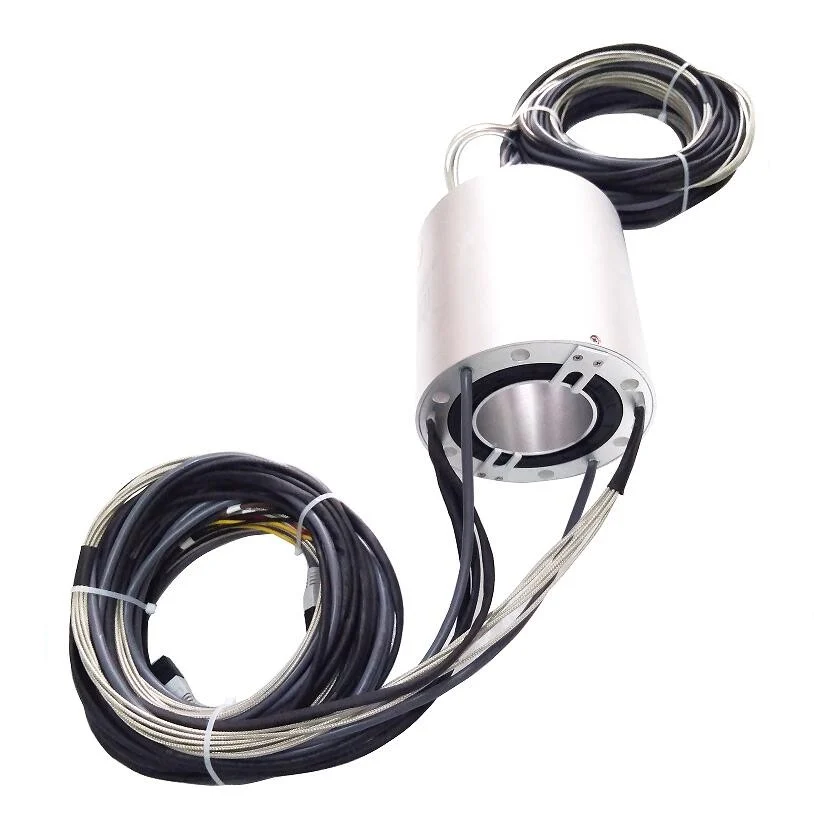
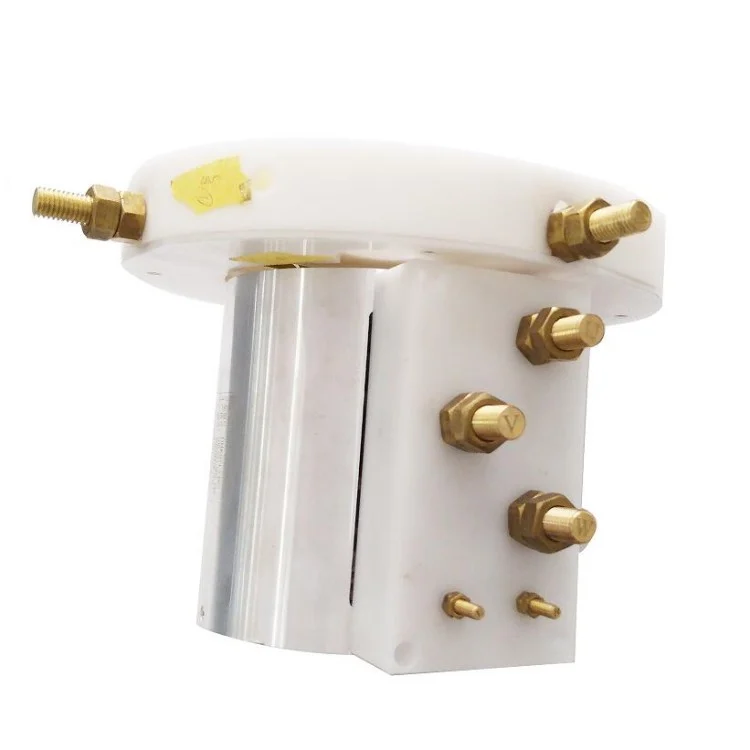
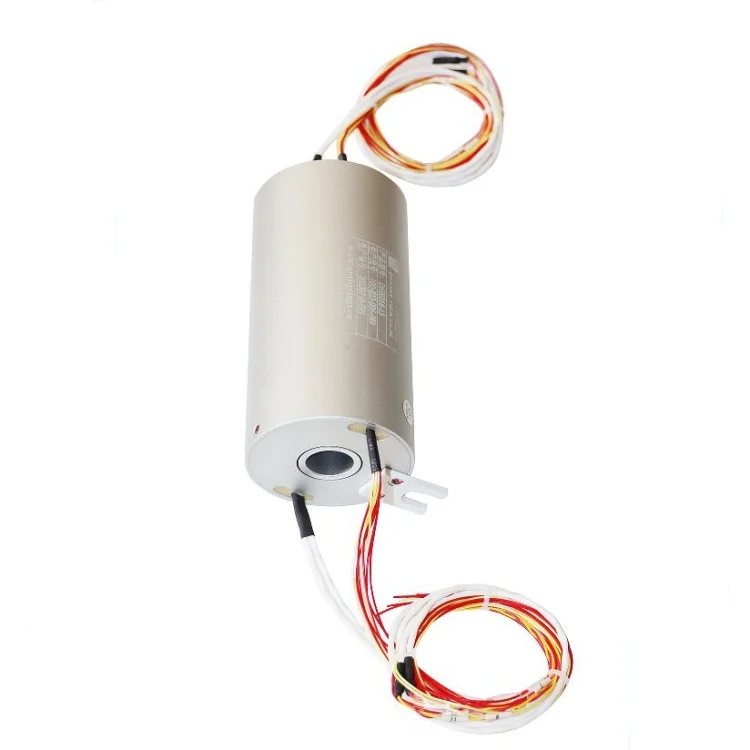
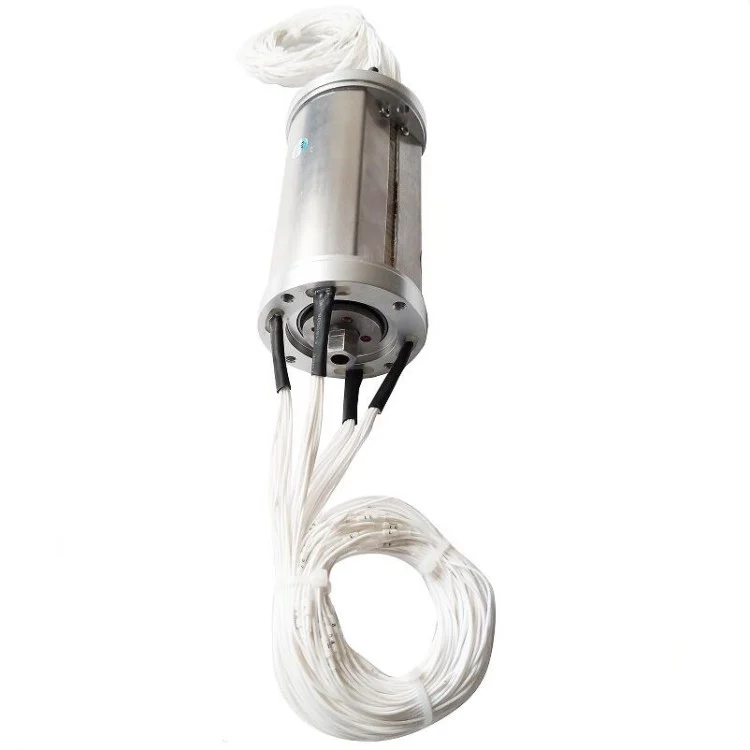
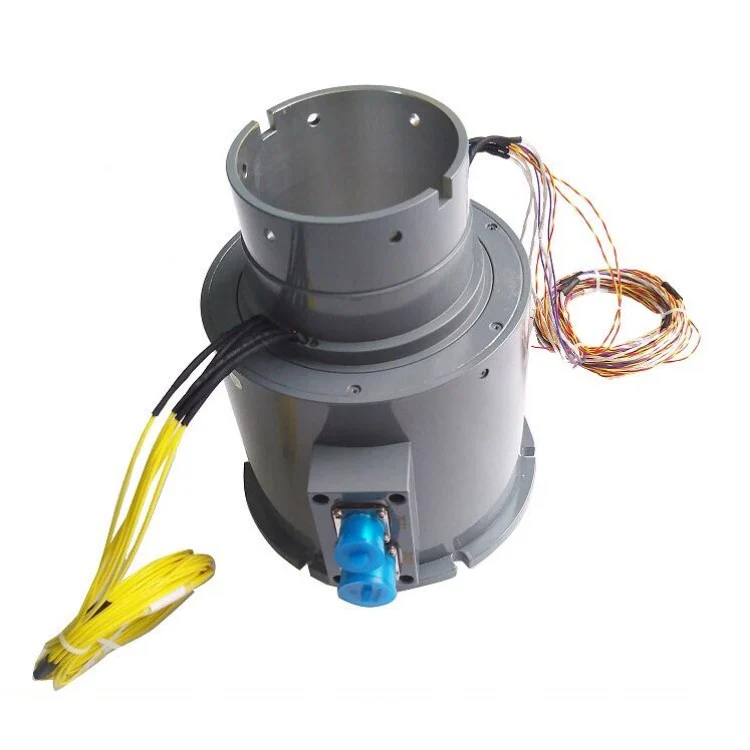
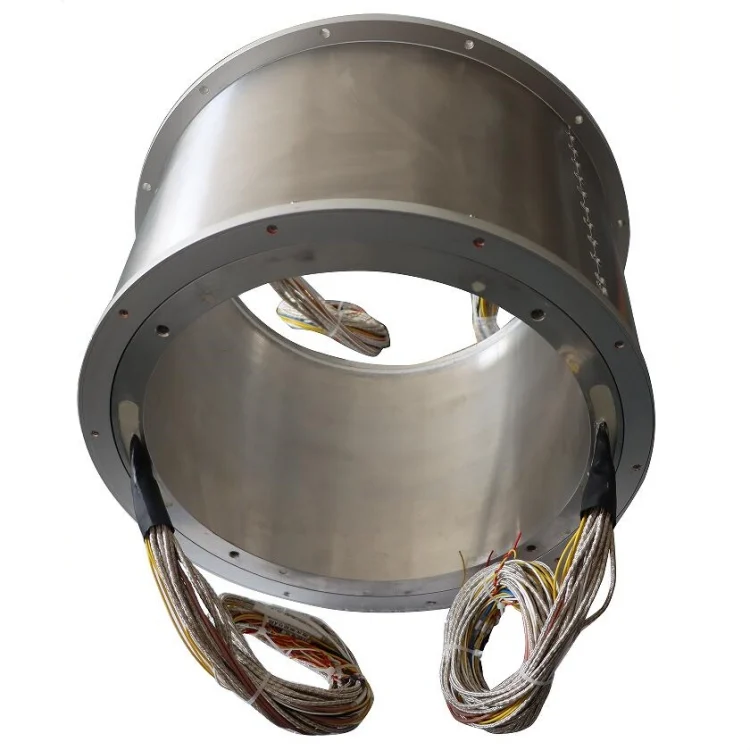
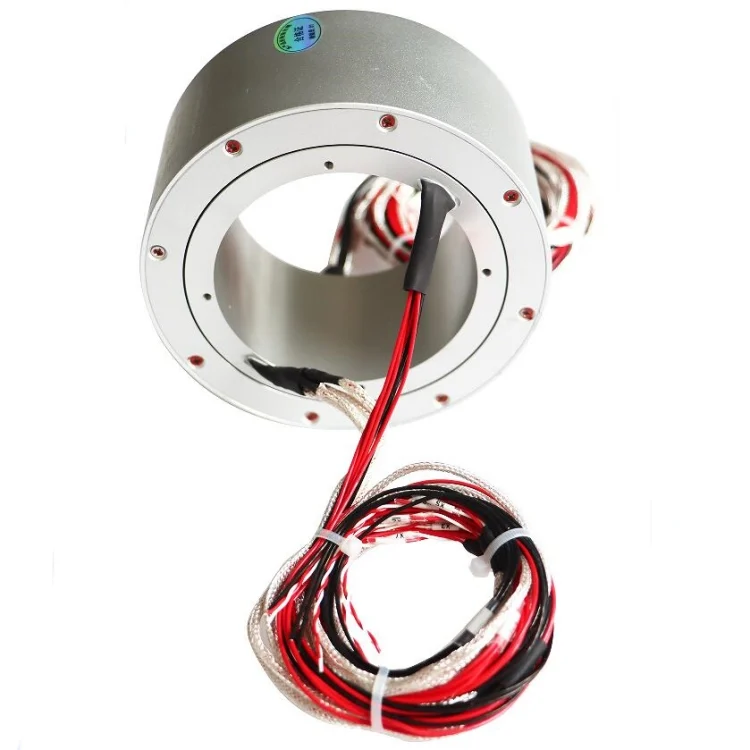
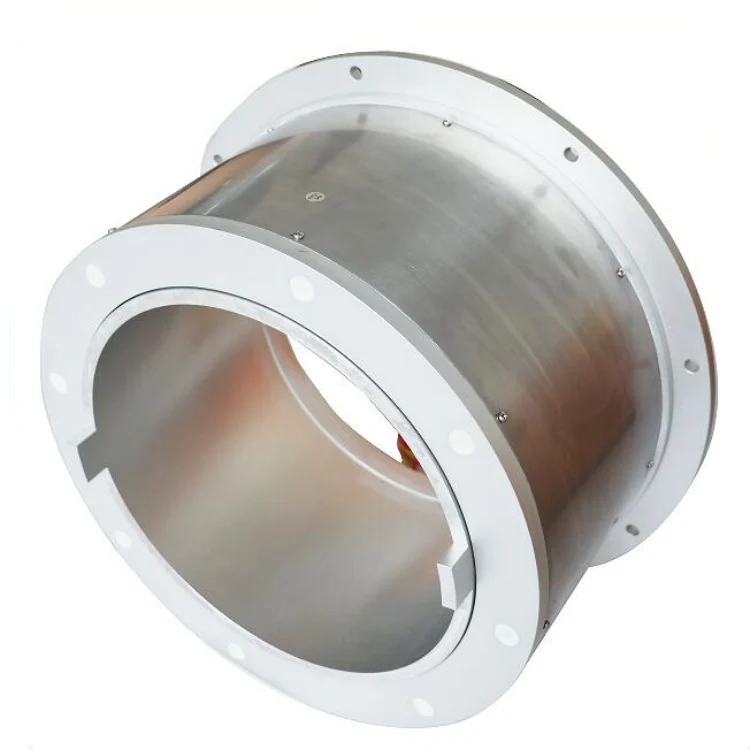
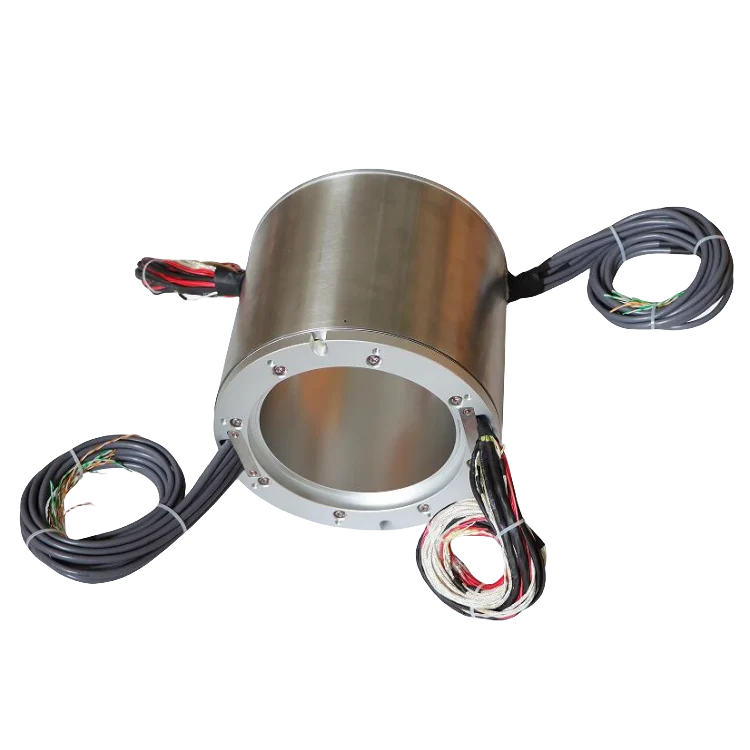
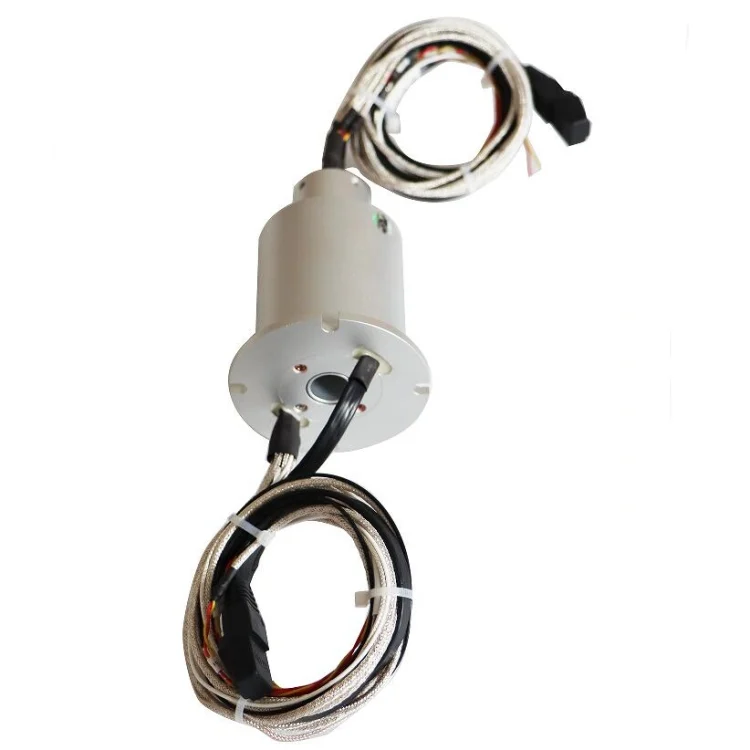
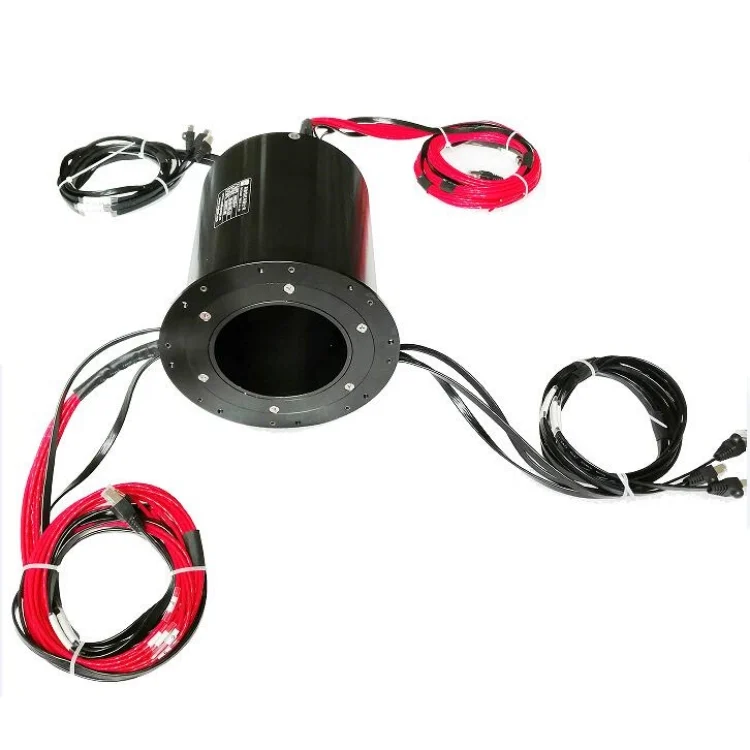
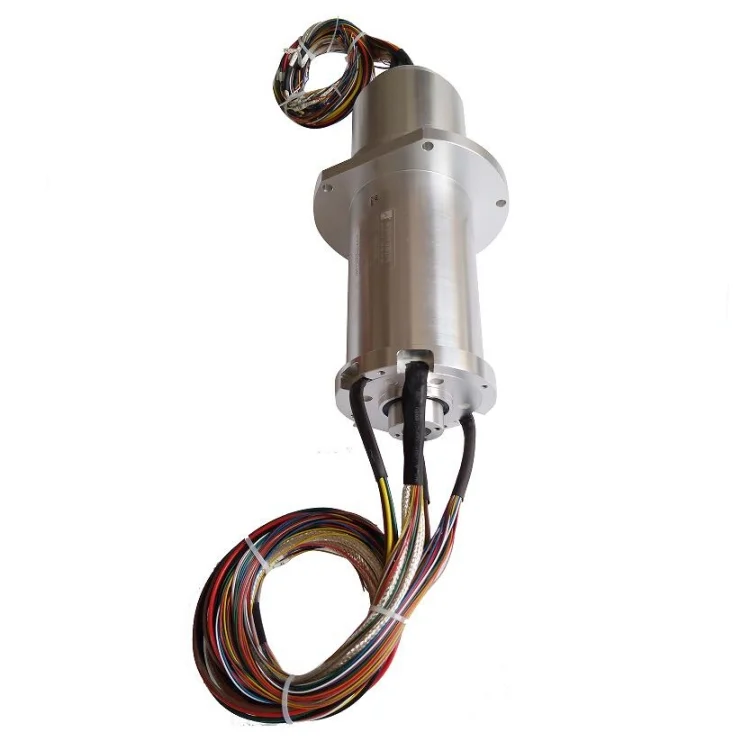
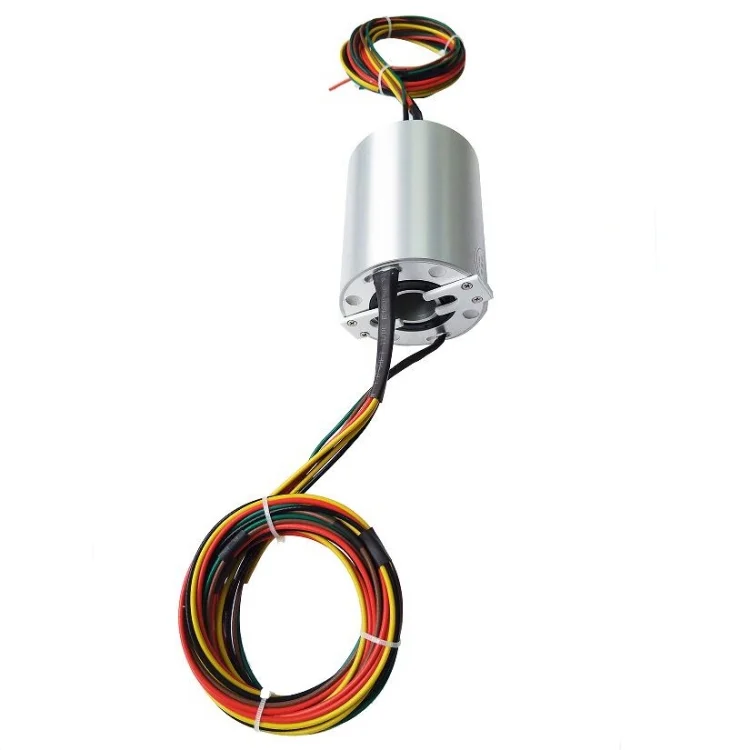
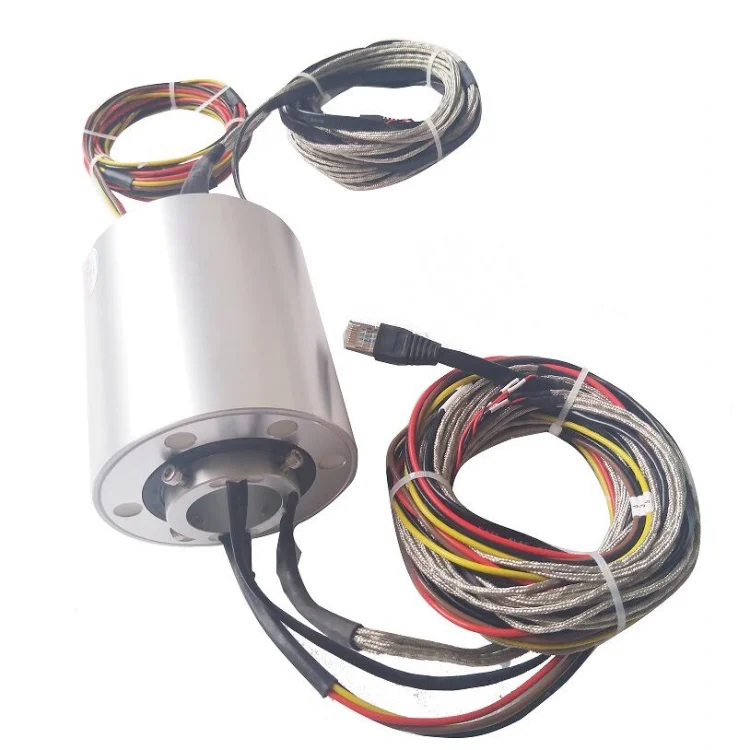
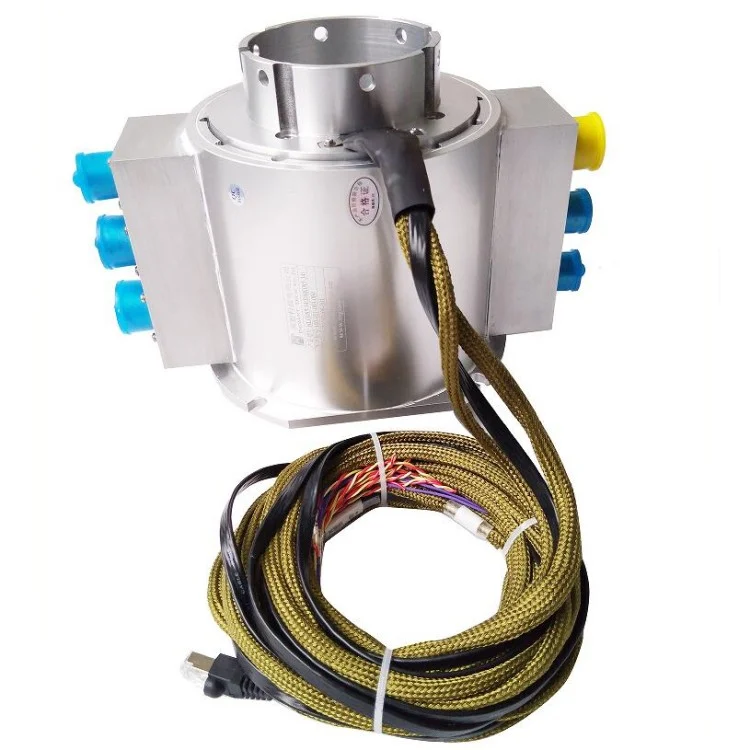
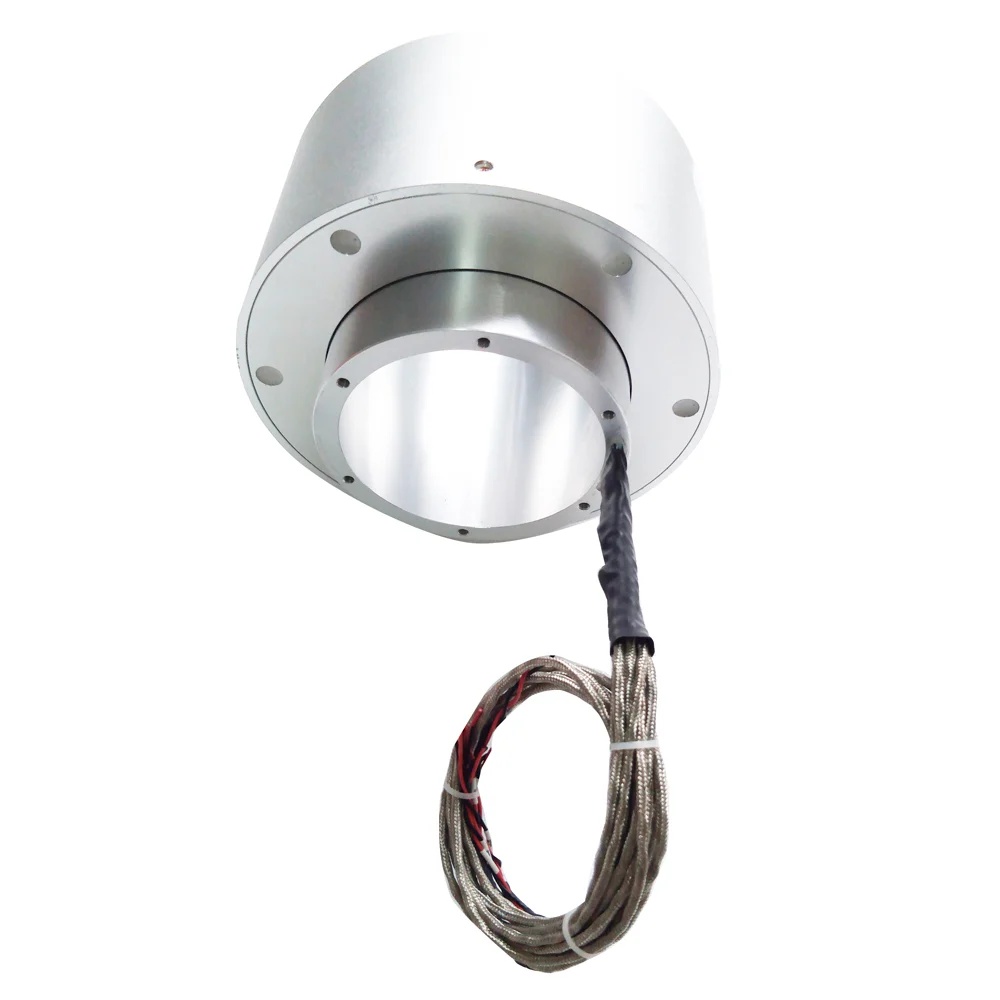
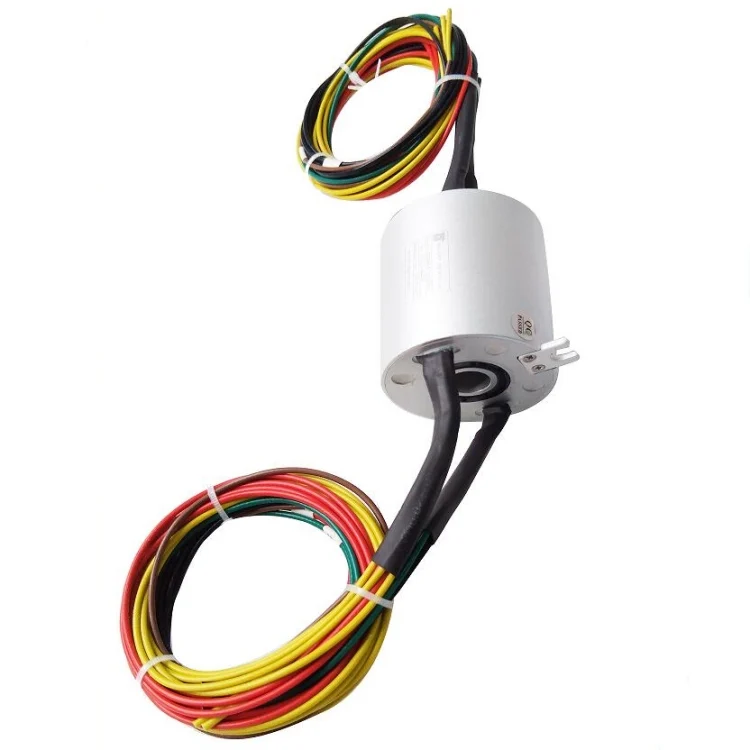
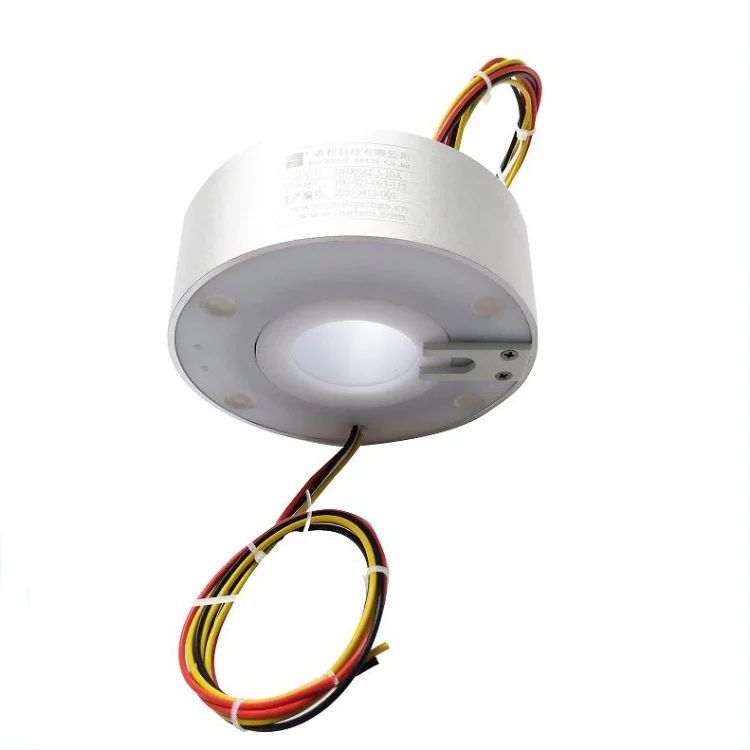
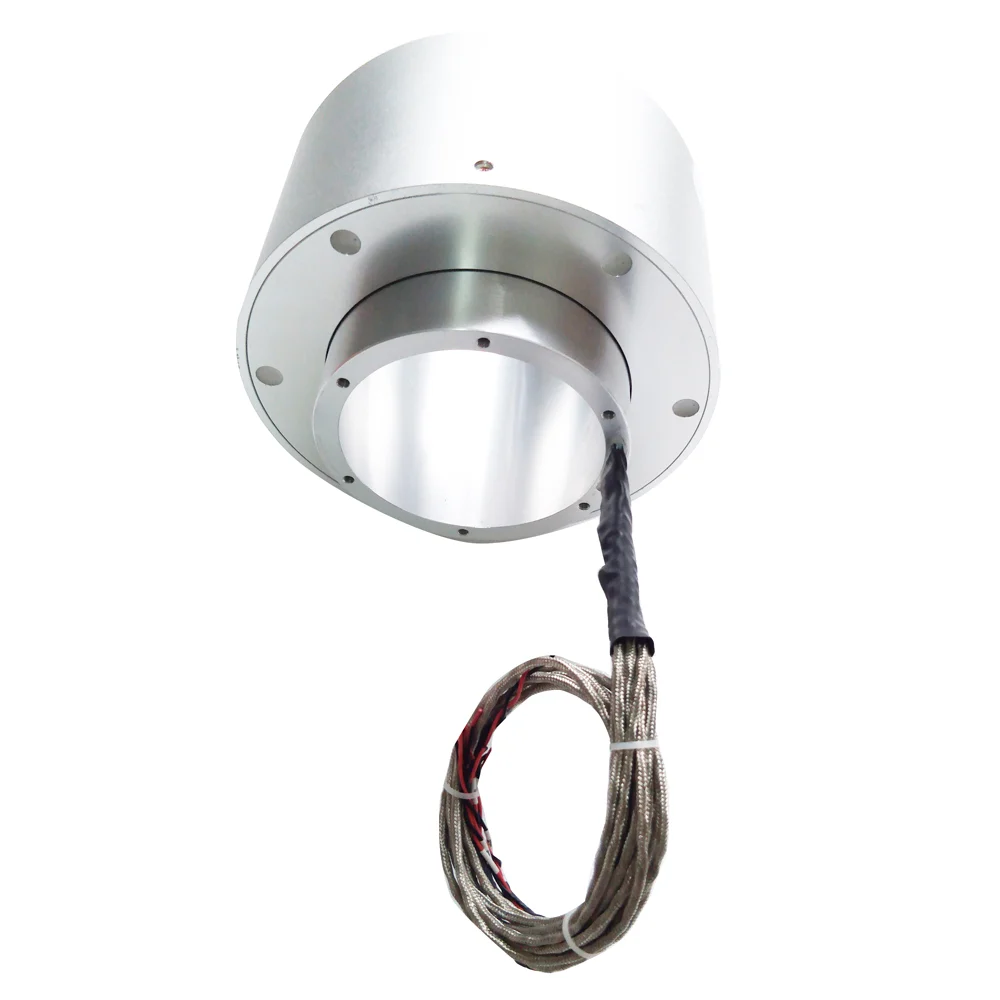
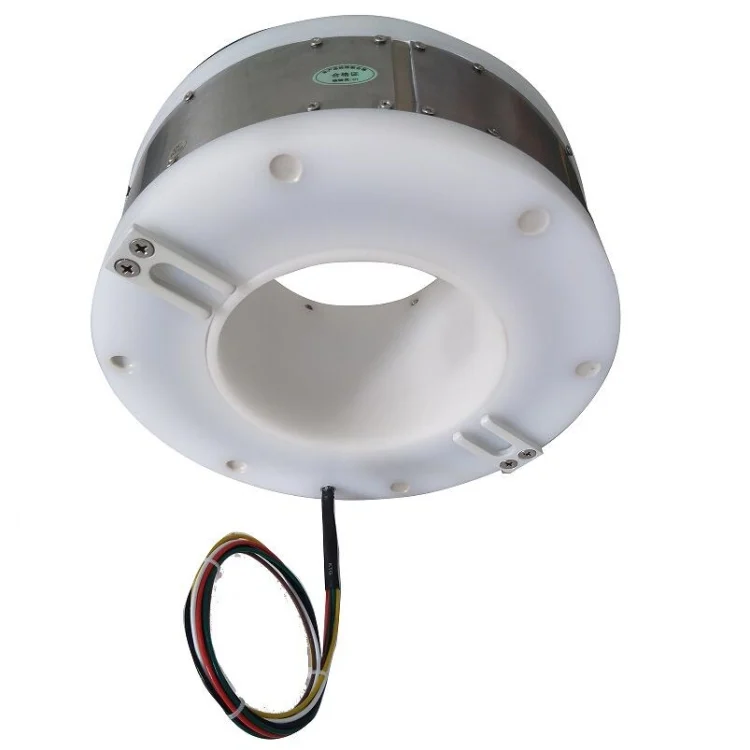
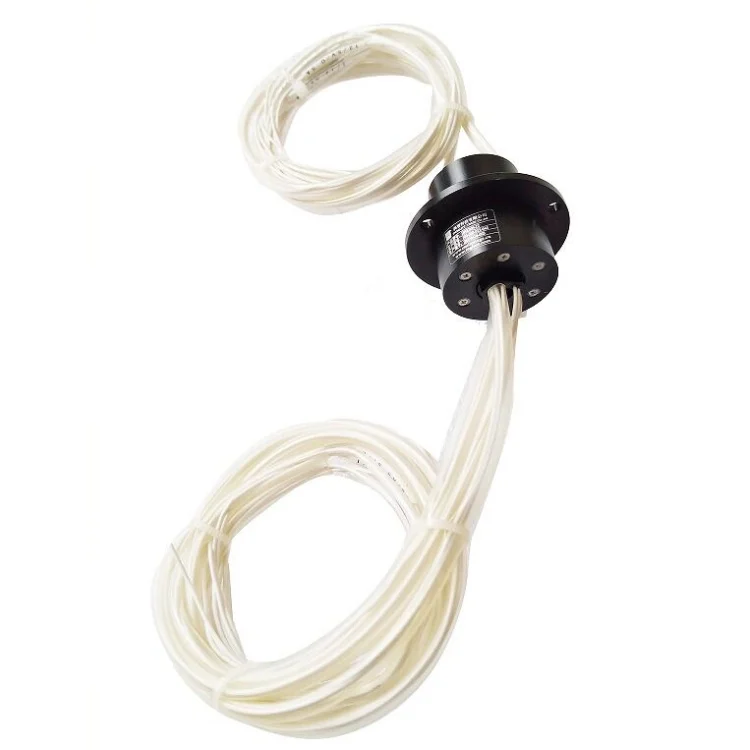
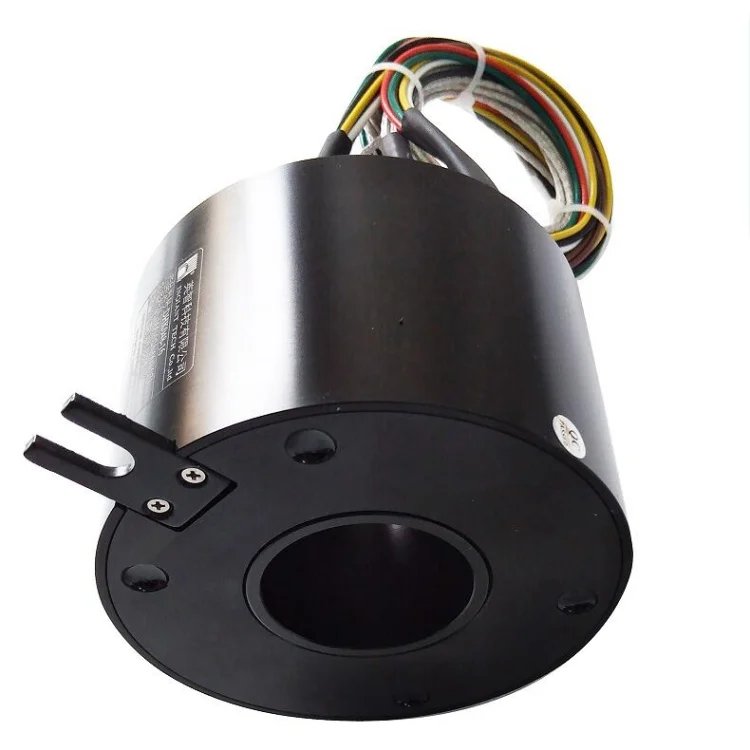
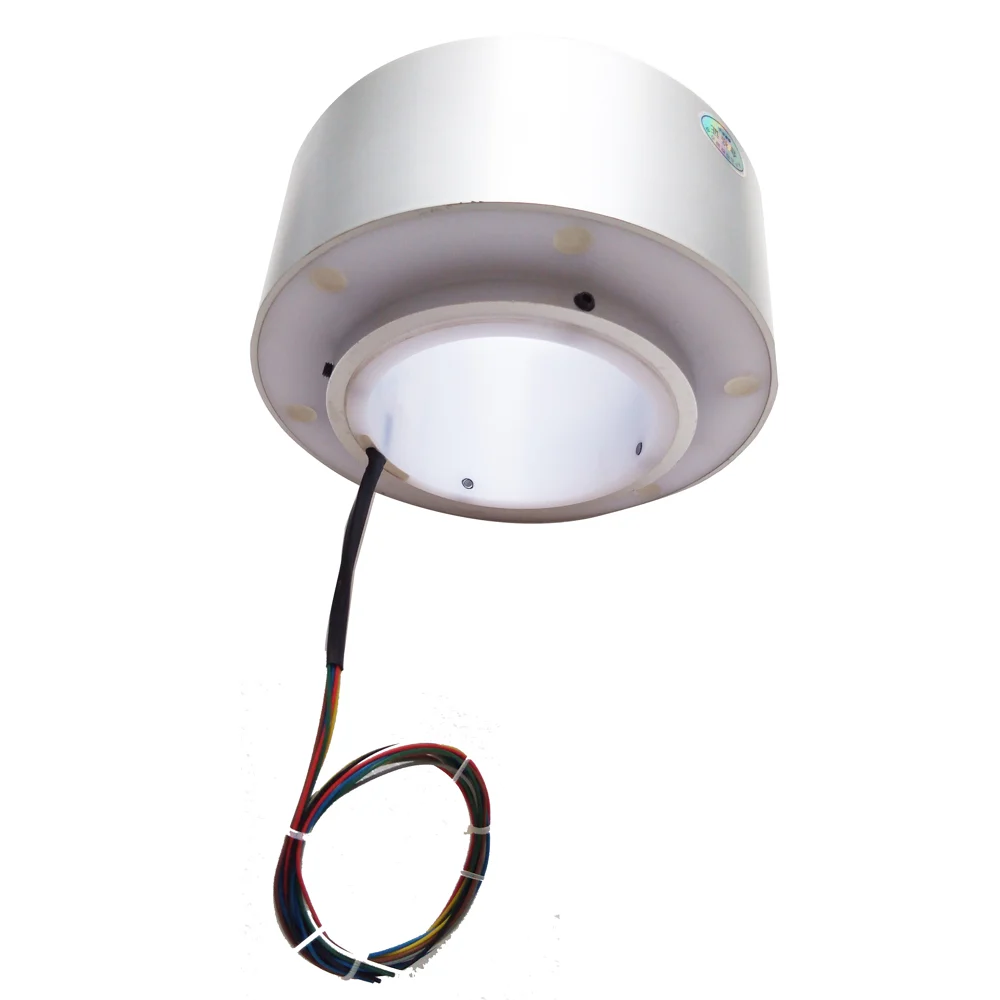
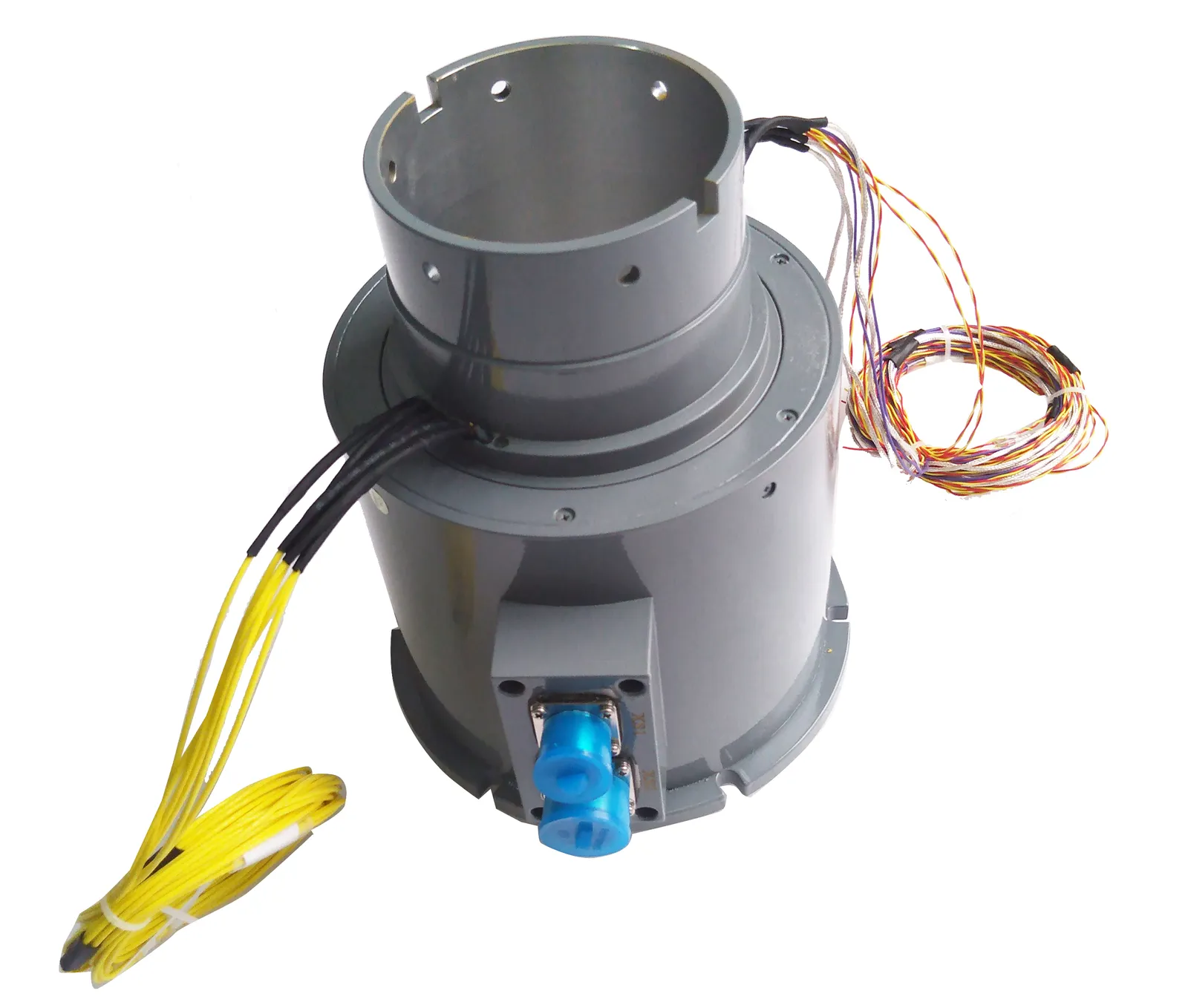
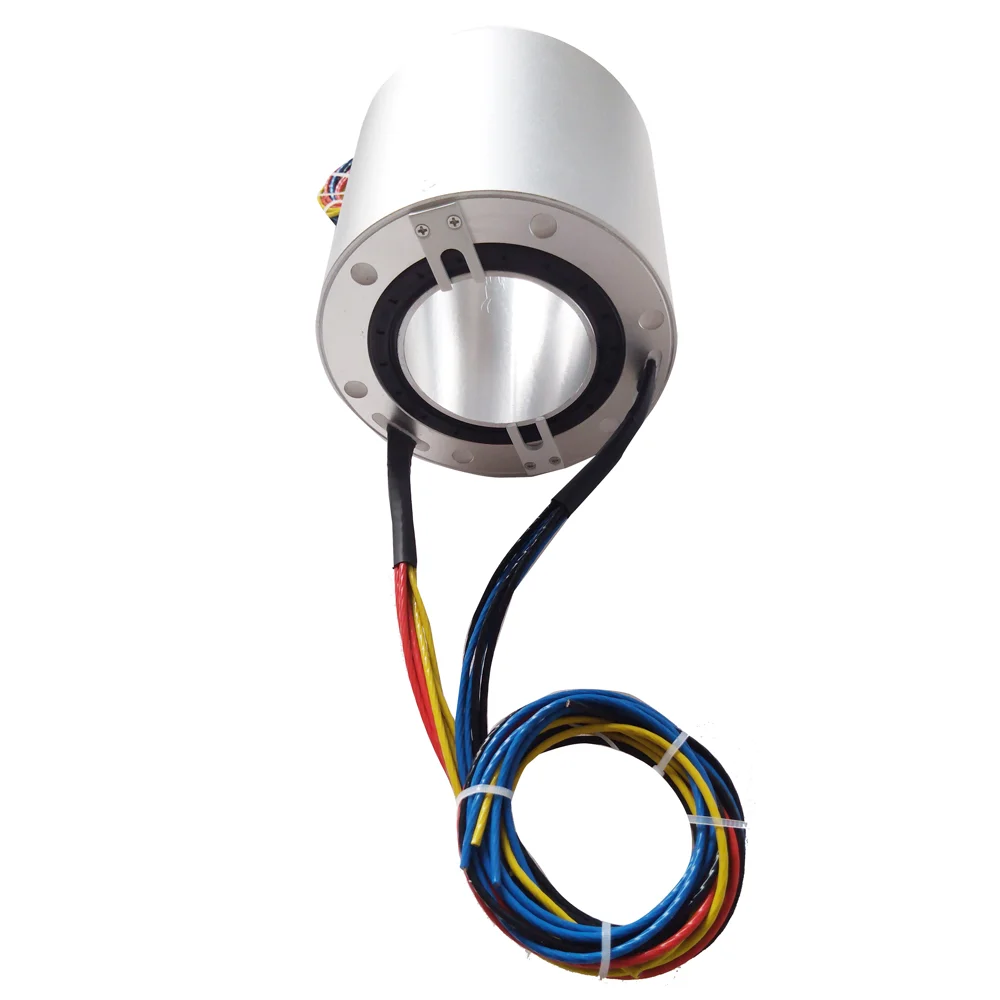
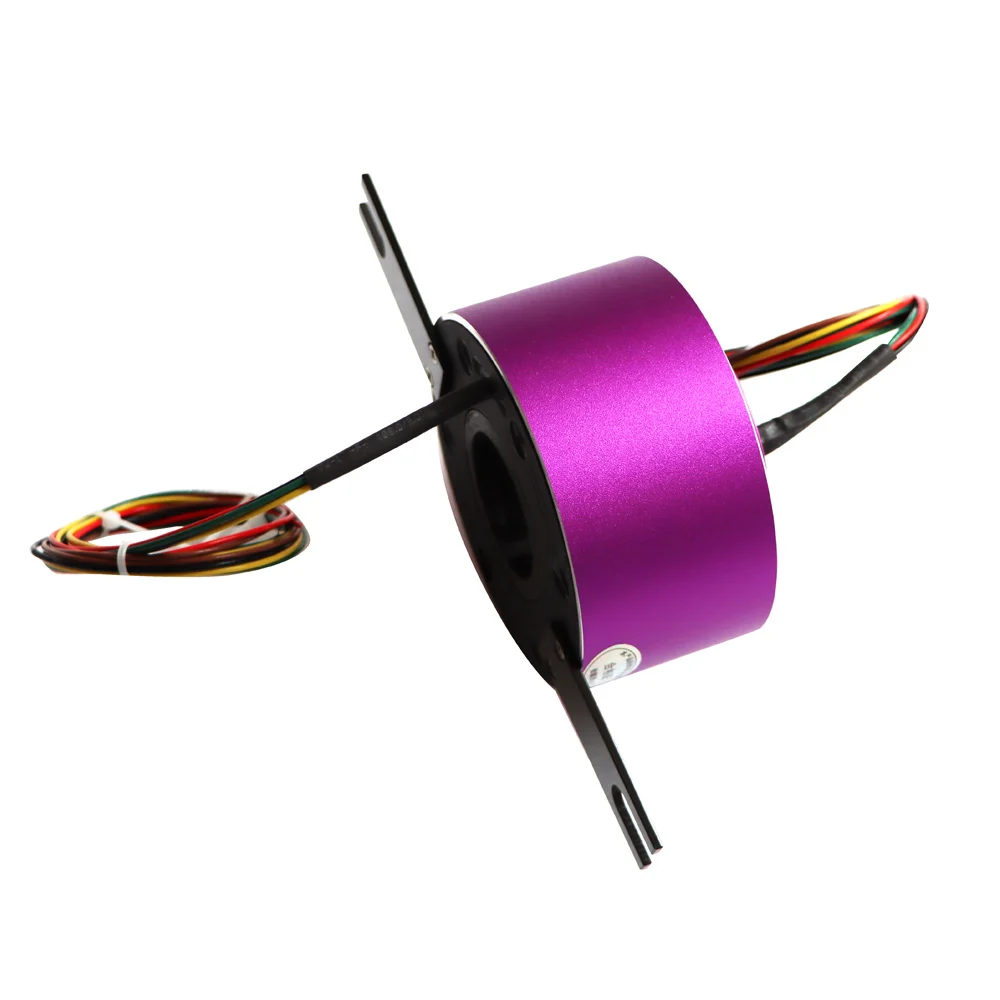
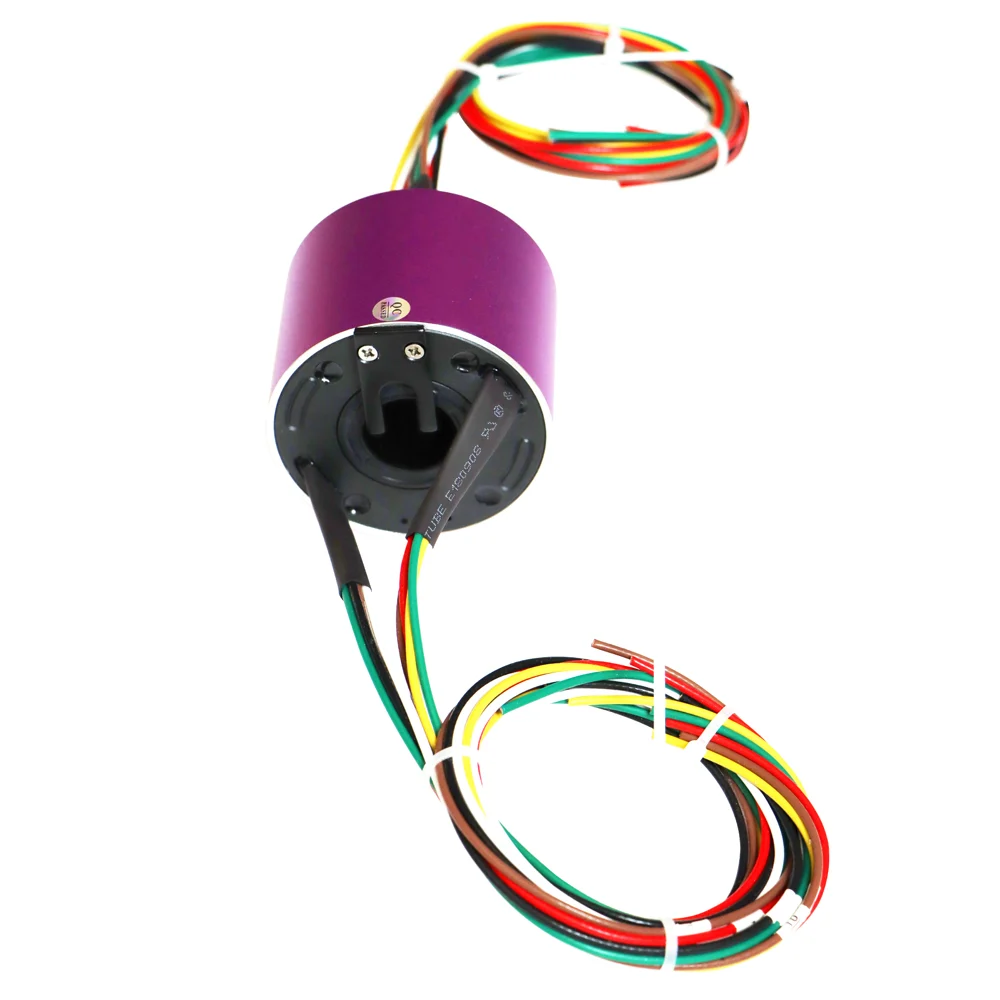
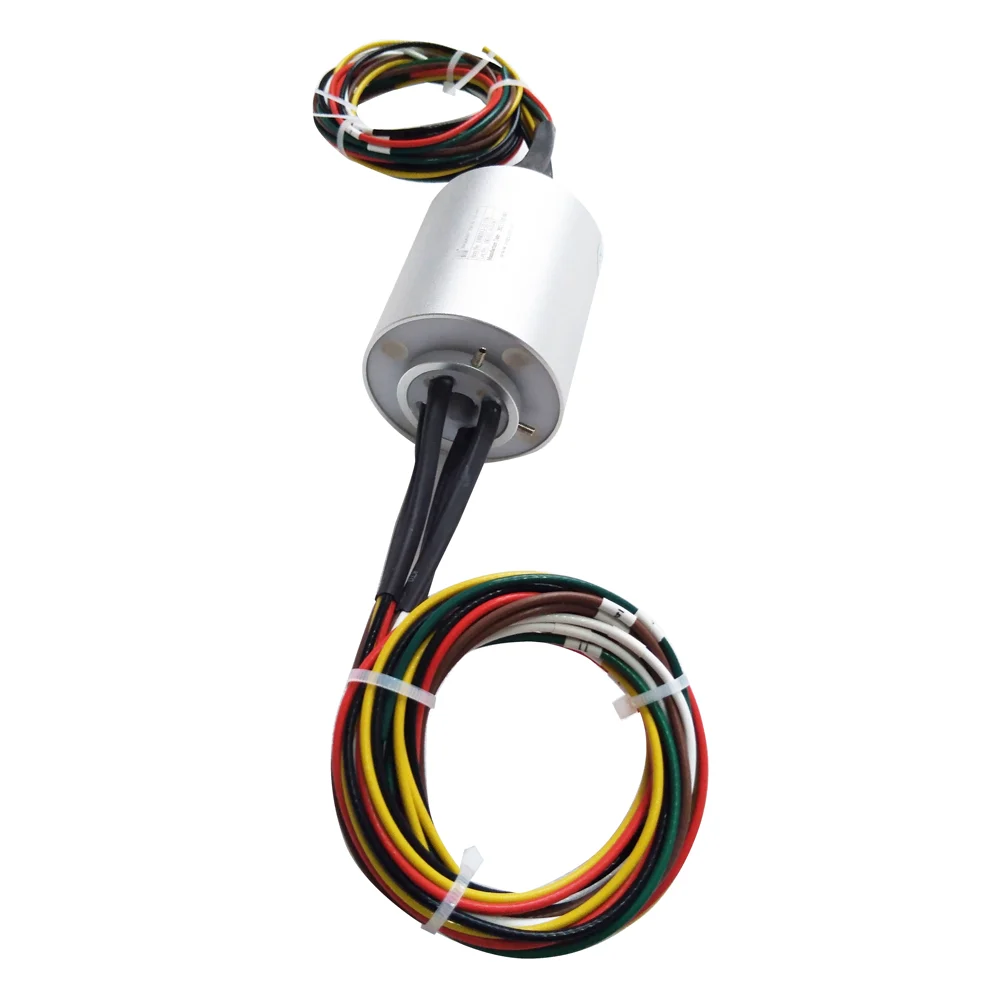
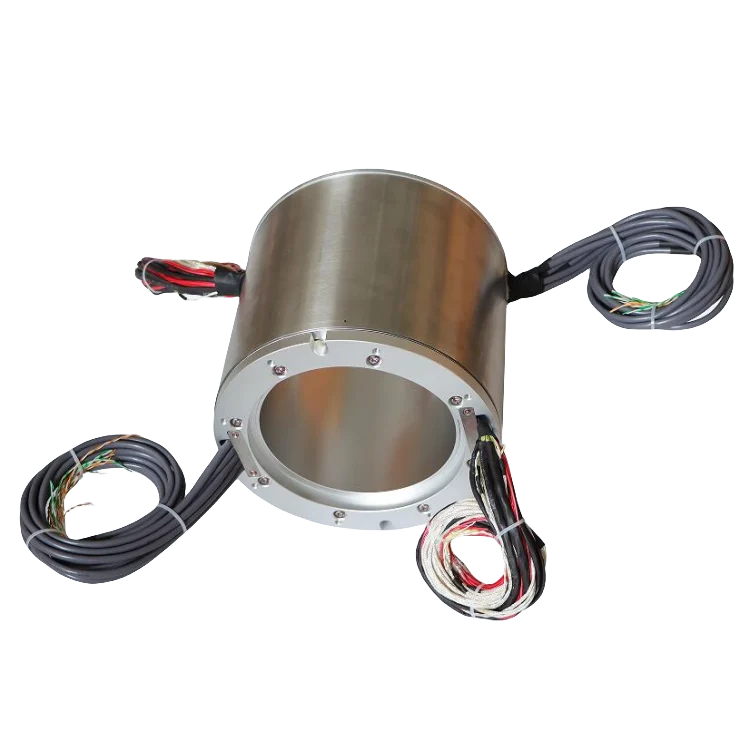
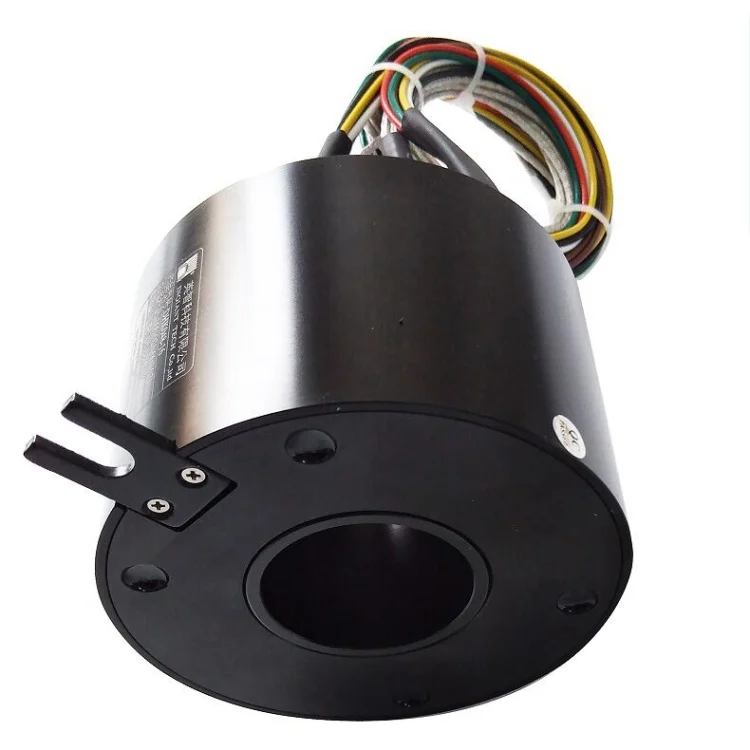
A through bore slip ring carries power and signals around a hollow centre, so a drive shaft, a hydraulic line, an optical cable or a pneumatic hose can pass straight through the rotating joint instead of being routed around it.
All 201 Through Bore Slip Rings Models
Listed in full, each with its own parameter table.
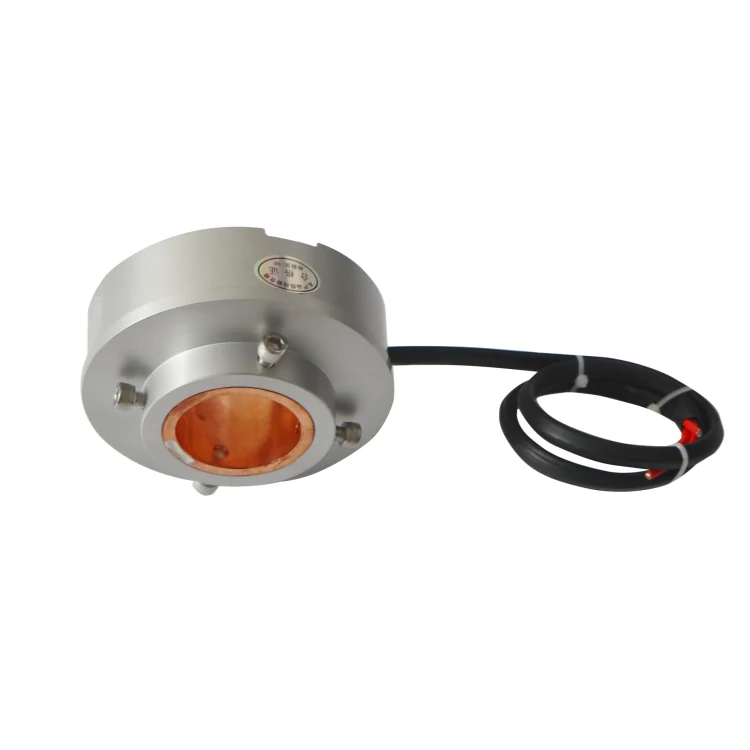
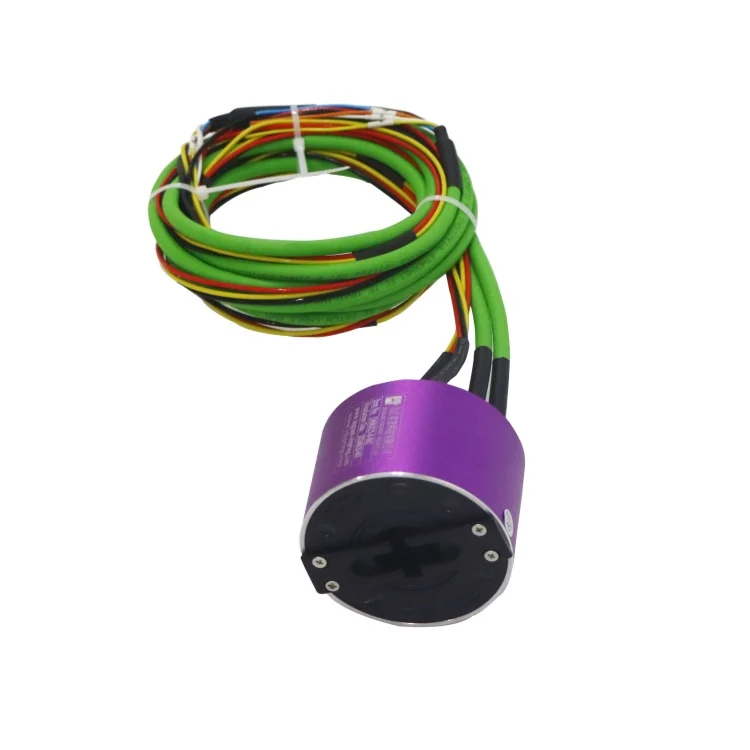
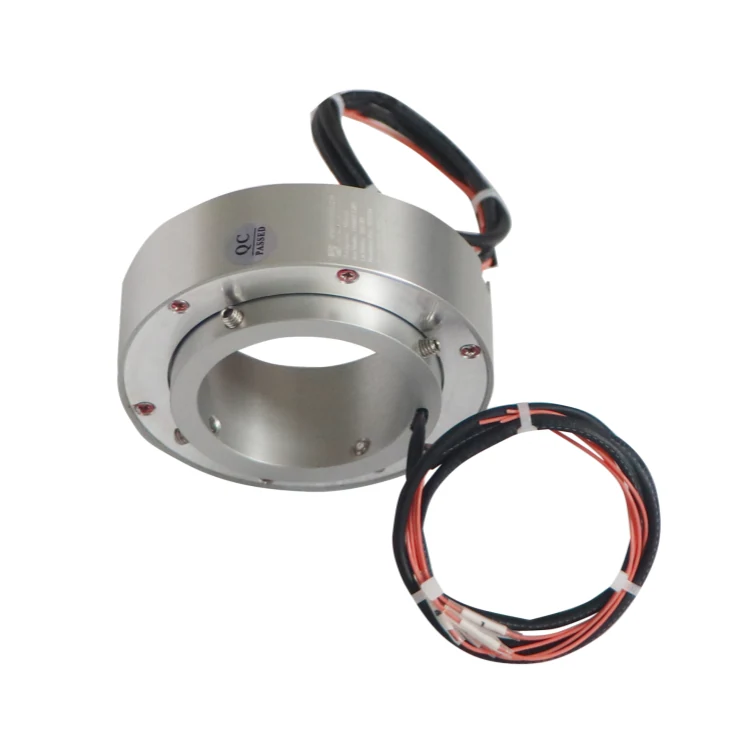
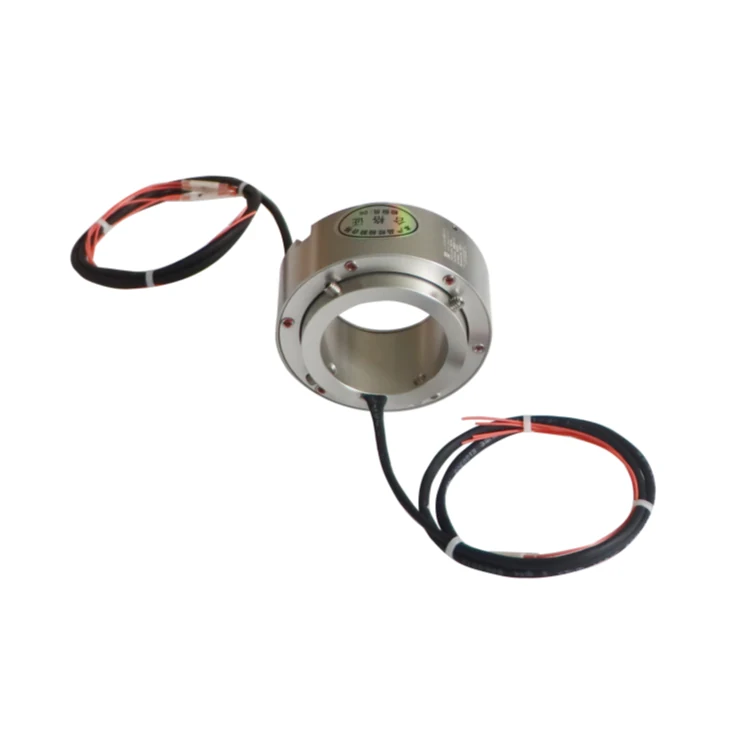
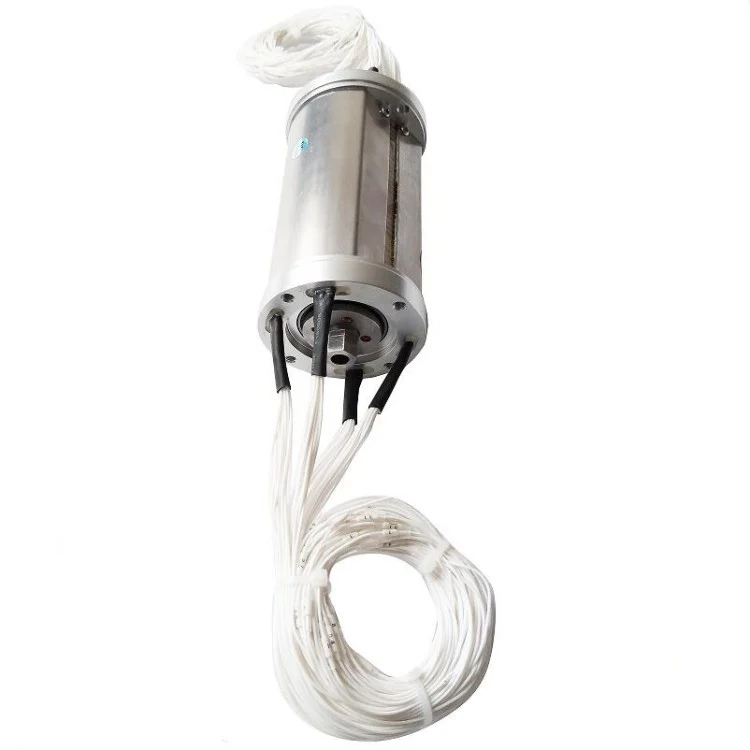
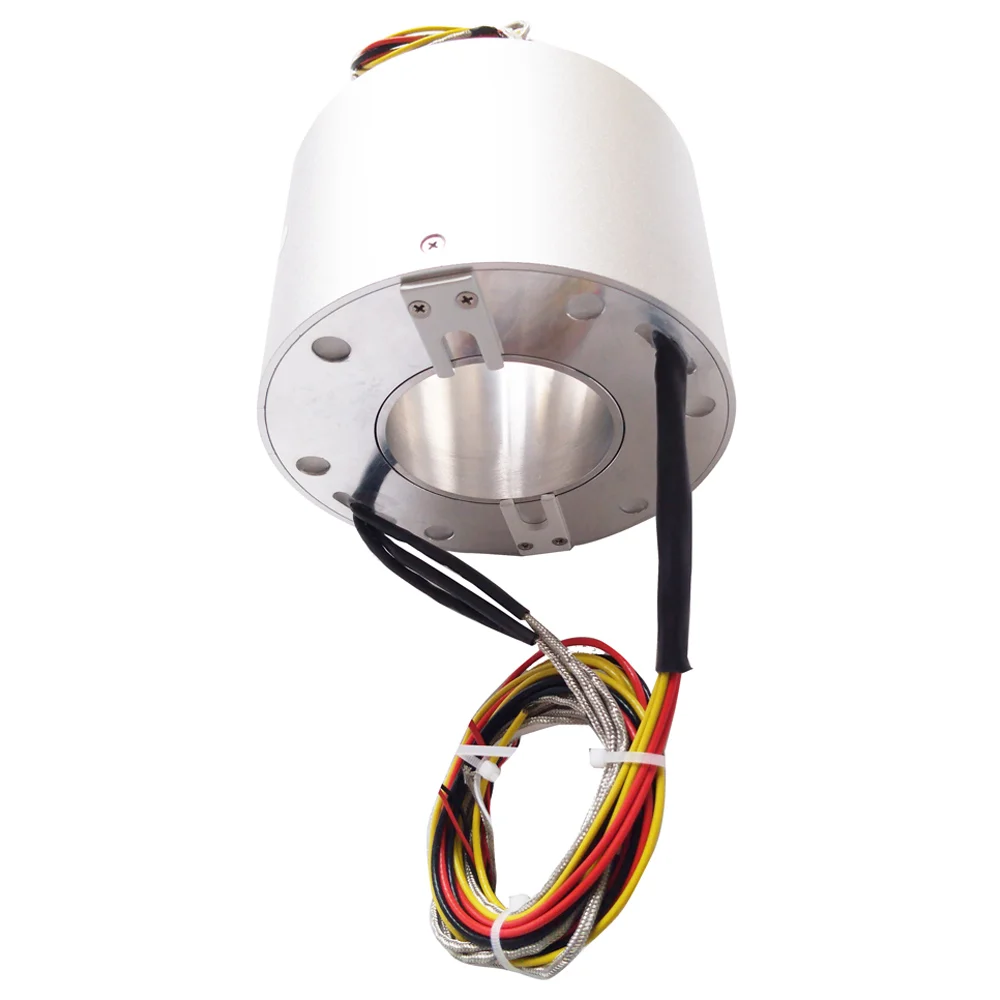
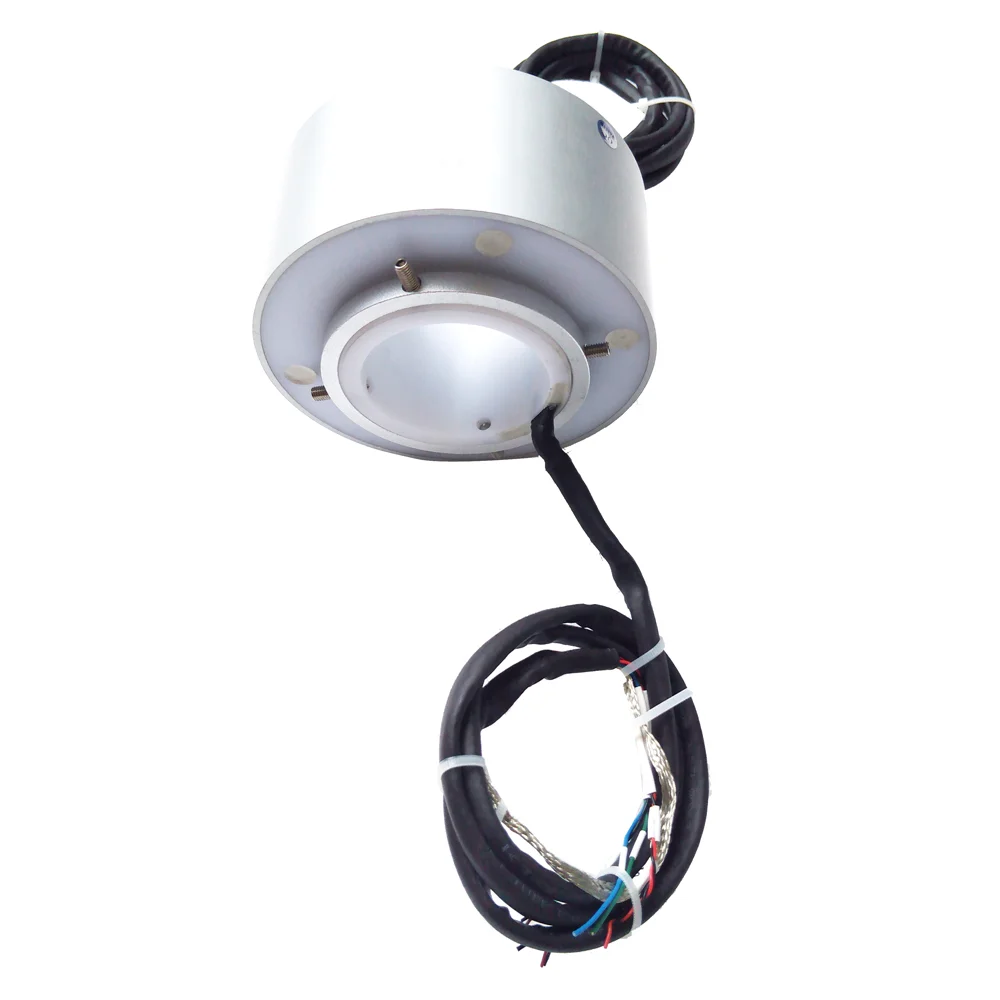
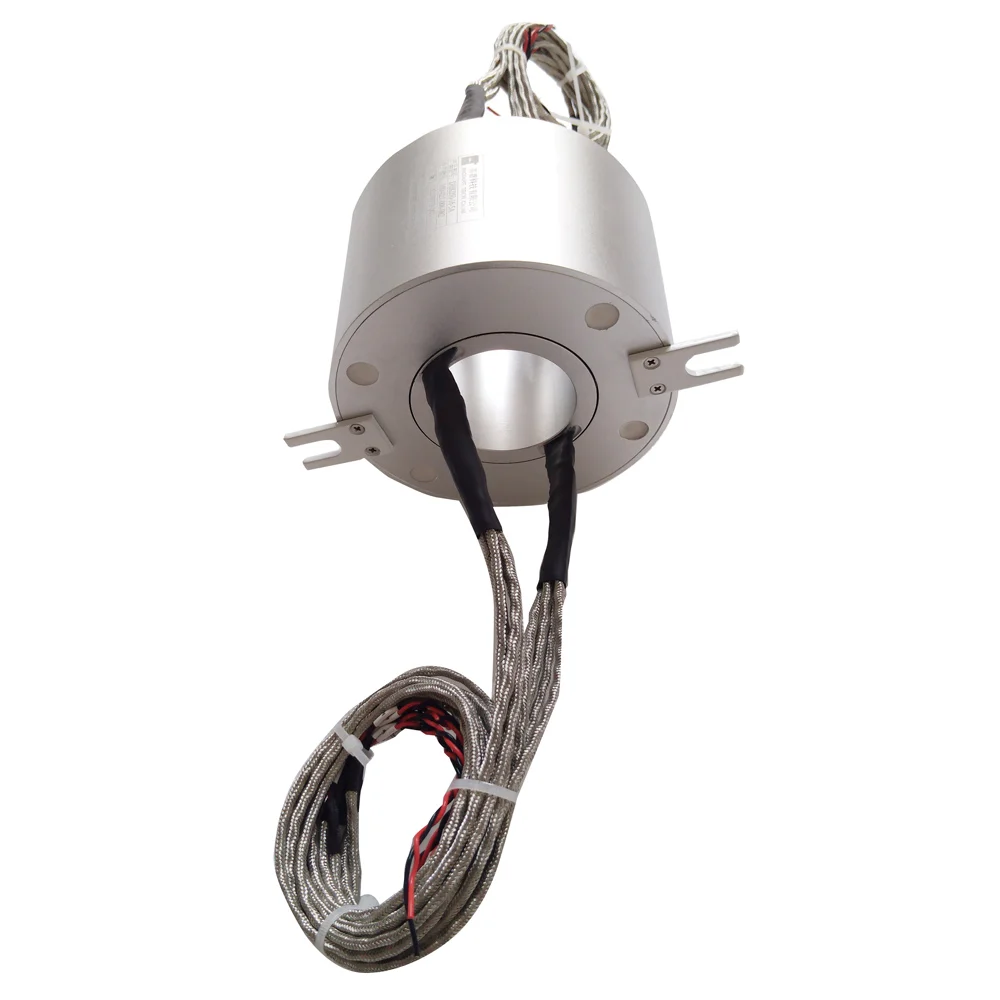
What This Family Is For
The constraint
Machine builders lose the centre of a rotating axis to the slip ring itself. When the shaft, the coolant line or the camera cable has to run down the middle of the joint, a capsule slip ring forces a redesign of the whole assembly.
How INGIANT answers it
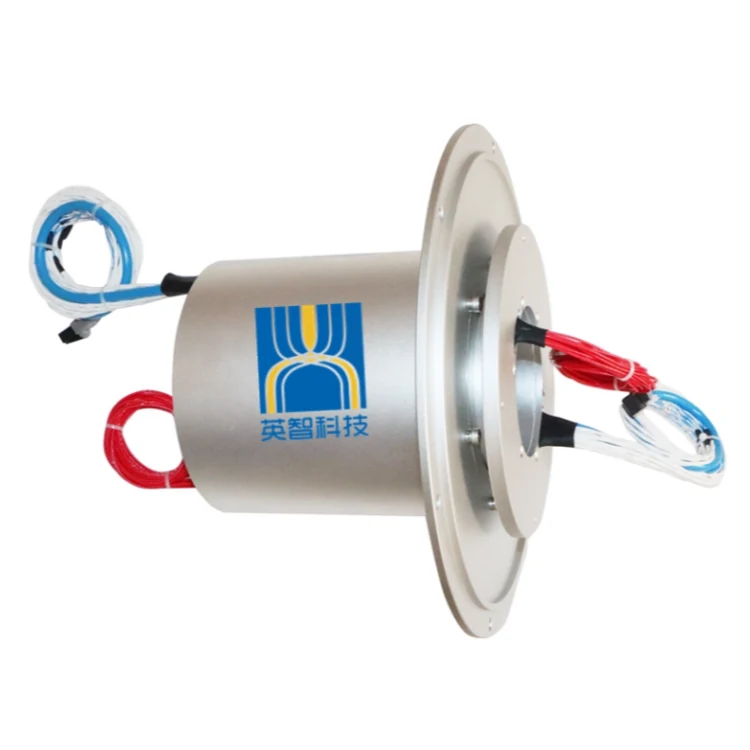
INGIANT through bore units are built around bore diameters from a few millimetres to hundreds of millimetres, with the ring stack and the brush block arranged in an annulus outside the bore. The mechanical interface stays flange-mounted and the bore stays clear.
Who buys this family
Designers of rotary tables, index drives, cable reels, packaging and filling machines, harbour and construction cranes, robot joints and pan-tilt heads.
Standard Values Across This Family
These are the catalogue values that appear on most models in this family. Every one of them can be changed on a customised build.
Rotating speed
Catalogue units are rated 0–600 rpm. Lower and higher speed designs are built to order.
Working temperature
-40 °C to +65 °C on standard builds, with wider ranges designed against the application.
Protection level
IP54 as standard, with sealing grades up to IP68 where the environment demands it.
Insulation
Insulation resistance ≥1000 MΩ at 500 VDC, insulation strength 1500 VAC at 50 Hz for 60 s.
Contact system
Precious metal ring and brush pairs with dynamic resistance variation below 10 mΩ.
Lead wire
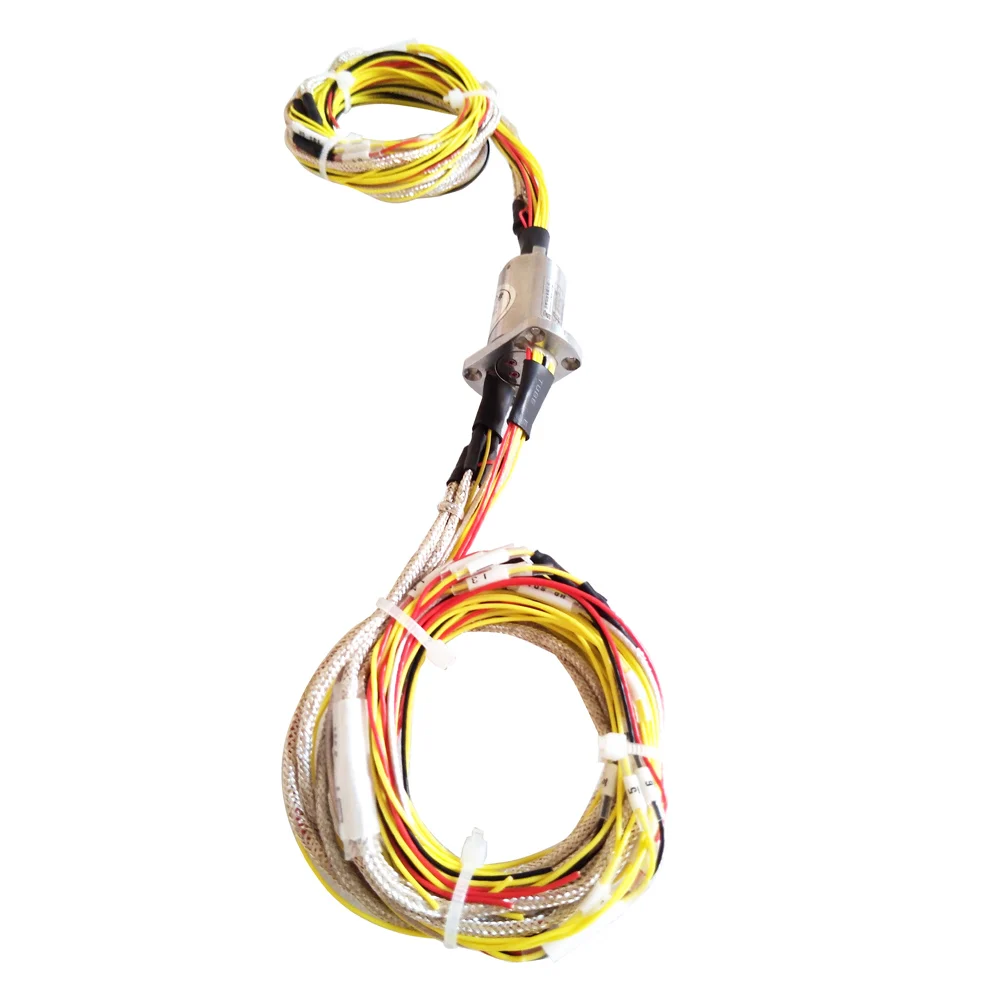
Colour-coded Teflon insulated tinned stranded flexible wire, 500 mm + 20 mm as standard.
Industries Using Through Bore Slip Rings
Industrial Robotics
Multi-axis robots move material to defined positions all day. Every axis that turns without limit needs its drive power, its sensor lines…
Packaging and Filling
Rotary fillers, cartoners and wrapping machines turn continuously at high rate, and every rotating station needs power, control signals…
Cranes and Material Handling
Crane superstructures, jibs, grabs and cable reels rotate under heavy load, indoors and outdoors, and everything hanging over people and…
Wind and New Energy
Wind turbines transfer the power generated at the rotating blades to the stationary generator and control systems, and pitch control adds…
Articles About Through Bore Slip Rings
Application of Conductive Slip Rings (Through-Hole Slip Rings) in Winches
Application of Conductive Slip Rings (Through-Hole Slip Rings) in Winches 1.Introduction to Winches and Conductive Slip Rings…
Functions and FAQs of Packaging Machine Slip Rings
Facebook Twitter LinkedIn Functions and FAQs of Packaging Machine Slip Rings Packaging machine slip rings play a vital role in…
The main function of the conductive slip ring on the steering wheel
Facebook Twitter LinkedIn The main function of the conductive slip ring on the steering wheel The conductive slip ring of the…
Through Bore Slip Rings Questions Engineers Ask
How do I choose the bore size for a through bore slip ring?
Measure the largest object that must pass through the centre — shaft, cable bundle, air line or optical fibre — and add clearance for movement and for the cable bend radius. The DHK model number carries the bore size, so DHK030 has a 30 mm bore.
Can a through bore slip ring carry power and Ethernet at the same time?
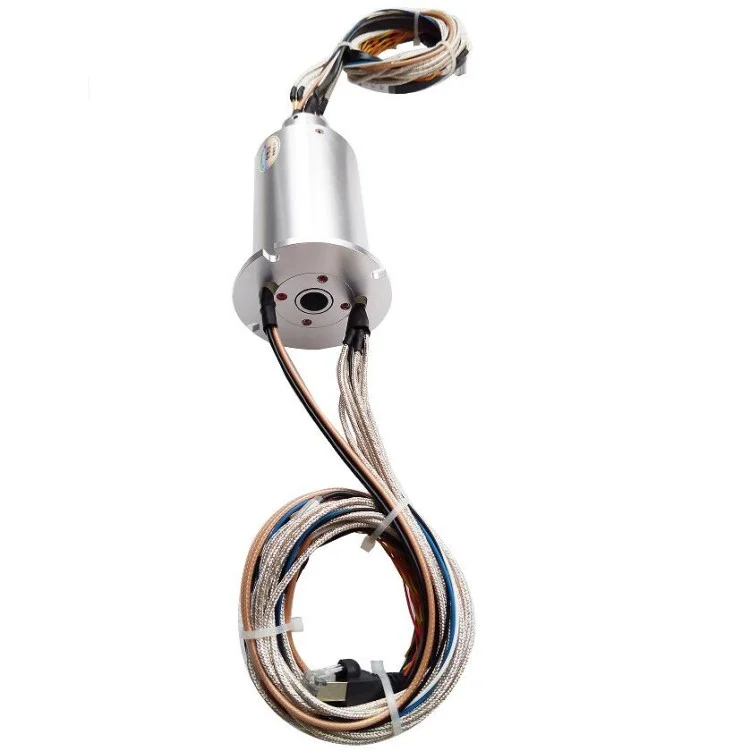
Yes. Power rings and signal rings sit in the same stack, and Ethernet, USB, HD-SDI, fibre or RF channels can be combined into the same body as a hybrid unit.
What mounting does a through bore unit need?
The stator is fixed to the frame through the flange or the anti-rotation pin, and the rotor turns with the shaft. Neither part carries load — the joint must never be used as a bearing.
Need Help Narrowing 201 Models Down to One
Send the rotating speed, the installation size, the circuit count, the voltage and current per ring, the signal types, the temperature range and the IP requirement. You get a model number and a drawing back.