
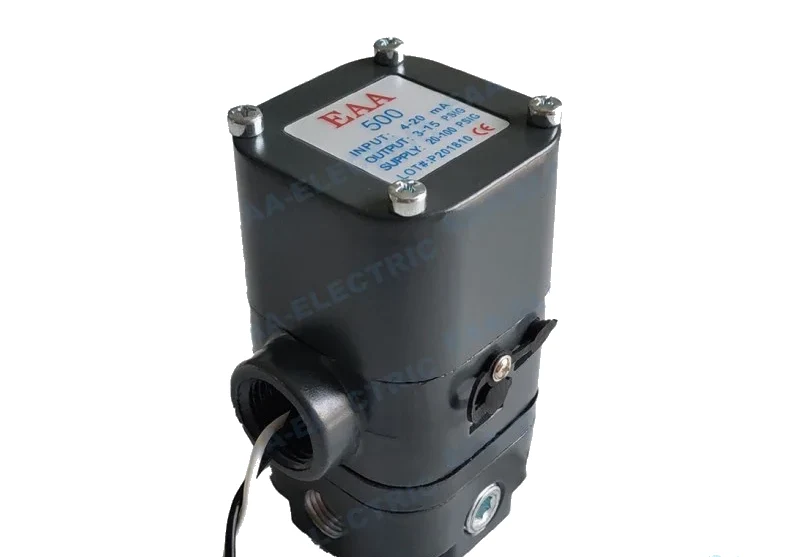
 Controlair Type Transducer
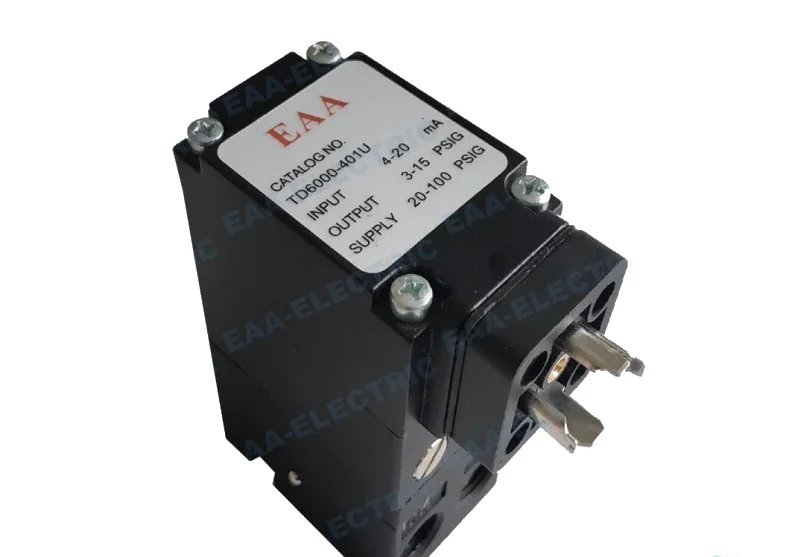 Fairchild Type Transducer
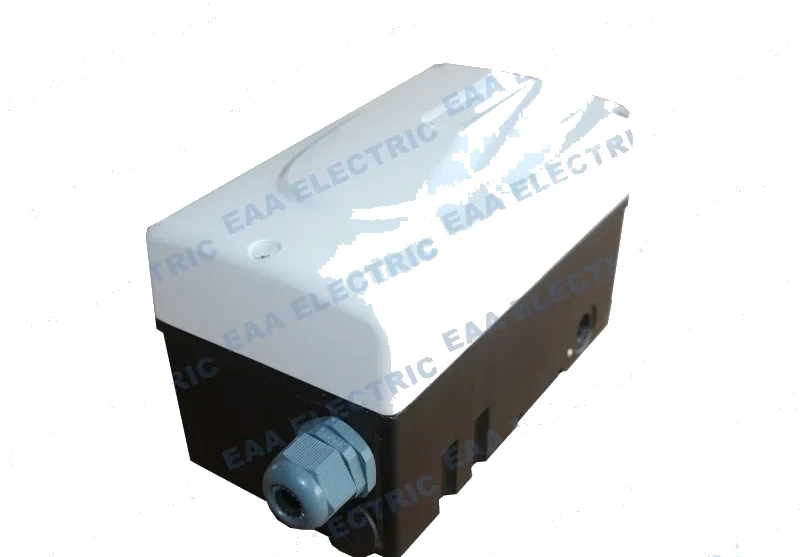 Flowserve Type Transducer
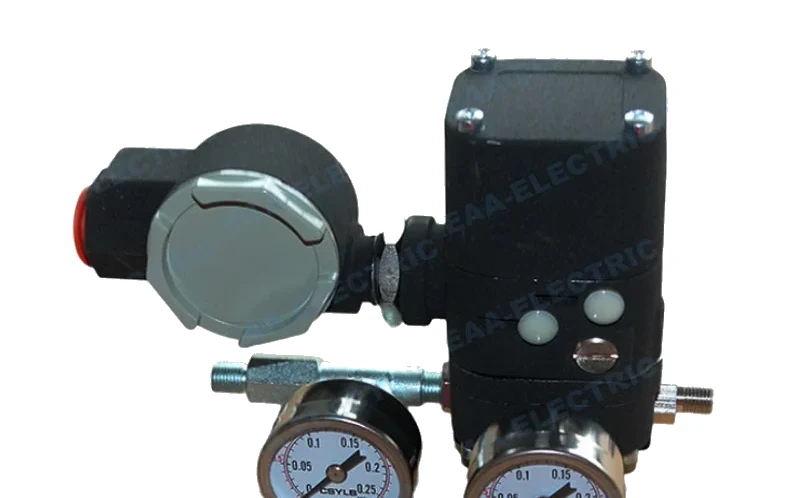 EPC Type Transducer
Pulp Paper And Textile
Paper handling controls and textile processing systems are both named on the Type 1000 application list, and paper handling appears again on the Type 1500 list. These are tension and position jobs, where the air pressure has to track the signal closely and sometimes has to fall all the way to zero.
What Makes This Application Difficult
Tension has to release completely
A transducer that bottoms out at 3 psig leaves residual pressure on a brake or a clamp that was supposed to be free.
Web speed changes demand fast response
A slow or over-damped conversion stage shows up as a tension excursion at the reel.
Rolls of instruments in one cabinet
Multi-position control means many loops in one place.
Lint, dust and humidity
Textile and paper environments are hard on instruments that are not sealed.
How The Range Addresses It
The zero based T1500 converter routes its output through an integral negative bias booster relay and regulates down to 0 psig, in 0-15, 0-30, 0-60 and 0-120 psig ranges. Where response matters, the T7800 offers a damping adjustment and 0.02% full scale deadband. Manifold kits keep multi-loop cabinets serviceable, and the T7800 enclosure is NEMA 4X, Type 4 and IP65 rated.
Products For This Industry
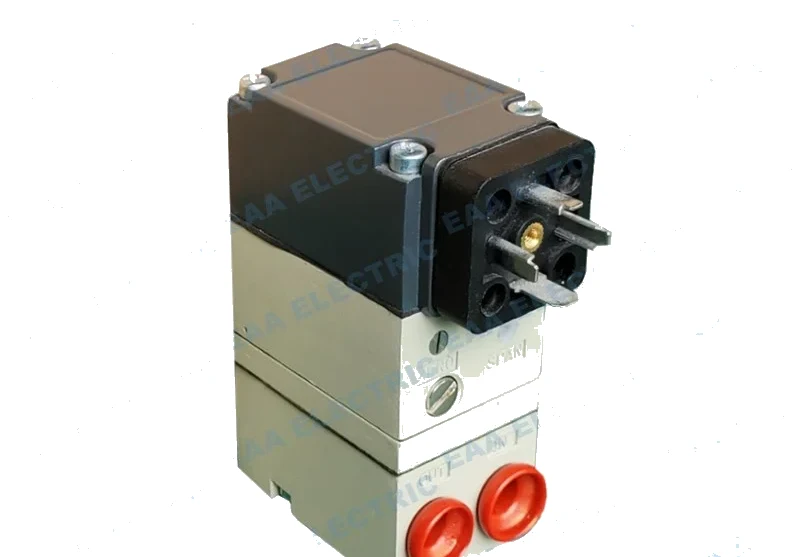
Marsh Bellofram Type TransducerT1500 Electro Pneumatic Converter
Zero based T1500 build, 0-15 to 0-120 psig, regulates down to 0 psig
View specifications →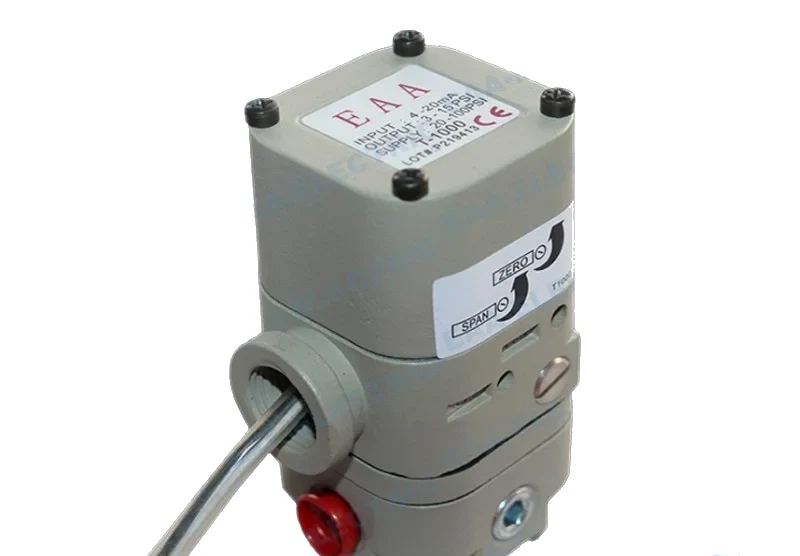 Marsh Bellofram Type Transducer
T1000 Electro Pneumatic Transducer
Force balance I/P transducer with a built-in volume booster, four build classes
View specifications →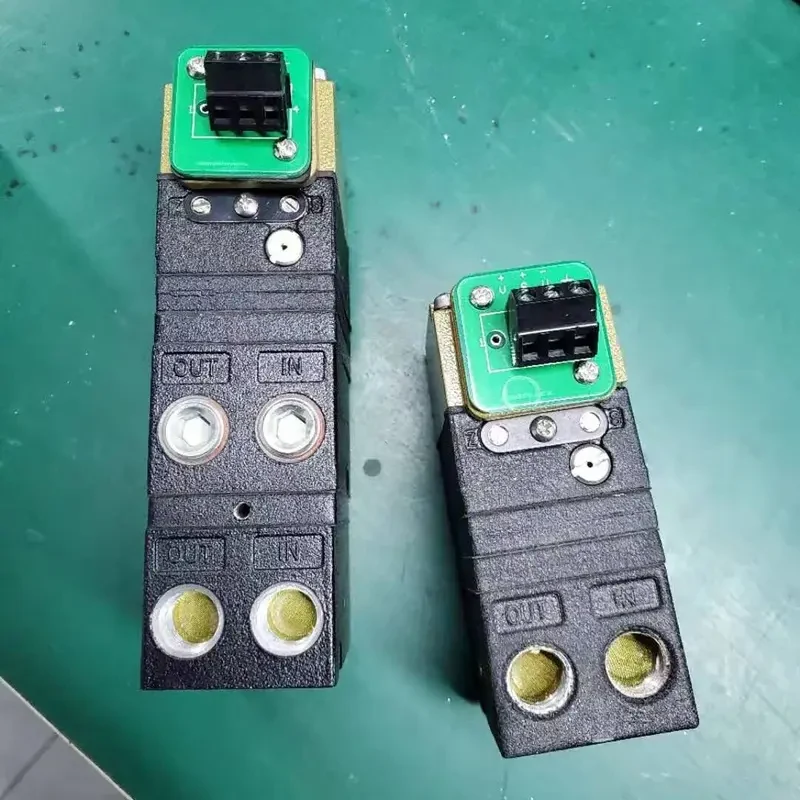 Fairchild Type Transducer
T7800 Electro Pneumatic Transducer
Piezoelectric precision transducer, 0.25% full scale accuracy, NEMA 4X and IP65
View specifications →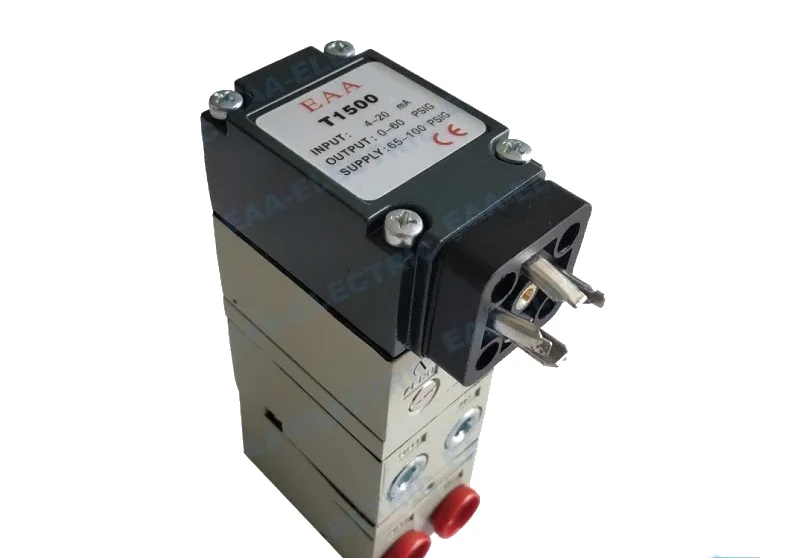 Marsh Bellofram Type Transducer
T1500 Electro Pneumatic Transducer
Compact force balance transducer, manifold mountable, 3-15 to 6-30 psig
View specifications →Questions From Pulp Paper And Textile Buyers
Which unit can regulate down to zero pressure
The zero based T1500 converter. Its integral negative bias booster relay allows the complete unit to regulate output pressure down to 0 psig and BAR.
What supply pressure does a zero based unit need
It depends on the range: 25-150 psig for 0-15 units, 40-150 psig for 0-30, 70-150 psig for 0-60 and 125-150 psig for 0-120.
Can the response be tuned at the instrument
On the T7800, yes. A damping adjustment is provided for optimum tuning response.
Get A Recommendation For Your Pulp Loop
Describe the loop, the actuator and the area classification, and we will name the models that fit and the ones that do not.