
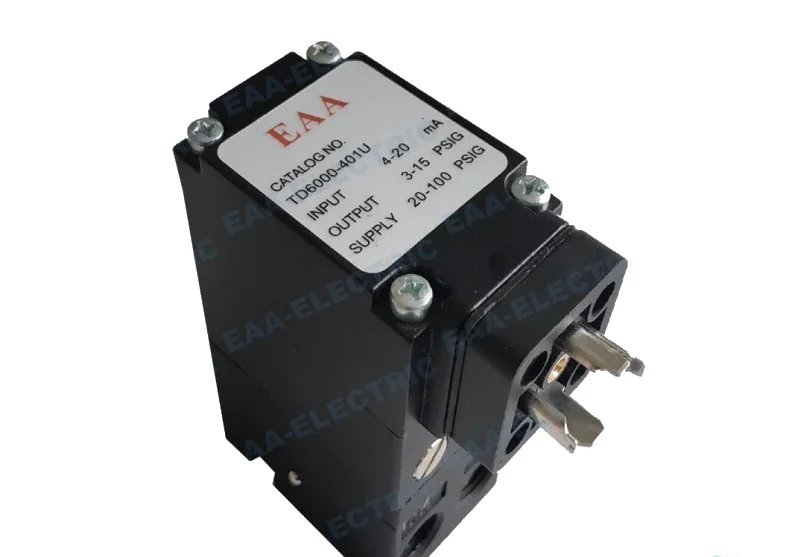
 Fairchild Type Transducer
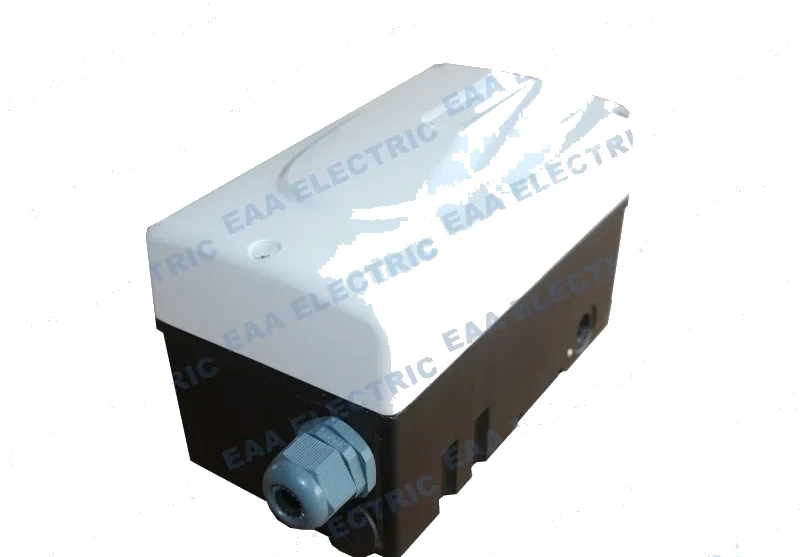 Flowserve Type Transducer
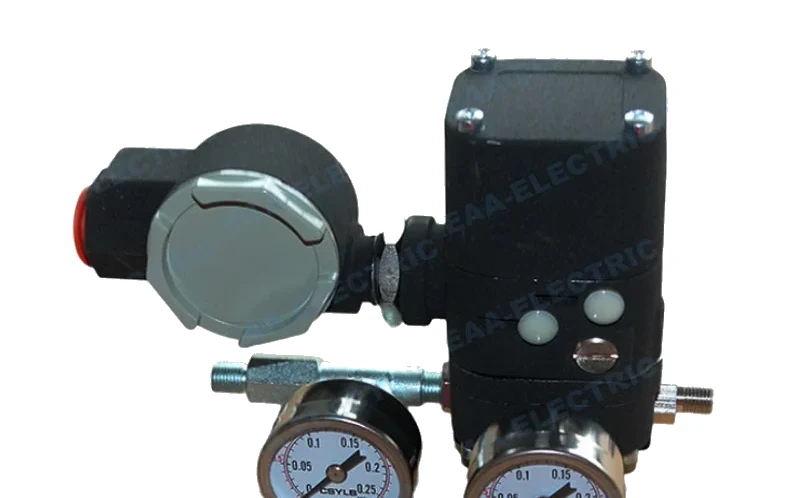 EPC Type Transducer
T1000 Electro Pneumatic Transducer
The Type 1000 is a force balance transducer that reduces a supply pressure to a regulated output directly proportional to the electrical input. An integral volume booster gives it up to 12 SCFM (339 SLPM), and it accepts supply pressures from 3 psig above the maximum output up to 100 psig (6.9 BAR).
What This Model Is
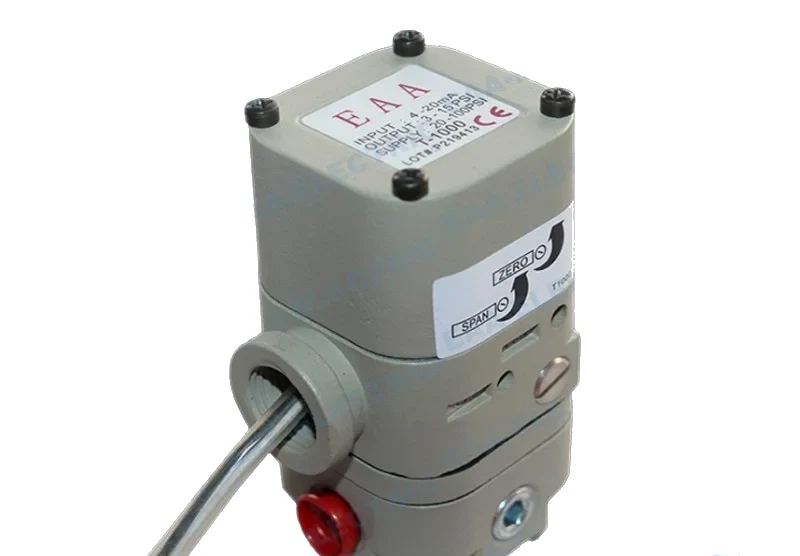
Type EAA-T1000 I/P and E/P transducers convert a current or voltage input signal to a linearly proportional pneumatic output pressure. The instrument is designed for control applications that require a high degree of reliability and repeatability at an economical cost. Four build classes are catalogued from one body: general purpose, high relief, extended range and explosion proof, which is what lets a single pattern cover a plant instead of a single loop.
How It Works
The Type 1000 is a force balance device. A coil is suspended in the field of a magnet by a flexure. Current through the coil generates axial movement of the coil and flexure. The flexure moves against the end of a nozzle and creates a back pressure by restricting air flow through it. That back pressure acts as a pilot to an integral booster relay, so as the input signal increases the output pressure increases proportionally. A thermistor circuit in series with the coil provides temperature compensation.
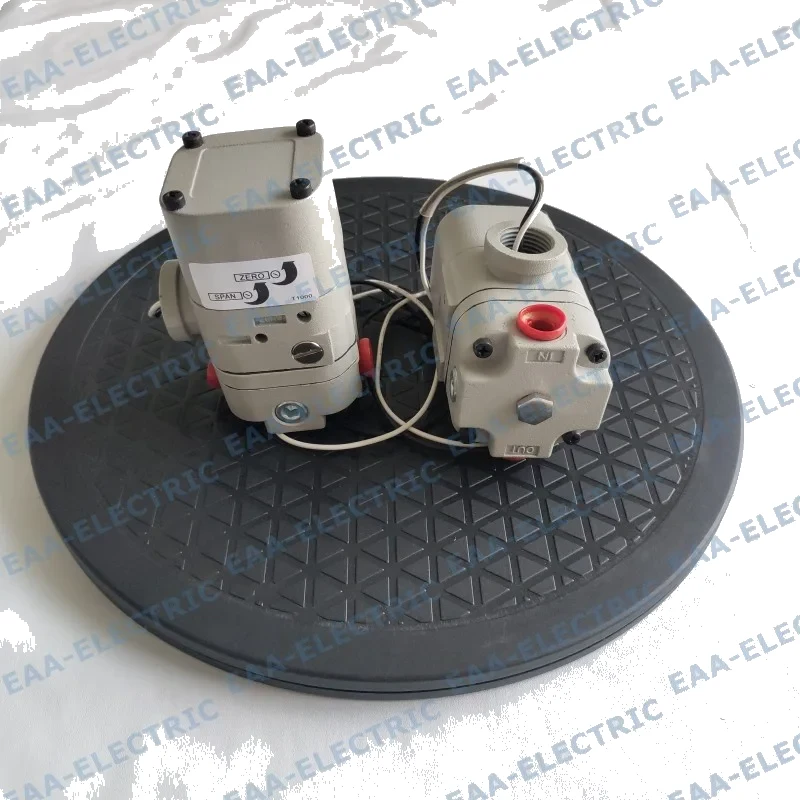
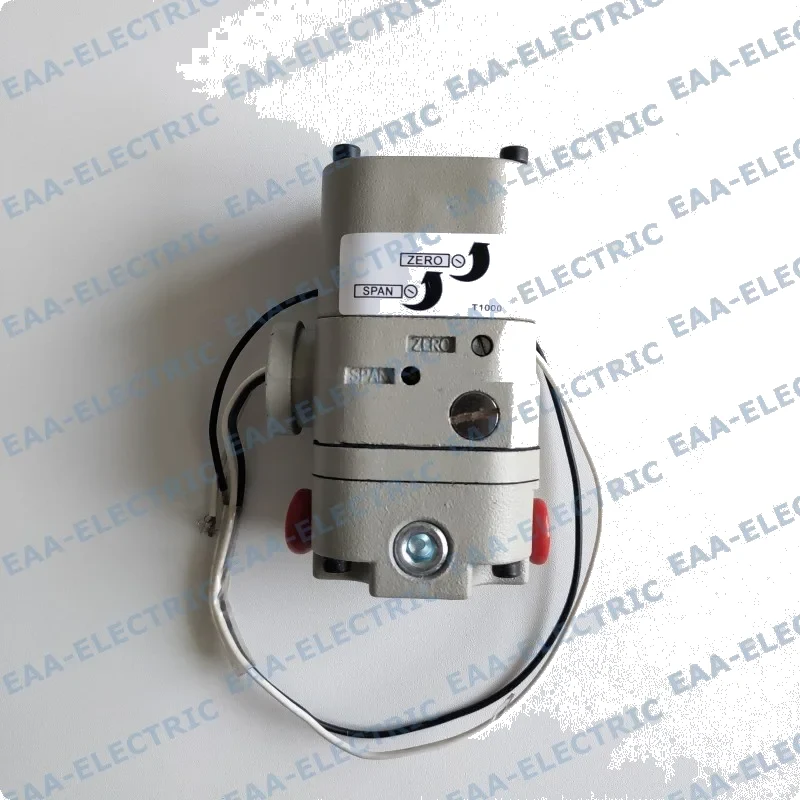
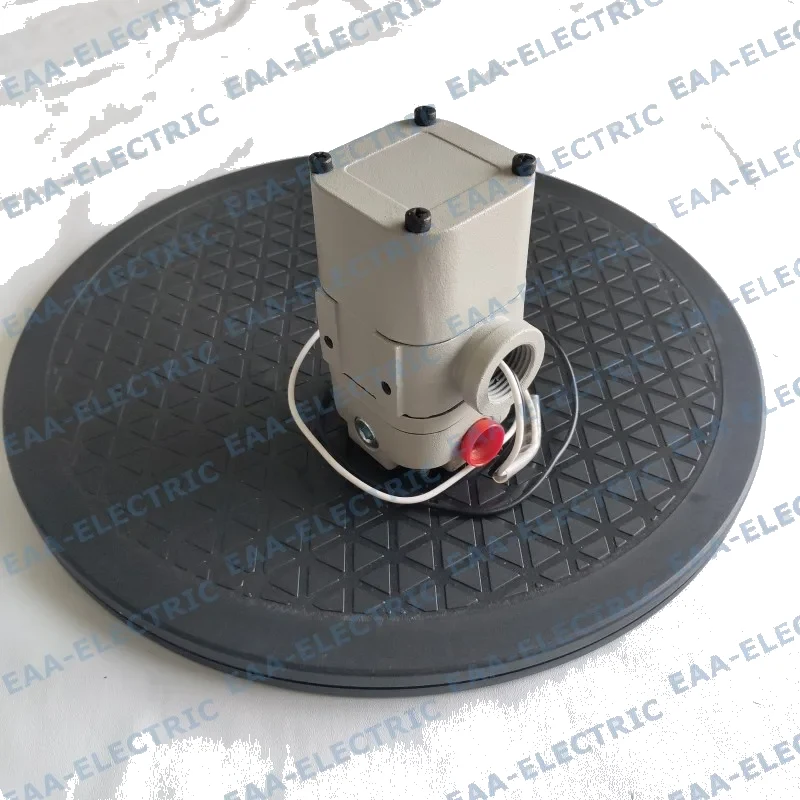
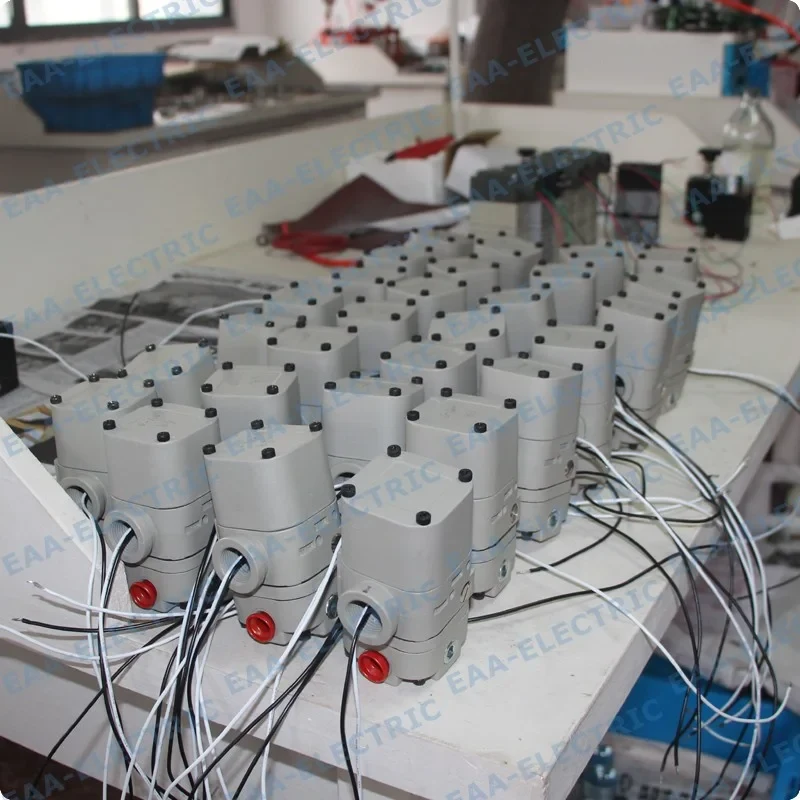
T1000 Electro Pneumatic Transducer On Our Benches
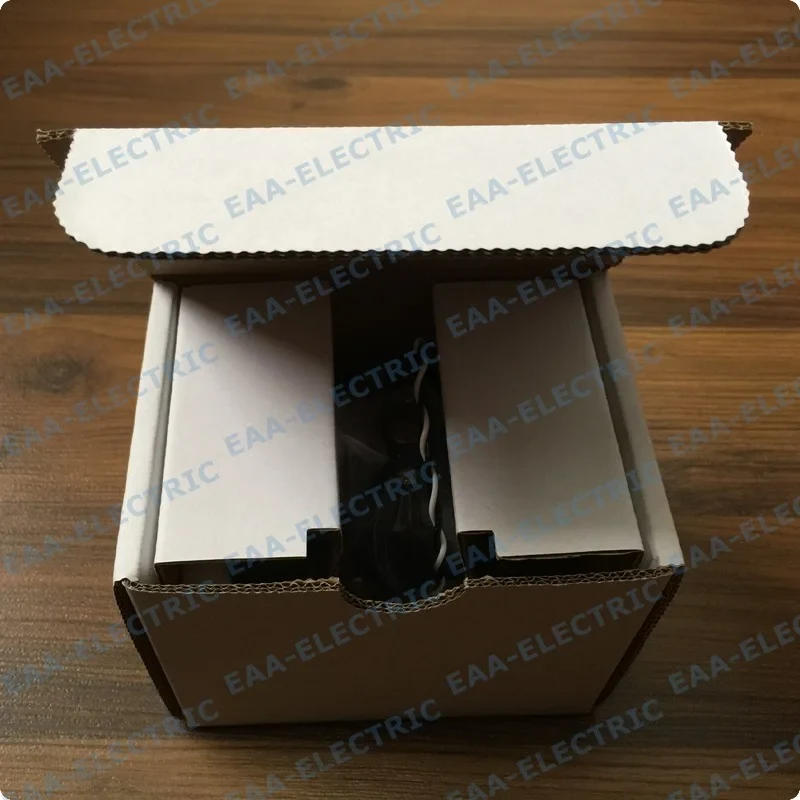
Studio and workshop photographs of the units as built, not renderings.
What You Get From This Model
Four classes, one footprint
General purpose, high relief, extended range and explosion proof share the pattern, so a plant can standardise the mounting and vary only the class.
High relief for fast exhaust
The high relief build raises exhaust capacity from 2 SCFM to 7 SCFM (336 SLPM) at 5 psig above setpoint, which suits cylinder return strokes and air hoists.
Extended range for high output
The extended range build accepts supply to 150 psig (10.5 BAR) and delivers 24 SCFM (677 SLPM), with recalibration from about 3-35 psig up to 3-145 psig.
Field reversible
Units are calibrated direct acting at the factory but can be run reverse acting by reversing the signal lead polarity and recalibrating. In reverse acting service the unit delivers a minimum of full rated output on signal failure.
Where It Is Used
- Valve actuators and valve positioners
- Damper and louver actuators on combustion and ventilation air
- Controllers, relays, air cylinders, clutches and brakes
- Liquid, gas and slurry processing instrumentation
- HVAC systems and energy management systems
- Paper handling controls and textile processing systems
- Petrochemical processing systems
Who Orders It
- Process plants running a mixed population of pneumatic final elements
- Maintenance teams that need one pattern to cover hazardous and safe areas
- OEM builders of air cylinder and clutch control packages
- HVAC and energy management contractors
What This Model Fixes
One loop needs fast blowdown and the next one does not
The high relief class exhausts 7 SCFM against the 2 SCFM of the general purpose build, without changing the mounting or the ports.
The output range needed is far above 3-15 psi
The extended range class recalibrates out to 3-145 psig (0.2-10 BAR) and takes a 150 psig supply.
The instrument sits in a classified area
The explosion proof class covers it, at the cost of the external span and zero screws, which are not fitted on that build.
Vibration is upsetting the output
For maximum output pressure stability the unit should be mounted in a vibration-free location, or so that vibration is isolated to the X and Z axes shown on the dimensional drawings.
Features And Specifications
Every figure below is transcribed from the datasheet EAA publishes for this series. Anything not published is not listed.
- Low cost force balance design
- Built-in volume booster
- Small size and light weight
- Field reversible
- Low air consumption at 0.1 SCFM (2.8 SLPM) maximum at midrange
- Mounts at any angle, with recalibration of zero for non-vertical positions
- External span and zero adjusts, except on explosion proof models
- Wide supply pressure range and low supply pressure sensitivity
| General Purpose | High Relief | Extended Range | Explosion Proof | |
|---|---|---|---|---|
| Supply pressure range | 3 psig (0.2 BAR) above max. output to 100 psig (7 BAR) | 3 psig (0.2 BAR) above max. output to 100 psig (7 BAR) | 5 psig (0.4 BAR) above max. output to 150 psig (10.4 BAR); 100 psig (7 BAR) for 2-60 psig (0.1-4.1 BAR) models | 3 psig (0.2 BAR) above max. output to 100 psig (7 BAR) |
| Supply pressure sensitivity | +/-0.15% of span per 1.5 psig (0.1 BAR) | +/-0.15% of span per 1.5 psig | +/-0.004% of span per 1.0 psig (0.07 BAR) | +/-0.15% of span per 1.5 psig (0.1 BAR) |
| Linearity (terminal based) | <1.0% of span | <1.0% of span | <2.0% of span | <1.0% of span |
| Repeatability | <0.5% of span | <0.5% of span | <0.5% of span | <0.5% of span |
| Hysteresis | <1.0% of span | <1.0% of span | <1.0% of span | <1.0% of span |
| Minimum flow at midrange, 100 psig (7 BAR) | 12 SCFM (339 SLPM) | 12 SCFM (339 SLPM) | 24 SCFM (677 SLPM) at 150 psig (10.4 BAR) supply | 12 SCFM (339 SLPM) |
| Exhaust capacity at 5 psig (0.4 BAR) above setpoint | 2 SCFM (56.5 SLPM) | 7 SCFM (336 SLPM) | 2 SCFM (56.5 SLPM) | 2 SCFM (56.5 SLPM) |
| Air consumption (max) at midrange | 0.1 SCFM (2.8 SLPM) | 0.1 SCFM (2.8 SLPM) | 0.07 SCFM (2.0 SLPM) | 0.1 SCFM (2.8 SLPM) |
| Port size (pneumatic / electric) | 1/4 NPT and 1/2 NPT | 1/4 NPT and 1/2 NPT | 1/4 NPT and 1/2 NPT | 1/4 NPT and 1/2 NPT |
| Dimensions (inches) | 2-1/8 x 2-1/8 x 4 | 2-1/8 x 2-1/8 x 4 | 2-1/8 x 2-1/8 x 4 | 6-13/32 x 5-15/16 x 7-9/16 |
Selecting Installing And Calibrating
- Mount it where it will stay stillPipe, panel or bracket mounting in any position. Positions other than vertical need the zero adjustment recalibrated after mounting.
- Pretreat the airInstrument air into the transducer must be steady near 0.14 MPa. Fit an air filter and pressure reducing device at the inlet so the supply is constant and free of impurities.
- Use split ranging where two elements share a signalThe 4-20 mA input, 3-15 psig output model can be recalibrated to 3-9 psig or 9-15 psig for split range applications.
- Reverse it in the field if requiredReverse the polarity of the signal leads and recalibrate. Check that the failure behaviour, minimum full rated output on signal loss, is what the loop expects.
How It Compares With The Alternatives
Against the T1500 the Type 1000 is the higher-flow, wider-supply instrument: 12 to 24 SCFM against 6.5 to 9.0 SCFM, and four build classes instead of two ranges. The T1500 is smaller, lighter and manifold-mountable. Against a valve positioner the T1000 remains an open-loop device with no stem feedback.
| Model | Distinguishing specification | Best suited to |
|---|---|---|
| T1000 Electro Pneumatic Transducer | 12-24 SCFM, four build classes | High flow and hazardous area duty |
| T1500 Electro Pneumatic Transducer | 6.5-9.0 SCFM, manifold mounting | Compact and multi-device installations |
| T6000 Electro Pneumatic Transducer | Modular, rack and manifold configurations | Panel and rack instrument rooms |
Related articles
Industry applications
Other Models Worth Comparing
 Marsh Bellofram Type Transducer
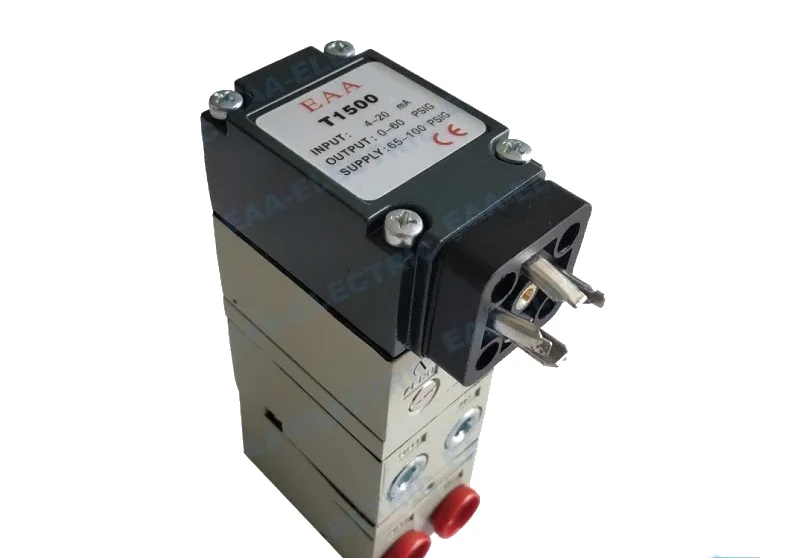
T1500 Electro Pneumatic Transducer
Compact force balance transducer, manifold mountable, 3-15 to 6-30 psig
View specifications →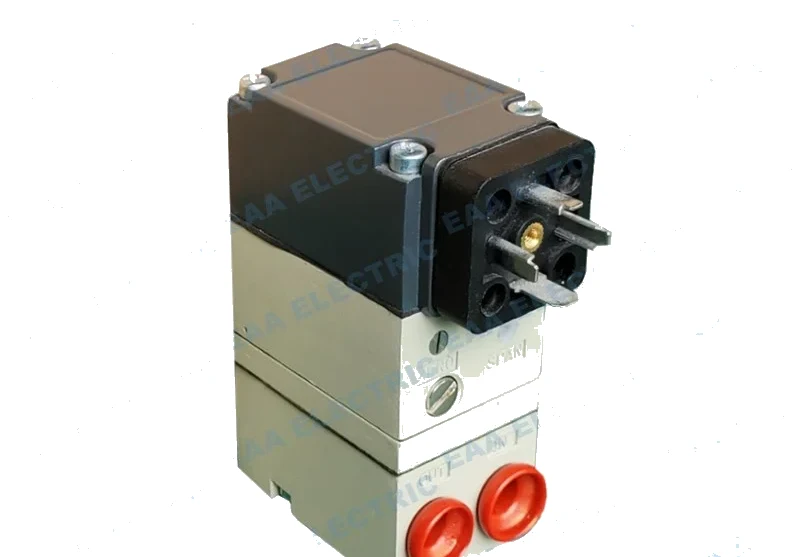 Marsh Bellofram Type Transducer
T1500 Electro Pneumatic Converter
Zero based T1500 build, 0-15 to 0-120 psig, regulates down to 0 psig
View specifications →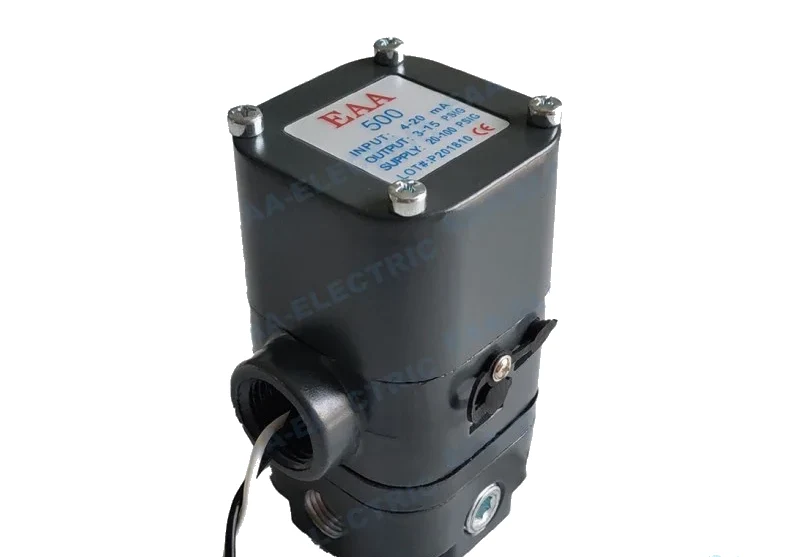 Controlair Type Transducer
500X Electro Pneumatic Transducer
Controlair pattern I/P transducer, 4-20 mA in, 3-15 to 3-120 psi out
View specifications →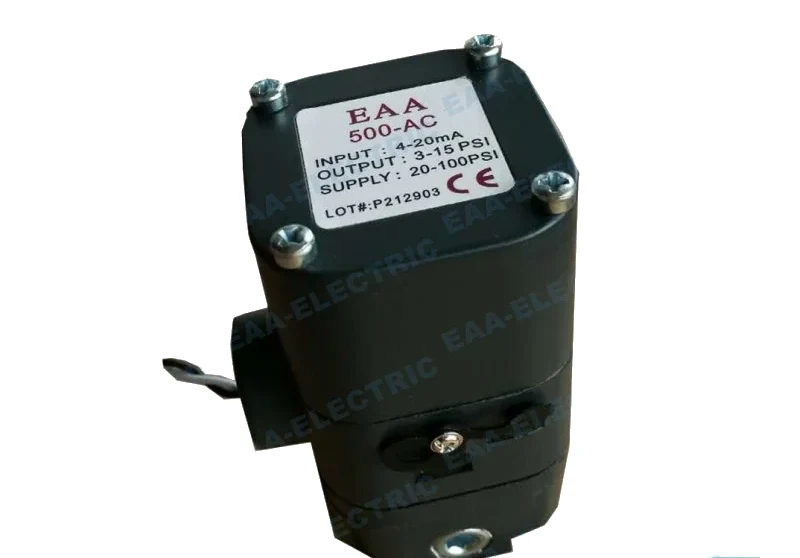 Controlair Type Transducer
500X Electro Pneumatic Converter
Controlair pattern E/P converter, 0-5 V, 1-9 V and 0-10 V inputs
View specifications →Questions About The T1000 Electro Pneumatic Transducer
How much flow does the Type 1000 deliver
12 SCFM (339 SLPM) at midrange on a 100 psig (7 BAR) supply for the general purpose, high relief and explosion proof builds, and 24 SCFM (677 SLPM) on a 150 psig (10.4 BAR) supply for the extended range build.
What supply pressure does it need
3 psig (0.2 BAR) above the maximum output, up to 100 psig (7 BAR). The extended range build takes 5 psig above maximum output up to 150 psig (10.4 BAR).
Can it be used reverse acting
Yes. All units are factory calibrated direct acting and can be run reverse acting by reversing the signal lead polarity and recalibrating.
What are the accuracy figures
Linearity is better than 1.0% of span on the general purpose, high relief and explosion proof builds and better than 2.0% on the extended range build. Repeatability is better than 0.5% and hysteresis better than 1.0% of span throughout.
Does the explosion proof version have external adjustments
No. The external span and zero adjusts are fitted to every build except the explosion proof one.
Request A Price For The T1000
Tell us the input signal, the output range and the electrical termination, and the quotation comes back against the published part number.