
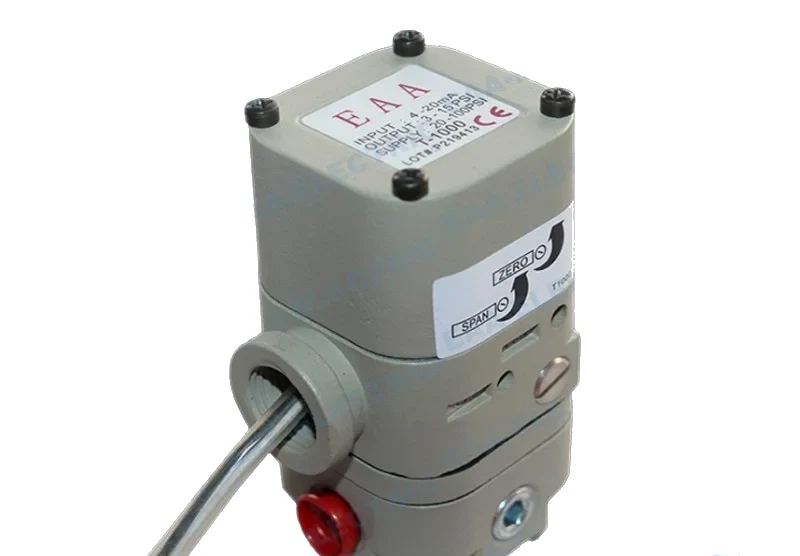
 Marsh Bellofram Type Transducer
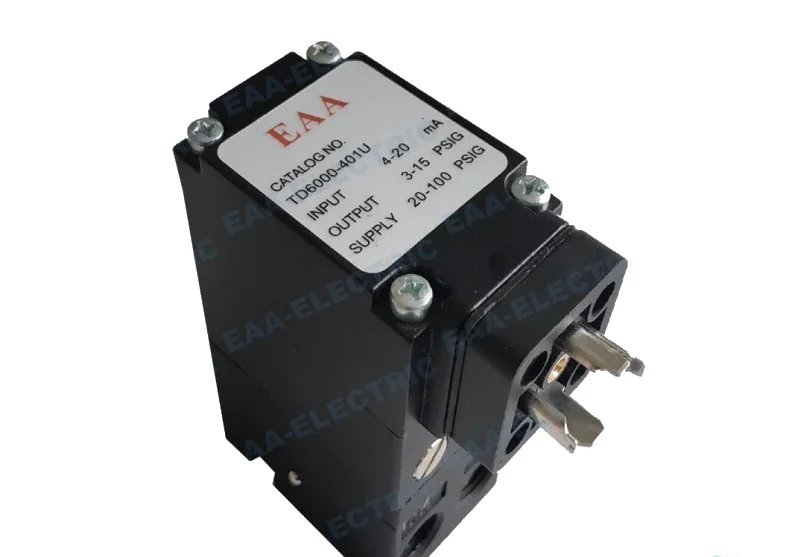 Fairchild Type Transducer
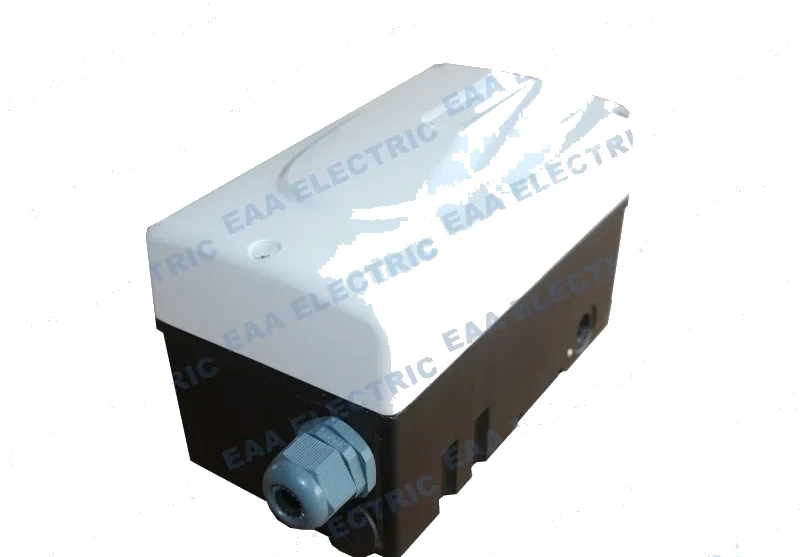 Flowserve Type Transducer
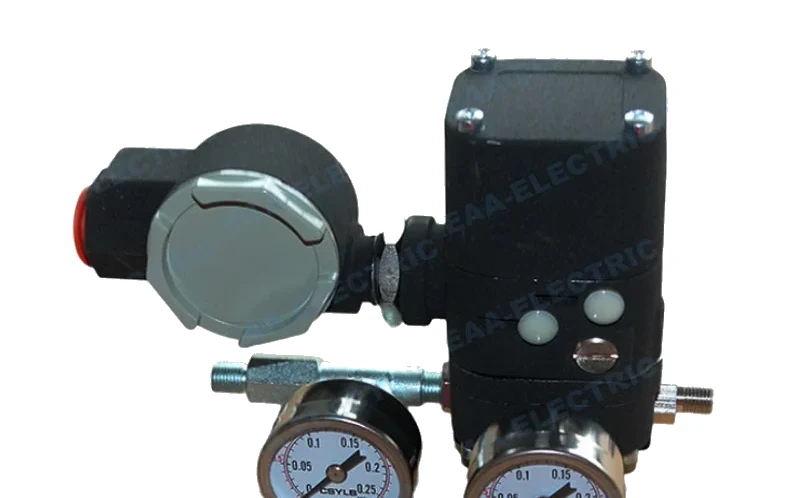 EPC Type Transducer
Replacing An Imported Transducer
Most of the work EAA does starts with a transducer that has already failed. The question is not which instrument is best in principle, it is which part number goes back on the bracket that is already bolted to the valve, with the same ports and the same ranges.
Step By Step
- Read the nameplateInput signal, output range and supply pressure are printed on the label. That is three of the four fields needed to identify the replacement.
- Identify the pattern500X, 550X, T1000, T1500, T6000, T7800, PT700 or EPC1000. The pattern fixes the footprint, the port sizes and the mounting.
- Check the actuator springThe output range has to suit the spring compression coefficient. A 20-100 kPa spring takes a 3-15 psi unit; outside that band the valve will not reach full open and full close.
- Choose the electrical terminationConduit and pigtail, DIN 43650, terminal block, junction box or rack, depending on how the existing installation is wired.
- Confirm area classificationGeneral purpose, explosion proof, intrinsically safe or ATEX. This decides which build of the pattern can be supplied.
- Quote the part number backThe final order carries input, output, termination and approval, so the unit that arrives is the unit the loop needs.
Deliverables
- A part number against the published selection table or coding system
- The datasheet PDF for the model, downloadable from this site
- Bench calibration records for the unit as shipped
- Packing that survives air freight to the site
Where To Send It
WhatsApp 0086-158-5856-3760 or email [email protected]. Photographs of the nameplate and the installation are the fastest way to get an accurate answer.
Products This Process Draws On
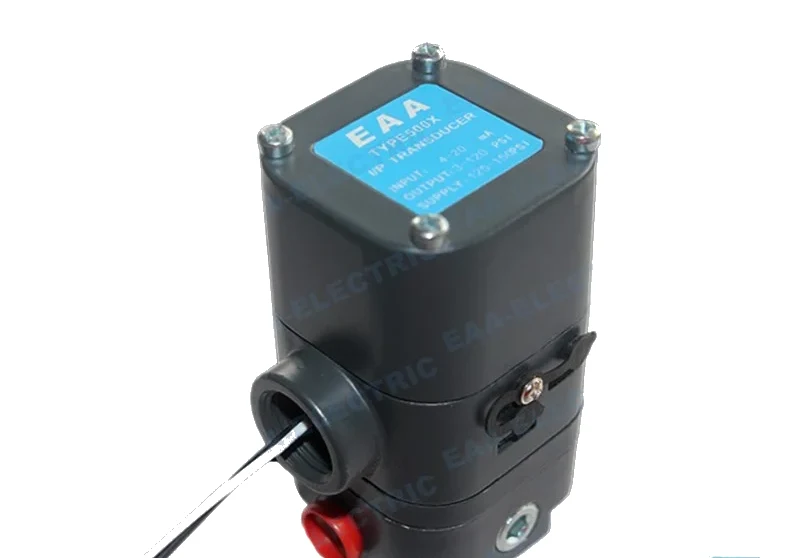 Controlair Type Transducer
500AC Electro Pneumatic Transducer
500-AC configuration, 4-20 mA in, 3-15 psi out, 180 ohms
View specifications →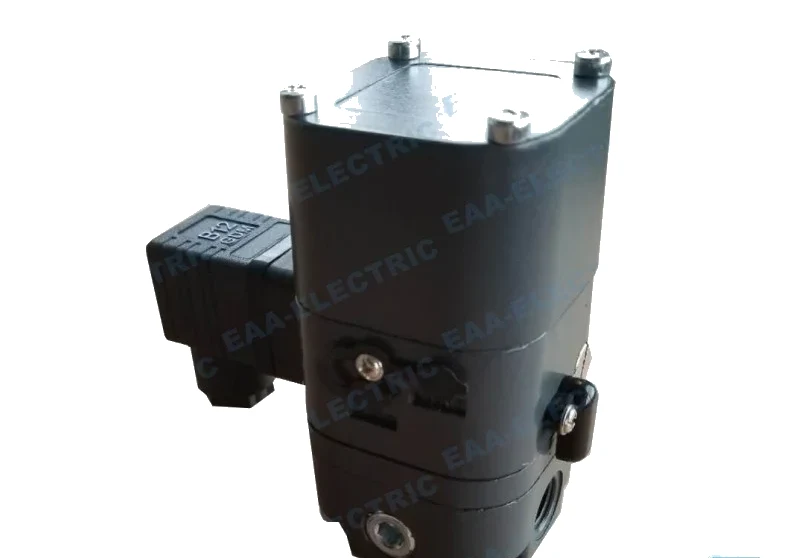 Controlair Type Transducer
500ACD Electro Pneumatic Transducer
500-AC range with a plug-in electrical termination
View specifications →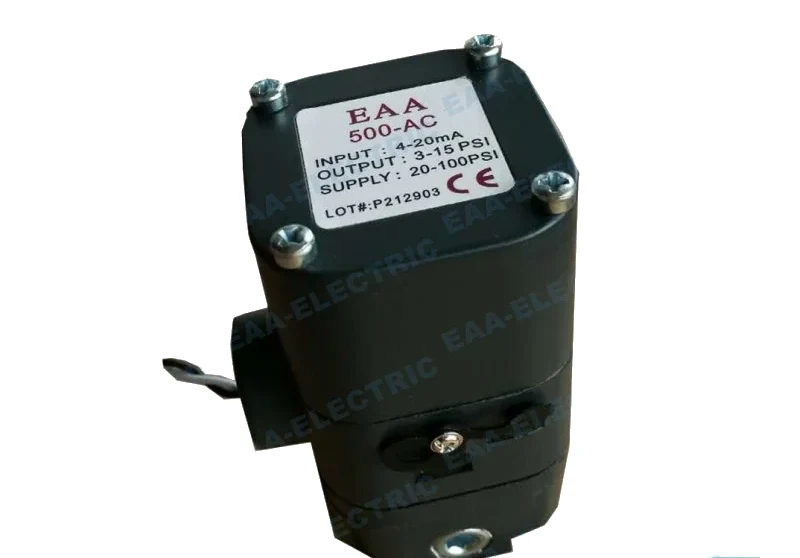 Controlair Type Transducer
500X Electro Pneumatic Converter
Controlair pattern E/P converter, 0-5 V, 1-9 V and 0-10 V inputs
View specifications →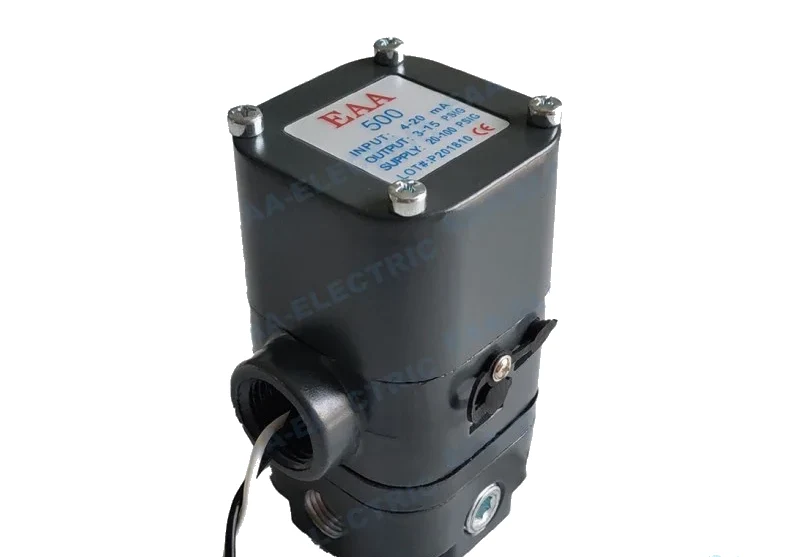 Controlair Type Transducer
500X Electro Pneumatic Transducer
Controlair pattern I/P transducer, 4-20 mA in, 3-15 to 3-120 psi out
View specifications →Questions About This Process
What information do you need to identify a replacement
The nameplate data: input signal, output range and supply pressure. The pattern name, the electrical termination and the area classification complete the specification.
Can you match a part number we already use
Send the part number and a photograph of the nameplate. The published selection tables on this site are the reference used to match it.
Will the replacement fit our existing bracket
The patterns keep the original footprint and the 1/4 NPT and 1/2 NPT porting, which is what makes a drop-in replacement possible.
Begin With A Specification Not A Guess
Send what you have, even if it is only a photograph of a nameplate, and we will tell you what is missing before quoting.