
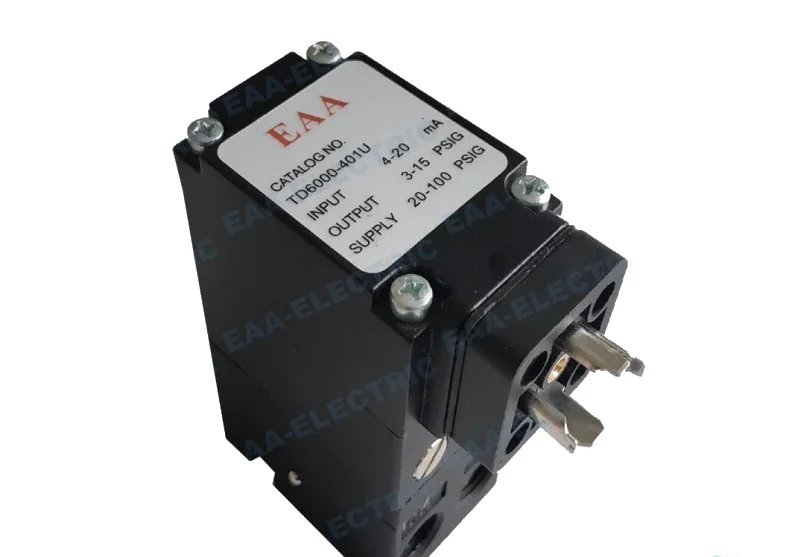
 Fairchild Type Transducer
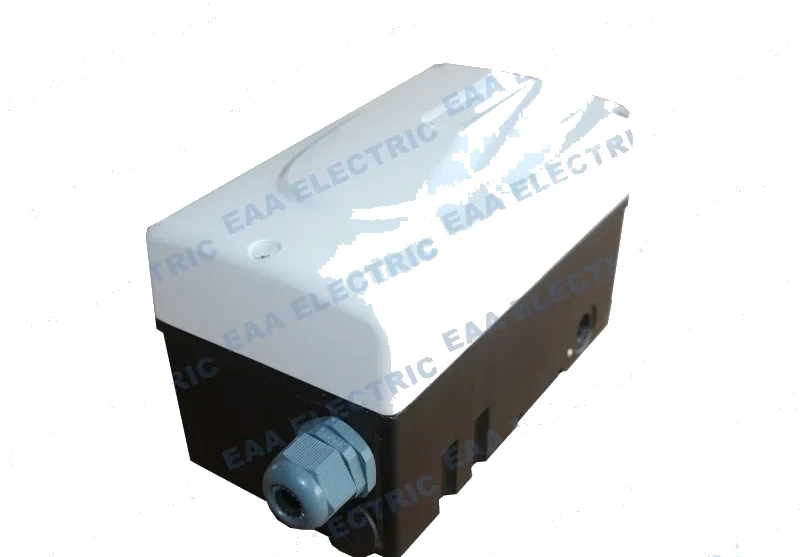 Flowserve Type Transducer
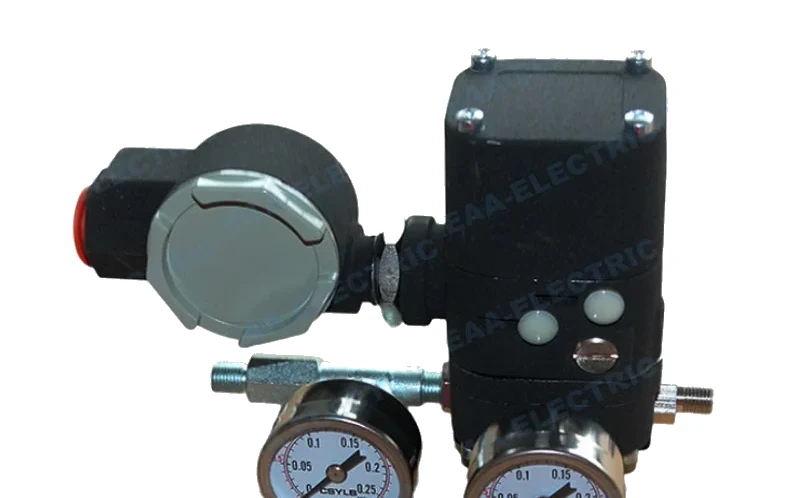 EPC Type Transducer
T1500 Electro Pneumatic Converter
The zero based T-1500 routes the output of the transducer section into an integral negative bias booster relay. That relay lets the complete unit regulate output pressure all the way down to 0 psig, and it amplifies the transducer output so the unit can regulate higher pressures than the standard build.
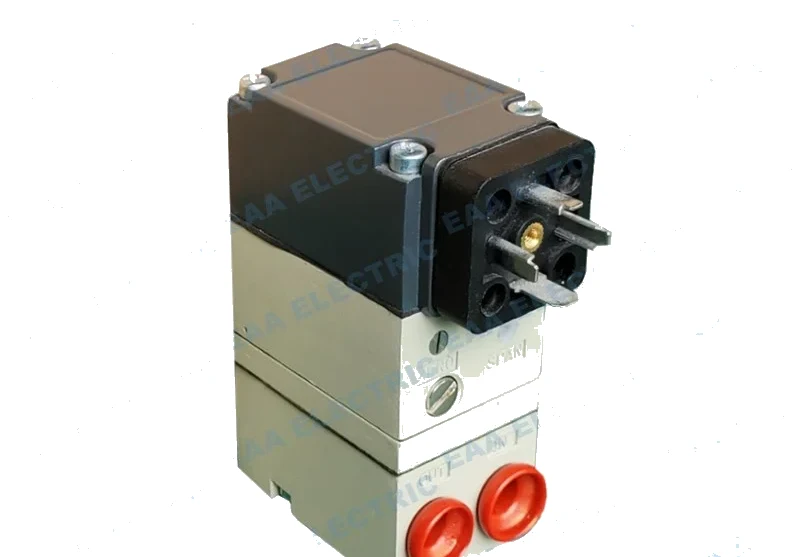
What This Model Is
Type EAA-T1500 series I/P and E/P transducers are electronic pressure regulators that convert a variable signal to a proportional pneumatic output. The zero based build exists because a conventional 3-15 psig transducer cannot take the output to zero: there is always a residual pressure at the bottom of the range. Where a cylinder, a clamp or a tensioning device has to be fully released, the zero based converter is the instrument that does it.
How It Works
In the zero based T-1500 the output of the transducer section is routed to an integral negative bias booster relay. The bias relay allows the complete unit to regulate output pressure down to 0 psig and BAR. It also amplifies the output of the transducer, which is what allows the zero based units to regulate higher output pressures than the standard T-1500.
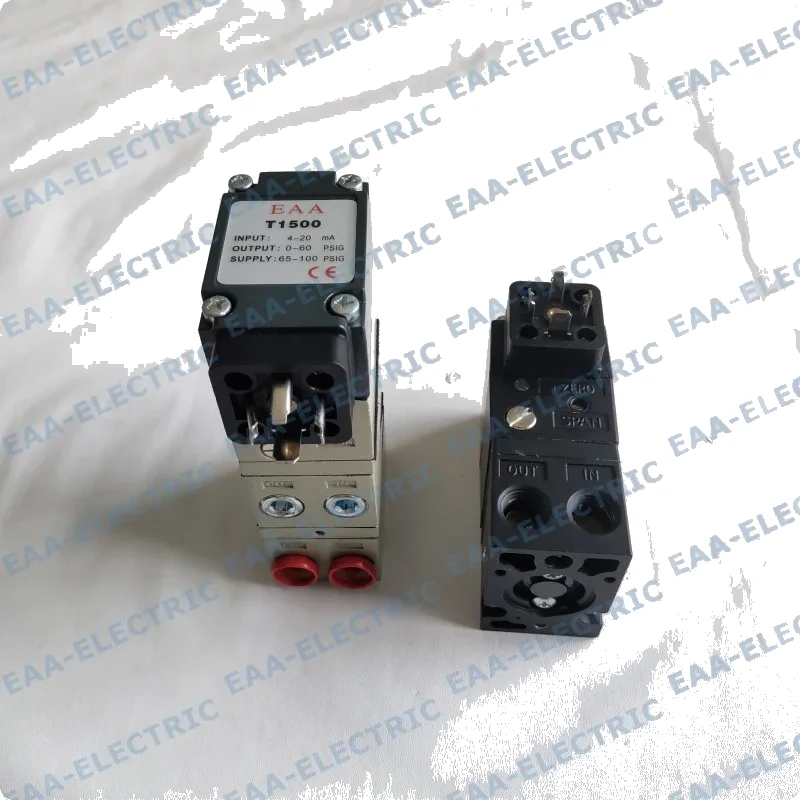
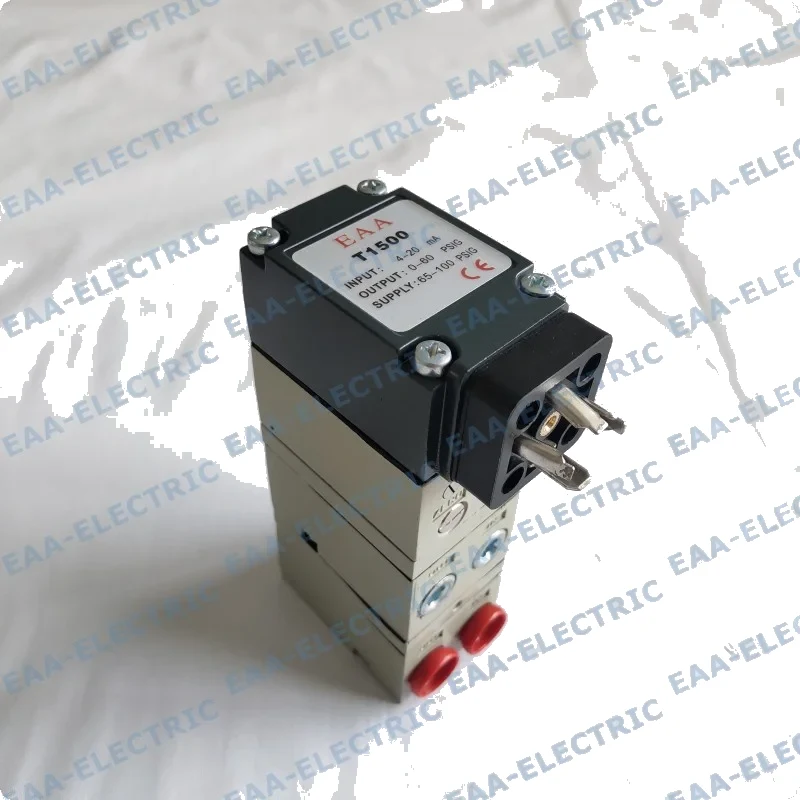
T1500 Electro Pneumatic Converter On Our Benches
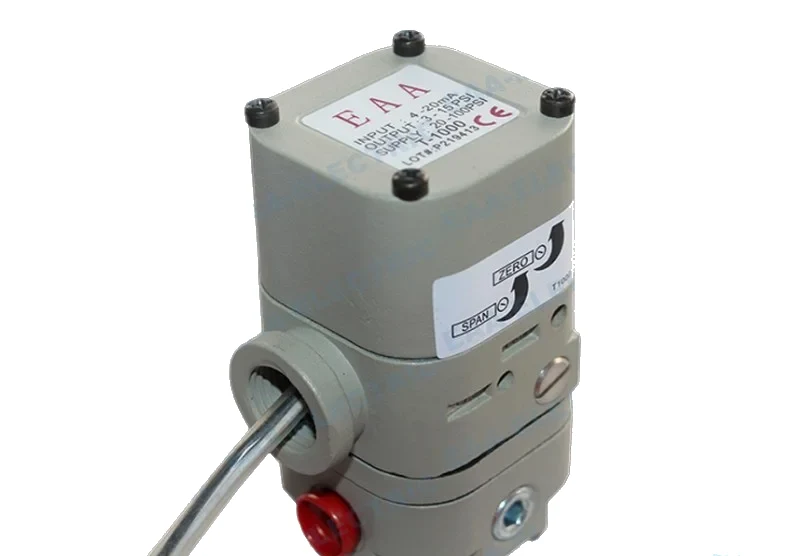
Studio and workshop photographs of the units as built, not renderings.
What You Get From This Model
True zero output
0-15, 0-30, 0-60 and 0-120 psig ranges, so the device being controlled can be fully released rather than left with residual pressure.
Higher output pressures
The bias relay amplification lets the zero based unit regulate above what the standard range build reaches.
More flow at mid range
9.0 SCFM minimum at 15.0 psig (1.0 BAR) output on a 150 psig (10.3 BAR) supply, against 6.5 SCFM for the standard build.
Stable against supply swings
Less than 1.7% of span change in output pressure across the full supply pressure range on the 0-120 units.
Where It Is Used
- Clamping and tensioning that must release completely
- Air cylinders driven from a control signal
- Web tension and material handling control
- Automation systems needing a regulated 0-120 psig air pressure
- Liquid and gas processing where the final element rests at zero
Who Orders It
- Machine builders controlling cylinder force from a signal
- Converting and paper plants running tension control
- Automation integrators replacing a manual regulator with a signal-driven one
- Plants that found a standard transducer will not release the actuator
What This Model Fixes
The actuator never fully releases
A standard range transducer bottoms out at 3 psig. The zero based build regulates to 0 psig.
Supply pressure has to be much higher than the output
Each zero based range has its own supply window, from 25-150 psig on the 0-15 units to 125-150 psig on the 0-120 units, which is published rather than discovered.
Air consumption rises at the top of the range
Maximum air consumption is 18 SCFH at maximum output, which is the figure to size the header against.
Features And Specifications
Every figure below is transcribed from the datasheet EAA publishes for this series. Anything not published is not listed.
- Zero based output: 0-15, 0-30, 0-60 and 0-120 psig
- Integral negative bias booster relay
- Hysteresis under 1.0% of span, repeatability under 0.5%
- 9.0 SCFM minimum flow at mid range
- 1/4 NPT, BSPT and BSPP porting
- Weight 1.63 lbs
| Standard Range | Zero Based | |
|---|---|---|
| Hysteresis | <0.75% of span | <1.0% of span |
| Repeatability | <0.5% of span | <0.5% of span |
| Linearity (independent) | <0.75% of span; <1.0% for fluorocarbon units | <1.0% of span |
| Flow at mid range | 6.5 SCFM minimum at 15.0 psig (1.0 BAR) output, 120 psig (8.3 BAR) supply | 9.0 SCFM minimum at 15.0 psig (1.0 BAR) output, 150 psig (10.3 BAR) supply |
| Maximum air consumption | 3 SCFH at 15 psi (1.0 BAR) output | 18 SCFH at maximum output |
| Exhaust capacity | >1.0 SCFM at 5 psi (0.4 BAR) above set point | >1.0 SCFM at 5 psi (0.4 BAR) above set point |
| Supply pressure range | 5 psi above maximum output up to 120 psig (8.3 BAR) maximum | 0-15 units 25-150 psig (1.7-10.3 BAR); 0-30 units 40-150 psig (2.8-10.3 BAR); 0-60 units 70-150 psig (4.8-10.3 BAR); 0-120 units 125-150 psig (8.6-10.3 BAR) |
| Weight | 1.3 lbs | 1.63 lbs |
| Port size | 1/4 NPT, BSPT, BSPP | 1/4 NPT, BSPT, BSPP |
| Supply pressure sensitivity | <2.5% of span for a supply pressure change of 15 psig (1.0 BAR) | <1.7% of span change in output pressure over the full supply pressure range (0-120 units) |
| Temperature range | -20 F to +150 F | -20 F to +150 F |
| Input signal | 4-20 mA DC, 0-5 VDC, 1-5 VDC, 1-9 VDC, 0-10 VDC, 1-10 VDC | 4-20 mA DC, 0-5 VDC, 1-5 VDC, 1-9 VDC, 0-10 VDC, 1-10 VDC |
| Output range | 3-15, 3-27, 6-30 psig | 0-15, 0-30, 0-60, 0-120 psig |
Selecting Installing And Calibrating
- Check the supply window for the range0-15 units need 25-150 psig, 0-30 units 40-150 psig, 0-60 units 70-150 psig and 0-120 units 125-150 psig. The supply has to sit inside the window for the range ordered.
- Size the air header for 18 SCFHMaximum air consumption on the zero based build is 18 SCFH at maximum output, higher than the 3 SCFH of the standard range build.
- Calibrate after mountingAs with the standard build, mount first and calibrate second, using the external zero and span adjustments on the front face.
- Plug the spare portsSupply and output ports are duplicated front and back. Anything not used has to be plugged.
How It Compares With The Alternatives
The zero based converter and the standard range transducer are the same body with a different pneumatic section. The standard build gives 3-15, 3-27 and 6-30 psig with lower air consumption; the zero based build gives 0-15 to 0-120 psig, more flow and a higher supply requirement. Order on whether the final element has to reach zero.
| Model | Distinguishing specification | Best suited to |
|---|---|---|
| T1500 Electro Pneumatic Converter | 0-15 to 0-120 psig, bias relay | Final elements that must fully release |
| T1500 Electro Pneumatic Transducer | 3-15 to 6-30 psig standard range | Conventional spring-range actuators |
| T1000 Electro Pneumatic Transducer | 12-24 SCFM, four build classes | High flow and hazardous area duty |
Related cases
Related articles
Industry applications
Other Models Worth Comparing
 Marsh Bellofram Type Transducer
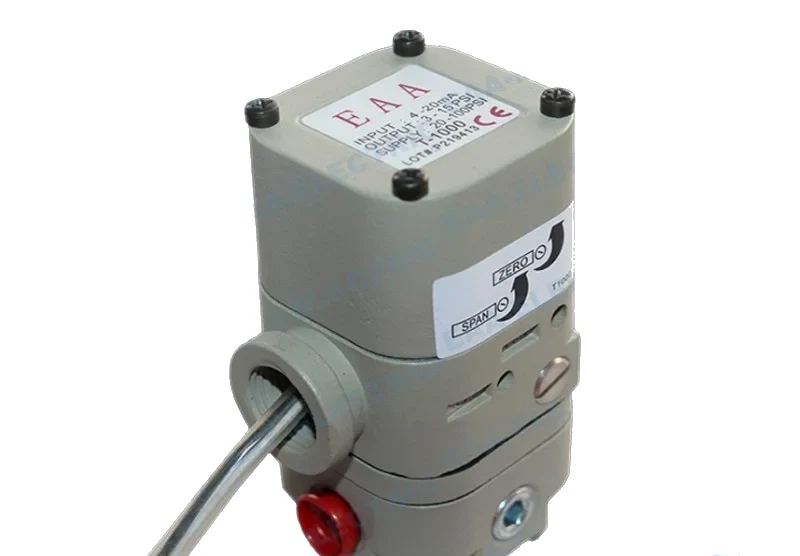
T1000 Electro Pneumatic Transducer
Force balance I/P transducer with a built-in volume booster, four build classes
View specifications →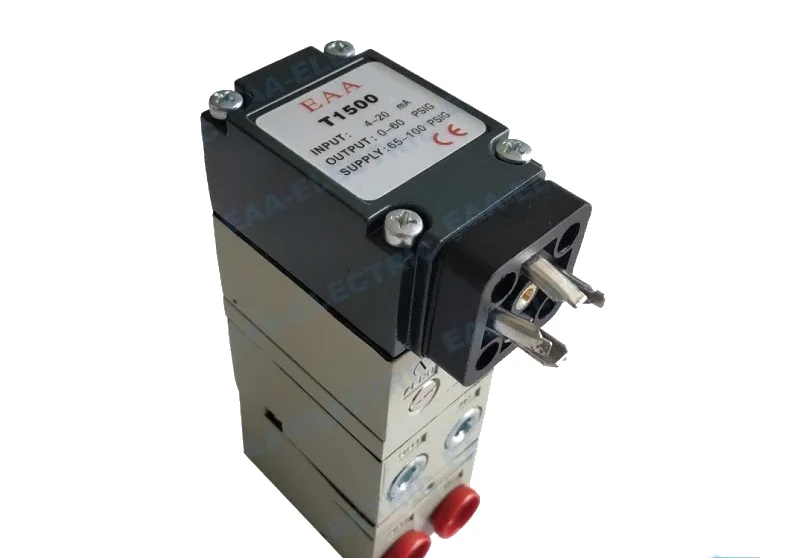 Marsh Bellofram Type Transducer
T1500 Electro Pneumatic Transducer
Compact force balance transducer, manifold mountable, 3-15 to 6-30 psig
View specifications →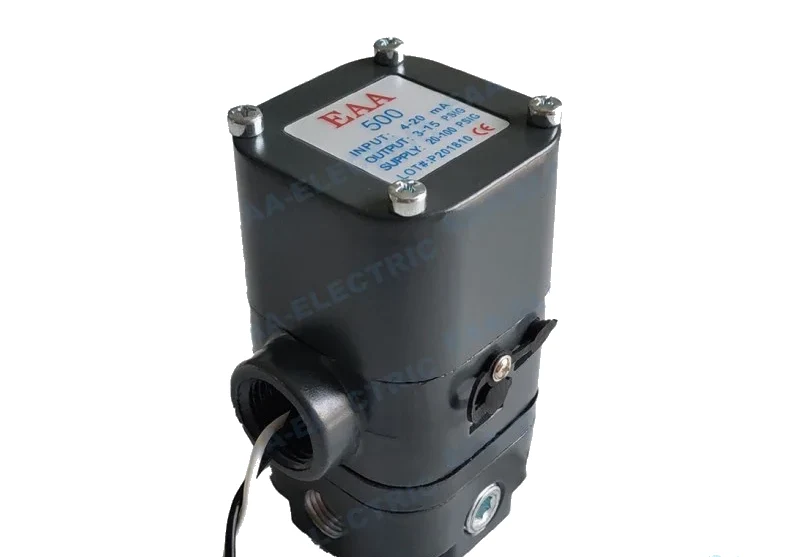 Controlair Type Transducer
500X Electro Pneumatic Transducer
Controlair pattern I/P transducer, 4-20 mA in, 3-15 to 3-120 psi out
View specifications →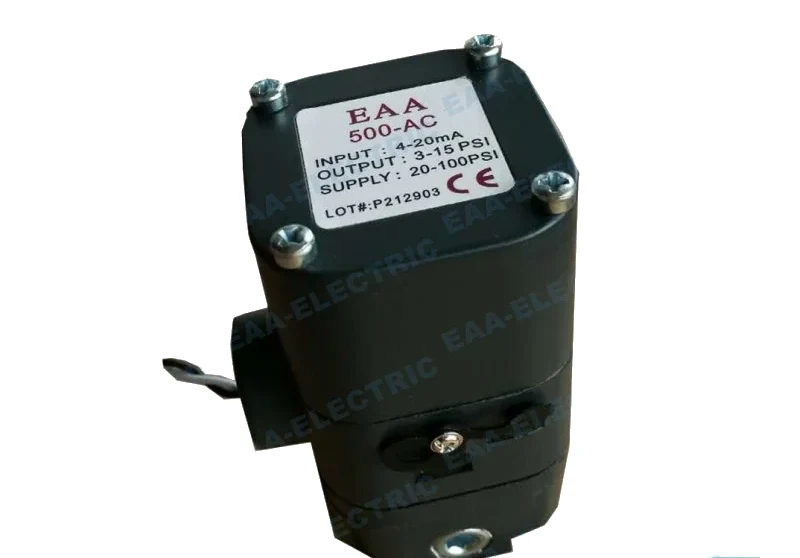 Controlair Type Transducer
500X Electro Pneumatic Converter
Controlair pattern E/P converter, 0-5 V, 1-9 V and 0-10 V inputs
View specifications →Questions About The T1500 Electro Pneumatic Converter
Why is it called zero based
Because the integral negative bias booster relay allows the unit to regulate output pressure down to 0 psig and BAR, which a conventional 3-15 psig transducer cannot do.
What output ranges are available
0-15, 0-30, 0-60 and 0-120 psig, from the same input signals as the standard build: 4-20 mA DC, 0-5 VDC, 1-5 VDC, 1-9 VDC, 0-10 VDC and 1-10 VDC.
What supply pressure does each range need
25-150 psig for the 0-15 units, 40-150 psig for the 0-30 units, 70-150 psig for the 0-60 units and 125-150 psig for the 0-120 units.
How stable is the output if the supply moves
Less than 1.7% of span change in output pressure over the full supply pressure range on the 0-120 units.
How much flow does it deliver
A minimum of 9.0 SCFM at 15.0 psig (1.0 BAR) output with a 150 psig (10.3 BAR) supply.
Request A Price For The T1500
Tell us the input signal, the output range and the electrical termination, and the quotation comes back against the published part number.