One Sets Pressure The Other Sets Position
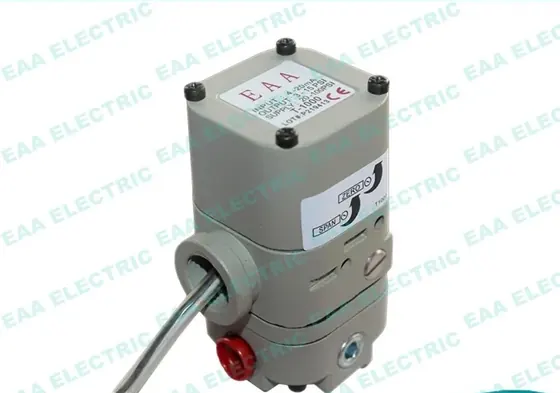
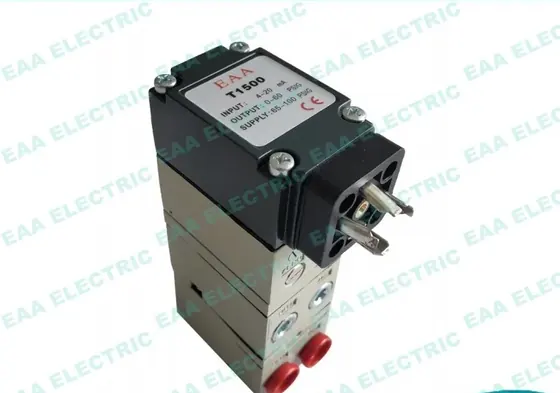
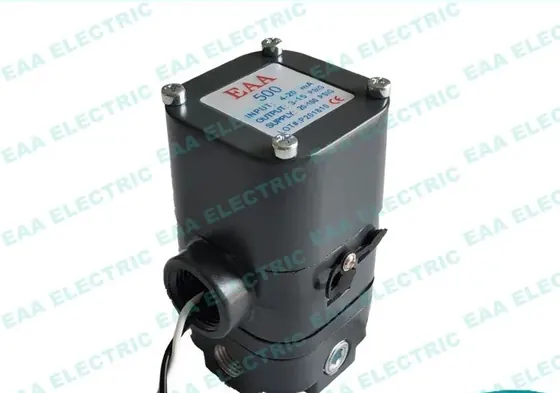
An I/P or E/P transducer converts a current or voltage input signal into a linearly proportional pneumatic output pressure. That is the whole job. Feed it 4 mA and it produces the bottom of its output range; feed it 20 mA and it produces the top. It does not know, and cannot know, what the device on the other end of that air line actually did with the pressure.
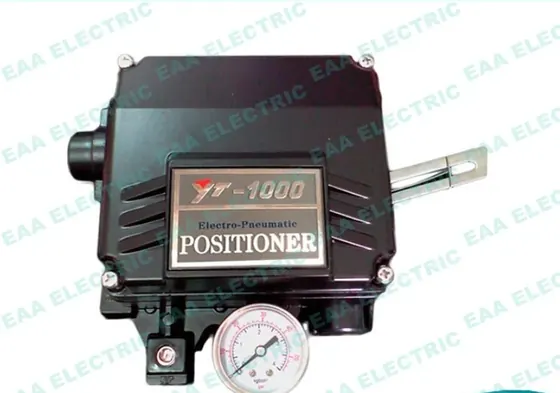
A valve positioner is a different animal. It also accepts the control signal, but it reads the actual position of the actuator back through a mechanical linkage and keeps changing the output air until the stem arrives at the demanded position. The loop closes at the valve rather than in the control room.
That difference decides which one you should be ordering, and getting it wrong is the most common mistake we see on enquiries.
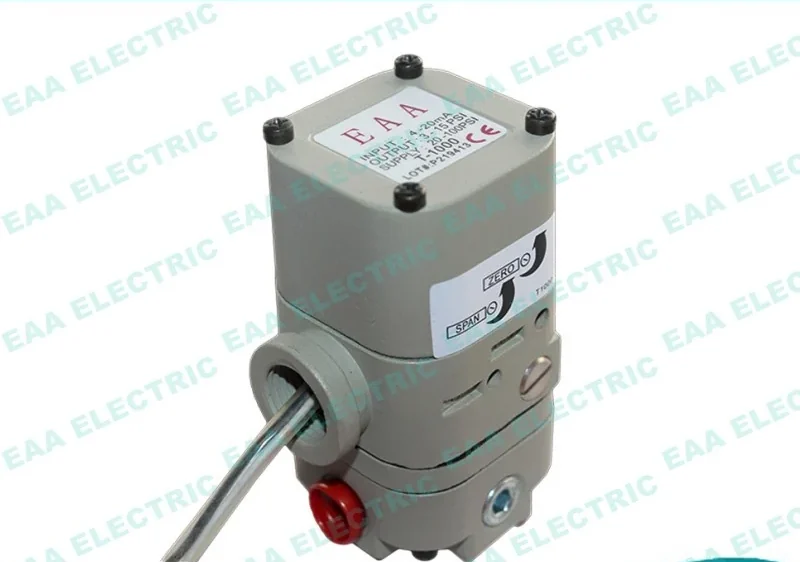
See T1000 Electro Pneumatic Transducer
How To Tell Which Your Loop Needs
If your valve reaches the correct air pressure but sits in the wrong place, you need a positioner. Pressure-only control cannot correct for packing friction, for thermal growth in a hot valve, or for unbalanced process force pushing on the plug, because none of those effects are visible to a device that is only setting a pressure.
If the device on the end of the air line has no position to report in the first place, a transducer is the right answer. Damper and louver actuators, air cylinders, clutches and brakes, and pneumatic relays all take a pressure signal and there is nothing to feed back.
A useful rule of thumb: if a technician can tell you the valve is at sixty percent open and that number matters to the process, you want a positioner. If what matters is that a cylinder is being pushed with a certain force, you want a transducer.
Cases Where You Need Both
There is one case where both belong on the same valve. If a purely pneumatic positioner is already fitted and the control system has since been changed to an electronic output, a transducer converts the new 4 to 20 mA signal into the air signal the existing positioner expects. That is a normal retrofit and it saves replacing a positioner that is otherwise working.
The reverse case is more common with us. Where a plant has a transducer feeding an actuator directly and the loop will not hold position, the fix is usually to fit an electro pneumatic positioner, which takes the 4 to 20 mA signal directly and makes the separate transducer unnecessary.
Send a photograph of the valve, the actuator nameplate and whatever instrument is fitted today, and tell us what the loop is doing wrong. That is normally enough for us to say which of the two you need, and which model in our range matches your mounting.
What To Send Us
We would rather tell you that you do not need the more expensive device than sell you one that will not fix the problem.