 Request a quote
Request a quote
Request a quote

Knowledge base
Twelve guides covering the biology, the machinery and the economics of turning food waste into compost.
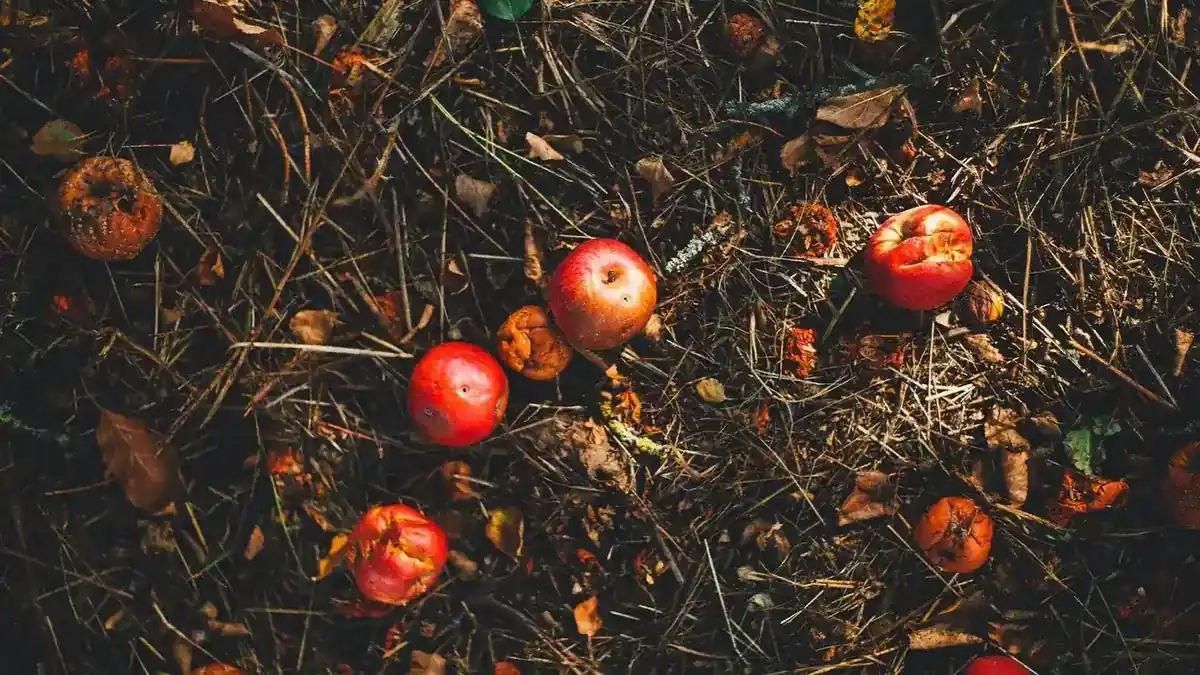
Why compost is returning to the centre of sustainable agriculture, how it compares with chemical fertiliser, and where a machine changes the economics.
Read the guide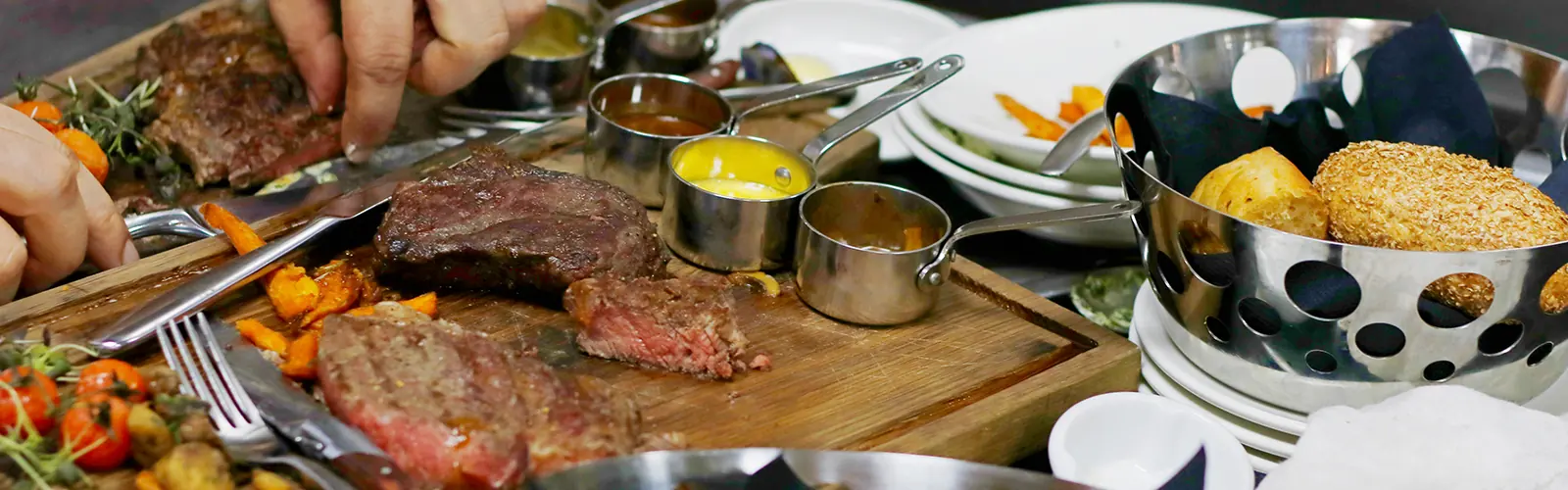
What sustainability means for hotels and F&B operators, the pressures the sector faces, and why food waste is the practical place to start.
Read the guide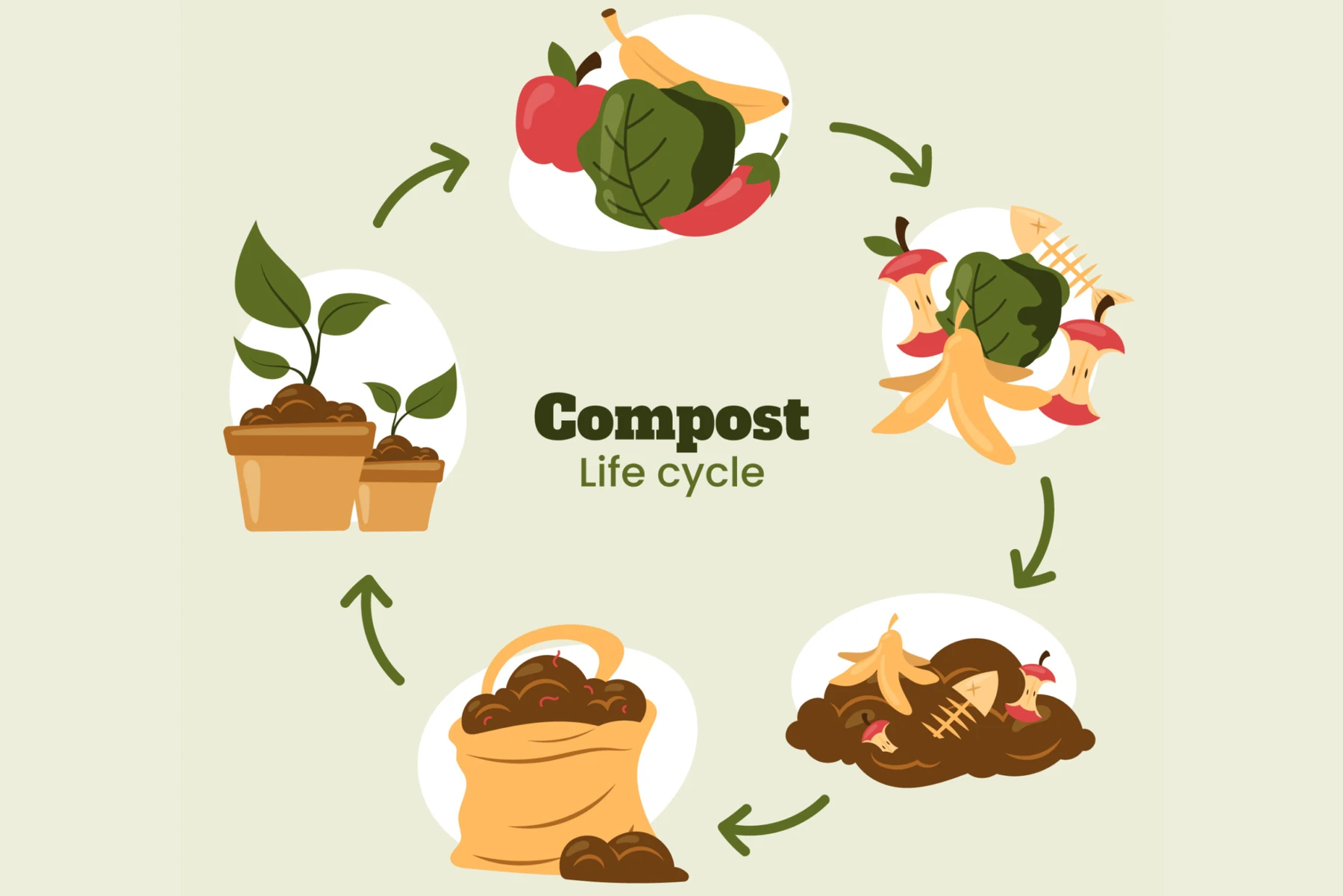
The scale of the food waste problem, how machines of different sizes address it, and the economic case alongside the environmental one.
Read the guide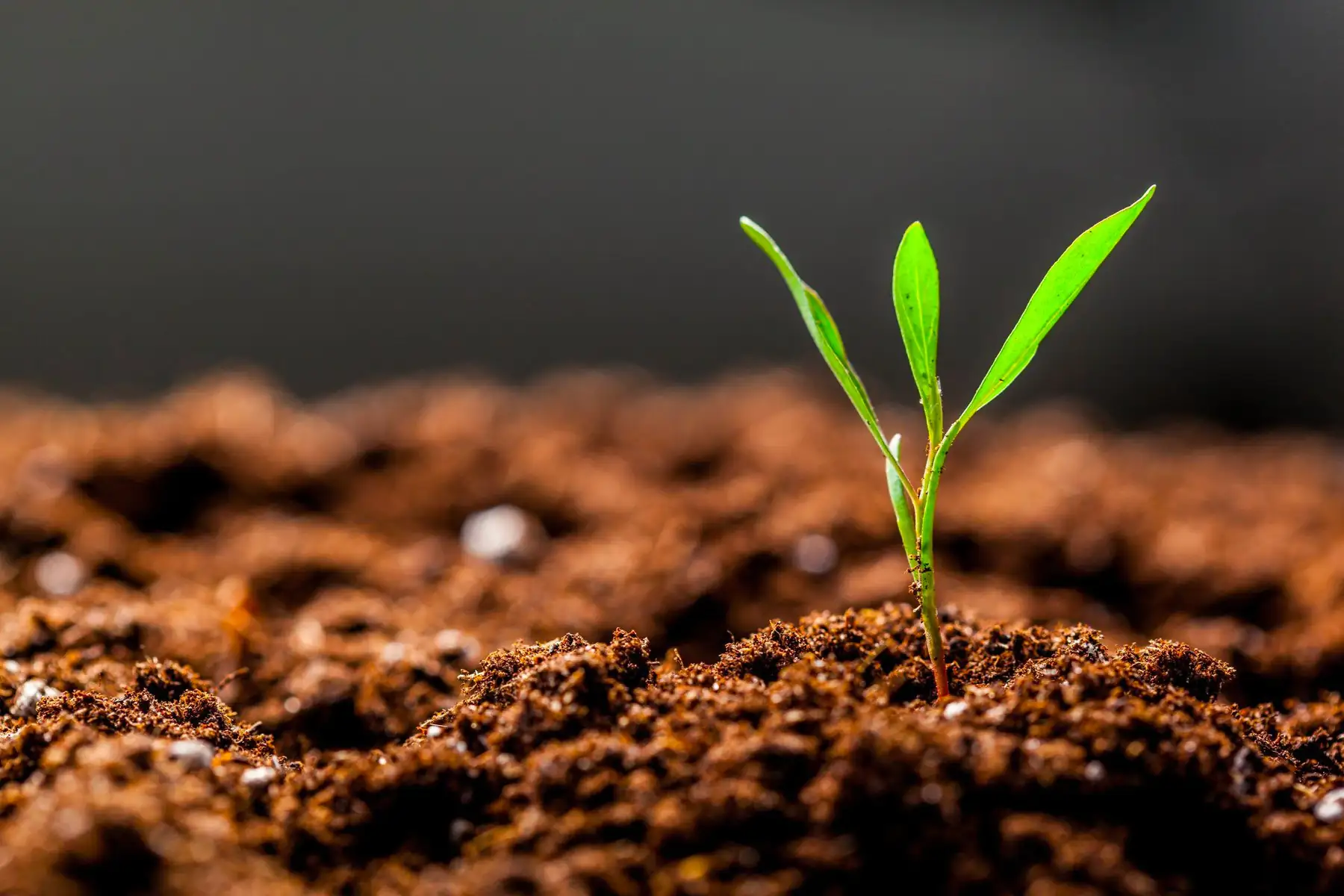
Why organic waste management matters, and the difference between compostable and biodegradable packaging that trips up most waste policies.
Read the guide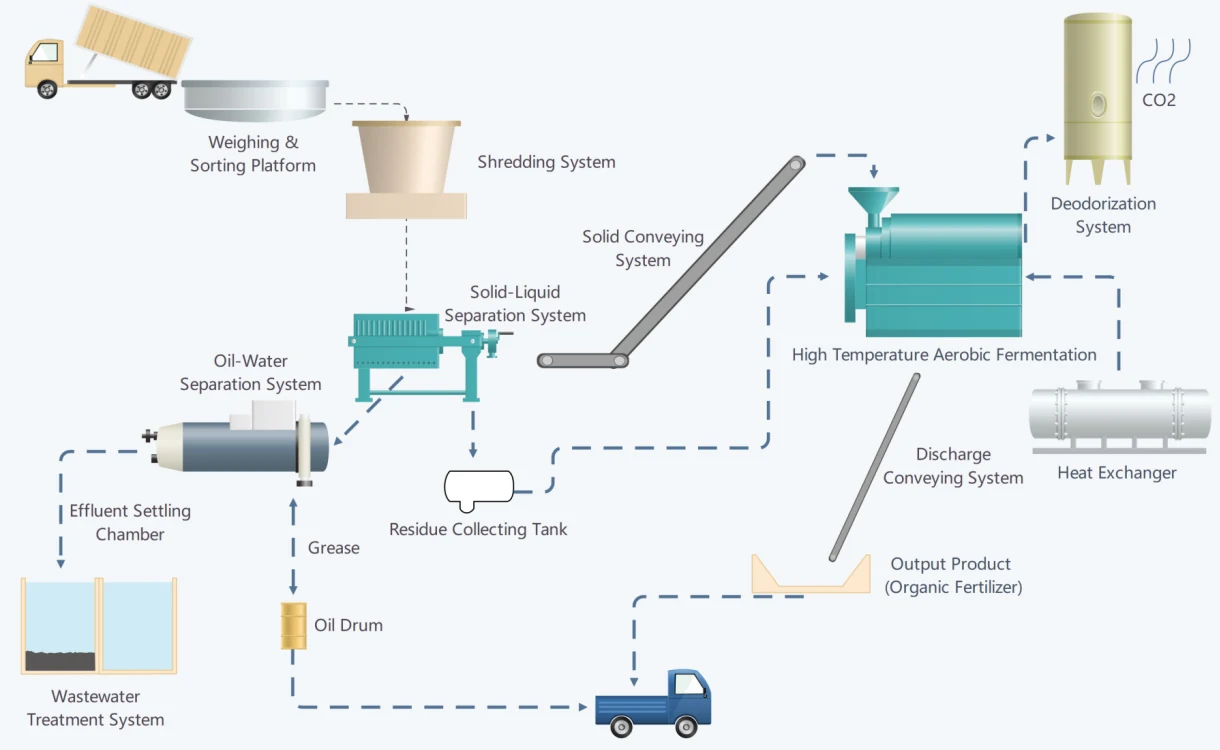
A step-by-step account of the conversion: hopper, shredder, bio-culture, fermentation tank, and the retention times for pre-compost and dry compost.
Read the guide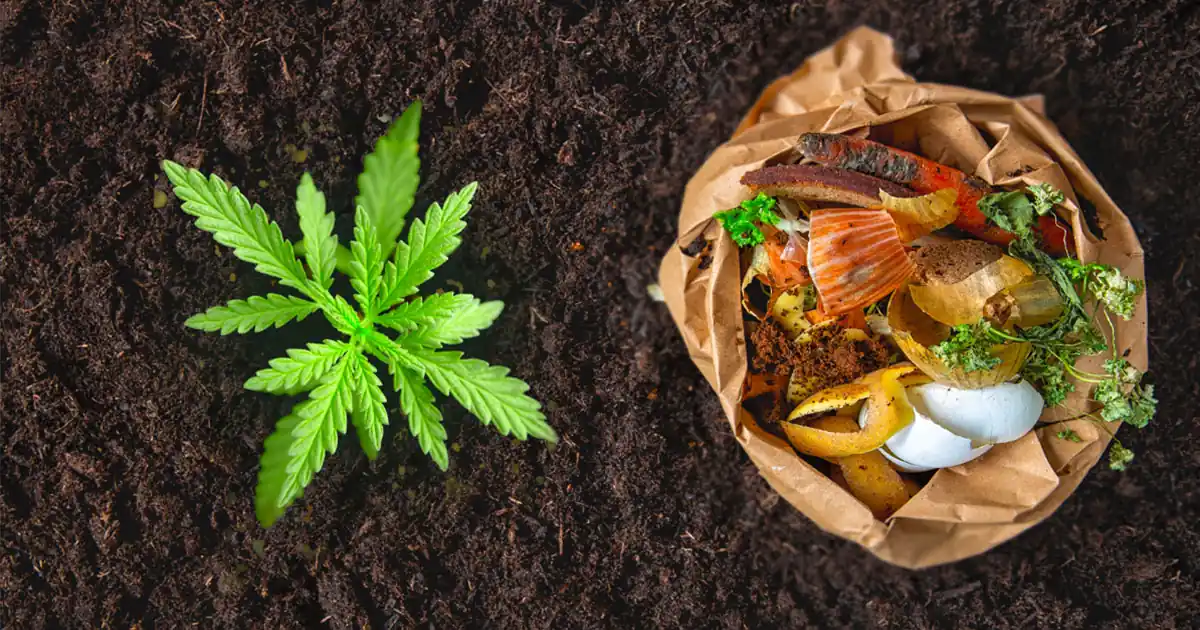
What is inside a fully automatic composter — shredder, humidity sensor, heater, mixing blades, moisture control, ventilation — and the safety features.
Read the guide
The three biological stages of the composting cycle and why the middle one — the temperature rise — is the stage that needs watching.
Read the guide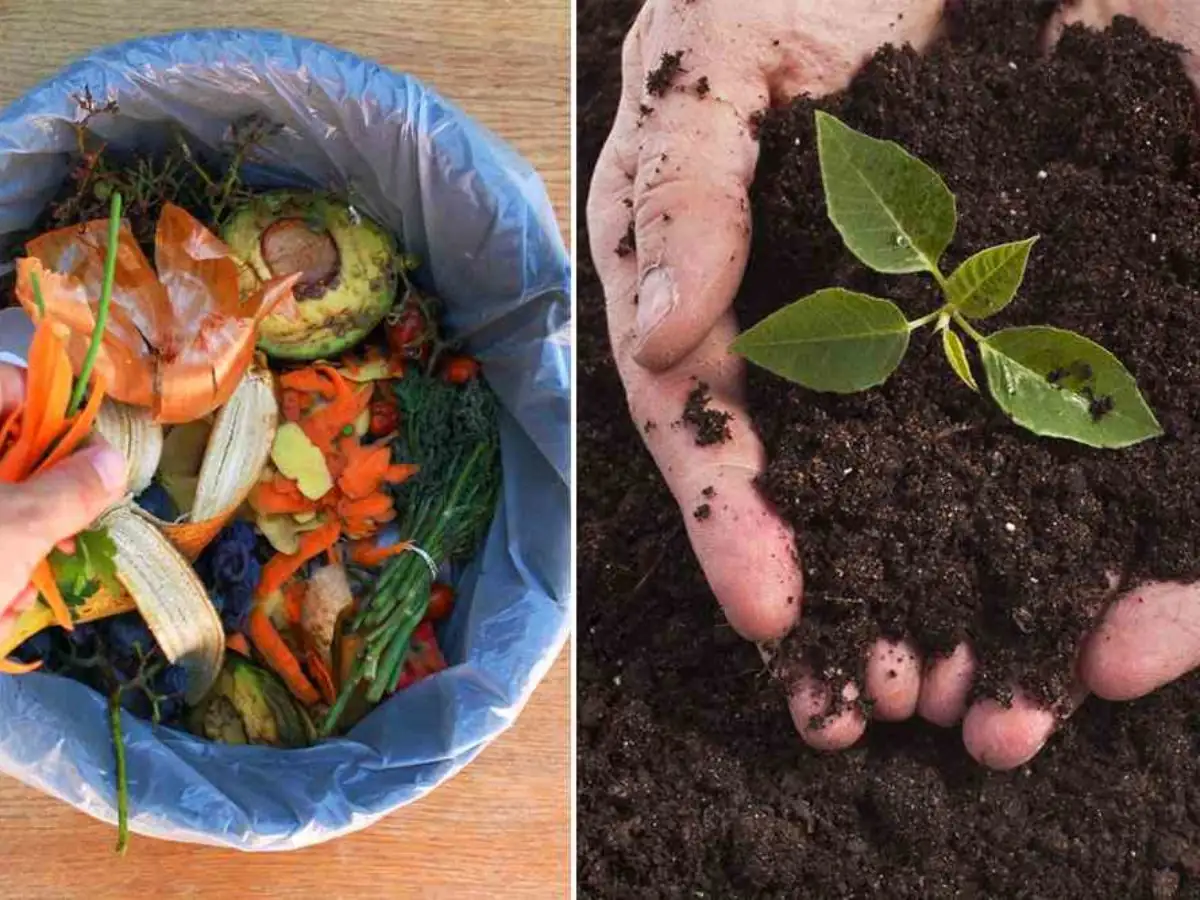
What compost returns to soil, why microbial activity matters as much as the nutrients, and how that connects to ecosystem diversity.
Read the guide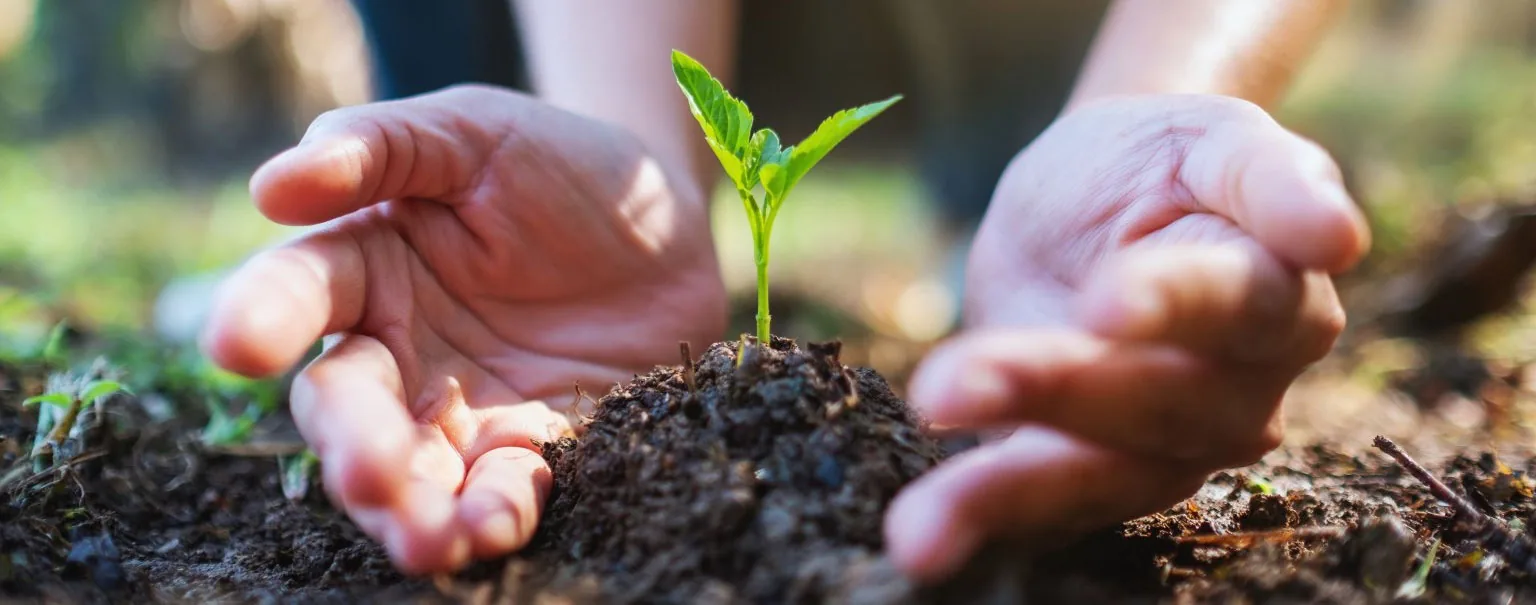
The moisture-evaporation stage and the microbial stage, and why together they give 85–90% volume reduction without crushing or grinding noise.
Read the guide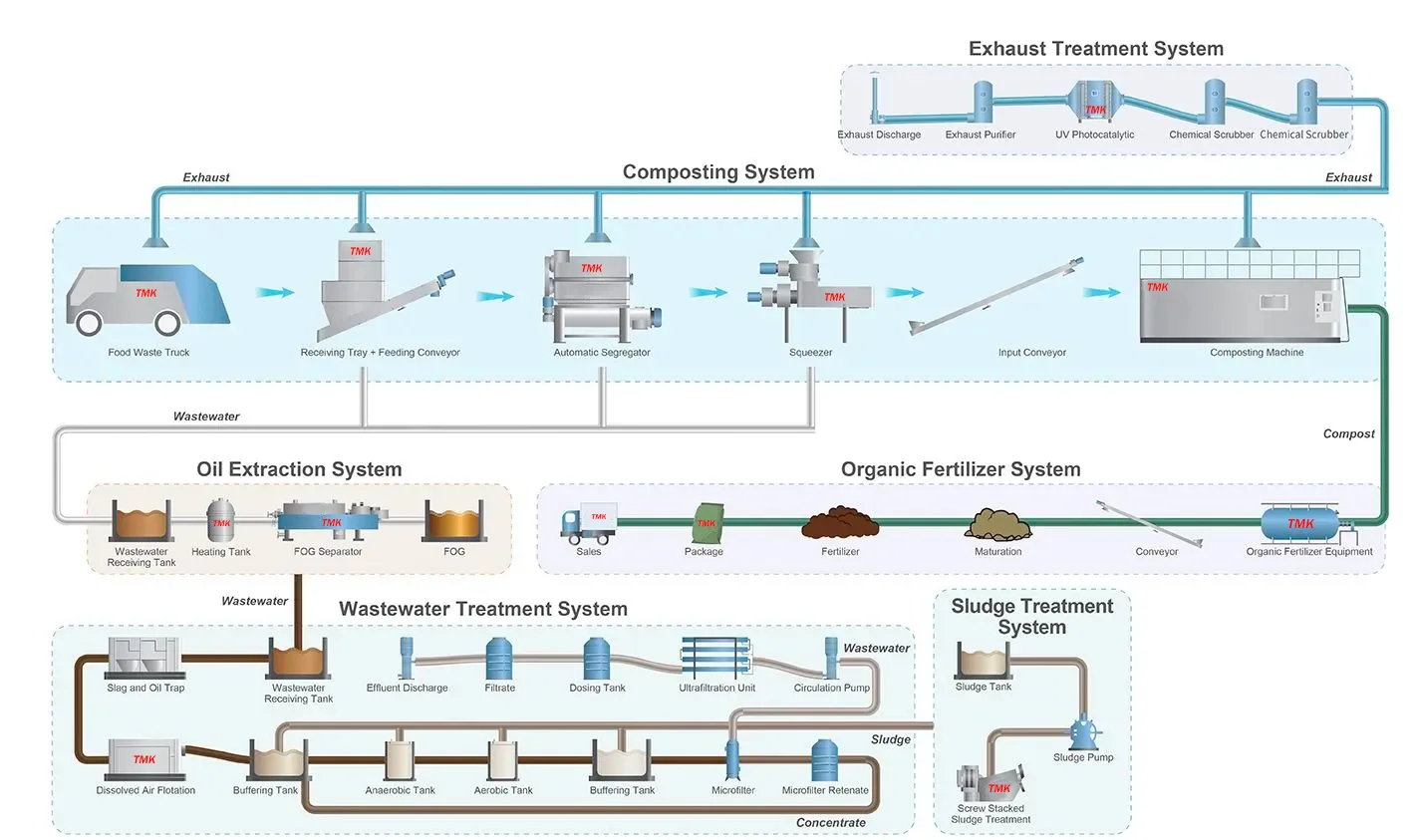
How a municipal-scale facility is put together, from the sorting belt to the 21-day maturation period, and the weekly compost tonnage it produces.
Read the guide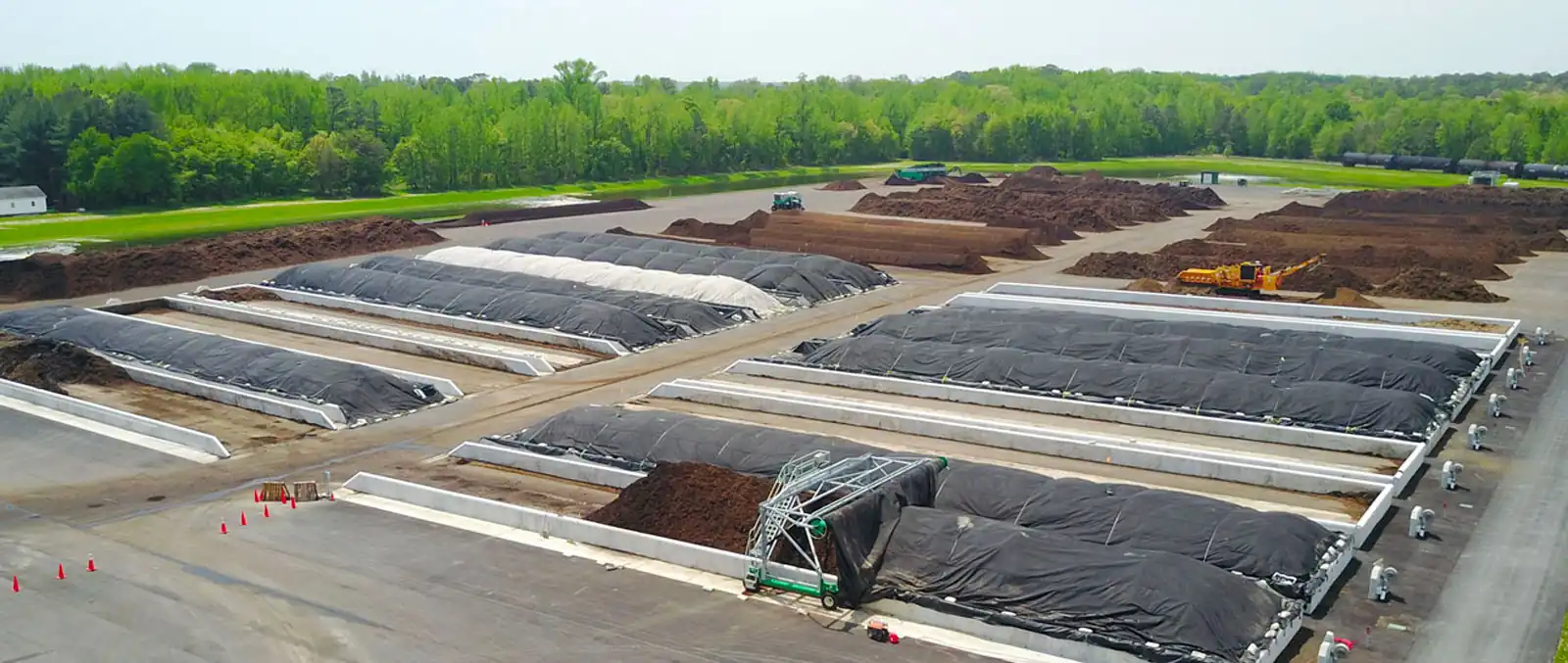
Why organics dominate municipal solid waste, what a compost pile actually needs, and how commercial facilities industrialise it.
Read the guide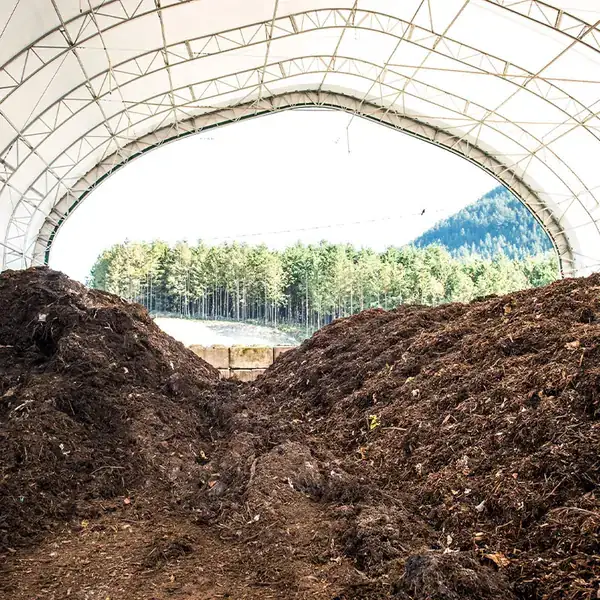
Segregation, shredding and dewatering — the functions of a composting machine that buyers usually discover only after installation.
Read the guideTalk to an engineer
Tell us what waste you produce and we will tell you honestly whether an on-site machine is the right answer for it.