 Request a quote
Request a quote
Request a quote
Solution
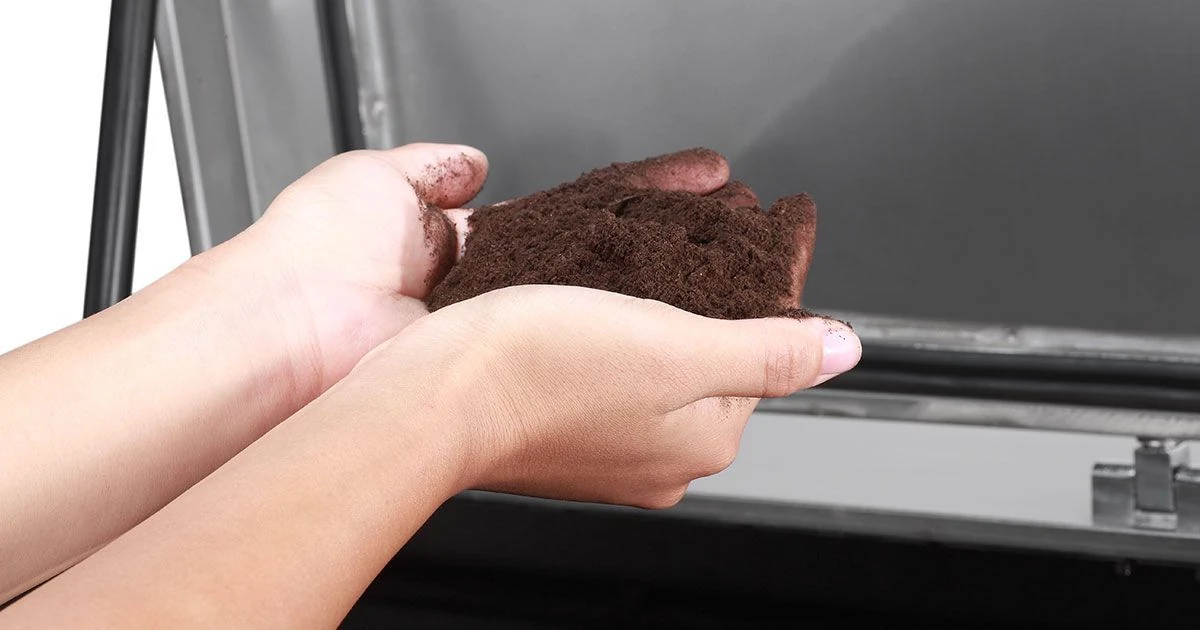
Upcycle food waste to bio-fertiliser where it is produced, removing collection costs and the carbon that goes with them.
A conventional food waste route is store, chill, collect, haul, tip. TMK’s on-site solution replaces four of those five steps with a machine in the building. TMK states the approach removes expensive waste collection costs and dramatically reduces carbon footprint.
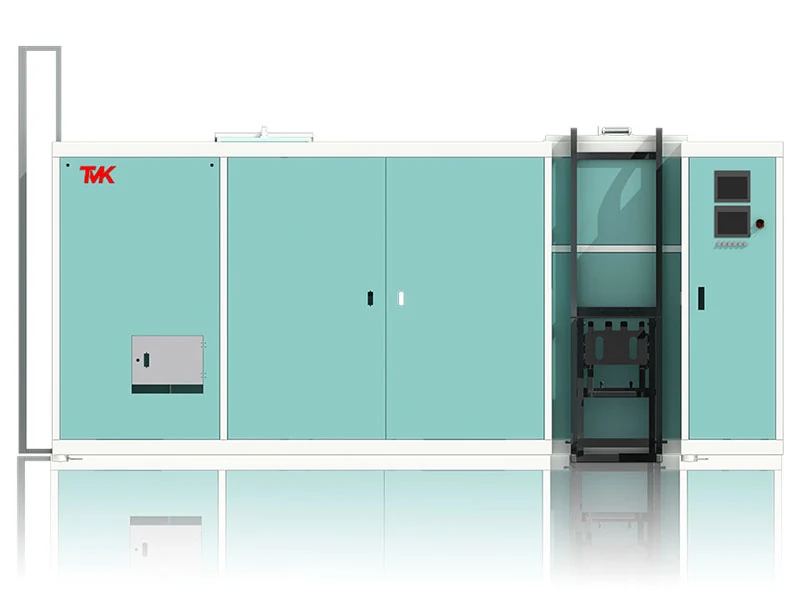
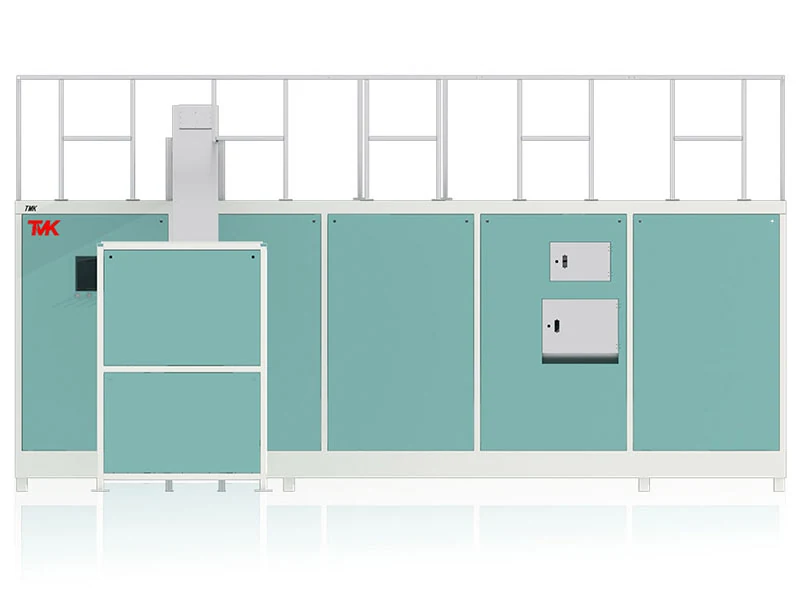
Waste is loaded through a hopper. A shredder reduces particle size, because the smaller the feed size the faster the conversion. Bio-culture — a mixture of naturally occurring bacteria, fungi and enzymes — is added along with an absorbent such as sawdust or dry leaves. The material then enters a horizontally aligned fermentation tank driven by gear motors.
Pre-compost is obtained in one day; dry compost in six to seven days. Adding sawdust decreases the curing time. The bio-culture also treats the waste so it is free from pathogens, foul smells and weed seeds, while preserving the nutrients and organic matter already in the waste.
Machines are installed in businesses where food waste is produced: restaurants, hotels, hospitals, prisons, factories, food processing facilities, schools and institutions, gas and oil camps and military bases.
Equipment
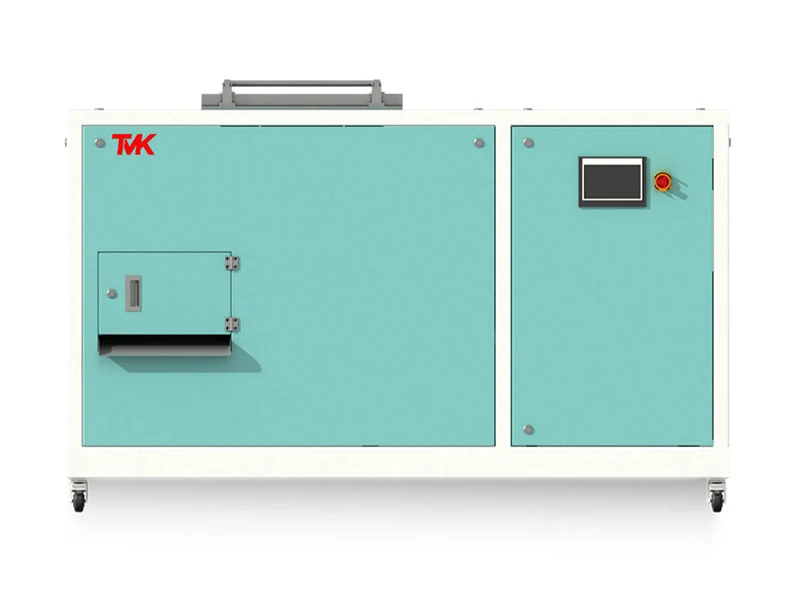
The smallest machine in the TMK range. It takes 50–60 kg of food waste a day — about 20 tonnes a year — and is sized for managed res…
View specifications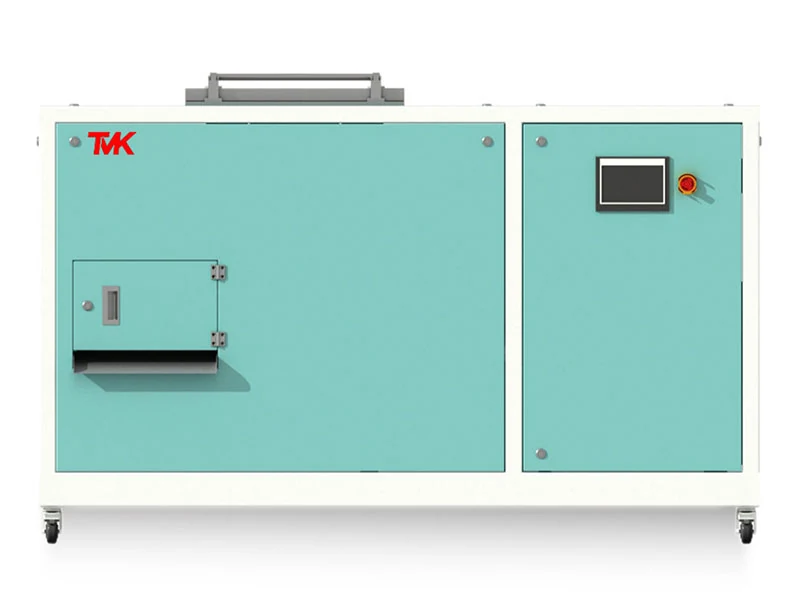
Double the daily throughput of the TMK-50 in a cabinet only 230 mm wider. With a capacity to process 40 tonnes of food waste a year,…
View specifications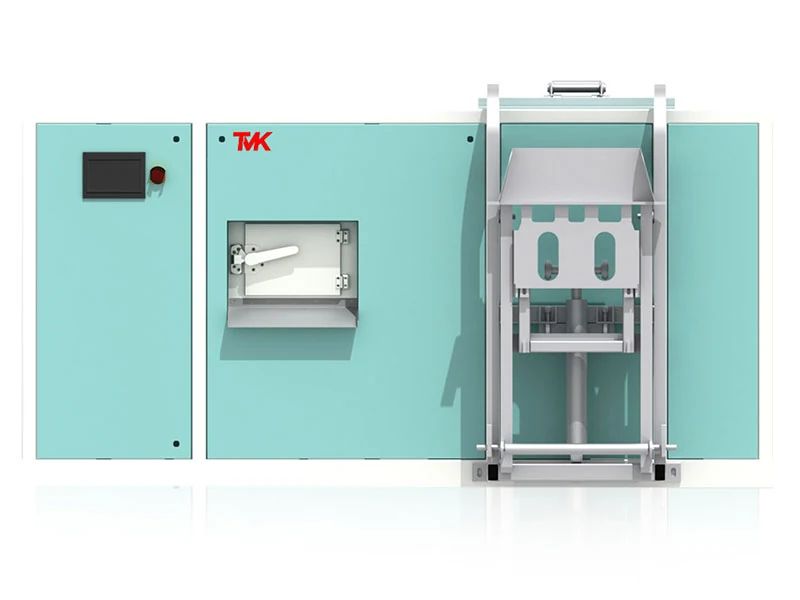
The starting point of TMK’s high-capacity machines. At 300 kg a day — 110 tonnes a year — it is built for large managed communities,…
View specificationsTalk to an engineer
Describe the site, the daily tonnage and the constraints. We will tell you what the line needs to contain before anyone quotes a machine.