 Request a quote
Request a quote
Request a quote
Manufacturer, not a reseller
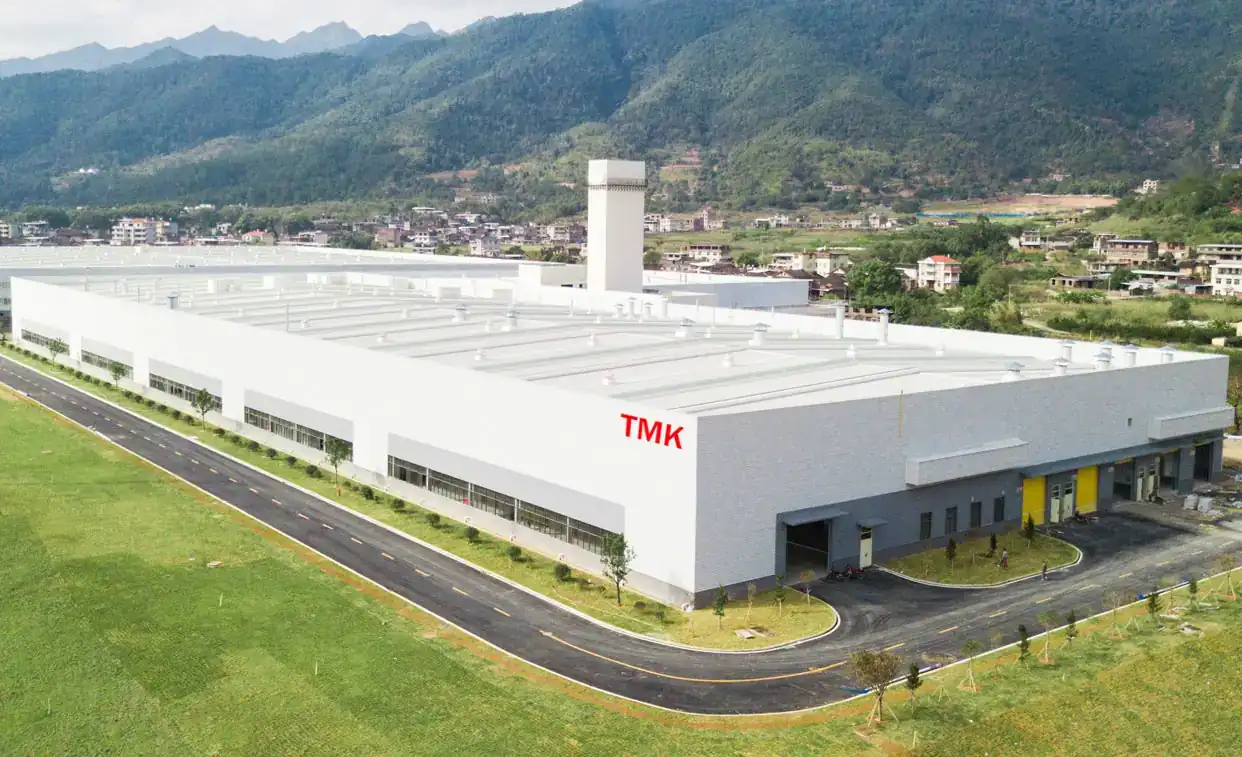
TMK builds on-site composting machines from 50 kg to 5,000 kg a day and ships them from our own plant in China to operators across five continents.
Up to 30 tonnes a day
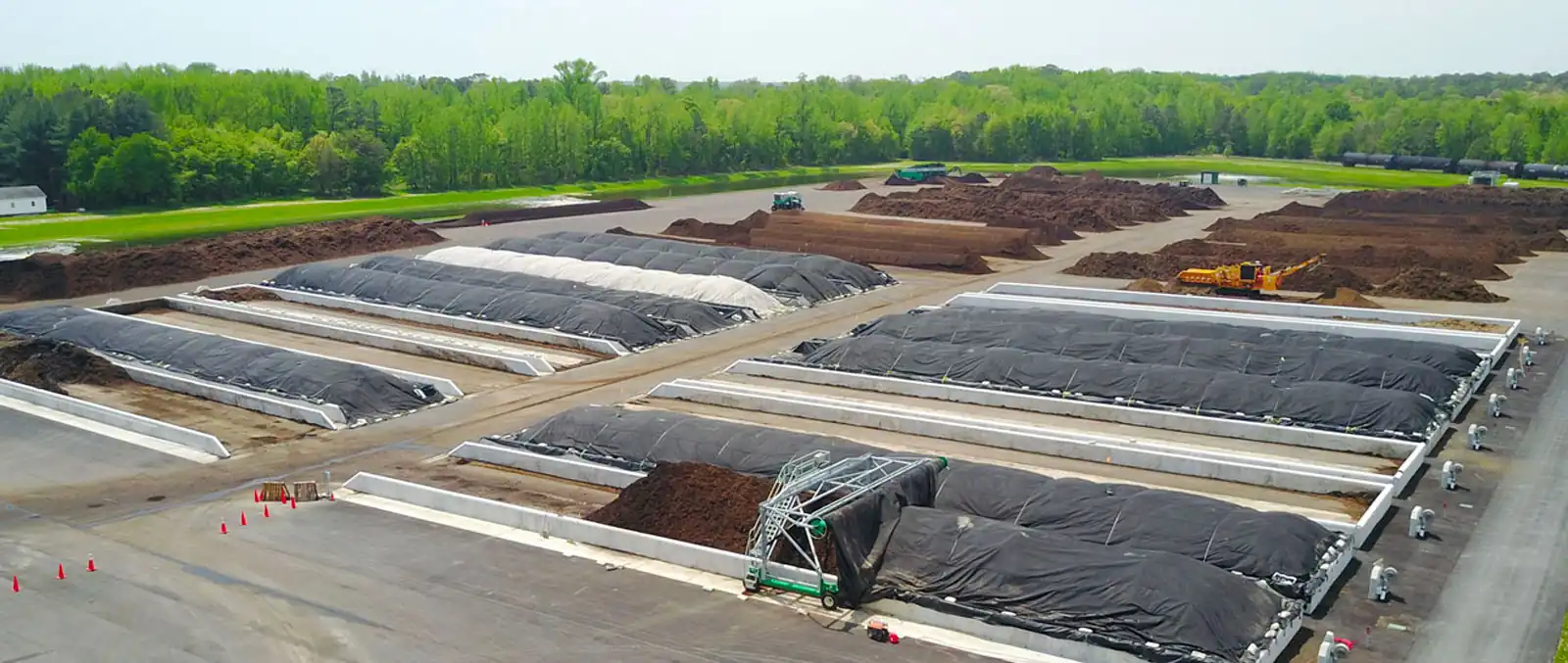
Sorting belt, shredder, separator, composting machines, wastewater treatment and odour control — designed together instead of bolted together.
80–90% volume reduction
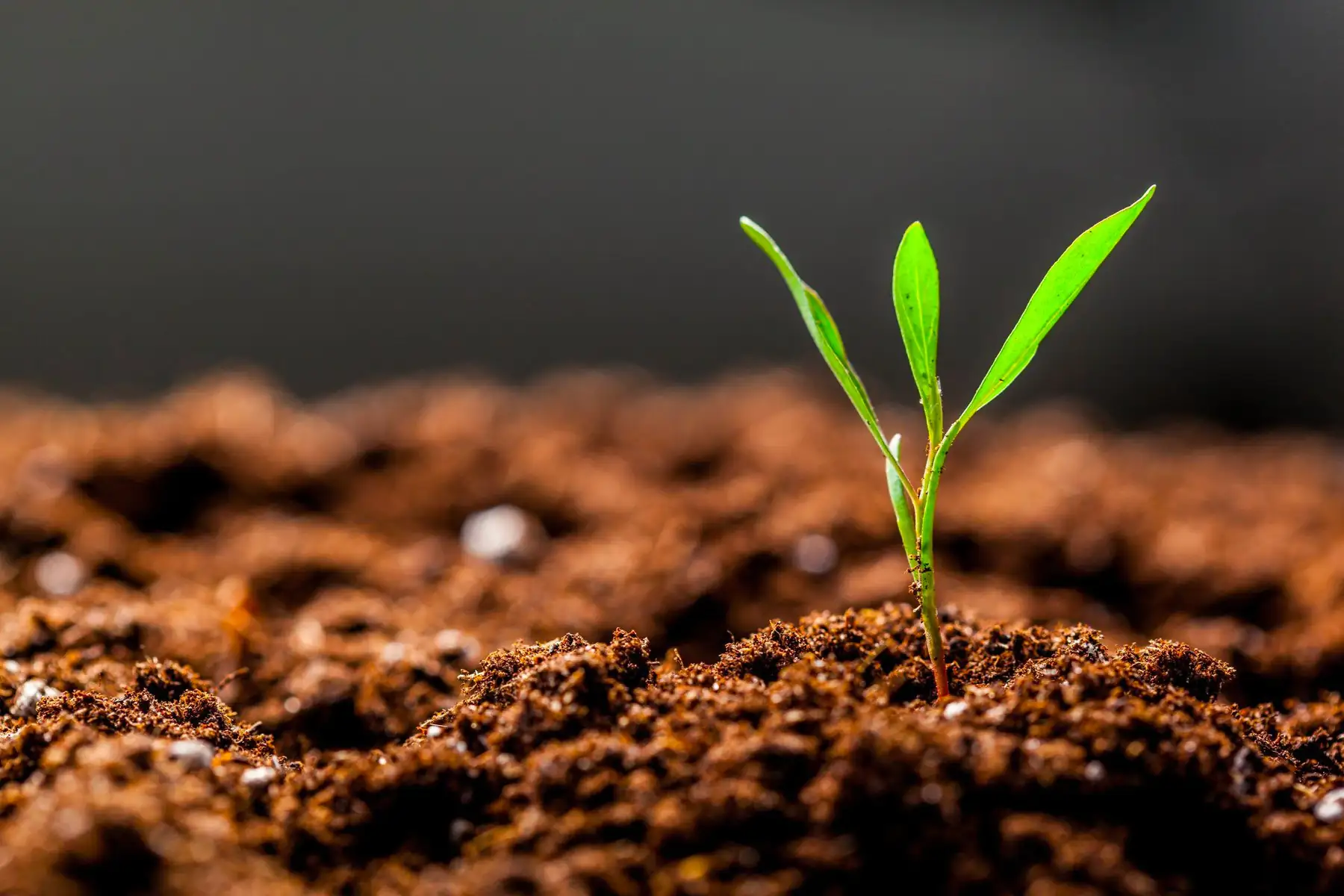
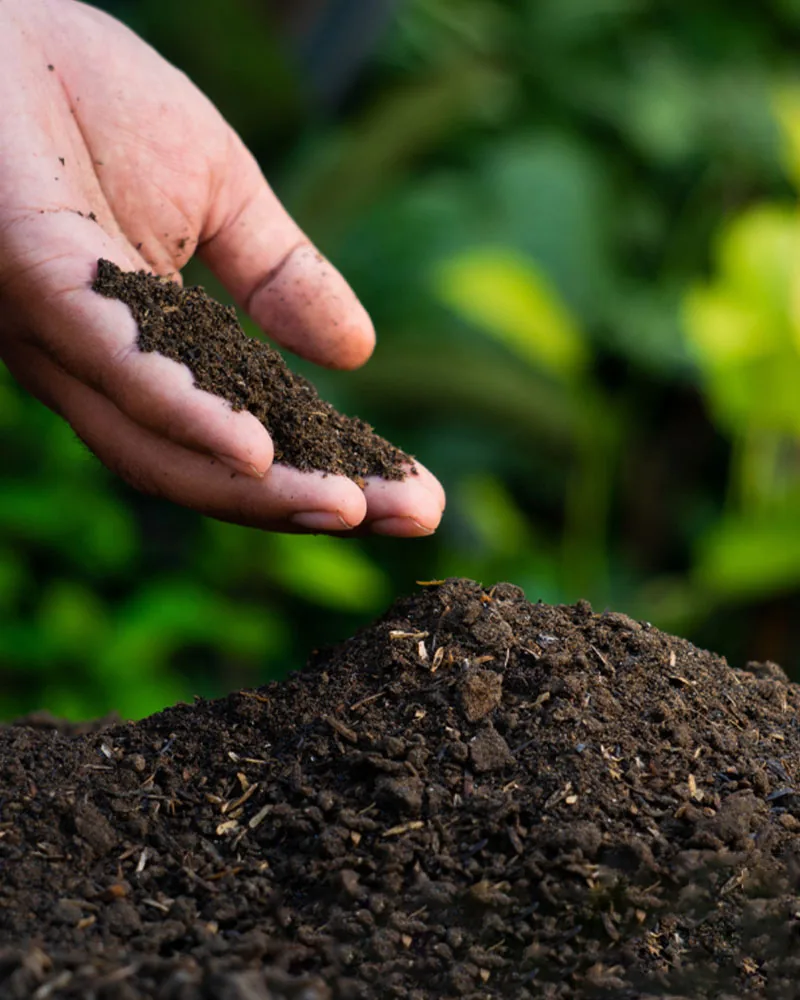
No greywater discharge, no harmful gases. What comes out is a nutrient-rich compost you can use on fruit, vegetables and flowers.
What we do
TMK reduces, recycles and rejuvenates organic waste. Three activities sit behind that: pre-treating waste so it can be processed, composting it in 21–24 hours, and — where the feedstock allows — converting it to animal feed instead of soil amendment.
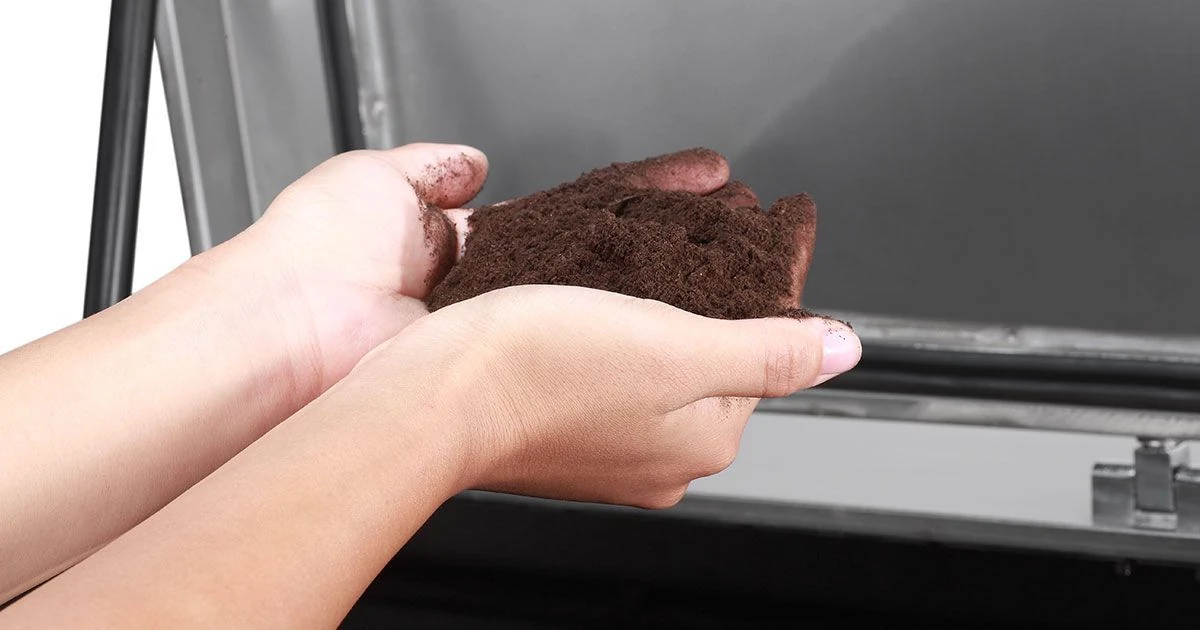
Our composting machines process food waste into organic fertiliser. It only needs 24 hours to make waste profitable, and the final product can be used for growing fruit, vegetables and flowers. Utilising microbial technology, the machines reduce waste volume by up to 90%, decrease disposal costs, and create a nutrient-rich, reusable end product.
Machine range
Sizing starts with the heaviest 24 hours of a normal week, not the average. Everything below runs the same 21–24 hour cycle — what changes is throughput, supply and footprint.
Cabinet-sized composters that sit in a back-of-house area and take the day’s food waste as it is produced. Single- or th…
Browse machines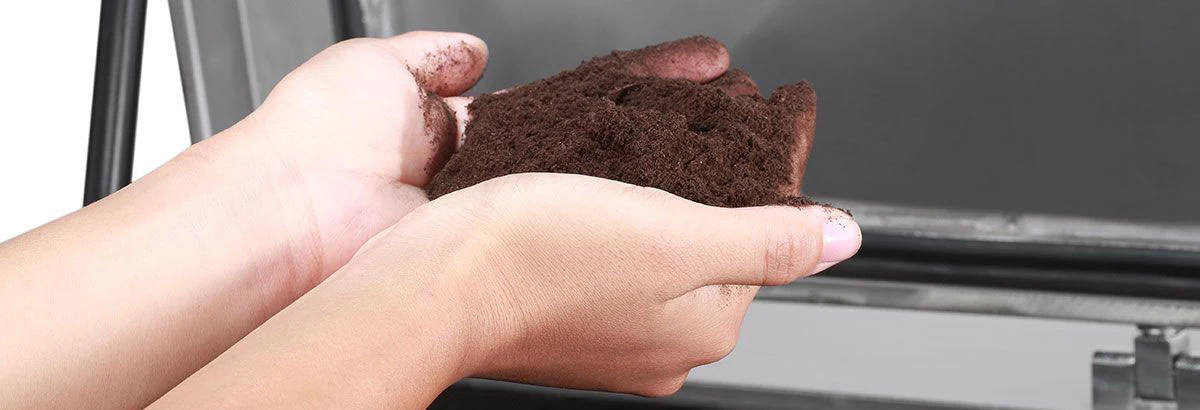
Floor-standing machines for sites that measure food waste in hundreds of kilograms a day: shopping centres, hotel groups…
Browse machines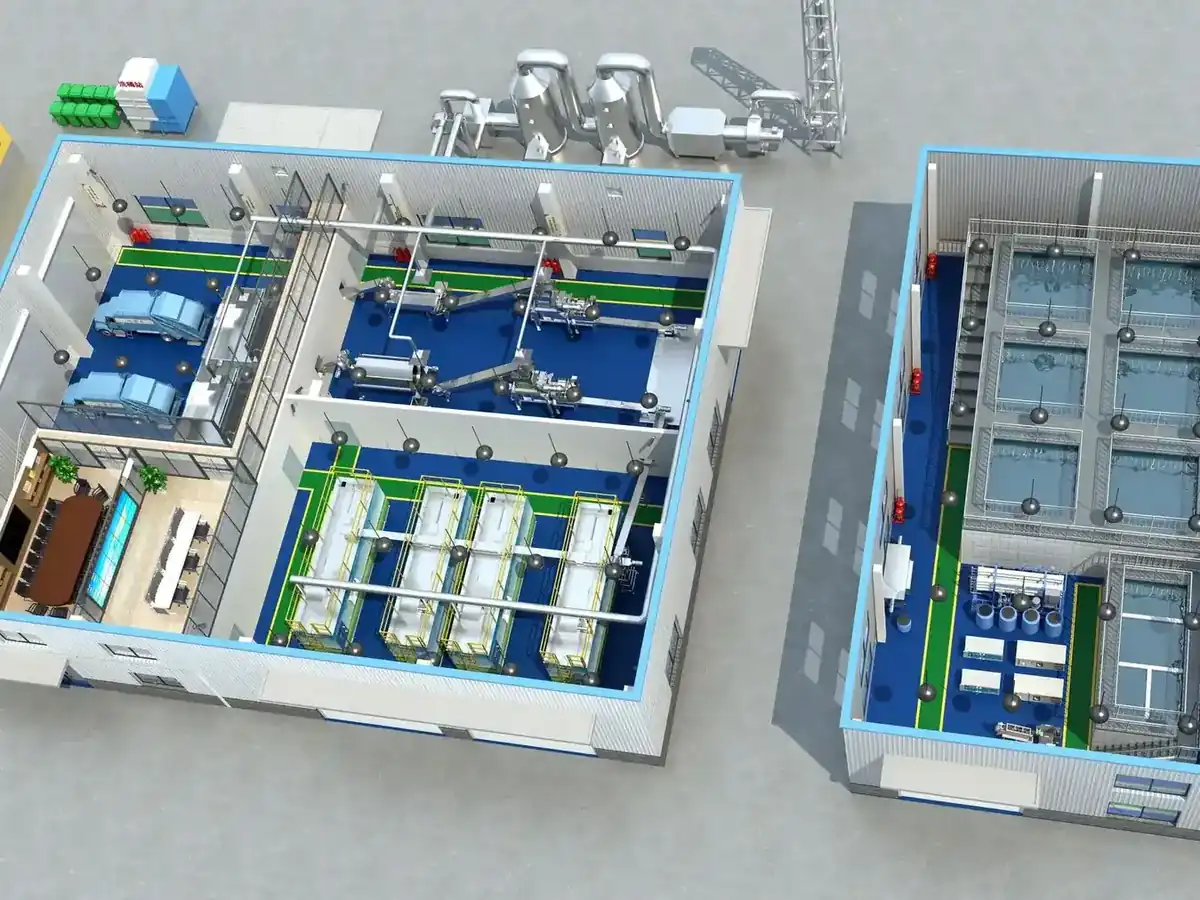
The TMK-5000 and multi-machine plants for municipalities, military bases and waste operators, including pre-treatment, o…
Browse machines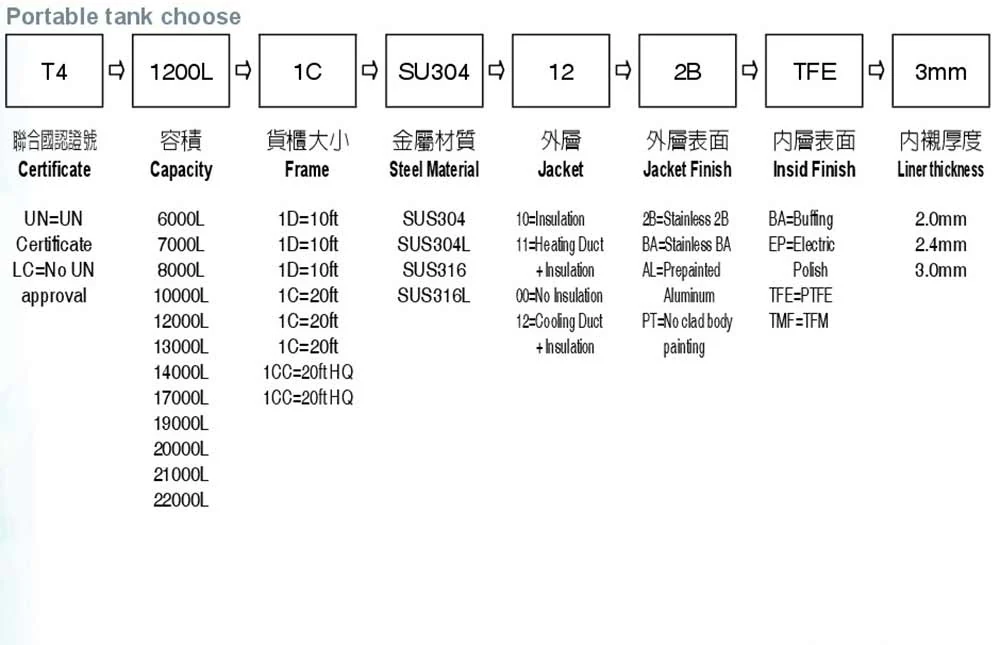
Stainless-steel ISO tank containers built to international standards for intermodal movement of bulk liquids by road, ra…
Browse machinesEvery machine
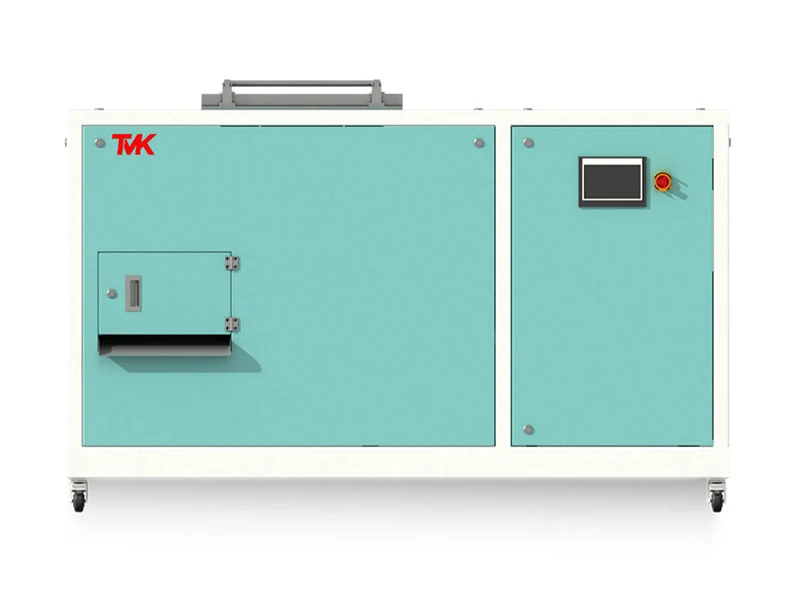
The smallest machine in the TMK range. It takes 50–60 kg of food waste a day — about 20 tonnes a year — and is sized for managed res…
View specifications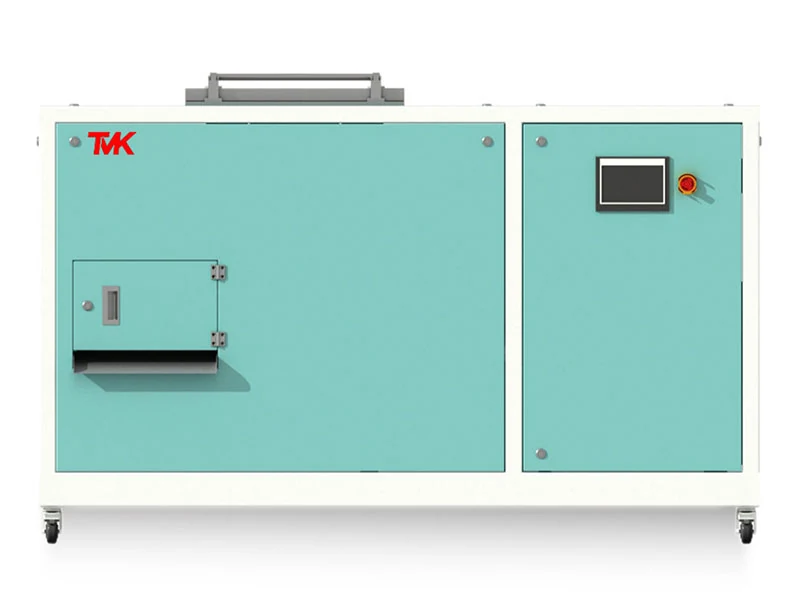
Double the daily throughput of the TMK-50 in a cabinet only 230 mm wider. With a capacity to process 40 tonnes of food waste a year,…
View specifications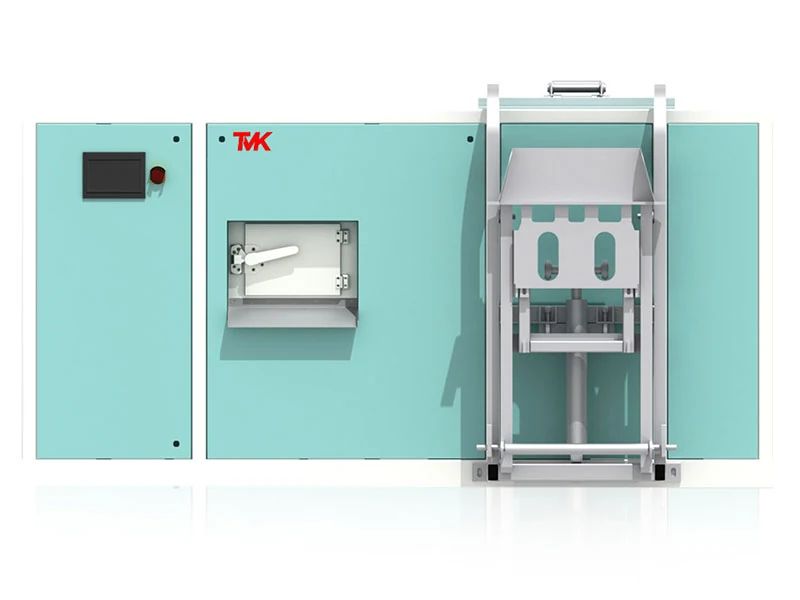
The starting point of TMK’s high-capacity machines. At 300 kg a day — 110 tonnes a year — it is built for large managed communities,…
View specifications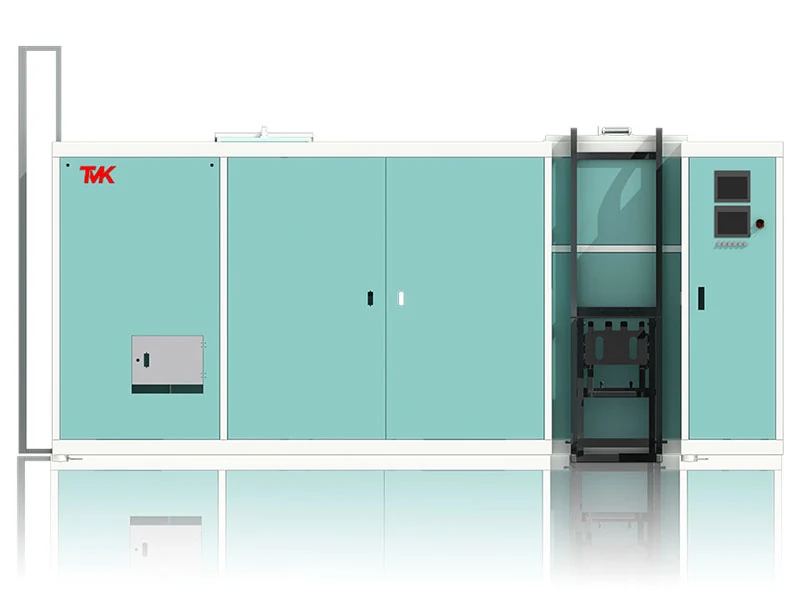
A machine with a large appetite: one tonne of organic waste a day, 365 tonnes a year. TMK positions it for commercial buildings, lar…
View specifications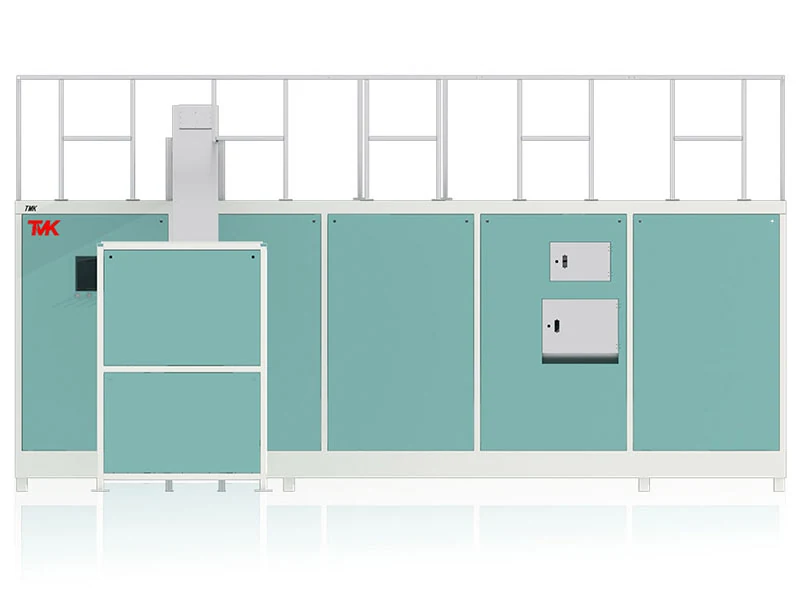
The largest of TMK’s standard composting machines: 5,000 kg a day, 1,825 tonnes a year. It is built for large-scale producers of foo…
View specificationsA stainless-steel vessel built inside a strong steel frame for the safe storage and transport of bulk liquids. Certified to meet int…
View specificationsComposting technology
Our innovative technology allows for an automated and odourless composting process. Utilising microbes, heat, humidity, agitation and airflow, food waste is transformed into nutrient-rich compost in only 24 hours, with a volume reduction of 80–90%.
TMK machines speed up the natural composting process to a 24-hour, energy-efficient and automated process. Microbes, heat, humidity, agitation and airflow do the work.
The chamber has internal rotating arms for mechanical agitation and an oil jacket for heating and insulation, so temperature is held without direct flame or element contact.
TMK’s composting technology uses microbes to speed up the breakdown of waste and achieve a volume reduction of 80–90%.
The temperature of the tank is raised to a minimum of 70 °C consistently for one hour, which TMK states kills 97.3–99.99% of harmful pathogens and bacteria.
Machines can be equipped with various deodorisers using odour-filtering technologies to eliminate any smells associated with the composting process.
There is no greywater discharge and no harmful gases. The output is a nutrient-rich compost that can be used for various horticultural applications.
Industries
The machine is the same. What changes is the feedstock, the shift pattern and the regulation you are composting against.
Knowledge
Why compost is returning to the centre of sustainable agriculture, how it compares with chemical fertiliser, and where…
Read the guide
What sustainability means for hotels and F&B operators, the pressures the sector faces, and why food waste is the prac…
Read the guide
The scale of the food waste problem, how machines of different sizes address it, and the economic case alongside the e…
Read the guideTalk to an engineer
Send the daily kilogram figure, the type of waste and your electrical supply. We will come back with the machine that fits and what it costs to run.