
Organics dominate the waste stream
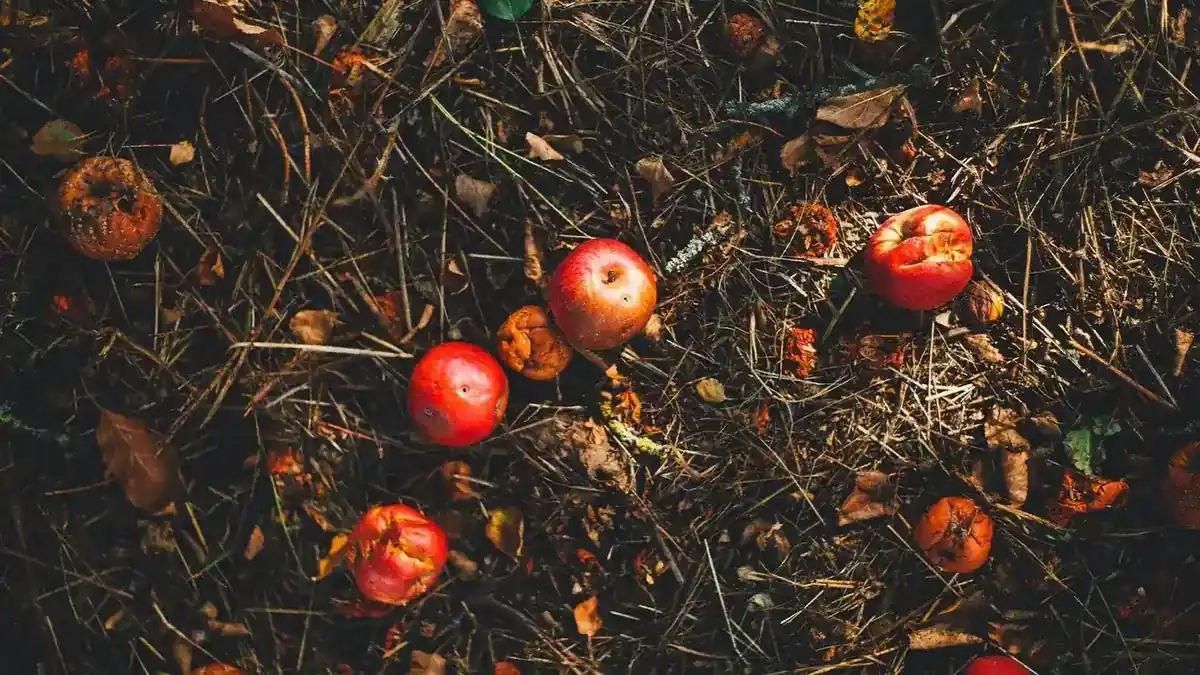
Organics remain the largest single component of municipal solid waste. Their decomposition is fast compared with petroleum-based materials such as plastic, but the sheer amount poses a challenge for cities trying to divert food waste.
What composting needs
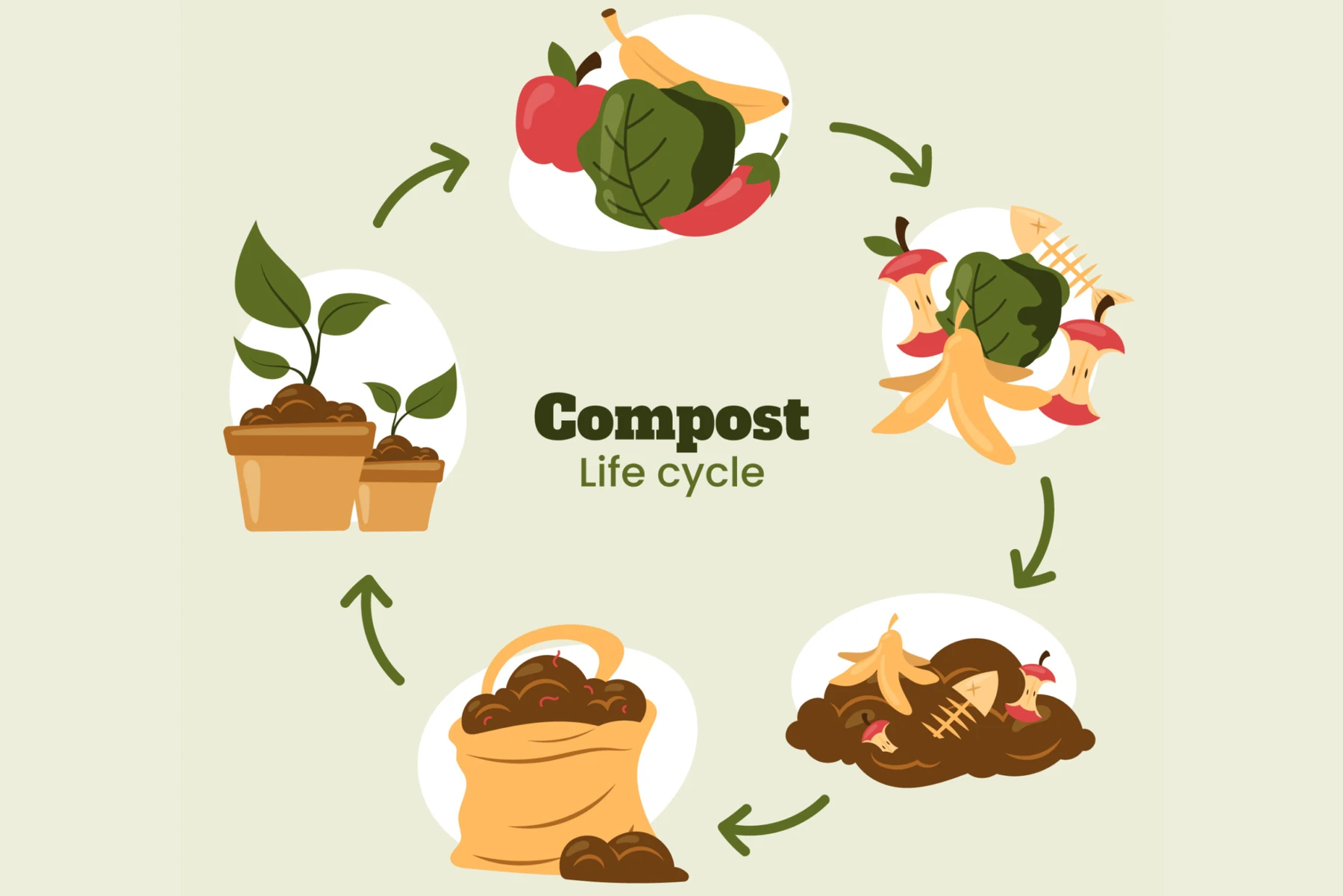
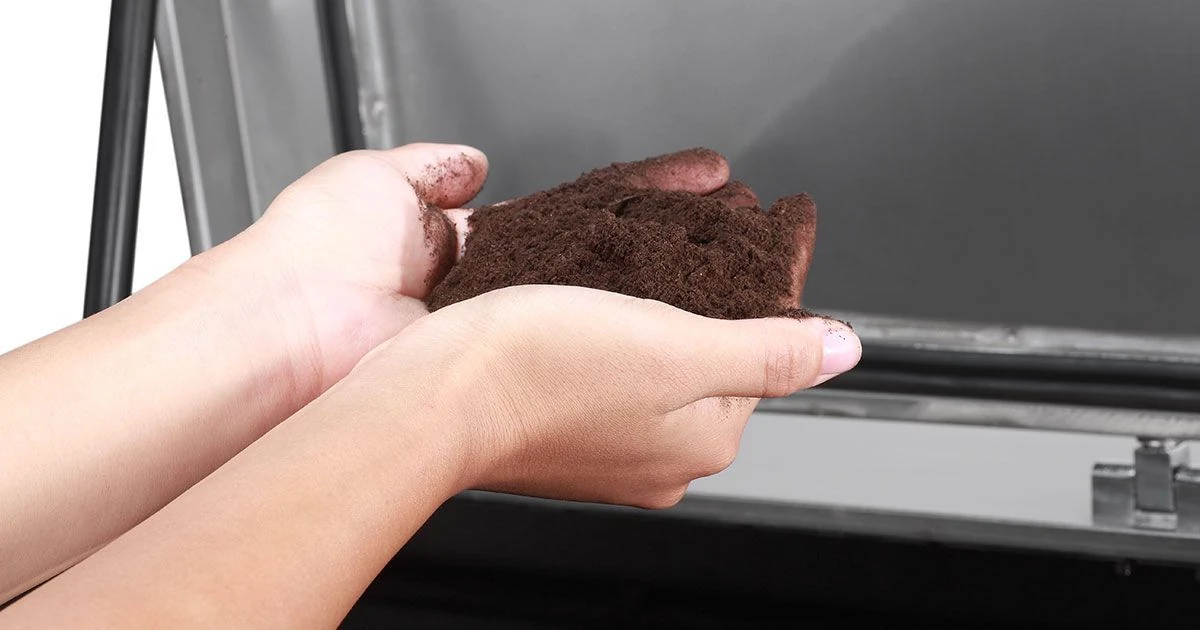
The inputs are green material such as nitrogen-rich food waste, brown material such as dry carbon-rich yard trimmings, oxygen and water. Together they encourage microorganisms that raise the temperature inside the pile and break down organic matter.
What commercial scale changes
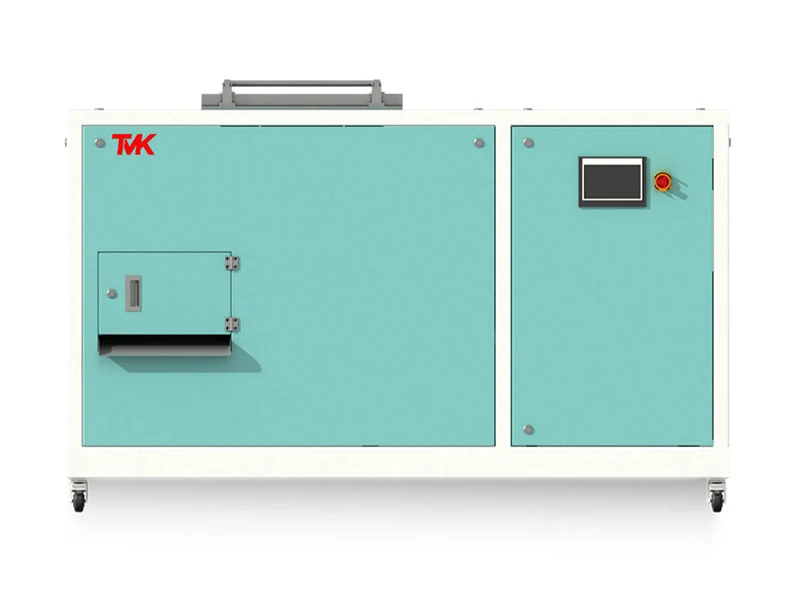
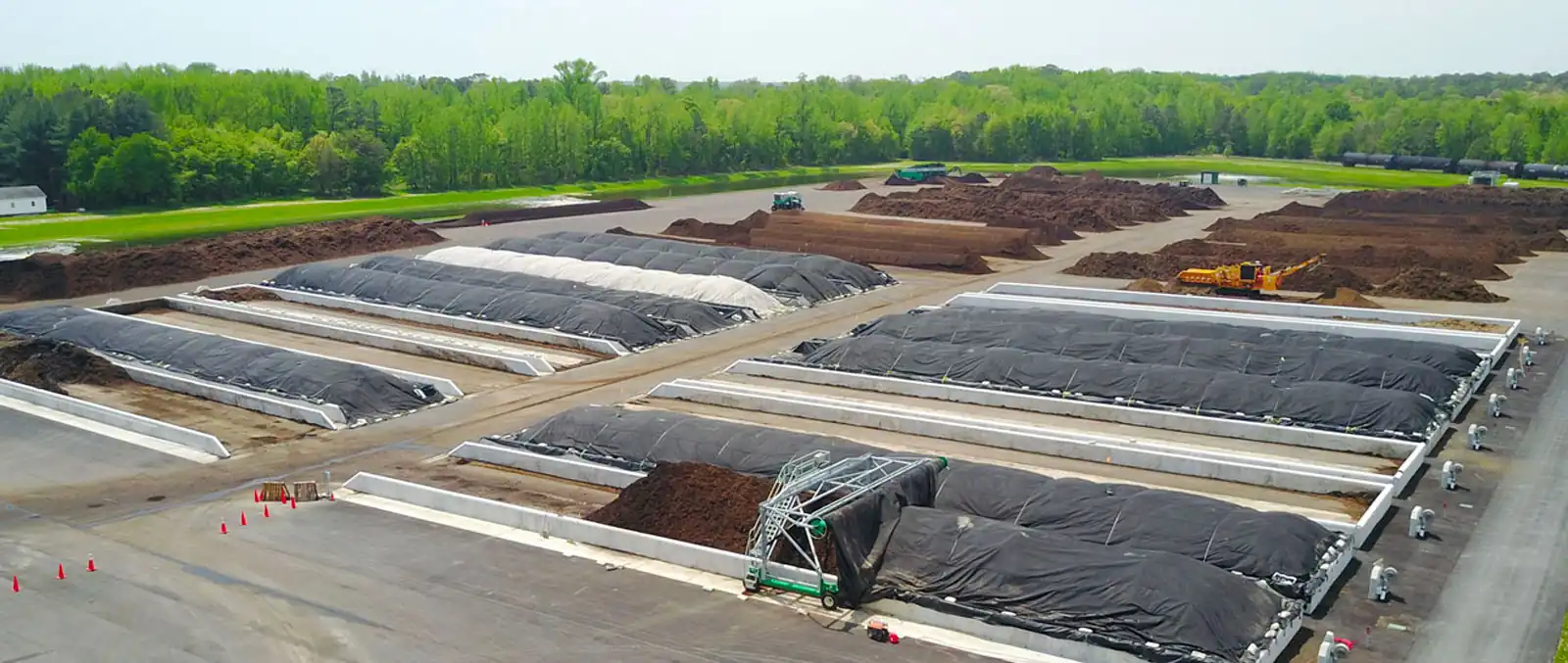
A commercial facility works the same way as a garden pile — it is still natural decomposition — but with controlled inputs, controlled aeration and a defined retention time, so output quality is repeatable.
Why cities pursue it
Composting keeps food waste out of landfill, enriches soil and is a cornerstone of a circular economy, which is why it sits at the centre of most zero-waste programmes.