 Request a quote
Request a quote
Request a quote
Solution
Multi-machine facilities with a combined composting capacity of up to 30 tonnes per day, including pre-treatment, effluent and odour control.
Fruit and vegetable waste from nearby markets and food processing centres is brought to the composting site by the municipal waste hauling service. Waste is emptied onto a sorting belt where an operator screens out non-organic objects, then sent to a shredder before being emptied into the composting machine.
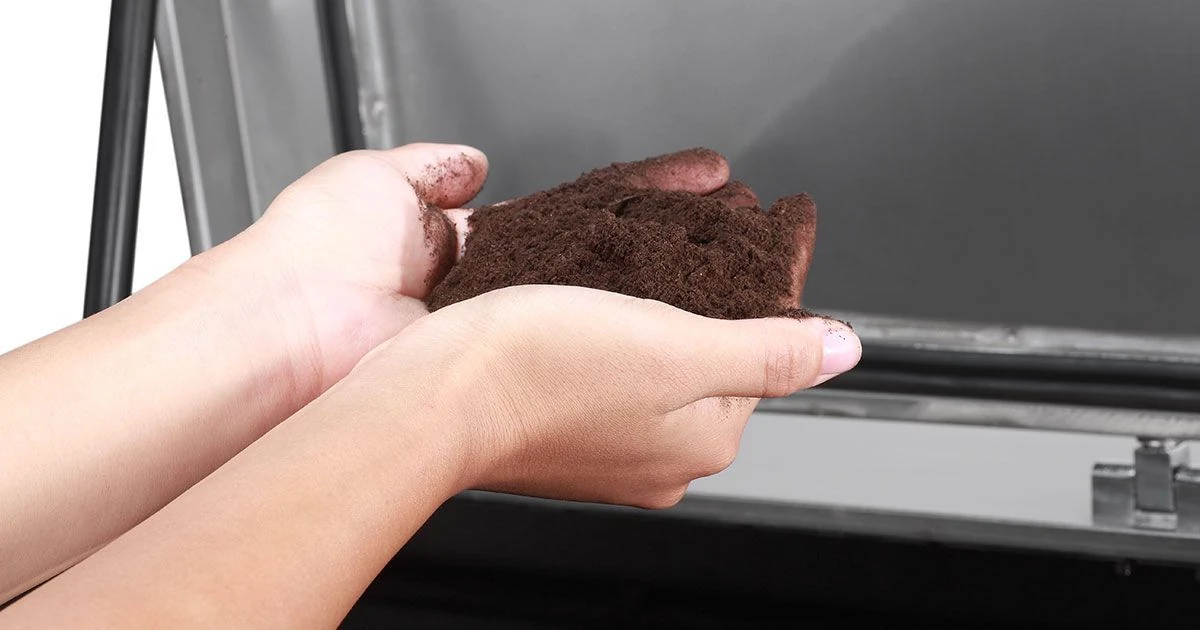
TMK’s proprietary microbes compost the waste in 24 hours, reducing volume by around 80–90%. The machine becomes full on a weekly basis and compost is offloaded by operators — approximately 40 tonnes of compost each week.
It is sent to a soil factory, where the material goes through a 21-day maturation period and is then mixed with mushroom manure before being sold.
Key components include an automatic separator that separates food waste from contamination with 95% accuracy, a fat, oil and grease (FOG) separator, wastewater treatment, and odour treatment by air deodorisation combining UV filters, activated charcoal filters and scrubbing towers. Above 50 tonnes per day, co-processing is introduced: the waste is anaerobically digested and the gases collected, with the biogas supplied back to the facility.
Equipment
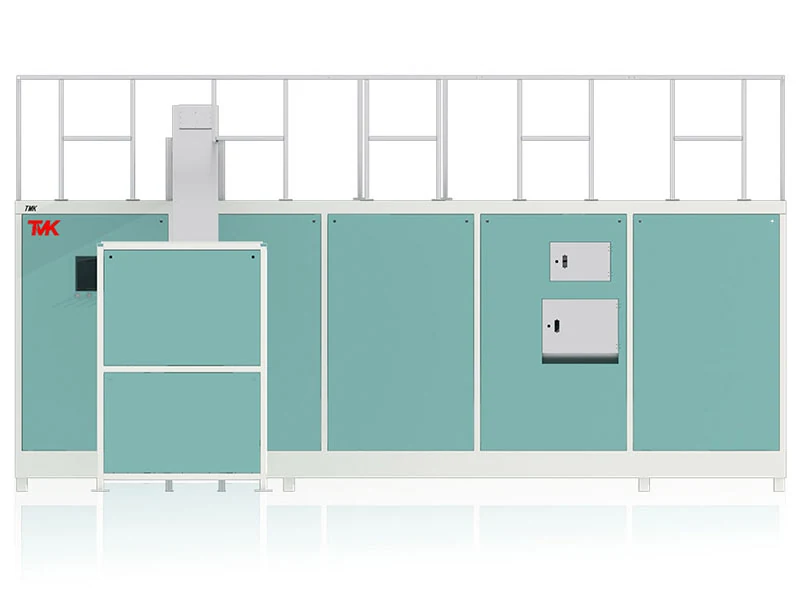
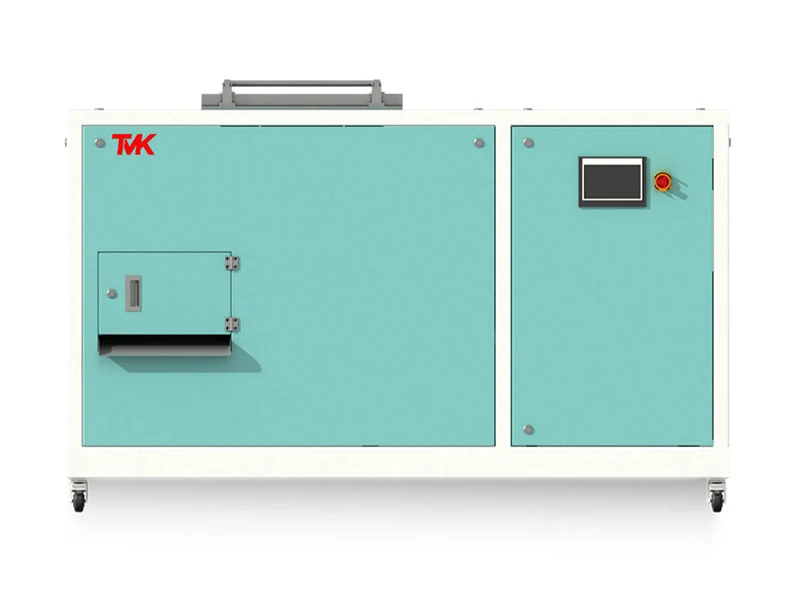
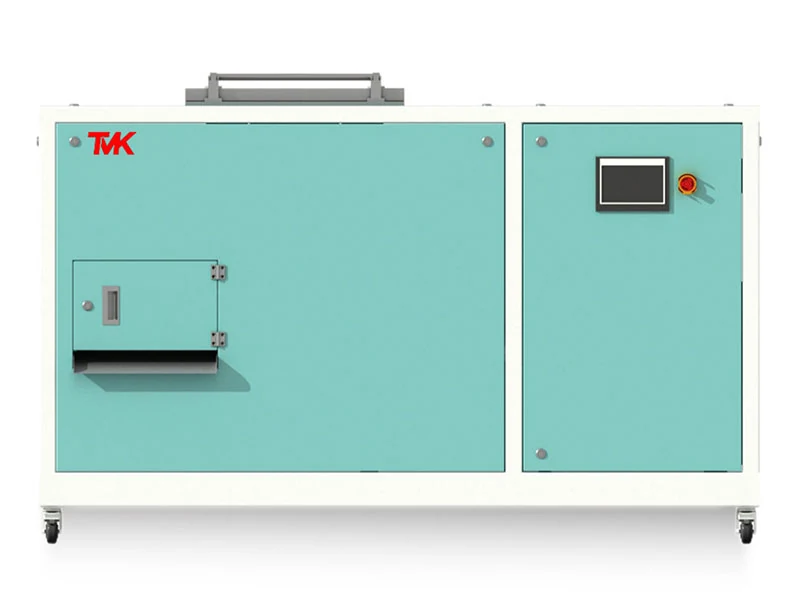
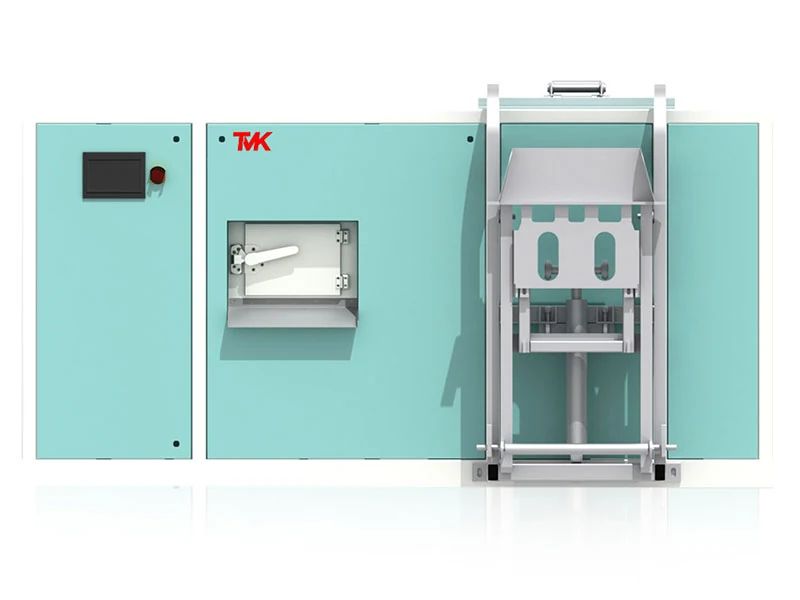
The largest of TMK’s standard composting machines: 5,000 kg a day, 1,825 tonnes a year. It is built for large-scale producers of foo…
View specifications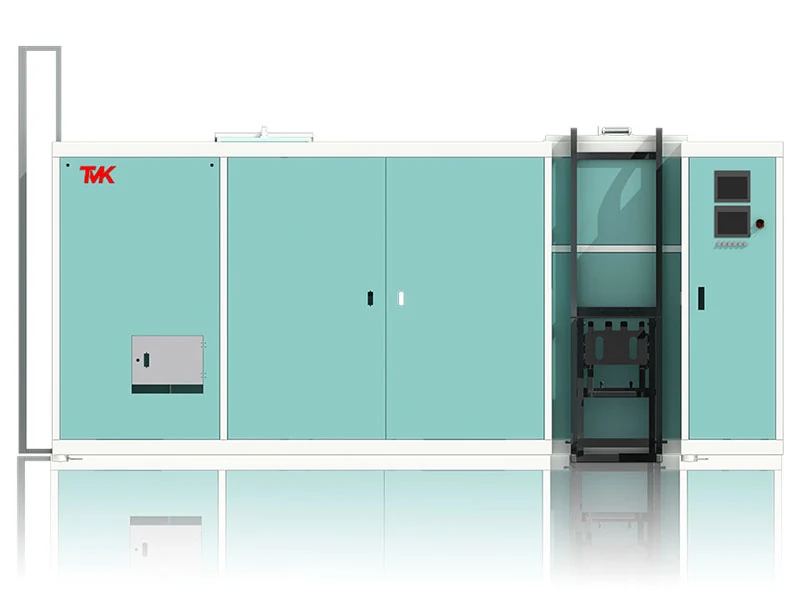
A machine with a large appetite: one tonne of organic waste a day, 365 tonnes a year. TMK positions it for commercial buildings, lar…
View specificationsTalk to an engineer
Describe the site, the daily tonnage and the constraints. We will tell you what the line needs to contain before anyone quotes a machine.