 Request a quote
Request a quote
Request a quote
Solution
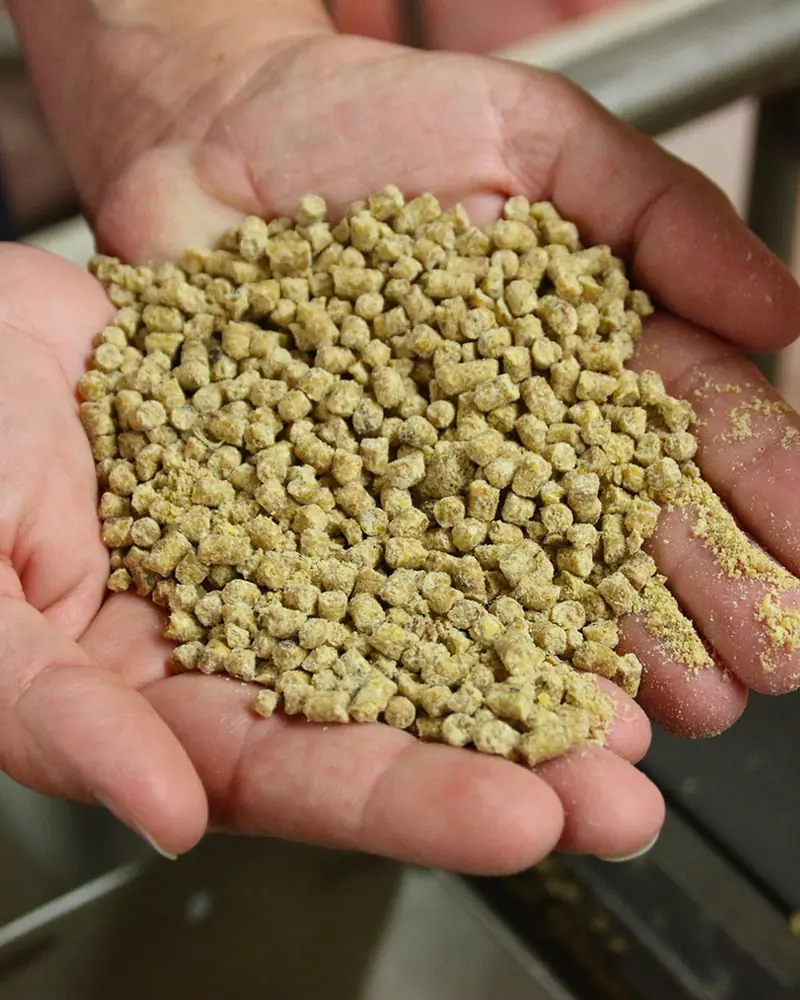
Because the material processed is mostly food and organic waste, a second output route is animal feed rather than soil amendment.
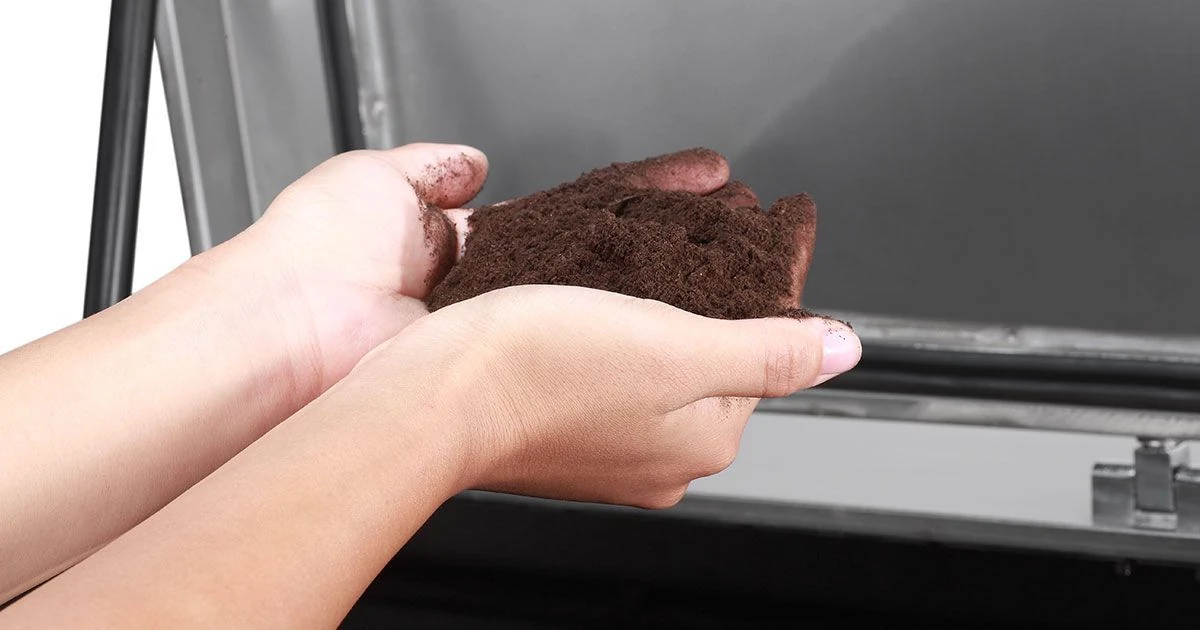
Items processed in organic waste composting machines are mostly food and organic waste, which means they can be used to make animal feed as well as compost.
The pre-treatment stages are identical: segregation into wet and dry fractions, shredding to 8–10 mm, and dewatering. What changes is the process recipe and what happens to the material after the vessel.
Feed use is governed by national animal by-product rules that differ by market. Confirm the permitted input streams and required thermal treatment with your local authority before designing the line.
TMK describes waste-to-animal-feed alongside waste pre-treatment and organic waste composting as one of its three core activities as a manufacturer.
Equipment
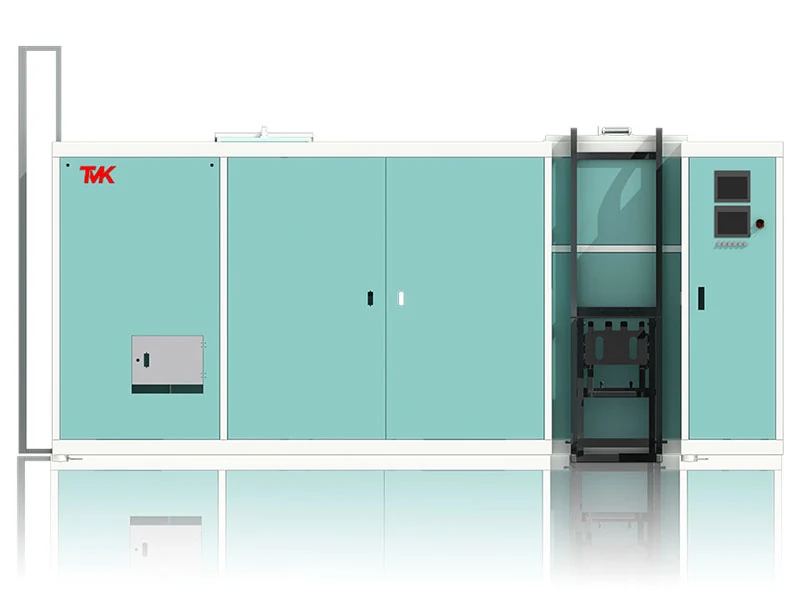
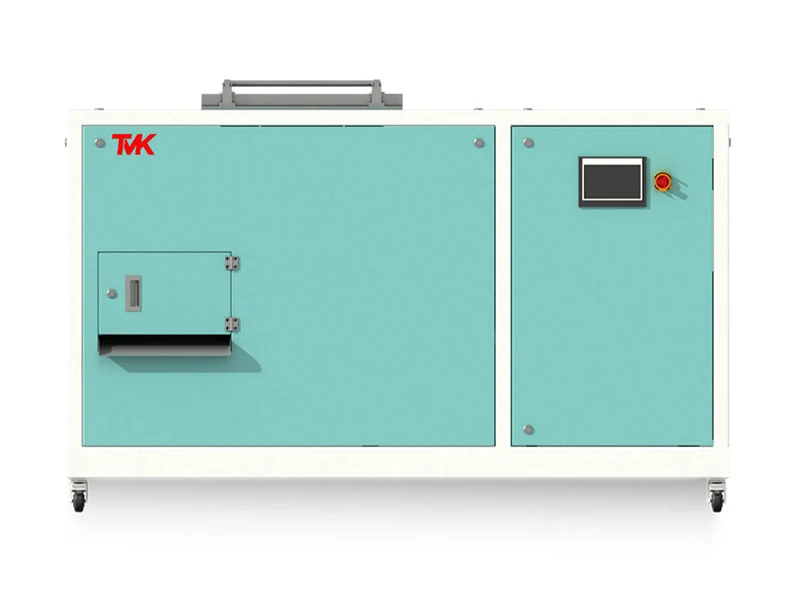
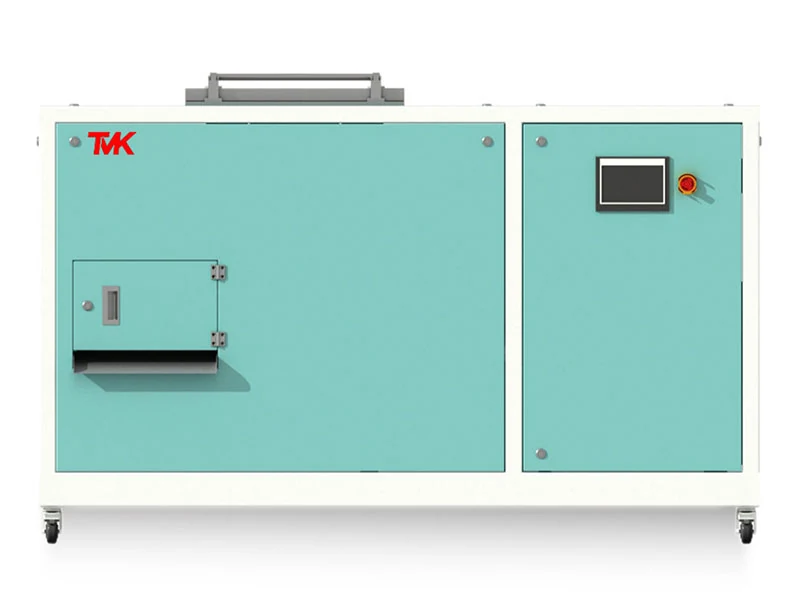
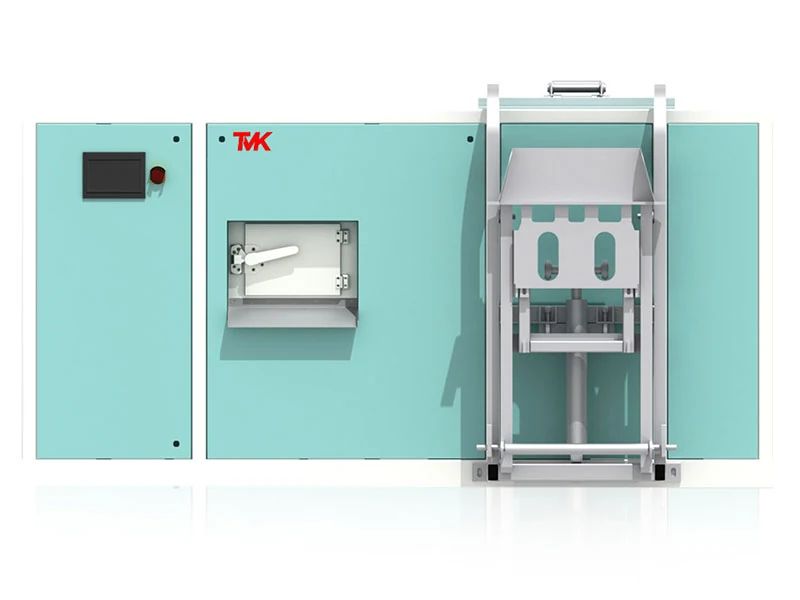
A machine with a large appetite: one tonne of organic waste a day, 365 tonnes a year. TMK positions it for commercial buildings, lar…
View specifications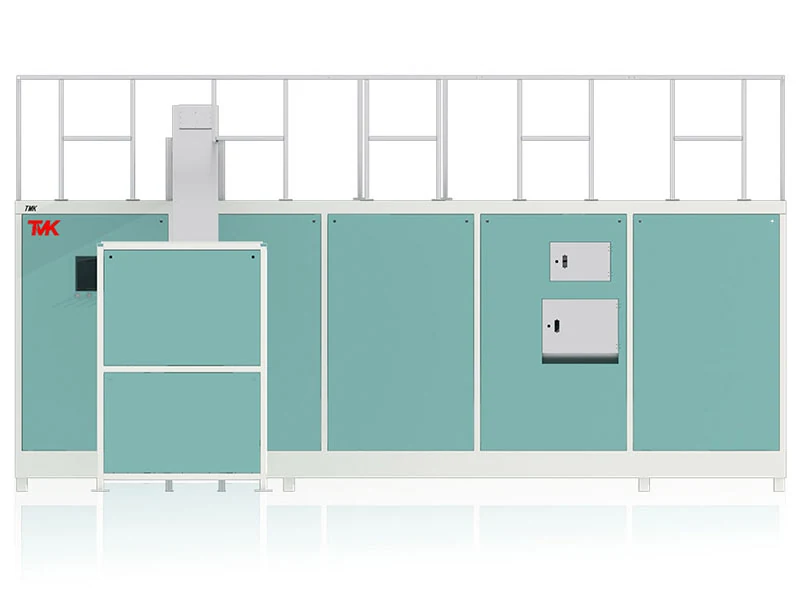
The largest of TMK’s standard composting machines: 5,000 kg a day, 1,825 tonnes a year. It is built for large-scale producers of foo…
View specificationsTalk to an engineer
Describe the site, the daily tonnage and the constraints. We will tell you what the line needs to contain before anyone quotes a machine.