 Request a quote
Request a quote
Request a quote
Solution
Crushing, dewatering and separation ahead of the composting stage — where most facilities either succeed or create a contamination problem.
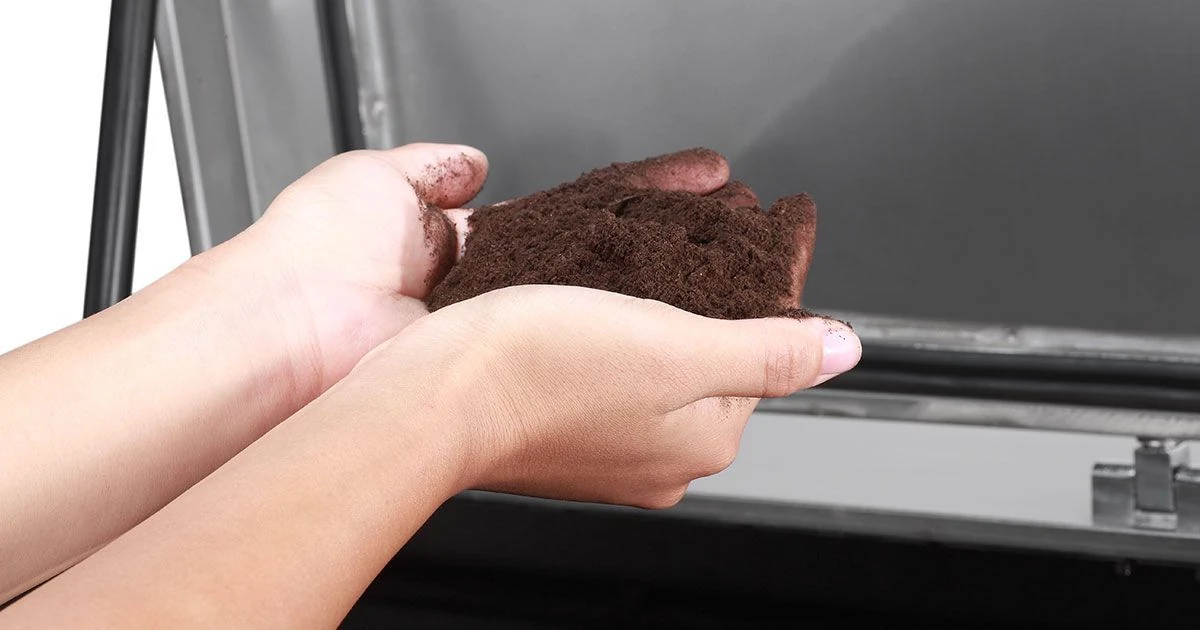
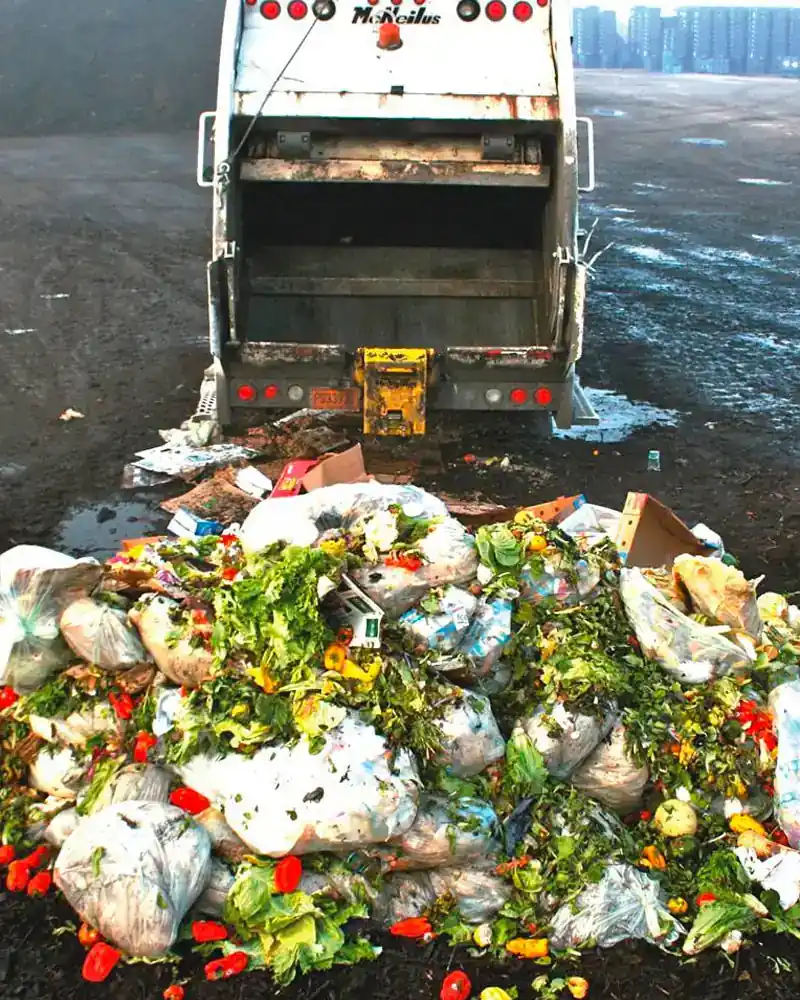
Waste pre-treatment includes organic food waste crushing and dehydration, reducing the waste volume by 90% before composting begins. Feed particle size drives cycle speed: the smaller the feed, the faster the microbial conversion.
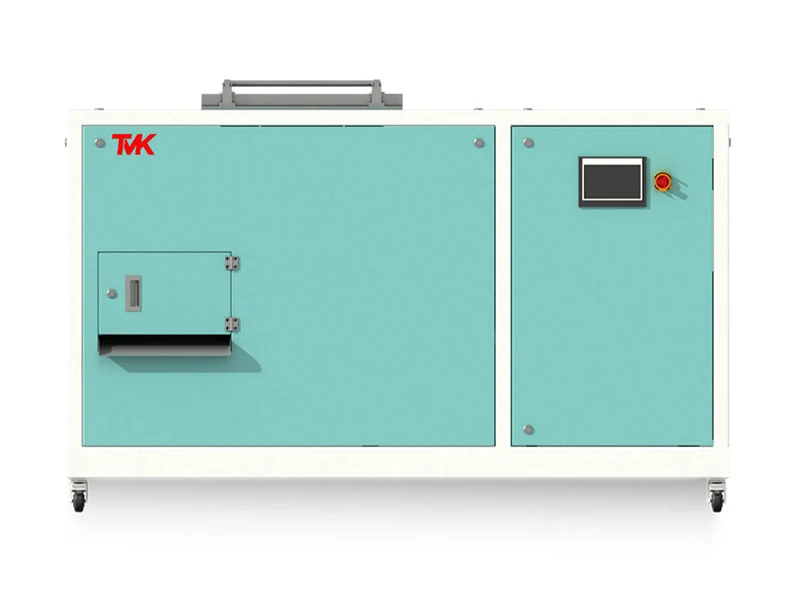
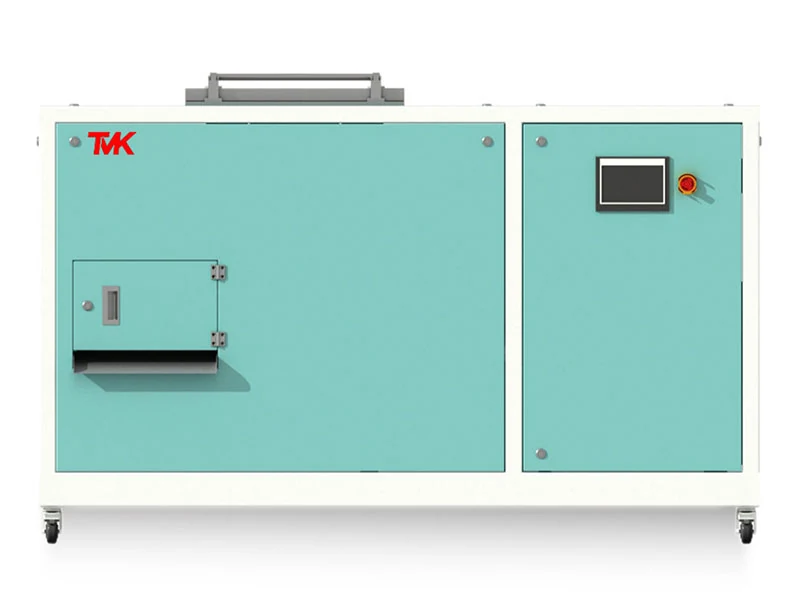
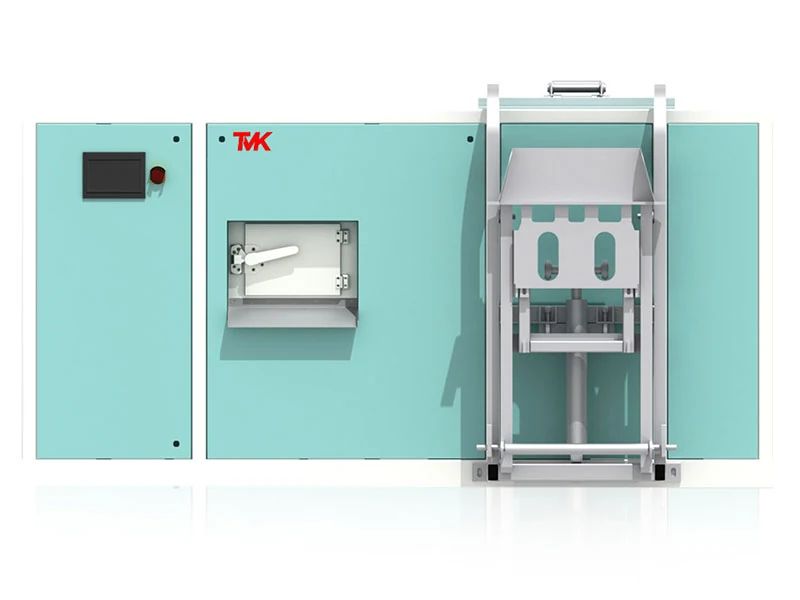
A waste composting pre-treatment system includes bin lifters, sorting platforms, industrial shredders, dewatering machines and discharge auger conveyors, ahead of the fermenter itself.
The shredder, also called a crusher, reduces organic waste particle size to roughly 8–10 mm. It processes vegetable waste, fruit and fruit skins, leaves and tree branches, and cooked or uncooked meat among other acceptable organic waste.
Any organic waste contains 70–80% water content. Evaporating that in a controlled chamber achieves 70–80% volume reduction on its own, before the microbial stage takes the total to 85–90%.
Equipment
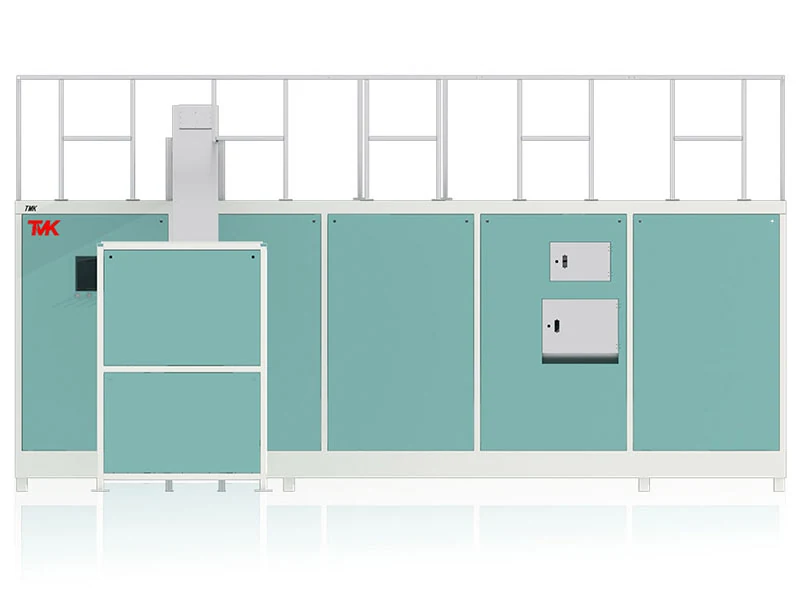
The largest of TMK’s standard composting machines: 5,000 kg a day, 1,825 tonnes a year. It is built for large-scale producers of foo…
View specifications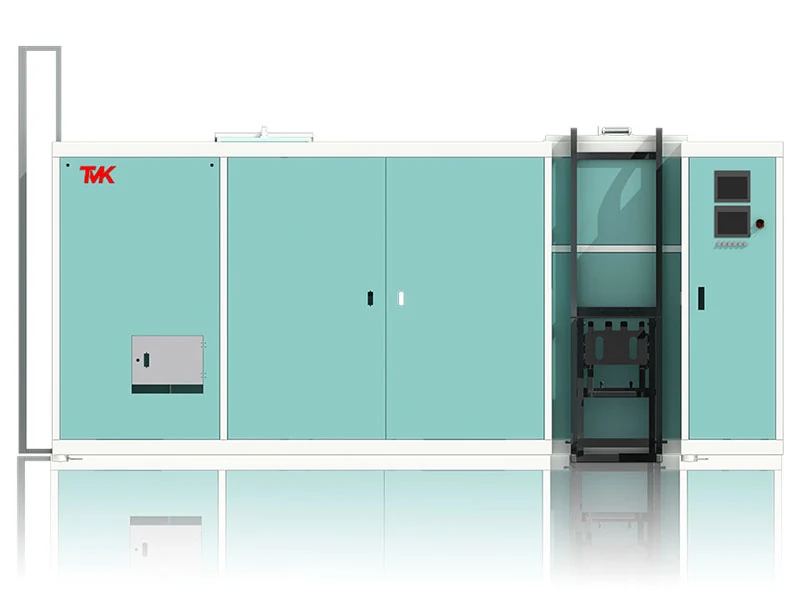
A machine with a large appetite: one tonne of organic waste a day, 365 tonnes a year. TMK positions it for commercial buildings, lar…
View specificationsTalk to an engineer
Describe the site, the daily tonnage and the constraints. We will tell you what the line needs to contain before anyone quotes a machine.