 Request a quote
Request a quote
Request a quote

Composting technology
Microbes, heat, humidity, agitation and airflow — an automated and odourless process with a 90% reduction rate.
Step by step
TMK machines speed up the natural composting process to a 24-hour, energy-efficient and automated process. Microbes, heat, humidity, agitation and airflow do the work.
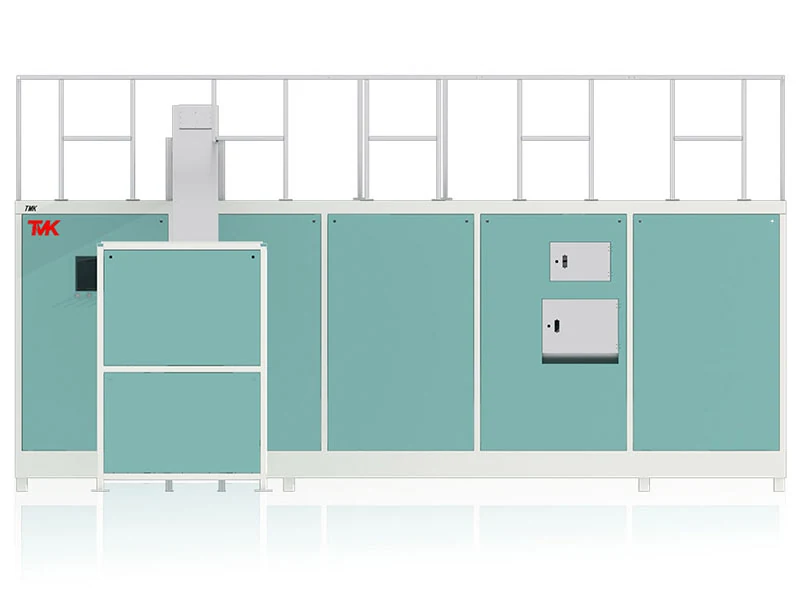
The chamber has internal rotating arms for mechanical agitation and an oil jacket for heating and insulation, so temperature is held without direct flame or element contact.
TMK’s composting technology uses microbes to speed up the breakdown of waste and achieve a volume reduction of 80–90%.
The temperature of the tank is raised to a minimum of 70 °C consistently for one hour, which TMK states kills 97.3–99.99% of harmful pathogens and bacteria.
Machines can be equipped with various deodorisers using odour-filtering technologies to eliminate any smells associated with the composting process.
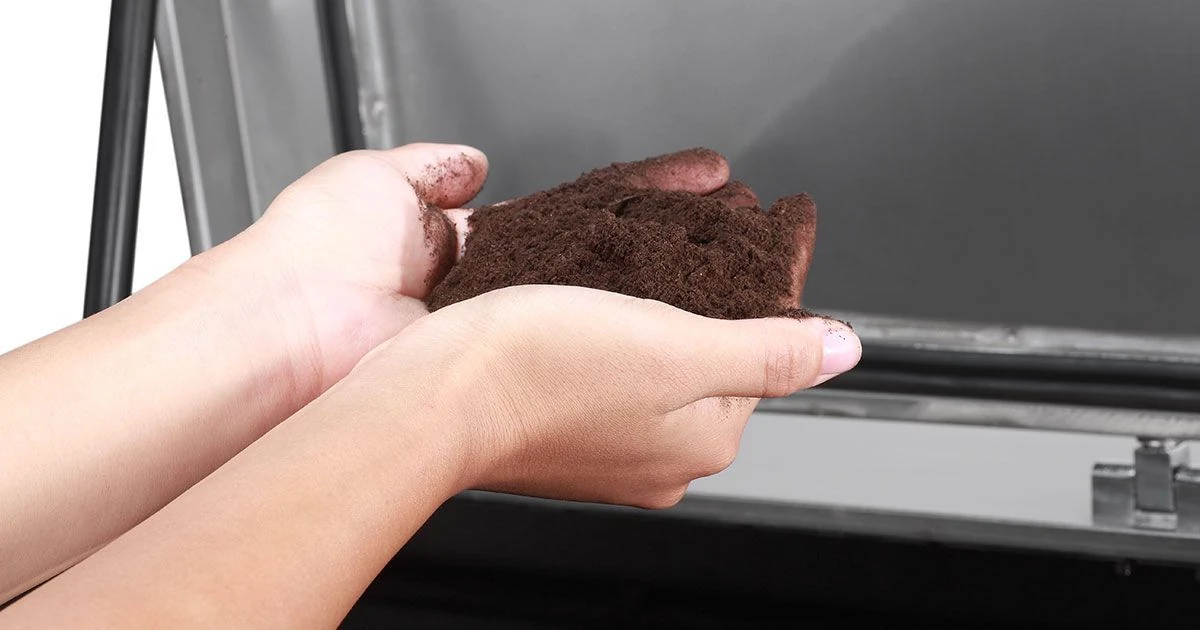
There is no greywater discharge and no harmful gases. The output is a nutrient-rich compost that can be used for various horticultural applications.
TMK’s composting system reduces food waste by 80–90%. Organic waste is 70–80% water by weight, and evaporating that in a controlled chamber achieves most of the reduction before the microbial stage completes the job.
The tank is raised to a minimum of 70 °C consistently for one hour. TMK states this kills 97.3–99.99% of harmful pathogens and bacteria.
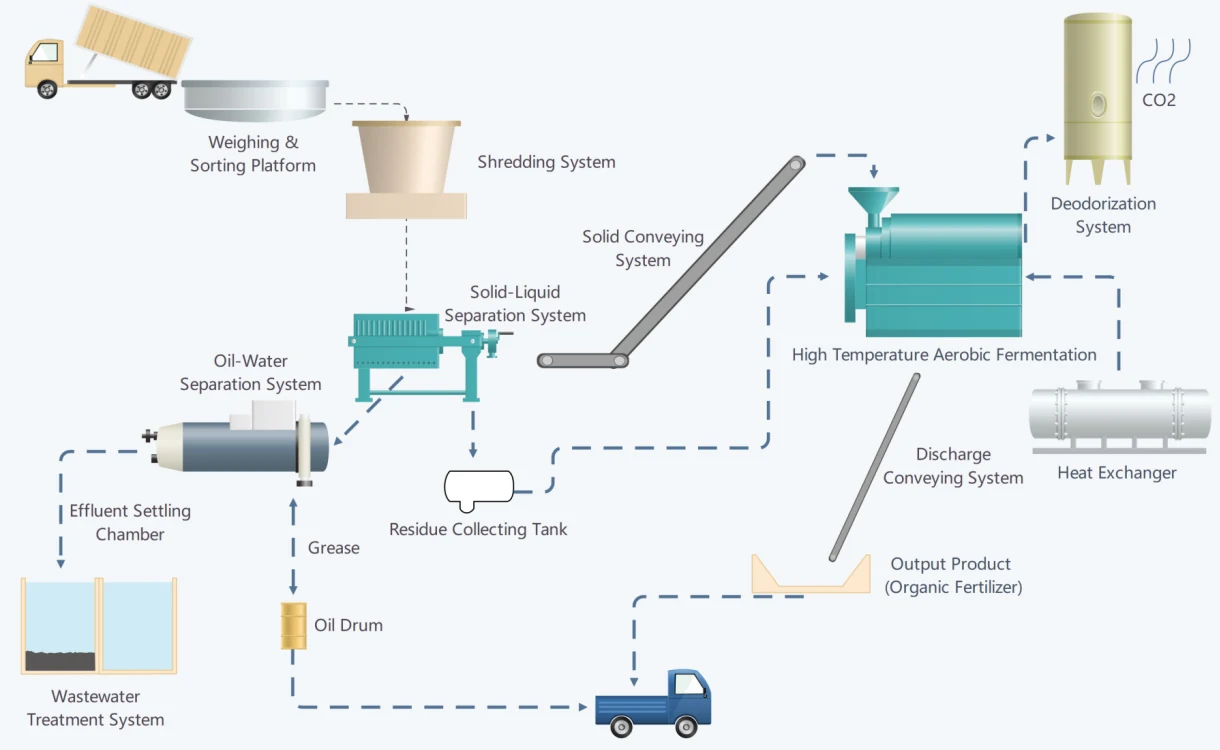
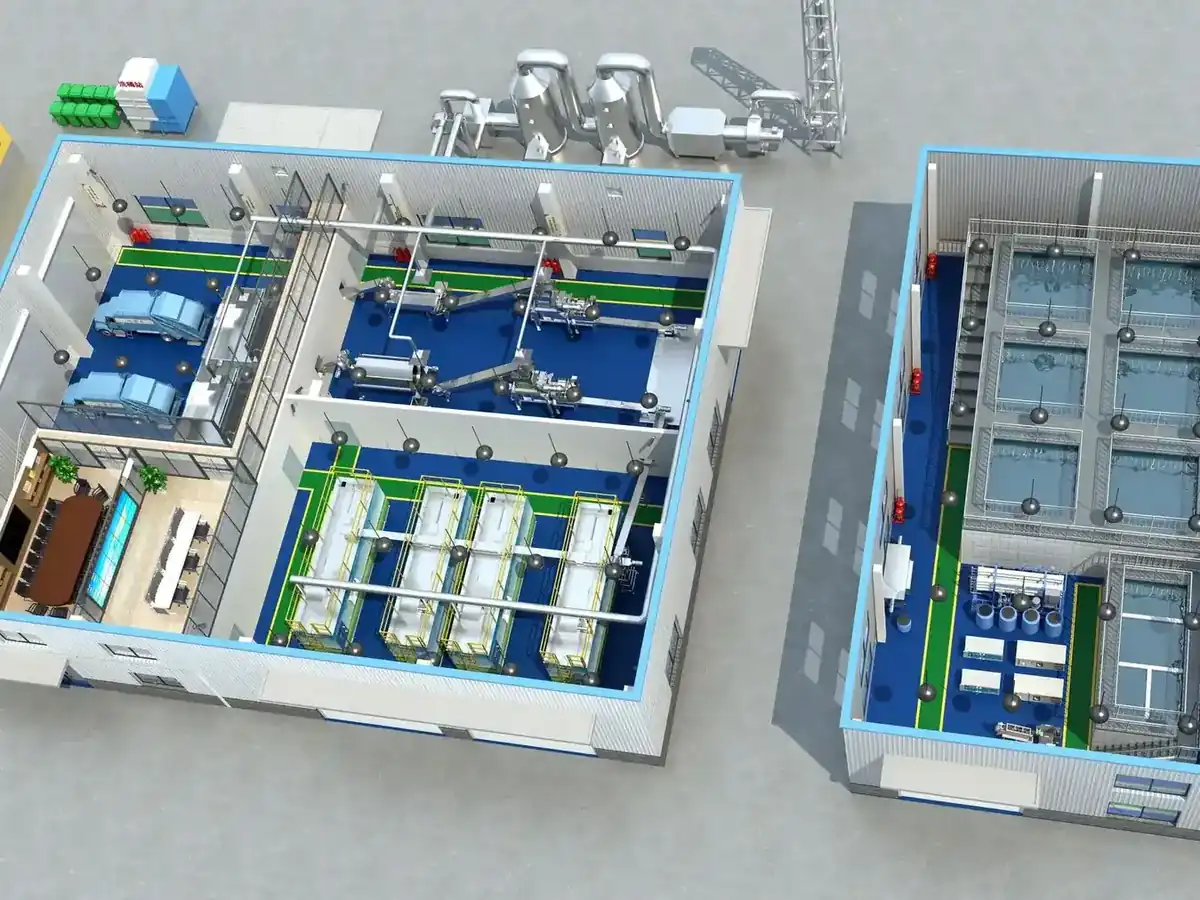
Inside a large system
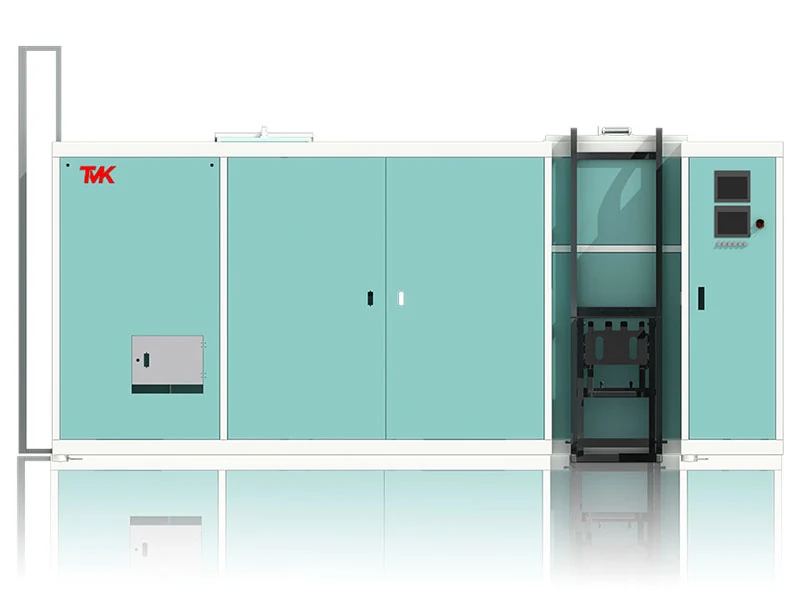
Above machine scale, the composting chamber is only one component. The rest of the line decides whether the facility can hold a licence.
Process conditions
Talk to an engineer
Different waste streams behave differently in the chamber. Tell us what you produce and we will tell you what the cycle looks like.