
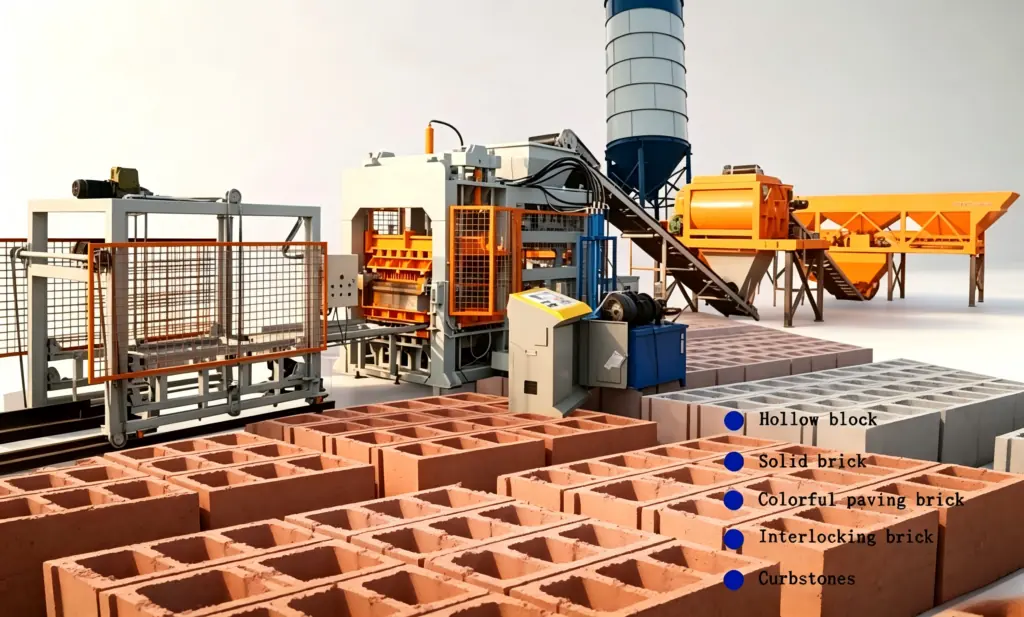
Block Machines That Publish Their Output Before You Ask
Manual presses for a three-worker yard through to a line that moulds twelve hollow blocks every fifteen seconds. Every model on this site lists pieces per mould, pieces per hour and pieces per shift.
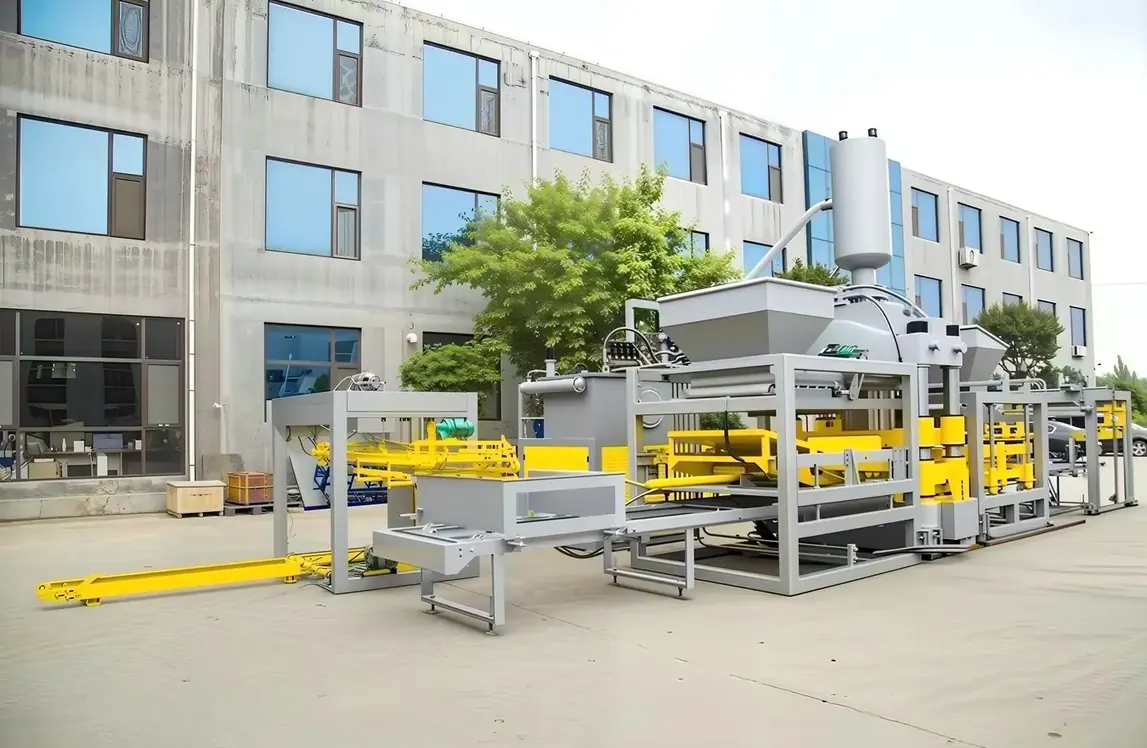
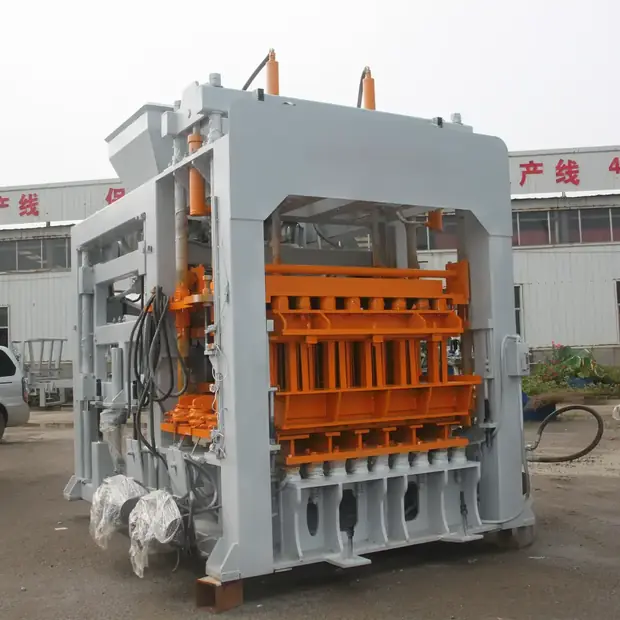
Laser Cut Frames Robot Welded And Shot Blasted
Steel cut without dimensional error, key stress points welded by robotic arm, one-piece cast vibration boxes on imported bearings and Siemens PLC control.
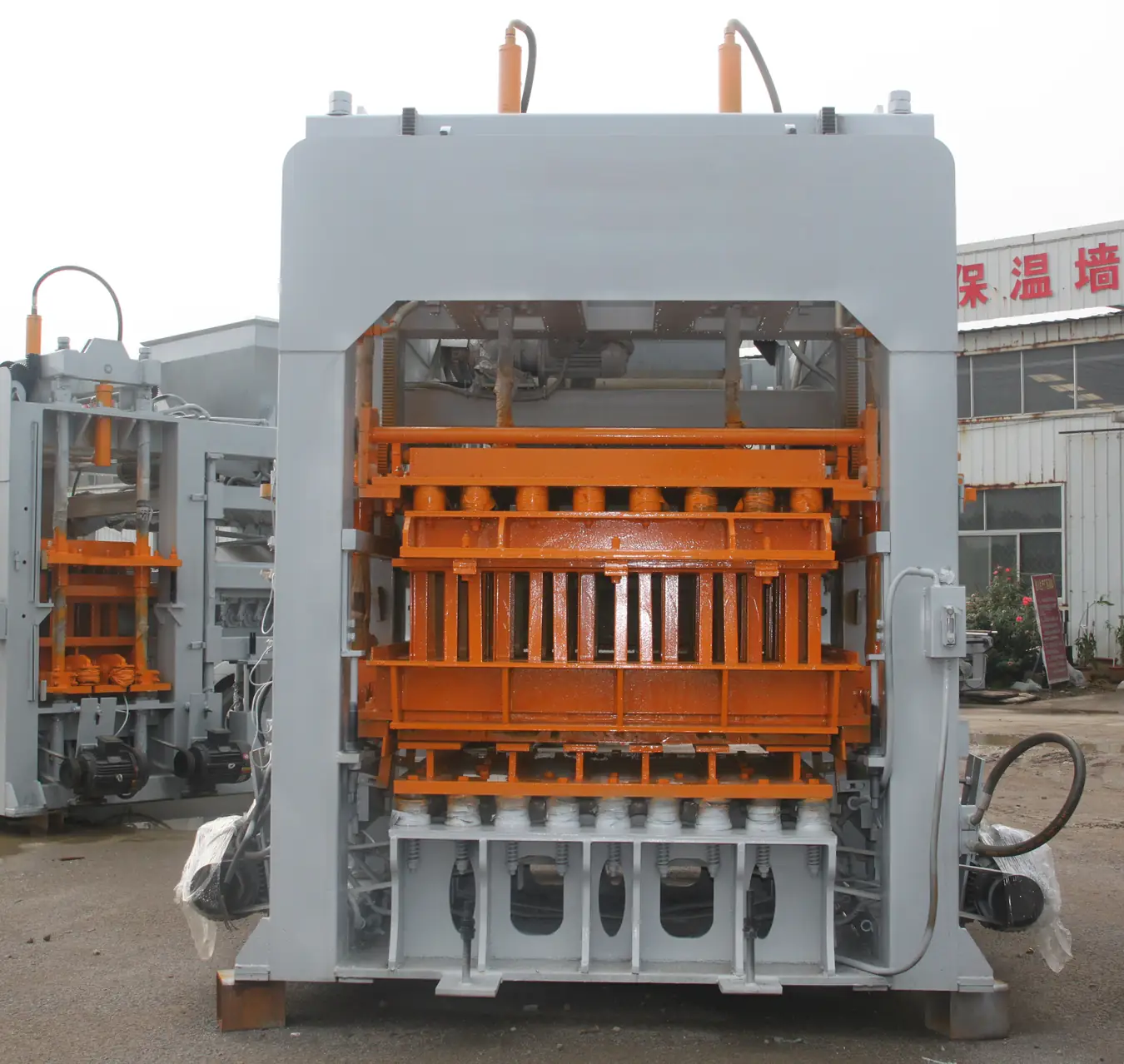
From Layout Drawing To Trained Operators
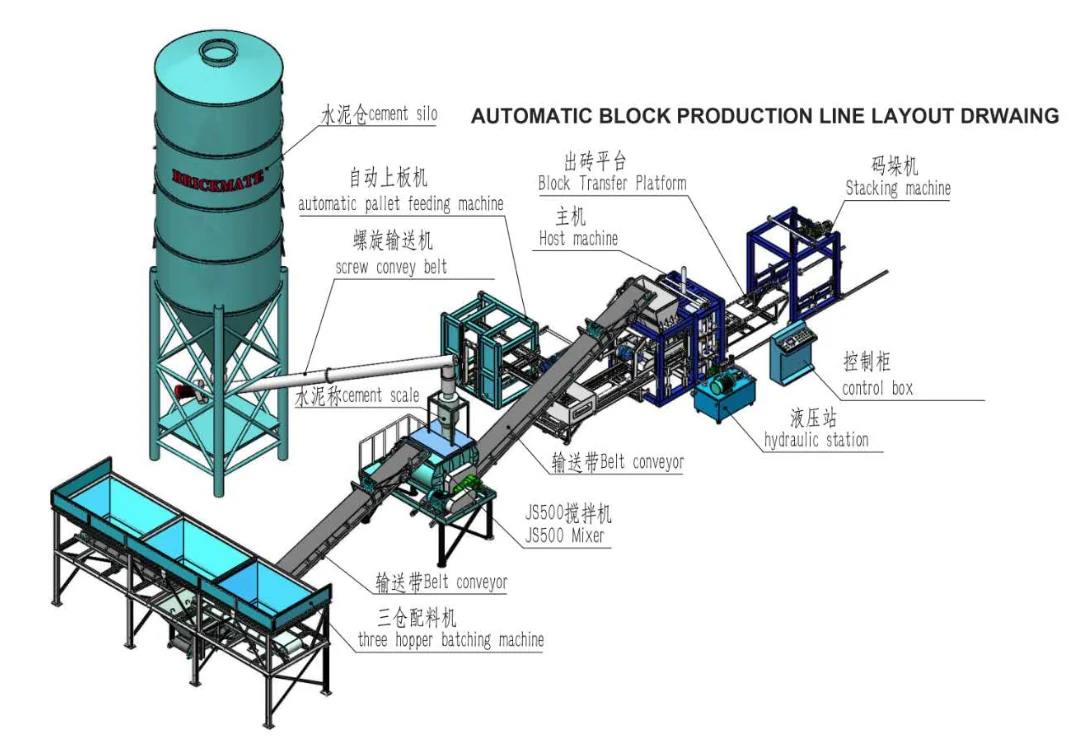
Free plant layout and foundation drawings, a free moulding test with your own aggregate, container loading calculated in advance and field technicians available for commissioning.
Two Families Of Block Machine Ten Models In Total
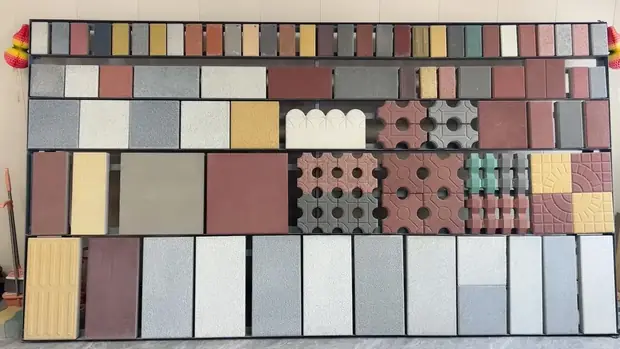
Concrete block machines and full automatic block production lines, from a three-worker manual press up to a line that moulds twelve hollow blocks every fifteen seconds. Changing the mould changes the product: hollow blocks, solid bricks, interlocking pavers, porous blocks and road curbstones all come off the same machines.
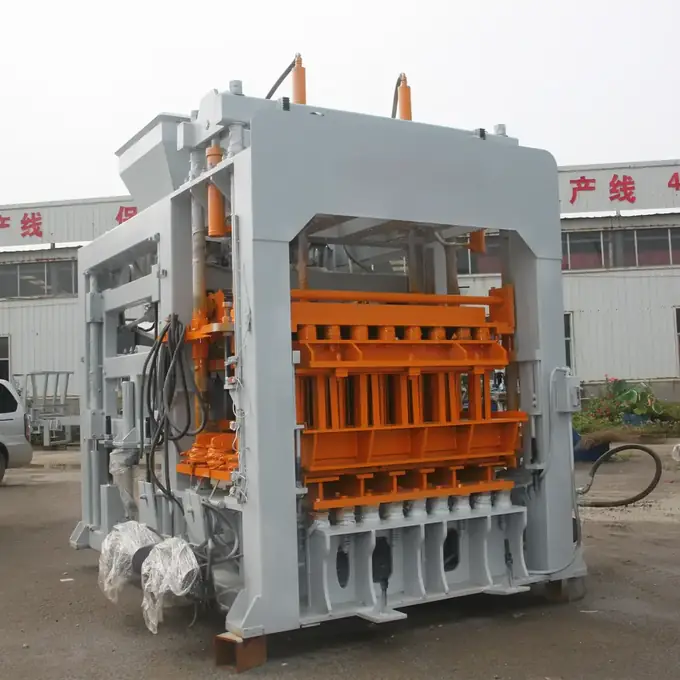
Automatic Concrete Block Machine
Hydraulic, PLC controlled machines and full production lines that mould four to twelve blocks per cycle for plants producing thousands of blocks a shift.
Open the range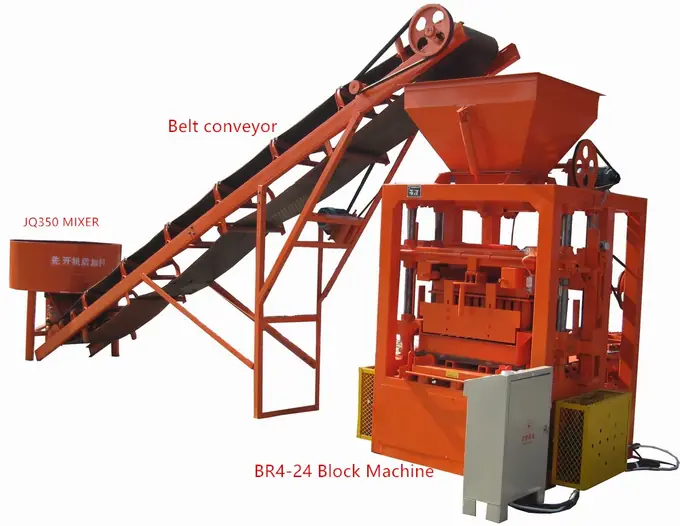
Semi Auto Concrete Block Machine
Manual and semi automatic presses for a three to four worker crew, shipped assembled and producing as soon as power is connected.
Open the rangeEvery Model With Its Published Output Table
Ten machines, from a 1.8 tonne manual press to a line moulding twelve hollow blocks per cycle. Nothing here is paginated or held back for an enquiry.
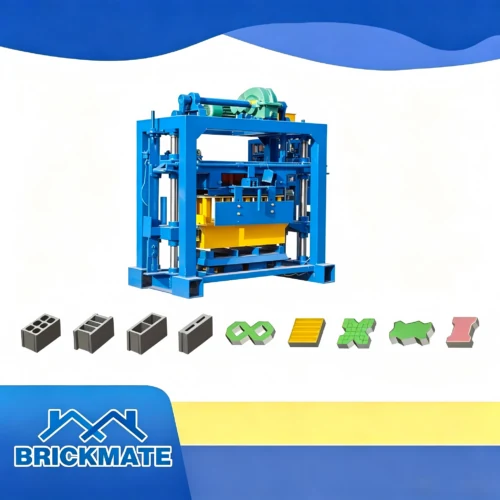
QT40-2 Manual Cement Block Machine
Entry level manual block machine that presses hollow blocks, solid bricks and pavers with three workers and no site installation.
360-450 pcs/hour at 400 x 150 x 200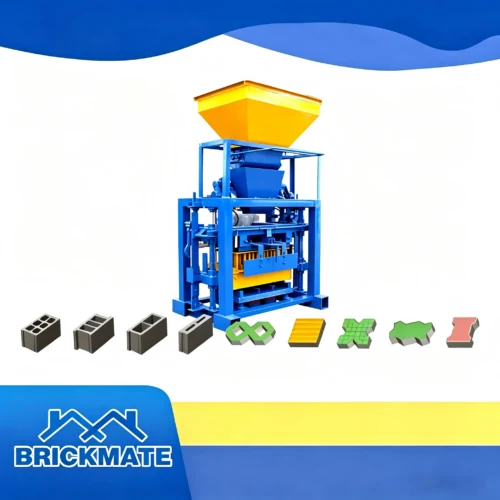
QT40-1 Semi Auto Cement Block Machine
Conveyor-fed electrical vibration press with a 30 second cycle, sized for a 60 square metre workshop and three to four workers.
630-840 pcs/hour at 400 x 100 x 200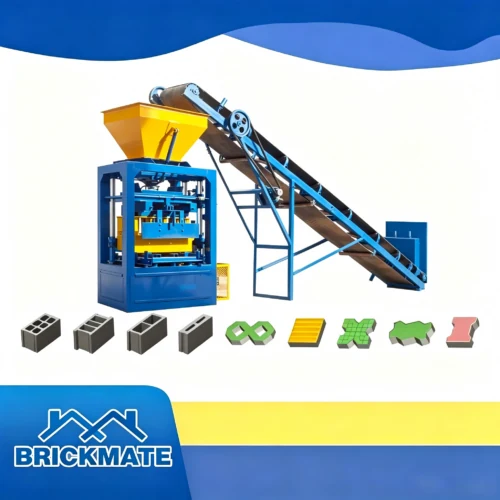
QT4-24 Semi Auto Concrete Block Machine
Panel-controlled semi automatic press shipped in a plywood case, built for small scale hollow block, solid block and interlocking paver production.
630-840 pcs/hour at 400 x 100 x 200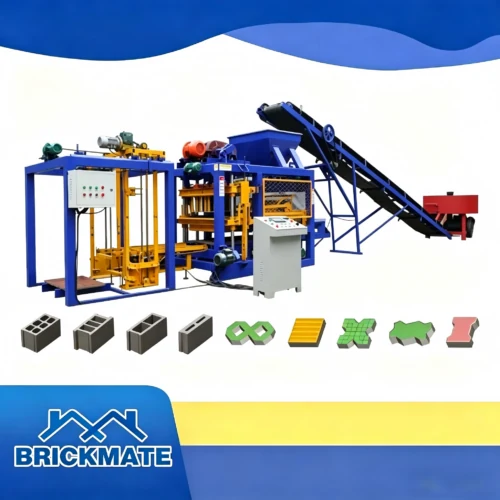
QT4-25 Automatic Electrical Vibration Block Machine
PLC controlled press combining flat, mould and compression vibration for even density, with automatic plate supply and brick discharge.
576 pcs/hour at 400 x 200 x 200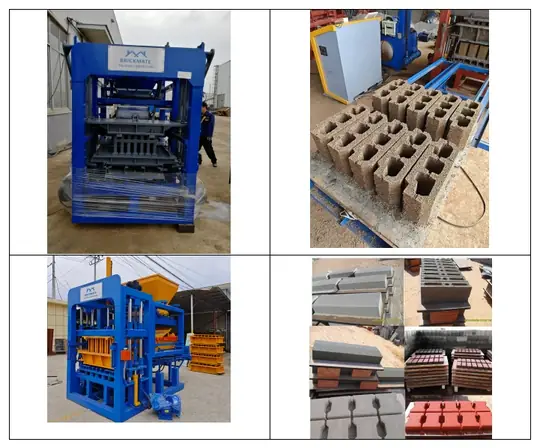
QT4-15 Automatic Concrete Hollow Block Making Machine
Full hydraulic automatic machine producing 5000 to 7000 standard blocks per 8 hour shift from sand, fly ash, slag, gangue or construction waste.
5000-7000 standard blocks per shift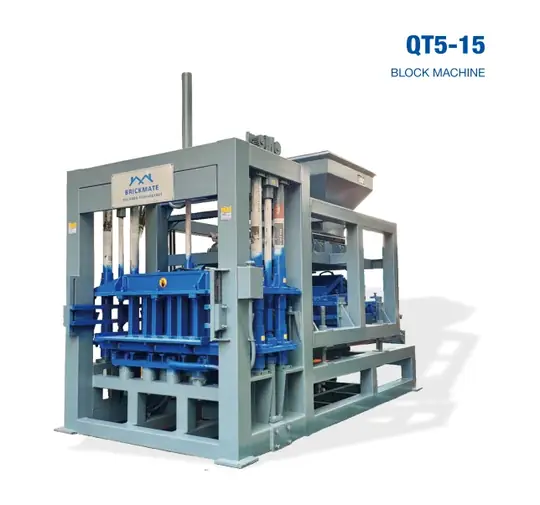
QT5-15 Automatic Paver And Block Making Machine
Medium scale automatic plant at 1200 blocks per hour, with a colour machine option for two-layer paving blocks.
1200 pcs/hour at 400 x 200 x 200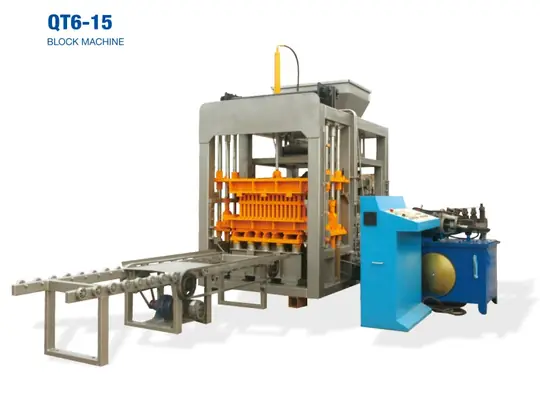
QT6-15 Medium Large Scale Cement Brick Machine
Hydraulic automatic press moulding six hollow blocks per cycle at 40.5 kW, for plants moving into medium large scale output.
1440 pcs/hour at 400 x 200 x 200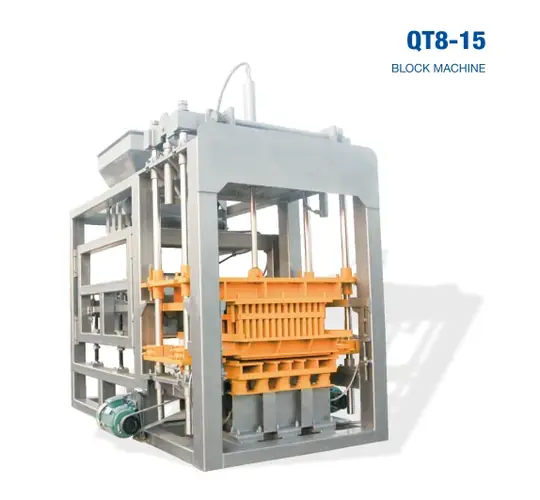
QT8-15 Automatic Hollow Block Making Machine
90 kN hydraulic automatic machine moulding eight hollow blocks per cycle, 15360 blocks per 8 hour shift.
1920 pcs/hour at 400 x 200 x 200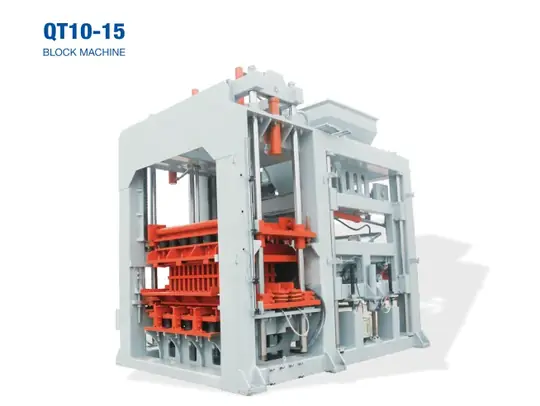
QT10-15 Full Automatic Concrete Block Production Line
Large production line with Siemens, Omron and Yuken components, 90 kN vibration and a published output table across seven block types.
3600-4800 pcs/hour at 400 x 100 x 200 hollow block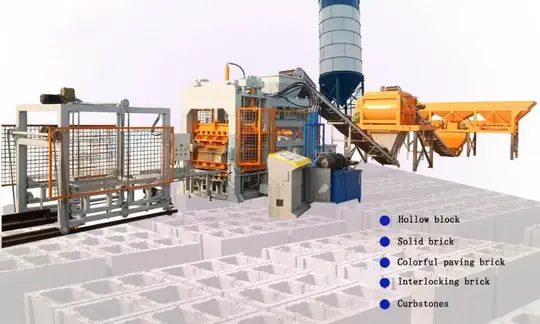
QT12-15 Full Automatic Concrete Block Production Line
Largest line in the range: twelve blocks per cycle, 102 kN vibration and 96000 standard bricks per 8 hour shift.
2880 pcs/hour at 400 x 200 x 200Who These Machines Are Built For
Block yards, brick factories, municipal paving suppliers, construction companies making blocks on their own sites, and solid waste recycling plants turning fly ash, slag, gangue and construction waste into saleable building material.
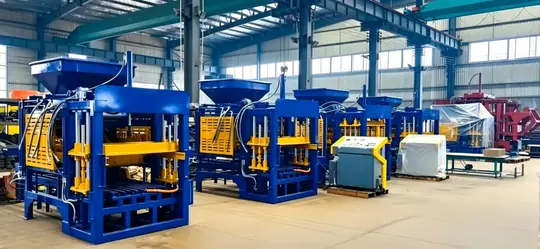
Block And Brick Manufacturing Plants
Plants whose product is the block itself, where machine uptime and blocks per shift decide the margin.
See the machines for it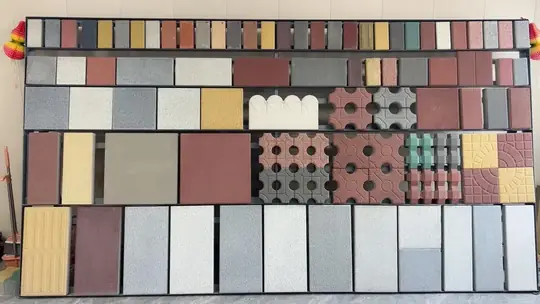
Paving And Municipal Works
Contractors and suppliers producing interlocking pavers, curbstones and landscape blocks for roads, squares and walkways.
See the machines for it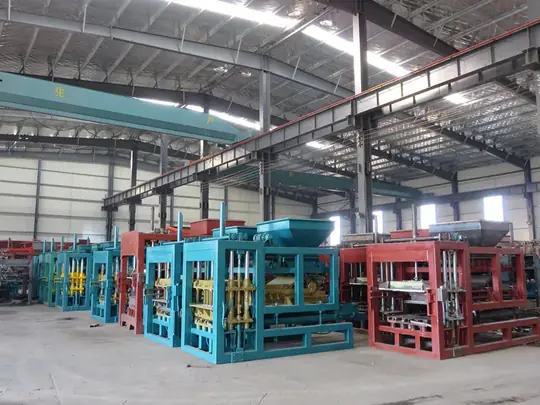
Fly Ash Slag And Construction Waste Recycling
Plants with an industrial waste stream that needs an outlet, turning fly ash, slag, gangue and demolition waste into blocks.
See the machines for it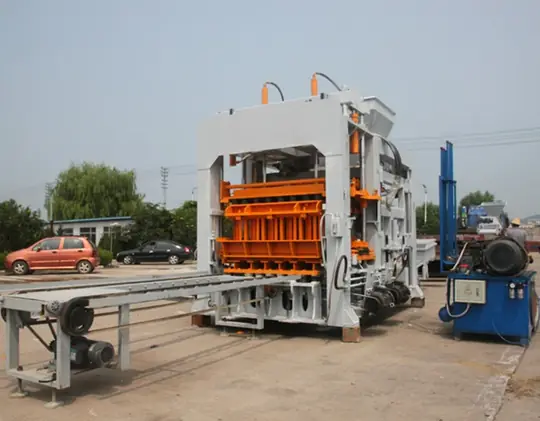
Contractors And On-Site Block Production
Construction companies that would rather make blocks on site than wait for a delivery that may not match the drawing.
See the machines for itThe Three Questions Every Block Machine Enquiry Stalls On
Most block machine enquiries stall on the same three questions: how many blocks per shift, how much floor space and power, and what happens after the container arrives. Every machine page here answers the first two from the published data, and the service commitments answer the third.
Where Buyers Get Stuck
- A headline output figure with no block size attached to it
- No machine footprint or installed power until after the deposit
- Raw material assumed to be suitable, then tested on the customer's own line
- Support that quietly ends when the warranty does
What This Site Publishes Instead
- Pieces per mould, per hour and per 8 hours for every block size
- Machine dimensions and installed power on every model that publishes them
- A free moulding test with your own aggregate before the order is confirmed
- Free technical guidance for the life of the equipment after the warranty ends
Where The Machines Are Built
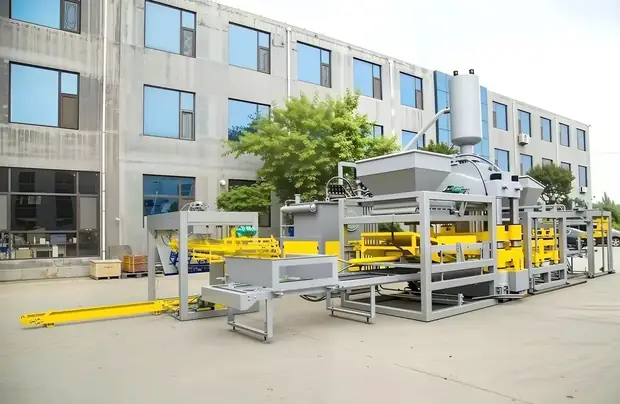
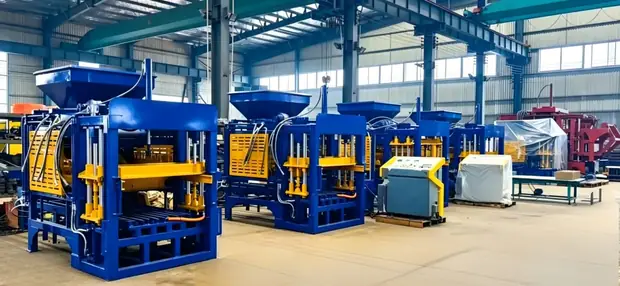
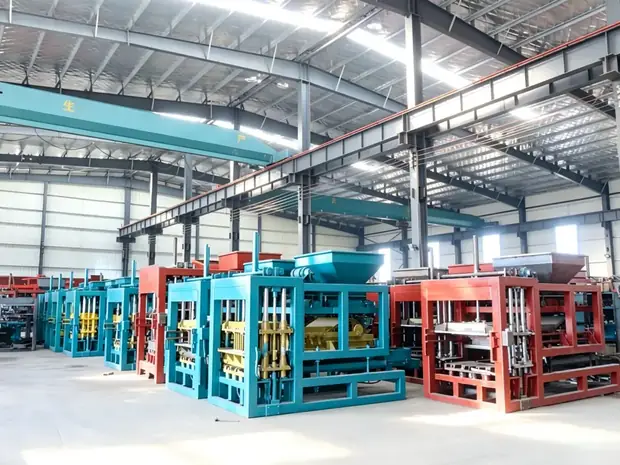
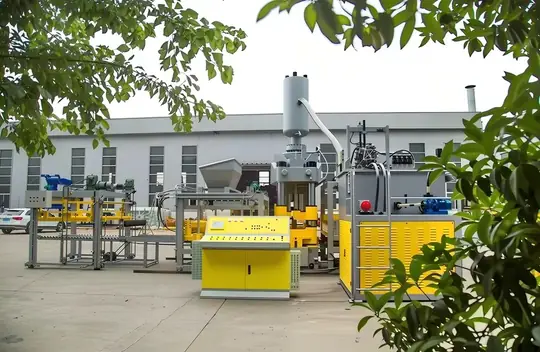
Machines built in our own 16,000 square metre workshop in Linyi since 1999, with laser cut frames, robot welded stress points, one-piece cast vibration boxes and Siemens control systems.
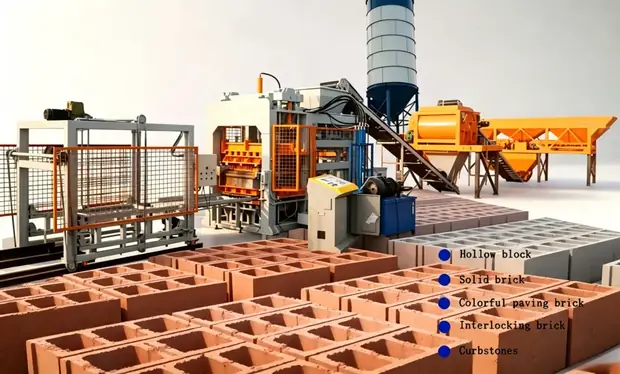
The Four Things Buyers Ask Us To Work Through
From First Message To Commissioned Block Plant
The nine steps between a first WhatsApp message and a line producing blocks in your own workshop.
Read the stages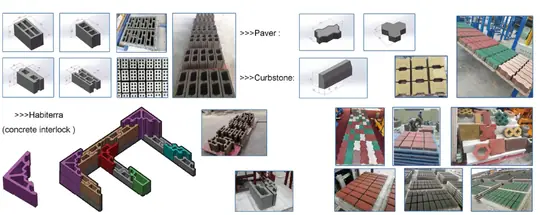
Mould And Block Size Customisation
Getting the mould right is what decides whether the blocks sell, and it is decided before the machine is built.
Read the stages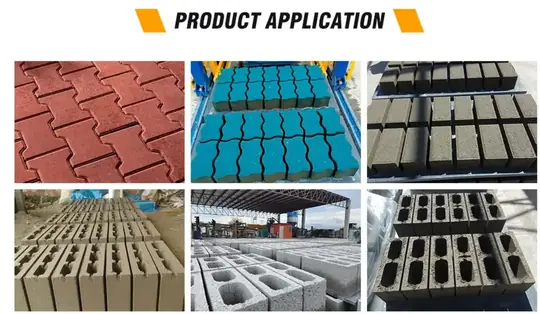
Raw Material Selection And Mix Design
The same machine produces a good block or a cracked one depending on what goes into the mixer.
Read the stages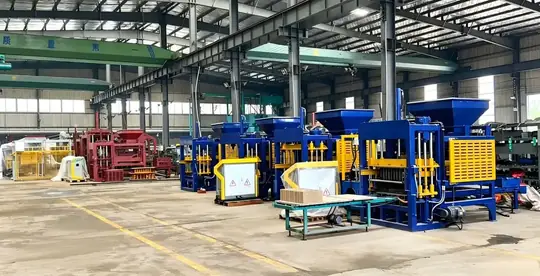
Spare Parts And Long Term Support
What happens in year three matters more than what happens in week one.
Read the stagesGuides Written From The Published Machine Data
No customer case studies are published here, because no verified project data exists to publish. The machine data does exist, so the guides are built from that.
How To Choose Block Machine Capacity Without Overbuying
Machine capacity is decided by blocks per mould and cycle time, not by the model number. Here is how to work backwards from your order book.
Read the guide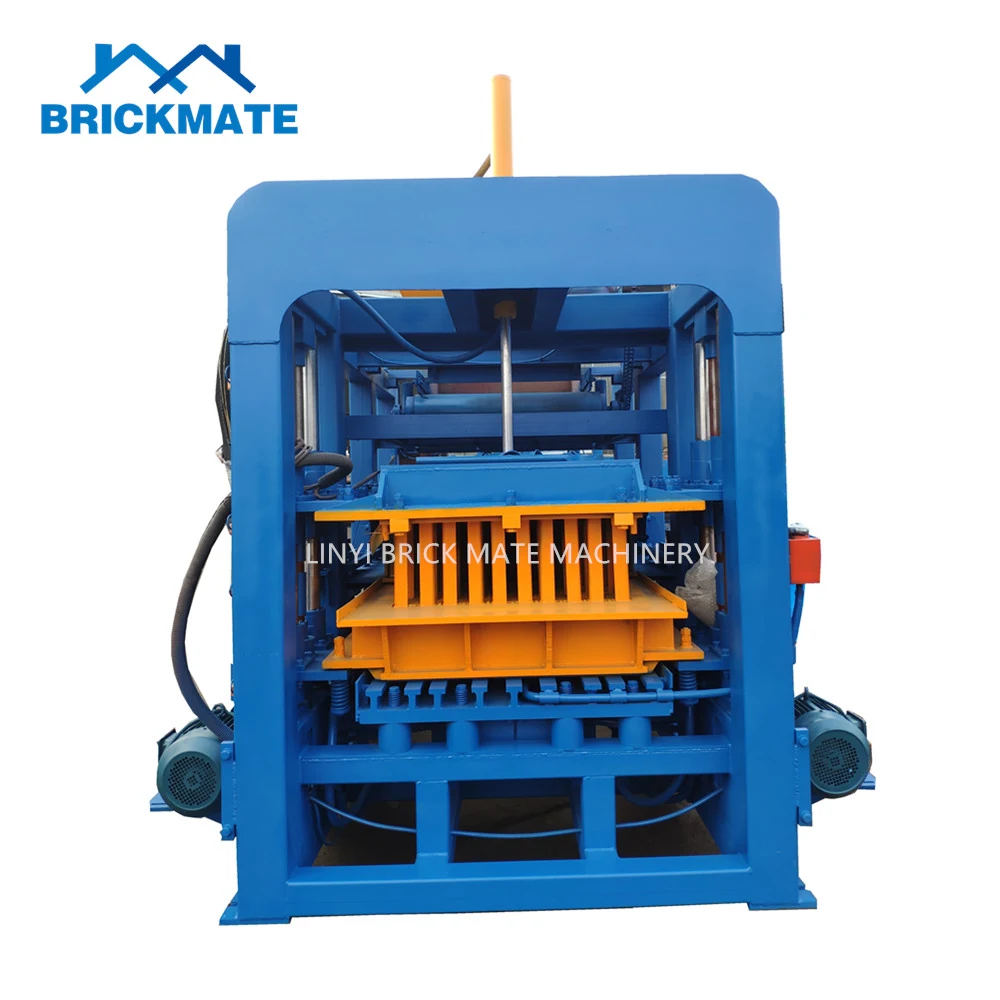
Semi Automatic Versus Fully Automatic Block Machines
Where the real difference lies between a 13.45 kW electrical vibration press and a hydraulic PLC line, in output, labour and site requirements.
Read the guide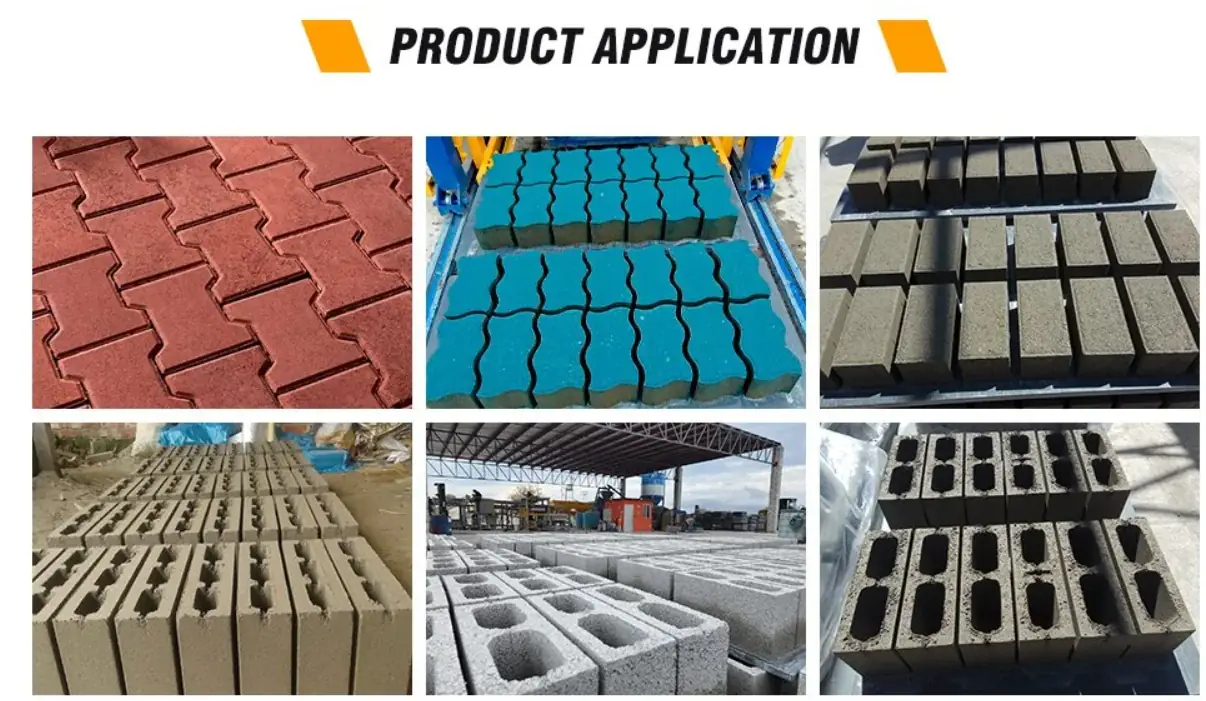
Hollow Block Sizes And What Each One Costs You In Output
Why a 400 x 100 x 200 mm block runs at double the rate of a 400 x 200 x 200 mm block on the same machine.
Read the guide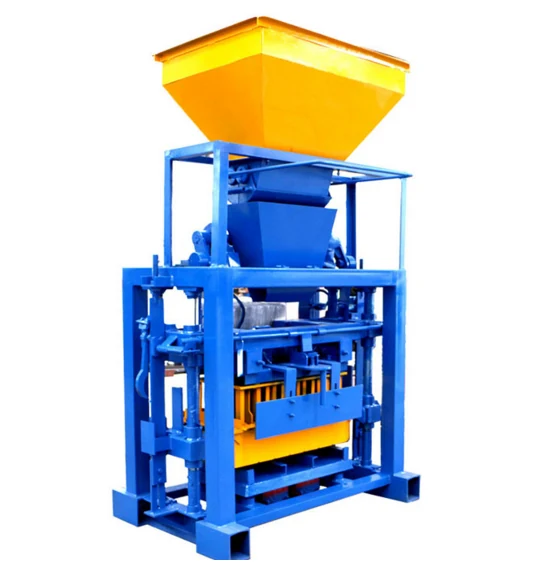
Raw Materials For Concrete Blocks And What Each One Changes
Sand, stone, cement, fly ash, slag, coal gangue and construction waste all appear in the published material lists. They do not behave the same way.
Read the guide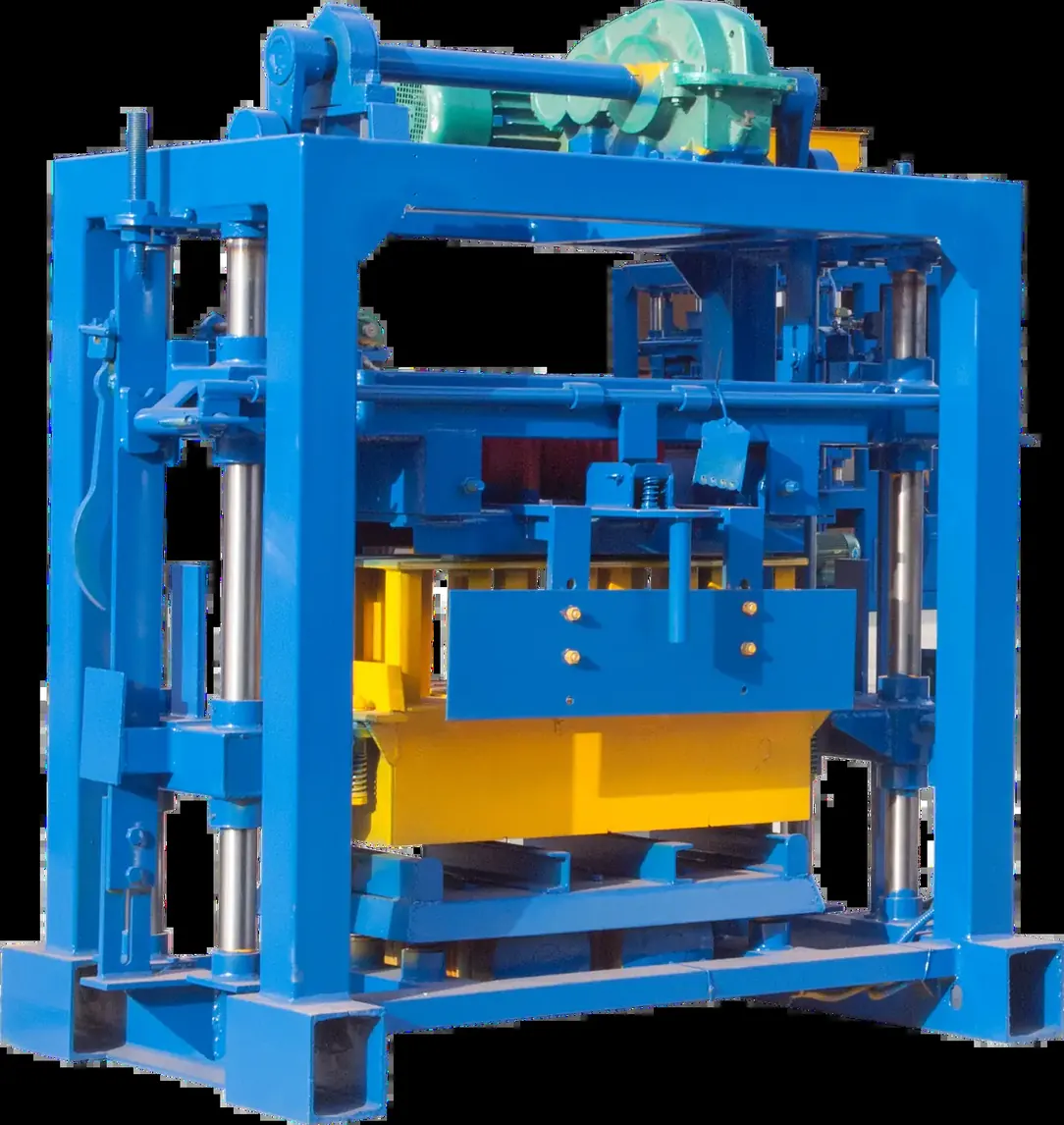
Vibration Force And Frequency And What They Do To Block Density
From 30 kN on the QT40-2 to 102 kN on the QT12-15, and why frequency matters as much as force.
Read the guide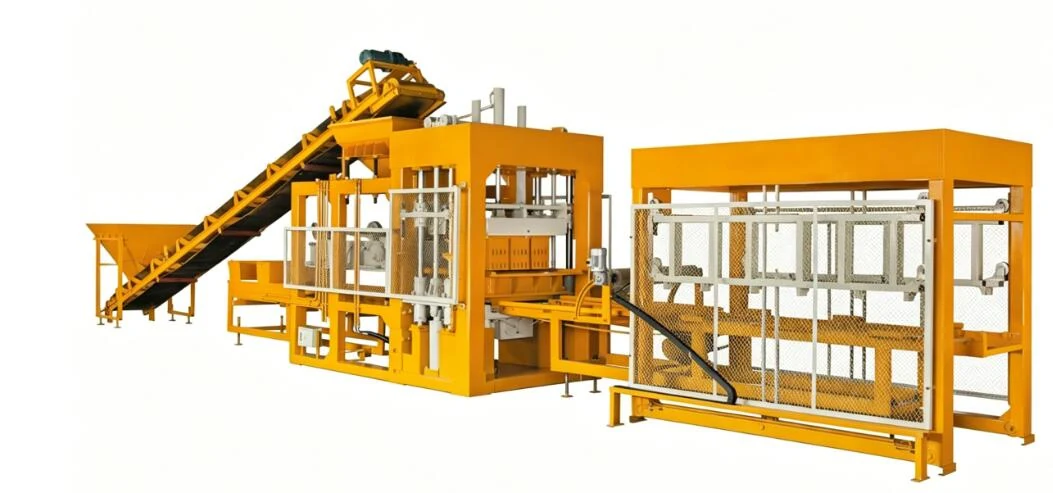
Block Machine Pallets Selection And Care
PVC, wood, GMT or bamboo, 600 pallets or 1,500, and why flipping them doubles their life.
Read the guideFrequently Asked Questions
Which block machine model should we start with?
Do you publish real output figures?
Can we test our own raw material before ordering?
What support is there after the machine arrives?
How do we get a quotation?
Tell Us The Block And The Output You Need
Send the block size, your target production per shift, the raw material available locally and your workshop dimensions. A model recommendation with the configuration list comes back.