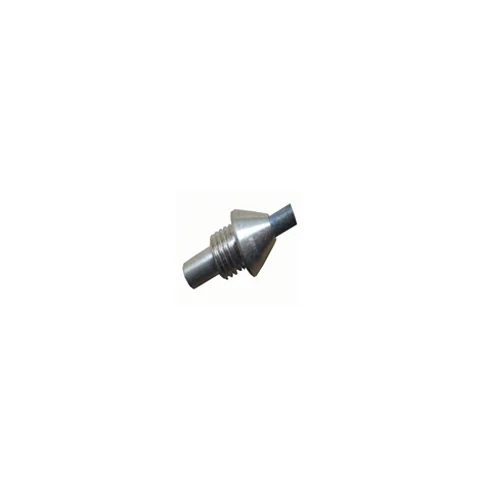
Sandblaster, Twin-PenSandblaster, Twin-Pen, With DrawerRecyclable SandblasterPencil for SandblasterNozzle for Sandblaster

Sandblasting in the Dental Laboratory

Divesting versus surface preparation, why they need different media, and what a worn nozzle quietly does to your results.

Two Jobs That Look the Same

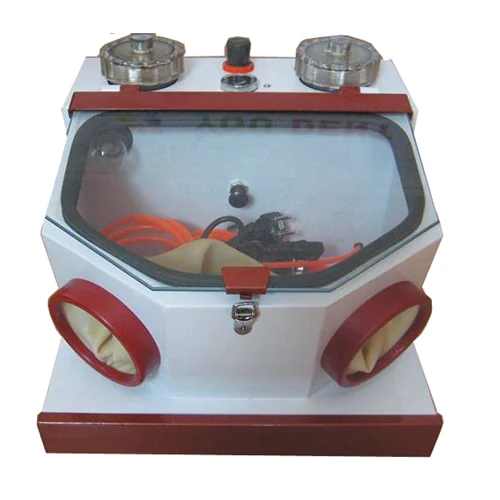
Sandblasting in a laboratory does two quite different things. Divesting strips investment off a casting, which is bulk removal and wants a coarse, aggressive medium. Surface preparation creates a controlled micro-texture for bonding, which wants a fine medium and lower pressure.

Using one setting for both means either slow divesting or an over-blasted bonding surface. This is the reason twin-pen machines exist: two media, two pressures, no changeover.

Media Separation Matters

Coarse medium carried into a fine-media circuit contaminates the bonding surface and the bond becomes unpredictable. Keep the media physically separate and do not top up one circuit from the other's supply.
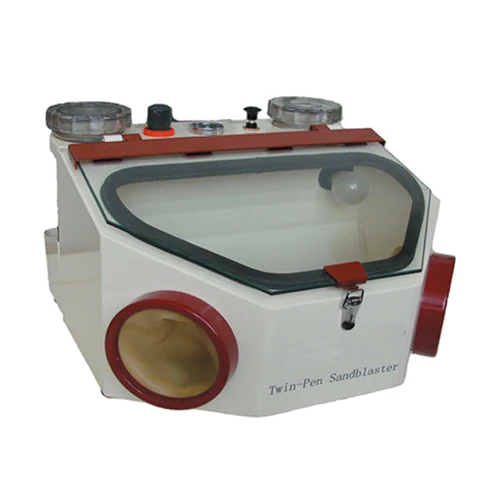
Sandblasting in the Dental Laboratory - product example
From the You Dent catalogue: Dental Sandblasters

The Nozzle Is a Consumable

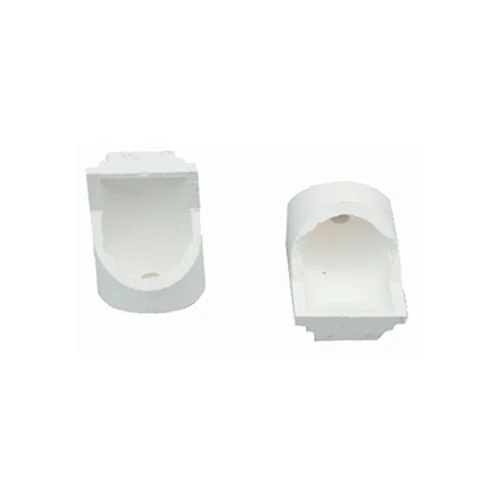
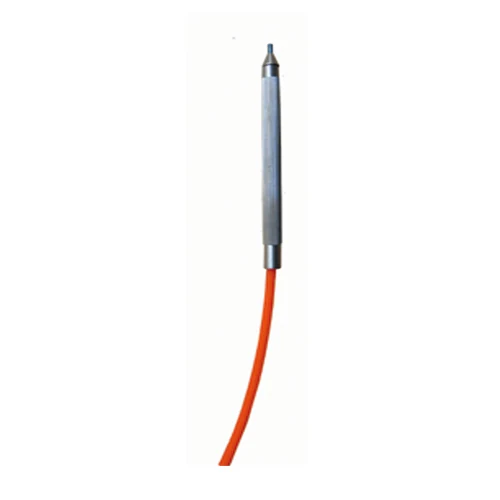
A nozzle wears from the inside. The orifice enlarges gradually, the blast pattern widens, pressure at the surface falls, and nothing announces it. The technician compensates by blasting longer, and results drift.

Replace nozzles on a schedule rather than on failure, and keep a spare. It is the single most common reason a sandblaster seems to have lost performance.

Air Supply Quality

Sandblasters need clean, dry, regulated air. Moisture carried through from the compressor clumps the medium and blocks the circuit. A water trap and regulator are part of the installation, not an optional extra.

Recycling

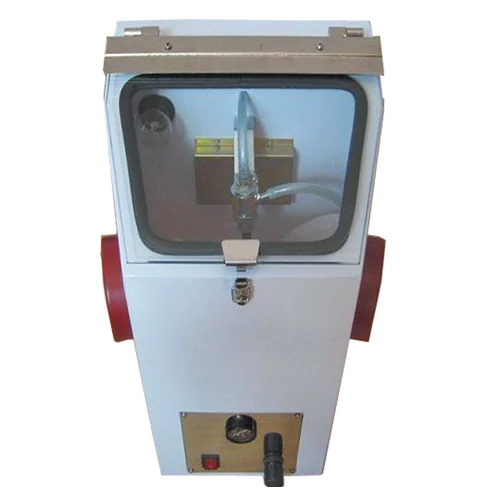
Recyclable machines recover and reuse abrasive. For a laboratory blasting daily, the medium saved repays the price difference; for occasional use, a standard cabinet is simpler and cheaper.
Keep reading

Other Guides in the Knowledge Center

Buying Guide

How to Choose a Dental Lab Micromotor

Torque, speed, brushless versus brush, voltage and serviceability, in the order they actually matter when you are buying.

Read the guide →
Process Guide

Dowel Pin Systems Explained

Single, spiked, sleeved and twin pins, what each one controls, and why dies rotate when they should not.

Read the guide →
Product Guide

Honeycomb Firing Trays and Pin Types

Round, square and multistation formats, ceramic versus metal pins, and how to size a tray to your furnace.

Read the guide →
Material Guide

Zirconia PMMA and Wax Discs Compared

What each CAD/CAM disc material is for, where each one fails, and how the three fit into one workflow.

Read the guide →
Buying Guide

Choosing a Dental Articulator

Fixed, magnetic and disposable instruments, and the one property that matters more than any specification.

Read the guide →
Process Guide

Polishing Sequence for Acrylic Dentures

Why a polish goes hazy, what each grade is actually doing, and the one habit that fixes most finishing problems.

Read the guide →
Checklist

Setting Up a New Dental Laboratory

What to buy first, what can wait, and how to sequence a fit-out so freight does not eat the budget.

Read the guide →
Buying Guide

Importing Dental Lab Equipment From China

Voltage, plugs, documentation, freight mode and consolidation, from the buyer's side of the transaction.

Read the guide →
Troubleshooting Guide

Micromotor Maintenance and Troubleshooting

Diagnosing loss of power, vibration, overheating and intermittent cut-outs before you replace a machine that does not need replacing.

Read the guide →
Answers

Questions On This Topic

Why has my sandblaster stopped working well?

Check the nozzle first, then the air supply for moisture, then the medium for clumping. In that order; it is almost always the nozzle.

Can I use the same medium for divesting and bonding preparation?

You can, but you should not. The particle size that strips investment efficiently is not the one that creates a good bonding surface.

Still Not Sure Which Item You Need

Describe the machine, the material or the stage you are working on. We will tell you which product fits, and say so plainly when none of ours does.