
Dental Lab Micromotors
Bench and knee-operated micromotors for grinding, trimming and finishing at the model bench.
Everything Catalogued in Dental Lab Micromotors
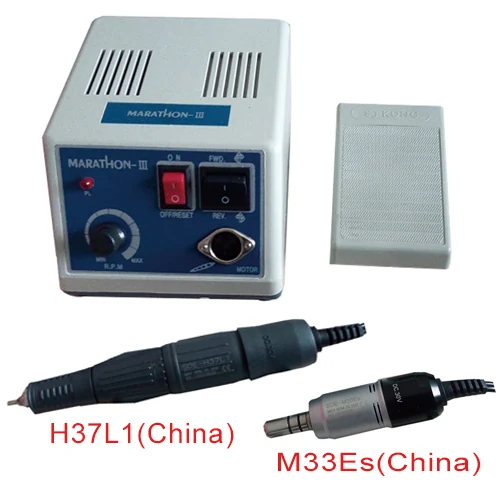
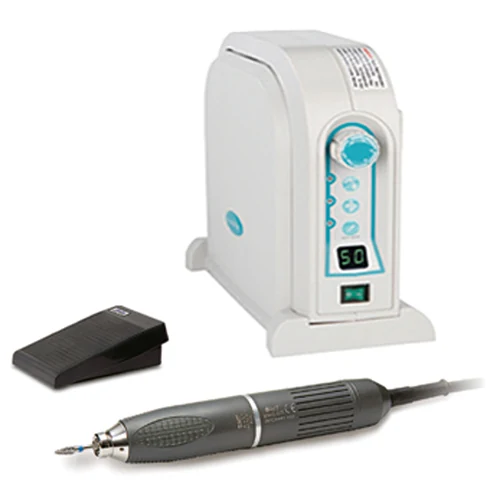
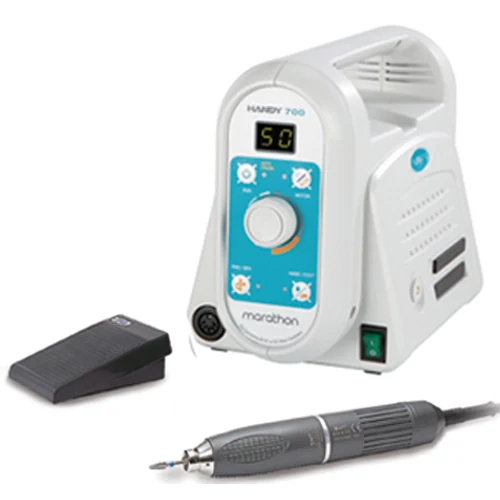
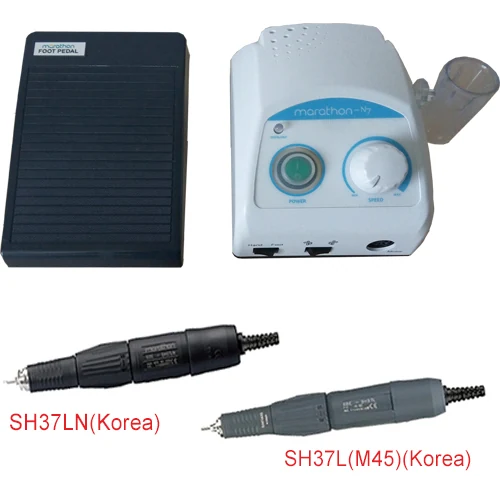
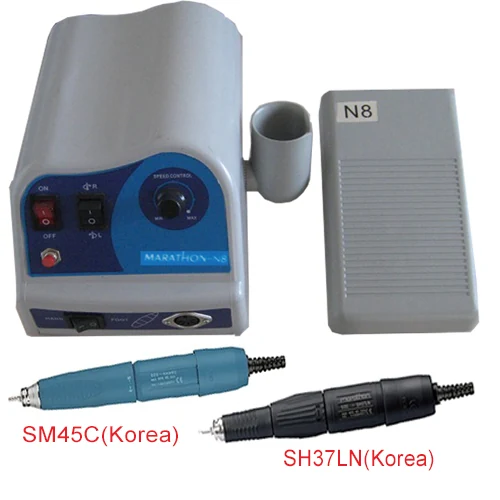
Marathon-III MicromotorMarathon Multi 600 Brushless MicromotorMarathon Handy 700 Brushless MicromotorMarathon-N7(New Type) MicromotorMarathon-N8 Micromotor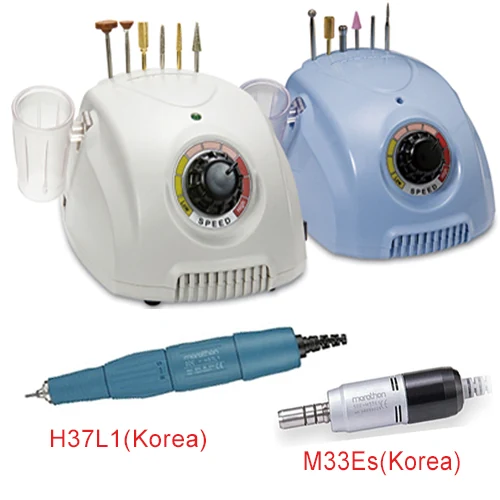 Marathon 3 New Champion Micromotor
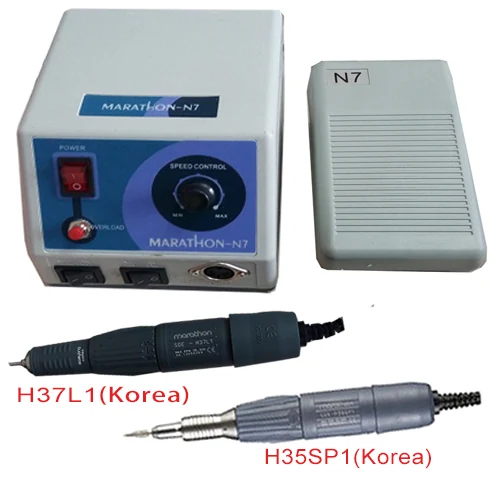 Marathon-N7(Classic Type) Micromotor
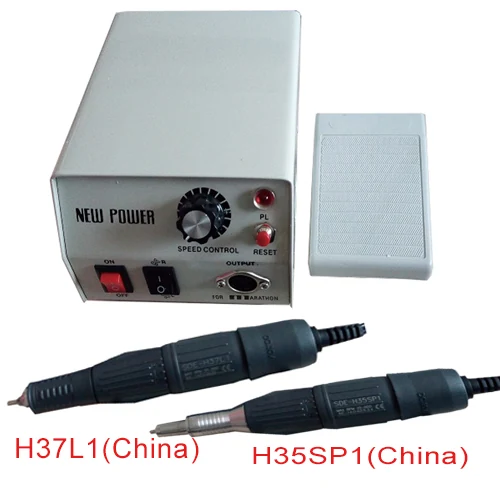 Marathon New Power Micromotor
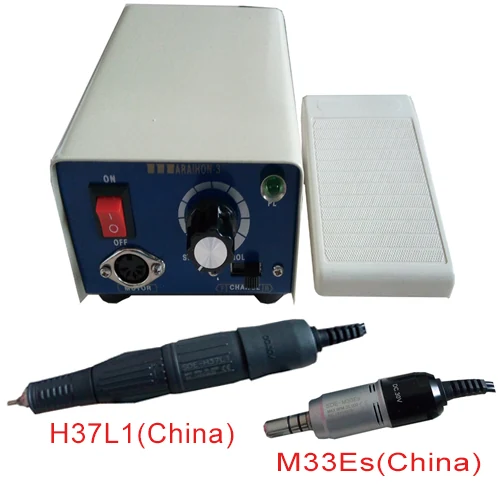 Marathon-3 Micromotor
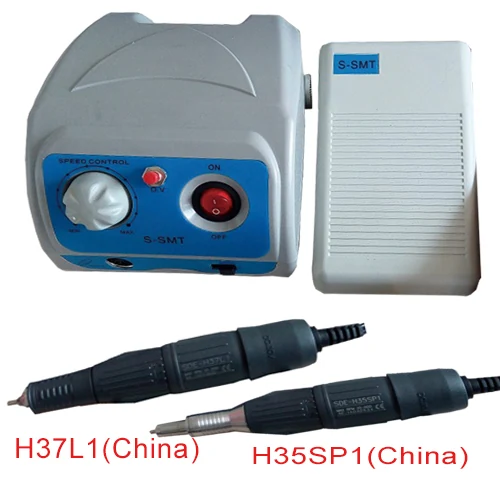 S-SMT Micromotor
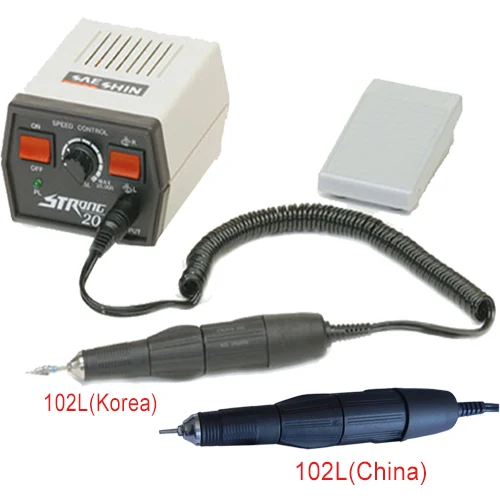 STRONG 204 Micromotor
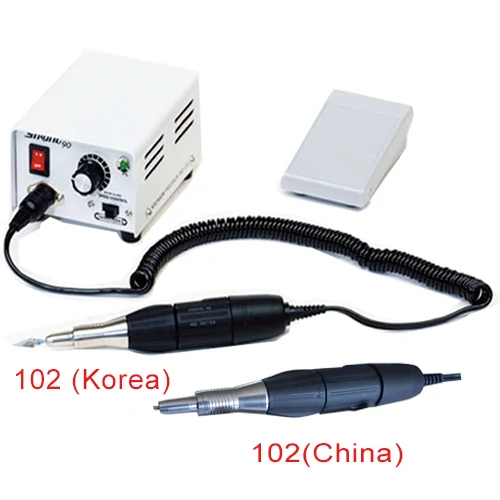 STRONG 90 Micromotor
What This Category Fixes at the Bench
The micromotor is the tool a technician holds for most of the working day. Speed that sags under load, a handpiece that heats up, or a control box that cannot be serviced locally all translate directly into slower cases and shorter tool life.
Problems it removes
- Brush motors lose torque as the carbon wears, so cutting slows before anyone notices the cause.
- Mixed voltages across a lab mean a motor bought for one bench cannot move to another.
- Handpiece and control box from different brands rarely share spares.
Who buys it
- Crown and bridge laboratories
- Denture and orthodontic laboratories
- Clinics with an in-house finishing bench
- Dealers stocking lab equipment
Where This Range Is Strong
- Brushless and brush models in the same catalogue, so a lab can standardise on one control system.
- Marathon, Strong and YouDent handpieces that share the common 35K and 45K bench standards.
- Carbon brushes, armatures, chucks and bearings listed as separate line items for the same motors.
Also in Micromotors and Handpieces
Used in these workflows
Bought by
Typical Situations at the Bench
Trimming and shaping cast frameworks
Finishing acrylic denture bases
Adjusting zirconia copings after sintering
Plaster and model work at the bench
Guides Related to This Category
How to Choose a Dental Lab Micromotor
Torque, speed, brushless versus brush, voltage and serviceability, in the order they actually matter when you are buying.
Read the guide →ChecklistSetting Up a New Dental Laboratory
What to buy first, what can wait, and how to sequence a fit-out so freight does not eat the budget.
Read the guide →Buying GuideImporting Dental Lab Equipment From China
Voltage, plugs, documentation, freight mode and consolidation, from the buyer's side of the transaction.
Read the guide →Dental Lab Micromotors: Buyer Questions
What is the difference between a brushless and a brush micromotor?
A brushless motor has no carbon brushes to wear, so torque stays constant and there is no brush replacement interval. A brush motor costs less to buy and the brushes are a cheap consumable, but torque drops as they wear. Brushless models in this category include the Marathon Multi 600 and Marathon Handy 700.
What voltage do the micromotors run on?
It varies by model and it is listed on each product page where the original specification states it. Several models are 220V only; others are available 220V or 110V. Tell us your country before you order and we will confirm the version in writing.
Can I buy the handpiece separately from the control box?
Yes. Handpieces are catalogued separately under Handpieces, and the common wear parts are listed under Spare Parts, so you can replace one part instead of a complete set.
Get a Price on Dental Lab Micromotors
Send the items and quantities you need from this category. We will quote them with the rest of your order so it ships once.