

Casting and Pressing
Investing, burn-out and casting with the consumables that actually control fit.
Where the Errors Actually Come From
A casting either fills or it does not, and the outcome is usually settled before the alloy melts. Ring size, liner thickness, crucible material and spin force are the variables, and every one of them is a consumable or a setting rather than a matter of luck.
Casting and Pressing Step by Step
Each stage links to the categories that supply it, so an order can be built around the process instead of a product list.
Invest
Rings and liner control expansion, which is what decides whether the casting fits.
Melt
Crucible material is matched to the alloy family to keep the melt chemistry clean.
Cast
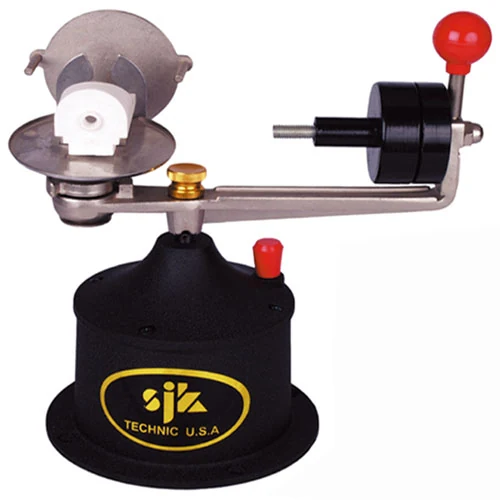
Centrifugal machines deliver the fill pressure that completes thin sections and margins.
Divest
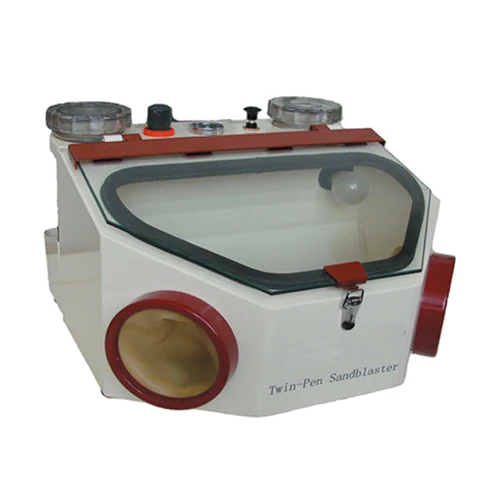
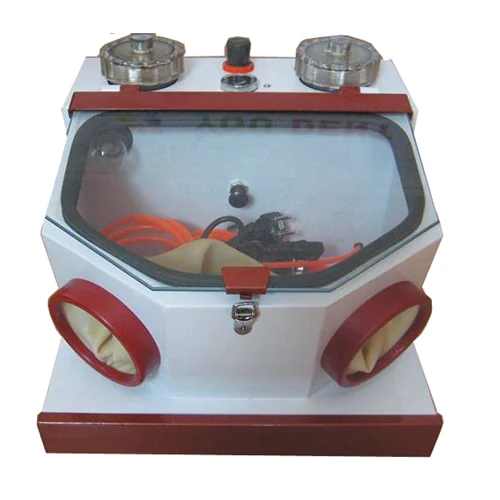
Sandblasting strips investment without hand scraping and without damaging the casting.
What You Should End Up With
- Castings complete in thin sections and at the margin
- Fit controlled by liner and ring choice rather than adjusted afterwards
- Divesting that does not damage what it is cleaning
Categories In This Workflow
Items Used Across These Stages
Casting and Pressing: Practical Questions
Why do castings come out consistently tight or loose?
That is an expansion problem, which means ring, liner and investment handling. A consistent error is easier to fix than a random one.
Can one crucible be used for several alloys?
It should not be. Dedicate a crucible to one alloy family; swapping is the most common cause of unexplained casting faults.
Do I need a recyclable sandblaster?
If you blast daily, the recovered abrasive pays for the difference. For occasional use, a standard cabinet is the simpler choice.
Quote the Casting and Pressing Workflow
Tell us which stages you are equipping and we will quote the equipment and the first round of consumables together, in one shipment.