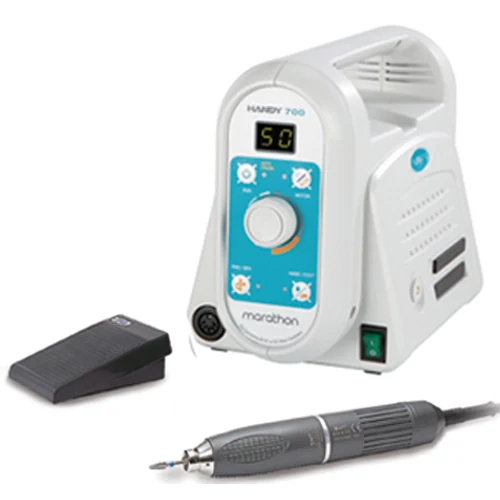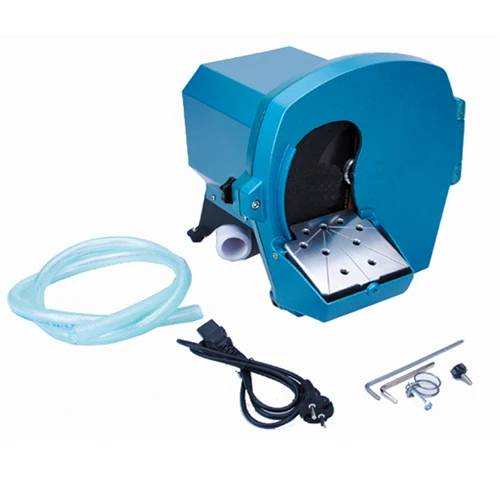
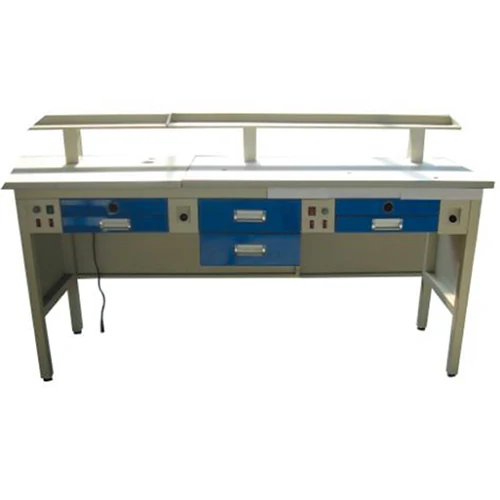
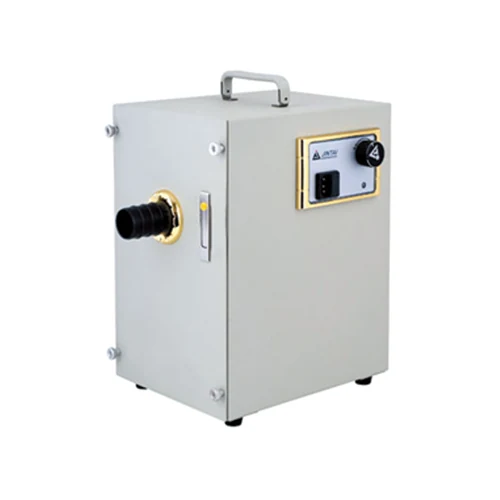
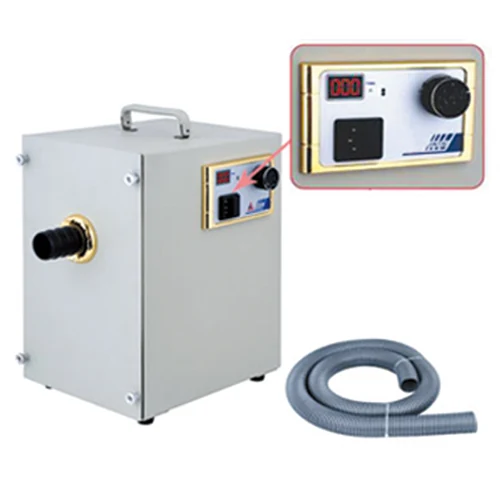
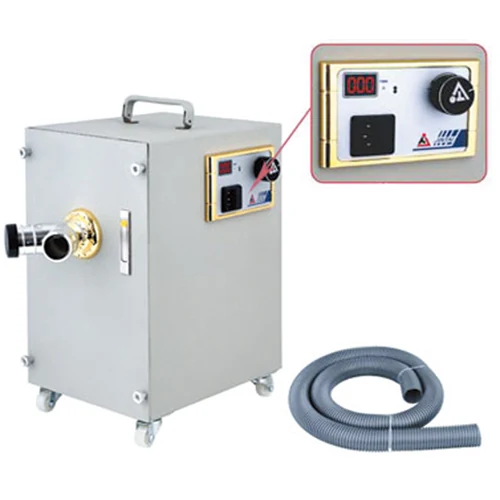
Lab Bench, Single PersonLab Bench, Two PersonDust CollectorDust Collector, DigitalDust Collector, Y Tubes

Setting Up a New Dental Laboratory

What to buy first, what can wait, and how to sequence a fit-out so freight does not eat the budget.

Decide the Stations Before the Equipment

A laboratory is a set of stations, not a pile of machines. Model room, wax-up, casting, ceramics, finishing. Decide which of these you will actually run in the first year, and equip those completely, rather than equipping all five partially.

Benches and Extraction First

These set the layout and the shipping volume, and both are expensive to change afterwards. Plan power and extraction runs before the benches are positioned; moving one later means moving all of them.

Grinding without extraction is not an option. A desktop suction base is the minimum; a dust collector at the bench is the right answer.
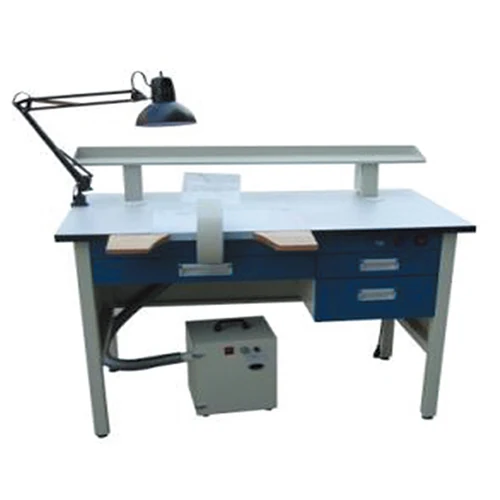
Setting Up a New Dental Laboratory - product example
From the You Dent catalogue: Lab Benches Dust Collectors and Suction

Equipment by Station

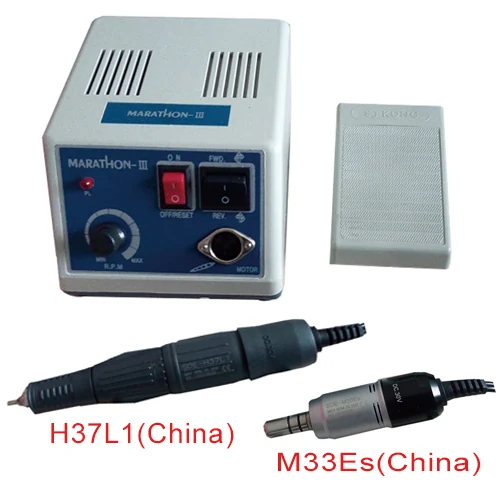
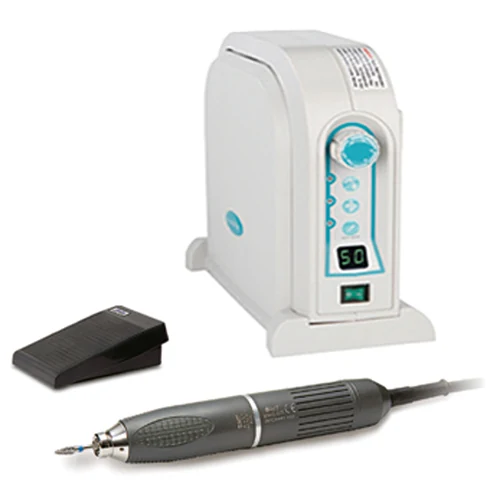
Model room: vibrator, model trimmer, vacuum mixer, base moulds. Wax-up: wax pot, carving pencil, waxes. Casting: casting machine, crucibles, rings, sandblaster. Finishing: micromotor, mounted points, polishers. Ceramics: firing trays, plates, pallets.

First-Fill Consumables

A bench with equipment and no consumables cannot work. Order the first round of pins, points, waxes, discs and brushes with the equipment. They fill space in a shipment whose volume is already committed, so the marginal freight cost is close to nothing.

Spares Before the First Failure

Carbon brushes, a chuck, a cord, a spare nozzle. These are the parts that will stop a bench within the first year, and they cost almost nothing to include now.

Settle Voltage at the Start

Tell your supplier the destination country before anything is quoted. It determines which versions of several machines can be supplied, and it is far cheaper to resolve before shipping than after.
Keep reading

Other Guides in the Knowledge Center

Buying Guide

How to Choose a Dental Lab Micromotor

Torque, speed, brushless versus brush, voltage and serviceability, in the order they actually matter when you are buying.

Read the guide →
Process Guide

Dowel Pin Systems Explained

Single, spiked, sleeved and twin pins, what each one controls, and why dies rotate when they should not.

Read the guide →
Product Guide

Honeycomb Firing Trays and Pin Types

Round, square and multistation formats, ceramic versus metal pins, and how to size a tray to your furnace.

Read the guide →
Material Guide

Zirconia PMMA and Wax Discs Compared

What each CAD/CAM disc material is for, where each one fails, and how the three fit into one workflow.

Read the guide →
Process Guide

Sandblasting in the Dental Laboratory

Divesting versus surface preparation, why they need different media, and what a worn nozzle quietly does to your results.

Read the guide →
Buying Guide

Choosing a Dental Articulator

Fixed, magnetic and disposable instruments, and the one property that matters more than any specification.

Read the guide →
Process Guide

Polishing Sequence for Acrylic Dentures

Why a polish goes hazy, what each grade is actually doing, and the one habit that fixes most finishing problems.

Read the guide →
Buying Guide

Importing Dental Lab Equipment From China

Voltage, plugs, documentation, freight mode and consolidation, from the buyer's side of the transaction.

Read the guide →
Troubleshooting Guide

Micromotor Maintenance and Troubleshooting

Diagnosing loss of power, vibration, overheating and intermittent cut-outs before you replace a machine that does not need replacing.

Read the guide →
Answers

Questions On This Topic

What is the single most common fit-out mistake?

Equipping every station partially instead of a few stations completely. A station that cannot finish its work is not contributing.

Should consumables really ship with the equipment?

Yes. The volume is already paid for. Consumables ordered separately three months later carry their own freight, which on light bulky items is often more than the goods.

Still Not Sure Which Item You Need

Describe the machine, the material or the stage you are working on. We will tell you which product fits, and say so plainly when none of ours does.