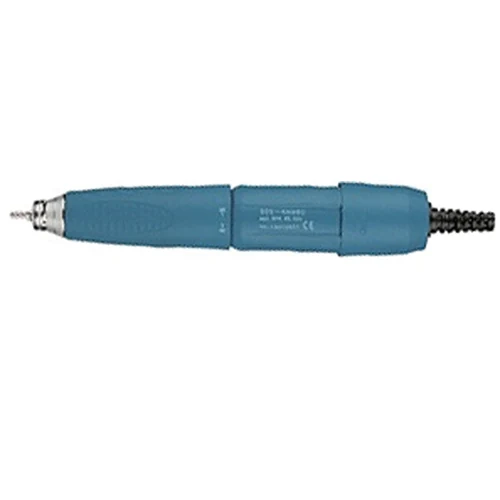
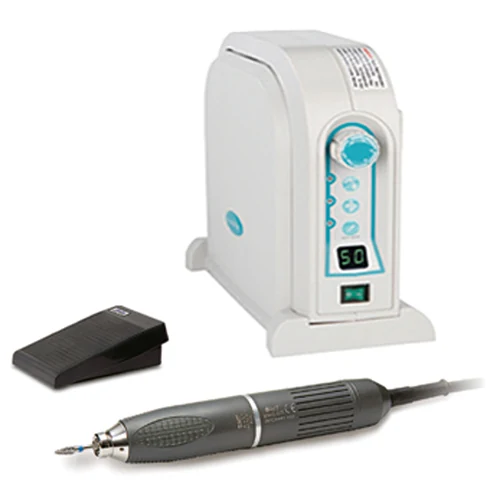
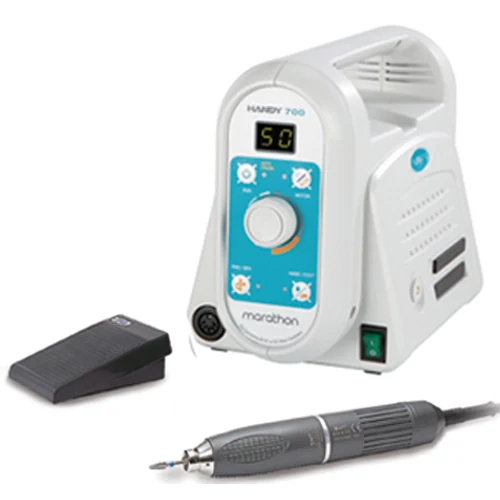
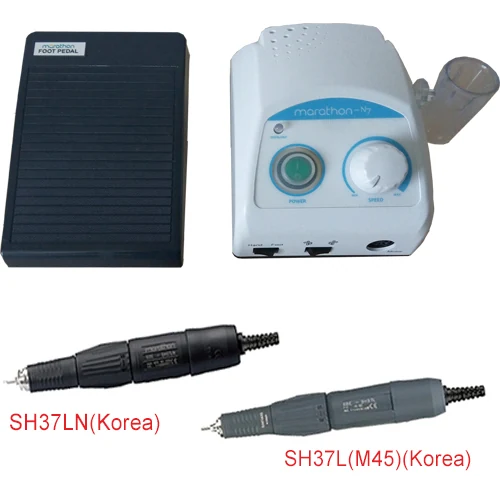
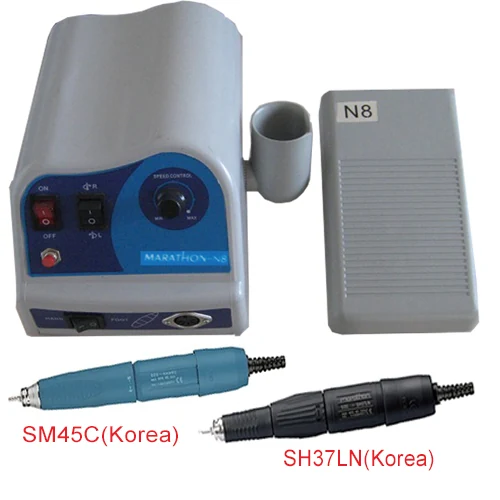
Marathon-III MicromotorMarathon Multi 600 Brushless MicromotorMarathon Handy 700 Brushless MicromotorMarathon-N7(New Type) MicromotorMarathon-N8 Micromotor

How to Choose a Dental Lab Micromotor

Torque, speed, brushless versus brush, voltage and serviceability, in the order they actually matter when you are buying.

Start With Torque Not Speed

Almost every micromotor on the market quotes a headline speed, and almost no bench work is limited by it. What limits work is torque: the motor's ability to keep turning when the bur is actually cutting. A motor that drops speed under load makes the technician press harder, which heats the bur, glazes the abrasive and shortens instrument life.

Compare torque figures where they are published, and treat speed as a secondary specification. A motor rated at 50,000 rpm with low torque is a slower machine in practice than one rated at 35,000 rpm that holds its speed in a cut.

Brushless or Brush

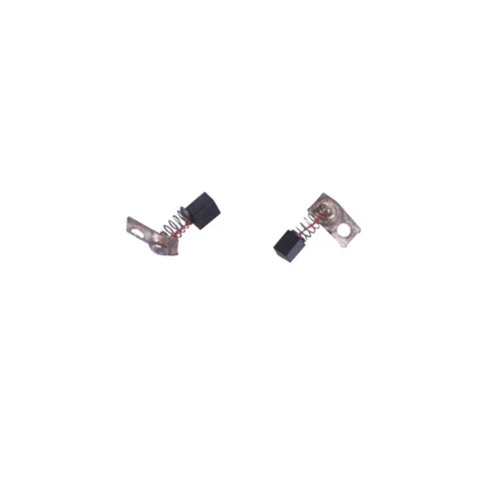
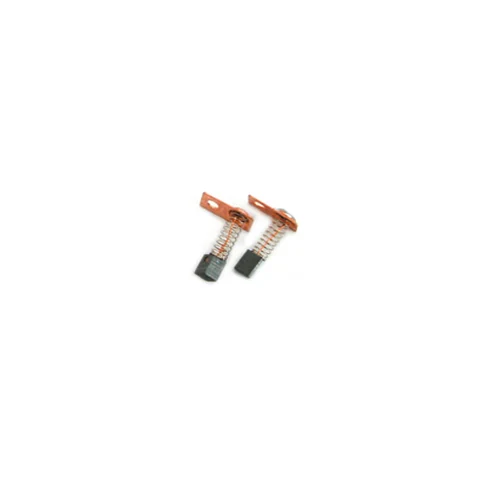
A brush motor uses carbon brushes to carry current to the rotating armature. They wear, and as they wear the motor loses torque, usually so gradually that nobody connects the two. They are cheap to replace and the motor is cheap to buy.

A brushless motor has no brushes. Torque stays constant across the life of the machine and there is no replacement interval to manage. It costs more up front. For a bench running all day, the brushless machine usually wins on total cost; for occasional use, the brush motor is sensible.
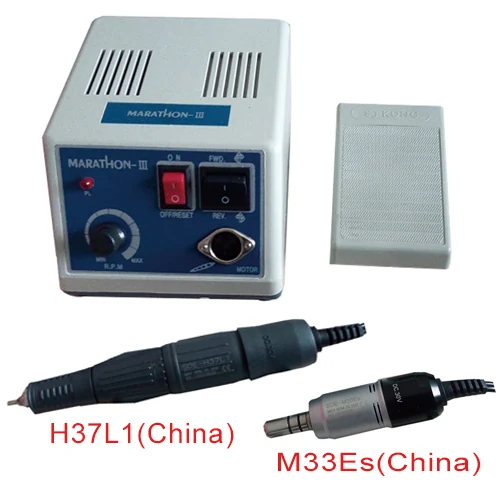
How to Choose a Dental Lab Micromotor - product example
From the You Dent catalogue: Dental Lab Micromotors

Check the Handpiece Separately

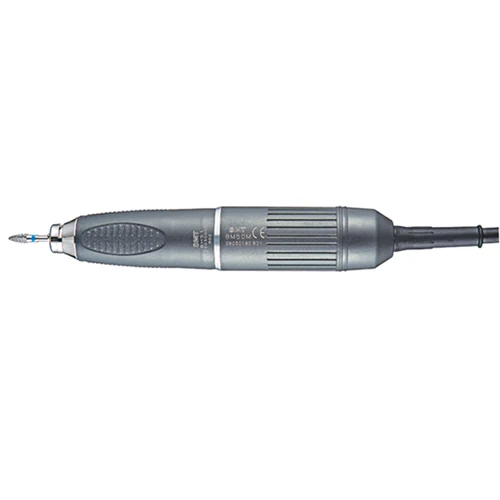
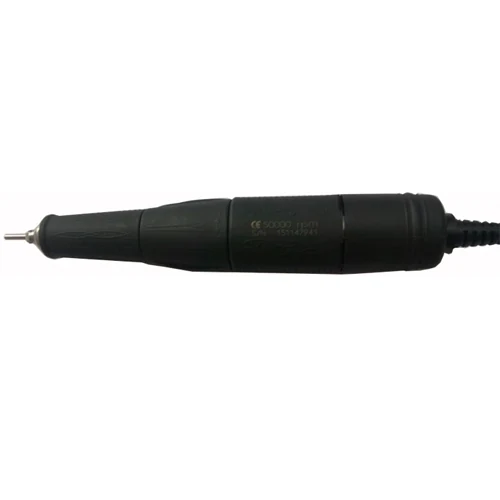
The handpiece fails before the motor does, because it is the part that gets held, dropped and run hot. Before buying, confirm that handpieces are available on their own for the system you are choosing. A system where the handpiece is only sold as part of a complete set is a system where one failure costs you a whole machine.

Confirm Voltage Before You Order Not After

Several laboratory micromotors are built for 220V only; others are offered in 220V or 110V versions. This is settled at the factory, not with an adapter. Tell your supplier the destination country before the order is placed and get the version confirmed in writing.

Plan the Spares With the Machine

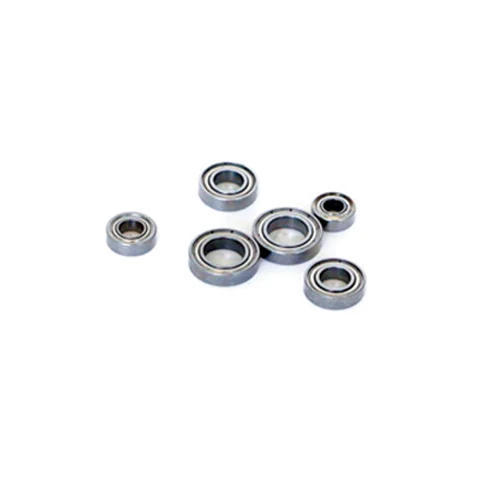
Carbon brushes, a spare chuck and a spare cord cost very little when they travel in the same shipment as the motor. Bought separately six months later, the freight can exceed the parts. If you are buying a brush motor, buy the brushes at the same time.
Keep reading

Other Guides in the Knowledge Center

Process Guide

Dowel Pin Systems Explained

Single, spiked, sleeved and twin pins, what each one controls, and why dies rotate when they should not.

Read the guide →
Product Guide

Honeycomb Firing Trays and Pin Types

Round, square and multistation formats, ceramic versus metal pins, and how to size a tray to your furnace.

Read the guide →
Material Guide

Zirconia PMMA and Wax Discs Compared

What each CAD/CAM disc material is for, where each one fails, and how the three fit into one workflow.

Read the guide →
Process Guide

Sandblasting in the Dental Laboratory

Divesting versus surface preparation, why they need different media, and what a worn nozzle quietly does to your results.

Read the guide →
Buying Guide

Choosing a Dental Articulator

Fixed, magnetic and disposable instruments, and the one property that matters more than any specification.

Read the guide →
Process Guide

Polishing Sequence for Acrylic Dentures

Why a polish goes hazy, what each grade is actually doing, and the one habit that fixes most finishing problems.

Read the guide →
Checklist

Setting Up a New Dental Laboratory

What to buy first, what can wait, and how to sequence a fit-out so freight does not eat the budget.

Read the guide →
Buying Guide

Importing Dental Lab Equipment From China

Voltage, plugs, documentation, freight mode and consolidation, from the buyer's side of the transaction.

Read the guide →
Troubleshooting Guide

Micromotor Maintenance and Troubleshooting

Diagnosing loss of power, vibration, overheating and intermittent cut-outs before you replace a machine that does not need replacing.

Read the guide →
Answers

Questions On This Topic

What speed do I actually need for laboratory work?

Most model and finishing work happens well below the maximum. The instrument's own rated speed is usually the limit, not the motor's.

Can I use one control box with different handpieces?

Yes, if the coupling and speed rating match. That compatibility is worth confirming before you buy, not after a handpiece fails.

Still Not Sure Which Item You Need

Describe the machine, the material or the stage you are working on. We will tell you which product fits, and say so plainly when none of ours does.