
Wax-Up and Pattern Work
Controlled wax handling, from dipped copings to full-contour patterns and framework retention.
Where the Errors Actually Come From
The pattern becomes the casting, so every property that matters downstream is decided in wax: flow, carving hardness, dimensional stability and burn-out behaviour. Controlling wax temperature is what turns a wax-up from a matter of feel into a repeatable process.
Wax-Up and Pattern Work Step by Step
Each stage links to the categories that supply it, so an order can be built around the process instead of a product list.
Heat
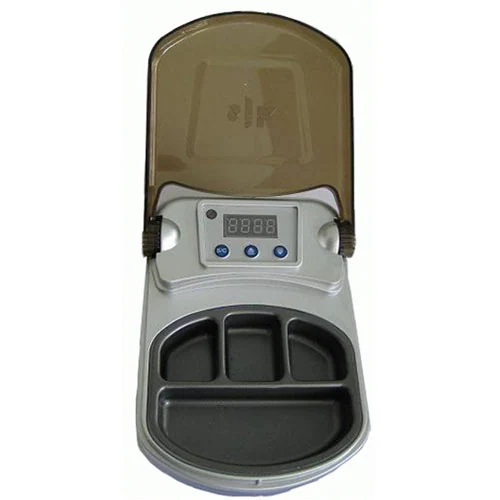
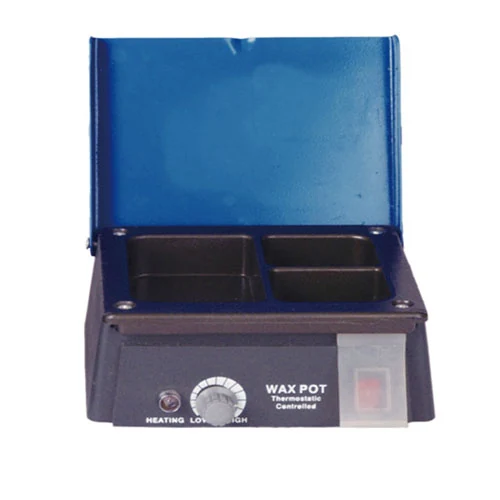
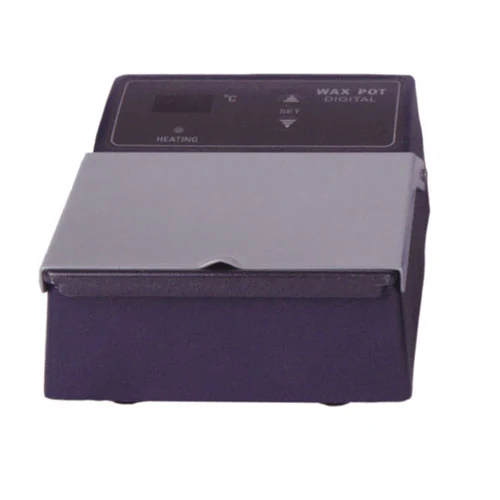
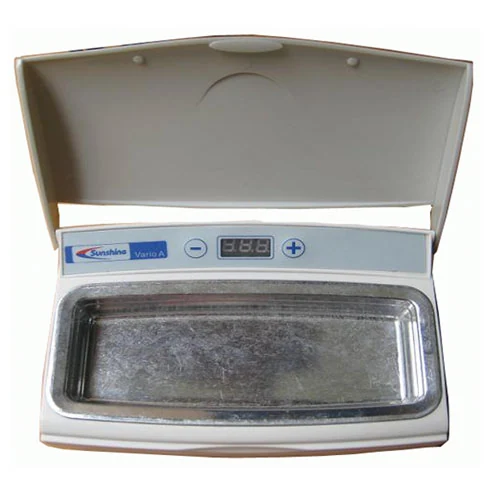
Electric wax pots hold dipping and modelling waxes at a set, displayed temperature.
Dip
Dipping units build copings to a controlled thickness rather than an estimated one.
Carve
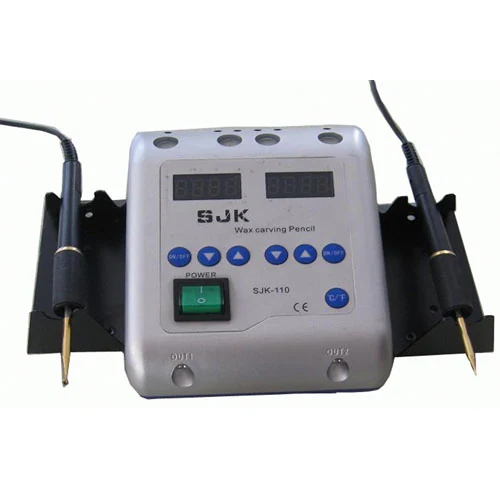
Electric carving pencils give steady tip heat with no soot and no reheating pauses.
Build
Casting, inlay and base plate waxes chosen for the job carve and burn out as the technique assumes.
Retain
Preformed wax nets and profiles build framework retention consistently and quickly.
Verify
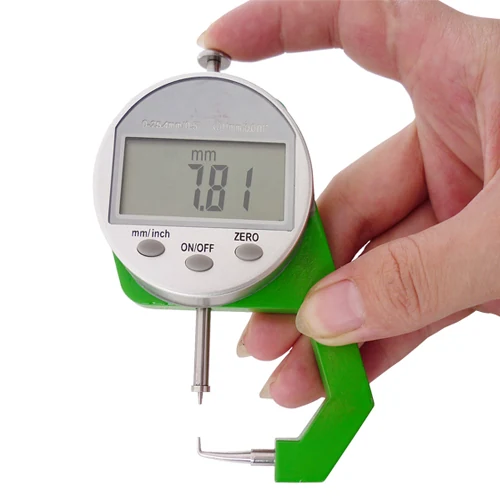
Calipers confirm wall thickness before the pattern is committed to investing.
What You Should End Up With
- Patterns that hold their dimensions between wax-up and investing
- Coping thickness that is chosen rather than discovered
- Clean burn-out without residue in the casting
Categories In This Workflow
Items Used Across These Stages


Wax-Up and Pattern Work: Practical Questions
Why does wax temperature matter so much?
Overheated wax shrinks more as it cools and loses carving properties. Wax that is too cold drags and will not flow into detail. A controlled pot removes both problems.
Is an electric carving pencil worth it over a flame?
For detail work, yes. Flame-heated instruments carbonise wax and cool between strokes.
How should wax be stored?
Cool, flat and out of direct sunlight. Wax that has been hot and cooled unevenly handles differently from then on.
Quote the Wax-Up and Pattern Work Workflow
Tell us which stages you are equipping and we will quote the equipment and the first round of consumables together, in one shipment.