
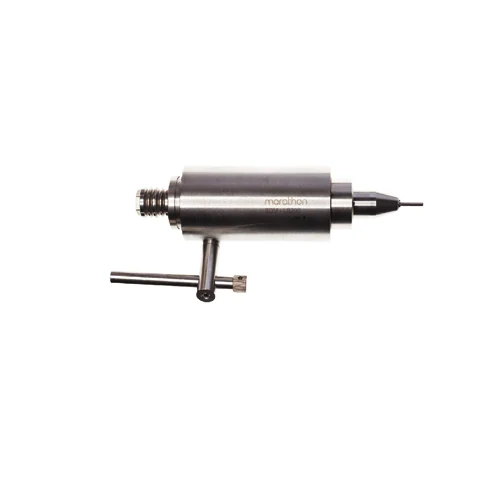
Finishing and Polishing
A graded sequence from gross adjustment to a surface that resists plaque and feels right.
Where the Errors Actually Come From
Finishing is a sequence, not a step. Every grade removes the scratches left by the one before it, which is why a gap in the sequence cannot be polished out later. Labs that buy rotary instruments one at a time end up polishing longer for a worse result.
Finishing and Polishing Step by Step
Each stage links to the categories that supply it, so an order can be built around the process instead of a product list.
Reduce
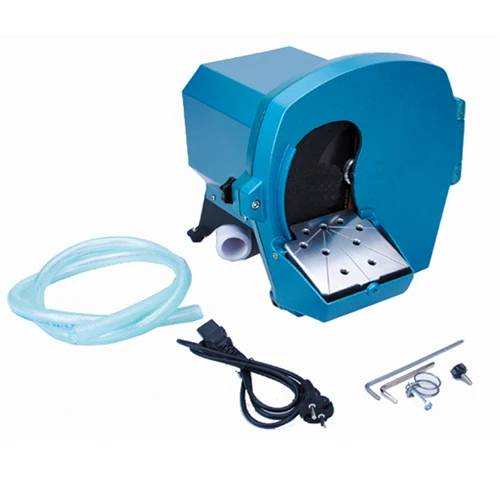
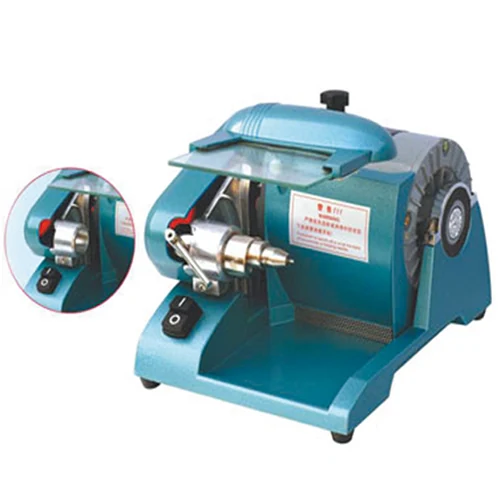
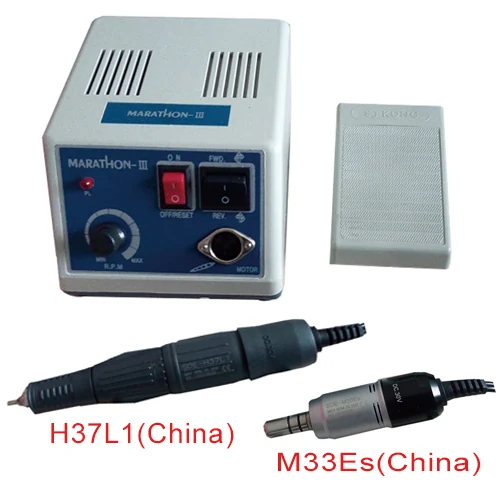
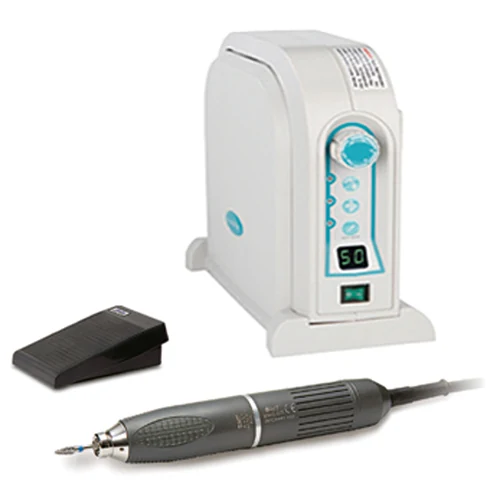
High-speed grinders and micromotors take off bulk material quickly and safely.
Shape
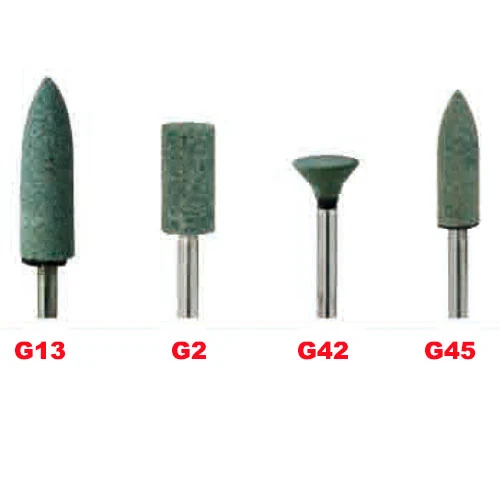
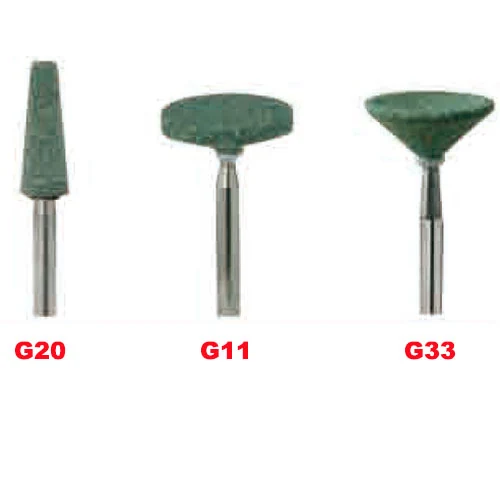
Mounted points in graded shapes and grits reach the surfaces that need work.
Refine
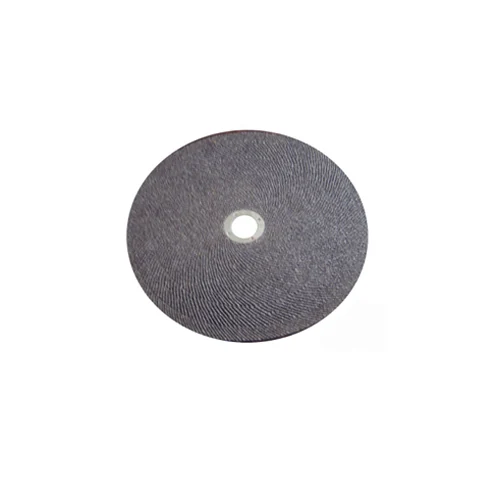
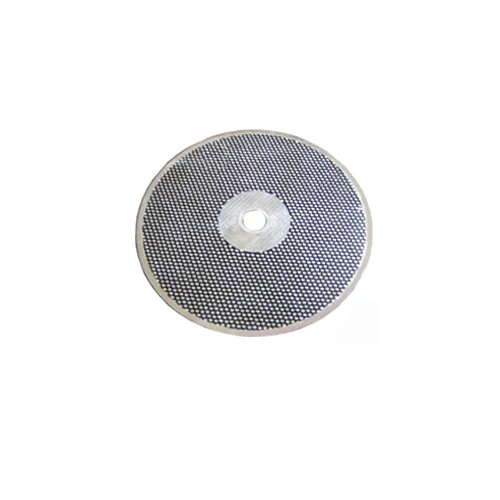
Sintered diamond instruments handle zirconia and hard ceramics that blunt ordinary abrasives.
Smooth
Rubber and silicone polishers step the surface down towards a shine.
Protect
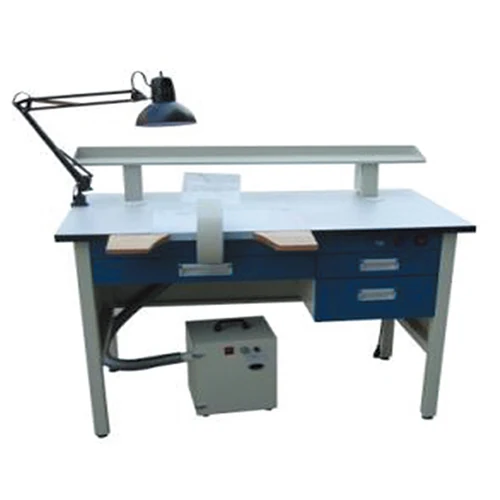
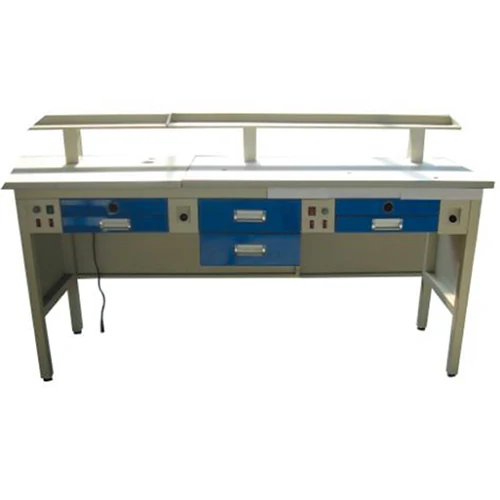
Extraction at the bench keeps the dust out of the technician and out of the machines.
What You Should End Up With
- A repeatable finish that does not depend on which technician did it
- Fewer scratches reappearing under the final polish
- Less time per unit at the finishing bench
Finishing and Polishing: Practical Questions
Why does the polish stay hazy?
Almost always a skipped grade, or coarse compound carried into a fine wheel. Clean the work between grades.
What is different about finishing zirconia?
Sintered zirconia blunts conventional abrasives almost immediately. Use sintered diamond instruments for it.
Are the polishing kits better value than individual items?
The kits are assembled as working sequences with the grades stepping down correctly. Individual items are for replacing what you wear out fastest.
Quote the Finishing and Polishing Workflow
Tell us which stages you are equipping and we will quote the equipment and the first round of consumables together, in one shipment.