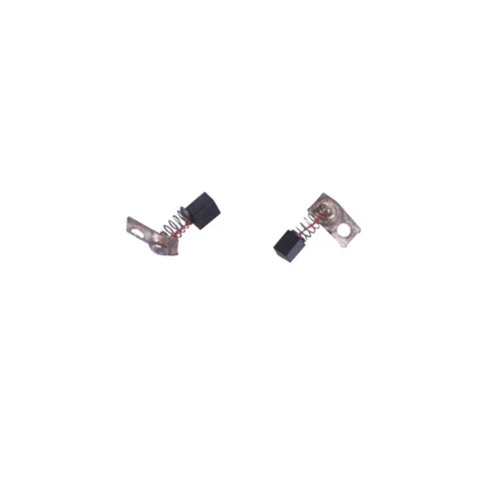
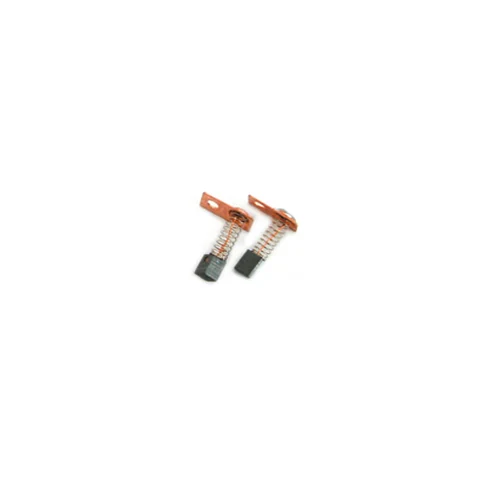
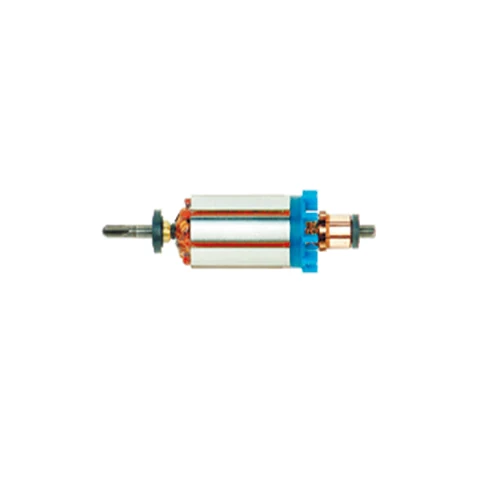
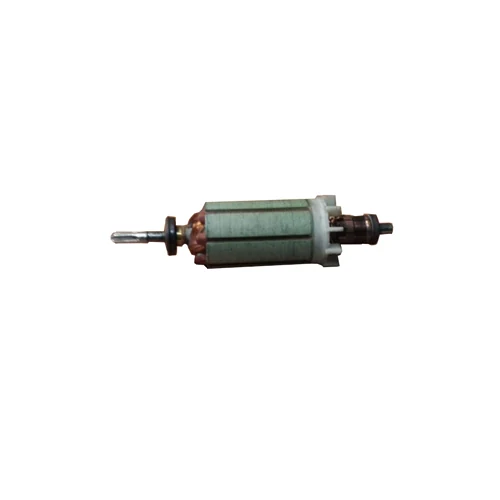
Micro Ball BearingsCarbon Brush for MarathonCarbon Brush for StrongArmature for Marathon(35K)Armature for Marathon(45K)

Micromotor Maintenance and Troubleshooting

Diagnosing loss of power, vibration, overheating and intermittent cut-outs before you replace a machine that does not need replacing.

Loss of Power

On a brush motor this is carbon brushes until proven otherwise. They wear gradually, so the decline is slow enough that technicians adapt to it without noticing. Inspect the brushes; if they are visibly short or the commutator is scored, replace both brushes as a pair.

If new brushes do not restore power, the armature is the next suspect. Replacing the armature together with new brushes is a normal workshop repair and far cheaper than a new machine.

Vibration and Chatter Marks

Vibration transfers directly into the work as chatter marks. Two causes dominate: worn bearings in the handpiece, and a worn chuck that no longer holds the bur concentric.

Test by running the handpiece empty. Noise and vibration with no bur fitted points to bearings; vibration only under load with a bur fitted points to the chuck.
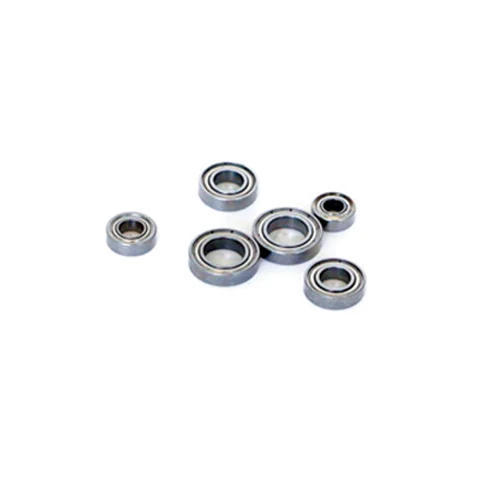
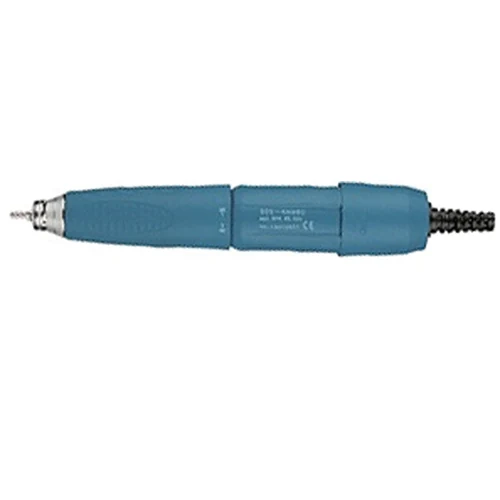
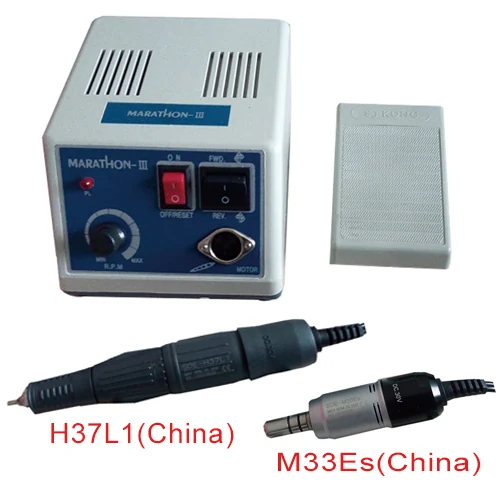
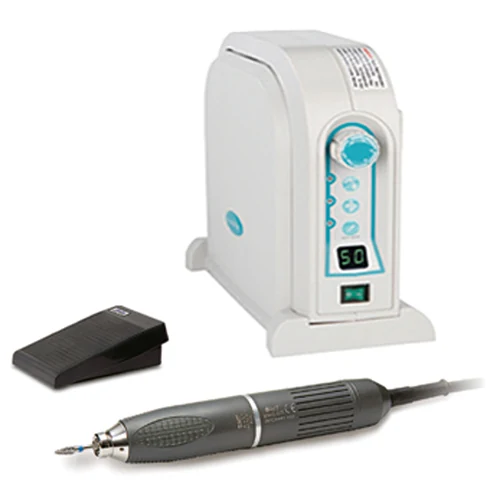
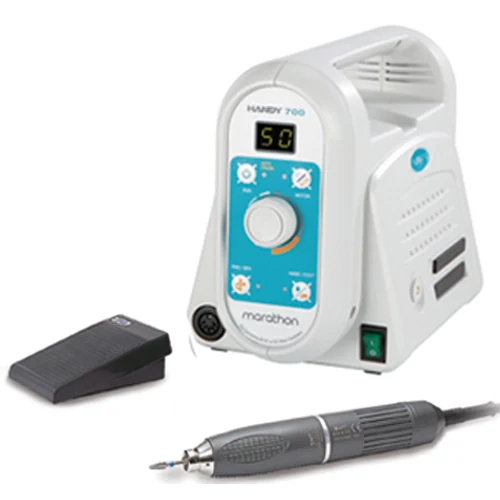
Micromotor Maintenance and Troubleshooting - product example
From the You Dent catalogue: Micromotor Spare Parts

Overheating

A handpiece that becomes too hot to hold is usually either running with worn bearings or being pushed too hard into the cut. Check the bearings first, then the technique. Excess pressure is a common habit when a motor has been quietly losing torque.

Intermittent Cut-Outs

Almost always the cord, and almost always at the handpiece end where it is flexed most. A conductor breaks inside intact insulation, so there is nothing to see. Replacing the cord is a cheap repair on an otherwise sound machine.

If the cord is sound, check the foot pedal and its cable next, for the same reason.

What Is Worth Repairing

Brushes, chuck, cord, pedal and bearings are all routine replacements. An armature is worth replacing where the control box and handpiece are otherwise sound. Beyond that, compare the parts cost against a new machine honestly.

Preventive Habits

Keep a spare set of brushes on the shelf. Change burs with the chuck fully open. Do not run a handpiece with the chuck closed and empty. Coil cords loosely. None of this is difficult, and together it roughly doubles the useful life of a bench micromotor.
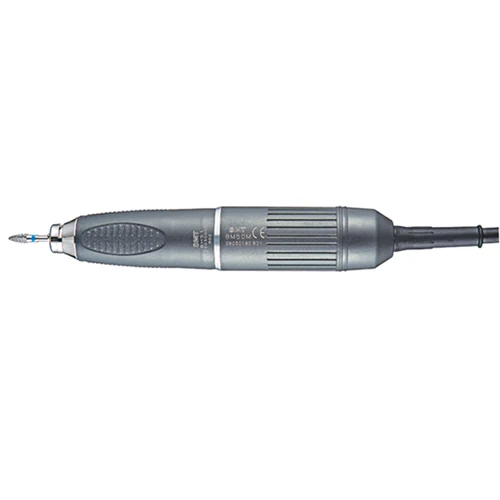
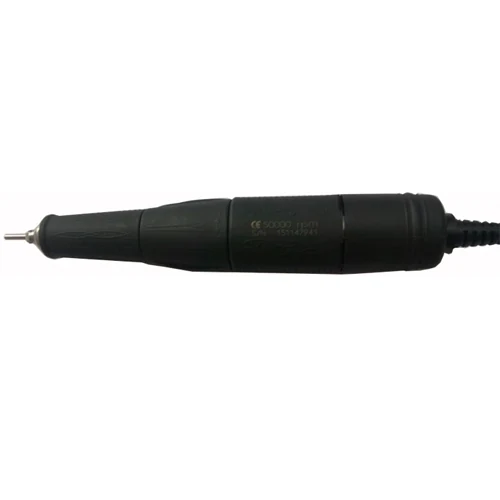
Keep reading

Other Guides in the Knowledge Center

Buying Guide

How to Choose a Dental Lab Micromotor

Torque, speed, brushless versus brush, voltage and serviceability, in the order they actually matter when you are buying.

Read the guide →
Process Guide

Dowel Pin Systems Explained

Single, spiked, sleeved and twin pins, what each one controls, and why dies rotate when they should not.

Read the guide →
Product Guide

Honeycomb Firing Trays and Pin Types

Round, square and multistation formats, ceramic versus metal pins, and how to size a tray to your furnace.

Read the guide →
Material Guide

Zirconia PMMA and Wax Discs Compared

What each CAD/CAM disc material is for, where each one fails, and how the three fit into one workflow.

Read the guide →
Process Guide

Sandblasting in the Dental Laboratory

Divesting versus surface preparation, why they need different media, and what a worn nozzle quietly does to your results.

Read the guide →
Buying Guide

Choosing a Dental Articulator

Fixed, magnetic and disposable instruments, and the one property that matters more than any specification.

Read the guide →
Process Guide

Polishing Sequence for Acrylic Dentures

Why a polish goes hazy, what each grade is actually doing, and the one habit that fixes most finishing problems.

Read the guide →
Checklist

Setting Up a New Dental Laboratory

What to buy first, what can wait, and how to sequence a fit-out so freight does not eat the budget.

Read the guide →
Buying Guide

Importing Dental Lab Equipment From China

Voltage, plugs, documentation, freight mode and consolidation, from the buyer's side of the transaction.

Read the guide →
Answers

Questions On This Topic

My motor runs but has no power. What do I check first?

Carbon brushes, if it is a brush motor. It is by a wide margin the most common cause, and the cheapest to fix.

Is it worth repairing an old micromotor?

If the control box works and the fault is brushes, chuck, cord or bearings, almost always yes. Those are the designed wear parts.

Still Not Sure Which Item You Need

Describe the machine, the material or the stage you are working on. We will tell you which product fits, and say so plainly when none of ours does.