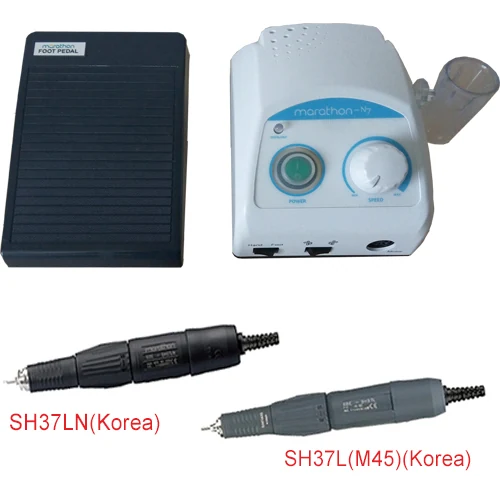
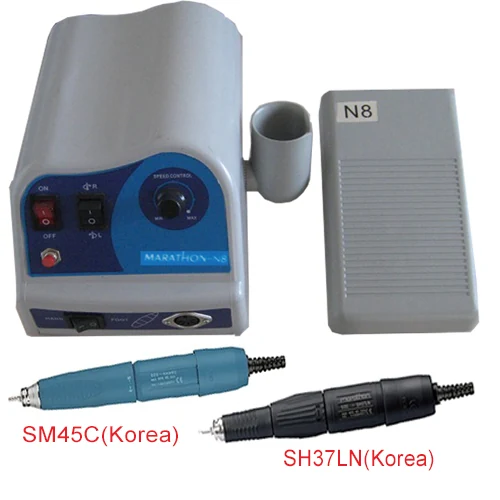
Settle Voltage and Plug Type in Writing
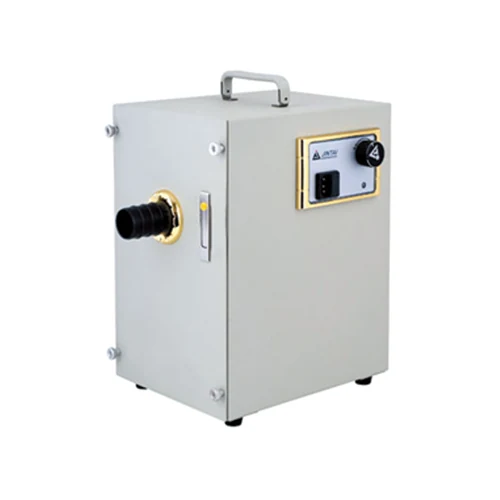
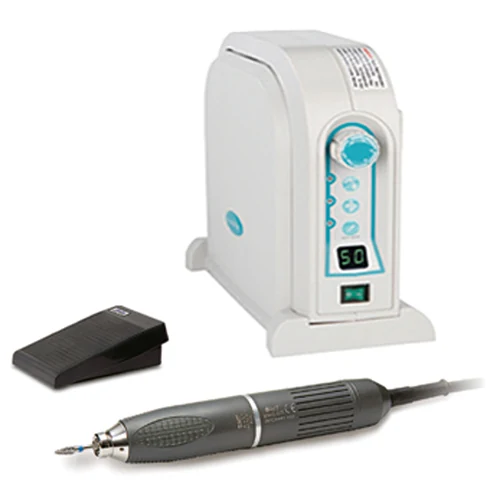
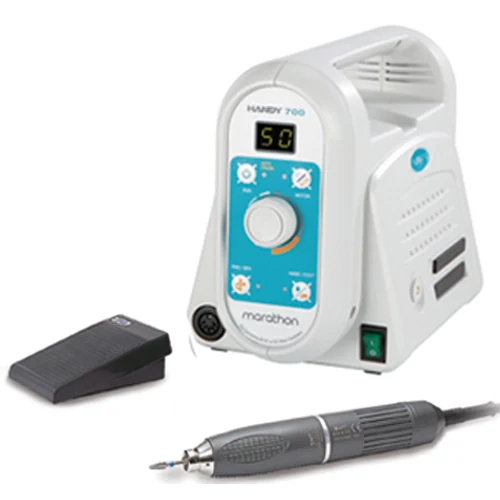
This is the most common avoidable problem in the whole transaction. Several laboratory machines are built for a single voltage. An adapter does not convert voltage, and a 220V machine on a 110V supply will not work properly, while the reverse destroys it.
State your country at the enquiry stage and get the supplied version confirmed in writing on the proforma invoice, not in a chat message.
Ask What Documentation Comes With the Goods
Different markets require different documentation for dental products. Ask specifically what will be provided for the items you are buying, and confirm it before payment rather than discovering the gap at customs. Be sceptical of blanket claims that cover an entire catalogue.
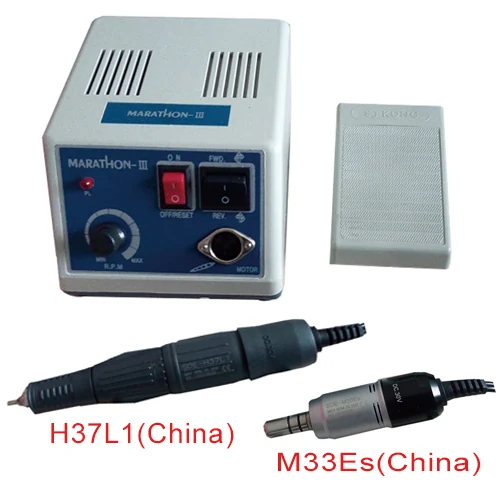
Choose the Freight Mode by Density
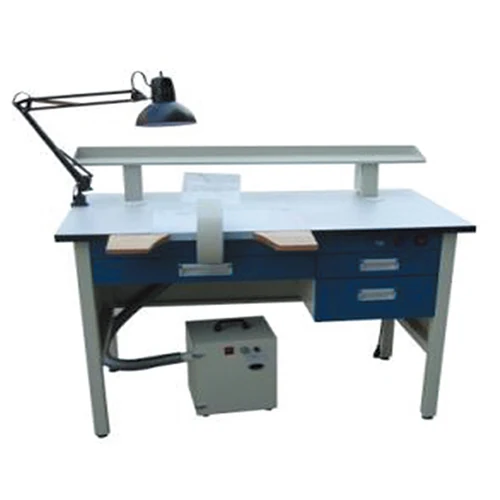
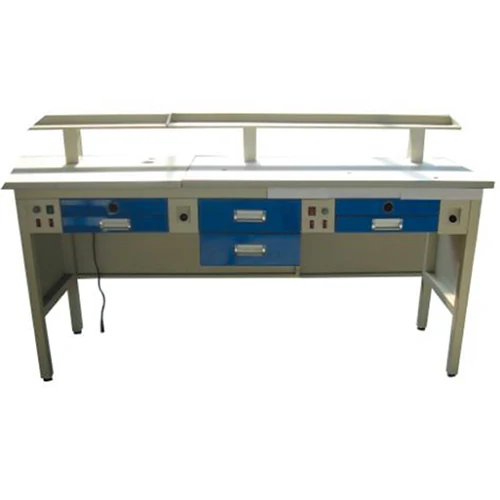
Laboratory goods split neatly. Small dense items, spare parts, pins, burs, discs, travel sensibly by air. Benches, cabinets and cased equipment are bulky and low-value per cubic metre, and belong on a sea shipment.
The expensive mistake is air-freighting something bulky because it was needed quickly. Plan the bulky items far enough ahead that sea freight is an option.
Consolidate
The single biggest lever on landed cost is consolidation. One shipment carrying eight categories costs far less than eight shipments carrying one each, and it involves one set of documents, one customs entry and one delivery to manage.
This is why buying from a supplier who already holds a broad range is structurally cheaper than buying each category from its own specialist factory.
Order Spares With the Machine
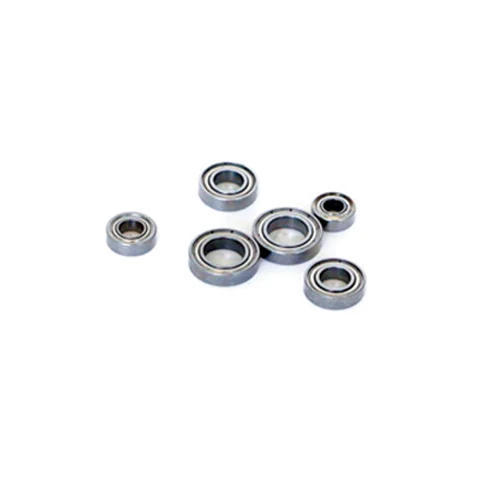
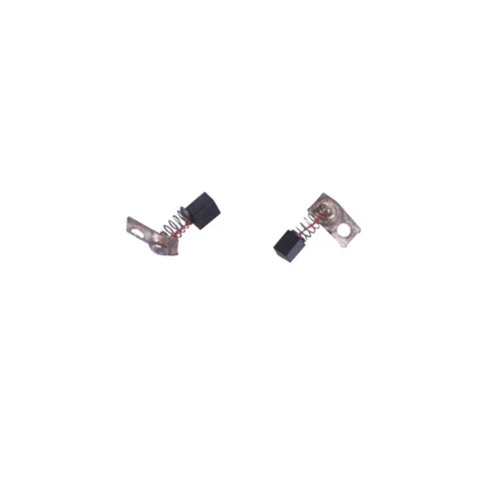
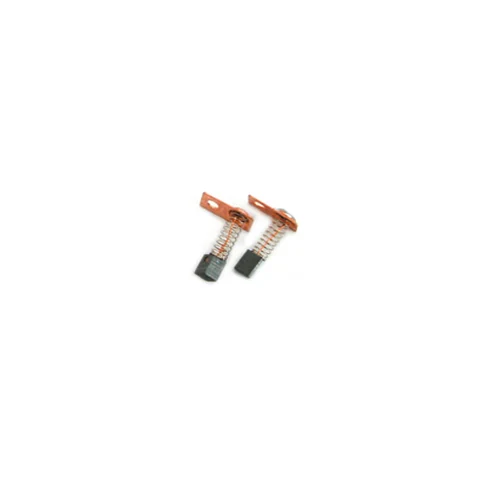
The parts that will fail first are cheap and light. Including them in the original shipment costs almost nothing. Sourcing them urgently a year later costs a multiple of their value in freight.
Agree What Happens if Something Arrives Damaged
Ask before you pay, not after something arrives broken. A supplier who answers this question clearly in advance is telling you something useful about how they operate.